Search results
Search for "silver nanoparticles" in Full Text gives 152 result(s) in Beilstein Journal of Nanotechnology.
Revisiting semicontinuous silver films as surface-enhanced Raman spectroscopy substrates
Beilstein J. Nanotechnol. 2019, 10, 1048–1055, doi:10.3762/bjnano.10.105
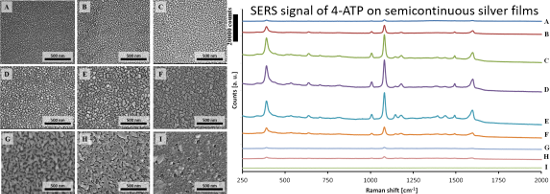
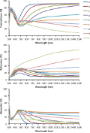
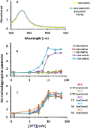
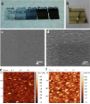
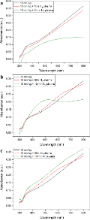
- corresponds to LSPR of isolated silver nanoparticles. With increased silver coverage the absorption peak broadens and shifts to longer wavelengths (samples B–E). Sample F has almost wavelength independent absorption (as well as transmittance and reflectance). Such behavior is known for metal films close to




Enhanced inhibition of influenza virus infection by peptide–noble-metal nanoparticle conjugates
Beilstein J. Nanotechnol. 2019, 10, 1038–1047, doi:10.3762/bjnano.10.104
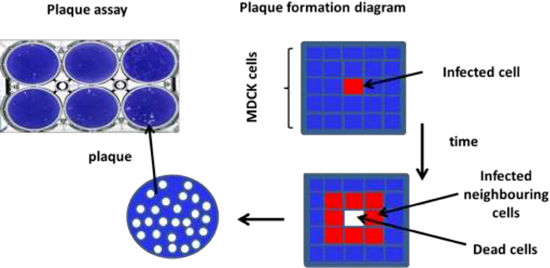
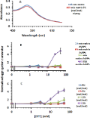
- a mixed-matrix ligand shell of a peptidol and an alkanethiol ethylene glycol consisting of 70% CVVVTol and 30% HS(CH2)11(OC2H4)4OH (mol/mol). Gold and silver nanoparticles (ca. 10 nm diameter) with up to 5% (mol/mol) FluPep ligand remained as stable as the control of mixed-matrix-passivated
- demonstrate that conjugation of FluPep to gold and silver nanoparticles enhances its antiviral potency; the antimicrobial activity of silver ions may enable the design of even more potent antimicrobial inhibitors, capable of targeting both influenza and bacterial co-infections. Keywords: antiviral peptides
- ; gold nanoparticles; influenza virus; lytic infection; silver nanoparticles; Introduction The influenza (“flu”) type-A virus is a major health concern for humans and livestock animals. The primary mode of transmission is by the respiratory route. Flu infection occurs seasonally and can cause global




Deposition of metal particles onto semiconductor nanorods using an ionic liquid
Beilstein J. Nanotechnol. 2019, 10, 718–724, doi:10.3762/bjnano.10.71
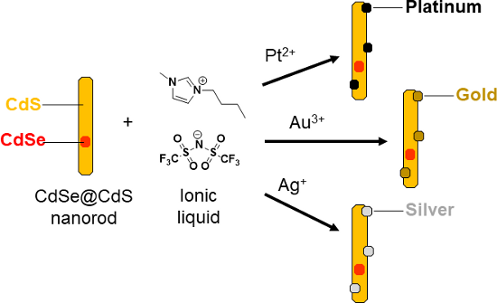
- an ionic liquid, and the effect this has on catalytic performance. Platinum, gold, and silver nanoparticles were deposited onto CdSe@CdS (core@shell) nanorods from metal salts in an ionic liquid (1-butyl-3-methylimidazolium bis(trifluoromethylsulfonyl)imide) without additional surfactants or reducing
- methylene blue. This hybrid approach using traditional organic ligands for the synthesis of well-defined nanorods followed by [bmim][Tf2N] for metal deposition was found to be applicable to other noble metals in addition to platinum. Gold and silver nanoparticles were also deposited onto CdSe@CdS nanorods
- those previously observed using organic solvents and ligands [39][40]. We were also able to deposit silver nanoparticles onto CdSe@CdS nanorods using only [bmim][Tf2N] and AgNO3 at 50 °C (Figure 3b). Due to the lower contrast in electron microscopy of Ag compared to Au, silver deposition was conducted


Gold nanoparticles embedded in a polymer as a 3D-printable dichroic nanocomposite material
Beilstein J. Nanotechnol. 2019, 10, 442–447, doi:10.3762/bjnano.10.43
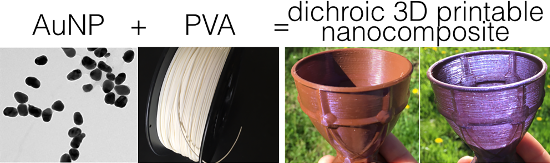
- due to gold nanoparticles (AuNPs) and silver nanoparticles (AgNPs) of different sizes and shapes [9][10]. However, only the Lycurgus cup, now stored in the British Museum, and six other broken pieces showing the same dichroic effect were found worldwide, hinting that the achievement of such an optical



Controlling surface morphology and sensitivity of granular and porous silver films for surface-enhanced Raman scattering, SERS
Beilstein J. Nanotechnol. 2018, 9, 2813–2831, doi:10.3762/bjnano.9.263
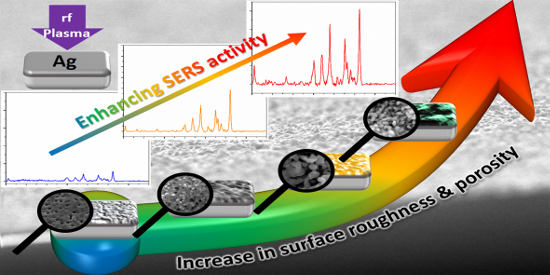
- obtain porous silver nanostructures [12]. Other routes include the use of gold or silver nanoparticles of different shapes in solution and their assembly on a solid substrate [6][13][14][15][16][17], nanosphere lithography [18][19][20][21][22][23][24][25] as well as nanolithography and nanoimprinting [26
- from Abacus (Analytical Systems GmbH) consisting of silver nanoparticles on a paper substrate was used for comparison. Results and Discussion Processing and characterization of sputtered and plasma-treated silver films Radio frequency plasma is generated through exposing the feed gas to an external
- well-known for silver nanoparticles. In case of argon plasma treatment (Figure 9c) increasing plasma treatment time results in an increase of absorption of the silver film over the whole UV–vis spectrum indicating some sort of densification of the silver film [87]. The wetting behavior was analyzed by






Comparative biological effects of spherical noble metal nanoparticles (Rh, Pd, Ag, Pt, Au) with 4–8 nm diameter
Beilstein J. Nanotechnol. 2018, 9, 2763–2774, doi:10.3762/bjnano.9.258
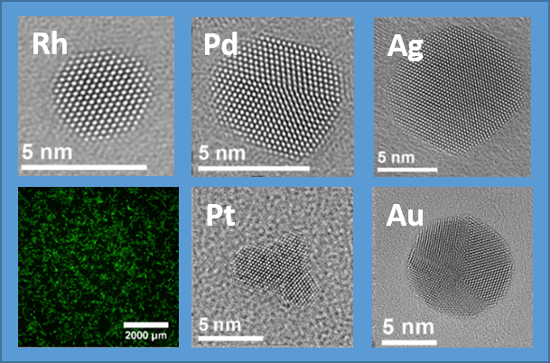
- biological effects of rhodium nanoparticles except that these nanoparticles can penetrate into human skin [32]. Silver nanoparticles are applied in various fields including healthcare and biomedicine due to their antimicrobial, antifungal and antiviral effect [33][34][35][36][37]. This is based on the
- ][52]. This previously prompted us to carry out a multicentre study where the same silver nanoparticles were investigated in different laboratories with different biological assays [44]. Following the same approach, we have synthesized and thoroughly characterized nanoparticles of the noble metals Rh
- reduction with sodium borohydride leads to small palladium nanoparticles (<10 nm) [65]. Silver nanoparticles can be synthesized in many different ways [66][67]. A bottom-up synthesis of silver nanoparticles can be performed either in organic solvents like ethylene glycol (EG), oleylamin (cis-1-amino-9


Enhancement of X-ray emission from nanocolloidal gold suspensions under double-pulse excitation
Beilstein J. Nanotechnol. 2018, 9, 2609–2617, doi:10.3762/bjnano.9.242
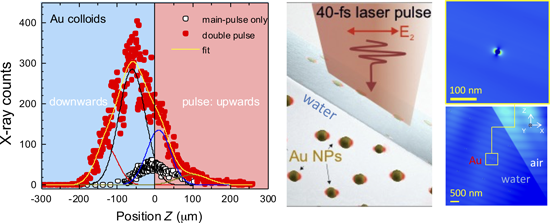
- with different sizes was applied for the efficient X-ray generation in an aqueous phase [17][18], and plasmonic silver nanoparticles were excited to accelerate electrons in vaccum [19]. In addition, there is another new theoretical approach on X-ray sources using plasmonic graphene [20]. Nanoparticles


SERS active Ag–SiO2 nanoparticles obtained by laser ablation of silver in colloidal silica
Beilstein J. Nanotechnol. 2018, 9, 2396–2404, doi:10.3762/bjnano.9.224
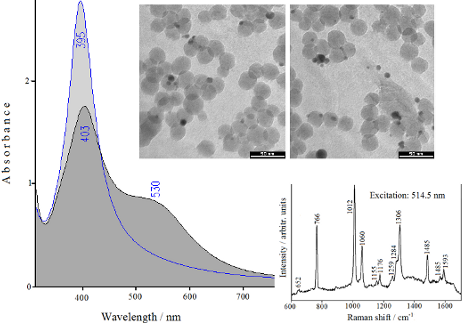
- of the present work is to apply laser ablation to the fabrication of new materials for surface enhanced Raman scattering (SERS) [15][16], focusing on silver and silica nanoparticles in aqueous suspension. This research was undertaken for three main reasons. The first is that silver nanoparticles that
- silica, exhibiting suitable SERS enhancements by means of the vicinal presence of silver nanoparticles. Finally, the third reason is the use of laser ablation to obtain silver nanoparticles free of reagents and/or reaction products that could interfere in both ligand adsorption and SERS detection (as
- laser ablation time, the growth of the plasmonic band of the silver nanoparticles in two silica suspensions, with 10 and 5 wt % SiO2 concentrations. The results appear quite similar, as shown in the Figure S2 of Supporting Information File 1. The TEM images (Figure 2) show silver nanoparticles (5–10 nm


Surface energy of nanoparticles – influence of particle size and structure
Beilstein J. Nanotechnol. 2018, 9, 2265–2276, doi:10.3762/bjnano.9.211
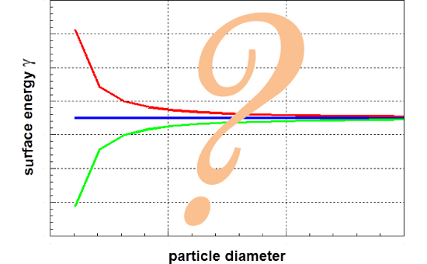
- expectation of a reduced surface energy. Results for silver nanoparticles, shown by Alarifi et al. [46], demonstrate the existence of both an outer liquid layer and subsequent a quasi-liquid transition layer at the surface of nanoparticles. Even when both the quasi-liquid and the liquid layer are not






The role of adatoms in chloride-activated colloidal silver nanoparticles for surface-enhanced Raman scattering enhancement
Beilstein J. Nanotechnol. 2018, 9, 2236–2247, doi:10.3762/bjnano.9.208
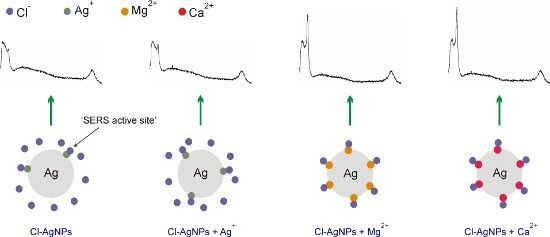
- Medicine, Manastur 3-5, 400372 Cluj-Napoca, Romania 10.3762/bjnano.9.208 Abstract Chloride-capped silver nanoparticles (Cl-AgNPs) allow for high-intensity surface-enhanced Raman scattering (SERS) spectra of cationic molecules to be obtained (even at nanomolar concentration) and may also play a key role in
- understanding some fundamental principles behind SERS. In this study, we describe a fast (<10 min) and simple protocol for obtaining highly SERS-active colloidal silver nanoparticles (AgNPs) with a mean diameter of 36 nm by photoconversion from AgCl precursor microparticles in the absence of any organic
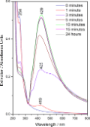
- seems to prevail over the Raman enhancement due to nanoparticle aggregation. Keywords: chloride activation; electronic coupling; photoreduction; silver nanoparticles; SERS-active sites; SERS switch-on effect; Introduction The most common surface-enhanced Raman scattering (SERS) substrate is the silver



Fabrication of photothermally active poly(vinyl alcohol) films with gold nanostars for antibacterial applications
Beilstein J. Nanotechnol. 2018, 9, 2040–2048, doi:10.3762/bjnano.9.193
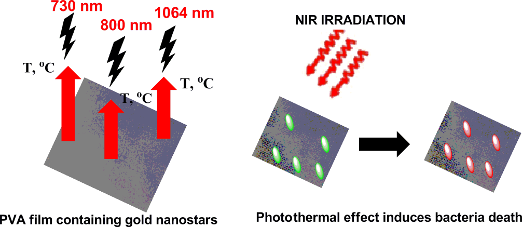
- studies have reported the preparation and the antibacterial efficacy of PVA films containing plant extracts, silver nanoparticles or zinc oxide nanoparticles [17][18][19][20][21][22]. However, when bacteria start to form biofilms they become resistant and conventional antibiotics do not eradicate biofilms
- from the surfaces where they formed [8]. Silver nanoparticles prevent biofilm formation but with a controversial results – Ag nanoparticles are effective towards Gram-negative bacterial strains but much less so towards Gram-positive [8][23]. There is a strong need for novel lightweight antibacterial


Cathodoluminescence as a probe of the optical properties of resonant apertures in a metallic film
Beilstein J. Nanotechnol. 2018, 9, 1491–1500, doi:10.3762/bjnano.9.140
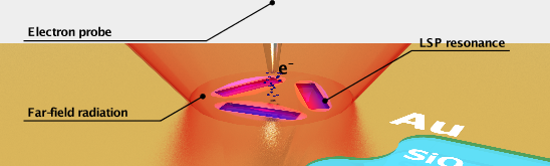
- of inorganic compounds such as ceramics, minerals and semiconductors [41][42][43]. CL has also been shown to be an invaluable tool in the investigation of optical modes of nanostructures [44]. These include characterising the plasmonic modes of silver nanoparticles [45] and resonant modes of single


Colorimetric detection of Cu2+ based on the formation of peptide–copper complexes on silver nanoparticle surfaces
Beilstein J. Nanotechnol. 2018, 9, 1414–1422, doi:10.3762/bjnano.9.134
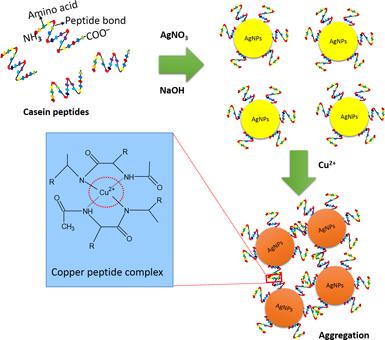
- + is based on coordination reactions of Cu2+ with casein peptide-functionalized silver nanoparticles (AgNPs), leading to a distinct color change of the solution from yellow to red. The developed method has a good detection limit of about 0.16 µM Cu2+ using 0.05 mL of AgNPs stock solution and a
- samples [13][14]. However, the use of gold and/or platinum limits the affordability of sensing probe. As exemplified in this work, cost-effective silver nanoparticles (AgNPs) having specifically modified ligands for detecting lower concentrations of Cu2+ offer a more portable and practical approach. In a
- recorded after 20 min at 520 nm. A plot of the concentration versus absorbance intensity was prepared, and used as the standard graph for the determination of Cu2+ concentrations present in the water samples. (a) UV–vis spectrum and color of silver nanoparticles before and after centrifugation. A


Electrodeposition of reduced graphene oxide with chitosan based on the coordination deposition method
Beilstein J. Nanotechnol. 2018, 9, 1200–1210, doi:10.3762/bjnano.9.111
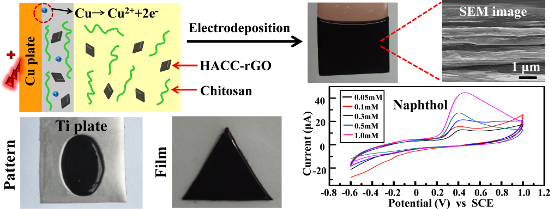
- promising for uses in surface coatings, sensors and metallic biomaterials, however, to date little attention has been paid to this coordination electrodeposition method. A feature of the chitosan electrodeposition method is that it enables a controllable means to assemble nanoparticles (e.g., silver
- nanoparticles, carbon nanotubes, manganese oxides nanoparticles, and carbon dots) on electrodes through codeposition with chitosan, which offers attractive applications in antimicrobial coatings, biosensors, microbial fuel cells, and energy storage materials [14][15][16][17][18]. Among the studies on the


Facile chemical routes to mesoporous silver substrates for SERS analysis
Beilstein J. Nanotechnol. 2018, 9, 880–889, doi:10.3762/bjnano.9.82
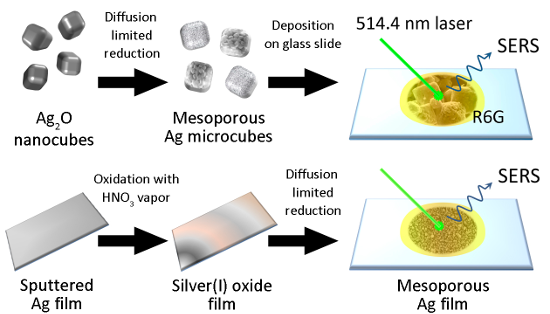
- , Ruhr-University at Bochum, Universitätsstraße 150, Bochum, 44801, Germany 10.3762/bjnano.9.82 Abstract Mesoporous silver nanoparticles were easily synthesized through the bulk reduction of crystalline silver(I) oxide and used for the preparation of highly porous surface-enhanced Raman scattering (SERS


Noble metal-modified titania with visible-light activity for the decomposition of microorganisms
Beilstein J. Nanotechnol. 2018, 9, 829–841, doi:10.3762/bjnano.9.77
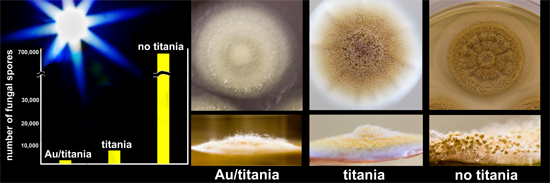
- activity under visible-light irradiation, whereas the size and shape of silver nanoparticles (NPs) and the aspect ratio of titania affect the antifungal activity [29]. In the present study, antimicrobial properties of commercial titania samples modified with noble metals have been investigated in order to


Colloidal solution of silver nanoparticles for label-free colorimetric sensing of ammonia in aqueous solutions
Beilstein J. Nanotechnol. 2018, 9, 499–507, doi:10.3762/bjnano.9.48
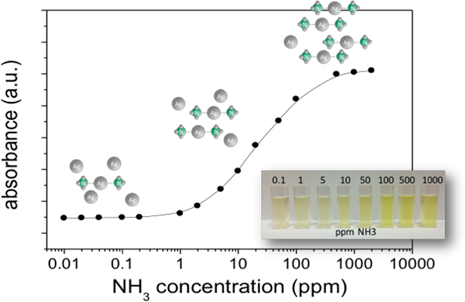
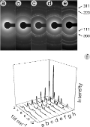
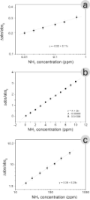
- Alessandro Buccolieri Antonio Serra Gabriele Giancane Daniela Manno GFA-Gruppo di Fisica Applicata, Dipartimento di Matematica e Fisica “E. De Giorgi”, Università del Salento Lecce, Italy 10.3762/bjnano.9.48 Abstract Silver nanoparticles were synthesized in the presence of saccharides and ammonia
- been identified: very low ammonia concentrations from 0.01 to 0.2 ppm, high ammonia concentrations from 20 to 350 ppm and, most importantly, the intermediate or physiological range of ammonia from 0.5 to 10 ppm. Keywords: electron diffraction; electron microscopy; NH3 sensors; silver nanoparticles; UV
- particular silver nanoparticles (AgNPs), are often considered for analytical application because of their peculiar optical and electrical properties [13]. The surface plasmon resonance (SPR) properties of metal nanoparticles are considered very useful for the use of colloidal solutions in the field of



Gas-assisted silver deposition with a focused electron beam
Beilstein J. Nanotechnol. 2018, 9, 224–232, doi:10.3762/bjnano.9.24
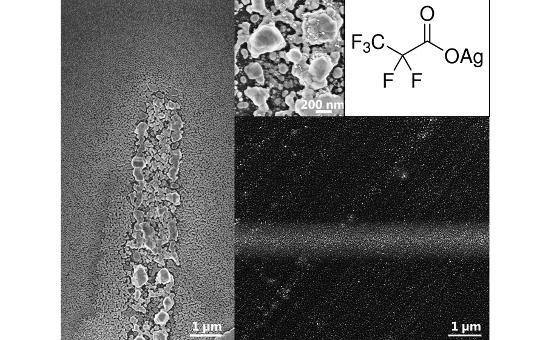
- Figure 6b recorded on the background particles indicate that they are silver nanoparticles. The pattern corresponds to the Ag fcc pattern (green rings). Additionally, the EDX line scan spectrum in Figure 6c over two particles (indicated by red line in inset) confirms this assumption by clearly showing a
- high silver content in those particles. The particle sizes are significantly smaller than those in the FEBID structures and can range from 4 to 10 nm, as shown in the histogram in Figure 6d. We attribute this background deposition of silver nanoparticles either to competing thermal decomposition of the


Facile synthesis of silver/silver thiocyanate (Ag@AgSCN) plasmonic nanostructures with enhanced photocatalytic performance
Beilstein J. Nanotechnol. 2017, 8, 2781–2789, doi:10.3762/bjnano.8.277
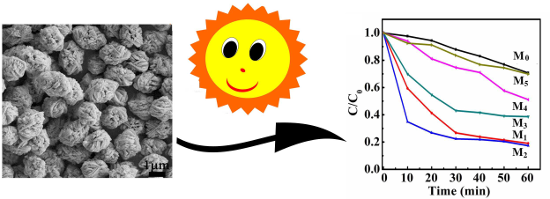
- nm. The absorption peak of silver nanoparticles becomes gradually stronger as the content of Ag increases, indicating that the sunlight utilization efficiency increases steadily. During UV irradiation, many defects are formed in AgSCN, including different interstitial sites and vacancies [29]. The


The role of ligands in coinage-metal nanoparticles for electronics
Beilstein J. Nanotechnol. 2017, 8, 2625–2639, doi:10.3762/bjnano.8.263
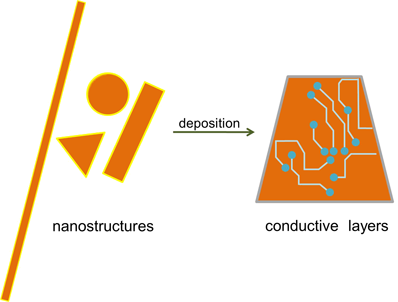
- of particle layers. For example, inks based on PVP-coated silver nanoparticles of different geometries were used to prepare conductive layers. Inks that contained only spheres (64 nm in diameter) formed layers with a conductivity of 769.2 S/cm at 70% metal mass fraction. Mixtures of spheres and
- -printed from inks based on silver–copper nanoparticles in 2-butoxyethanol acetate or electrocircuits from silver nanoparticles in water were inkjet-printed on paper substrates [50][91]. Alkanethiol-functionalized gold and silver nanoparticles in water exhibited increased dispersion stability with
- between the cores in deposited layers [96][97]. Silver nanoparticles stabilized by oleylamine ligands were immersed in 99.9% acetic acid in order to partially remove oleylamine, substitute it with acetic acid (Figure 2), and reduce the overall density of the ligand shell on the metal surface. The decrease


Fabrication of gold-coated PDMS surfaces with arrayed triangular micro/nanopyramids for use as SERS substrates
Beilstein J. Nanotechnol. 2017, 8, 2271–2282, doi:10.3762/bjnano.8.227
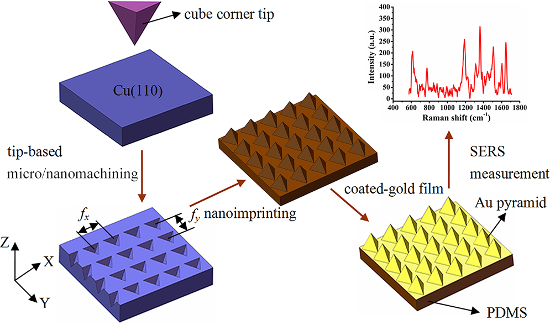
- nanoparticles on a poly(methyl methacrylate) (PMMA) template, and malachite green on fish skin [27] was successfully detected. A flexible and transparent substrate consisting of silver nanoparticles on polyethylene terephthalate (PET) sheets was fabricated for in situ detection of R6G and thiram residues with a





Synthesis and characterization of noble metal–titania core–shell nanostructures with tunable shell thickness
Beilstein J. Nanotechnol. 2017, 8, 2083–2093, doi:10.3762/bjnano.8.208
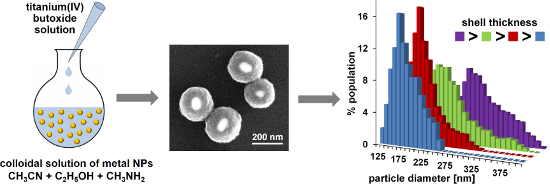
- silver nanoparticles, respectively. The stirring was kept up for 12 h. After this time, the synthesized CSNs were centrifuged and washed several times with ethanol. Tunable resistive pulse sensing (TRPS) measurements Analogous to the description in [64], TRPS size distribution measurements were carried


Luminescent supramolecular hydrogels from a tripeptide and nitrogen-doped carbon nanodots
Beilstein J. Nanotechnol. 2017, 8, 1553–1562, doi:10.3762/bjnano.8.157
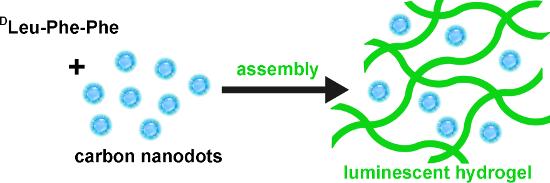
- allows several molecular precursors to be employed, such as amino acids in aqueous solution [3]. As an example, L-tyrosine was used to form hydrophobic CNDs able to sense ions and silver nanoparticles [4]. Arginine or cysteine have also been efficiently employed as starting materials through a


Surface-enhanced Raman spectroscopy of cell lysates mixed with silver nanoparticles for tumor classification
Beilstein J. Nanotechnol. 2017, 8, 1183–1190, doi:10.3762/bjnano.8.120

- immuno-functionalized nanoparticles turned out to be challenging for cell identification because they require complex preparation procedures. Here, a new SERS strategy is presented for cell classification using non-functionalized silver nanoparticles and potassium chloride to induce aggregation. To
- silver nanoparticles. Keywords: cell lysate; silver nanoparticles; surface-enhanced Raman spectroscopy (SERS); tumor-cell differentiation; Introduction Cytopathology is the histopathologic inspection of cells. Dyes, such as hematoxylin for cell nuclei or eosin for cytoplasm, are commonly used to stain
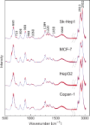
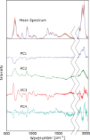
- developed to disrupt the cell walls by sonication and to allow for the interaction of silver nanoparticles with the released cellular biomolecules. The measured SERS spectra from six different batches were subjected to a support vector machine (SVM) to train classification models. The sensitivities


Needs and challenges for assessing the environmental impacts of engineered nanomaterials (ENMs)
Beilstein J. Nanotechnol. 2017, 8, 989–1014, doi:10.3762/bjnano.8.101