


Search results
Search for "stainless steel" in Full Text gives 152 result(s) in Beilstein Journal of Nanotechnology.
Fabrication and photoactivity of ionic liquid–TiO2 structures for efficient visible-light-induced photocatalytic decomposition of organic pollutants in aqueous phase
Beilstein J. Nanotechnol. 2018, 9, 580–590, doi:10.3762/bjnano.9.54
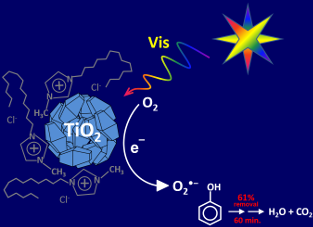
- was transferred to a 200 mL teflon-lined stainless steel autoclave and the solvothermal reaction was performed at 180 °C for 24 h [28]. The reaction product was washed with ethanol and deionized water, respectively, followed by drying at 60 °C for 6 h. The obtained powder was calcinated at 200 °C for




Kinetics of solvent supported tubule formation of Lotus (Nelumbo nucifera) wax on highly oriented pyrolytic graphite (HOPG) investigated by atomic force microscopy
Beilstein J. Nanotechnol. 2018, 9, 468–481, doi:10.3762/bjnano.9.45
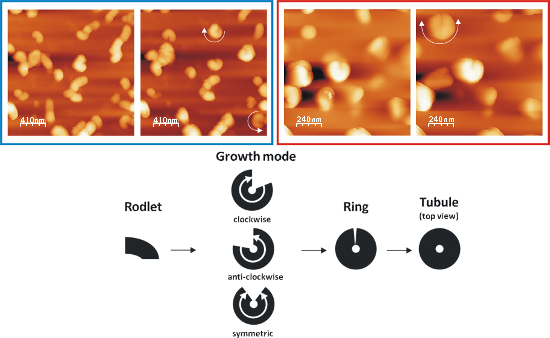
- chloroform takes ≈30 seconds to evaporate from the surface leaving the wax attached to the substrate. The HOPG substrate was then fixed to the stainless steel AFM base plate using a metal clip, so that the first image acquisition started typically 8–10 minutes after application of the wax solution, i.e


Influence of the preparation method on the photocatalytic activity of Nd-modified TiO2
Beilstein J. Nanotechnol. 2018, 9, 447–459, doi:10.3762/bjnano.9.43
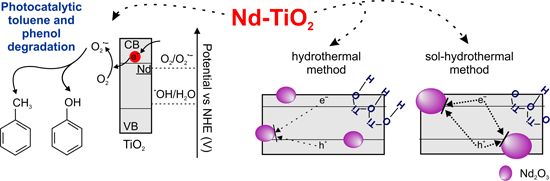
- stainless steel reactor with the working volume of about 35 mL equipped with a quartz window, two valves and a septum. An array of five LEDs (λmax = 415 nm) was used as an irradiation source. A glass plate covered by Nd-modified TiO2 was placed at the bottom side of the reactor followed by closing the


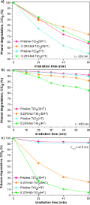


Sugarcane juice derived carbon dot–graphitic carbon nitride composites for bisphenol A degradation under sunlight irradiation
Beilstein J. Nanotechnol. 2018, 9, 353–363, doi:10.3762/bjnano.9.35
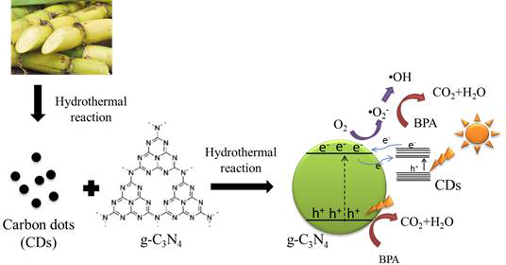
- -workers [6]. To prepare the CD solution, 40 mL of sugarcane juice was mixed with 30 mL ethanol and stirred for 10 min to ensure homogeneity. The mixture was then transferred to a 80 mL teflon-lined stainless-steel autoclave and closed up tightly. It was dried in oven at 120 °C for 8 h with a heating rate
- solution and then stirred for 24 h using a hot plate magnetic stirrer under room temperature. After the solution mixed homogeneously, it was placed into teflon-lined stainless-steel autoclave and heated at 100 °C for 2 h. It was then centrifuged to remove excessive CDs. The samples were then dried


Synthesis and characterization of electrospun molybdenum dioxide–carbon nanofibers as sulfur matrix additives for rechargeable lithium–sulfur battery applications
Beilstein J. Nanotechnol. 2018, 9, 262–270, doi:10.3762/bjnano.9.28
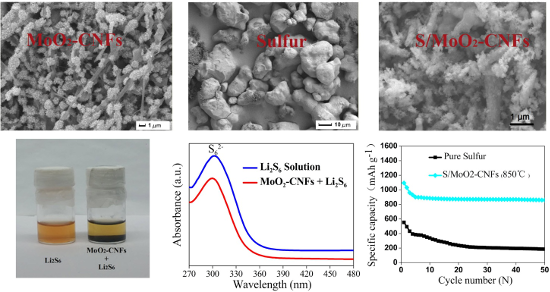
- vigorously stirred for 24 h at room temperature to form a sol–gel solution for further electrospinning. The solution was then loaded into 10 mL plastic syringes equipped with a 9-gauge stainless steel needle. A high voltage power supply was used to provide a voltage of 15 kV to the needle tips and the
- of 1:1. The resulting S/MoO2–CNF composites were gradually dried in air for 6 h then heated to 155 °C for 6 h in a sealed 25 mL teflon-lined stainless-steel autoclave. After cooling down to room temperature, S/MoO2–CNF composites were obtained. Next, the as-prepared S/MoO2–CNF composites were mixed


Gas-assisted silver deposition with a focused electron beam
Beilstein J. Nanotechnol. 2018, 9, 224–232, doi:10.3762/bjnano.9.24
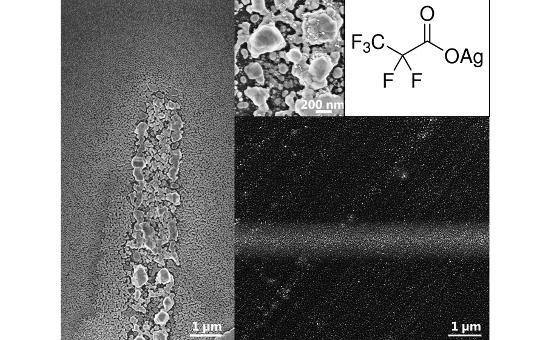
- mode of the Hitachi S3600 software was used. The precursor was introduced into the chamber via a homebuilt gas injection system (GIS). The GIS was made of chemically inert stainless steel and designed to minimize the molecule path lengths. Instead of a capillary, a large GIS-opening of 3 mm inner


Bombyx mori silk/titania/gold hybrid materials for photocatalytic water splitting: combining renewable raw materials with clean fuels
Beilstein J. Nanotechnol. 2018, 9, 187–204, doi:10.3762/bjnano.9.21
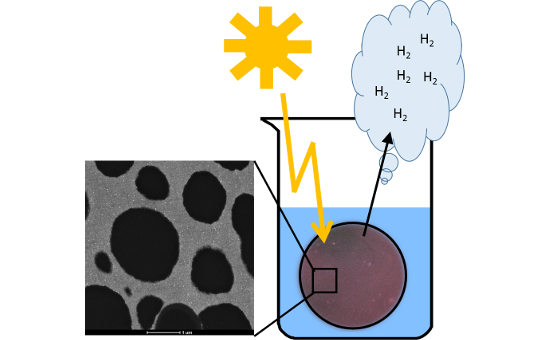
- showed the same behavior and the deviations between the individual measurements were below 1%. Elemental analysis (EA) for C, H, and N was performed on a Vario EL III (elementar). Photocatalysis experiments were done in a planar photoreactor with defined geometry consisting of a stainless steel housing


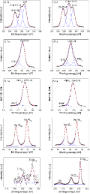
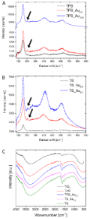


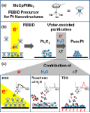
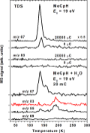
Electron-driven and thermal chemistry during water-assisted purification of platinum nanomaterials generated by electron beam induced deposition
Beilstein J. Nanotechnol. 2018, 9, 77–90, doi:10.3762/bjnano.9.10
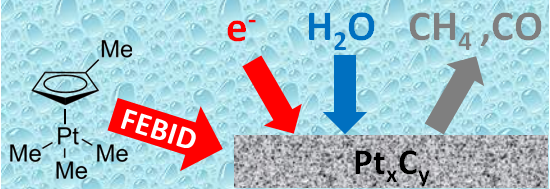
- calibrated volume where the absolute pressure is measured with a capacitance manometer. For each film deposition, a calibrated amount of vapour was leaked via a stainless steel capillary opening onto the metal substrate. Experiments on methylcyclopentadiene (MeCpH) were performed on a polycrystalline Au



The rational design of a Au(I) precursor for focused electron beam induced deposition
Beilstein J. Nanotechnol. 2017, 8, 2753–2765, doi:10.3762/bjnano.8.274
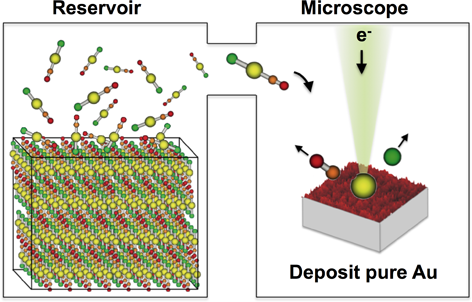
- = 8.5 Hz, 3H, AuCH3), 0.60 (d, 2JHP = 8.7 Hz, 6H, PCH3); 31P NMR (162 MHz, C6D6, 25 °C) δ 11.4 (m, 2JHP = 8.7 Hz, PMe3). These values correspond to values published earlier [84][85]. The compound was stored at 243 K in a dry N2 atmosphere and loaded into vacuum reservoirs, either a stainless steel


CdSe nanorod/TiO2 nanoparticle heterojunctions with enhanced solar- and visible-light photocatalytic activity
Beilstein J. Nanotechnol. 2017, 8, 2741–2752, doi:10.3762/bjnano.8.273
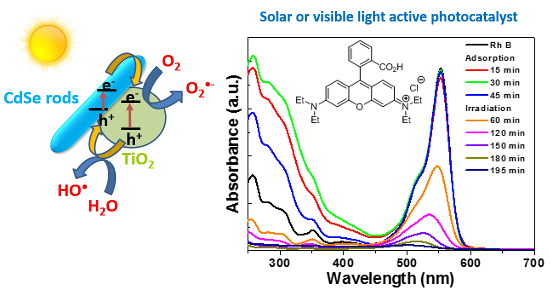
- 30 min at room temperature to ensure complete dissolution of precursors. Next, the solution was transferred to a teflon-lined stainless steel autoclave with 100 mL capacity and heated to 180 °C for 12 h. After cooling to room temperature, the CdSe NRs were recovered by centrifugation (4000 rpm for 15






Fabrication of CeO2–MOx (M = Cu, Co, Ni) composite yolk–shell nanospheres with enhanced catalytic properties for CO oxidation
Beilstein J. Nanotechnol. 2017, 8, 2425–2437, doi:10.3762/bjnano.8.241
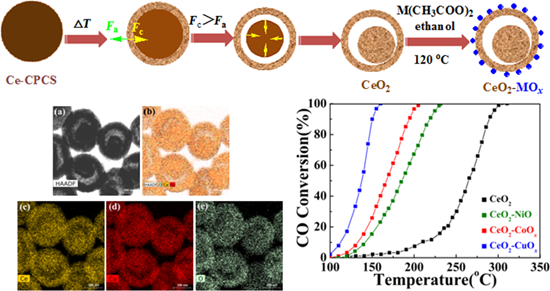
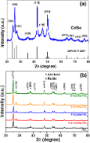
- solution. The resultant mixture was placed to a 50 mL Teflon-lined stainless steel autoclave and maintained at 100 °C for 10 h. After cooling to room temperature, the Ce-CPCSs were collected by centrifugation, washed with ethanol three times and oven-dried at 60 °C. The CeO2 yolk–shell nanospheres were
- mg of the as-prepared CeO2 was dispersed into the above clear solutions under ultrasonification. Subsequently, the resultant homogeneous slurry was placed in a 25 mL Teflon-lined stainless steel autoclave and maintained at 120 °C for 12 h. Finally, the products were harvested by centrifugation and
- silica sand was loaded into a stainless steel tube. A gas mixture of CO/O2/N2 (1:10:89) with a total flow rate of 50 mL/min flowed through the reactor, equivalent to a weight hourly space velocity (WHSV) of 60000 mL·g−1·h−1. The composition of the gas exiting from the reactor was monitored with an online





Electron beam induced deposition of silacyclohexane and dichlorosilacyclohexane: the role of dissociative ionization and dissociative electron attachment in the deposition process
Beilstein J. Nanotechnol. 2017, 8, 2376–2388, doi:10.3762/bjnano.8.237
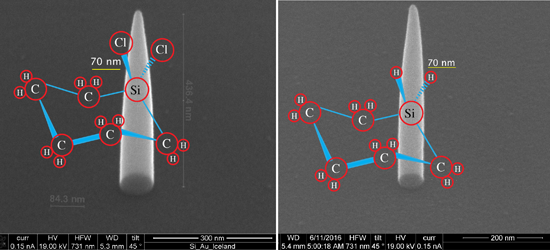
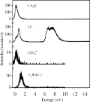
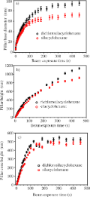
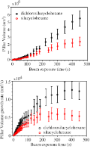
- the SEM specimen chamber using a custom-built inlet system consisting of a stainless steel container with the precursor molecules and a leak valve. With the leak valve the pressure of the precursor molecules in the chamber could be precisely controlled. The precursor dichlorosilacyclohexane (DCSCH





In situ controlled rapid growth of novel high activity TiB2/(TiB2–TiN) hierarchical/heterostructured nanocomposites
Beilstein J. Nanotechnol. 2017, 8, 2116–2125, doi:10.3762/bjnano.8.211
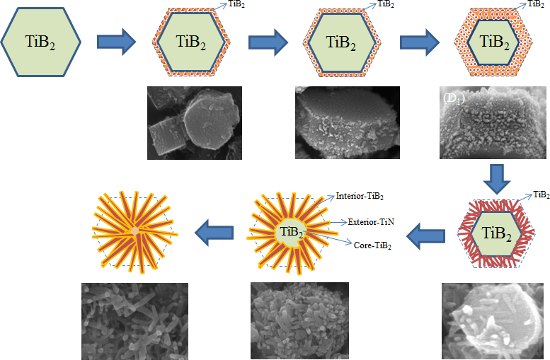
- , KBH4 and NH4NO3 were of analytical grade and purchased from Sinopharm Chemical Reagent Co., Ltd., China without further treatment. In a typical procedure, TiO2, Mg and B2O3 were milled for 2 h by a planet-type ball mill (the weight rate between stainless steel ball and mixture powders was 30:1


A comparative study of the nanoscale and macroscale tribological attributes of alumina and stainless steel surfaces immersed in aqueous suspensions of positively or negatively charged nanodiamonds
Beilstein J. Nanotechnol. 2017, 8, 2045–2059, doi:10.3762/bjnano.8.205
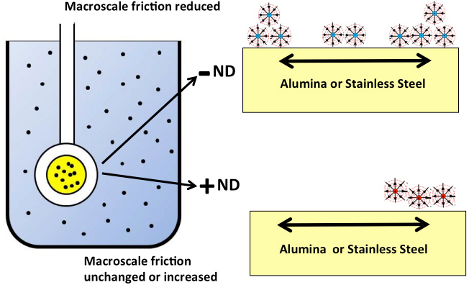
- the nanoscale and macroscale tribological attributes of alumina and stainless steel surfaces immersed in aqueous suspensions of positively (hydroxylated) or negatively (carboxylated) charged nanodiamonds (ND). Immersion in −ND suspensions resulted in a decrease in the macroscopic friction coefficients
- to values in the range 0.05–0.1 for both stainless steel and alumina, while +ND suspensions yielded an increase in friction for stainless steel contacts but little to no increase for alumina contacts. Quartz crystal microbalance (QCM), atomic force microscopy (AFM) and scanning electron microscopy
- (SEM) measurements were employed to assess nanoparticle uptake, surface polishing, and resistance to solid–liquid interfacial shear motion. The QCM studies revealed abrupt changes to the surfaces of both alumina and stainless steel upon injection of –ND into the surrounding water environment that are


Systematic control of α-Fe2O3 crystal growth direction for improved electrochemical performance of lithium-ion battery anodes
Beilstein J. Nanotechnol. 2017, 8, 2032–2044, doi:10.3762/bjnano.8.204
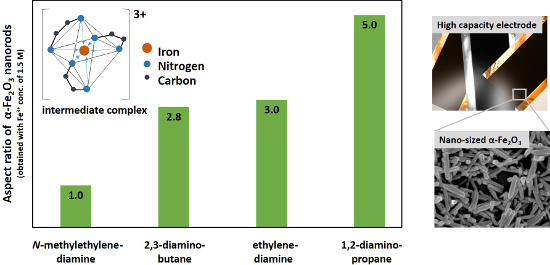
- to a 100 mL autoclave with teflon-lined stainless steel for hydrothermal treatment at 180 °C for 16 h. The product was allowed to naturally cool down to room temperature after reaction and collected by centrifugation with deionized water and ethanol. The sample was dried overnight at 60 °C, and a red


Imidazolium-based ionic liquids used as additives in the nanolubrication of silicon surfaces
Beilstein J. Nanotechnol. 2017, 8, 1961–1971, doi:10.3762/bjnano.8.197
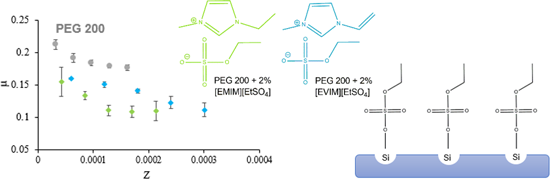
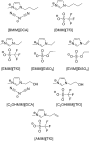
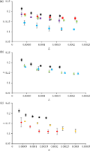
- are silicon wafers b100N with 0.5 mm of thickness and a roughness below 0.1 nm. Stainless steel AISI 316L spheres with 3 mm of diameter were used as counter bodies. Methods Synthesis of ionic liquids [AMIM][Br]: 1-Methylimidazole (14.0 mL, 176 mmol) was dissolved in 50 mL of acetone in a round
- as described above, were placed at the bottom of a liquid cell and a few drops of the lubricant were deposited on top to ensure complete coverage of the substrate surface. The amplitude of the reciprocal movement of the counter body (stainless steel sphere) on the Si surface was 0.5 mm and a force of



Evaluation of preparation methods for suspended nano-objects on substrates for dimensional measurements by atomic force microscopy
Beilstein J. Nanotechnol. 2017, 8, 1774–1785, doi:10.3762/bjnano.8.179
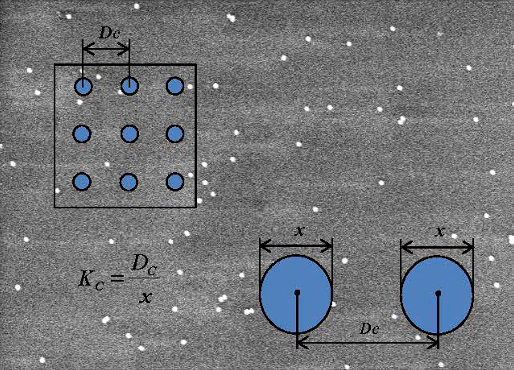
- preparation methods in which all of precipitated particles are deposited on the substrate, so the estimation is relevant for membrane filtration (if particle size > pore size) and droplet drying. Membrane filtration: The membranes were fixed and flowed off in a filter element (stainless steel 316, diameter 13


Nanotribological behavior of deep cryogenically treated martensitic stainless steel
Beilstein J. Nanotechnol. 2017, 8, 1760–1768, doi:10.3762/bjnano.8.177
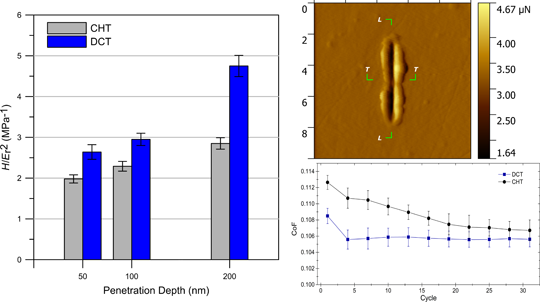
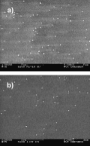
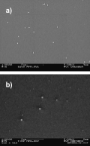
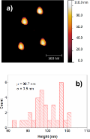
- behavior and mechanical properties at the nano-scale of cryogenically and conventionally treated AISI 420 martensitic stainless steel were evaluated. Conventionally treated specimens were subjected to quenching and annealing, while the deep cryogenically treated samples were quenched, soaked in liquid
- cryogenic treatments increased both hardness and elastic limit of a low-carbon martensitic stainless steel, while its tribological performance was enhanced marginally. Keywords: carbide refinement; cryogenic treatments; friction; nanoindentation; nanoscratch; wear-resistance improvement; Introduction AISI
- 420 is a martensitic stainless steel, commonly used in pumping applications in the petrochemical industry, oil extraction and energy generation. As a result, components made of AISI 420 are subjected to severe mechanical and tribological solicitations. Therefore, the enhancement of wear resistance of


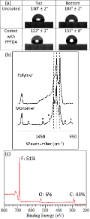
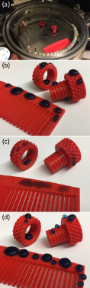
Surface functionalization of 3D-printed plastics via initiated chemical vapor deposition
Beilstein J. Nanotechnol. 2017, 8, 1629–1636, doi:10.3762/bjnano.8.162
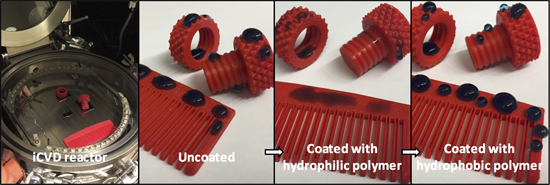
- ). Monomers were loaded into stainless steel jars and subsequently attached to the reactor chamber. To achieve appropriate monomer vapor pressure, PFDA was heated to 60 °C or 50 °C (for S1-S3, F1-F2, H1-H2), HEMA was heated to 50 °C, and EGDA was heated to 35 °C. TBPO was kept at room temperature of 25 °C and



Luminescent supramolecular hydrogels from a tripeptide and nitrogen-doped carbon nanodots
Beilstein J. Nanotechnol. 2017, 8, 1553–1562, doi:10.3762/bjnano.8.157
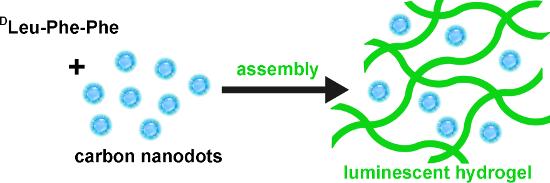
- dynamic time sweep rheological analysis was conducted on a Malvern Kinexus Ultra Plus rheometer with a 20 mm stainless steel parallel plate geometry. The temperature was maintained at 25 °C using a Peltier temperature controller. The samples were prepared in situ and immediately analyzed with a gap of


Development of a nitrogen-doped 2D material for tribological applications in the boundary-lubrication regime
Beilstein J. Nanotechnol. 2017, 8, 1476–1483, doi:10.3762/bjnano.8.147
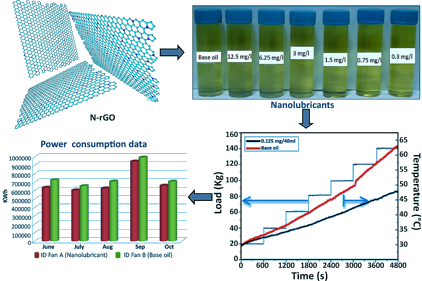
- concentrations. Variation of COF over time for base oil and nanolubricant with N-rGO (3 mg/L). Wear scar diameter (WSD) of stainless steel balls lubricated with (a) base oil and (b) N-rGO nanolubricant (3 mg/L). Comparison of the measured temperature of base oil and N-rGO (3 mg/L) nanolubricant as a function of


Micro- and nano-surface structures based on vapor-deposited polymers
Beilstein J. Nanotechnol. 2017, 8, 1366–1374, doi:10.3762/bjnano.8.138
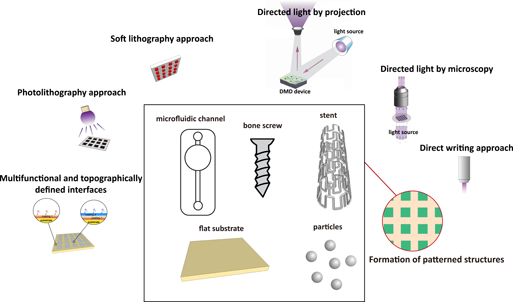
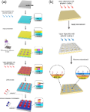
- ) surface and a poly(4-ethynyl-p-xylylene-co-p-xylylene) surface, respectively. Various substrates were successfully verified for the coating and patterning modifications: metal (silver, titanium, stainless steel), polystyrene (PS), poly(methyl methacrylate) (PMMA), silicon, glass, poly(dimethylsiloxane


Fabrication of hierarchically porous TiO2 nanofibers by microemulsion electrospinning and their application as anode material for lithium-ion batteries
Beilstein J. Nanotechnol. 2017, 8, 1297–1306, doi:10.3762/bjnano.8.131
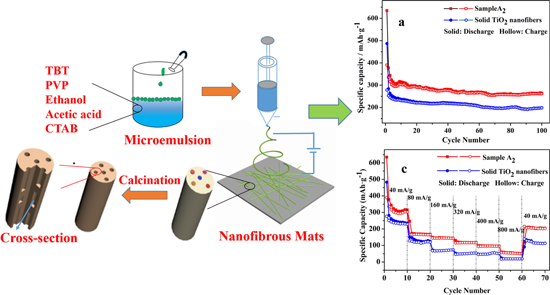
- /w) of 2.25, 1.9 and 1.55 were added slowly under stirring for 12 h to obtain a microemulsion. Preparation of porous TiO2 nanofibers The prepared microemulsion was filled in a 30 mL syringe with a blunt-end stainless steel needle, which had an inside diameter of 0.3 mm. Then the microemulsion was




Oxidative chemical vapor deposition of polyaniline thin films
Beilstein J. Nanotechnol. 2017, 8, 1266–1276, doi:10.3762/bjnano.8.128
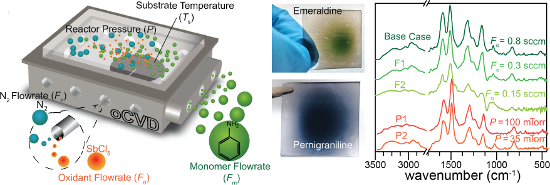
- inert carrier to help transport the oxidant and as a diluent to help control polymerization reactions. The monomer and oxidant are delivered in separate quarter-inch stainless-steel tubes to isolate the reactants prior to entering the reaction chamber and minimize polymerization and blockage in the gas




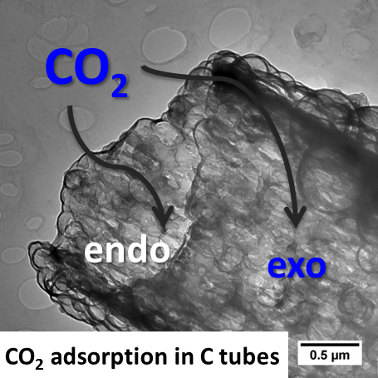
Hierarchically structured nanoporous carbon tubes for high pressure carbon dioxide adsorption
Beilstein J. Nanotechnol. 2017, 8, 1135–1144, doi:10.3762/bjnano.8.115
- fibres (1) In a similar manner as described in [38], electrospinning was performed in a homebuilt apparatus. Polystyrene (PS) fibres were electrospun from a 16 wt % PS THF/DMF 3:2 solution. After aging the spinning solution overnight, it was loaded into a glass syringe equipped with a stainless-steel
- the range 0–3 bar, 0–30 bar and 0–100 bar with an accuracy of 0.05% of the maximum pressure rating. The all stainless steel construction was made from Swagelok® tubes and fittings. A water bath was used for maintaining isothermal conditions and K-type thermocouples monitored the gas temperature in the





