Search results
Search for "catalyst" in Full Text gives 384 result(s) in Beilstein Journal of Nanotechnology. Showing first 200.
Nanocasting synthesis of BiFeO3 nanoparticles with enhanced visible-light photocatalytic activity
Beilstein J. Nanotechnol. 2020, 11, 1822–1833, doi:10.3762/bjnano.11.164
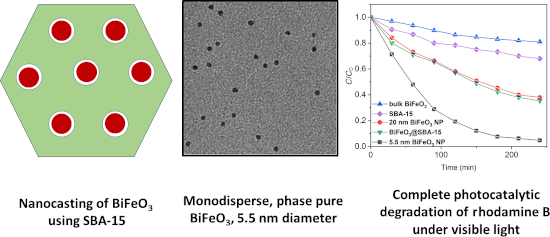
- photocatalytic activity [20]. Since the photocatalytic degradation of organic molecules using a metal oxide photocatalyst is a heterogeneous process, it is obvious that efficiency and overall catalytic performance are strongly correlated to the number of active sites on the catalyst surface area and, thus, to
- = 5 mg/L) was mixed with 50 mg of the BiFeO3 sample. The mixture was stirred for 60 min in darkness to ensure an adsorption–desorption equilibrium between the catalyst and the dye solution. After irradiation, aliquots were taken every 30 min and centrifuged in darkness at 5000 rpm for 3 min to
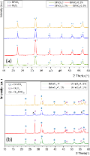
- separate the catalyst powder from the solution. The absorbance of each sample during photocatalysis was measured at the maximum absorption peak of RhB. Characterization techniques and equipment The structure and phase purity of the nanomaterials synthesized here were characterized using powder X-ray




Self-standing heterostructured NiCx-NiFe-NC/biochar as a highly efficient cathode for lithium–oxygen batteries
Beilstein J. Nanotechnol. 2020, 11, 1809–1821, doi:10.3762/bjnano.11.163
- [26]. For instance, molybdenum/tungsten carbide with a well-defined nanostructure was synthesized via a hydrothermal method, and the obtained metal carbide catalyst yielded a high capacity in lithium–oxygen batteries [15]. Also, titanium carbide was synthesized by Bruce et al. as cathode material for
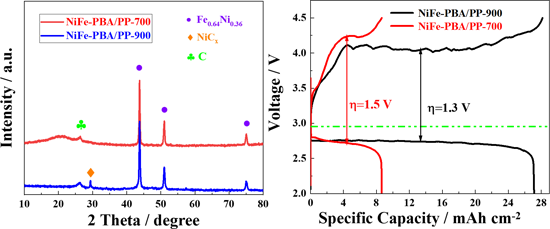
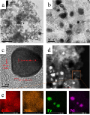
- PANalytical B.V. Empyean X-ray diffractometer with Cu Kα radiation (λ = 1.5406 Å). The surface morphology of the film catalyst was studied via scanning electron microscopy (SEM) on a Carl Zeiss Ultra Plus scanning electron microscope. Transmission electron microscopy (TEM), high-resolution TEM (HR-TEM), and
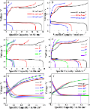
- surface of the catalyst particles. These undecomposed Li2O2 might be attributed to the formation of crystalline Li2O2, which is probably the main reason for the observed decline in the specific capacity (Figure 6c). To identify the product formed on the surface of NiFe-PBA/PP-900 after charge and






PEG/PEI-functionalized single-walled carbon nanotubes as delivery carriers for doxorubicin: synthesis, characterization, and in vitro evaluation
Beilstein J. Nanotechnol. 2020, 11, 1728–1741, doi:10.3762/bjnano.11.155
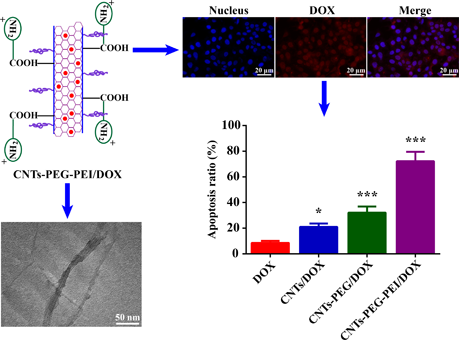
- were afterwards conjugated with PEG and PEI. The typical procedure is as follows: An amount of 100 mg of CNTs-COOH was redispersed in 50 mL of distilled water and ultrasonically treated for 1 h. EDC·HCl (500 mg) and NHS (500 mg), used as catalyst, were added into the mixture under stirring at 45 °C

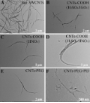

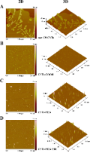
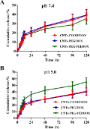


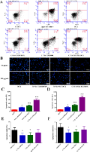
Antimicrobial metal-based nanoparticles: a review on their synthesis, types and antimicrobial action
Beilstein J. Nanotechnol. 2020, 11, 1450–1469, doi:10.3762/bjnano.11.129
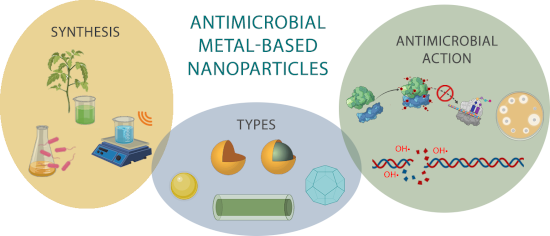
- stabilizer or protective agent [42]. Occasionally, a catalyst can be added to accelerate the reaction, as well as a solvent, which can favor the interaction of the chemicals. As an example, we highlight the work of Wang et al. in which well-dispersed spherical nanoparticles with sizes ranging from 20 to 80


Wafer-level integration of self-aligned high aspect ratio silicon 3D structures using the MACE method with Au, Pd, Pt, Cu, and Ir
Beilstein J. Nanotechnol. 2020, 11, 1439–1449, doi:10.3762/bjnano.11.128
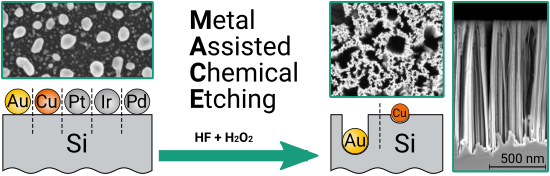
- fabrication uses cost-efficient subprocesses and omits expensive processes such as nanopatterning with high-resolution lithography. One low-cost method for the fabrication of such high aspect ratio templates and structures is metal-assisted chemical etching (MACE). This process uses a noble metal catalyst
- comparably as catalyst [23]. Chartier et al. [13] reported the etching mechanisms of the MACE process. The cathodic reaction is the reduction of H2O2 at the noble metal interface within an acidic solution. This reduction transfers an electron to the H+ ion and produces a hole (an electron vacancy) h+: The
- analysed by Fazio et al. [1]. It is mainly based on multiple light scattering at the silicon nanowires. Figure 4 shows SEM images of an etched wafer using Au nanoparticles as etching catalyst. This wafer has been etched with 50 mmol/L H2O2 for 10 min. The SEM images show cross sections of the wafer centre


One-step synthesis of carbon-supported electrocatalysts
Beilstein J. Nanotechnol. 2020, 11, 1419–1431, doi:10.3762/bjnano.11.126

- agglomeration (i.e., highly porous supports) [16]. After years of development, conventional synthesis methods still have problems meeting the requirements for scalability of the synthesis and long-term stability of the resulting catalyst. In this work, we report on a novel one-step synthesis approach that not
- , and Pt-NPs with a mean particle diameter less than 3 nm and a narrow particle size distribution (PSD) with a geometric standard deviation of 1.24–1.3 can be achieved. Furthermore, the NP immobilization within the carbon support significantly improves the long-term stability of the catalyst, as shown
- Supporting Information File 1, Table S2). In principle, a higher degree of oxidation of the catalyst could also be realized by introducing additional oxygen to the plasma via gas injection; however, oxygen is also known to influence the resulting CNW morphology [18][19]. At moderate Pt loading (7.6 wt




Analysis of catalyst surface wetting: the early stage of epitaxial germanium nanowire growth
Beilstein J. Nanotechnol. 2020, 11, 1371–1380, doi:10.3762/bjnano.11.121


Role of redox-active axial ligands of metal porphyrins adsorbed at solid–liquid interfaces in a liquid-STM setup
Beilstein J. Nanotechnol. 2020, 11, 1264–1271, doi:10.3762/bjnano.11.110
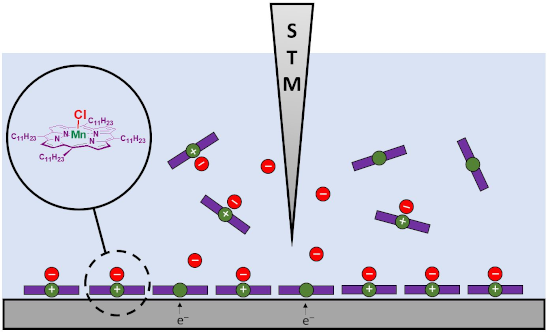
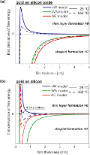
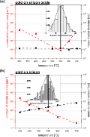
- at room temperature. We found that while the porphyrin catalyst MnTUPCl (tetrakis-meso-undecylporphyrin manganese(III) chloride, Figure 1a) is fully inert in n-tetradecane solution, it becomes catalytically active in the epoxidation of alkenes when it is adsorbed at the interface of a Au(111
- added salts, allows us to pinpoint the behavior of the axial ligand of our catalyst in the non-polar liquid in which also our catalysis studies were carried out. Still, our system shows several of the characteristics of a conventional electrochemical cell. Apart from the bias dependency of the reaction


Revealing the local crystallinity of single silicon core–shell nanowires using tip-enhanced Raman spectroscopy
Beilstein J. Nanotechnol. 2020, 11, 1147–1156, doi:10.3762/bjnano.11.99
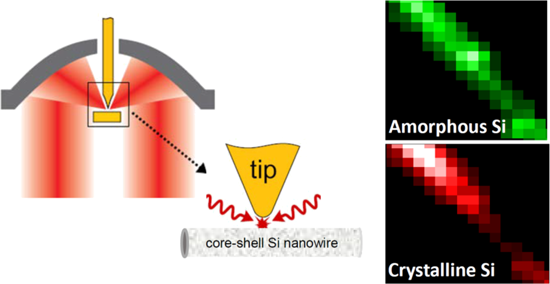
- polarizations of Raman scattering and the photoluminescence from the tip–sample nanogap. Results and Discussion Silicon nanowire core–shell morphology In accordance with the VLS synthesis method (see Experimental section), the utilized Pt catalyst, or finally PtxSiy, remains at the tip of the nanowire during
- grains with different orientation. Furthermore, catalyst migration along the SiNW backbone was observed in some cases (Figure 1c). Although the SiNWs grown by the VLS mechanism possess are crystalline, the silicon shells deposited onto the nanowires by thermal CVD (here using a temperature of 520 °C) can
- of the nanowire exhibits an amorphous morphology. Confocal optical microscopy of silicon nanowires As the first step, core–shell SiNWs grown with a platinum catalyst [29] are characterized using a custom-built confocal optical microscope. Figure 2a shows the representative geometry of these SiNWs


Gas-sensing features of nanostructured tellurium thin films
Beilstein J. Nanotechnol. 2020, 11, 1010–1018, doi:10.3762/bjnano.11.85
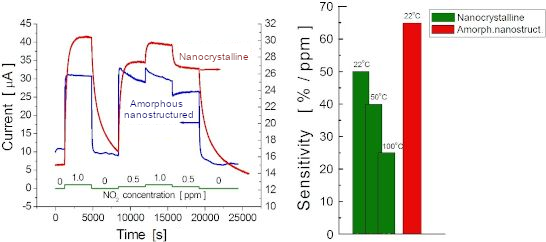
- sensing parameters did not differ much from the similar parameters obtained earlier for microcrystalline Te films. Further investigations have been extended to Te nanotubes grown on quartz or Si(111) substrates through a catalyst-free growing process in a furnace filled with argon [21]. Another study used


Atomic layer deposition for efficient oxygen evolution reaction at Pt/Ir catalyst layers
Beilstein J. Nanotechnol. 2020, 11, 952–959, doi:10.3762/bjnano.11.79
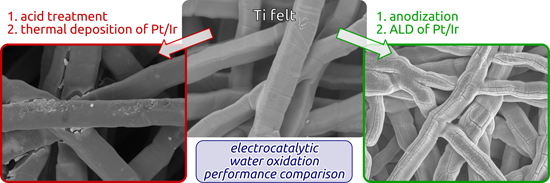
- well documented in the literature, and this paper provides a direct comparison under identical experimental conditions of electrochemical measurements and in identical units. In the first method, based on classical engineering, the bimetallic catalyst is deposited by dip-coating in a precursor solution
- different types are not possible. The goal of the present paper is to provide such a direct comparison between two very distinct preparation methods of bimetallic Pt/Ir electrocatalysts. For both catalyst types, we will consider one electrode substrate (titanium felt) [15], one electrolyte (0.5 M H2SO4 at
- consider here two distinct catalyst preparation methods. As a standard method used in the engineering context, we perform an acid etch of the titanium fibers (to generate surface roughness and thereby increase the specific surface area), followed by dip-coating of a noble metal salt precursor solution on


Transition from freestanding SnO2 nanowires to laterally aligned nanowires with a simulation-based experimental design
Beilstein J. Nanotechnol. 2020, 11, 843–853, doi:10.3762/bjnano.11.69
- substrates were prepared by two different preparation methods for the catalyst seeds, which are required for the VLS process. As a catalyst material, gold was chosen. First, a-plane sapphire substrates with structured gold thin films (thickness 5 nm) by metal evaporation, and second, a-plane sapphire
- controllers for individual adjustment of the introduced volumetric flow of the carrier gas, Ar, and the process gas, O2. The gas outlet is connected to a pumping system for base pressure evacuation and process pressure control. The samples, which were previously covered with catalyst, were arranged in the
- ]. The droplets compete for the tin atoms and oxygen molecules [30]. This results in a locally reduced material concentration in the surrounding area of the catalyst-decorated samples. As seen from the simulations of the volumetric flow (Figure 2), an increased volumetric flow will result in a reduced





Nickel nanoparticles supported on a covalent triazine framework as electrocatalyst for oxygen evolution reaction and oxygen reduction reactions
Beilstein J. Nanotechnol. 2020, 11, 770–781, doi:10.3762/bjnano.11.62
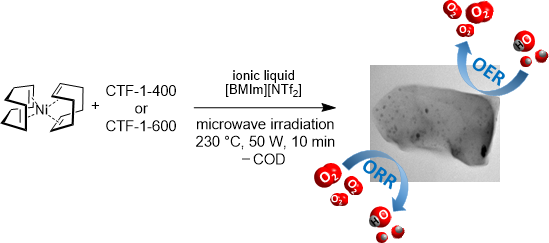
- method. CTF-1-600 and Ni/CTF-1-600 show high catalytic activity towards OER and a clear activity for the electrochemical oxygen reduction reaction (ORR). Ni/CTF-1-600 requires 374 mV overpotential in OER to reach 10 mA/cm2, which outperforms the benchmark RuO2 catalyst, which requires 403 mV under the
- developed. Noble metals (Ir, Ru) and their oxides are the current commercial electrocatalysts for the OER, whereas Pt metal is the benchmark catalyst for the ORR [4][5]. Yet, all these catalysts have drawbacks such as scarcity and high cost, which are disadvantageous for their large-scale production and
- nitrogen-containing aromatic polymer frameworks with triazine rings, which exhibit high surface area, porosity, and thermal and chemical stability [21][22]. CTFs are promising materials for applications such as catalysts or catalyst support [23][24][25] and for energy storage and conversion [26][27][28


Hexagonal boron nitride: a review of the emerging material platform for single-photon sources and the spin–photon interface
Beilstein J. Nanotechnol. 2020, 11, 740–769, doi:10.3762/bjnano.11.61
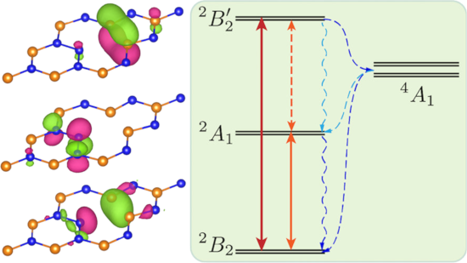
- , it can be considered a hybrid 1D and 2D material. In [116], commercially available BNNTs were fabricated using a catalyst-free high-temperature pressure method, and the laser heating method was studied in terms of SPEs. Non-treated BNNTs provided photostable SPEs down to the single nanotube, either




Effect of Ag loading position on the photocatalytic performance of TiO2 nanocolumn arrays
Beilstein J. Nanotechnol. 2020, 11, 717–728, doi:10.3762/bjnano.11.59
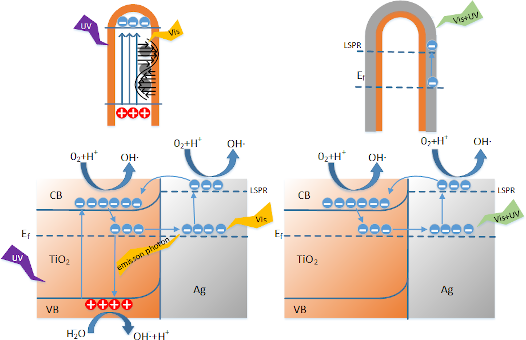
- of the 1D TiO2–Ag nanostructures prepared to date are Ag-nanoparticle-coated TiO2 (ACT), in which the catalytic efficiency of the catalyst is greatly decreased when the Ag loading is increased to a certain extent. Wang et al. [29] used the hydrothermal method to prepare an array of TiO2 nanocolumns
- the catalyst, so the catalyst needs to have a certain adsorption capacity for dye molecules. Due to the presence of oxygen vacancies, the surface of TiO2 is usually negatively charged and has a good adsorption capacity for cationic dye molecules [36]. Commonly used cationic dyes are rhodamine, methyl


Adsorptive removal of bulky dye molecules from water with mesoporous polyaniline-derived carbon
Beilstein J. Nanotechnol. 2020, 11, 597–605, doi:10.3762/bjnano.11.47
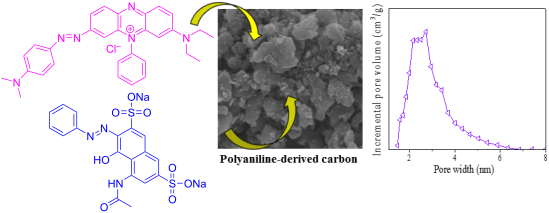
- regarded to be very effective and attractive because of its operation under mild conditions and no need of oxidant, active catalyst, and irradiation [8][9]. Therefore, adsorption with carbon nanotubes, activated carbon (AC), biomass, and metallic–organic frameworks (MOFs) has been actively studied for the


Identification of physicochemical properties that modulate nanoparticle aggregation in blood
Beilstein J. Nanotechnol. 2020, 11, 550–567, doi:10.3762/bjnano.11.44
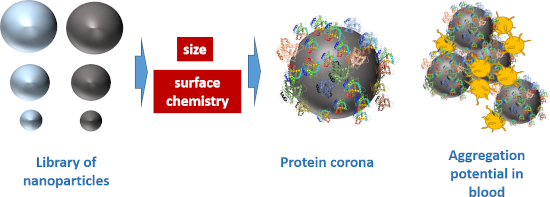
- ) for the medium and small carbon nanoparticles (CNP-M and CNP-S, respectively). Synthesis of silica nanoparticles Silica nanoparticles (SNPs) were prepared by hydrolysis and condensation of TEOS in the presence of ammonia as a catalyst following the Stöber process [25]. Briefly, a defined amount of




Multilayer capsules made of weak polyelectrolytes: a review on the preparation, functionalization and applications in drug delivery
Beilstein J. Nanotechnol. 2020, 11, 508–532, doi:10.3762/bjnano.11.41
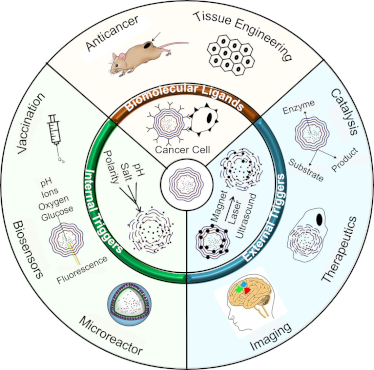
- ), is a reversible reaction between different types of diene and dienophile resulting in thermo-responsive products. A fourth type, the thiol-ene reaction, is a reaction between thiol and alkene groups in the presence of a radical source as catalyst. The radicals can be generated through light, thermal
- . Other click chemistries like thiol-ene have also been reported because of their light-initiated and metal-catalyst-free approach. PVP along with PMA functionalized by thiol (PMAThiol) and ene (PMAEne) groups were used to fabricate hydrogen bonded hollow capsules via UV crosslinking [100]. It was further



Electrochemically derived functionalized graphene for bulk production of hydrogen peroxide
Beilstein J. Nanotechnol. 2020, 11, 432–442, doi:10.3762/bjnano.11.34
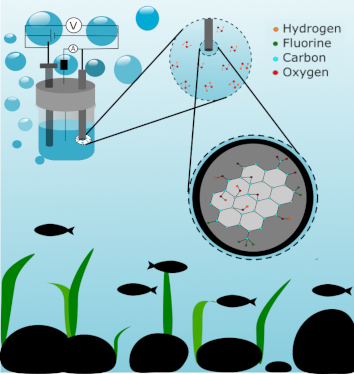
- produced through the complex and energy-intensive anthraquinone method [4], and although it is popular, it has drawbacks such as side reactions, which consume the catalyst leading to the regeneration and hydrogenation of the catalyst [4]. Alternative routes for peroxide generation include direct
- presence of a catalyst [15] is one of the possible routes having high yield, while the direct mixing of H2 and O2 can be explosive in nature [16], and hence requires a large quantity of another gas such as N2 and CO2 to dilute the reactant gases [17]. Electrochemical synthesis methods such as the PEM fuel
- (Se) edge functionalized graphene (reduced graphene oxide (rGO)) was found to undergo a direct four-electron path ORR process in alkaline medium, where rGO undergoes a two-electron path peroxide route ORR [35]. In this process, Se acts as a single atom site catalyst. In a nutshell, depending on the


Using gold nanoparticles to detect single-nucleotide polymorphisms: toward liquid biopsy
Beilstein J. Nanotechnol. 2020, 11, 263–284, doi:10.3762/bjnano.11.20
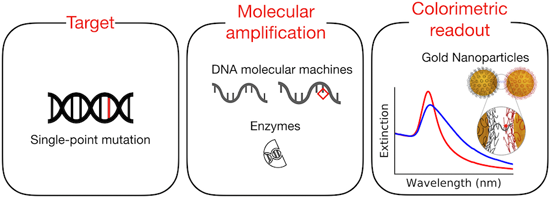
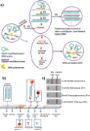
- formation of DNA circuits and include hybridization chain reaction (HCR), catalytic hairpin assembly (CHA) and entropy-driven catalysis [64]. These mechanisms have shown a great potential for developing biosensors of high sensitivity and high selectivity since the target DNA itself is used as a catalyst to
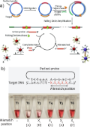
- reaction was initialized by a catalyst (X) binding to the γ domain of S. Thus, releasing a by-product, an intermediate species was produced, which had a single-stranded region complementary to the DNA sequence of the fuel. In the next step, the fuel displaced the catalyst X, resulting in the cross-linking
- aggregation of the two DNA–AuNP complexes. The catalyst was released back into the solution. The authors observed that the aggregation of nanoparticles was slower by a factor of 10 when the sequence of the catalyst contained single-base mismatches (spurious catalyst). This colorimetric bioassay could detect




Fabrication of Ag-modified hollow titania spheres via controlled silver diffusion in Ag–TiO2 core–shell nanostructures
Beilstein J. Nanotechnol. 2020, 11, 141–146, doi:10.3762/bjnano.11.12
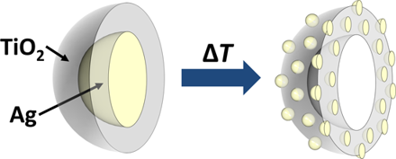
- obtained composite catalyst exhibits a synergistic effect between the anatase crystalline shell and the AuNPs as well as superb thermal and mechanical stability of the highly dispersed AuNPs. TiO2 HSs decorated with ultrasmall Ag nanocrystallites and exhibiting excellent photocatalytic properties were



Simple synthesis of nanosheets of rGO and nitrogenated rGO
Beilstein J. Nanotechnol. 2020, 11, 68–75, doi:10.3762/bjnano.11.7
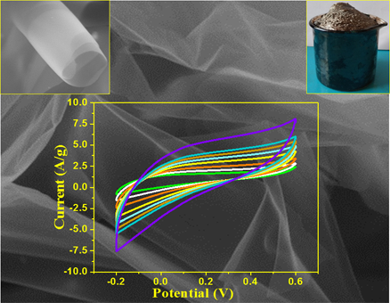
- °C·min−1 using a Mettler-Toledo-TG-850 apparatus. AFM measurements were performed using a CP2 atomic force microscope. Electrode preparation and electrochemical characterization The catalyst inks of as-synthesized rGO and reduced graphene oxide H-rGO were prepared by ultrasonication separately. A mixture
- of 4.0 mg rGO and 0.025 wt % (5 μL) of Nafion in 0.4 mL of dimethylformamide (DMF) was sonicated until a homogeneous dispersion was obtained. 3 μL catalyst ink was taken and drop-cast onto a glassy carbon electrode, which was allowed to dry at room temperature. A similar procedure was followed to


Synthesis of amorphous and graphitized porous nitrogen-doped carbon spheres as oxygen reduction reaction catalysts
Beilstein J. Nanotechnol. 2020, 11, 1–15, doi:10.3762/bjnano.11.1
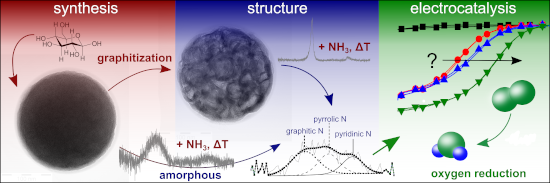
- correlations between structural properties and electrochemical performance. In the following we will first give a detailed structural and chemical analysis of the resulting materials (section 1 in “Results and Discussion”), followed by a discussion of their performance as ORR catalyst in electrocatalytic
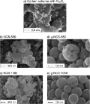
- 150 °C). The as-synthesized carbon particles show a well-defined spherical shape with diameters of 330 ± 50 nm and a smooth surface (see also the scanning electron microscopy (SEM) image in Figure 2a). Fe2O3 particles, as graphitization catalyst, are loaded successfully on pre-carbonized carbon
- spheres; yet there are domains of higher or lower loadings. After nitriding with ammonia, g-NCS-550, g-NCS-700 and all samples of the NCS series still show a spherical shape with a smooth surface (Figure 2b and Figure 2c show, respectively, NCS-550 and NCS-1000 as examples). No remaining catalyst





Evaluation of click chemistry microarrays for immunosensing of alpha-fetoprotein (AFP)
Beilstein J. Nanotechnol. 2019, 10, 2505–2515, doi:10.3762/bjnano.10.241
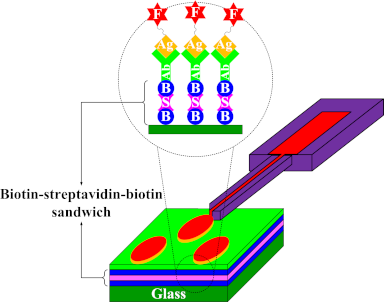
- of biotin–amine (Mw = 595 g/mol, 1190 μg/mL) and biotin–thiol (Mw = 2000 g/mol, 4000 μg/mL), respectively. For the reaction between epoxy and amine, 1 mol % Bi(OTf)3 to biotin–amine was added as a catalyst to the biotin–amine solution. The reaction between epoxy and thiol was catalyzed by 10 mol



Coating of upconversion nanoparticles with silica nanoshells of 5–250 nm thickness
Beilstein J. Nanotechnol. 2019, 10, 2410–2421, doi:10.3762/bjnano.10.231
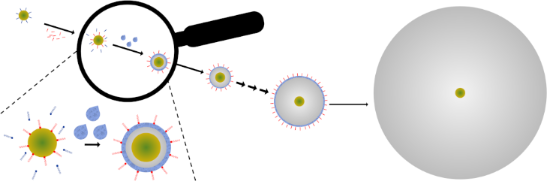
- name Igepal® CO-520) and distributed in the continuous nonpolar phase [44]. The ratio between the aqueous components and the surfactant determines the size of these droplets [30], which act as nanoreactors. For the polycondensation of precursors such as TEOS, ammonia usually acts as a catalyst [43
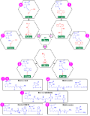
- growth of a silica layer in a single step without producing UCNP-free silica particles as side products, a thin silica layer was grown first onto the particles via a reverse microemulsion process in cyclohexane with Igepal CO-520 as surfactant and ammonia as a catalyst. In such a reverse microemulsion