Search results
Search for "composites" in Full Text gives 356 result(s) in Beilstein Journal of Nanotechnology. Showing first 200.
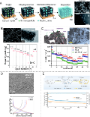
Progress and innovation of nanostructured sulfur cathodes and metal-free anodes for room-temperature Na–S batteries
Beilstein J. Nanotechnol. 2021, 12, 995–1020, doi:10.3762/bjnano.12.75
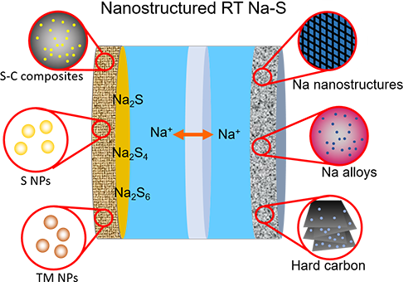
- investigation and innovation is needed until RT Na–S batteries can be commercialized. Keywords: composites; metal-free anode; Na–S; sodium nanostructures; sodium–sulfur batteries; sulfur nanostructures; Introduction The progress and innovation of cheaper, cleaner, safer, and more efficient electrical energy
- this technology has currently developed and where future research could be directed at. Review Conventional sulfur–carbon cathode materials Sulfur–carbon composites are the most widely studied cathode materials because carbon increases the cathode conductivity and also improves the reactivity of sulfur
- [4]. Since carbon structures are highly diverse, a huge variety of cathode materials have been designed and tested in RT Na–S batteries. Here, the sulfur–carbon composites are classified in two main categories: (1) sulfur–porous carbon composites and (2) covalently bound sulfur–carbon composites





Effects of temperature and repeat layer spacing on mechanical properties of graphene/polycrystalline copper nanolaminated composites under shear loading
Beilstein J. Nanotechnol. 2021, 12, 863–877, doi:10.3762/bjnano.12.65
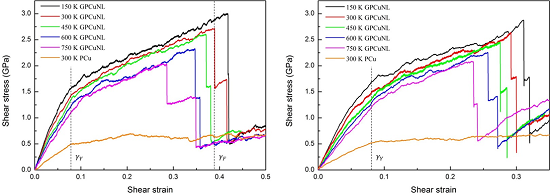
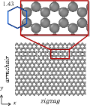
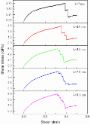
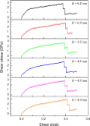
- ) composites under shear loading are investigated by molecular dynamics simulations. The effects of different temperatures, graphene chirality, repeat layer spacing, and grain size on the mechanical properties, such as failure mechanism, dislocation, and shear modulus, are observed. The results indicate that
- -healing occurs in the armchair direction, which causes the shear stress to increase after failure. Furthermore, the maximum shear stress and the shear strength of the composites decrease with an increase of the repeat layer spacing. Also, the shear modulus increases by increasing the grain size of copper
- structure, graphene is limited as a structural material [7][8]. In addition, research on composite materials found that nanocomposites can provide better performance than a single material [9]. Therefore, three-dimensional graphene composites have been developed in recent years, which exhibit excellent

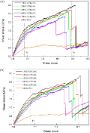












Comprehensive review on ultrasound-responsive theranostic nanomaterials: mechanisms, structures and medical applications
Beilstein J. Nanotechnol. 2021, 12, 808–862, doi:10.3762/bjnano.12.64


Silver nanoparticles nucleated in NaOH-treated halloysite: a potential antimicrobial material
Beilstein J. Nanotechnol. 2021, 12, 798–807, doi:10.3762/bjnano.12.63
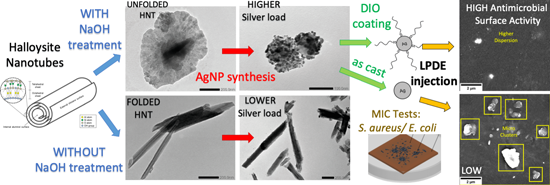
- matrix and additive was tested through coating the Ag-NPs with dodecanethiol, a non-polar surfactant. The resulting composites were characterized by scanning electron microscopy and in terms of surface antimicrobial activity. The results demonstrate that the Ag-NPs synthesized in this work are indeed
- the potential of the Ag-NPs for industrial application by dispersing them into low-density polyethylene (LDPE) and evaluating the chemical compatibility between matrix and additive by testing a dodecanethiol (DIO) coating to improve the dispersion of the Ag-NPs into LDPE. The resulting composites were
- produced in this work were also tested for practical applications by dispersing them into LDPE matrices and measuring the surface antimicrobial activity of the resulting composites. While the antimicrobial effect of LDPE doped with “natural” Ag-NPs was disappointing, it was possible to greatly improve the




Recent progress in magnetic applications for micro- and nanorobots
Beilstein J. Nanotechnol. 2021, 12, 744–755, doi:10.3762/bjnano.12.58
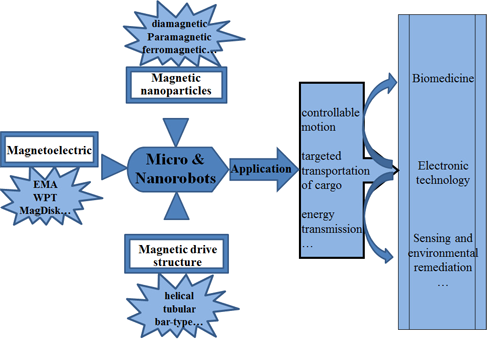
- prepared framework composites by growing MOF-5 crystals on ferrite nanofibers to remove impurity particles with the help of the embedded magnetic nanofibers. The realized the extraction of carcinogenic molecules, such as polycyclic aromatic hydrocarbons (PAHs), with magnetic framework composites (FCs


Nanoporous and nonporous conjugated donor–acceptor polymer semiconductors for photocatalytic hydrogen production
Beilstein J. Nanotechnol. 2021, 12, 607–623, doi:10.3762/bjnano.12.50
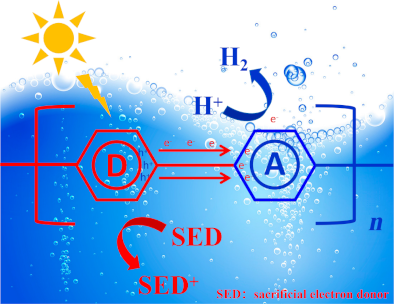
- formed binary composites [98][99][100]. Compared with pristine CPs as photocatalysts, the photocatalytic activities of the heterojunctions increased by around 18, 7, and 2 times, respectively. Subsequently, the same research group developed a P40 flake/CdS heterojunction with broad visible light
- thermodynamic driving force for proton reduction is still hard to achieve for a single CP component. In this respect, the combination of CPs with other semiconductors to form heterojunctions can further enhance the catalytic performance. Fabricating inorganic/polymer composites with complementary absorption




A stretchable triboelectric nanogenerator made of silver-coated glass microspheres for human motion energy harvesting and self-powered sensing applications
Beilstein J. Nanotechnol. 2021, 12, 402–412, doi:10.3762/bjnano.12.32
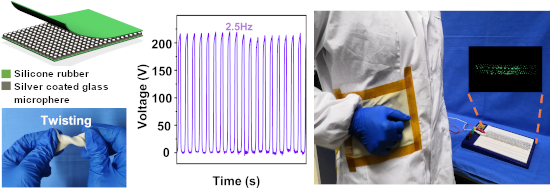
- contact-separated working mode with double electrodes makes it difficult to connect the current conducting wires to moving objects when trying to harvest mechanical energy. Besides, the organic–inorganic composites prepared by embedding relatively hard SCGMs into a soft silicone rubber matrix reduce the





Nickel nanoparticle-decorated reduced graphene oxide/WO3 nanocomposite – a promising candidate for gas sensing
Beilstein J. Nanotechnol. 2021, 12, 343–353, doi:10.3762/bjnano.12.28
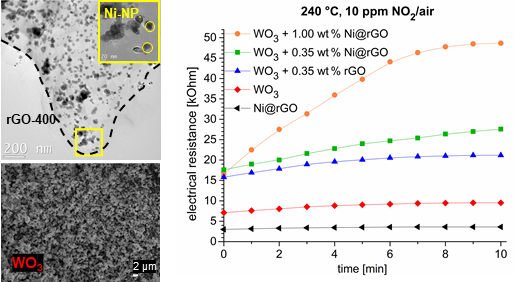
- observed at all [8]. In addition, oxide-based composites are mechanically more durable and manufacturing sensors based on them seems to be more economically feasible due to the low content of graphene in the sensing element (up to several percent). At present, there is no generally accepted mechanism of
- of conducting channels from graphene layers is also pointed out, which increase the efficiency of charge carrier transfer in composites [8]. Based on the known literature data and the results obtained, it is possible to provide potential reasons for an enhancement of the sensitivity in the case under


A review on the biological effects of nanomaterials on silkworm (Bombyx mori)
Beilstein J. Nanotechnol. 2021, 12, 190–202, doi:10.3762/bjnano.12.15
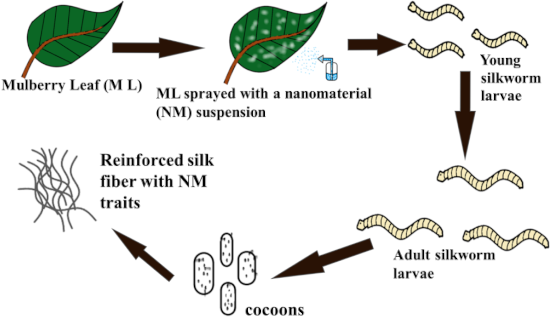
- feeding silkworm larvae with unpurified composites of CNTs and lignosulfonate composite (LGS) resulted in excess LGS coating, which blocked CNTs from being embedded into the silk fiber. The purification of CNT/LGS composites resulted in a higher CNT content, which led to an ordered graphitic structure in


Paper-based triboelectric nanogenerators and their applications: a review
Beilstein J. Nanotechnol. 2021, 12, 151–171, doi:10.3762/bjnano.12.12
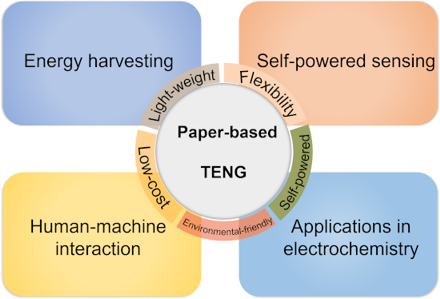
- paper-based 3D foldable device submitted to a direct laser patterning method, which can convert ink-soaked paper substrates to multifunctional carbide/graphene (MCG) composites [92]. The composites have shown good conductivity even after repeated mechanical bending and folding tests. Moreover, the laser
- composites are used as the electropositive layer, while some common synthetic polymers, such as fluorinated ethylene propylene (FEP), polytetrafluoroethylene (PTFE), and poly(dimethylsiloxane) (PDMS) are used as the electronegative part. As the synthetic polymers have a smooth surface and a dense structure







A review on the green and sustainable synthesis of silver nanoparticles and one-dimensional silver nanostructures
Beilstein J. Nanotechnol. 2021, 12, 102–136, doi:10.3762/bjnano.12.9
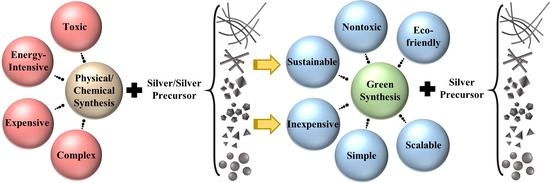
- infections, and also inhibit the growth of bacterial biofilms [14][15][16]. AgNPs were also used in developing strong thermally conductive materials. They were used in polymer composites to increase thermal conductivity (K) [77][78] for cooling applications in electronic equipment. Furthermore, AgNPs have
- demonstrated unique electrical properties. AgNPs coated on polycarbonate substrates were previously used to increase the electrical conductivity of polycarbonate composites [79]. AgNPs have also demonstrated minimum or no adverse effects on mechanical strength when embedded in polymeric materials or composites


Bulk chemical composition contrast from attractive forces in AFM force spectroscopy
Beilstein J. Nanotechnol. 2021, 12, 58–71, doi:10.3762/bjnano.12.5
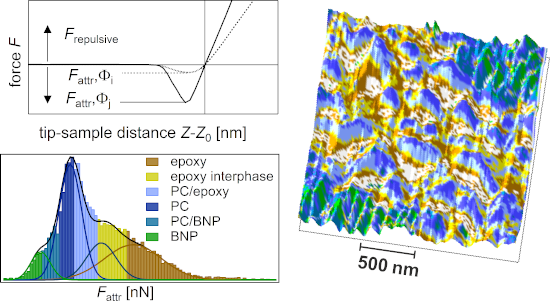
- determined. Keywords: AFM force spectroscopy; composites; principle component analysis; structure–property correlation; van der Waals forces; Introduction The mechanical properties of small volumes of materials can be measured using various atomic force microscopy (AFM) methods. The well-established force
- the tip radius R of the AFM probe (typically 4 nm ≤ R ≤ 40 nm). These methods are increasingly interesting for nanoscopic heterogeneous materials, such as nanocomposites. These materials are known to show nano-effects which improve the macroscopic properties of the composites beyond the rule of
- into the structure–property correlation that governs the behavior of the sample is gained. This will be referred to as the property domain. Results and Discussion Bulk material Neat bulk materials, which will be later used in composites, are measured separately to establish the capability of the


ZnO and MXenes as electrode materials for supercapacitor devices
Beilstein J. Nanotechnol. 2021, 12, 49–57, doi:10.3762/bjnano.12.4
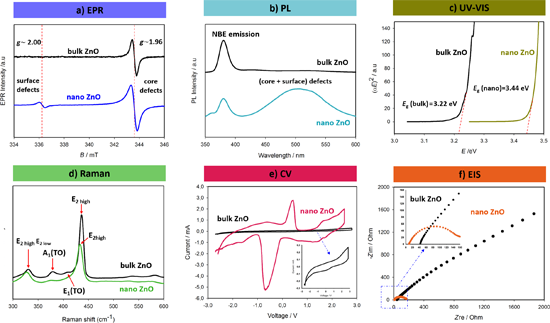
- ]. Therefore, MXene-based composites have a promising future [16][17]. MXenes have been shown to be potential electrode materials both for Li-ion batteries and supercapacitors [20][21]. After the initial discovery, different researchers from all around the world have been combining efforts to synthesize MXenes
- -dimensional (1D) and 2D nanomaterials, a good electrochemical performance can be obtained [20]. Li et al. developed dodecaborate/MXene composites. Borate has strong B–B bonds and is an important photoelectric material. Due to its high optical and electrochemical activity, borate is preferred in energy storage
- specific capacitance of the resultant composites was twice as high as that of Co(OH)2 nanosheets [17]. Liu et al. synthesized a MXene/nickel sulfide (NiS) nanocomposite using a basic hydrothermal technique and measured a specific capacitance of 857.8 F·g−1. NiS has advantages such as good conductivity and
Unravelling the interfacial interaction in mesoporous SiO2@nickel phyllosilicate/TiO2 core–shell nanostructures for photocatalytic activity
Beilstein J. Nanotechnol. 2020, 11, 1834–1846, doi:10.3762/bjnano.11.165
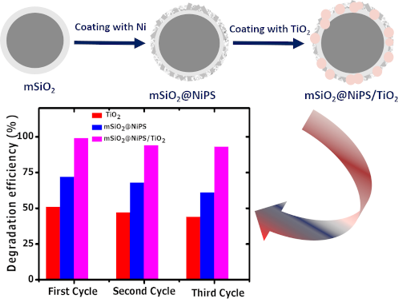
- surface [23]. Thus, silica-based core–shell nanocomposites offer added advantages of manipulating the pore structure, surface area, morphology, and catalyst reactivity [28]. Unlike the metal oxide–metal oxide composites, the use of metal oxide core@metal nanocomposites as dopants for titania
- obtained via a hydrothermal treatment method using solid SiO2 spheres, urea, and nickel nitrate hexahydrate. Although NiPS compounds are extensively used as catalysts, to our knowledge, reports on the use of core–shell based nickel–phyllosilicate composites in dye photodegradation are yet to be reported
- ) [60][62][63][64]. This illustrates that the samples were comprised of silicate and composites of nickel phyllosilicate with SiO2. The lower binding energies of the Si 2p peak in mSiO2@NiPS/TiO2 indicate a possible interaction between the silicates and TiO2 [65]. The O 1s spectrum was deconvoluted into


Antimicrobial metal-based nanoparticles: a review on their synthesis, types and antimicrobial action
Beilstein J. Nanotechnol. 2020, 11, 1450–1469, doi:10.3762/bjnano.11.129
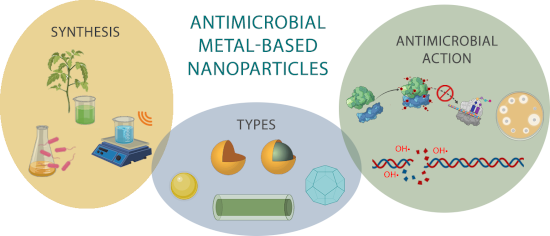
- through chemical reactions and these NPs have a strong bactericidal effect against Gram-negative and Gram-positive bacteria [108]. Composites containing Cu NPs and ZnO were developed by deposition of needle-like and spherical Cu NPs on a ZnO surface. These composites were exposed to visible light
- radiation in order to determine the minimum inhibitory concentration (MIC) and minimal bactericidal concentration (MBC) against S. aureus and E. coli. The composites exhibited antibacterial activities with low MIC and MBC values for E. coli (250 µg/mL and 750 µg/mL, respectively) and S. aureus (250 µg/mL
- antibacterial activity against Bacillus subtilis and Enterobacter aerogenes bacteria [109]. Titanium dioxide is also an inorganic material that is widely used in several products, including cosmetics and orthodontic composites, due to its excellent whitening, photocatalytic, and antimicrobial properties [131


An atomic force microscope integrated with a helium ion microscope for correlative nanoscale characterization
Beilstein J. Nanotechnol. 2020, 11, 1272–1279, doi:10.3762/bjnano.11.111
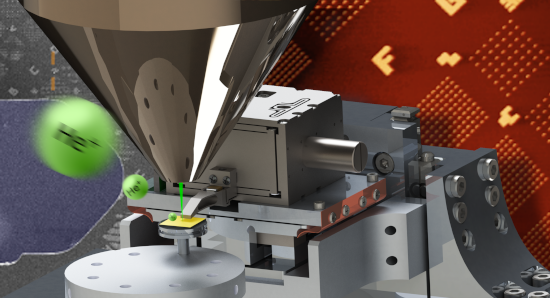
- of vertical and lateral resolution, nanoscale machining, and measurement of physical properties of the sample will allow for a multi-physics investigation in many areas of materials science and technology, such as energy materials, magnetic nanostructures, and (bio-)composites. Experimental All AFM


High permittivity, breakdown strength, and energy storage density of polythiophene-encapsulated BaTiO3 nanoparticles
Beilstein J. Nanotechnol. 2020, 11, 1190–1197, doi:10.3762/bjnano.11.103
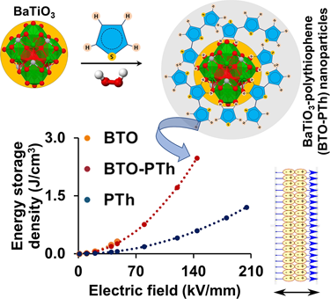
- Department of Chemistry, College of Science, University of Hafr Al Batin, PO Box 1803, Hafr Al Batin, 39524, Saudi Arabia 10.3762/bjnano.11.103 Abstract High permittivity and breakdown strength are desired to improve the energy storage density of dielectric materials based on reinforced polymer composites
- , they are inherently poor dielectrics with very low permittivity (values in the range of 2–10) [2]. Thus, organic polymers are often reinforced with ceramic-based dielectric materials such as BTO. The dielectric properties of BTO–polymer composites are known to improve considerably with the inclusion of
- breakdown strength of BTO-polymer composites is considerably reduced after increasing the BTO content to 30–40 wt % because of the free-charge accumulation at the interface of BTO and polymer [10]. We believe that core–shell structure of BTO-PTh nanoparticles and good interfacial compatibility between the




Photothermally active nanoparticles as a promising tool for eliminating bacteria and biofilms
Beilstein J. Nanotechnol. 2020, 11, 1134–1146, doi:10.3762/bjnano.11.98

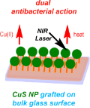
- nanostructures provided rapid and efficient eradication of up to 99% of both Gram-positive and Gram-negative bacteria within 10 min of NIR laser irradiation. In a very recent publication, poly(vinyl alcohol) hydrogel incorporating reduced graphene oxide composites (MoS2/Ag3PO4) was fabricated to yield a highly


Applications of superparamagnetic iron oxide nanoparticles in drug and therapeutic delivery, and biotechnological advancements
Beilstein J. Nanotechnol. 2020, 11, 1092–1109, doi:10.3762/bjnano.11.94



A few-layer graphene/chlorin e6 hybrid nanomaterial and its application in photodynamic therapy against Candida albicans
Beilstein J. Nanotechnol. 2020, 11, 1054–1061, doi:10.3762/bjnano.11.90
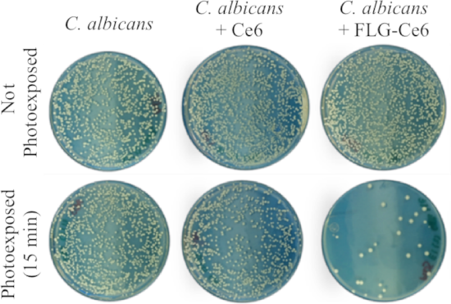
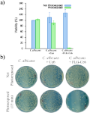
- results in the decay of ROS production due to molecular degradation. There have been several attempts to enhance the PDT properties of organic molecules like Ce6 by the preparation of composites using nanoparticles [14][15][16]. Such hybrid nanomaterials take advantage of both the good photosensitizer
- biological applications, such as biosensors, protein detection, bioimaging and drug delivery [17][18]. In recent years, graphene nanoparticles have been used in many different applications ranging from enhanced spectroscopy techniques, coatings, polymeric composites, sensors, drug delivery systems and others


Uniform Fe3O4/Gd2O3-DHCA nanocubes for dual-mode magnetic resonance imaging
Beilstein J. Nanotechnol. 2020, 11, 1000–1009, doi:10.3762/bjnano.11.84
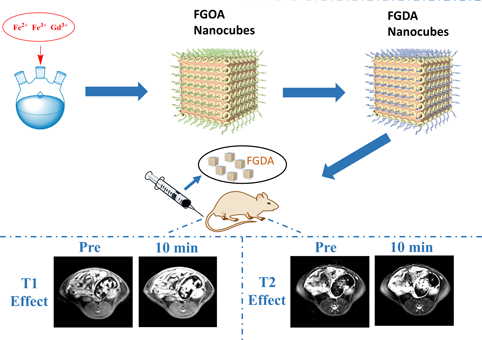
- distributed Fe3O4/Gd2O3 composites. FGOA nanocubes are hydrophobic since they are covered by oleic acid, which is enriched in alkyl groups. In order to increase the hydrophilicity of FGOA nanocubes so they could be used as a contrast agent in vivo, FGOA was exchanged with DHCA via the ligand-exchange method



Nickel nanoparticles supported on a covalent triazine framework as electrocatalyst for oxygen evolution reaction and oxygen reduction reactions
Beilstein J. Nanotechnol. 2020, 11, 770–781, doi:10.3762/bjnano.11.62
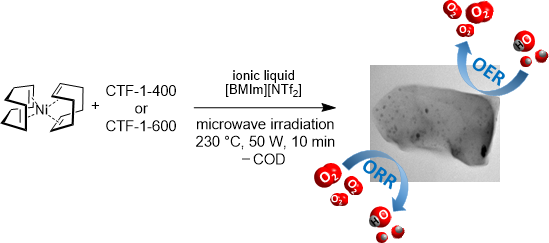
- immobilized on the CTFs via the decomposition of the metal precursor in the IL (Scheme 1). The composites were designated Ni/CTF-1-400-X and Ni/CTF-1-600-X, where X represents the weight percentage of nickel in the composite material based on flame atomic absorption spectroscopy (AAS). Nickel loadings of 20
- (69 and 71 wt %, respectively, see Table S3, Supporting Information File 1). In the literature, there are various reports on Ni/carbon and Ni/N-doped carbon composites (Table S3, Supporting Information File 1). These composites are largely obtained by pyrolysis of Ni precursors or Ni-containing metal
- as support for nanoparticles can yield an advantage in terms of metal–support interactions compared to activated carbon [40]. In PXRD measurements, both cubic (fcc) and hexagonal (hcp) crystalline phases of nickel [45] were observed in all composites (Figure 1). When the nickel loading was low (20–22


Effect of Ag loading position on the photocatalytic performance of TiO2 nanocolumn arrays
Beilstein J. Nanotechnol. 2020, 11, 717–728, doi:10.3762/bjnano.11.59
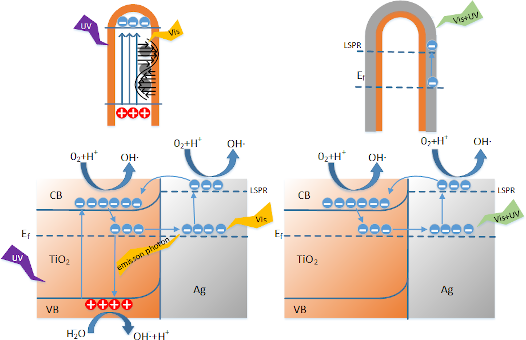
- Technology, Ministry of Education, Research Institute of Laser Engineering, Beijing University of Technology, No. 100 Pingle Park, Chaoyang District, Beijing 100124, People’s Republic of China 10.3762/bjnano.11.59 Abstract Plasmonic metal/semiconductor composites have attracted great attention for efficient


A novel dry-blending method to reduce the coefficient of thermal expansion of polymer templates for OTFT electrodes
Beilstein J. Nanotechnol. 2020, 11, 671–677, doi:10.3762/bjnano.11.53
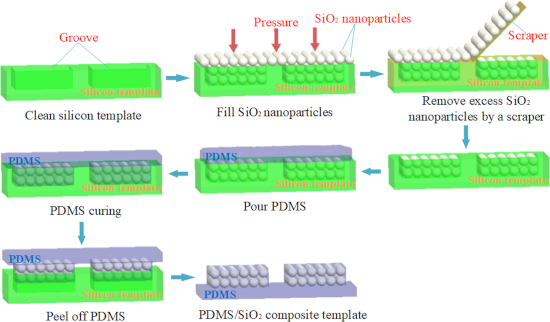
- the EPI to prepare a polyimide–silica hybrid film having a low CTE. However, because of the poor dispersion of the nanomaterial and the high viscosity of the polymer during wet blending [17][18], the nanomaterial content in the composites is usually low, which causes the CTE of the polymer template to
- verify that the CTE of the PDMS/SiO2 composite template was reasonable, we compared the CTE with that calculated from a model employing the governing Equation 2 [22]. This equation can be applied to polymer composites filled with one type of nanoparticles: Here, αc is the CTE model value of the PDMS/SiO2


Exfoliation in a low boiling point solvent and electrochemical applications of MoO3
Beilstein J. Nanotechnol. 2020, 11, 662–670, doi:10.3762/bjnano.11.52
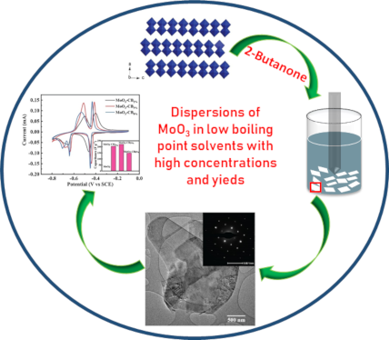
- , the MoO3 dispersion in 2-butanone retains its intrinsic nature even after exposure to sunlight for 24 h. The composites of MoO3 nanosheets were used as an electrode material for supercapacitors and showed a high specific capacitance of 201 F·g−1 in a three-electrode configuration at a scan rate of 50
- (SCE) as reference electrode were used for the electrochemical testing of the exfoliated MoO3 dispersions and its composites. In brief, the GCE was cleaned with a polishing cloth using fine alumina abrasive powders and washed thoroughly in deionized water. The required amount of the dispersion of known
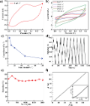
- poor intrinsic electronic conductivity of the MoO3 [24]. In order to enhance the electrochemical properties, composites of exfoliated MoO3 nanosheets and conducting carbon black (CB) were prepared. As shown in Figure 3a, well-defined oxidation and reduction peaks are observed after the addition of 2 wt