Search results
Search for "hierarchical" in Full Text gives 190 result(s) in Beilstein Journal of Nanotechnology.
High-throughput micro-nanostructuring by microdroplet inkjet printing
Beilstein J. Nanotechnol. 2018, 9, 2372–2380, doi:10.3762/bjnano.9.222
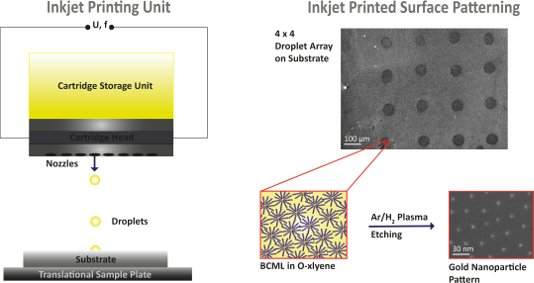
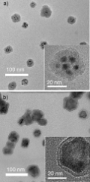
- the nanoscale, so far it has been inefficient in generating a hierarchical overlay structure at the micrometer scale. Here, we show that by combining block copolymer micelle nanolithography with inkjet printing, hierarchical patterns of gold nanoparticles in the form of microstructures can be achieved
- was shown that micelles concentrate in the topographically lowest areas on a surface [22]. Conclusion In conclusion, we have shown that the combination of BCML with inkjet printing combines the advantages of both methods to form hierarchical micro-nanostructures. The inkjet printing procedure is


Hierarchical heterostructures of Bi2MoO6 microflowers decorated with Ag2CO3 nanoparticles for efficient visible-light-driven photocatalytic removal of toxic pollutants
Beilstein J. Nanotechnol. 2018, 9, 2297–2305, doi:10.3762/bjnano.9.214
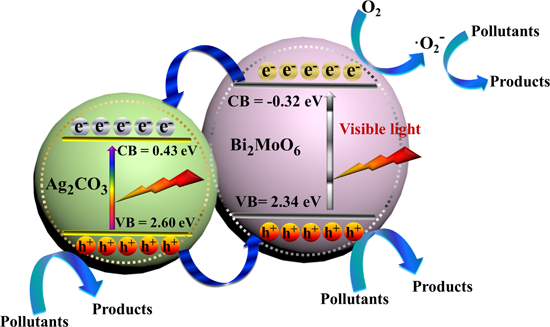
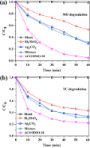
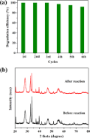
- . Herein, we synthesized flower-like Ag2CO3/Bi2MoO6 heterostructures, in which Ag2CO3 nanoparticles were evenly anchored on Bi2MoO6 microflowers to construct novel hierarchical heterojunction photocatalysts by via in situ precipitation. The photocatalytic properties of Ag2CO3/Bi2MoO6 was measured regarding
- [32]. To visually study the microstructure and morphology of Ag2CO3/Bi2MoO6, SEM images of the as-prepared catalysts were taken. Bare Bi2MoO6 presents a hierarchical microsphere structure (diameter: 1.6–3.5 μm, Figure 2a,b). After Ag2CO3 was loaded onto Bi2MoO6, the resulting Ag2CO3/Bi2MoO6 retained




Nanoscale characterization of the temporary adhesive of the sea urchin Paracentrotus lividus
Beilstein J. Nanotechnol. 2018, 9, 2277–2286, doi:10.3762/bjnano.9.212
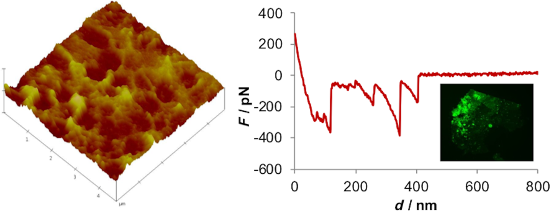
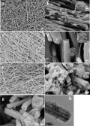
- , Faculdade de Ciências da Universidade de Lisboa, Campo Grande 1749-016 Lisboa, Portugal 10.3762/bjnano.9.212 Abstract Background: Unlike the thin homogeneous films that are typical for adhesives produced by humans, biological adhesives present complex hierarchical micro- and nanostructures. Most studies on
- . Keywords: adhesive footprint; atomic force microscopy; nanomechanical properties; sea urchin; temporary adhesion; Introduction Unlike the thin homogeneous films that are typical for adhesives produced by humans, biological adhesives present complex hierarchical micro- and nanostructures. Among marine


Electrospun one-dimensional nanostructures: a new horizon for gas sensing materials
Beilstein J. Nanotechnol. 2018, 9, 2128–2170, doi:10.3762/bjnano.9.202
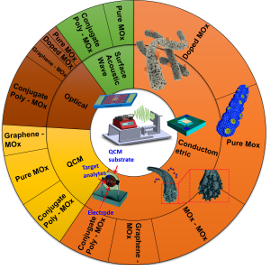
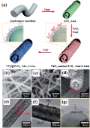
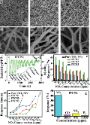
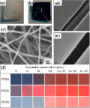
- fabrication strategy for synthesis of SnO2 NFs with a branch-on-stem morphology using electrospinning, oxygen plasma etching, sputtering and annealing. Electrospun PVP NFs were first etched with oxygen plasma to make a hierarchical template. Afterwards, a SnO2 film is deposited by sputtering and the PVP






Localized photodeposition of catalysts using nanophotonic resonances in silicon photocathodes
Beilstein J. Nanotechnol. 2018, 9, 2097–2105, doi:10.3762/bjnano.9.198
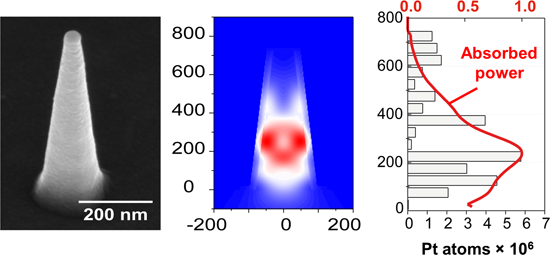
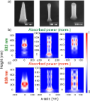
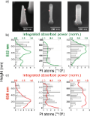
- promising for the design of lithography-free and efficient hierarchical nanostructures for the generation of solar fuels. Keywords: catalysts; nanomaterials; nanophotonics; photodeposition; solar fuels; Introduction The relentless rise of CO2 levels in the atmosphere as well as the growth of the world


Review on nanoparticles and nanostructured materials: history, sources, toxicity and regulations
Beilstein J. Nanotechnol. 2018, 9, 1050–1074, doi:10.3762/bjnano.9.98

- drugs that can inhibit the growth of these harmful bacteria in its early stage. Nanoparticles and nanostructures in plants Wood is made of natural fibers that are considered as cellular hierarchical bio-composites. Natural fibers are composites of cellulosic-fibrils at the nanoscale level. The simplest
- form of nanometer-sized cellulosic-fibrils are 100–1000 nm long, containing both crystalline and amorphous segments. The unique strength and extreme performance properties of various natural fibers such as wood are attributed to their elementary hierarchical structure with nanofibrillar components [187
- sophisticated fractal and layered cuticle patterns possess superhydrophobic properties. These structural types are composed of the hierarchical structure which may be responsible for increasing the surface hydrophobicity [194]. Moreover, the colors of butterflies are attributed to their fine wing structure


Bioinspired self-healing materials: lessons from nature
Beilstein J. Nanotechnol. 2018, 9, 907–935, doi:10.3762/bjnano.9.85
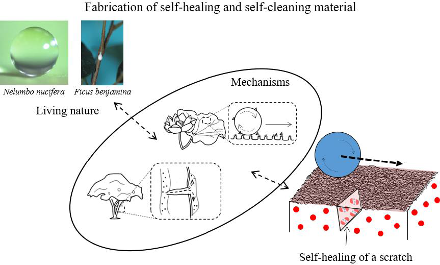
- basic characteristics, including chemical uniqueness, complexity and hierarchical organization, reproduction, genetic program (DNA), metabolism, developmental life cycle, environmental interaction, and movement [25]. However, one major division in the animal kingdom that changes the way in which animals
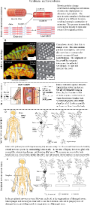
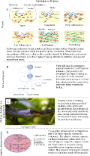
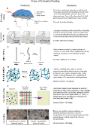
- cell size/shape [14]. Figure 2A shows the hierarchical levels of muscle structure in a human, building from the basic components of actin and myosin proteins to sarcomeres and muscle fibers that form a muscle [39]. Skeletal muscle is striated and used for voluntary movements. Smooth, or nonstriated
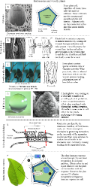
- superhydrophobic functionality of the surface. In doing so, the rolling drops pick up or absorb particulates and dirt, cleaning the leaf. The superhydrophobic behavior is caused by a combination of hierarchical surface roughness at the nanometer and microscale combined with an epicuticular wax coating [32]. The








Facile chemical routes to mesoporous silver substrates for SERS analysis
Beilstein J. Nanotechnol. 2018, 9, 880–889, doi:10.3762/bjnano.9.82
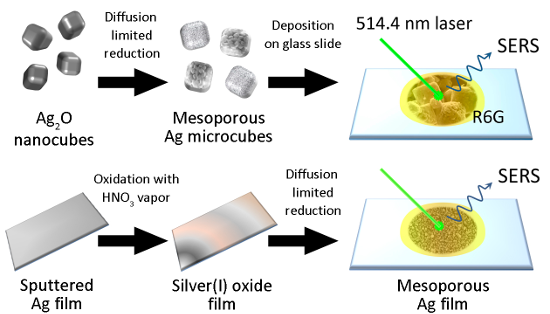
- tinted compounds in a mixture are more complex and still less efficient. Such analyses require specific SERS substrates with a high surface area, hierarchical surface structure and the presence of multiple plasmon bands (“polycolor” plasmons) in the visible range. For this, some prospective but


Facile synthesis of a ZnO–BiOI p–n nano-heterojunction with excellent visible-light photocatalytic activity
Beilstein J. Nanotechnol. 2018, 9, 789–800, doi:10.3762/bjnano.9.72
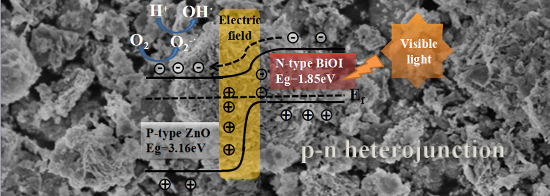
- remarkably decreased. The particle size further diminishes with the addition of ZnO (B-3, Figure S1b, Supporting Information File 1). When the Zn/Bi ratio becomes 1:3 (Figure 2b), the exfoliated BiOI ultrathin layers assemble together to spontaneously form a hierarchical microsphere to reduce the surface


Mechanistic insights into plasmonic photocatalysts in utilizing visible light
Beilstein J. Nanotechnol. 2018, 9, 628–648, doi:10.3762/bjnano.9.59
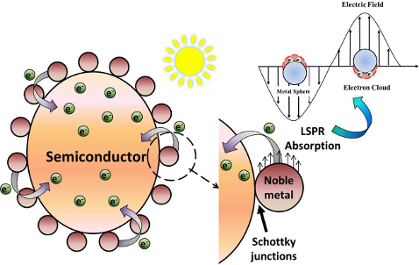
- nanoarchitectures with underlying mechanisms. For example, the velvet black scales on snake skins have been shown to demonstrate four times better absorbance than other scales in the UV–NIR spectrum range due to their hierarchical pattern of leaf-like microstructures with nanoridges [150]. In other case, the





Synthesis and characterization of electrospun molybdenum dioxide–carbon nanofibers as sulfur matrix additives for rechargeable lithium–sulfur battery applications
Beilstein J. Nanotechnol. 2018, 9, 262–270, doi:10.3762/bjnano.9.28
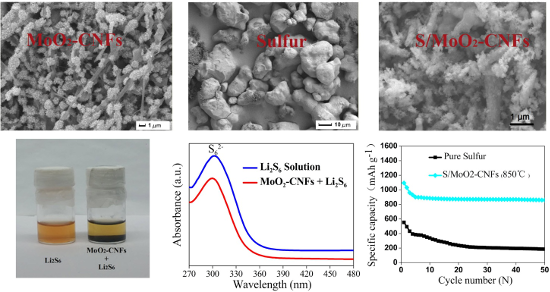
- (1D) MoO2–CNFs nanocomposites, especially with secondary MoO2 nanostructures, are difficult to achieve due to lack of appropriate and generalized synthetic methodologies. Recently, hierarchical MoO2/C microspheres and hierarchical MoO2/Mo2C/C hybrid nanowires were fabricated using organic–inorganic


Liquid-crystalline nanoarchitectures for tissue engineering
Beilstein J. Nanotechnol. 2018, 9, 205–215, doi:10.3762/bjnano.9.22
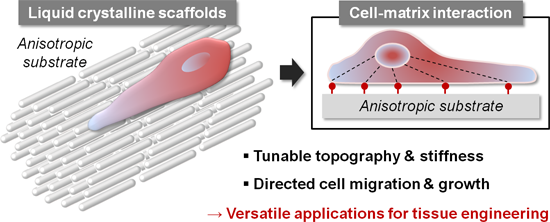
- Baeckkyoung Sung Min-Ho Kim Liquid Crystal Institute and Chemical Physics Interdisciplinary Program, Kent State University, Kent, OH 44242, USA Department of Biological Sciences, Kent State University, Kent, OH 44242, USA 10.3762/bjnano.9.22 Abstract Hierarchical orders are found throughout all
- , preosteoblasts and fibroblasts, which has a potential for the treatment of spinal cord injuries [91][92]. Osteogenesis and biomineralization can be induced by using 2D substrate matrices made of M13 phages and M13-based peptide amphiphiles, which are in hierarchical nematic, cholesteric, and smectic-like
- lies in their self-assembly behavior and the formation of hierarchical 3D nanoarchitectures with long-range order. This spontaneous organization has strong advantages such as structural biomimicry, facile bottom-up processing, straightforward upscaling, and low energy cost. In tissue engineering


Humidity-dependent wound sealing in succulent leaves of Delosperma cooperi – An adaptation to seasonal drought stress
Beilstein J. Nanotechnol. 2018, 9, 175–186, doi:10.3762/bjnano.9.20
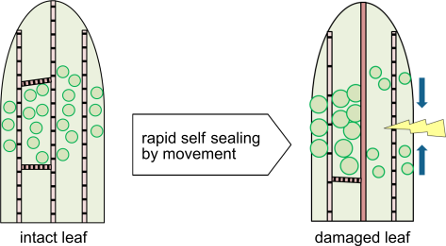
- healing phase can also be found individually [1]. Self-sealing and self-healing can be characterised by various functional principles, such as physical, chemical and/or biological principles, and can take place on one or more hierarchical levels, namely organs, tissues, cells and extracellular biopolymers
- interested in whether metabolic processes occurring in living cells or acellular mechanisms originating in nonliving biological material are involved in the self-repair process and whether one or more hierarchical levels contribute to the self-repair process [1][2][3]. In the following, we present new


Ab initio study of adsorption and diffusion of lithium on transition metal dichalcogenide monolayers
Beilstein J. Nanotechnol. 2017, 8, 2711–2718, doi:10.3762/bjnano.8.270
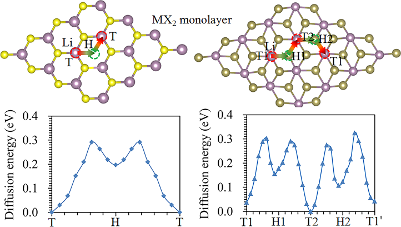
- strategies have been developed to improve the electrochemical properties of MoS2 as an anode for LIBs. Three-dimensional hierarchical structures constructed by assembling two-dimensional MoS2 nanosheets can deliver a capacity of 1009 mAh/g at 500 mA/g after 500 cycles [20]. The formation of composites of


One-step chemical vapor deposition synthesis and supercapacitor performance of nitrogen-doped porous carbon–carbon nanotube hybrids
Beilstein J. Nanotechnol. 2017, 8, 2669–2679, doi:10.3762/bjnano.8.267
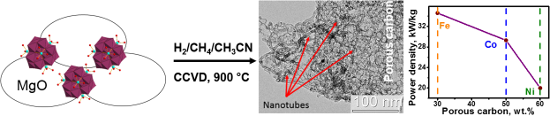
- ]. Electrochemical tests of the obtained materials in 6 M KOH electrolyte evidenced a significant reduction of the interfacial contact resistance of the electrode with the insertion of MWCNTs. Luo et al. have prepared a hierarchical porous carbon–MWCNT hybrid by carbonization of a mixture of phenolic resin and
- nickel hydroxide in hydrogen atmosphere [15]. The hybrid showed improved cycling stability in lithium–sulfur batteries as compared to the electrode made from porous carbon only. Cai et al. have synthesized N-doped hierarchical porous carbon–CNT hybrids using a melamine-formaldehyde resin, Fe/Co catalyst


Fabrication of CeO2–MOx (M = Cu, Co, Ni) composite yolk–shell nanospheres with enhanced catalytic properties for CO oxidation
Beilstein J. Nanotechnol. 2017, 8, 2425–2437, doi:10.3762/bjnano.8.241
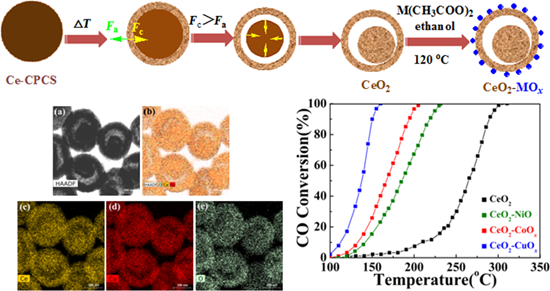
- /and hierarchical architecture, which possess excellent redox properties and abundant oxygen vacancies, will be favorable for the enhancement of catalytic activity toward CO oxidation. CeO2-based hybrid oxides with hollow structure can be synthesized by a sacrificial-template method based on





Surfactant-induced enhancement of droplet adhesion in superhydrophobic soybean (Glycine max L.) leaves
Beilstein J. Nanotechnol. 2017, 8, 2345–2356, doi:10.3762/bjnano.8.234
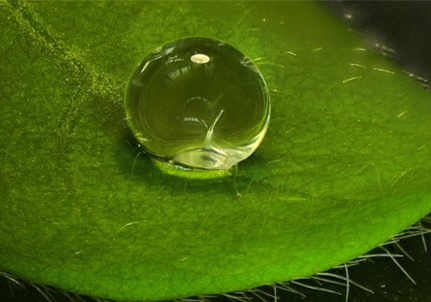
- and five variations of nonionic surfactants) have been investigated. The leaf surface structures show a hierarchical organization, built up by convex epidermal cells (microstructure) and superimposed epicuticular platelet-shaped wax crystals (micro- to nanostructure). Chemical analysis of the


Tailoring the nanoscale morphology of HKUST-1 thin films via codeposition and seeded growth
Beilstein J. Nanotechnol. 2017, 8, 2307–2314, doi:10.3762/bjnano.8.230
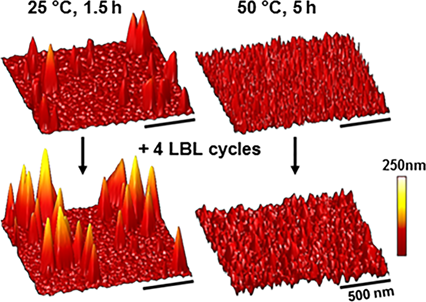
- Landon J. Brower Lauren K. Gentry Amanda L. Napier Mary E. Anderson Hope College, Department of Chemistry, Holland, MI 49422, United States 10.3762/bjnano.8.230 Abstract Integration of surface-anchored metal-organic frameworks (surMOFs) within hierarchical architectures is necessary for potential


In situ controlled rapid growth of novel high activity TiB2/(TiB2–TiN) hierarchical/heterostructured nanocomposites
Beilstein J. Nanotechnol. 2017, 8, 2116–2125, doi:10.3762/bjnano.8.211
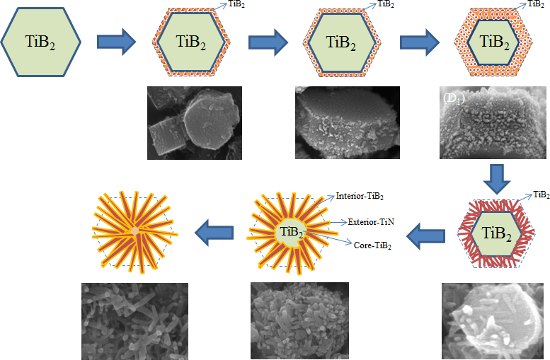
- -temperature synthesis (RC-SHS) method was developed for the in situ controlled synthesis of novel, high activity TiB2/(TiB2–TiN) hierarchical/heterostructured nanocomposites using TiO2, Mg, B2O3, KBH4 and NH4NO3 as raw materials. The as-synthesized samples were characterized using X-ray diffraction (XRD
- ), scanning electron microscope (SEM), X-ray energy dispersive spectroscopy (EDX), transition electron microscopy (TEM), high-resolution TEM (HRTEM) and selected-area electron diffraction (SAED). The obtained TiB2/TiN hierarchical/heterostructured nanocomposites demonstrated an average particle size of 100
- the proposed growth mechanism of the TiB2/(TiB2–TiN) hierarchical/heterostructured nanocomposites were further discussed. Keywords: chemical activity; hierarchical/heterostructures; self-propagating high-temperature synthesis; TiB2; TiN; Introduction Refractory materials such as borides, nitrides


High-stress study of bioinspired multifunctional PEDOT:PSS/nanoclay nanocomposites using AFM, SEM and numerical simulation
Beilstein J. Nanotechnol. 2017, 8, 2069–2082, doi:10.3762/bjnano.8.207
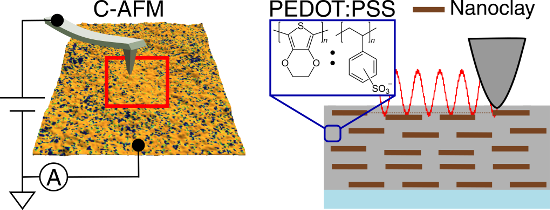
- Alfredo J. Diaz Hanaul Noh Tobias Meier Santiago D. Solares Department of Mechanical and Aerospace Engineering, The George Washington University, Washington, DC 20052, United States 10.3762/bjnano.8.207 Abstract Bioinspired design has been central in the development of hierarchical nanocomposites
- received much attention due to its remarkable mechanical properties and convoluted structure. Nacre is composed of 95% aragonite platelets separated by 5% organic matter, displaying a multiscale hierarchical structure with features ranging from molecular to macroscopic scales [8]. The experimental approach


Advances and challenges in the field of plasma polymer nanoparticles
Beilstein J. Nanotechnol. 2017, 8, 2002–2014, doi:10.3762/bjnano.8.200
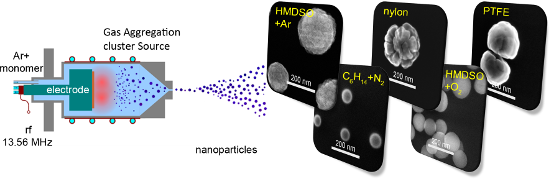
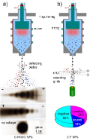
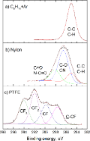
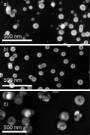
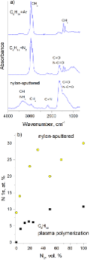
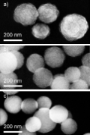
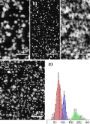
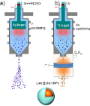
- deposition method and the histogram in Figure 11e confirms the formation of the triple-scale surface. Thus, plasma polymer NPs produced by GAS prove to be very versatile for the design of hierarchical structures, which can be very efficient for fine tuning of optical properties, surface wettability






Collembola cuticles and the three-phase line tension
Beilstein J. Nanotechnol. 2017, 8, 1714–1722, doi:10.3762/bjnano.8.172
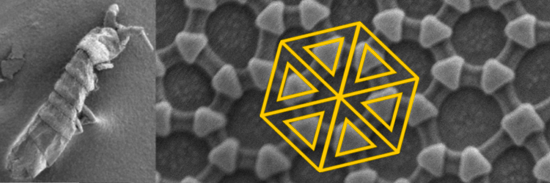
- of and the mechanism behind natural water-repellent surfaces is therefore of great interest beyond the field of biology. Many natural surfaces feature hierarchical structures, which are difficult to reproduce biomimetically. Collembola cuticles feature surface structuring on a single, sub-micrometer


![[Graphic 16]](/bjnano/content/inline/2190-4286-8-172-i22.png?max-width=637&scale=1.18182) . A system with θ0 = 105°, S = 0.1 μm a...
. A system with θ0 = 105°, S = 0.1 μm a...

Process-specific mechanisms of vertically oriented graphene growth in plasmas
Beilstein J. Nanotechnol. 2017, 8, 1658–1670, doi:10.3762/bjnano.8.166
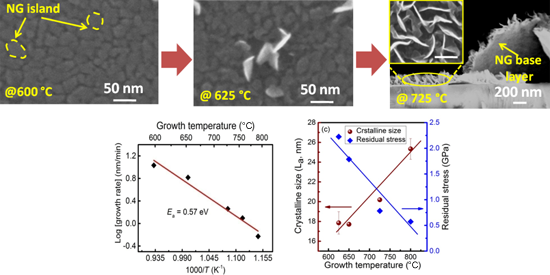
- water purification and supercapacitive performance. Hence, the aim of research on VGNs is to achieve a pre-determined structure for suitable applications, which depends on the hierarchical organization of nanostructures. Such self-organization can be realized by controlling the process parameters during


Micro- and nano-surface structures based on vapor-deposited polymers
Beilstein J. Nanotechnol. 2017, 8, 1366–1374, doi:10.3762/bjnano.8.138
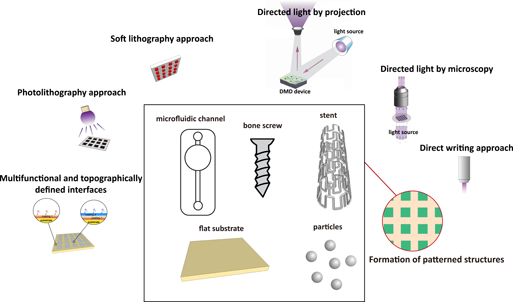
- depositions of different functional polymer films; the hierarchical structure of the outer layer and exposed underneath layers forms the multifunctional interface (Figure 4). Vapor-based multicomponent copolymers can be synthesized through CVD in one step by introducing independent monomers into the


Fabrication of hierarchically porous TiO2 nanofibers by microemulsion electrospinning and their application as anode material for lithium-ion batteries
Beilstein J. Nanotechnol. 2017, 8, 1297–1306, doi:10.3762/bjnano.8.131
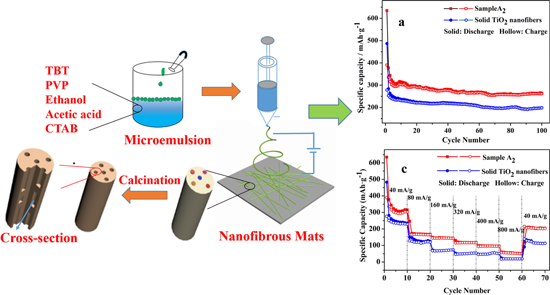
- electrospinning. However, coaxial electrospinning limits the further development of core–shell nanofibers because of its complicated spinneret, the limited number of suitable fluids and the unstable structure of the fibers. Recently the method of ME-ES has been developed to fabricate hierarchical nanofibers
- et al. reported the fabrication of hierarchical TiO2 nanorods via ME-ES and the application as photoanode material for dye-sensitized solar cells [25]. According to Shi et al., highly porous SnO2/TiO2 composite nanofibers were prepared successfully by ME-ES and subsequent calcination [28]. There are