


Search results
Search for "humidity" in Full Text gives 297 result(s) in Beilstein Journal of Nanotechnology. Showing first 200.
Semitransparent Sb2S3 thin film solar cells by ultrasonic spray pyrolysis for use in solar windows
Beilstein J. Nanotechnol. 2019, 10, 2396–2409, doi:10.3762/bjnano.10.230
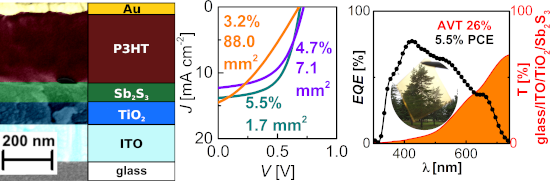
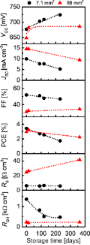
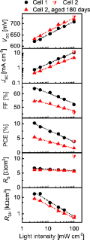
- at rest in VOC condition for 230 days at room temperature (RT), relative humidity (RH) <30%, and exposed to both indoor light and daylight incident through the laboratory windows (Figure 6). In the 7.1 mm2 cell, over 230 days, VOC increased slightly, whereas JSC was halved, FF decreased slightly due
- question and requires further study. A partially reversible increase of VOC over time due to humidity in air is common for solar cells containing organic materials [9]. JSC declines linearly at a similar rate in both cells, 2.0 mA cm−2 per 100 days for the small cell, and 1.4 mA cm−2 per 100 days for the
- , the 88 mm2 non-encapsulated solar cell stored under standard office conditions showed half the rate of aging and an increased stability towards humidity and air when compared to smaller cells (<10 mm2 area). We consider the trend of increased PCE at decreased light intensity observed in USP-Sb2S3



Polyvinylpyrrolidone as additive for perovskite solar cells with water and isopropanol as solvents
Beilstein J. Nanotechnol. 2019, 10, 2374–2382, doi:10.3762/bjnano.10.228
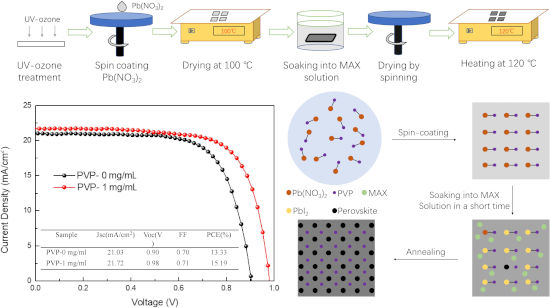
- , and the efficiency is 12.27%. This demonstrate clearly that the PVP as an additive to the aqueous solution of Pb(NO3)2 is genuinely effective in boosting the photoelectric performance of the device. In addition, we studied the long-term stability of the PSCs in ambient environment (humidity less than
- density–voltage curves of PSCs (b) EQE spectra of PSCs. The stable output current density and PCE at the max power point of PSCs. Long-term stability of solar cells over 60 d. All devices were stored in ambient environment (humidity less than 10%, room temperature). Parameters of the PSCs fabricated under




Four self-made free surface electrospinning devices for high-throughput preparation of high-quality nanofibers
Beilstein J. Nanotechnol. 2019, 10, 2261–2274, doi:10.3762/bjnano.10.218
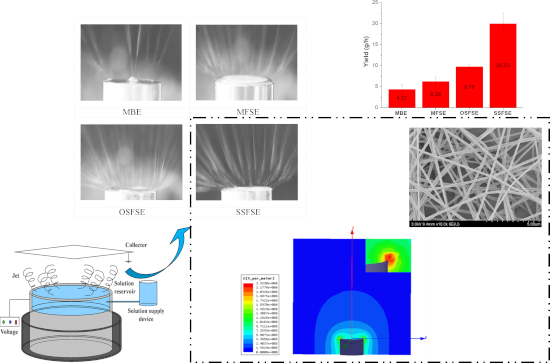
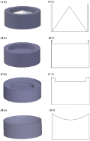
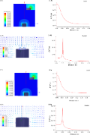
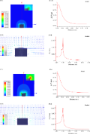
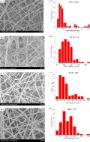
- for SEM analysis. All FSE experiments were carried out at room temperature (20 °C) and at a relative humidity of 60%. The spinning processes of the different devices were recorded using a high-speed camera at a frame rate of 100 frames/s (VRI-Phantom-VEO-L, Ametek, California, USA), as shown in Figure






Ion mobility and material transport on KBr in air as a function of the relative humidity
Beilstein J. Nanotechnol. 2019, 10, 2084–2093, doi:10.3762/bjnano.10.203
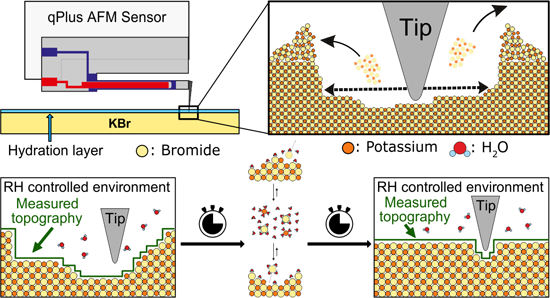
- to the surface. We collected atomic force microscopy images of KBr surfaces in a humidity-controlled glove box at various relative humidities below 40%. By scratching and poking the surface with the AFM tip, we constructed energetically unfavorable holes or scratch sites and material accumulations
- force microscopy; material transport; relative humidity; Introduction Defining surface properties under ambient conditions is challenging as they are heavily influenced by the environment. In general, there are various contributing factors such as temperature, air pressure and air composition
- . Typically, air is composed of different gases, a small fraction of aerosols and water vapor. The relative humidity (RH) usually ranges from about 25% to 70%, depending on weather and season. A thin film of water molecules adsorbs on every surface exposed to humid gases [1][2][3]. The thickness of these


Review of advanced sensor devices employing nanoarchitectonics concepts
Beilstein J. Nanotechnol. 2019, 10, 2014–2030, doi:10.3762/bjnano.10.198

- sensing of general external environments such as pH, humidity, pressure, and magnetic field is undoubtedly important. Spanu et al. reported sensitive pH sensors based on organic charge-modulated field-effect transistor structures with 6,13-bis(triisopropylsilylethynyl)pentacene [95]. The fabricated
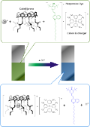
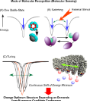
- -driven actuation material for a triboelectric nanogenerator device to realize a highly sensitive humidity sensor [99] (Figure 5). The reaction of the sensing materials to humidity results in electrical changes for sensing. The perfluorosulfonic acid ionomer membrane has perpendicularly extended
- nanochannels that can adsorb moisture. Under relatively high humidity conditions, the adsorption of water molecules expands the nanochannels resulting in internal stress generation. These changes can be sensitively detected by the triboelectric nanogenerator. At the same time, the collection of such electrical





Nanostructured and oriented metal–organic framework films enabling extreme surface wetting properties
Beilstein J. Nanotechnol. 2019, 10, 1994–2003, doi:10.3762/bjnano.10.196
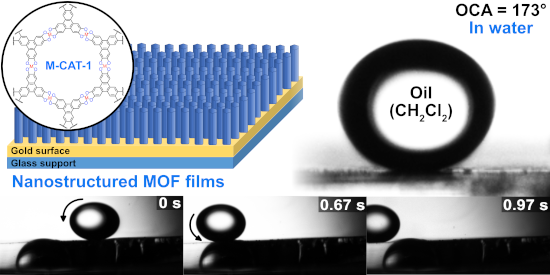
- antifog coating covering their eyes for clear vision in high humidity regions [8]. The fogstand beetles employ an antifog coating for enhancing water vapor harvesting abilities in dry climates [9]. In marine life, fish protect themselves from oil-polluted environments or avoid biofouling due to oil


Gold-coated plant virus as computed tomography imaging contrast agent
Beilstein J. Nanotechnol. 2019, 10, 1983–1993, doi:10.3762/bjnano.10.195
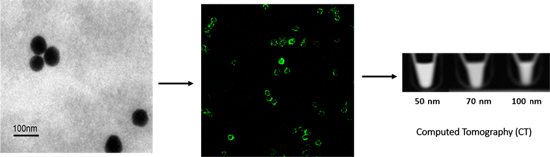
- culture flasks at 6000 cells/cm2 in growth medium phenol red-free following the published protocol [50]. All cells were cultured in a humidified incubator at 95% humidity and 5% CO2 maintained at 37 °C. For experiments cells were seeded the day prior to the incubation with the NPs at 3.5 × 10⁴ cells/cm3




Preservation of rutin nanosuspensions without the use of preservatives
Beilstein J. Nanotechnol. 2019, 10, 1902–1913, doi:10.3762/bjnano.10.185
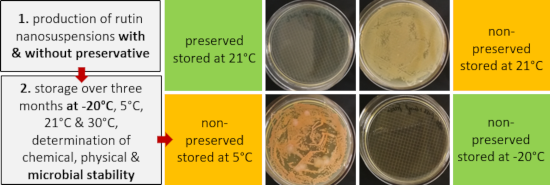
- cell spreader. For detection of existing bacteria, the agar plate containing the suspension or dilution was incubated for 24 h at 36 °C and 90% humidity. Fungal contamination was detected after 7 days at 25 °C storage by using undiluted nanosuspensions. For evaluation, the visible bacterial colonies


High-temperature resistive gas sensors based on ZnO/SiC nanocomposites
Beilstein J. Nanotechnol. 2019, 10, 1537–1547, doi:10.3762/bjnano.10.151
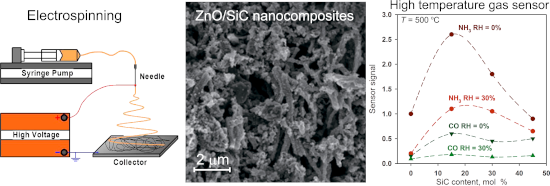
- (XPS). The electrophysical and gas sensing properties of the materials were investigated by in situ conductivity measurements in the presence of the reducing gases CO and NH3 (20 ppm), in dry conditions (relative humidity at 25 °C RH25 = 0) and in humid air (RH25 = 30%) in the temperature range 400–550
- monitoring the complete combustion of fuel and controlling medium-temperature chemical and metallurgical processes [3][4][5]. The development of high-temperature gas sensors requires the creation of new materials that are stable at 300–600 °C, high humidity, and lack of oxygen. Nanostructured semiconductor
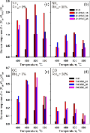
- ,d) in dry air (Figure 8a,c) and at relative humidity RH25 = 30% (at 25 °C, Figure 8b,d). In all cases, in the presence of a reducing gas, CO or NH3, a decrease in the material resistance is observed due to reaction of the target gases with the oxygen chemisorbed on the surface of n-type



Development of a new hybrid approach combining AFM and SEM for the nanoparticle dimensional metrology
Beilstein J. Nanotechnol. 2019, 10, 1523–1536, doi:10.3762/bjnano.10.150
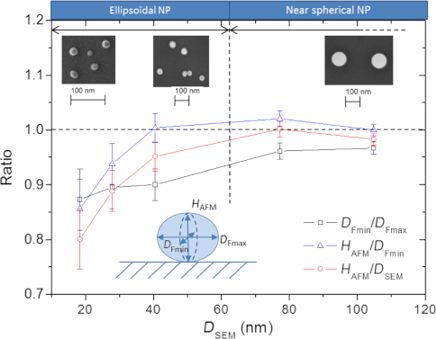
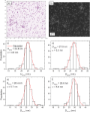
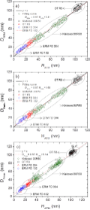
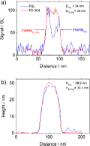
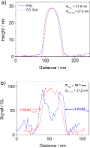
- humidity and temperature are well controlled and stabilized (50 ± 5% relative humidity and 20 ± 0.15 °C for temperature). These precautions combined with the instrument performances make it possible to obtain low drifts and to carry out measurements with low noise. Basic measuring principle and data




Synthesis of P- and N-doped carbon catalysts for the oxygen reduction reaction via controlled phosphoric acid treatment of folic acid
Beilstein J. Nanotechnol. 2019, 10, 1497–1510, doi:10.3762/bjnano.10.148
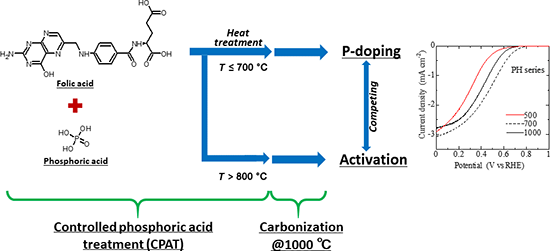
- cm2 cell was used for fuel-cell testing. Polarization curves were obtained at a cell temperature of 80 °C, a back pressure of 200 kPa, and a reactant gas relative humidity of 100% using H2 (1 L·min−1) and O2 (1 L·min−1) as anode and cathode gases, respectively. Characterization techniques The Brunauer





Selective gas detection using Mn3O4/WO3 composites as a sensing layer
Beilstein J. Nanotechnol. 2019, 10, 1423–1433, doi:10.3762/bjnano.10.140
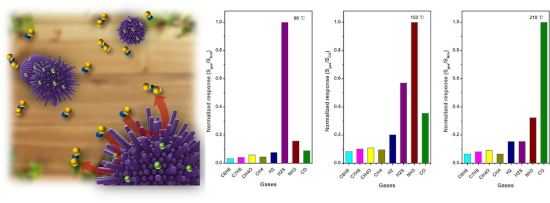
- derived from temperature, the working temperature of a sensor is a key factor related to its sensing properties [21]. Therefore, it becomes necessary to optimize the working temperature. Unless otherwise stated, all gas sensing measurements were carried out at a humidity of ≈35 RH%. Figure 6 shows the


Gas sensing properties of individual SnO2 nanowires and SnO2 sol–gel nanocomposites
Beilstein J. Nanotechnol. 2019, 10, 1380–1390, doi:10.3762/bjnano.10.136
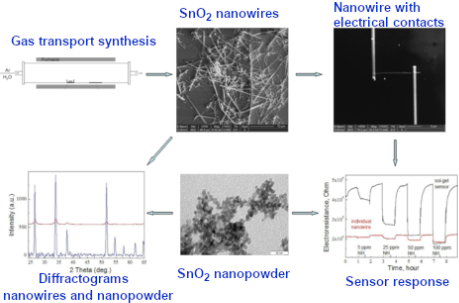
- considerably smaller amounts of hydroxy groups compared to the nanopowders. This leads to a decrease in the parasitic sensitivity of the sensing materials to humidity. In addition, we demonstrated that the nanowires are characterized by a nearly single-crystalline structure, ensuring higher stability of the
- maximal or minimal values of current transfer. As shown in Figure 11, a maximum response in both nanowire and sol–gel sensors is observed at a temperature of around 250 °C. The effect of superficial hydroxy groups on the sensor cross-sensitivity to humidity was investigated in detail in [52]. It was shown
- that the application of tin dioxide materials synthesized by spark discharge and characterized as having a reduced concentration of superficial hydroxy groups resulted in a significantly decreased parasitic humidity response of the sensing material. The same effect is observed for the tin dioxide




Multicomponent bionanocomposites based on clay nanoarchitectures for electrochemical devices
Beilstein J. Nanotechnol. 2019, 10, 1303–1315, doi:10.3762/bjnano.10.129
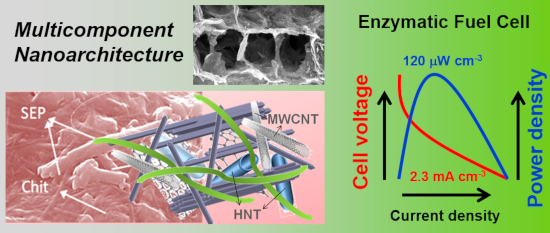
- -casting from the 0.2% w/v dispersion on polyester Petri dishes and dried at 30 °C and 60% relative humidity (RH) in a CLIMACELL EVO Stability Chamber (Incubator model 111L). The bionanocomposite foams were prepared by freeze-drying (Cryodos-80, Telstar) of the 8% w/v dispersion, which was cast in



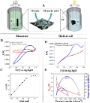
Alloyed Pt3M (M = Co, Ni) nanoparticles supported on S- and N-doped carbon nanotubes for the oxygen reduction reaction
Beilstein J. Nanotechnol. 2019, 10, 1251–1269, doi:10.3762/bjnano.10.125







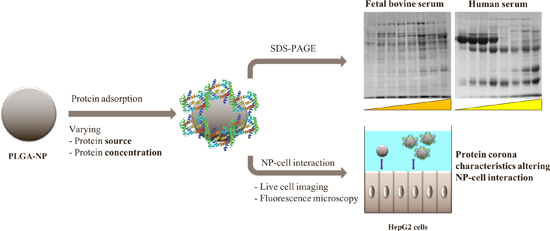
Serum type and concentration both affect the protein-corona composition of PLGA nanoparticles
Beilstein J. Nanotechnol. 2019, 10, 1002–1015, doi:10.3762/bjnano.10.101
- cm2 flasks with DMEM supplemented with 10% (v/v) FBS, 1% (v/v) non-essential amino acids (NEA), 1% (v/v) L-alanyl-L-glutamine (200 mM), 1% (v/v) penicillin/streptomycin (100 U/mL) at 37 °C, 100% humidity in a 10% CO2 atmosphere. Cells were subcultivated twice a week at a ratio of approximately 1:5



On the transformation of “zincone”-like into porous ZnO thin films from sub-saturated plasma enhanced atomic layer deposition
Beilstein J. Nanotechnol. 2019, 10, 746–759, doi:10.3762/bjnano.10.74
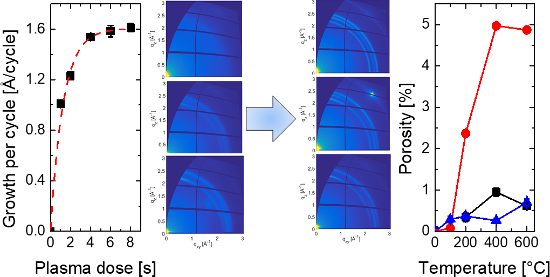
- layers, the THMS600 temperature stage was equipped with a custom-made humidity pump, and the principles of ellipsometric porosimetry (EP) were used. The relative humidity was monitored via a sensor in the measurement chamber (Sparkfun SHT-15) and tuned in the range of 0–95% [44]. In this way, pores with
- a diameter ≥0.33 nm were probed. Dry atmosphere (i.e., 0% relative humidity) was reached using a flow of N2, ensuring the removal of water from the measurement chamber. In order to tune the relative humidity, the flow of humid air is mixed with N2 and adjusted in equilibrium steps. The temperature
- of the stage was kept at room temperature, assuring that the measured relative humidity in the chamber was the same as on top of the samples. During EP with water, the variation of both refractive index (n) and water multilayer thickness/swollen thin films is reported as a function of the relative


Topochemical engineering of composite hybrid fibers using layered double hydroxides and abietic acid
Beilstein J. Nanotechnol. 2019, 10, 589–605, doi:10.3762/bjnano.10.60
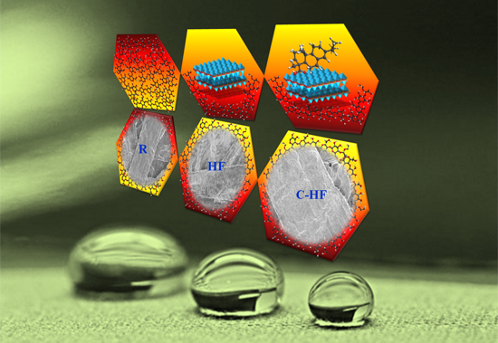
- solution. The newly formed wet hybrid fiber handsheets were pressed twice at a force of 400 ± 10 kPa between couch blotters for increased drying. Further, these handsheets were conditioned at 23 °C temperature in a room with 50% of relative humidity for 2 days. Functionalization of LDH grafted cellulose




Hydrophilicity and carbon chain length effects on the gas sensing properties of chemoresistive, self-assembled monolayer carbon nanotube sensors
Beilstein J. Nanotechnol. 2019, 10, 565–577, doi:10.3762/bjnano.10.58
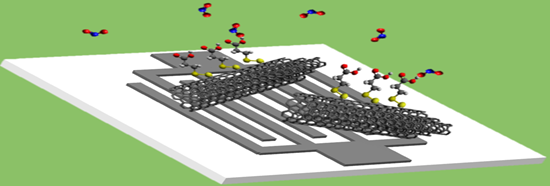
- were most responsive to nitrogen dioxide and ethanol vapors, even in the presence of ambient humidity. In particular, this nanomaterial was about eight times more sensitive to nitrogen dioxide than bare Au-decorated carbon nanotubes when operated at room temperature. This response enhancement is
- such as lack of selectivity, environmental variations (e.g., changes in humidity level) affecting sensor response, or the difficulty to detect gases characterized by low adsorption energies are often encountered [11]. In order to enhance their selectivity and/or their sensitivity, CNTs have been
- humidified to 50% relative humidity (at 20 °C) and the same nitrogen dioxide concentrations that had been studied previously under dry conditions were measured again. These results are shown in Figure 7. As it could be expected, the presence of ambient moisture increases the sensitivity to a polar gas like


Temperature-dependent Raman spectroscopy and sensor applications of PtSe2 nanosheets synthesized by wet chemistry
Beilstein J. Nanotechnol. 2019, 10, 467–474, doi:10.3762/bjnano.10.46
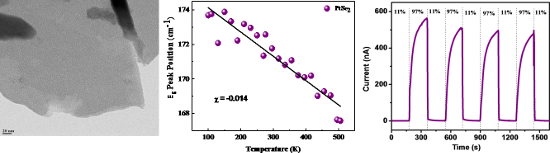
- well with the reported 2D transition metal dichalcogenides. A PtSe2 nanosheet-based sensor device was tested for its applicability as a humidity sensor and photodetector. The humidity sensor based on PtSe2 nanosheets showed an excellent recovery time of ≈5 s, indicating the great potential of PtSe2 for
- annealed in a vacuum furnace at 170 °C to improve the contact resistance and adhesion of the nanosheets with the substrate. The humidity sensing performance was investigated by exposing the sensor device to various relative humidity (RH) levels ranging from 11.3–97.3% as described in detail previously [26
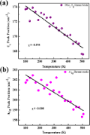
- comparison of the temperature coefficient values corresponding to various 2D materials are shown in Table 2. The value of Δω for both Eg and A1g modes was found to be 6.11 cm−1 and 3.14 cm−1, respectively. Humidity sensor and photodetector based on few-layer PtSe2 nanosheets Figure 7a shows the typical



Uniform Sb2S3 optical coatings by chemical spray method
Beilstein J. Nanotechnol. 2019, 10, 198–210, doi:10.3762/bjnano.10.18
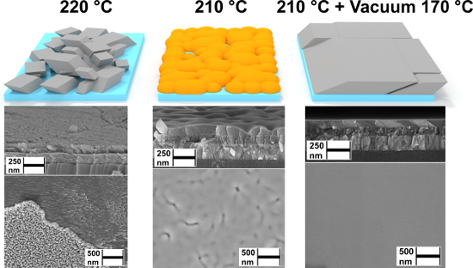
- inside a glovebox with controlled humidity (<14 ppm). The solutions were ultrasonically nebulized and guided by compressed air at a flow rate of 5 L·min−1 onto glass/ITO/TiO2 substrates at deposition temperatures of 200, 210, and 220 °C for 20 min (Sb/S 1:3) or 40 min (Sb/S 1:6). After deposition, some




Wet chemistry route for the decoration of carbon nanotubes with iron oxide nanoparticles for gas sensing
Beilstein J. Nanotechnol. 2019, 10, 105–118, doi:10.3762/bjnano.10.10
- as well as the effect of ambient humidity. Experimental Materials All materials and reagents used (listed below) were of analytical grade and were used as received. COOH functionalized multiwalled carbon nanotube (MWCNTs), Nanocyl (C purity higher than 95%) Nitric acid, Scharlau (HNO3 68–70
- recovery in dry air. To determine the selectivity of the sensor for carbon monoxide (CO) and benzene (C6H6), gas cylinders with a 100 ppm CO and 10 ppm C6H6 concentrations respectively, balanced in dry air, were used with the previously described set-up. To create the desired humidity in order to check the
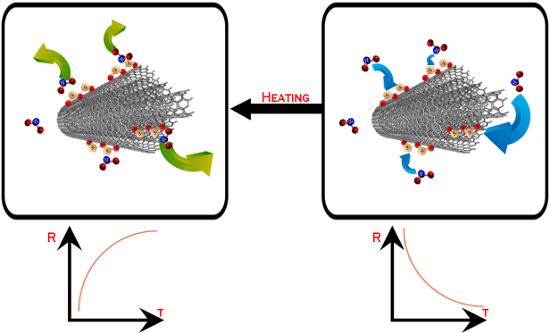
- check the effect of humidity in the performance of the sensor, a new set of measurements for NO2 were performed. In this case, the relative humidity was set to 50%. Comparing these results with the ones performed with dry air (relative humidity was around 3%), one can realize that the sensor, when




Pull-off and friction forces of micropatterned elastomers on soft substrates: the effects of pattern length scale and stiffness
Beilstein J. Nanotechnol. 2019, 10, 79–94, doi:10.3762/bjnano.10.8



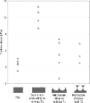


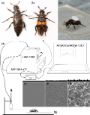
A comparison of tarsal morphology and traction force in the two burying beetles Nicrophorus nepalensis and Nicrophorus vespilloides (Coleoptera, Silphidae)
Beilstein J. Nanotechnol. 2019, 10, 47–61, doi:10.3762/bjnano.10.5
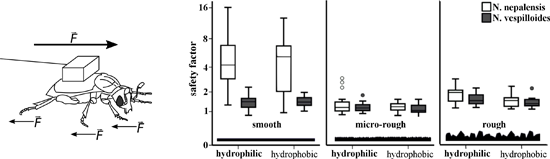
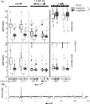
- experiments were carried out at room temperature (ca. 22 °C) and a relative humidity of ca. 50%. Friction was determined on the fore tarsus for five males and five females (n = 10). The measuring head was dragged over the surface with a load of 2 mN and a velocity of 100 µm/s. For each measurement, the



Contact splitting in dry adhesion and friction: reducing the influence of roughness
Beilstein J. Nanotechnol. 2019, 10, 1–8, doi:10.3762/bjnano.10.1
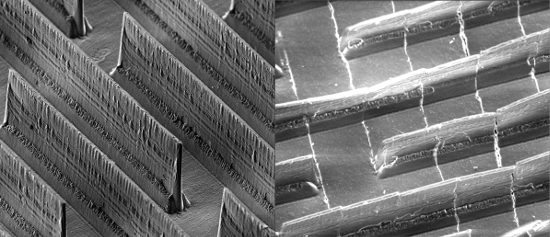
- ) operated for 180 seconds at 18 mA current and about 5 × 10⁻² Pa Ar pressure. All tests were repeated at least four times. The temperature and relative humidity in the laboratory were 23–25 °C and 45–55%, respectively. Characteristic images of tested polyvinylsiloxane (PVS) adhesive microstructures in (a





