


Search results
Search for "in situ" in Full Text gives 552 result(s) in Beilstein Journal of Nanotechnology. Showing first 200.
Design of surface nanostructures for chirality sensing based on quartz crystal microbalance
Beilstein J. Nanotechnol. 2022, 13, 1201–1219, doi:10.3762/bjnano.13.100
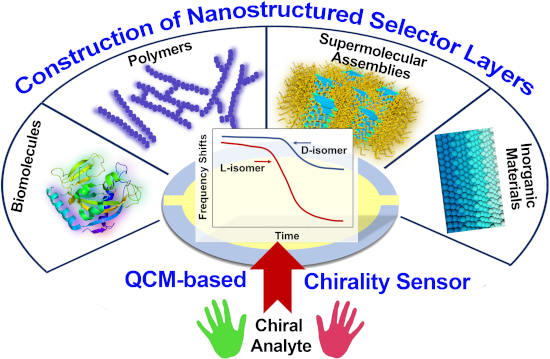
- electrodes [45]. After removal of the template by acetic acid–acetonitrile solution, permeable MIP-sensing films with an imprinted cavity could be obtained. The real-time adsorption measurements indicated that this MIP film exhibited specific recognition only for S-propranolol. Luo et al. used the in situ
- group of the analyte and pyridyl sites in MIPs. The MIP-based selectors on the QCM surface can be achieved not only by in situ polymerization but also by using premade MIP nanoparticles. Krozer et al. reported the fabrication of QCM chiral sensors by physically entrapping MIP nanoparticles into a spin


Microneedle-based ocular drug delivery systems – recent advances and challenges
Beilstein J. Nanotechnol. 2022, 13, 1167–1184, doi:10.3762/bjnano.13.98
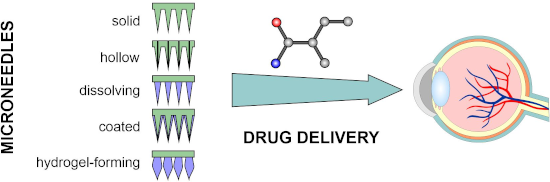
- a constant controlled rate according to zero-order kinetics [79][80][81]. Drug-loaded soft contact lenses can be classified as non-dissolving implants [82][83]. Satisfactory results are also obtained with in situ gelling liquid implants [84][85] or film forming liquids [86][87][88]. In addition to


A cantilever-based, ultrahigh-vacuum, low-temperature scanning probe instrument for multidimensional scanning force microscopy
Beilstein J. Nanotechnol. 2022, 13, 1120–1140, doi:10.3762/bjnano.13.95
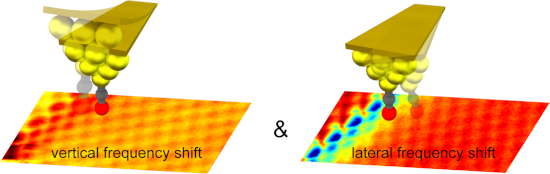
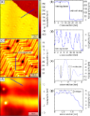
- interference extrema must be selected and kept constant. This fine-positioning is performed by the w-piezo tube, which is implemented in the form of a stack of individual piezo plates (Figure 6). Sample and cantilever holders UHV AFM instrumentation typically permits the in situ exchange of samples and
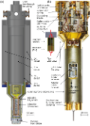
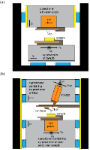

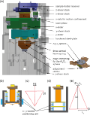
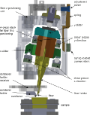




Biomimetic chitosan with biocomposite nanomaterials for bone tissue repair and regeneration
Beilstein J. Nanotechnol. 2022, 13, 1051–1067, doi:10.3762/bjnano.13.92
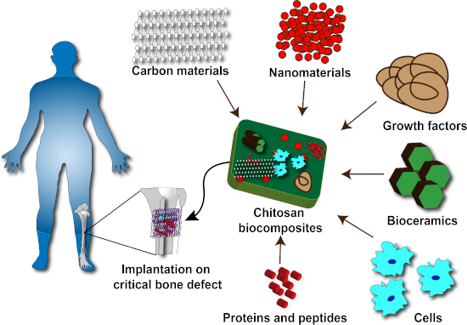
- /chitosan/glycerophosphate/silk fibroin were fabricated for bone regeneration applications. Further, in vitro biological assays performed with MC3T3-E1 cells prove the osteogenic properties of the fabricated hydrogel. In addition, in situ experiments were conducted on rat calvarial bone defects for eight
Electrocatalytic oxygen reduction activity of AgCoCu oxides on reduced graphene oxide in alkaline media
Beilstein J. Nanotechnol. 2022, 13, 1020–1029, doi:10.3762/bjnano.13.89
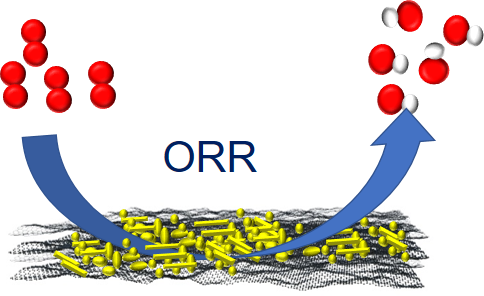
- atomic-level manipulation using established materials chemistry concepts towards the assembly of functional nanoarchitectonics [25][26][27]. The assembly of nanoscale objects through combination and in situ growth routes, leading to high-performance nanoarchitectonics, is an interesting strategy. An
- interesting choice could be the support/assembly of trimetallic AgCuCo particles via in situ formation integrated with conductive (graphitic) supports to further enhance the electrocatalytic properties regarding the ORR in alkaline medium. We designed trimetallic AgCuCo oxide NPs supported on rGO using a


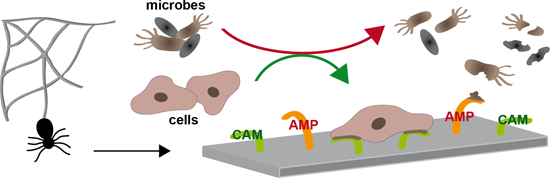
Bioselectivity of silk protein-based materials and their bio-inspired applications
Beilstein J. Nanotechnol. 2022, 13, 902–921, doi:10.3762/bjnano.13.81


Ultrafast signatures of magnetic inhomogeneity in Pd1−xFex (x ≤ 0.08) epitaxial thin films
Beilstein J. Nanotechnol. 2022, 13, 836–844, doi:10.3762/bjnano.13.74
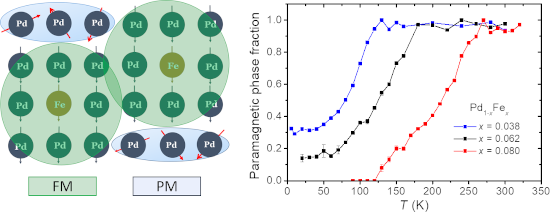
- beam epitaxy (MBE). The films were 20 nm thick, continuous, and smooth monocrystalline layers. The MBE equipment provided uniformity of the film thickness within 3% on the 1″ lateral size. The film composition x was measured in situ using X-ray photoelectron spectroscopy (all from SPECS, Berlin) with a


Recent advances in nanoarchitectures of monocrystalline coordination polymers through confined assembly
Beilstein J. Nanotechnol. 2022, 13, 763–777, doi:10.3762/bjnano.13.67
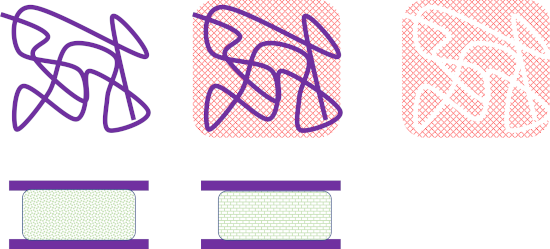
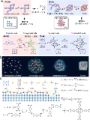
- building blocks of coordination polymers [94]. Ex situ and in situ characterizations and computer simulations have been employed to investigate and analyze the crystallization processes of several coordination polymers [94][95][96][97]. The results suggest that there are many kinds of prenucleation
- single crystals involving the generation of Cu2L4 SBU and its fragmentation into CuL2. Figure 1c was reprinted from [97], Chem, vol. 8, by J. Han et al., “Determining factors in the growth of MOF single crystals unveiled by in situ interface imaging”, pages 1637-1657, Copyright (2022), with permission




Effects of substrate stiffness on the viscoelasticity and migration of prostate cancer cells examined by atomic force microscopy
Beilstein J. Nanotechnol. 2022, 13, 560–569, doi:10.3762/bjnano.13.47
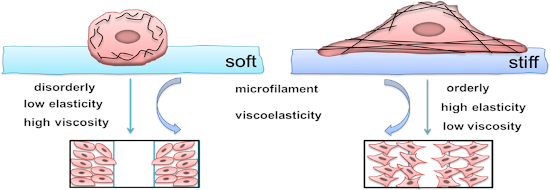
- cells themselves in response to the action of the substrate? Atomic force microscopy experiments at the nanoscale were used to measure changes in the elasticity of live cells in situ and to quantify the mechanical response of HPV-PZ-7 and PC-3 cells to the extracellular environment with different



Influence of thickness and morphology of MoS2 on the performance of counter electrodes in dye-sensitized solar cells
Beilstein J. Nanotechnol. 2022, 13, 528–537, doi:10.3762/bjnano.13.44
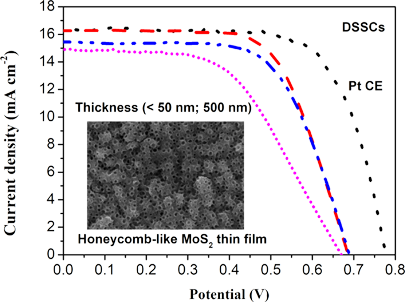
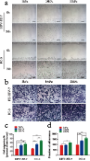
- similar to that of (NH4)2MoS4 reported by Falola and co-workers [28]. The formation of MoS42− ions in the mixture solution is detailed in Equations 1–4 [27][28][29][30]: It should be noted that (NH4)2MoS4 is poorly soluble in water. Hence, the in situ synthesis of MoS42− from (NH4)6Mo7O24 (high solubility


Tunable superconducting neurons for networks based on radial basis functions
Beilstein J. Nanotechnol. 2022, 13, 444–454, doi:10.3762/bjnano.13.37
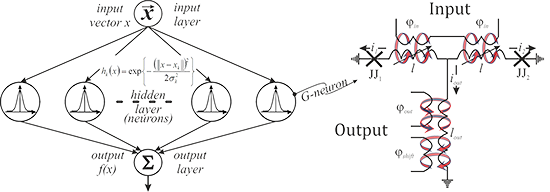
- For neural networks based on the considered G-neurons, tunable elements with linear current-to-flux transformation (linear inductors) and memory properties are extremely important [50][51]. Tunability of the inductance l in Figure 1b allows for an in situ switching between operating modes directly on
- carriers (Cooper pairs or superconducting correlations). This approach is the basis of the concept of our tunable in situ Gauss-neuron. A similar idea is used in kinetic inductance devices, which are based on thin superconducting strips [53][54]. They are commonly used for the design of photon detectors
- to adjust the parameters of the studied Gauss-cell (with Gaussian-like activation function) is very important for in situ switching between operating modes. Using microscopic modeling, we have shown that the desired compact tunable passive element can be implemented in the form of a controllable


A non-enzymatic electrochemical hydrogen peroxide sensor based on copper oxide nanostructures
Beilstein J. Nanotechnol. 2022, 13, 424–436, doi:10.3762/bjnano.13.35
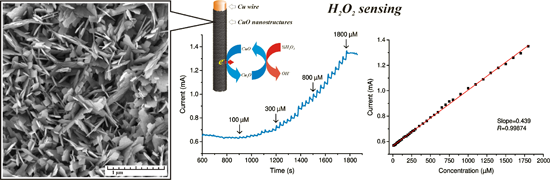
- mechanical stability, and can, thus, be easily damaged during production, storage, and measurement. These disadvantages can be avoided by using an in situ growth process of CuO nanostructures directly on a copper substrate, in the presence of certain surfactants or additives. This method makes it possible to




Electrostatic pull-in application in flexible devices: A review
Beilstein J. Nanotechnol. 2022, 13, 390–403, doi:10.3762/bjnano.13.32
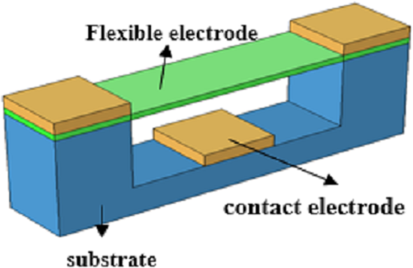
- . Electrode materials include diamond, SiC, Si, and Ge. Table 3 summarizes nanowire materials commonly used for NEM switches. The research on NWs-NEM switches can be classified into two types, namely manufacturing techniques and in situ techniques. In the former, the switches are first processed by top-down
- a lateral spacing of 50 nm. The pull-in voltage was −1.8 V and the switching ratio was 105. However, the introduction of heavy doping will increase the risk of failure. In situ technique: In 2010, Andzane et al. [14] used the in situ technique to characterize Mo6S3I6 NW electrodes. The Mo6S3I6 beam
- electrode gap of 6 μm. Kosmaca et al. [39] studied the electrostatic pull-in of Bi2Se3 NW electrodes and determined that the pull-in voltage was 3 V. This technique provides a new method for the connection between the intermediate layer of ITO and the electrode. In [10], they also used the in situ technique


Micro- and nanotechnology in biomedical engineering for cartilage tissue regeneration in osteoarthritis
Beilstein J. Nanotechnol. 2022, 13, 363–389, doi:10.3762/bjnano.13.31
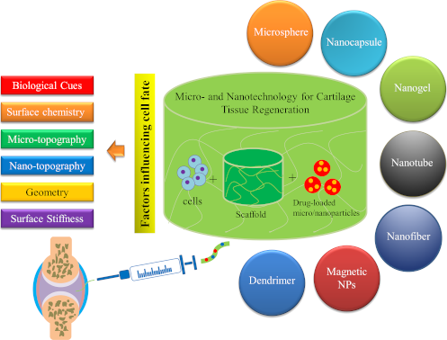
- equipped with controlled release systems for chondrogenic differentiation is a major concern of recent investigations. Ansboro et al. have developed a hyaluronan-based chondromimetic microsphere system to deliver transforming growth factor beta 3 (TGF-β3) growth factor for in situ chondrogenic
- growth factors and enables in situ spatial differentiation of MSCs to repair osteochondral defects [23]. It has been reported that microsphere-based structures could be efficiently used for gradient formation [24] and dual growth factor delivery [25]. Microspheres can be incorporated throughout the
- -functionalized NPs could potentially yield a sustained release of growth factors over several weeks [57], in addition to improved stability of the growth factor structure and function [58], both of which are necessary properties for cartilage TE programs. Growth factor supplementation for the in situ


Systematic studies into uniform synthetic protein nanoparticles
Beilstein J. Nanotechnol. 2022, 13, 274–283, doi:10.3762/bjnano.13.22
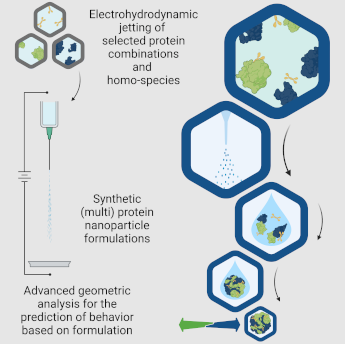
- function for the scattering intensity to deduce a size distribution spectrum based on signal intensity (or a calculated size distribution based on volume or number of particles). While SEM analysis can provide key insights into the “as manufactured” state, DLS provides insights into the in situ state of


Photothermal ablation of murine melanomas by Fe3O4 nanoparticle clusters
Beilstein J. Nanotechnol. 2022, 13, 255–264, doi:10.3762/bjnano.13.20
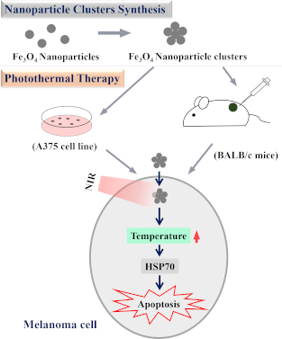
- ablated A375 melanoma cells by inducing overt apoptosis. Consistently, in vivo studies using BALB/c mice found that intratumoral administration of Fe3O4 NPCs and concomitant in situ exposure to near-infrared light significantly inhibited the growth of implanted tumor xenografts. Finally, we revealed, by


Relationship between corrosion and nanoscale friction on a metallic glass
Beilstein J. Nanotechnol. 2022, 13, 236–244, doi:10.3762/bjnano.13.18
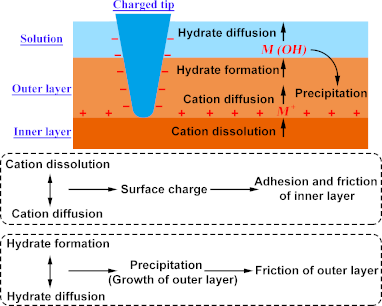
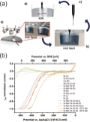
- corrosion conditions. Recently, we investigated nanoscale friction on a Zr63Ni22Ti15 (ZrNiTi) MG in phosphate buffer after electrochemical polarization [21]. Our results demonstrated a new method to investigate in situ the structure of surface oxide films grown upon polarization in aqueous solutions using
- , nanotribological in situ experiments are implemented to reveal microscopic corrosion processes. Results and Discussion Potentiodynamic polarisation tests Phosphate buffer and NaCl solution were selected as test solutions because of their differences in corrosion of ZrNiTi MGs. Figure 1a shows potentiodynamic
- offers unique methods to resolve the microscopic corrosion process in situ. Although results were reported here for metallic glasses, we suggest that the study of surface layers and charges by nanotribology can be extended to the understanding of corrosion mechanisms in other metal and alloy systems


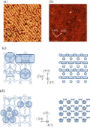
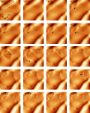
Thermal oxidation process on Si(113)-(3 × 2) investigated using high-temperature scanning tunneling microscopy
Beilstein J. Nanotechnol. 2022, 13, 172–181, doi:10.3762/bjnano.13.12
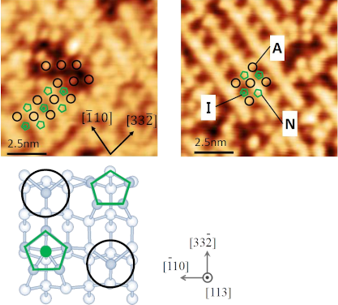
- the literature. Initial oxidation processes were identified based on high-resolution STM images. Keywords: high-index Si surface; in situ measurement; oxidation; scanning tunneling microscopy (STM); Introduction High-index silicon surfaces have drawn considerable interest for their usefulness in



A comprehensive review on electrospun nanohybrid membranes for wastewater treatment
Beilstein J. Nanotechnol. 2022, 13, 137–159, doi:10.3762/bjnano.13.10
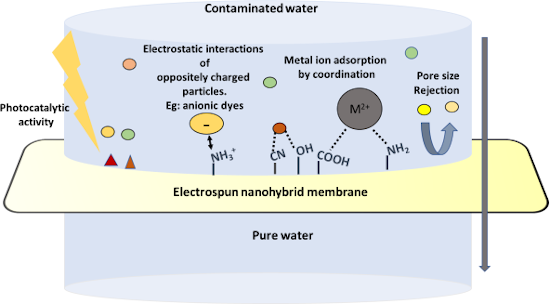
- oil to spill into water reservoirs. The lipophilic nature of the oil results in the accumulation of oil–water emulsions. Chemical treatments, mechanical recovery, in situ burning, and bioremediation are some of the primary clean-up methodologies for oil spills [65]. ENH membranes have found
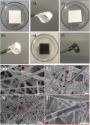
- surfactant-stabilized emulsions, respectively, was observed and obtained solely under the force of gravity [69]. Shang et al. developed superhydrophobic and superoleophilic nanofibrous membranes from electrospun CA with a novel in situ polymerized fluorinated polybenzoxazine (F-PBZ) functional layer with




Tin dioxide nanomaterial-based photocatalysts for nitrogen oxide oxidation: a review
Beilstein J. Nanotechnol. 2022, 13, 96–113, doi:10.3762/bjnano.13.7
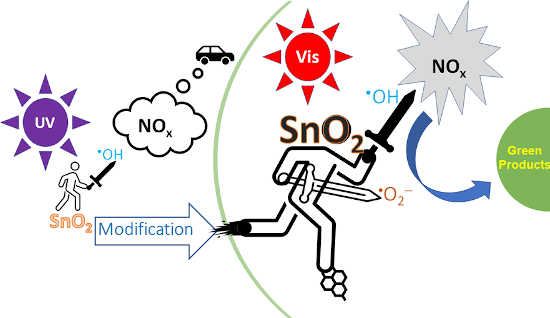
- photoinduced electrons from the CB of BiOBr to that of SnO2, thus prolonging the lifetime of photogenerated electron–hole pairs (Figure 8). The NO-to-NO2 conversion and intermediates and products were confirmed via in situ diffuse reflectance infrared Fourier transform spectroscopy during NO oxidation [70
- environmental treatment [71]. A similar model, a Z-scheme photocatalyst, was reported by Lu et al. who successfully fabricated a ternary nanohybrid consisting of mesoporous SnO2, nitrogen-doped carbon quantum dots (NCDs), and ZnSn(OH)6 using a simple in situ solvothermal method. This nanohybrid photocatalyst


Theranostic potential of self-luminescent branched polyethyleneimine-coated superparamagnetic iron oxide nanoparticles
Beilstein J. Nanotechnol. 2022, 13, 82–95, doi:10.3762/bjnano.13.6
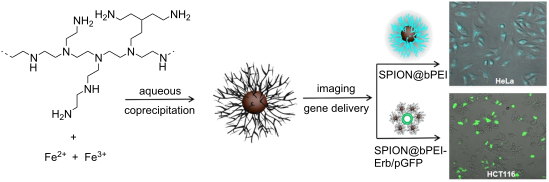
- sensitivity the results obtained from TEM are usually more reliable [52]. The XRD pattern of SPION@bPEI synthesized in situ indicates a crystalline magnetite structure composed of both magnetite (Fe3O4) and maghemite (Fe2O3), including nanoparticles (Figure 1c). Considering only XRD patterns it would be
- difficult to distinguish the percentage of magnetite and maghemite in magnetic nanoparticles. However, electron paramagnetic resonance (EPR) spectroscopy analysis can be applied to overcome this problem. According to EPR spectroscopy results, SPION@bPEI nanoparticles synthesized in situ were composed of 23
- , holds great potential for effective gene/drug delivery coupled with dual-mode imaging. a) TEM image of SPION@bPEI. b) AFM micrograph image of SPION@bPEI (magnetic mode). c) X-ray diffraction pattern of SPION@bPEI prepared via the in situ coating method. Since the presence of the polymer prevented the




Sputtering onto liquids: a critical review
Beilstein J. Nanotechnol. 2022, 13, 10–53, doi:10.3762/bjnano.13.2






Design aspects of Bi2Sr2CaCu2O8+δ THz sources: optimization of thermal and radiative properties
Beilstein J. Nanotechnol. 2021, 12, 1392–1403, doi:10.3762/bjnano.12.103
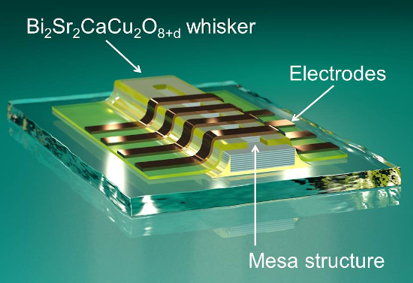
- results of in situ THz generation-detection experiment on a whisker-based device. We follow the procedure developed in [14], where details of the technique can be found. We use one mesa with the I–V like in Figure 2a as a generator, and another mesa on the same device as a switching current detector. The


Alteration of nanomechanical properties of pancreatic cancer cells through anticancer drug treatment revealed by atomic force microscopy
Beilstein J. Nanotechnol. 2021, 12, 1372–1379, doi:10.3762/bjnano.12.101
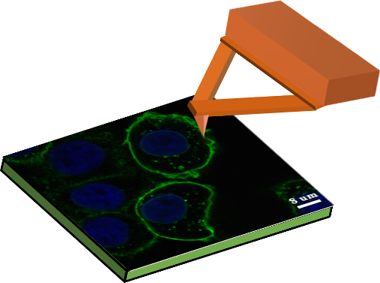
- under (almost) physiological conditions in situ. It offers nanoscale force sensitivity, the ability to work in liquid phases, and requires no staining [12][13][14]. With the development of AFM, researchers have been able to conduct extensive research on biological issues through imaging the
- cells. The Young’s modulus of AsPC-1 cells is the smallest while that of the BxPC-3 cells is the highest. This is because AsPC-1 cells are metastatic cancer cells, which are more aggressive than the in situ cancer cells BxPC-3. This finding is consistent with previously reported results [12][31][32


Plasmon-enhanced photoluminescence from TiO2 and TeO2 thin films doped by Eu3+ for optoelectronic applications
Beilstein J. Nanotechnol. 2021, 12, 1271–1278, doi:10.3762/bjnano.12.94
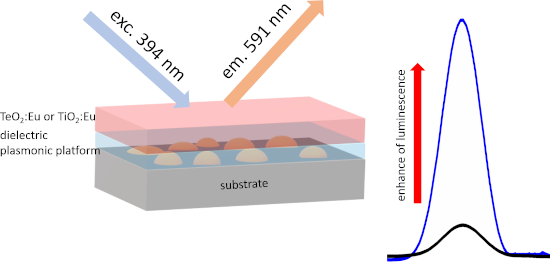
- :Eu, and TiO2:Eu layers was conducted at 200 °C. The pressure in the chamber was approximately 0.2 Pa and the distance between target and substrate was approximately 10 cm. The sputtering system was equipped with a quartz crystal microbalance for the in situ measurements of film thickness. In order to





