Search results
Search for "radicals" in Full Text gives 232 result(s) in Beilstein Journal of Nanotechnology. Showing first 200.
Scavenging of reactive oxygen species by phenolic compound-modified maghemite nanoparticles
Beilstein J. Nanotechnol. 2019, 10, 1073–1088, doi:10.3762/bjnano.10.108
- action of radicals. In addition to the appearance of new bands, several peaks were shifted or changed in shape. The peaks at 1644 and 1426 cm−1 in the spectrum of the precursor chitosan were shifted to 1633 and 1404 cm−1, respectively, and the peak at 1064 cm−1 increased in intensity compared to the peak
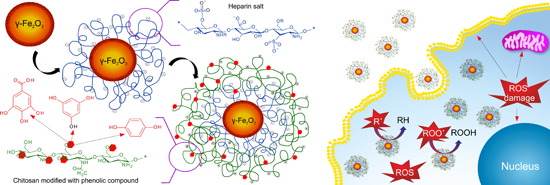
- values of the latter polymers were ca. 35% lower than that of precursor chitosan, which indicated a lower polydispersity of the modified chitosans (Table 1). Free radicals had two functions in the modification of chitosan: (i) the degradation of the polymer by chain scission and (ii) the creation of
- reactive sites accessible for the attachment of phenolic compounds. In free-radical grafting, the key role is played by hydroxyl radicals (·OH) that are generated through ascorbate radicals as a result of H2O2-induced oxidation of AA (Scheme 1). As the reaction proceeds at RT and no toxic byproducts are





Direct growth of few-layer graphene on AlN-based resonators for high-sensitivity gravimetric biosensors
Beilstein J. Nanotechnol. 2019, 10, 975–984, doi:10.3762/bjnano.10.98
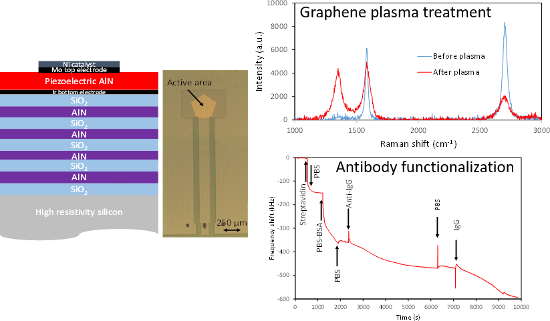
- low-damage O2 RF-plasma in a reactive ion etcher. To prevent the negatively biased substrates from being bombarded by the energetic ions present in the plasma, a glass shield was placed 1 mm apart from the surface of the substrates. This way, only thermalized reactive oxygen radicals and neutral


The systemic effect of PEG-nGO-induced oxidative stress in vivo in a rodent model
Beilstein J. Nanotechnol. 2019, 10, 901–911, doi:10.3762/bjnano.10.91
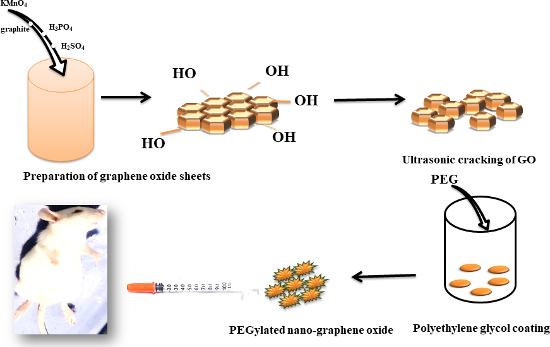
- , namely lipid peroxides, as well as antioxidant agents, including catalase, superoxide dismutase, glutathione, and glutathione S-transferase was conducted. A comparison at different intervals of time after the administration of a dose (5 mg/kg) of PEG-nGO was carried out. An increase in free radicals and
- the average size distribution of nGO and PEG-nGO, respectively. In vivo assays The number of free radicals produced by a dose of PEG-nGO was estimated by the comparative levels of lipid peroxides present in the control and treated groups. The level of lipid peroxides and free radical scavengers are
- were no more significantly (P* < 0.05) increased in brain and liver, indicating a recovery from the induced OS. Glutathione is a tripeptide and, in its reduced form, acts as an active scavenger of free radicals produced as a result of lipid peroxidation. The concentration levels of the reduced


Hydrophilicity and carbon chain length effects on the gas sensing properties of chemoresistive, self-assembled monolayer carbon nanotube sensors
Beilstein J. Nanotechnol. 2019, 10, 565–577, doi:10.3762/bjnano.10.58
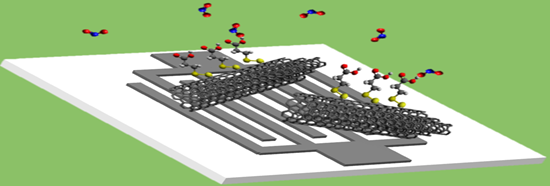
- characteristic peak at 1440 cm−1 related to CH2 and CH3 radicals. Note that O–H elongations do not appear in the Raman spectra, probably due to the weak intensity of the O–H peak in Raman spectroscopy. Once these thiols had been attached to Au-MWCNTs via the SAM technique, it was not possible to detect many of
- chain. The gas sensing mechanism for detecting ethanol is, once more, related to hydrogen bonding (see Figure 6e,f). It is well-known that hydrophilic groups present more affinity to polar compounds (e.g., ethanol) than hydrophobic radicals. This concept can explain why the short hydrophilic chain thiol


Geometrical optimisation of core–shell nanowire arrays for enhanced absorption in thin crystalline silicon heterojunction solar cells
Beilstein J. Nanotechnol. 2019, 10, 322–331, doi:10.3762/bjnano.10.31
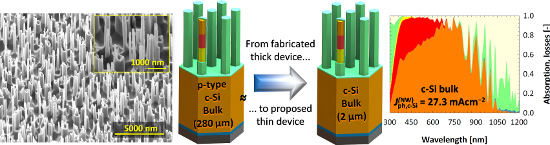
- fluorine radicals (F*) and oxygen radicals O*, which feed two competing chemical reactions: F* and Si react to form SF4+ ions, while from the reaction of O* and Si a silicon oxyfluorine (SiOxFy) layer is formed. This layer acts as mask against F* etching, but is physically broken by sputtered ions


Zn/F-doped tin oxide nanoparticles synthesized by laser pyrolysis: structural and optical properties
Beilstein J. Nanotechnol. 2019, 10, 9–21, doi:10.3762/bjnano.10.2
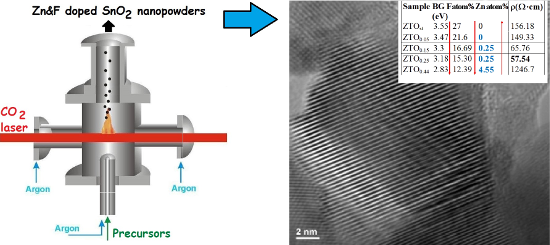
- presence of carbon in the powder is minor and is derived from the decomposition of methyl and ethyl radicals released by volatile organometallic compounds. This fact can be explained by an insufficient (less than stoichiometricly required) quantity of oxidant for the total oxidation of alkylmetallic
- precursors to oxides (SnO2 and ZnO, in fact Zn-doped SnO2), CO2 and H2O in the laser pyrolysis reaction zone. Due to the much higher reactivity of metals, the metal oxides are formed with priority, and the unoxidized alkyl radicals from the precursors will undergo a complex process involving reactions such
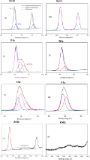
- fluorine provided by SF6 decomposition with the alkyl radicals from metallic precursors) at 686.35 eV. The ≈685 eV F1s XPS peak was also detected in fluoride-doped SnO2 from milled PVdF (polyvynilidene fluoride)/SnO2 mixtures [42] and in solid or hollow fluoride-mediated hydrothermal synthesized SnO2



Co-intercalated layered double hydroxides as thermal and photo-oxidation stabilizers for polypropylene
Beilstein J. Nanotechnol. 2018, 9, 2980–2988, doi:10.3762/bjnano.9.277
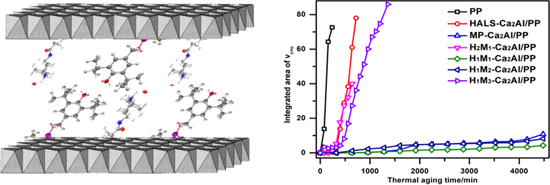
- ]. Generally, the anti-aging agents effectively inhibit the degradation in two ways: (1) through capturing generated free radicals and stopping auto-oxidation and (2) through decomposing and eliminating hydroperoxides [4][5]. However, anti-aging agents are often organic chemicals that easily migrate and


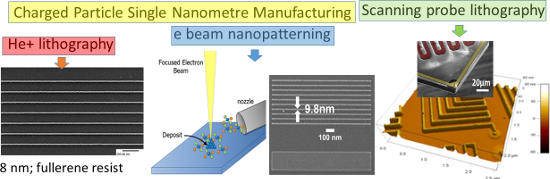
Charged particle single nanometre manufacturing
Beilstein J. Nanotechnol. 2018, 9, 2855–2882, doi:10.3762/bjnano.9.266


Controlling surface morphology and sensitivity of granular and porous silver films for surface-enhanced Raman scattering, SERS
Beilstein J. Nanotechnol. 2018, 9, 2813–2831, doi:10.3762/bjnano.9.263
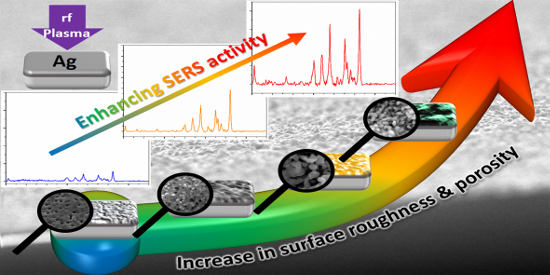
- surface. However, the formation of a particulate morphology and the faceting of the silver surface is best explained by an anisotropic etching or a restructuring process of the silver surface by reactive nitrogen plasma species such as N2+, N2* (excited nitrogen), N•+ and N• (nitrogen radicals) [79]. The





Impact of the anodization time on the photocatalytic activity of TiO2 nanotubes
Beilstein J. Nanotechnol. 2018, 9, 2628–2643, doi:10.3762/bjnano.9.244
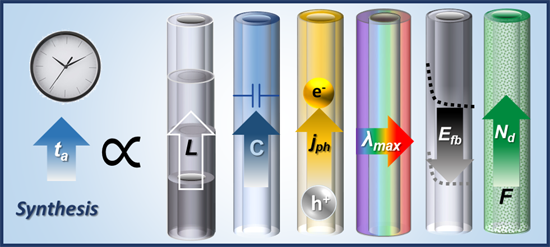
- free radicals that are responsible for the degradation of organic molecules. As the ta increased, the signal for surface OH groups was enhanced, suggesting a direct relationship with the fluorine content [34]. A third feature (O 1s III, 532 eV) was also present in the oxygen spectra and was ascribed to


Cytotoxicity of doxorubicin-conjugated poly[N-(2-hydroxypropyl)methacrylamide]-modified γ-Fe2O3 nanoparticles towards human tumor cells
Beilstein J. Nanotechnol. 2018, 9, 2533–2545, doi:10.3762/bjnano.9.236
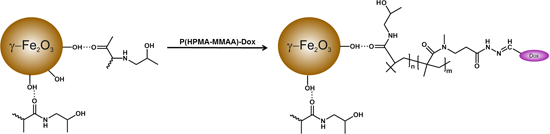
- doxorubicin (Dox), which is considered as one of the most potent FDA-approved antitumor drugs [1]. Dox realizes its therapeutic effect via the inhibition of DNA topoisomerase II and the generation of free radicals, leading to cell membrane damage, inhibition of macromolecule production, and ultimately


Improved catalytic combustion of methane using CuO nanobelts with predominantly (001) surfaces
Beilstein J. Nanotechnol. 2018, 9, 2526–2532, doi:10.3762/bjnano.9.235
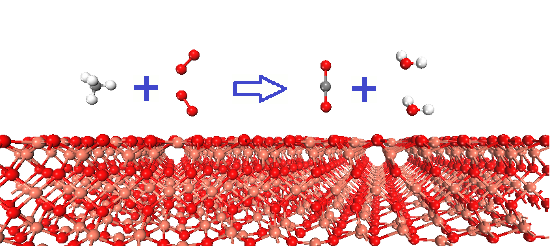
- forms, but spin-polarization for lowly coordinated Cu on the surface and radicals involved in CH4 oxidation deserves serious consideration. For instance, the difference in calculated adsorption energies with and without spin-polarization can be as high as 0.1–0.2 eV, with geometries showing slight
- reactant to product). Based on our tests, both spin-polarization and vdW corrections are necessary, especially for the calculation of intermediate radicals involved in CH4 oxidation (e.g., CH2*, CH* and O*). During the quick screening of surfaces for CH4 adsorption, the adsorption energy (AE) and


Hierarchical heterostructures of Bi2MoO6 microflowers decorated with Ag2CO3 nanoparticles for efficient visible-light-driven photocatalytic removal of toxic pollutants
Beilstein J. Nanotechnol. 2018, 9, 2297–2305, doi:10.3762/bjnano.9.214
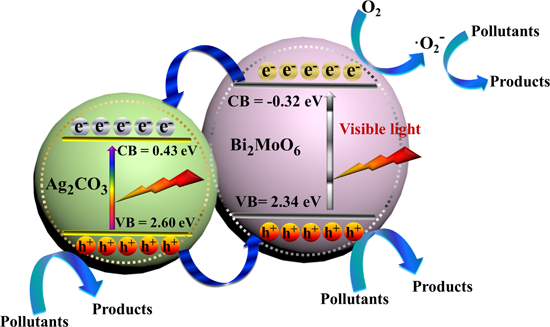
- shows a stable structure [32]. These results verify that ACO/BMO-30 is stable. It is rationally speculated that ACO/BMO-30 has great potential for the elimination of toxic pollutants. Photocatalytic mechanism In general, radicals and other active species (e.g., •O2−, •OH and h+) produced in the
- and Bi2MoO6 are able to absorb visible light and, and charge carriers are photo-generated on the surface of Ag2CO3 and Bi2MoO6. The electrons in the CB of Bi2MoO6 can partially transfer into that of Ag2CO3. The electrons are then captured by the oxygen, producing •O2− radicals, which play a minor role
- inhibited, as verified by PL results (Figure 5) [53][54]. Although the VB potential of Ag2CO3 (2.6 eV) is more positive than that of H2O/•OH (2.38 eV/NHE at pH 7), the generated •OH radicals did not act as the major active species for pollutant degradation (Figure 9). In Ag/Ag2CO3/Bi2MoO6, Ag(0) can also be




Synthesis of a MnO2/Fe3O4/diatomite nanocomposite as an efficient heterogeneous Fenton-like catalyst for methylene blue degradation
Beilstein J. Nanotechnol. 2018, 9, 1940–1950, doi:10.3762/bjnano.9.185
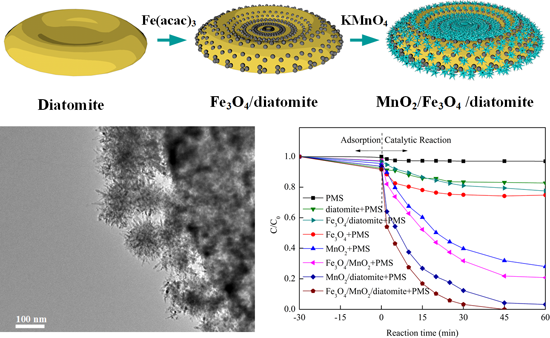
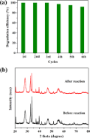
- considered as the most promising method because of the high removal efficiency and wide application scopes [6][7]. Iron-based homogeneous and heterogeneous Fenton or Fenton-like catalysts with the activation of H2O2 can effectively generate hydroxyl radicals (•OH, the main reactive species for the
- heterogeneous Fenton-like system of MnO2-peroxymonosulfate (MnO2-PMS) is proposed. As alternatives to H2O2 and hydroxyl radicals (•OH), peroxymonosulfate (PMS) and the sulfate radical (•SO4−) exhibit a wider functional pH range, convenience in storage and higher oxidation selectivity. Also, compared to iron
- of PMS increasing from 0.15 to 0.60 g/L, which is probably due to the higher PMS concentration promoting the generation of active radicals (•SO4−). Figure 9d shows the TOC reduction as a function of the reaction time. Less than 10% of TOC is removed in the initial adsorption process. Then, the


Synthesis of carbon nanowalls from a single-source metal-organic precursor
Beilstein J. Nanotechnol. 2018, 9, 1895–1905, doi:10.3762/bjnano.9.181
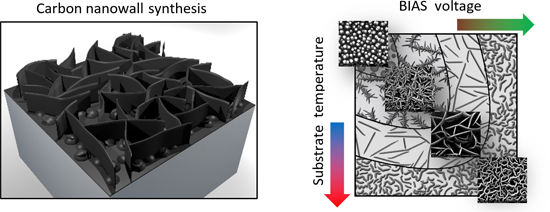
- generated from the gaseous radicals in the plasma and condensate on the surface to form nanoislands with dangling bonds as described in the Stranski–Krastanov growth model (stage 1). In stage 2, a high density of carbon nanoislands is reached on the substrate, offering a rough surface with a considerable


Free-radical gases on two-dimensional transition-metal disulfides (XS2, X = Mo/W): robust half-metallicity for efficient nitrogen oxide sensors
Beilstein J. Nanotechnol. 2018, 9, 1641–1646, doi:10.3762/bjnano.9.156
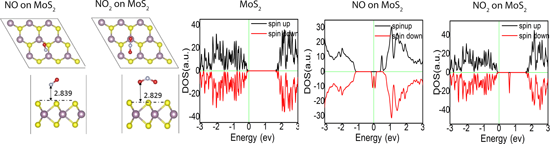
- selectively detect NO by exhibiting half-metallicity after physical adsorption of gas on the surface. For comparison, an investigation of NO2 adsorbed on single-layer XS2 (X = Mo, W) is also presented as both NO and NO2 are free radicals and can introduce magnetic moments to the gas/XS2 (X = Mo, W) system
- discussions on the adsorption of NO and NO2 on XS2 (X = Mo, W), as NO and NO2 are paramagnetic free radicals. Most other gas molecules, such as NH3, CO and CO2, have no magnetic moment. Monolayer XS2 (X = Mo, W) have a hexagonal configuration, where three pairs of S atoms are anchored on one X atom and form


Absence of free carriers in silicon nanocrystals grown from phosphorus- and boron-doped silicon-rich oxide and oxynitride
Beilstein J. Nanotechnol. 2018, 9, 1501–1511, doi:10.3762/bjnano.9.141
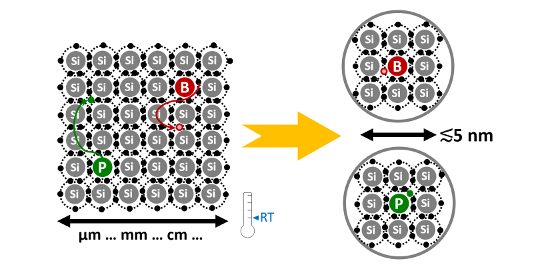
- oxide are SiH4 and N2O. Since Si-rich oxides have to be grown in O-depletion, some of the N-radicals present in the plasma react with the Si and are subsequently incorporated in the film. The resulting material is inevitably a Si-rich oxynitride (SRON) with in our case ≈10 atom % N [16]. Considering


Cr(VI) remediation from aqueous environment through modified-TiO2-mediated photocatalytic reduction
Beilstein J. Nanotechnol. 2018, 9, 1448–1470, doi:10.3762/bjnano.9.137
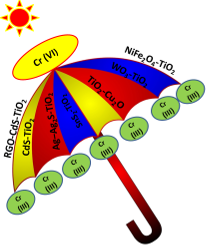
- Equation 6 to form a superoxide anion (O2•−), which acts as a strong oxidizing agent. Similarly, strongly oxidizing hydroxyl radicals (•OH) are produced in the VB by the reaction of hVB+ with either surface hydroxy groups (–OH) or adsorbed water molecules (Equation 7). The reaction of these active species
- visible-light irradiation. The authors have also reported that •CO2− radicals (produced by the reaction of hVB+ with HCO2NH4) and eCB− are responsible for the reduction of 4-nitroaniline to p-phenylenediamine over CdS/TiO2 photocatalysts [56]. Photodegradation of pollutants The principle of photocatalysis
- simultaneous formation of molecular oxygen and hydroxyl radicals at the CoO surface [169]. NiO is a p-type semiconductor, which can conveniently be combined with different photocatalysts and the composite photocatalysts exhibit higher activity [170][171][172]. The introduction of nickel oxide into the TiO2


Bioinspired self-healing materials: lessons from nature
Beilstein J. Nanotechnol. 2018, 9, 907–935, doi:10.3762/bjnano.9.85






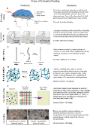


Noble metal-modified titania with visible-light activity for the decomposition of microorganisms
Beilstein J. Nanotechnol. 2018, 9, 829–841, doi:10.3762/bjnano.9.77
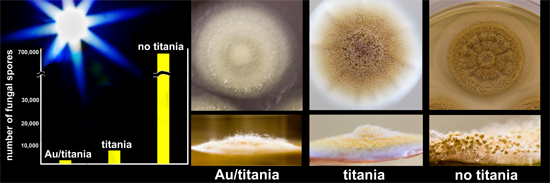
- disinfection of UV irradiation (only during treatment/direct irradiation). Ozone disinfection is also efficient for the degradation of microorganisms, either directly by ozone molecules or by formed oxidative radicals. However, it should be reminded that ozone itself is harmful and can initiate the formation


Facile synthesis of a ZnO–BiOI p–n nano-heterojunction with excellent visible-light photocatalytic activity
Beilstein J. Nanotechnol. 2018, 9, 789–800, doi:10.3762/bjnano.9.72
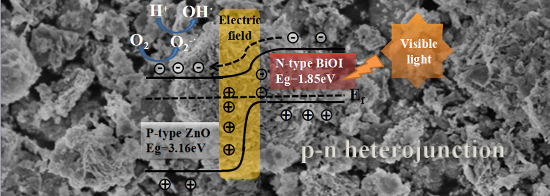
- ethylene diamine tetraacetic acid sodium (EDTA sodium) were adopted as scavengers of O2•− [53], •OH [54] radicals and holes [55], respectively. From the results displayed in Figure 6f, it is obvious that while the addition of BQ significantly inhibits the photocatalytic activity, DMSO has less effect on
- mainly attributed to the oxidation reaction of O2•− and the •OH radicals. Based on the results of the experiments, the probable processes of the mechanism can be proposed as follows: Photocatalytic mechanism On the basis of above results, it is firmly believed that the photocatalytic degradation ability


Surface-plasmon-enhanced ultraviolet emission of Au-decorated ZnO structures for gas sensing and photocatalytic devices
Beilstein J. Nanotechnol. 2018, 9, 771–779, doi:10.3762/bjnano.9.70
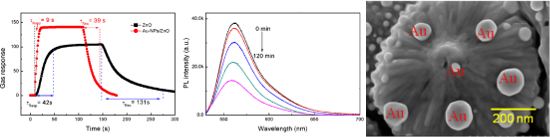
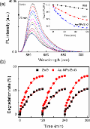
- radicals (e.g., •O2−, •OOH, and •OH) at the surface, which are mainly involved in photocatalytic degradation of dyes into CO2 or harmless compounds [42]. Therefore, to further determine the ability of Au-decorated ZnO and ZnO sub-micrometer spheres in improving irradiation, PL spectra of an aqueous RhB




Perovskite-structured CaTiO3 coupled with g-C3N4 as a heterojunction photocatalyst for organic pollutant degradation
Beilstein J. Nanotechnol. 2018, 9, 671–685, doi:10.3762/bjnano.9.62
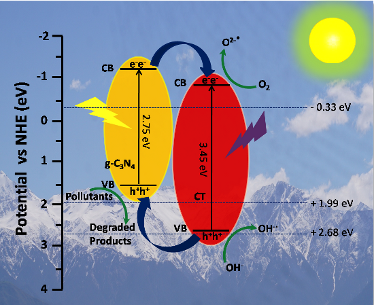
- overall photocatalytic activity. Furthermore, the active species trapping experiments validate the major role played by superoxide radicals (O2−•) in the degradation of pollutants. Based on scavenger studies and theoretically calculated band positions, a plausible mechanism for the photocatalytic
- and hinders the charge recombination. This electron transfer is thermodynamically highly favored as charge flows from higher negative potential value to the lower negative potential values [34][60]. Thus, the formation of O2−• radicals is facilitated here as the reduction potential of O2/O2− (−0.33 eV
- the VB of g-C3N4 cannot react with OH− or H2O to produce •OH radicals due to the more negative VB potential of g-C3N4 (1.52 eV vs NHE). However, the h+ on the VB of CT (2.62 eV) can react with the OH− ions to generate •OH radicals due to more positive potential as compared to OH−/•OH (1.99 eV vs NHE


Mechanistic insights into plasmonic photocatalysts in utilizing visible light
Beilstein J. Nanotechnol. 2018, 9, 628–648, doi:10.3762/bjnano.9.59
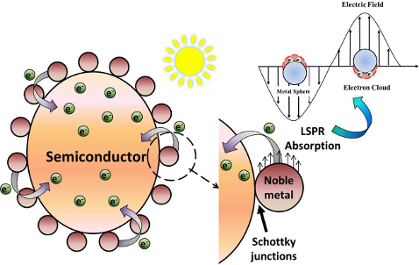
- : localized surface plasmon resonance (LSPR); noble metal; plasmonic photocatalyst; reactive radicals; Schottky junctions; visible light; Review Introduction Photocatalysts have played and will continue to play a pivotal role in environmental and energy applications in order to fulfil the needs of the
- context of promoting sustainable photocatalysts. This review exclusively discusses the recent advances with regards to synthesis, the mechanism behind the plasmonic phenomenon, quantum efficiency, identification of active radicals and future perspectives. Fundamentals of plasmonic photocatalysts An
- simulation method, it was claimed that the enhanced photo-electrochemical water splitting performance of Pd@BiVO4 was attributed to the hot-electron injection from Pd NPs upon SPR excitation in the vis–NIR region [112]. Identification of reactive radicals It is quite obvious that photocatalysis is supported





Fabrication and photoactivity of ionic liquid–TiO2 structures for efficient visible-light-induced photocatalytic decomposition of organic pollutants in aqueous phase
Beilstein J. Nanotechnol. 2018, 9, 580–590, doi:10.3762/bjnano.9.54
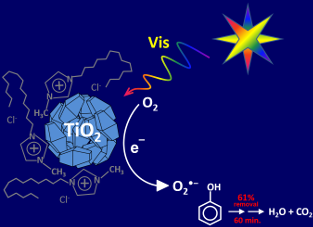
- , indicating that h+ might play a negligible role in the phenol photo-oxidation process. Probably the positively charged hole could catch OH− to yield hydroxyl radicals [58]. In the case of the TiO2_T(1:3) sample, when tert-butyl alcohol (•OH scavenger) was added to the phenol solution, 63% of phenol was
- degraded, indicating that OH radicals play an insignificant role in the degradation process. Interestingly, for the TiO2_O(1:3) photocatalyst, the addition of AgNO3 and tert-butyl alcohol increased the effectiveness of the photocatalytic process. As explained by Liu et al., AgNO3 may be capable of
- radicals scavengers (ammonium oxalate as a scavenger for photogenerated holes, AgNO3 as scavenger for electrons, benzoquinone (BQ) as scavenger for superoxide radical species, and tert-butyl alcohol as a scavenger for hydroxyl radical species). The procedure of the photocatalytic measurements was carried