


Search results
Search for "surface charge" in Full Text gives 250 result(s) in Beilstein Journal of Nanotechnology. Showing first 200.
Paper-based triboelectric nanogenerators and their applications: a review
Beilstein J. Nanotechnol. 2021, 12, 151–171, doi:10.3762/bjnano.12.12
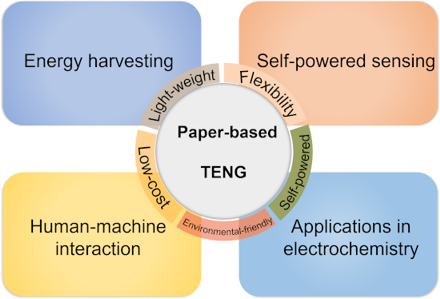
- phenomenon. However, the results were highly controversial [88][89]. Xu et al. [90] have proposed that the quantification of the surface charge density at different temperature values is a critical method for investigating this phenomenon. This can be readily explored as an effective tool to identify the






Fusion of purple membranes triggered by immobilization on carbon nanomembranes
Beilstein J. Nanotechnol. 2021, 12, 93–101, doi:10.3762/bjnano.12.8
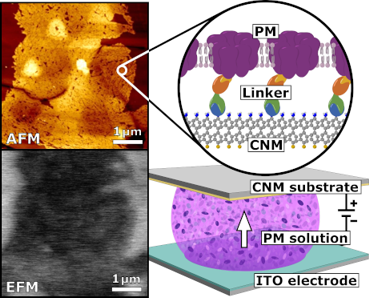
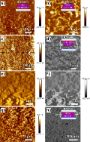
- deposited patches primarily prefer uncovered areas. In addition, the PM gets well oriented in an electric field according to its surface charge. Initially, a drop of 5 µL WT PM suspension was attached to the substrate only and was not in contact with the opposite electrode. While the plate distance was kept


Effect of different silica coatings on the toxicity of upconversion nanoparticles on RAW 264.7 macrophage cells
Beilstein J. Nanotechnol. 2021, 12, 35–48, doi:10.3762/bjnano.12.3
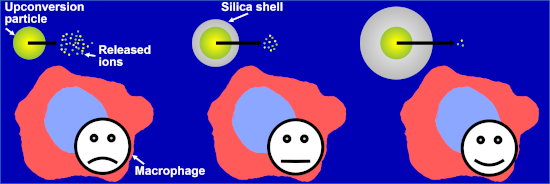
- surface charge [51]. Positively charged silica particles interact more efficiently with the negatively charged cell membrane than negatively charged particles [45], which can also cause an enhanced uptake [51][52]. This process is supported by the fact that the hydrodynamic diameter of the AHAPS
- Table 1. The dispersion behavior and changes in the surface charge of the samples in various media (ethanol, water, and Dulbecco's Modified Eagle Medium (DMEM) supplemented with 10% fetal bovine serum (FBS), 1% glutamine, 1% fungizone, and 1% penicillin) were studied by conducting DLS and ELS
- measurements. The DLS and ZP results are also shown in Table 1. The zeta potential changed from negative to positive after AHAPS functionalization due to the positive surface charge of the amine group in the AHAPS ligand. The zeta potential values of the AHAPS-functionalized samples slightly decreased after


Unravelling the interfacial interaction in mesoporous SiO2@nickel phyllosilicate/TiO2 core–shell nanostructures for photocatalytic activity
Beilstein J. Nanotechnol. 2020, 11, 1834–1846, doi:10.3762/bjnano.11.165
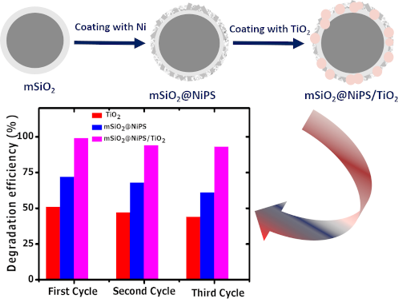
- factor that affects the photocatalytic activity of TiO2, is its adsorption capacity for dye molecules. The adsorption capacity of TiO2 can be readily improved by modifying its surface charge density or by increasing its surface area and pore volume [5][20][21]. Further, SiO2 is a good adsorptive material


Nanocasting synthesis of BiFeO3 nanoparticles with enhanced visible-light photocatalytic activity
Beilstein J. Nanotechnol. 2020, 11, 1822–1833, doi:10.3762/bjnano.11.164
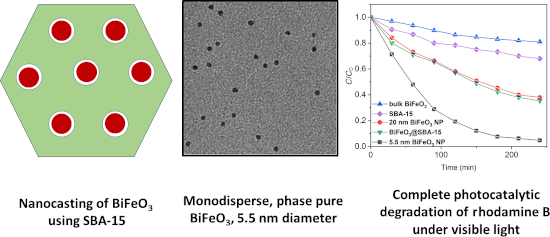
- dye, as well as the surface-charge properties of the catalyst. For instance, at neutral pH values RhB is characterized by a zwitter ionic state, whereas it forms a cationic species upon protonation of a carboxylic group at pH values below its pKS2 value of 3.22. Under basic reaction conditions BiFeO3




Mapping of integrated PIN diodes with a 3D architecture by scanning microwave impedance microscopy and dynamic spectroscopy
Beilstein J. Nanotechnol. 2020, 11, 1764–1775, doi:10.3762/bjnano.11.159
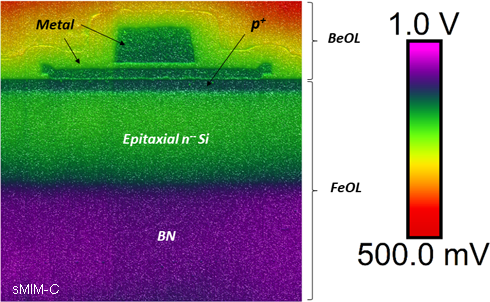
- (including native oxides and surface charge effects). However, the sMIM-C results show a very good signal contrast for both p-type and n-type semiconductors at different levels as well as for lightly doped layers, metallic contacts, oxides, and thin dielectric layers. Therefore, the sMIM methodology provides


High-responsivity hybrid α-Ag2S/Si photodetector prepared by pulsed laser ablation in liquid
Beilstein J. Nanotechnol. 2020, 11, 1596–1607, doi:10.3762/bjnano.11.142
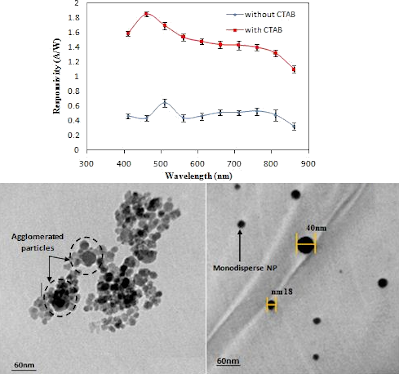
- NPs. CTAB has a positive surface charge [36], and CTAB molecules accumulated on the surfaces of the Ag2S NPs and repelled other Ag2S NPs due to the mobile electronic charges in Ag2S (negative surface charge). The FTIR spectra of the Ag2S NPs prepared with and without the CTAB surfactant measured in




Optically and electrically driven nanoantennas
Beilstein J. Nanotechnol. 2020, 11, 1542–1545, doi:10.3762/bjnano.11.136

- large surface charge oscillations on the opposite surfaces confining the gap, and a field in the gap that is enhanced by several orders of magnitude with respect to the incident field [27]. The gap field is particularly strong when the particle plasmons are in resonance. The enhanced local field and the
Applications of superparamagnetic iron oxide nanoparticles in drug and therapeutic delivery, and biotechnological advancements
Beilstein J. Nanotechnol. 2020, 11, 1092–1109, doi:10.3762/bjnano.11.94
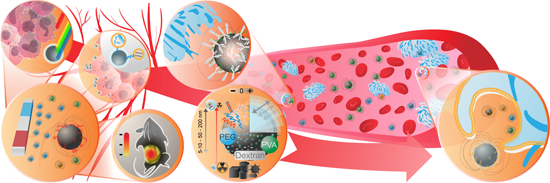
- negatively charged SPIONs [57], together with other weak binding proteins, i.e., mannose-binding lectin and their associated serine proteases, apolipoproteins, beta-2 glycoprotein, and clotting factors FXI and FXII. SPIONs with no surface charge have no proteins adsorbed onto them [58][59]. These
- biological applications are synthesized with biocompatible coatings. This coating is very important as its chemical composition determines the way a cell responds to the nanoparticle contact. The coating may or may not have a surface charge that faces the surrounding media, and molecular components from the
- interaction with cells depend on surface charge and zeta potential. A higher zeta potential (positive or negative) leads to more stable and dispersed particles in the colloid [76][91]. Positively charged particles tend to stick to the cell surfaces (which have a negatively charged outer layer in general) and


Adsorptive removal of bulky dye molecules from water with mesoporous polyaniline-derived carbon
Beilstein J. Nanotechnol. 2020, 11, 597–605, doi:10.3762/bjnano.11.47
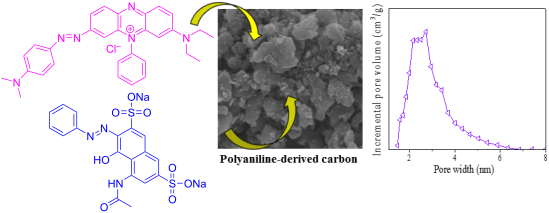
- on pH, since the surface charge of porous carbon generally decreases (from positive to negative) with increasing pH of the adsorption solution [61][62][63]. Therefore, the negative AR1 should have a favorable interaction at low pH; on the contrary, the adsorption of the positive JGB will be more


Identification of physicochemical properties that modulate nanoparticle aggregation in blood
Beilstein J. Nanotechnol. 2020, 11, 550–567, doi:10.3762/bjnano.11.44
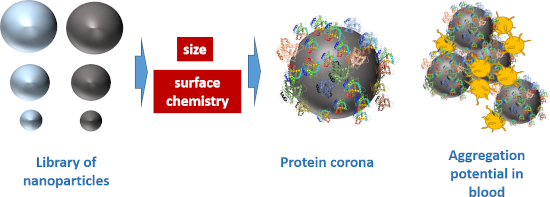
- activation of some factors by surface-driven exposure of cryptic domains following adsorption was reported in some studies [5][6]. Other studies have reported the NPs ability to damage or activate platelets, endothelial cells or monocytes [4]. Some physicochemical properties, including the surface charge and
- comparison, therefore, excludes surface charge and hydrophilicity as variables to be investigated. In Figure 12 we summarise the strategy used to unravel possible SARs. This strategy allowed us to identify the surface chemistry as the key factor in the protein corona composition while both surface chemistry




Multilayer capsules made of weak polyelectrolytes: a review on the preparation, functionalization and applications in drug delivery
Beilstein J. Nanotechnol. 2020, 11, 508–532, doi:10.3762/bjnano.11.41
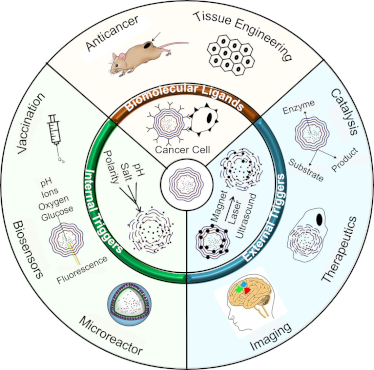
- reversal of the surface charge [3]. The coated templates are then rinsed and dipped in a solution of oppositely charged polymer; again, a monolayer deposition takes place but with the restoration of the original surface charge. The rinsing step becomes important, as it would otherwise lead to complex



Brome mosaic virus-like particles as siRNA nanocarriers for biomedical purposes
Beilstein J. Nanotechnol. 2020, 11, 372–382, doi:10.3762/bjnano.11.28
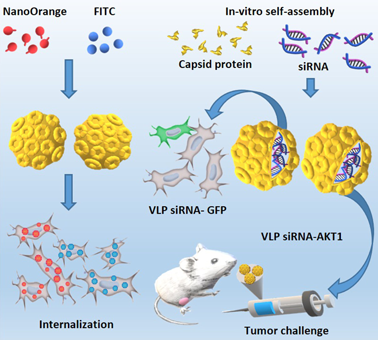
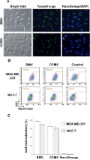
- by flow cytometry (Figure 1B). The differences in the extent of cell internalization could be explained by the surface charge as revealed by zeta potential measurements. The flow cytometry analysis of cell internalization was also performed after trypsin treatment, which promotes detachment of the
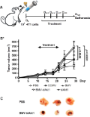
- . Surprisingly, a remarkable difference was found. CCMV showed a high activation of macrophages, while BMV showed almost no immunogenic response (Figure 3C,D). There is 80% homology in the amino acids sequences of CCMV and BMV [21], however, they differ in their surface charge. The zeta potential at pH 7 was
- determined. Under these conditions, the zeta potential of CCMV is −9.27 ± 0.47 mV, more negative than that of BMV (−5.16 ± 0.40 mV). The surface charge of the capsid could be the reason why CCMV activates macrophage cells to a greater extent, because it is well known that at a higher anionic charge the


Interactions at the cell membrane and pathways of internalization of nano-sized materials for nanomedicine
Beilstein J. Nanotechnol. 2020, 11, 338–353, doi:10.3762/bjnano.11.25
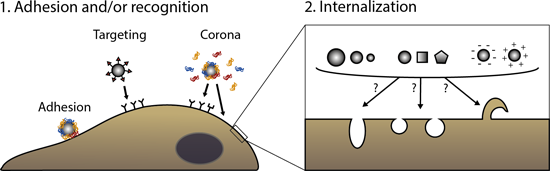
- side effects [6]. Additionally, nanomedicines can encapsulate different types of hydrophilic and hydrophobic drugs, and they can be designed to control their release profile [7]. Several other characteristics of nanomaterials such as size, material, shape, surface charge, hydrophobicity, roughness, and


Understanding nanoparticle flow with a new in vitro experimental and computational approach using hydrogel channels
Beilstein J. Nanotechnol. 2020, 11, 296–309, doi:10.3762/bjnano.11.22
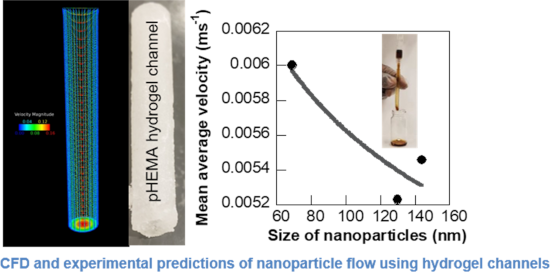
- obtain varying size and surface charge of the iron oxide NPs and to render the NPs biocompatible. Figure 5a shows a representative schematic of the iron oxide NPs synthesized. The hydrodynamic sizes and zeta potential values of the different iron oxide NPs were investigated in detail using a Litesizer
- . Characterization of iron oxide nanoparticles A Litesizer 500 (Anton Paar) particle analyzer equipped with zeta potential capability was used to measure the hydrodynamic size, stability, and surface charge of aqueous dispersions of iron oxide NPs at pH 7 at room temperature (Figure S4, Supporting Information File 1


Facile biogenic fabrication of hydroxyapatite nanorods using cuttlefish bone and their bactericidal and biocompatibility study
Beilstein J. Nanotechnol. 2020, 11, 285–295, doi:10.3762/bjnano.11.21
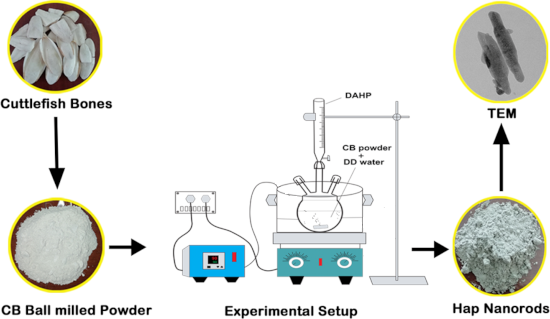
- blood cells and inhibiting them [52]. Further, the length of the nanorods and their aggregation inside the blood vessels also may be the reason for its concentration dependent hemolytic activity [53]. Furthermore, Han et al. (2012) showed that the size and surface charge of Hap nanoparticles are
- responsible for hemolysis by aggregating red blood cells (RBCs) via bridging force mediated electrostatic interaction [54]. Thus, the hemolytic effect of CB-Hap NRs at high concentration can be reduced by optimizing their surface charge in the future. Antibacterial activity Generally, bacterial colonies can


Phase inversion-based nanoemulsions of medium chain triglyceride as potential drug delivery system for parenteral applications
Beilstein J. Nanotechnol. 2020, 11, 213–224, doi:10.3762/bjnano.11.16
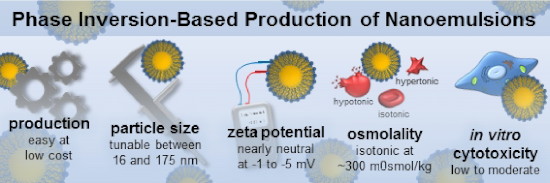
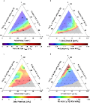
- and −4.6 mV, measured in 0.1× PBS at physiological pH 7.4. Thus, the composition of the nanoemulsion had no clear influence on the surface charge. Furthermore, isotonicity was nearly achieved for the formulations in the blue zone of Figure 4d. Formulations shown in the green, yellow and red zones




The different ways to chitosan/hyaluronic acid nanoparticles: templated vs direct complexation. Influence of particle preparation on morphology, cell uptake and silencing efficiency
Beilstein J. Nanotechnol. 2019, 10, 2594–2608, doi:10.3762/bjnano.10.250
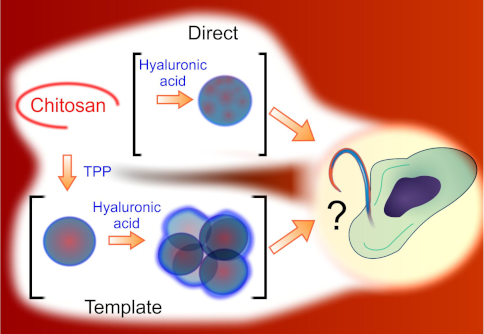
- macromolecules). In the light of the TPP–HA exchange, this interpretation must be revised: the same factor (better packing of Chit35) increases the chitosan concentration in the bulk of the templating particles, potentially leading to a tighter HA complexation in the bulk, but also to a reduced surface charge



Long-term stability and scale-up of noncovalently bound gold nanoparticle-siRNA suspensions
Beilstein J. Nanotechnol. 2019, 10, 2568–2578, doi:10.3762/bjnano.10.248
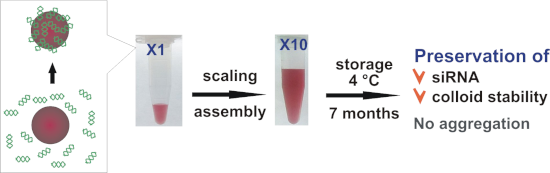
- 1C,D). The seed AuNP-siRNA (citrate) AuNPs had a zeta potential value of −33.6 ± 2.0 mV, indicating that attachment of siRNA influenced this value. The analysis of the zeta potential values of samples ×1 and ×10 revealed changes in the ratio between particles with different surface charge; this is


Gold-coated plant virus as computed tomography imaging contrast agent
Beilstein J. Nanotechnol. 2019, 10, 1983–1993, doi:10.3762/bjnano.10.195
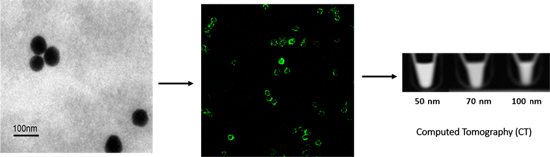
- −43.7 ± 2.1 mV and −48.2 ± 1.8 mV [36]. The zeta potential of VCAM1-PEG5000Au-CPMV is −20.5 ± 1.2 mV, that of PEG 5000Au-CPMV is −30.2 ± 2.1 mV. One of the advantages of zeta potential measurements is the possibility to classify NP stability based on the surface charge values. NPs with values in the
- 28 nm and a surface charge of ca. 13 mV [38]. Surface functionalization and UV–visible studies One of the objectives of the present work was the development of a smart cell-specific contrast agent based on the surface modification of Au-CPMV with specific antibodies to target desired cells




Porous silver-coated pNIPAM-co-AAc hydrogel nanocapsules
Beilstein J. Nanotechnol. 2019, 10, 1973–1982, doi:10.3762/bjnano.10.194
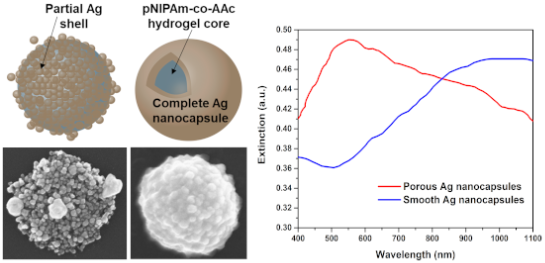
- increase in size to 866 ± 97 nm, as judged by the SEM images in Figure 1. Notably, the slight distortions in the images of the bare hydrogel composites (i.e., blurring and stretching apparent in Figure 1a and 1b) arise from surface charge build up from the SEM beam. Conversely, the conductive surfaces of
- degradation, as indicated by visible aggregation and loss of the extinction peak intensity. At elevated temperatures, the hydrogel cores are in a desolvated state as indicated by the swollen and collapsed architectures shown in Figure 3. Furthermore, a reduction in the overall surface charge distribution is


Nanoarchitectonics meets cell surface engineering: shape recognition of human cells by halloysite-doped silica cell imprints
Beilstein J. Nanotechnol. 2019, 10, 1818–1825, doi:10.3762/bjnano.10.176
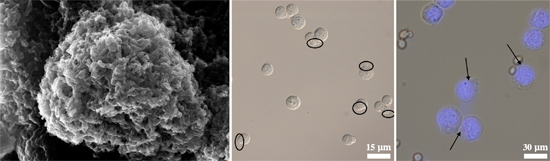
- media supplemented with yeast cells. HeLa cells (having originally a negative zeta potential of ca. −10 mV) were first coated with a single layer of poly(acrylamide-co-diallyldimethylammonium chloride (P(AAm-co-DADMAC)) to reverse the surface charge of HeLa cells (the zeta potential after P(AAm-co


Toxicity and safety study of silver and gold nanoparticles functionalized with cysteine and glutathione
Beilstein J. Nanotechnol. 2019, 10, 1802–1817, doi:10.3762/bjnano.10.175
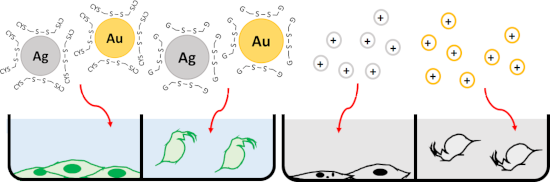
- biothiols (GSH and CYS) bind to the NP surfaces in their oxidized form, which supports some earlier reports [51][69]. A detailed characterization of the prepared NPs dispersed in ultrapure water (UPW) revealed a negative surface charge. The observed zeta-potential values (Table 1) were indicative of a high
- . The obtained NPs were carefully characterized by means of size distribution and surface charge employing dynamic light scattering (DLS) and electrophoretic light scattering (ELS) methods. The visualization of the NPs was performed using TEM. The most stable AuNPs and AgNPs with similar physico
- (Malvern Instruments, Malvern, UK) with a green laser (532 nm), set at an angle of 173°. The size distribution of the NPs is expressed as the hydrodynamic diameter (dH) obtained from the size-volume distribution function and given as an average of 10 measurements. The surface charge was determined by


Doxorubicin-loaded human serum albumin nanoparticles overcome transporter-mediated drug resistance in drug-adapted cancer cells
Beilstein J. Nanotechnol. 2019, 10, 1707–1715, doi:10.3762/bjnano.10.166
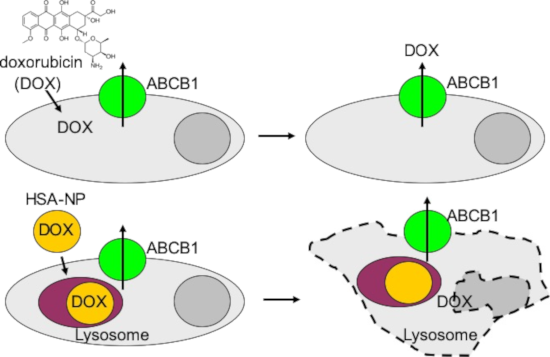
- suspensions were diluted 1:100 with purified water and measured at a temperature of 22 °C using a backscattering angle of 173°. The zeta potential was measured in the same instrument by laser Doppler microelectrophoresis to provide information about the surface charge of the nanoparticles. Thus, the


Effects of surface charge and boundary slip on time-periodic pressure-driven flow and electrokinetic energy conversion in a nanotube
Beilstein J. Nanotechnol. 2019, 10, 1628–1635, doi:10.3762/bjnano.10.158
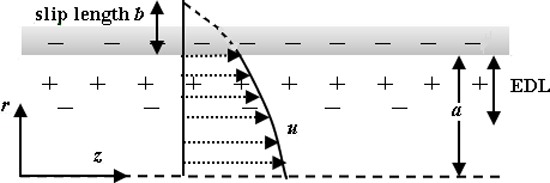
- Economics, Hohhot, China 10.3762/bjnano.10.158 Abstract Time-periodic pressure-driven slip flow and electrokinetic energy conversion efficiency in a nanotube are studied analytically. The slip length depends on the surface charge density. Electric potential, velocity and streaming electric field are
- obtained analytically under the Debye–Hückel approximation. The electrokinetic energy conversion efficiency is computed using these results. The effects of surface charge-dependent slip and electroviscous effect on velocity and electrokinetic energy conversion efficiency are discussed. The main results
- show that the velocity amplitude and the electrokinetic energy conversion efficiency of the surface charge-dependent slip flow are reduced compared with those of the surface charge-independent slip flow. Keywords: electroviscous effect; energy conversion; nanofluidics; streaming potential; surface





