Search results
Search for "films" in Full Text gives 1003 result(s) in Beilstein Journal of Nanotechnology. Showing first 200.
Low temperature atomic layer deposition of cobalt using dicobalt hexacarbonyl-1-heptyne as precursor
Beilstein J. Nanotechnol. 2023, 14, 951–963, doi:10.3762/bjnano.14.78
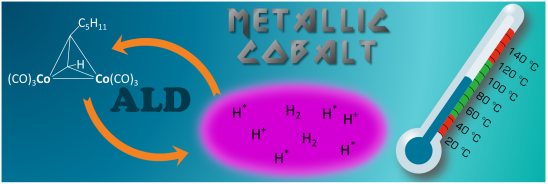
- -temperature ALD; PEALD; plasma-enhanced ALD; XPS; Introduction The atomic layer deposition (ALD) of cobalt films is an ongoing topic of interest [1]. Cobalt thin and ultrathin films play an important role in current generations of integrated circuits [2]. Compared to copper, the metal offers a greater
- . Typically, these systems require ultrathin layers within the nanometre scale [6]. The thickness and conformality criteria of future microelectronics devices require the development of cobalt metal films deposited by ALD. Because of the self-limiting growth process, ALD allows for the sub-nanometre control
- with a deposition rate of approximately 0.1 Å/cycle. The deposited films were analysed by X-ray photoelectron spectroscopy and are well in the metallic state. We also show the optimization of the overall process through varying the pulse times for precursor, purging, and the plasma pulse. Experimental


N-Heterocyclic carbene-based gold etchants
Beilstein J. Nanotechnol. 2023, 14, 865–871, doi:10.3762/bjnano.14.71
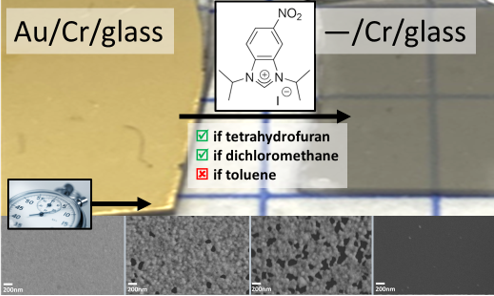
- but also the potential for deliberate etching, with the outcome determined by choice of chemically synthesized organic species and solvent. Keywords: gold etchant; microfabrication; N-heterocyclic carbenes; self-assembled monolayer (SAM); thin films; Introduction Self-assembled monolayers (SAMs) are
- resonance in solution-phase samples [15][18][19][20][21][22]. In these works, the NHC monolayer films were formed using several different approaches and preparations [16]. Indeed, a recent feature article highlights four methods to prepare NHC films [16]. For example, Crudden and co-workers have presented
- water and carbon dioxide so that there was no need for a strong base for deprotonation or for air-free conditions [13][14]. Camden and co-workers have used CO2 adducts of benzimidazolium to produce NHC films by melting the solid CO2 adduct directly onto a gold surface under vacuum. They have also



A wearable nanoscale heart sound sensor based on P(VDF-TrFE)/ZnO/GR and its application in cardiac disease detection
Beilstein J. Nanotechnol. 2023, 14, 819–833, doi:10.3762/bjnano.14.67
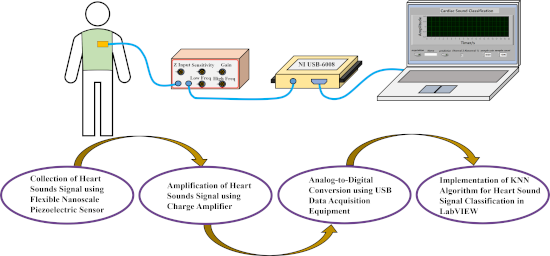
- . Composition and β-phase content of the piezoelectric composite films were analyzed using X-ray diffraction. The morphology of the composite film fibers was observed through scanning electron microscopy. Finally, the P(VDF-TrFE)/ZnO/graphene composite film was encapsulated in a sandwich-structure heart sound
- preprocessed heart sound signals using MATLAB scripts. Finally, a K-nearest neighbor (KNN) heart sound classification model was trained and used to predict whether a heart sound is normal or abnormal, with the prediction result displayed. Experimental Preparation of films by high-voltage electrospinning In
- of heart sound stethoscope. Results and Discussion Characterization of thin film samples In the study by Luo et al. [19], an investigation was carried out to explore the electrospinning of piezoelectric films using different composition ratios of P(VDF-TrFE), ZnO, and GR. The resulting films


Cross-sectional Kelvin probe force microscopy on III–V epitaxial multilayer stacks: challenges and perspectives
Beilstein J. Nanotechnol. 2023, 14, 725–737, doi:10.3762/bjnano.14.59
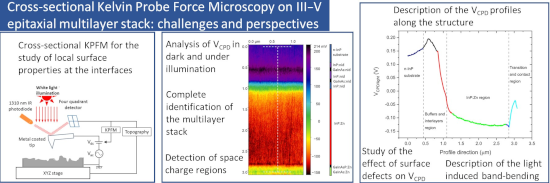
- hinder the extraction of the photogenerated charges. III–V-based solar devices belong to the PV technology of thin and ultrathin films in which layers with widths of the order of a few nanometres are often integrated for an optimal surface passivation or for better carrier extraction, considerably


The microstrain-accompanied structural phase transition from h-MoO3 to α-MoO3 investigated by in situ X-ray diffraction
Beilstein J. Nanotechnol. 2023, 14, 692–700, doi:10.3762/bjnano.14.55
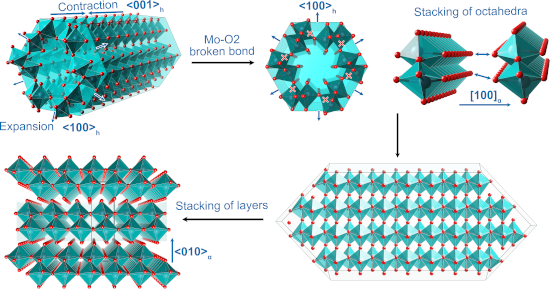
- some question regarding the h-MoO3 phase: (1) The location of the intercalated molecules inside the h-MoO3 structure is unknown. (2) The reason of the mismatch in h-MoO3 thin films and the failure of microdevices is not understood. (3) The structural phase transition at the atomic scale from h-MoO3 to
- transition from h-MoO3 to α-MoO3 Anisotropic thermal expansion and first-order phase transition The coefficient of thermal expansion (CTE) is an important mechanical parameter for the application of MoO3 thin films, as it can increase the mismatch between thin films and the substrate, causing microdevices to


SERS performance of GaN/Ag substrates fabricated by Ag coating of GaN platforms
Beilstein J. Nanotechnol. 2023, 14, 552–564, doi:10.3762/bjnano.14.46
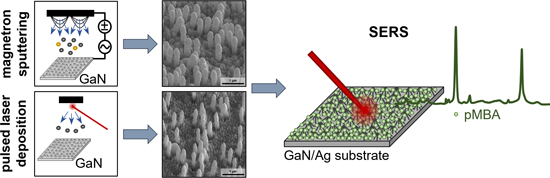
- reliable SERS substrates, which often must be tailored toward specific applications [15][17][18]. The SERS substrates described in the literature include nanoparticles, core–shell nanoparticles, semicontinuous metal films, and many other nanostructures most commonly made of gold or silver [18][19][20][21
- relative to the axis of the pillars. The observed effect can be associated with the initial orientation of GaN pillars to the plasma plume (Figure 1); pillars are under some angle to the plasma plume. This effect is similar to the one observed during the growth of thin metal films in oblique angle


Carbon nanotube-cellulose ink for rapid solvent identification
Beilstein J. Nanotechnol. 2023, 14, 535–543, doi:10.3762/bjnano.14.44
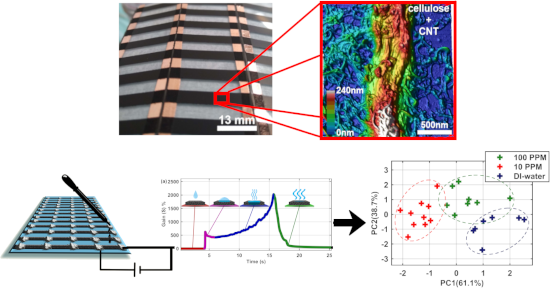
- sensing, as electromagnetic shielding, and as thermoelectric material [32][33][34][35][36][37][38]. Also, Qi et al. reported a liquid-water sensor based on carbon nanotube–cellulose composite films, and, more recently, Goodman et al. reported the scalable manufacturing of nanocomposites for liquid sensing
- [39][40]. Besides, graphene films deposited on cellulose paper and a graphene/cellulose composite were also reported as a solvent sensor material [30][33]. However, most of these works rely on cellulose as a paper substrate or as a thick composite film that cannot be readily employed for large-scale
- and other 1D/2D materials have been employed as ink components with great potential for a broad range of applications, for example, in flexible electronics, photoconductors, transparent conductors, and gas sensors [44][45][46][47]. Carbon nanotube ink films have been reported as field-effect


Nanoarchitectonics to entrap living cells in silica-based systems: encapsulations with yolk–shell and sepiolite nanomaterials
Beilstein J. Nanotechnol. 2023, 14, 522–534, doi:10.3762/bjnano.14.43
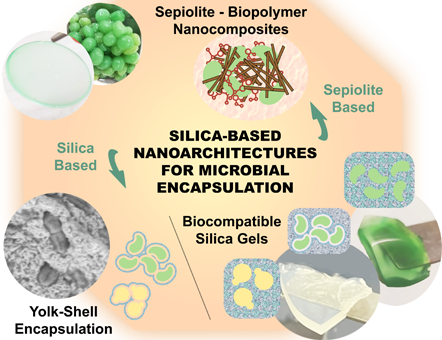
- microorganisms, that is, cyanobacteria and yeast cells, have been immobilized in silica and silicate-based substrates organized as nanostructured materials. In a first attempt, matrices based on bionanocomposites of chitosan and alginate incorporating sepiolite clay mineral and shaped as films, beads, or foams
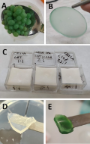
- to be tested as immobilization matrices of microalgae. Sepiolite–alginate beads, sepiolite–chitosan/alginate thin films, and sepiolite–chitosan foams were produced (Figure 1). Sepiolite and biopolymer concentration, synthesis temperature, and microorganism concentration were modified to study their
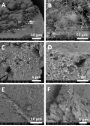
- precursor could be cast and gelled as thin films or hollow tubular monoliths with thin walls, improving the interaction between the encapsulated cells and a liquid medium in which the material could be placed. In addition to the optimisation of the sol–gel synthesis, the conditions for yolk–shell


On the use of Raman spectroscopy to characterize mass-produced graphene nanoplatelets
Beilstein J. Nanotechnol. 2023, 14, 509–521, doi:10.3762/bjnano.14.42
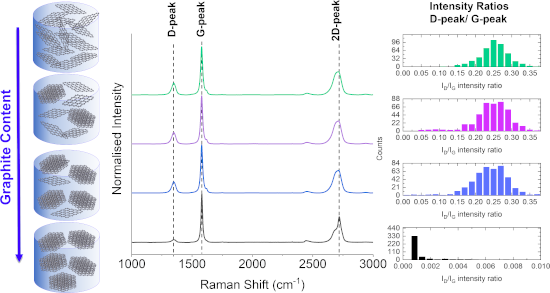
- . Raman spectra of the filtered films on the membrane were recorded using a Renishaw Qontor confocal spectrometer (Renishaw plc., UK) using a 532 nm excitation laser and a 2400 L/mm grating. An area of 20 μm × 20 μm of the film was mapped, with 1 μm distance between measurement locations. Spectra were


The origin of black and white coloration of the Asian tiger mosquito Aedes albopictus (Diptera: Culicidae)
Beilstein J. Nanotechnol. 2023, 14, 496–508, doi:10.3762/bjnano.14.41
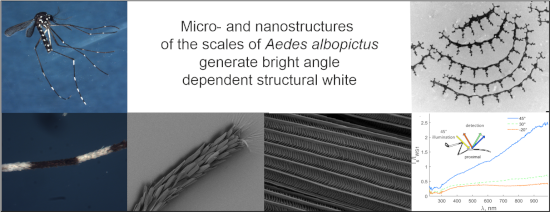
- (and also the black) appearance and demonstrates the importance of multiple reflections for the appearance of the white scales (Figure 6c). Thin film interference In the microscopic areas on the scales with relatively constant cuticle thickness, the effect of interference in thin films can be observed





Conjugated photothermal materials and structure design for solar steam generation
Beilstein J. Nanotechnol. 2023, 14, 454–466, doi:10.3762/bjnano.14.36
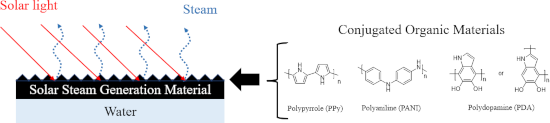
- films. Optical microscopy was employed to observe the surface structure of the films (Figure 10a–d). Figure 10a shows the filter paper. In the photothermal films, the filter paper is the supporting layer. The filter paper is indeed suitable for this purpose because the cellulose fibers are randomly
- THF solution and (c) for drop-cast films. (d) The photoluminescence (PL) spectra of the DPP derivatives in THF solution. (Figure 4 was adapted with permission from [27], Copyright 2021 American Chemical Society.) Typical polymeric PTMs used for SSG. (a) Schematic illustration of the fabrication


Molecular nanoarchitectonics: unification of nanotechnology and molecular/materials science
Beilstein J. Nanotechnol. 2023, 14, 434–453, doi:10.3762/bjnano.14.35
- nanoarchitectonics, Kubo and co-workers have developed room-temperature phosphorescence-active thiophene boronate ester-crosslinked polyvinyl alcohol films [93]. The films are capable of multicolor afterglow emission by changing the amount of sulforhodamine B. Molecular design and nanoarchitectonics can sometimes
- ) method [95][96] and layer-by-layer (LbL) assembly [97][98] are used to organize materials from molecules. Oishi and co-workers have used the LB method to create layered perovskite films with a uniform surface [99]. Similarly, LbL assembly is a simple and convenient way to create a wide range of materials







Evaluation of electrosynthesized reduced graphene oxide–Ni/Fe/Co-based (oxy)hydroxide catalysts towards the oxygen evolution reaction
Beilstein J. Nanotechnol. 2023, 14, 420–433, doi:10.3762/bjnano.14.34
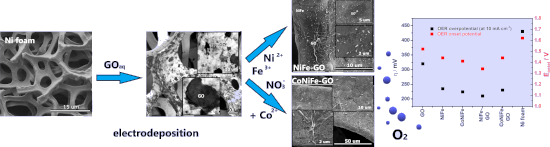
- of NiFe and CoNiFe on GO/nickel foam, the specific current density peak appeared after around 8 s and 20 s of the deposition for CoNiFe-GO and NiFe-GO, respectively. Because the metallic films were deposited on the surface of nickel foam already modified with GO, the peak may be associated with the
- the electrodeposition of conductive films on active metals [26]. The morphology of the deposits was analyzed by scanning electron microscopy (SEM) and is presented in Figure 1b–f. Typical GO flakes regularly distributed over the surface of the nickel foam were successfully obtained after the one-step




Plasmonic nanotechnology for photothermal applications – an evaluation
Beilstein J. Nanotechnol. 2023, 14, 380–419, doi:10.3762/bjnano.14.33
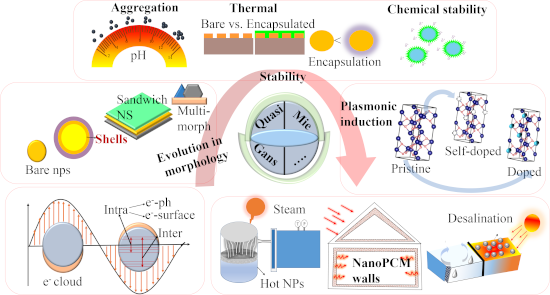
- films, they are propagating oscillations termed surface plasmon polaritons (SPPs)). A plasmon in LSPR can be visualized as a quasiparticle confined to the volume of the nanoparticle [27]. The resulting confinement of the absorbed incident electromagnetic radiation within the nanoparticle thus means an
- disparate manipulations possible in the absorbance of the former. 2.2.3 Matryushka: Multilayered nanoparticles have interestingly different optical characteristics than their single or non-layered pristine counterparts. Taking multiple forms such as core–shell, sandwich structures, and films, such
- Au films from 40 nm increases hot carrier generation through increased intraband transitions as well as due to an asymmetric density of states distribution. Hence, hot carrier generation and lifetimes depend on the material, particle size and shape, as well as the distribution of the density of




Spin dynamics in superconductor/ferromagnetic insulator hybrid structures with precessing magnetization
Beilstein J. Nanotechnol. 2023, 14, 233–239, doi:10.3762/bjnano.14.22
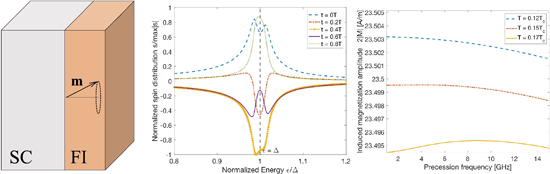
- interaction between the superconducting correlations and spin waves influences the dynamics of both superconducting and magnetic films. Interfacial exchange interaction between Cooper pairs and magnons results in a nonstationary induced magnetization and spin currents in the superconducting film and changes


Structural, optical, and bioimaging characterization of carbon quantum dots solvothermally synthesized from o-phenylenediamine
Beilstein J. Nanotechnol. 2023, 14, 165–174, doi:10.3762/bjnano.14.17
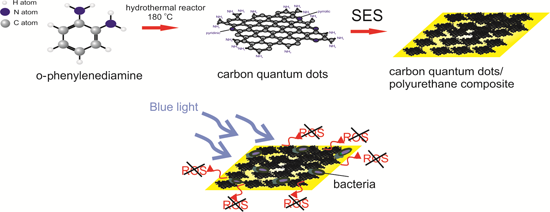
- time, carbon quantum dots were prepared from o-phenylenediamine dissolved in toluene by a solvothermal route. Subsequently, the prepared carbon quantum dots were encapsulated into polyurethane films by a swelling–encapsulation–shrink method. Analyses of the results obtained by different
- synthesis by a solvothermal method. The prepared CQDs were encapsulated into medical grade polyurethane (PU) films by a swelling–encapsulation–shrink method. It was investigated how the precursor influenced the structure (morphology and chemical composition) and further prooxidative, antibacterial, and
- 12 h at 180 °C. All chemicals were purchased and used as received. After synthesis, CQDs were filtered through polytetrafluoroethylene (PTFE) filters with 100 nm pore size. The prepared hydrophobic CQDs (toluene solution, 20 mL) were encapsulated into medical grade polyurethane (PU) films (dimension


A distributed active patch antenna model of a Josephson oscillator
Beilstein J. Nanotechnol. 2023, 14, 151–164, doi:10.3762/bjnano.14.16
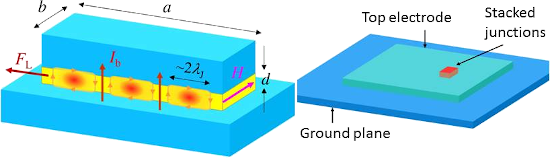
- approximation is valid for not very high temperatures, T/Tc < 0.8. Using typical parameters for sputtered Nb films, σn ≃ 1.75 × 10⁵ (Ω·cm)−1 [42], frequency f = 400 GHz, and T/Tc = 0.5, we obtain: Rsurf ≃ 0.12 Ω. Transmission line impedance The TL impedance is given by Equation 34 where GQP = 1/RQP. For tunnel


Formation of nanoflowers: Au and Ni silicide cores surrounded by SiOx branches
Beilstein J. Nanotechnol. 2023, 14, 133–140, doi:10.3762/bjnano.14.14
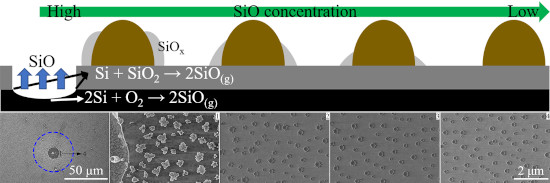
- also been obtained by depositing Au thin films on Si substrates with a thick silicon dioxide (SiO2) layer and subsequent rapid heating in reducing atmosphere. Here, the Si vapor source is silicon monoxide (SiO) gas produced by the decomposition of the SiO2 layer or the active oxidation of the Si
- ][24][25]. Apart from Au, both Ni and Ag can also catalyze the growth of NWs based on the VLS mechanism [26][27][28], and Si NWs have been grown using alloyed AuAg nanoparticles [29]. Au–SiOx nanoflowers have been fabricated by combining the dewetting of Au thin films and the growth of NWs based on the
- . It has been reported after the annealing of Au thin films deposited on SiO2/Si substrates with different thicknesses of the SiO2 layer [3][4][36]. The active oxidation of Si also occurs once the Si substrate is exposed [2][3][37], which can be proved by the calculated oxygen partial pressure


Antimicrobial and mechanical properties of functionalized textile by nanoarchitectured photoinduced Ag@polymer coating
Beilstein J. Nanotechnol. 2023, 14, 95–109, doi:10.3762/bjnano.14.11
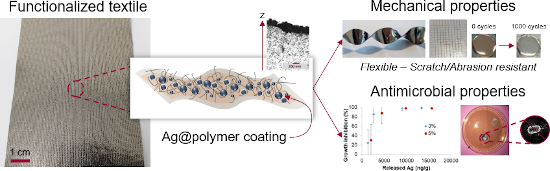
- been carried out on the coating of unaltered textile substrates with hybrid MNP-polymer films for antimicrobial applications. In a previous work [47][48], we presented an innovative one-pot, one-step photoinduced synthesis to generate silver and gold-polymer nanofilms on a glass substrate. The kinetic
- reflectivity and mechanical longevity of the synthesized films. The PETIA monomer increases the degree of cross-linked polymer chains, which limits the diffusion of AgNPs towards the surface of the coating. This accounts for the slightly lower reflectivity and resistance to abrasion of Ag@PEG600DA/PETIA



Combining physical vapor deposition structuration with dealloying for the creation of a highly efficient SERS platform
Beilstein J. Nanotechnol. 2023, 14, 83–94, doi:10.3762/bjnano.14.10
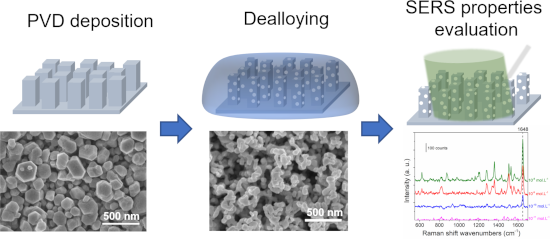
- Nanostructured noble metal thin films are highly studied for their interesting plasmonic properties. The latter can be effectively used for the detection of small and highly diluted molecules by the surface-enhanced Raman scattering (SERS) effect. Regardless of impressive detection limits achieved, synthesis
- suspension [15]. However, NPs suspensions are hard to handle, suffer from poor stability, and can hardly be reused [6]. In this perspective, major interest has been devoted to developing solid SERS platforms made of nanostructured thin films [15][16]. Among them, nanoporous materials show superior properties
- . This approach allows for the synthesis of structured alloy thin films constituted of dispersed alloy columns. The dealloying of these films was implemented in three different media (i.e., hydrochloric acid (HCl), sodium hydroxide (NaOH), and phosphoric acid (H3PO4)) to highlight their impact on the




Frontiers of nanoelectronics: intrinsic Josephson effect and prospects of superconducting spintronics
Beilstein J. Nanotechnol. 2023, 14, 79–82, doi:10.3762/bjnano.14.9

- following novelties are presented in the contributed articles of this volume: - Novel promising spintronic elements and materials with controllable switching between stable parallel, orthogonal, and antiparallel arrangements of magnetic moments of the epitaxial PdFe films and PdFe/Ag/PdFe heterostructures
- [15][16]. - Detection of ultrahigh frequency radiation by new devices: Based on Josephson junctions with frequencies of 72–265 GHz using the Josephson grain boundary junction fabricated in YBaCuO films [17] and broad-band detectors based on YBaCuO Josephson junctions fabricated on ZrYO bicrystals with
Upper critical magnetic field in NbRe and NbReN micrometric strips
Beilstein J. Nanotechnol. 2023, 14, 45–51, doi:10.3762/bjnano.14.5
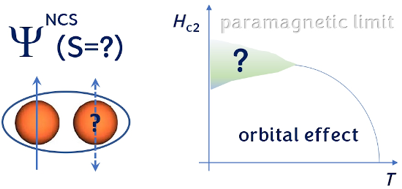
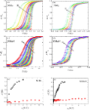
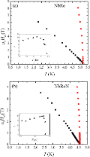
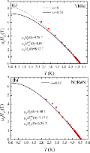
- NbReN films patterned in micrometric strips. The experimental data are studied within the Werthamer–Helfand–Hohenberg theory, which considers both orbital and Zeeman pair breaking. The analysis of the results shows different behavior for the two materials with a Pauli contribution relevant only in the
- case of NbReN. Keywords: non-centrosymmetric superconductors; Pauli and orbital contribution; upper critical fields; Werthamer–Helfand–Hohenberg theory; Introduction Superconducting films of NbRe and NbReN have recently received great attention in the field of low-temperature electronics as suitable
- rotation and relaxation studies [13] and large values of the upper critical magnetic fields [11][14], which are above the Pauli paramagnetic limit [15][16]. In the case of thin films, the structure of NbRe is polycrystalline with grains of small dimensions, typically of the order of 2–3 nm [7][8][17

The influence of structure and local structural defects on the magnetic properties of cobalt nanofilms
Beilstein J. Nanotechnol. 2023, 14, 23–33, doi:10.3762/bjnano.14.3
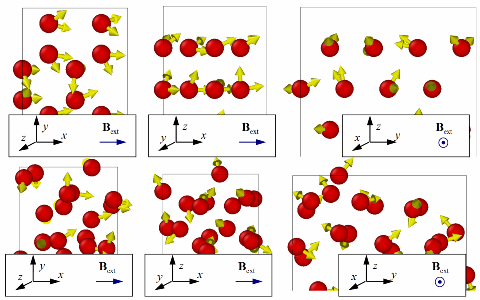
- performance improvement can be solved with the help of spintronics devices, which are currently presented in a fairly wide variety of valuable effects: spin valves and valves in thin films and heterostructures [19][20], sensors based on the anomalous Hall effect [21], spin injection and magnetism detection
- defects and their influence on the magnetic properties of thin films. Therefore, in our studies, a small volume in the cobalt nanofilm is cut out and the simulation results were compared to that of the corresponding volume with an ideal structure. In addition, the periodic boundary conditions used in


Electrical and optical enhancement of ITO/Mo bilayer thin films via laser annealing
Beilstein J. Nanotechnol. 2022, 13, 1589–1595, doi:10.3762/bjnano.13.133
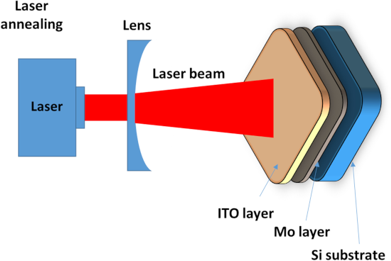
- Microelectronic and Nanotechnology Shamsuddin Research Centre (MiNT-SRC), Universiti Tun Hussein Onn Malaysia, 86400 Parit Raja, Batu Pahat, Johor, Malaysia 10.3762/bjnano.13.133 Abstract ITO/Mo bilayer thin films were sputtered on n-type silicon and glass substrates and annealed with a Nd:YAG pulsed laser. The
- structural results show that both the as-deposited and the annealed ITO/Mo thin films have a polycrystalline structure, and that the annealing treatment enhanced the crystallinity of samples. Moreover, the XRD patterns exhibited a cubic structure preferentially oriented along the (222) and (400) planes. The
- significantly improve the electrical properties without affecting the optical transmission [9]. Several metals have been used for such thin layers, including silver [10], aluminium [11], copper [12], and gold [13]. Molybdenum thin films are another choice for the application in solar cells because of good


Induced electric conductivity in organic polymers
Beilstein J. Nanotechnol. 2022, 13, 1551–1557, doi:10.3762/bjnano.13.128
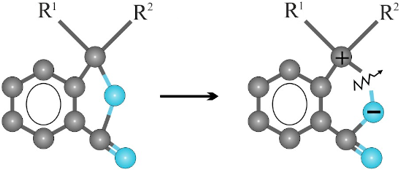
- ; thin films; Introduction Most polymers can be classified as organic dielectrics. However, there exists a specific class of polymers, typically characterized by the existence of conjugated π-bonds, which enable delocalization of electrons leading to electric conductivity in the ground state of the
- films can be obtained by centrifugation from a solution in cyclohexanone on a metal surface with a thickness from several nanometers up to micrometers. High homogeneity and defect-free surfaces on nanoscopic scales have been repeatedly confirmed by various methods, including scanning tunneling and
- value [15][16]. In our samples, the critical temperature of lead electrodes varied from 7.8 K < Tc(Pbfilm) < 8.2 K. Submicron PDP films were prepared by centrifuging the polymer from a solution in cyclohexanone on a solid substrate. When preparing the solution, the polymer was first soaked in a small