


Search results
Search for "mechanical" in Full Text gives 1136 result(s) in Beilstein Journal of Nanotechnology. Showing first 200.
Integrating high-performance computing, machine learning, data management workflows, and infrastructures for multiscale simulations and nanomaterials technologies
Beilstein J. Nanotechnol. 2024, 15, 1498–1521, doi:10.3762/bjnano.15.119
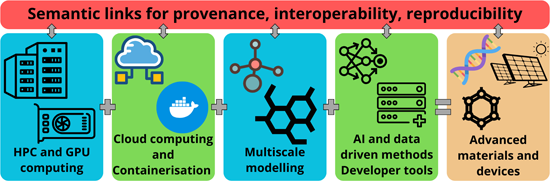
- performance of materials before they are synthesized [1][2][3]. This approach enables the discovery of materials with, for example, improved mechanical strength, enhanced thermal conductivity, superior electrical properties, or other tailored characteristics. Simulations provide crucial insights at different
- time and length scales, from atomic and molecular-level interactions to the macroscale, that govern the structural, mechanical, and thermal properties of materials [4][5]. More recently, data-driven approaches, such as machine learning (ML) and artificial intelligence (AI), are revolutionizing
- mathematical or computational description of the behavior of materials, capturing physical, chemical, and mechanical properties. Data-driven approaches leverage large datasets, including experimental measurements, to extract patterns, correlations, and trends in materials behavior. By combining both model


Effect of radiation-induced vacancy saturation on the first-order phase transformation in nanoparticles: insights from a model
Beilstein J. Nanotechnol. 2024, 15, 1453–1472, doi:10.3762/bjnano.15.117

- atoms. These defects can significantly alter the structural, mechanical, and electronic properties of materials. This prompts the questions: How do radiation-induced defects influence first-order phase transformations in nanoscale systems? Can radiation-induced defects initiate polymorphic transitions


Strain-induced bandgap engineering in 2D ψ-graphene materials: a first-principles study
Beilstein J. Nanotechnol. 2024, 15, 1440–1452, doi:10.3762/bjnano.15.116
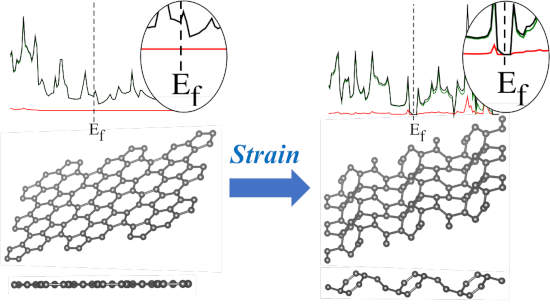
- Interdisciplinary Nanostructure Science and Technology, University of Kassel, Heinrich-Plett-Straße 40, 34132 Kassel, Germany 10.3762/bjnano.15.116 Abstract High mechanical strength, excellent thermal and electrical conductivity, and tunable properties make two-dimensional (2D) materials attractive for various
- unchanged under the influence of mechanical strain, preserving its initial characteristic of having a direct bandgap. This behavior offers opportunities for these materials in various vital applications in photodetectors, solar cells, LEDs, pressure and strain sensors, energy storage, and quantum computing
- . The mechanical strain tolerance of pristine and fully hydrogenated ψ-graphene is observed to be −17% to +17%, while for ψ-graphone, it lies within the strain span of −16% to +16%. Keywords: 2D materials; defects; DFT; graphene; ψ-graphene; strain; Introduction Graphene is the best-known zero-bandgap


Nanotechnological approaches for efficient N2B delivery: from small-molecule drugs to biopharmaceuticals
Beilstein J. Nanotechnol. 2024, 15, 1400–1414, doi:10.3762/bjnano.15.113
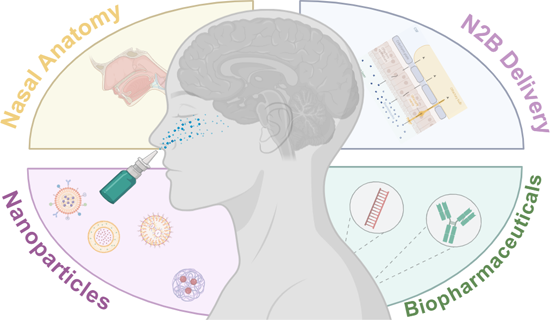
- drug reach the brain. Recent literature highlights SLNs, NLCs, liposomes, polymeric NPs, and emulsions. While lipid-based NPs are favorable because of their lipophilicity and biocompatibility, polymeric NPs offer greater control over drug release, stability, and mechanical properties [123]. Furthermore


Out-of-plane polarization induces a picosecond photoresponse in rhombohedral stacked bilayer WSe2
Beilstein J. Nanotechnol. 2024, 15, 1362–1368, doi:10.3762/bjnano.15.109
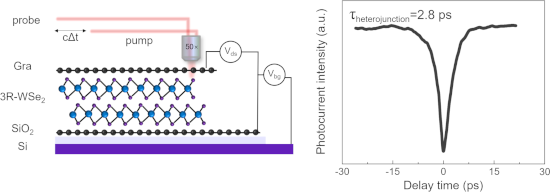
- photoelectric detection. Experimental Device fabrication The 2D materials, WSe2 and graphene, were obtained from high-quality bulk crystals using the mechanical exfoliation method. The monolayer WSe2 nanoflakes were exfoliated onto a transparent polydimethylsiloxane (PDMS) film, selected based on optical
- microscopy (SPCM) with a 780 nm fiber laser (NPI Rainbow 780 OEM) mechanical chopped at 1050 Hz. The laser was focused near the diffraction limit on the samples by an objective (Olympus LMPLFLN 50×). The photocurrent was collected by a lock-in amplifier (Stanford SR830) with a background noise of
- time and carrier dynamics. The TRPC setup involves two separate beams of 780 nm ultrashort laser pulses with 80 fs pulse width. Both laser beams were focused on the same point on the samples. The probe beam is chopped by a mechanical chopper at 1050 Hz. The delay time between the two beams is precisely


Hymenoptera and biomimetic surfaces: insights and innovations
Beilstein J. Nanotechnol. 2024, 15, 1333–1352, doi:10.3762/bjnano.15.107
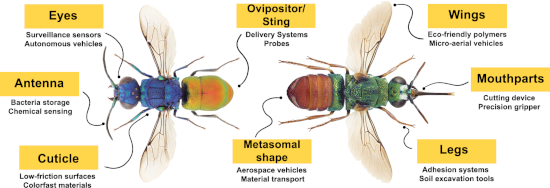
- of some species reduce friction and wear, inspiring the development of low-friction materials and coatings. By mimicking these natural textures, it is possible to create synthetic materials that exhibit similar friction-reducing properties, leading to significant advancements in mechanical efficiency
- modulus [61]. Understanding the mechanical properties and composition of leafcutter ant mandibles could offer valuable insights into biomimetic design principles, potentially inspiring the development of innovative tools and instruments with enhanced performance and adaptability for various applications
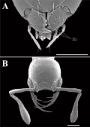
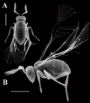
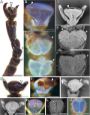
- for detecting chemical, mechanical, and hygrothermal/CO2 cues in the environment, overall known with the term sensilla (Figure 4). Hymenoptera sensilla encompass different morphologies and sizes, which also vary in number both among species and between sexes [54][55]. Such great variability is often




New design of operational MEMS bridges for measurements of properties of FEBID-based nanostructures
Beilstein J. Nanotechnol. 2024, 15, 1273–1282, doi:10.3762/bjnano.15.103
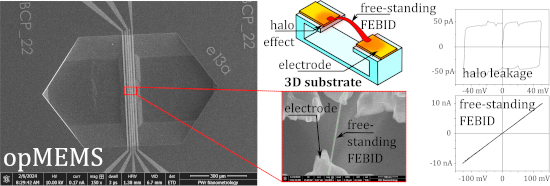
- actuation mechanism. This opens the possibility to perform both electrical and mechanical measurements of nanostructures, in particular, free-standing nanostructures, which are the most interesting for their mechanical and electrical properties combined in nanoscale phenomena [28][29][30]. The requirements
- FEBID nanostructures. We describe the basic parameters of the opMEMS bridge as a mechanical resonator. We show how the actuation can be used to control displacements with picometre resolution. We present how the intrinsic strain can be described by appropriate modelling and controlled through
- the gallium FIB to mill a 200 nm wide slit (Figure 2c). As a side-effect, gallium was implanted along the edge of the RoI slit, so to prevent the leakage current; additional openings were formed using the DRIE process to create a non-conductive edge of the slit (Figure 3b). Mechanical characterization


Functional morphology of cleaning devices in the damselfly Ischnura elegans (Odonata, Coenagrionidae)
Beilstein J. Nanotechnol. 2024, 15, 1260–1272, doi:10.3762/bjnano.15.102

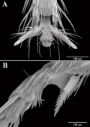
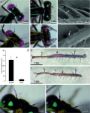
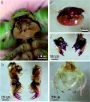
- and, therefore, mechanical properties [28]. The interdigitated cuticular laminar expansions overlapping at different heights constitute a very flexible surface because of their high resilin content, which enables them to gently press against the antennal surface to be cleaned, thereby squeezing the


Enhanced catalytic reduction through in situ synthesized gold nanoparticles embedded in glucosamine/alginate nanocomposites
Beilstein J. Nanotechnol. 2024, 15, 1227–1237, doi:10.3762/bjnano.15.99
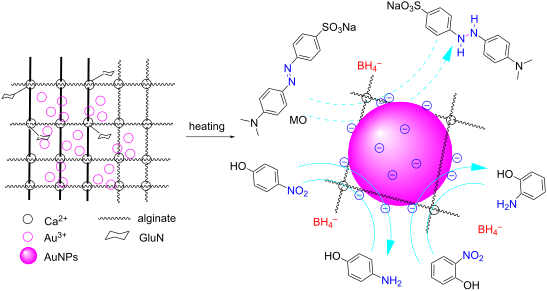
- . While gelispheres enhance the physical and mechanical properties of sodium alginate, their poor solubility limits their applicability. Recently, an ionotropic gelation method has been developed to produce nanoparticles from gelispheres through interaction between oligosaccharides (e.g., cyclodextrins

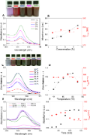


Synthesis, characterization and anticancer effect of doxorubicin-loaded dual stimuli-responsive smart nanopolymers
Beilstein J. Nanotechnol. 2024, 15, 1189–1196, doi:10.3762/bjnano.15.96
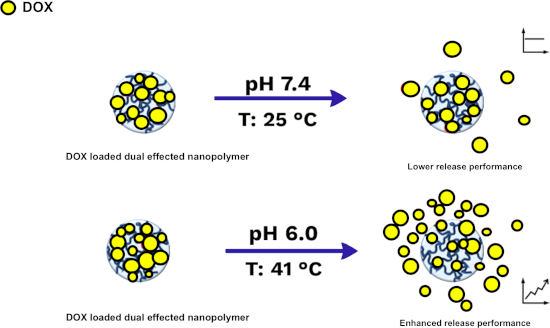
- (T25B, Ika Labortechnik, Germany). Then, the mixture was stirred with a mechanical stirrer in a two-neck flask until the temperature reached 50 °C. This mixture (solution A + solution C) was added to the solution B and mixed with a mechanical mixer (500 rpm). Last, 0.252 g ammonium persulfate (APS) and


AI-assisted models to predict chemotherapy drugs modified with C60 fullerene derivatives
Beilstein J. Nanotechnol. 2024, 15, 1170–1188, doi:10.3762/bjnano.15.95
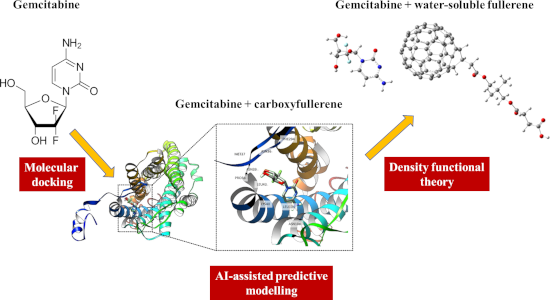
- in pharmacy and medicine is carbon-based nanomaterials because of their physicochemical, mechanical, electrical, thermal, and optical properties [19][20], as well as their capacity to modify existing drugs. Fullerene derivatives have been proposed recently, particularly those obtained from fullerene


Quantum-to-classical modeling of monolayer Ge2Se2 and its application in photovoltaic devices
Beilstein J. Nanotechnol. 2024, 15, 1153–1169, doi:10.3762/bjnano.15.94
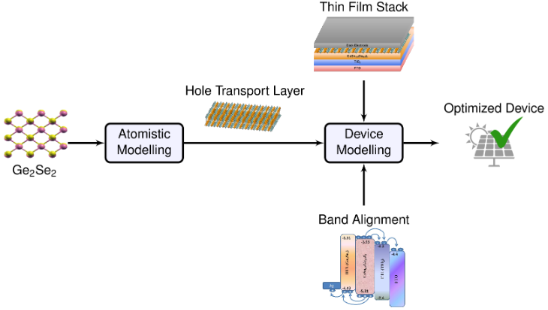
- -scale production more feasible [9]. Also, the mechanical robustness and flexibility of the 2D materials will give extra room to design the PSCs for a wide range of applications areas [10]. The high carrier mobility and enhanced optoelectronic characteristics can improve the device performance of


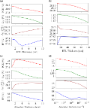


Photocatalytic methane oxidation over a TiO2/SiNWs p–n junction catalyst at room temperature
Beilstein J. Nanotechnol. 2024, 15, 1132–1141, doi:10.3762/bjnano.15.92
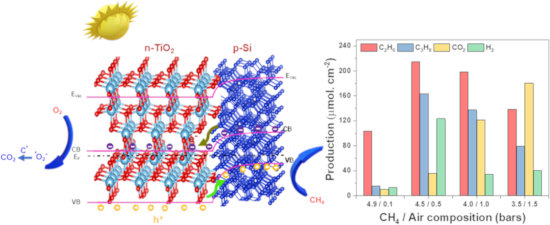
- are highly susceptible to mechanical failure because of their brittle nature; in contrast, the etched SiNW arrays exhibit superior optical absorption and enhanced surface catalytic reaction properties. The intimate contact between 1D Si NWs and thin TiO2 layers reduces the recombination rate of


Direct electron beam writing of silver using a β-diketonate precursor: first insights
Beilstein J. Nanotechnol. 2024, 15, 1117–1124, doi:10.3762/bjnano.15.90

- precursors were cleaned after each use. The cleaning involved mechanical wiping using acetone-wetted tissues, followed by a sequence of sonification in acetone and ethanol, and dry-blowing with nitrogen. Depositions were carried out on silicon with native oxide. The silicon substrates were cleaned using a


Unveiling the potential of alginate-based nanomaterials in sensing technology and smart delivery applications
Beilstein J. Nanotechnol. 2024, 15, 1077–1104, doi:10.3762/bjnano.15.88
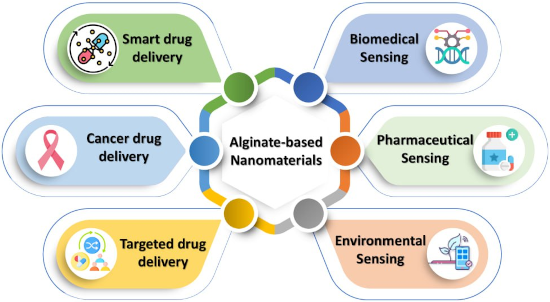
- gel structure. As a result, the viscosity and other mechanical qualities of alginate can be enhanced, allowing for the formation of a hydrogel. The attractive properties of alginate include low cost, abundance, biocompatibility, biodegradability, antibacterial activity, non-toxicity, and the ease to
- . Also, alginate-based nanoparticles possess excellent mechanical and electrical properties, overcoming the limitations typically associated with biomaterials in sensing applications [73]. Drug delivery applications Alginate-based nanoparticles for smart DDSs Drug delivery systems are one of the areas in
- +. Based on the quenching effect, a design for a “turn-off” fluorescent sensor for Cu2+ and Hg2+ detection with detection limits of 187.99 and 82.14 nM, respectively, was developed. Furthermore, the Au-loaded alginate-based fibers outperformed the pristine Ca-ALG fibers in terms of mechanical properties


Interface properties of nanostructured carbon-coated biological implants: an overview
Beilstein J. Nanotechnol. 2024, 15, 1041–1053, doi:10.3762/bjnano.15.85
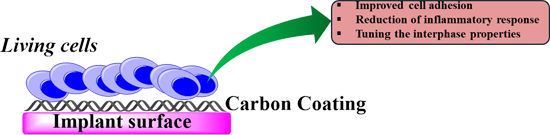
- can be achieved through several processes. Among them, the production of specialized coatings based on carbon-based materials stands very promising. The use of carbon coatings allows one to simultaneously fine-tune tribological, mechanical, and chemical properties. Here, we review applications of
- nanostructured carbon coatings (nanodiamonds, carbon nanotubes, and graphene-related materials) for the improvement of the overall properties of medical implants. We are focusing on biological interactions, improved corrosion resistance, and overall mechanical properties, trying to provide a complete overview
- environment is a dynamic and complex area, where several biological, physical, and chemical interactions can take place simultaneously, including immunological response [27], mechanical mismatch with the tissue [28], degradation [29], responses to stimuli [30], and proliferation of bacteria [31]. In the next



Bolometric IR photoresponse based on a 3D micro-nano integrated CNT architecture
Beilstein J. Nanotechnol. 2024, 15, 1030–1040, doi:10.3762/bjnano.15.84
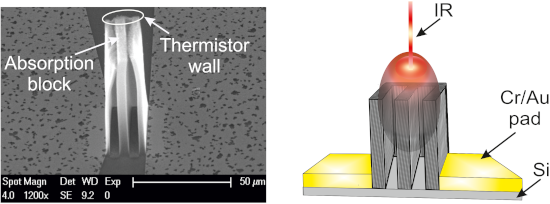
- (TCR) [6], and high mechanical stability [7]. Vertically aligned CNTs (VACNTs) are considered to be nearly ideal blackbody absorbers because of their ability to absorb light over a broad spectral range (0.2–200 μm), closely resembling the theoretical blackbody that absorbs all wavelengths of light [3
- 980 nm. A Thorlabs compact laser diode controller set the output power to 4 mW. The spot size of the laser beam of 100 μm was accurately determined using the knife edge method [17]. A mechanical chopper was used to modulate the laser beam intensity. The key component in the responsivity measurement


Entry of nanoparticles into cells and tissues: status and challenges
Beilstein J. Nanotechnol. 2024, 15, 1017–1029, doi:10.3762/bjnano.15.83
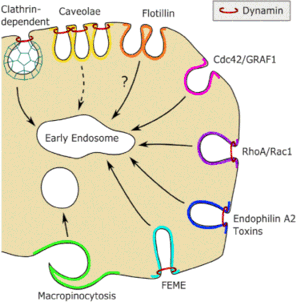
- -/cavin-coated structures, which are often reported to be involved in endocytosis of NPs. Caveolae are known to have different functions, one being to provide membrane upon mechanical stress [32]. They can thereby prevent membrane disruption, and reform in an ATP-dependent manner [32]. However, they can


Beyond biomimicry – next generation applications of bioinspired adhesives from microfluidics to composites
Beilstein J. Nanotechnol. 2024, 15, 965–976, doi:10.3762/bjnano.15.79
- Dan Sameoto Department of Mechanical Engineering, University of Alberta, Edmonton AB, T6G 1H9, Canada 10.3762/bjnano.15.79 Abstract In this perspective article, Professor Dan Sameoto outlines his opinion on future opportunities in the field of biomimetic adhesives. Despite over twenty years of
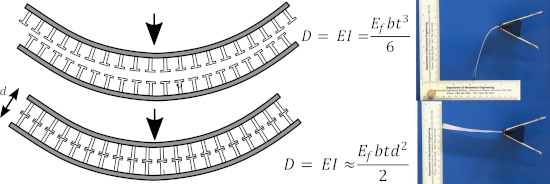
- mechanical properties of interest to fit the needs of soft robotics, microfluidic systems, or others. All of such applications necessitate that the biomimetic adhesives are robust, relatively inexpensive, and highly effective at adhering to different surfaces. Several corporations, including Setex [16
- surface roughness and are far more cost-effective. The significant influence of mechanical properties on identical fiber designs has also been extensively studied by our group and others, including work on shape memory polymers (SMPs) for biomimetic pillars [29]. These uniformly mushroom-shaped SMP fibers


Electrospun nanofibers: building blocks for the repair of bone tissue
Beilstein J. Nanotechnol. 2024, 15, 941–953, doi:10.3762/bjnano.15.77
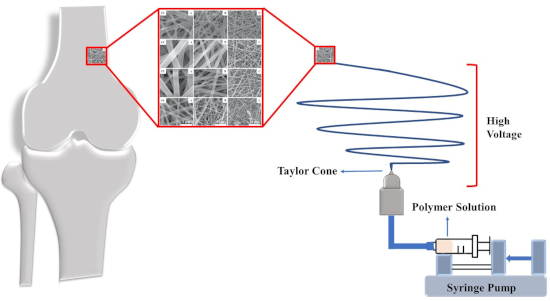
- Istanbul Aydın University, Faculty of Pharmacy, Department of Pharmaceutical Technology, Istanbul, Turkey 10.3762/bjnano.15.77 Abstract Bone, one of the hardest structures of the body, is the basic constituent of the skeletal system, which gives the shape to the body, provides mechanical support for
- deficiencies of bone tissue by the harmonious operation of osteoblasts, osteocytes, osteoclasts, and bone lining cells. Various materials can be used to both trigger the bone healing process and to provide mechanical support to damaged bone. Nanofiber scaffolds are at the forefront of these types of systems
- osteoconduction, adaptability to the target area, biodegradation, and appropriate mechanical properties, which are among the main parameters that are important in the design of polymeric bone grafts. The aim of this review is to cast light on the increasing use of nanofiber-based scaffolds in bone tissue


Effects of cutting tool geometry on material removal of a gradient nanograined CoCrNi medium entropy alloy
Beilstein J. Nanotechnol. 2024, 15, 925–940, doi:10.3762/bjnano.15.76
- Yu-Sheng Lu Yu-Xuan Hung Thi-Xuyen Bui Te-Hua Fang Department of Mechanical Engineering, National Kaohsiung University of Science and Technology, Kaohsiung 807, Taiwan University of Technology and Education – The University of Danang, Danang, Vietnam 10.3762/bjnano.15.76 Abstract CoCrNi medium
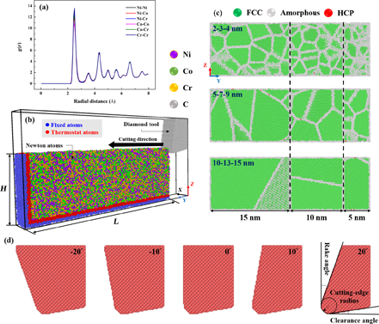
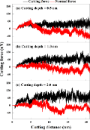
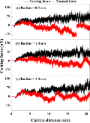
- -entropy alloys (MEAs) have attracted extensive attention and research because of their superior mechanical properties, such as higher ductility, strength, and toughness. This study uses molecular dynamics (MD) simulations to investigate the cutting behavior of a gradient nanograined (GNG) CoCrNi MEA
- : CoCrNi; gradient nanograined materials; Hall–Petch; molecular dynamics; relative tool sharpness; removal mechanism; Introduction Compared with traditional alloys, high-entropy alloys (HEAs) with multiple elements exhibit diverse and unprecedented mechanical properties, attracting widespread scientific






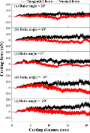


The effect of age on the attachment ability of stick insects (Phasmatodea)
Beilstein J. Nanotechnol. 2024, 15, 867–883, doi:10.3762/bjnano.15.72

- ][60]. On substrates with higher roughness, claws are used for mechanical interlocking. However, this effect requires the substrate asperities to be at least the size of the claw tip diameter [61]. Claw involvement was excluded herein as surface roughnesses were chosen accordingly. Winand et al. [37
- the tips; the tips have to withstand the greatest stresses, which mostly occur in single events, rather than in normal wear [68]. Further studies could explore the role of fatigue of claw material and its effect on the mechanical properties. Pad compliance There are several possible ways in which
- resulting actual contact area leads to lower attachment performance [72][73][74]. Most flexible cuticle consists at least partially of resilin [50][75][76], which needs water as a plasticizer to retain its extraordinary mechanical properties [70]. As the water evaporates, resilin becomes brittle and less


Investigation on drag reduction on rotating blade surfaces with microtextures
Beilstein J. Nanotechnol. 2024, 15, 833–853, doi:10.3762/bjnano.15.70
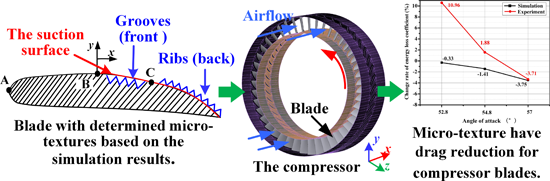
- Qinsong Zhu Chen Zhang Fuhang Yu Yan Xu College of Mechanical and Electrical Engineering, Nanjing University of Aeronautics & Astronautics, Nanjing, 210016, China 10.3762/bjnano.15.70 Abstract To enhance the aerodynamic performance of aero engine blades, simulations and experiments regarding


Electrospun polysuccinimide scaffolds containing different salts as potential wound dressing material
Beilstein J. Nanotechnol. 2024, 15, 781–796, doi:10.3762/bjnano.15.65
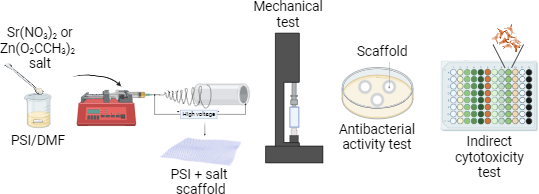
- containing antibacterial and tissue-regenerating salts of zinc acetate or strontium nitrate in different concentrations, whose structures may be suitable for developing biomedical wound dressing systems in the future. Several experiments have been conducted to optimize the physicochemical, mechanical, and
- atoms in the scaffolds. Our result showed that the salts influence the mechanical properties of the polymer scaffold, both in terms of specific load capacity and relative elongation values. According to the dissolution experiments, the whole amount of strontium nitrate was dissolved from the scaffold in
- they are flexible, variable in weight, have excellent biocompatibility, are resistant to biochemical degradation, and have suitable physical and mechanical characteristics. Moreover, they can be formed to the desired shape [6]. It is also worth mentioning that different drugs or other additives can be



Exploring surface charge dynamics: implications for AFM height measurements in 2D materials
Beilstein J. Nanotechnol. 2024, 15, 767–780, doi:10.3762/bjnano.15.64
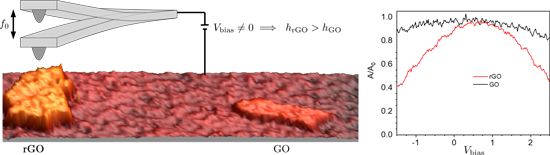
- facilitates the creation of new heterostructures with tailored properties [15][16], making 2D materials suitable for different applications. Understanding the correlation between structural and topographical variations and their impact on mechanical [17][18], optical [19][20], magnetic [21][22], electronic
- microscopy (AFM) techniques emerge as ideal tools to investigate them [26][27]. Depending on the operation mode and under controlled environmental conditions, AFM offers the possibility to record morphology along with relevant electronic, mechanical, or magnetic properties with nanoscale resolution. In





