


Search results
Search for "membranes" in Full Text gives 377 result(s) in Beilstein Journal of Nanotechnology. Showing first 200.
Uniform arrays of gold nanoelectrodes with tuneable recess depth
Beilstein J. Nanotechnol. 2021, 12, 957–964, doi:10.3762/bjnano.12.72
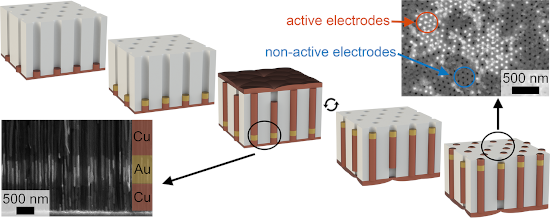
- alternative approach includes bulk electrode structuring by deposition or etching techniques using self-assembled arrays of colloidal nanoparticles [15], liquid crystals [16], or track-etched membranes [17][18][19] as template or mask, respectively. Among porous templates, anodic aluminium oxide (AAO) allows


The role of convolutional neural networks in scanning probe microscopy: a review
Beilstein J. Nanotechnol. 2021, 12, 878–901, doi:10.3762/bjnano.12.66
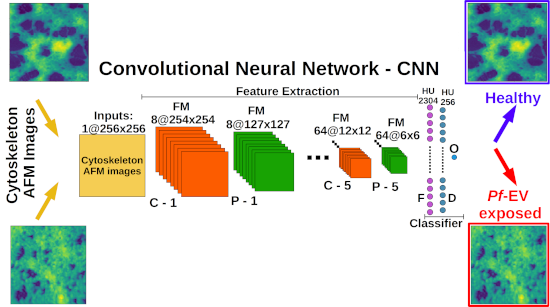
- widely applicable for different image segmentation tasks encompassing both 2D and 3D image types. The authors demonstrated segmentation of membranes, mitochondria, and nuclei for images of a mouse brain slice using different microscopic techniques such as CT X-ray microscopy, electron tomography








Comprehensive review on ultrasound-responsive theranostic nanomaterials: mechanisms, structures and medical applications
Beilstein J. Nanotechnol. 2021, 12, 808–862, doi:10.3762/bjnano.12.64
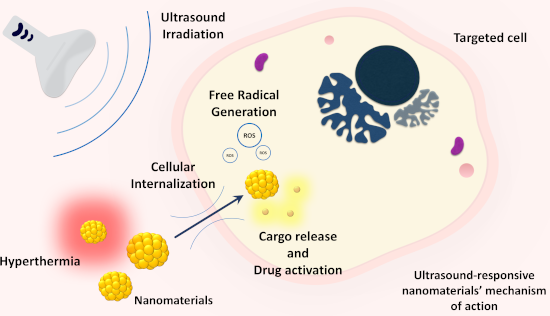
- intensifies the biophysical effects of the US waves [41]. This leads to transient permeabilization of cell membranes through the formation of transient pores and/or defects in the lipid bilayer, and finally, the diffusion of surrounding molecules into the cytosol [74]. Cavitation events triggered by MBs
- inertial cavitation, occurring near or within the droplet, cause the dispersed medium to vaporize [135][136]. It has been shown that ADV can decrease cell viability through the disruption of cell membranes [114]. Some researchers have suggested that ADV can cause cell death while increasing the penetration


Silver nanoparticles induce the cardiomyogenic differentiation of bone marrow derived mesenchymal stem cells via telomere length extension
Beilstein J. Nanotechnol. 2021, 12, 786–797, doi:10.3762/bjnano.12.62
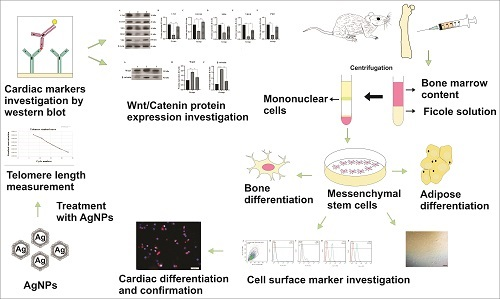
- each cell protein sample was electrophoresed and transferred to membrane. The membranes were incubated with primary polyclonal antibodies (1:1000) against β-actin (sc-69879), VEGF (sc-7269), C-TnI (sc-133117), VWF (sc-365712), SMA (sc-53015), GATA-4 (sc-25310), TERT (E-AB-33070), cyclin-D (SC-8396


Recent progress in magnetic applications for micro- and nanorobots
Beilstein J. Nanotechnol. 2021, 12, 744–755, doi:10.3762/bjnano.12.58
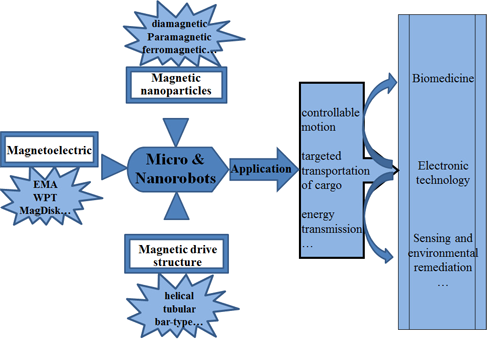
- analyte. The magnetic bead (MaB) architecture is composed of a 15 nm iron oxide (Fe3O4) superparamagnetic core encased in a silica shell. The DNA strands are conjugated to the polymeric brush using a flexible linker. The brush permits passage of the nanoparticles through cell membranes, and prevents


Physical constraints lead to parallel evolution of micro- and nanostructures of animal adhesive pads: a review
Beilstein J. Nanotechnol. 2021, 12, 725–743, doi:10.3762/bjnano.12.57
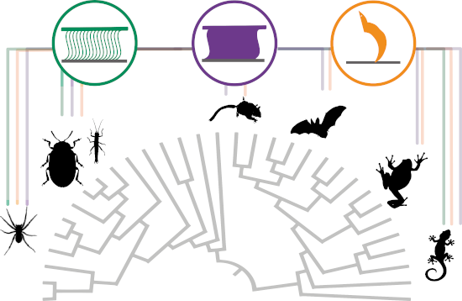
- recruited in this case. Such a mechanism may secure a stable position of an animal on a ceiling. As the shear forces are applied proximally towards the body in this situation, and because of a stronger friction in this direction due to an intimate contact between the membranes/spatulae, the pad sliding can


A review of defect engineering, ion implantation, and nanofabrication using the helium ion microscope
Beilstein J. Nanotechnol. 2021, 12, 633–664, doi:10.3762/bjnano.12.52
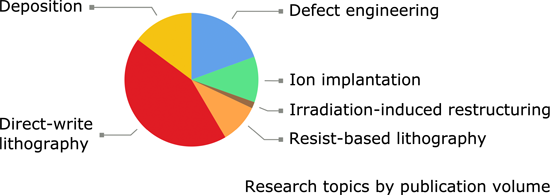
- selective helium ion irradiation has since been used to manipulate heat flow in suspended crystalline silicon membranes, patterning concentric circles at variable dose to demonstrate a microscale thermal cloak [35] (Figure 2h). In a subsequent study by Jin et al., dose-controlled localized helium ion
- the layers was undesired. Membrane folding Recently, several papers on FIB-enabled nanoscale kirigami have been published using the gallium FIB to mill line patterns in free-standing membranes (equivalent to traditional macroscale paper cuts) followed by localized gallium ion implantation to induce
- ] (Figure 4d). In this work by Arora et al., free-standing cantilevers in silicon nitride membranes that had been prepared by photolithography were irradiated near the base with helium ions at different energies. Upwards versus downwards bending was observed, depending on the implantation depth profiles. It


The preparation temperature influences the physicochemical nature and activity of nanoceria
Beilstein J. Nanotechnol. 2021, 12, 525–540, doi:10.3762/bjnano.12.43
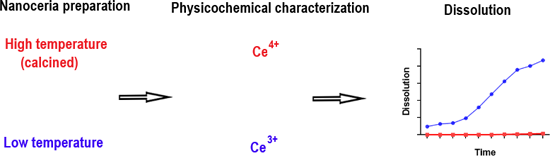
- section “Cerium quantification”. The dialysis system has been described [39][40]. Nanoceria (500 μg cerium as nanoceria in 1 mL) was loaded into Slide-A-LyzerTM dialysis cassettes with 2 kD MWCO regenerated cellulose membranes (66203) immersed in a 200 mL bath at pH 4.5 made iso-osmotic with sodium




A review on nanostructured silver as a basic ingredient in medicine: physicochemical parameters and characterization
Beilstein J. Nanotechnol. 2021, 12, 440–461, doi:10.3762/bjnano.12.36
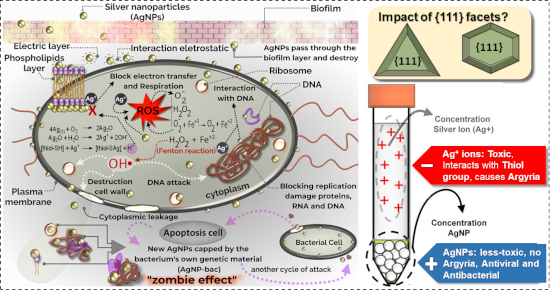
- antimicrobial activities: smaller particles are more efficient to kill bacteria than larger ones. This could be attributed to the higher surface areas that facilitate the attachment to cell membranes [8]. In addition to the different sizes and shapes that AgNPs can have, other metallic layers can be added to
- condition characterized by pigmentary changes secondary to exposure to silver salts which accumulate in the skin and mucous membranes. The toxicity of AgNPs is closely related to the release of Ag+ [57]. Studies with human mesenchymal stem cells (hMSCs) treated, under cell culture conditions, with different


Exploring the fabrication and transfer mechanism of metallic nanostructures on carbon nanomembranes via focused electron beam induced processing
Beilstein J. Nanotechnol. 2021, 12, 319–329, doi:10.3762/bjnano.12.26
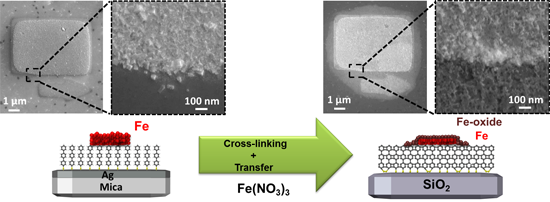
- arbitrary substrates or grids to obtain free-standing 2D membranes [25]. The specific choice of the self-assembling molecules determines the thickness, porosity, stiffness, and the mechanical/electrical properties of the resulting CNM [26][27]. The SAMs that are used for the fabrication of CNMs consist of


The patterning toolbox FIB-o-mat: Exploiting the full potential of focused helium ions for nanofabrication
Beilstein J. Nanotechnol. 2021, 12, 304–318, doi:10.3762/bjnano.12.25
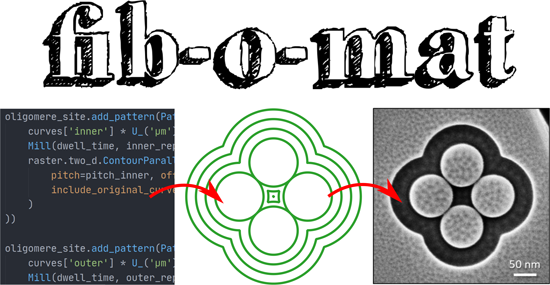
- ]. The fabrication of the samples starts by depositing the magnetic multilayer onto 150 nm thick silicon nitride membranes via magnetron sputtering. The membranes are almost transparent for soft X-rays, which are later employed for imaging of the samples. Subsequently, the multilayer film is locally


Characterization, bio-uptake and toxicity of polymer-coated silver nanoparticles and their interaction with human peripheral blood mononuclear cells
Beilstein J. Nanotechnol. 2021, 12, 282–294, doi:10.3762/bjnano.12.23
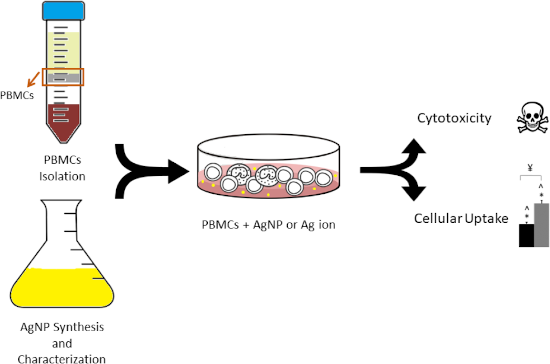
- concentration of 1000 µg·L−1, with the remainder lost to surfaces such as containers or filter membranes. To confirm the results in the medium, and to compare the dissolution in RPMI and UHPW, the dissolution test was repeated using AgNO3 in UHPW and RPMI medium at two concentrations (500 and 1000 µg·L−1



Differences in surface chemistry of iron oxide nanoparticles result in different routes of internalization
Beilstein J. Nanotechnol. 2021, 12, 270–281, doi:10.3762/bjnano.12.22
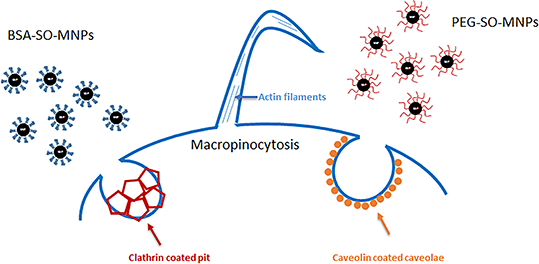
- ) without affecting CME and micropinocytosis [50], MBCD is not so specific. It can affect components of the transport machinery involved in multiple endocytic pathways including CME, depending on the concentration used [51]. F binds cholesterol within membranes while N perturbs cholesterol levels by
- proteins were boiled in Laemmli buffer and separated on a 10% polyacrylamide SDS-PAGE gel. After transfer of proteins onto nitrocellulose membranes the following primary antibodies were used: anti-Clathrin Heavy Chain (P1663) (#2410), anti-Caveolin-1 (#3238), anti-Phospho-Caveolin-1 (Tyr14) (#3251), anti



The nanomorphology of cell surfaces of adhered osteoblasts
Beilstein J. Nanotechnol. 2021, 12, 242–256, doi:10.3762/bjnano.12.20
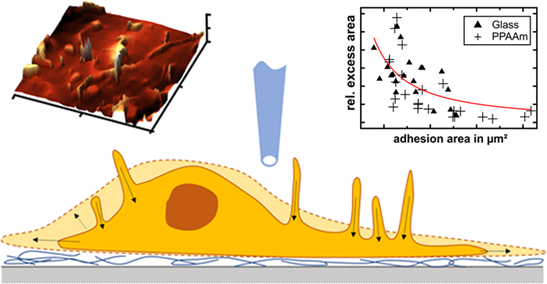
- may correspond to ca. 10 MPa, assuming 1 nN loading force and 5 nm tip radius. Though the resulting artificial depression depths on the cellular membranes are about half a micrometer already at 1 nN, AFM is useful to measure the cortical actin network underneath the membrane [18]. Regarding the
- ). Such a SICM signature is compatible with that of a primary cilium [28]. Dorsal ruffles The morphologies of osteoblast membranes reveal sheet-like protrusions, so-called ruffles. In general, they cover the whole cell surface. They are quite thin (similar to the thickness of filopodia of ca. 100 nm) and
- membranes in the rim region tend to appear slightly smoother (less ruffled) on cells that have formed large adhesion interface areas. This may indicate that membrane supply is an issue during faster spreading. Rim edge heights In Figure 9a we show a typical example of the rim step edge height of an


Scanning transmission helium ion microscopy on carbon nanomembranes
Beilstein J. Nanotechnol. 2021, 12, 222–231, doi:10.3762/bjnano.12.18
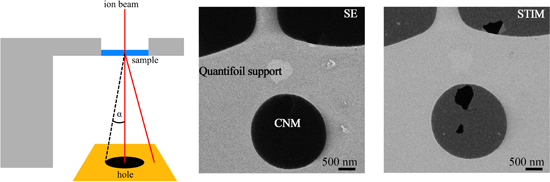
- principle is based on a secondary electron conversion holder with an exchangeable aperture strip allowing its acceptance angle to be tuned from 3 to 98 mrad. The contrast mechanism and performance were investigated using freestanding nanometer-thin carbon membranes. The results demonstrate that the detector
- detector is able to determine the thickness of membranes with sub-nanometer precision by quantitatively evaluating the image signal and comparing the results with Monte Carlo simulations. The thickness determined by the dark-field transmission detector is compared to X-ray photoelectron spectroscopy and
- established as a key nanofabrication tool for milling [7][8][9], defect engineering [10][11], and resist-based lithography [12][13], overcoming the resolution limitations of other FIB techniques [14][15]. Both bulk samples as well as thin membranes have been structured using the HIM. On membranes, the sputter


Imaging of SARS-CoV-2 infected Vero E6 cells by helium ion microscopy
Beilstein J. Nanotechnol. 2021, 12, 172–179, doi:10.3762/bjnano.12.13
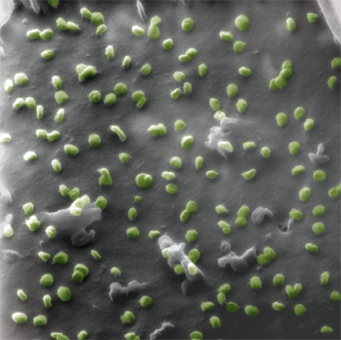
- infection of approximately 1 (MOI 1) and an incubation time of 18 h. The surface of the infected cells is covered by a number of micrometer-sized vesicles and segments of cell membranes, which is a first indication that apoptosis occurred during viral replication. Regularly shaped particles below 100 nm


Fusion of purple membranes triggered by immobilization on carbon nanomembranes
Beilstein J. Nanotechnol. 2021, 12, 93–101, doi:10.3762/bjnano.12.8
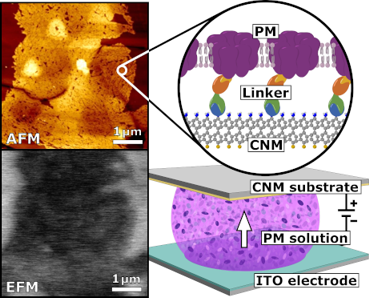
- protein bacteriorhodopsin (BR) and lipid molecules [3], can be separated from the cytoplasmic membrane of Halobacterium salinarum and have been intensively studied [4][5][6]. Due to its robustness, PM quickly became one of the best-characterized natural membranes [7]. It is a two-dimensional crystal with


Numerical analysis of vibration modes of a qPlus sensor with a long tip
Beilstein J. Nanotechnol. 2021, 12, 82–92, doi:10.3762/bjnano.12.7
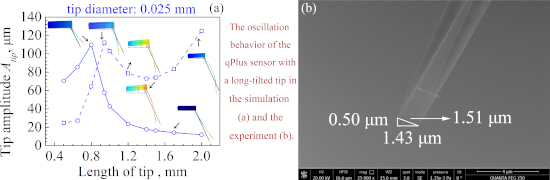
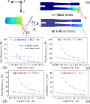
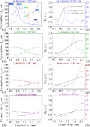
- short tip that can be considered as a rigid body vertically attached to the tuning fork prong. However, soft biological samples, such as living cells and lipid membranes [13][14][15], must be immersed in a liquid environment to maintain their original properties. In order to avoid immersion of the






Effect of different silica coatings on the toxicity of upconversion nanoparticles on RAW 264.7 macrophage cells
Beilstein J. Nanotechnol. 2021, 12, 35–48, doi:10.3762/bjnano.12.3
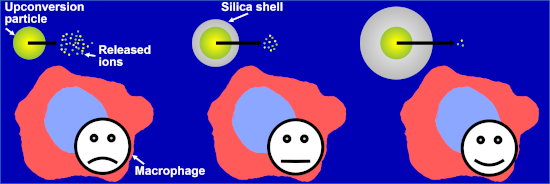
- or particles adsorbed onto cellular membranes, relying on the fact that when cells internalize nanoparticles they increase their internal complexity [66][67]. Several publications have shown that side-scattering correlates with the concentration of nanoparticles attached to or taken up by cells [67


Bio-imaging with the helium-ion microscope: A review
Beilstein J. Nanotechnol. 2021, 12, 1–23, doi:10.3762/bjnano.12.1

- attachment of bacterial parasites to the outer membranes of bacteria at high resolution in, at least compared to TEM, a relatively natural state makes HIM a very powerful tool for the investigation of living antibiotics. The work on the life cycle of the bacterial predator Bdellovibrio bacteriovorus by Said
- to be directly and clearly visualised.” Using HIM, Schürmann et al. impressively showed how closely ultrastructural details of cell membranes visualised by HIM are linked to sample preparation [16]. In the study, lipid nanodomains in mammalian cells were investigated. HIM was used to image osmium
- tetroxide-fixed, uncoated, and critical-point-dried human neurons and mouse hippocampal neurons. The achieved lateral resolution of 1.5 nm allowed for visualising pits in the ultrastructure of the cell membranes. Based on that finding the authors hypothesised “that the pit-like domains are a direct


Imaging and milling resolution of light ion beams from helium ion microscopy and FIBs driven by liquid metal alloy ion sources
Beilstein J. Nanotechnol. 2020, 11, 1742–1749, doi:10.3762/bjnano.11.156
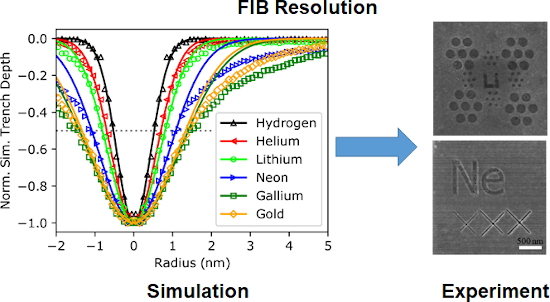
- helium beam were measured by examining sputtered lines [42] as well as pores [43] in membranes. Gallium is used and optimized for industrial and scientific applications and sputtering beam profiles were measured by TEM [44][45]. The additional influence of the required ExB filter for multi-element or
- spot size is always smaller than the measured trench width could be the different sample types used for the measurements. While ultimate imaging resolutions are typically measured as an edge contrast on thin freestanding membranes, trenches are typically milled in a metal layer of a few nanometers
- thickness. Milling membranes removes their support from one side and dangling bonds can lead to morphological changes making milling tests difficult to interpret. In metal layers of a few nanometers thickness, sputter redeposition can take place, which is not taken into account in our static SRIM simulation


Out-of-plane surface patterning by subsurface processing of polymer substrates with focused ion beams
Beilstein J. Nanotechnol. 2020, 11, 1693–1703, doi:10.3762/bjnano.11.151
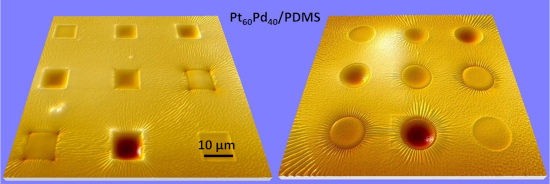
- ][16]. It has also been demonstrated that it acts as a type of ion-beam resist in the fabrication of micro- and nanopore membranes and templates for nanowires by chemical etching of through-holes along ion tracks produced by high-energy ions [17][18]. In contrast to PMMA and PC polymers, PDMS is a


A self-powered, flexible ultra-thin Si/ZnO nanowire photodetector as full-spectrum optical sensor and pyroelectric nanogenerator
Beilstein J. Nanotechnol. 2020, 11, 1623–1630, doi:10.3762/bjnano.11.145
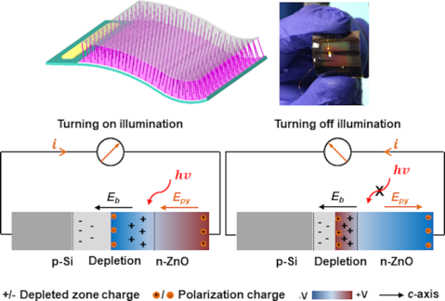
- limits their application in the field of flexible electronics. Recently, the design of flexible devices with Si membranes as building blocks has been explored. These devices have become promising candidates for the use as flexible PDs due to many advantages, such as good compatibility, working in a harsh


Cu2O nanoparticles for the degradation of methyl parathion
Beilstein J. Nanotechnol. 2020, 11, 1546–1555, doi:10.3762/bjnano.11.137
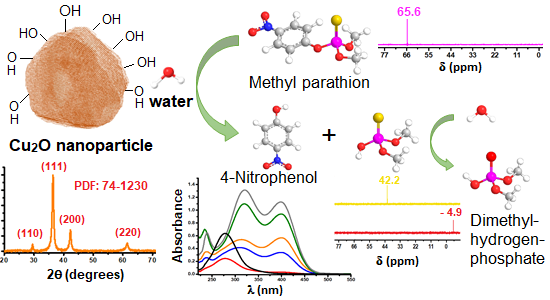
- rising consensus on the damage that these reactive species, formed during the photocatalytic reactions, cause to cell membranes by peroxidation of the polyunsaturated phospholipids [34]. This leads to the subsequent loss of activity that relies on an intact membrane, and ultimately to the death of


Antimicrobial metal-based nanoparticles: a review on their synthesis, types and antimicrobial action
Beilstein J. Nanotechnol. 2020, 11, 1450–1469, doi:10.3762/bjnano.11.129

- particle sizes, are listed in Table 2. The atomic layer deposition method is employed to grow metal oxide and metallic three-dimensional nanostructures using porous alumina membranes [41], electrostatically spun nanofibers [39][40] or electrosprayed spherical particles [38] as templates. As Figure 1 shows





