Search results
Search for "precipitation" in Full Text gives 297 result(s) in Beilstein Journal of Nanotechnology. Showing first 200.
pH-mediated control over the mesostructure of ordered mesoporous materials templated by polyion complex micelles
Beilstein J. Nanotechnol. 2019, 10, 144–156, doi:10.3762/bjnano.10.14
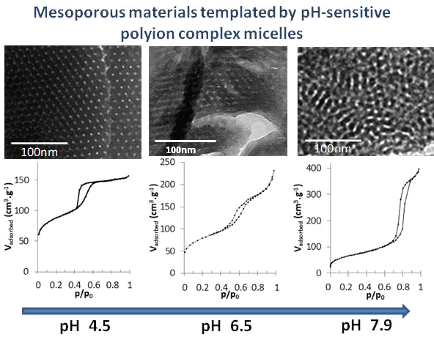
- hybrid organic–inorganic interface, which is necessary for directing the macroscopic precipitation of the hybrid material, can form through an interaction between the PEO neutral block and silicic species via the N0/I0 pathway, as in the case of SBA-type materials synthesized under acidic conditions, as
- a fixed and well-defined value (ranging from 4 to 7.9) by adding a small amount of an aqueous NaOH solution (3 mol·L−1). This results in macroscopic precipitation, which occurs more or less rapidly according to the pH value (3 min at pH 5 and 0.5 min at pH 7.9). The mixture was stirred slowly for 24
- oligomers, inducing sudden macroscopic precipitation in less than 3 min. Two different mass concentrations of the reaction medium, expressed by the wt % of DHBC, were used. The 3.9 wt % concentration was aimed at evaluating the influence of the pH on the texture, structure and chemical composition of the


Zn/F-doped tin oxide nanoparticles synthesized by laser pyrolysis: structural and optical properties
Beilstein J. Nanotechnol. 2019, 10, 9–21, doi:10.3762/bjnano.10.2
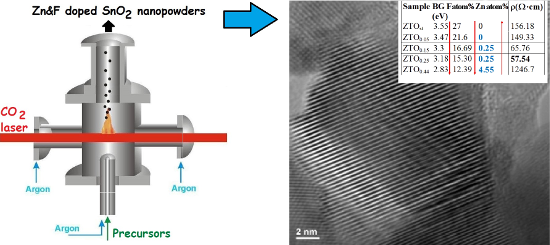
- .) antimony by spray pyrolysis [9] or by sol–gel methods followed by spin-coating and annealing in different environments [10], ii.) manganese by long-time annealing of Mn/SnO2 bilayers in air at 200 °C [11] or by co-precipitation [12], iii.) aluminum, copper or indium all by spray pyrolysis from ethanolic

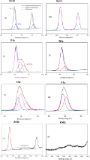


Characterization and influence of hydroxyapatite nanopowders on living cells
Beilstein J. Nanotechnol. 2018, 9, 3079–3094, doi:10.3762/bjnano.9.286
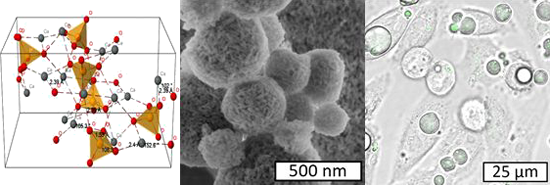
- manufactured using many different methods, such as hydrothermal synthesis, sol–gel synthesis, wet-chemical precipitation and microwave processing [16][17][18][19]. Many studies have shown that HAp can cause different biological responses depending on its physicochemical properties [20][21][22]. It is also

![[Graphic 1]](/bjnano/content/inline/2190-4286-9-286-i2.svg?max-width=637&scale=1.18182) .
.



A novel polyhedral oligomeric silsesquioxane-modified layered double hydroxide: preparation, characterization and properties
Beilstein J. Nanotechnol. 2018, 9, 3053–3068, doi:10.3762/bjnano.9.284
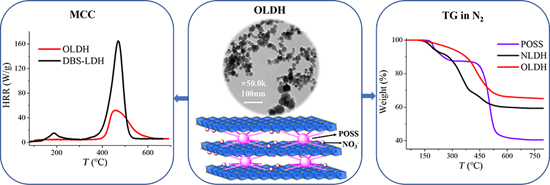
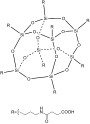
- stirrer, (3-aminopropyl)triethoxysilane (30 mL), methanol (720 mL) and concentrated hydrochloric acid (60 mL) were added. The system was refluxed for 20 h under vigorous stirring and then cooled down to room temperature. The white precipitate was collected after precipitation in cold THF, filtration, and
- succinic acid [38]. In detail, to a solution of OAPS (15 g) and triethylamine (15 mL) in methanol (750 mL), succinic anhydride (60 g) was added, and the reaction mixture was stirred vigorously for 2 h at room temperature. White solid was afforded after precipitation in cold chloroform, filtration and







Co-intercalated layered double hydroxides as thermal and photo-oxidation stabilizers for polypropylene
Beilstein J. Nanotechnol. 2018, 9, 2980–2988, doi:10.3762/bjnano.9.277
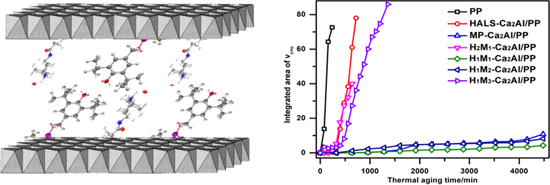
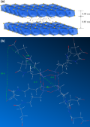
- fabricated a series of novel co-intercalated thermal and photo-oxidation stabilizers (HnMn′-Ca2Al) through straightforward co-precipitation of HALS and MP-Ca (Figure 1) [16][17], and examined the resistance of the HnMn′-Ca2Al/PP composites against thermal degradation and photo-oxidation as a function of the
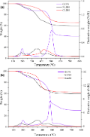
- to the co-intercalation. The results show that co-precipitation yields Ca2Al-LDHs free of CaCO3 by-product [23]. Figure 3 shows FTIR spectra of all the HnMn′-Ca2Al-LDHs. One can observe characteristic stretching-vibration bands of LDHs, for example, the broad band at ca. 3445 cm−1 associated to the


Layered calcium phenylphosphonate: a hybrid material for a new generation of nanofillers
Beilstein J. Nanotechnol. 2018, 9, 2906–2915, doi:10.3762/bjnano.9.269
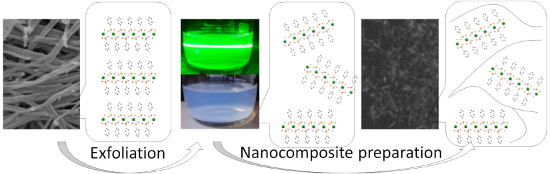
- phenylphosphonate is formed at room temperature by a co-precipitation of starting compounds – phenylphosphonic acid and a soluble source of calcium (e.g., CaCl2, as in our case) in a 1:1 molar ratio at pH > 9, as reported by Svoboda et al. [18] and described in the Experimental section. The previous work was


Nanostructure-induced performance degradation of WO3·nH2O for energy conversion and storage devices
Beilstein J. Nanotechnol. 2018, 9, 2845–2854, doi:10.3762/bjnano.9.265
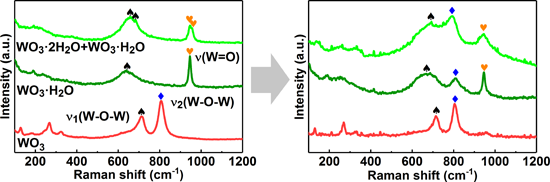
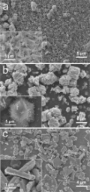
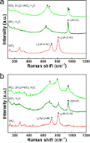
- thin films displayed a maximum response of 80% for 1% of hydrogen gas at 250 °C [36]. 2D WO3·2H2O films developed by a facile dipping process exhibited a significantly improved response time as electrochromic electrodes compared to WO3 thin films [37]. The acidic precipitation reaction was also adopted


Low cost tips for tip-enhanced Raman spectroscopy fabricated by two-step electrochemical etching of 125 µm diameter gold wires
Beilstein J. Nanotechnol. 2018, 9, 2718–2729, doi:10.3762/bjnano.9.254
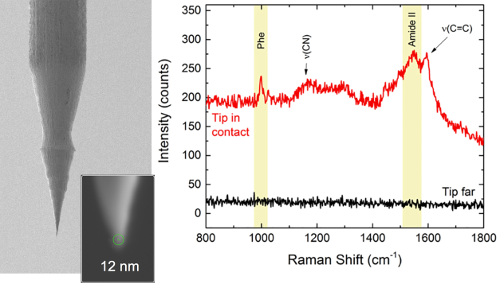
- off immediately after the precipitation of the immersed wire portion in order to avoid over-etching, which would blunt the tip. Stop-voltage circuits have been developed [48][49] to automatize this task. The tips are finally washed by shaking in the etching solution and, subsequently, by pouring a few


Cytotoxicity of doxorubicin-conjugated poly[N-(2-hydroxypropyl)methacrylamide]-modified γ-Fe2O3 nanoparticles towards human tumor cells
Beilstein J. Nanotechnol. 2018, 9, 2533–2545, doi:10.3762/bjnano.9.236
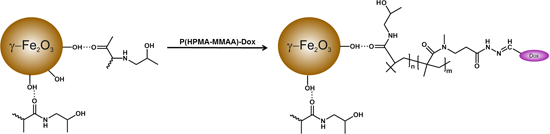
- γ-Fe2O3 with PHPMA and P(HPMA-MMAA)-Dox First, PHPMA was prepared by precipitation polymerization and used as a coating of γ-Fe2O3 nanoparticles. Briefly, in an 100 mL Erlenmeyer flask, HPMA (2 g) freshly crystalized from ethyl acetate and AIBN (10 mg) were dissolved in ethyl acetate (18 mL) under
- attributed to CH3 and CH2 groups of MMAA. Bands at ca. 2900 and at 1500–1350 cm−1 corresponded to stretching and bending vibrations of CH2 and CH3 groups, respectively. The first polymerization experiments involved the precipitation copolymerization of HPMA and MMAA. High molecular weight products (ca. 170


Non-agglomerated silicon–organic nanoparticles and their nanocomplexes with oligonucleotides: synthesis and properties
Beilstein J. Nanotechnol. 2018, 9, 2516–2525, doi:10.3762/bjnano.9.234
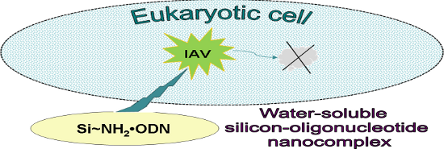
- conjugated with oligodeoxyribonucleotides (ODN) through the binding to the negatively charged internucleotide phosphate groups to form Si–NH2·ODN complexes. Like Si–NH2, the Si–NH2·ODN nanocomplexes are dissolved in aqueous solutions. The addition of NaCl did not lead to precipitation. Si–NH2 and Si–NH2·ODN
- can be precipitated by acetone. The unbound oligonucleotide after precipitation of Si–NH2·ODN remains in solution and can be detected spectrophotometrically. This “acetone precipitation” technique allowed us to evaluate the optimal molar ratio of the amino groups in the nanoparticles to the phosphate
- highest dilution of the virus, which caused the hemagglutination reaction. (a) Evaluation of molar ratio of the amino groups in the nanoparticles to the phosphate groups, NH2/p, for the complete binding of ODN(1) with Si–NH2 nanoparticles using the “acetone precipitation” technique. The amount of (1


Droplet-based synthesis of homogeneous magnetic iron oxide nanoparticles
Beilstein J. Nanotechnol. 2018, 9, 2413–2420, doi:10.3762/bjnano.9.226
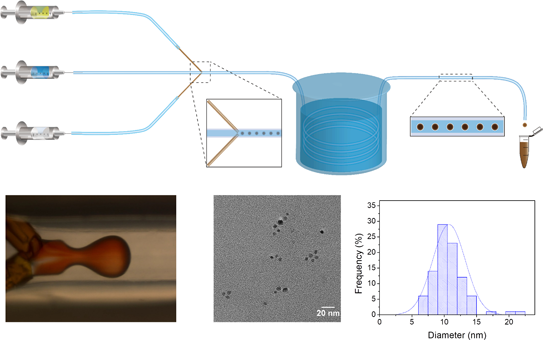
- concentration is increased by more than one order of magnitude in droplet reactions, the fast precipitation of large amounts of nanoparticles could lead to the buildup of nanoparticle deposits on the fused silica capillaries in some cases and to a blocking of the capillaries. The batch particles showed a zeta


Hierarchical heterostructures of Bi2MoO6 microflowers decorated with Ag2CO3 nanoparticles for efficient visible-light-driven photocatalytic removal of toxic pollutants
Beilstein J. Nanotechnol. 2018, 9, 2297–2305, doi:10.3762/bjnano.9.214
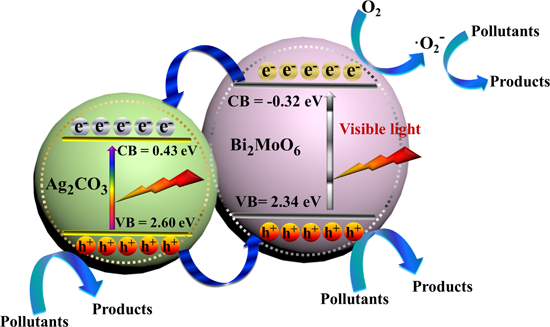
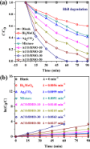
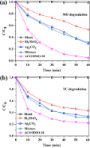
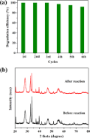
- . Herein, we synthesized flower-like Ag2CO3/Bi2MoO6 heterostructures, in which Ag2CO3 nanoparticles were evenly anchored on Bi2MoO6 microflowers to construct novel hierarchical heterojunction photocatalysts by via in situ precipitation. The photocatalytic properties of Ag2CO3/Bi2MoO6 was measured regarding




Synthesis of rare-earth metal and rare-earth metal-fluoride nanoparticles in ionic liquids and propylene carbonate
Beilstein J. Nanotechnol. 2018, 9, 1881–1894, doi:10.3762/bjnano.9.180
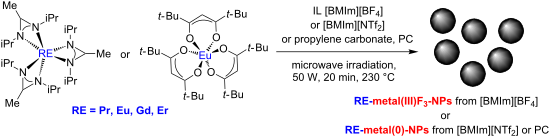
- on the liquid precipitation reaction between soluble rare-earth metal salts and alkaline fluorides. A co-thermolysis of Na(CF3COO) and RE(CF3COO) in oleic acid/oleylamine for the synthesis of NaREF4 (RE = Er(III), Tm(III)) has also been described [8]. One problem of these syntheses is that the


Controllable one-pot synthesis of uniform colloidal TiO2 particles in a mixed solvent solution for photocatalysis
Beilstein J. Nanotechnol. 2018, 9, 1715–1727, doi:10.3762/bjnano.9.163
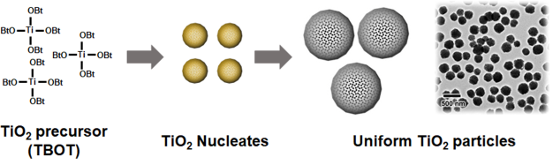
- , TBOT molecules have a high solubility in ethanol but not in acetonitrile [14]. As a result, when the concentration of ACN increases, the TBOT and its hydrolysate molecules are forced to form nucleates rapidly and to precipitate out of the solution [32][33]. This rapid nucleation and precipitation




Nanocomposites comprised of homogeneously dispersed magnetic iron-oxide nanoparticles and poly(methyl methacrylate)
Beilstein J. Nanotechnol. 2018, 9, 1613–1622, doi:10.3762/bjnano.9.153
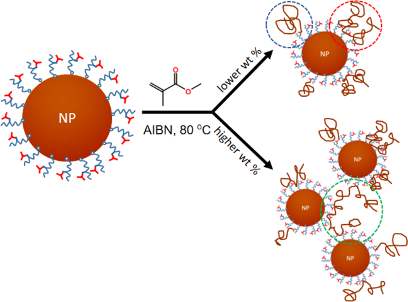
- enable the preparation of nanocomposite films by spin coating and the precipitation of a nanocomposite in a form that is easily milled into powders, for example. Therefore, it is desirable to develop synthesis methods to prepare them. In this paper we present a simple method for preparing magnetic iron
- nanoparticles is related to the lower yield of precipitation of PMMA, decreasing the amount of isolated PMMA. PMMA is not soluble in pure methanol, however, in our case we precipitated nanocomposites by adding methanol to the suspension in toluene. In the precipitation mixture of toluene and methanol, a small


Sheet-on-belt branched TiO2(B)/rGO powders with enhanced photocatalytic activity
Beilstein J. Nanotechnol. 2018, 9, 1550–1557, doi:10.3762/bjnano.9.146
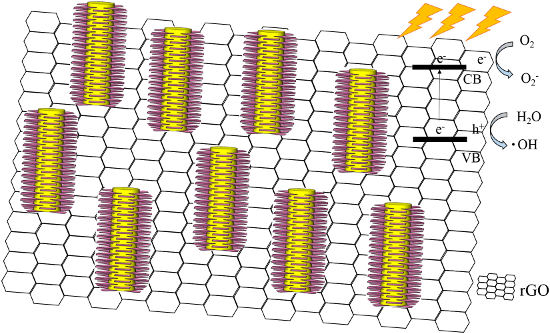
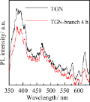
- time of 2 h, TiO2 dots were found to be distributed homogeneously on the TGN surface. The nanosheet branches grew continuously upon further precipitation for up to 24 h. The transmission electron microscopy (TEM) image illustrates the precipitation of branched nanobelts on rGO surfaces (labelled as G
- constant of the present “sheet-on-belt” branched TiO2(B)/rGO photocatalyst is 1.7 times that of TiO2(B)/rGO and 2.9 times that of pristine TiO2(B) nanobelts. Experimental Material synthesis 1. Precursor solution: The precursor solution for precipitation of nanosheet branches was prepared following Wen et
- TGN-branch x h, where x refers to the precipitation time in the precursor solution. Characterization The morphology was examined by field emission scanning electron microscopy (FESEM, Hitachi S-4800) and transmission electron microscopy (TEM, JEM-2100). The X-ray diffraction (XRD) patterns were


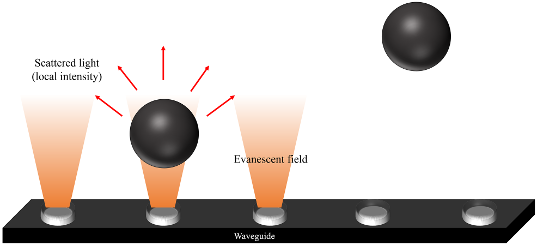
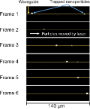
Surface characterization of nanoparticles using near-field light scattering
Beilstein J. Nanotechnol. 2018, 9, 1228–1238, doi:10.3762/bjnano.9.114
- , which was greater than that of PEG-SPIOs and IPC-SPIOs, likely due to aggregation and polydispersity of the sample synthesized using the co-precipitation method. The zeta potential of the uncoated SPIOs is strongly negative (−50 mV), while the zeta potential of PEG-SPIOs is slightly higher (−45 mV) due




Understanding the performance and mechanism of Mg-containing oxides as support catalysts in the thermal dry reforming of methane
Beilstein J. Nanotechnol. 2018, 9, 1162–1183, doi:10.3762/bjnano.9.108
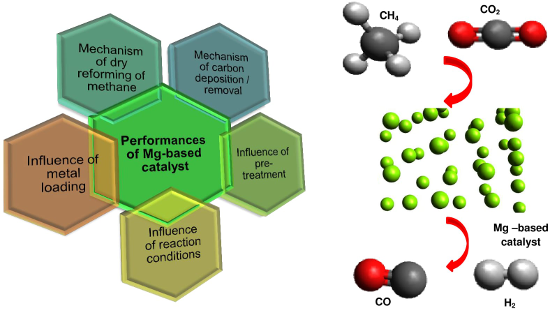
- determining the activity and the selectivity of the catalysts are the dispersion and the physico-chemical characteristics of active metals on the support catalyst. Three general approaches are applied for the catalyst preparation, including (i) deposition of active metals onto a support; (ii) precipitation of
- . Zanganeh et al. [34] used the co-precipitation method to prepare a NiO–MgO nanocrystalline solid solution catalyst. High Ni (25 wt %) content negatively affected the supression of carbon deposition on the solid solution catalyst. However, high Ni dispersion and the basicity of the support surface could
- co-precipitation methods for the preparation of a Ni–MgO–Al2O3 catalyst. The Ni particle size was uniformly distributed in the catalysts prepared via sol–gel. TGA results clearly showed that 13% and 7.7% carbon was deposited on the catalysts prepared via the sol–gel method and the co-precipitation






Review on nanoparticles and nanostructured materials: history, sources, toxicity and regulations
Beilstein J. Nanotechnol. 2018, 9, 1050–1074, doi:10.3762/bjnano.9.98

- -mediated natural precipitation. It has been reported that formation of CaCO3 NPs in Lake Michigan is due to weather and temperature changes [81]. These small sea salt aerosols act to transfer microorganisms and pollutants that may increase casualties in plants, animals, and humans via adverse health


Facile chemical routes to mesoporous silver substrates for SERS analysis
Beilstein J. Nanotechnol. 2018, 9, 880–889, doi:10.3762/bjnano.9.82
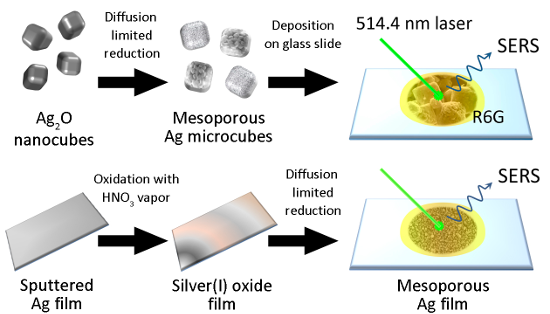
- known for its ability to increase the endurance performance of athletes, which resulted in its inclusion to the World Anti-Doping Agency (WADA) prohibited list. Results and Discussion Following the procedure proposed by Lyu et al. [26], Ag2O cubic crystallites were synthesized by alkaline precipitation


Heavy-metal detectors based on modified ferrite nanoparticles
Beilstein J. Nanotechnol. 2018, 9, 762–770, doi:10.3762/bjnano.9.69
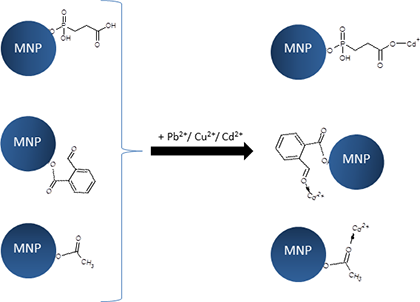
- background correction technique with reference was used. The quantitative determination of Pb, Cd, and Cu was carried out by the external calibration graph technique. Synthesis of ferrite nanoparticles doped with Ca2+, Co2+, Mn2+, or Ni2+ To obtain doped ferrite nanoparticles, a modified co-precipitation


A review of carbon-based and non-carbon-based catalyst supports for the selective catalytic reduction of nitric oxide
Beilstein J. Nanotechnol. 2018, 9, 740–761, doi:10.3762/bjnano.9.68
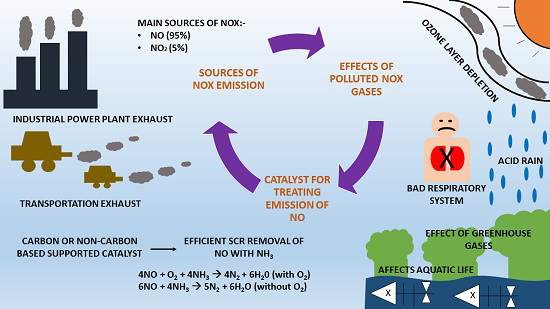
- for preparing a catalyst such as impregnation, sol–gel, incipient-wetness, co-precipitation, electroplating, and the polyol process. Some of the catalysts prepared via these methods can achieve low temperatures of SCR with content resistance of H2O and SO2. Each method is different from the other, and
- -precipitation method has also been applied in the preparation of the SCR catalyst. This technique is much more preferable due to its simple handling procedure and time-saving process. In addition, particle size and composition of the catalyst structure is easy to control [43]. In general, the preparation method
- in the furnace at a specified reaction temperature. Many researchers have used the co-precipitation technique for catalyst preparation to investigate the SCR reaction of NO. For instance, Zhang et al. [44] prepared Mn–FeOx/CNT catalysts through redox co-precipitation to investigate NO reduction with
Optimisation of purification techniques for the preparation of large-volume aqueous solar nanoparticle inks for organic photovoltaics
Beilstein J. Nanotechnol. 2018, 9, 649–659, doi:10.3762/bjnano.9.60
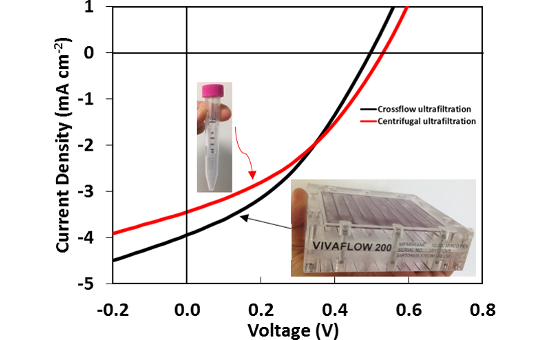
- precipitation into nanoparticles. OPV prepared from this method have shown great efficiency by reaching 4% [8], however, this method have so far only proven efficient on one donor–acceptor pair. The low versatility of this method as well as with a poor stability of the prepared suspension [9] greatly limits the


Mechanistic insights into plasmonic photocatalysts in utilizing visible light
Beilstein J. Nanotechnol. 2018, 9, 628–648, doi:10.3762/bjnano.9.59
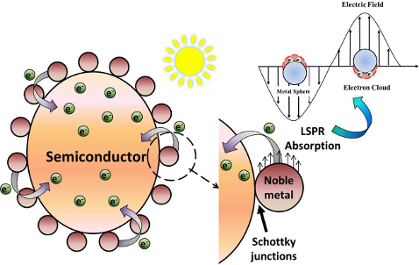
- issues [45][46][47][48][49]. Synthesis routes such as sol–gel, hydrothermal, microwave hydrothermal, impregnation, electrochemical deposition, chemical deposition, deposition-precipitation, UV photodeposition and direct sunlight photodeposition have been reported [23][50][51][52][53][54][55][56][57][58
- ][59][60][61][62][63][64][65][66][67][68][69][70][71][72][73][74][75][76][77][78][79][80][81][82][83][84][85][86]. The conventional and most frequently used methods are the sol–gel and deposition–precipitation methods. These are mostly widely preferred due to the relatively facile and direct synthesis





Facile phase transfer of gold nanorods and nanospheres stabilized with block copolymers
Beilstein J. Nanotechnol. 2018, 9, 616–627, doi:10.3762/bjnano.9.58
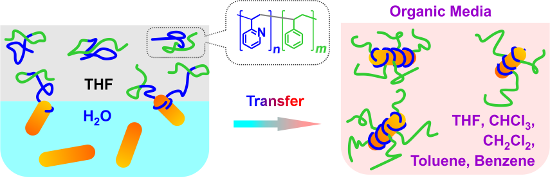
- approved two-stage technique. We transferred Au nanorods to organic media via 5 min of mixing of their hydrosol with a solution of PS-b-P2VP diblock copolymer in tetrahydrofuran. After drying, redissolution in tetrahydrofuran, precipitation by ethanol, centrifugation, and again drying, nanorods were
- solution evaporation to ca. 2 mL, which was stored in a fridge overnight. The next day, the nanoparticles were subjected to precipitation with ethanol, 5 min of centrifugation at 2000 rpm and drying. The precipitation-centrifugation cycle was repeated and the nanoparticles were redispersed in toluene
- respect to Au nanoparticles. The medium was stirred for 3 h at 40 °С, then evaporated to dryness, dispersed in a minimum amount of chloroform, precipitated with a 15-fold excess of ethanol, and centrifuged for 20 min at 6000 rpm. After repeating the precipitation-centrifugation cycle, the nanoparticles