


Search results
Search for "chemistry" in Full Text gives 1177 result(s) in Beilstein Journal of Nanotechnology. Showing first 200.
New application of bimetallic Ag/Pt nanoplates in a colorimetric biosensor for specific detection of E. coli in water
Beilstein J. Nanotechnol. 2024, 15, 95–103, doi:10.3762/bjnano.15.9
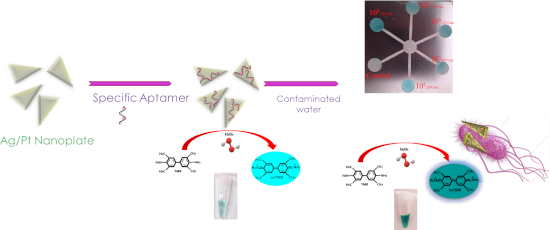
- Azam Bagheri Pebdeni Mohammad N. AL-Baiati Morteza Hosseini Nanobiosensors lab, Department of Life Science Engineering, Faculty of New Sciences & Technologies, University of Tehran, Tehran, Iran Department of Chemistry, College of Education for Pur Science, University of Kerbala, Karabal, Iraq


Berberine-loaded polylactic acid nanofiber scaffold as a drug delivery system: The relationship between chemical characteristics, drug-release behavior, and antibacterial efficiency
Beilstein J. Nanotechnol. 2024, 15, 71–82, doi:10.3762/bjnano.15.7
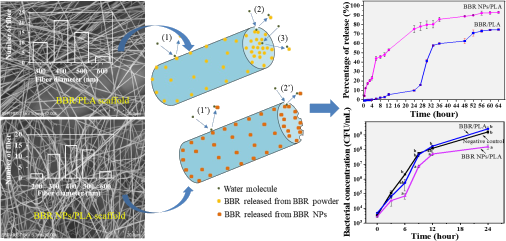
- Program of Basic Science in the Fields of Chemistry, Life Sciences, Earth Sciences, and Marine Sciences, Vietnam Ministry of Science and Technology, under Grant ĐTĐL.CN-111/21.


Influence of conductive carbon and MnCo2O4 on morphological and electrical properties of hydrogels for electrochemical energy conversion
Beilstein J. Nanotechnol. 2024, 15, 57–70, doi:10.3762/bjnano.15.6
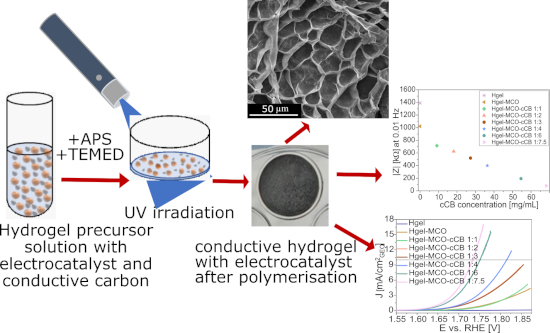
- interactions, ionic cross-linking, and hydrogen-bonded gels). Chemically synthesised hydrogels are produced by covalent cross-linking pathways such as radical polymerisation, radiation cross-linking, grafting, thermogelation, enzymatic reactions, and click chemistry [4][5]. Hydrogel materials have quite a long


unDrift: A versatile software for fast offline SPM image drift correction
Beilstein J. Nanotechnol. 2023, 14, 1225–1237, doi:10.3762/bjnano.14.101
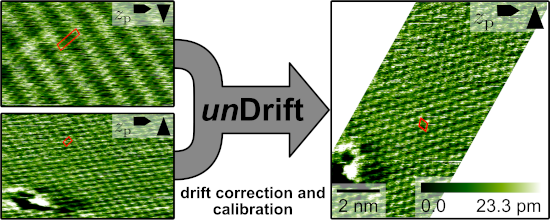
- Tobias Dickbreder Franziska Sabath Lukas Holtkemeier Ralf Bechstein Angelika Kuhnle Physical Chemistry I, Bielefeld University, Universitätsstraße 25, 33615 Bielefeld, Germany 10.3762/bjnano.14.101 Abstract Scanning probe microscopy (SPM) techniques are widely used to study the structure and
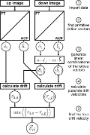
- properties of surfaces and interfaces across a variety of disciplines in chemistry and physics. One of the major artifacts in SPM is (thermal) drift, an unintended movement between sample and probe, which causes a distortion of the recorded SPM data. Literature holds a multitude of strategies to compensate


Fluorescent bioinspired albumin/polydopamine nanoparticles and their interactions with Escherichia coli cells
Beilstein J. Nanotechnol. 2023, 14, 1208–1224, doi:10.3762/bjnano.14.100
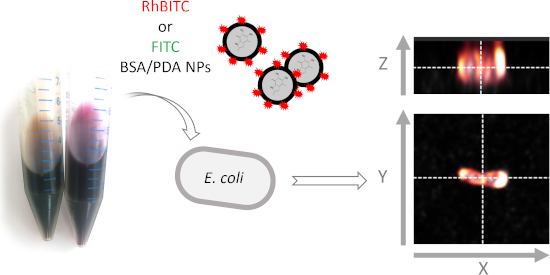
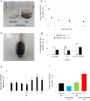
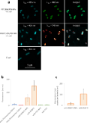
- been designed to allow for the modification of their fluorescence properties. This also modified the outer surface chemistry; thus, the ability of the NPs to pass through the cell membrane was possibly facilitated. The localization of the fluorescent BSA/PDA NPs related to the cells was investigated by



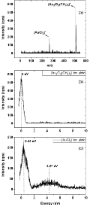
A combined gas-phase dissociative ionization, dissociative electron attachment and deposition study on the potential FEBID precursor [Au(CH3)2Cl]2
Beilstein J. Nanotechnol. 2023, 14, 1178–1199, doi:10.3762/bjnano.14.98
- Elif Bilgilisoy Ali Kamali Thomas Xaver Gentner Gerd Ballmann Sjoerd Harder Hans-Peter Steinruck Hubertus Marbach Oddur Ingolfsson Physikalische Chemie II, Friedrich-Alexander Universität Erlangen-Nürnberg, 91058 Erlangen, Germany Science Institute and Department of Chemistry, University of
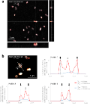
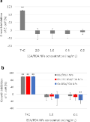
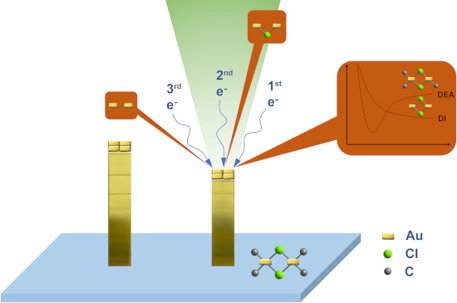
- Iceland, Dunhagi 3, 107 Reykjavík, Iceland Inorganic and Organometallic Chemistry, Universität Erlangen-Nürnberg, 91058 Erlangen, Germany Carl Zeiss SMT GmbH, 64380 Roßdorf, Germany 10.3762/bjnano.14.98 Abstract Motivated by the potential of focused-electron-beam-induced deposition (FEBID) in the



Elasticity, an often-overseen parameter in the development of nanoscale drug delivery systems
Beilstein J. Nanotechnol. 2023, 14, 1149–1156, doi:10.3762/bjnano.14.95
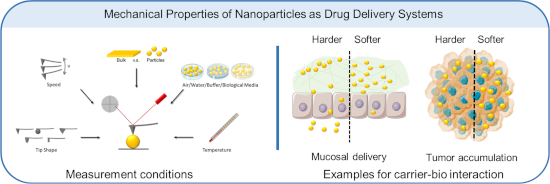
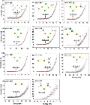
- , translation to the clinics or even market approval often fails. So far, the reason for this discrepancy is manifold. Physicochemical properties such as size, surface potential, and surface chemistry are in focus of research for many years. Other equally important parameters, influencing whether a successful


Properties of tin oxide films grown by atomic layer deposition from tin tetraiodide and ozone
Beilstein J. Nanotechnol. 2023, 14, 1085–1092, doi:10.3762/bjnano.14.89
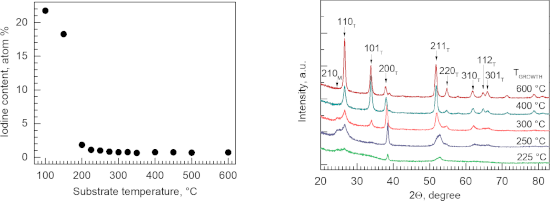
- ]. The SnO2 films grown at 300 and 500 °C, that is, those with low residual iodine content, were analysed ex situ in terms of surface chemistry using soft X-ray spectroscopy methods. The Sn 3d XPS data (Figure 10a) show almost identical spectra for the samples deposited at 300 and 500 °C, and the narrow
- film grew with the deposition temperature. Films grown at 200 °C and lower temperatures did not exhibit ordered structure and contained high amounts of residual iodine. Also, the oxygen fraction was larger than that expected from stoichiometric SnO2. Starting from about 300 °C, the precursor chemistry


A visible-light photodetector based on heterojunctions between CuO nanoparticles and ZnO nanorods
Beilstein J. Nanotechnol. 2023, 14, 1018–1027, doi:10.3762/bjnano.14.84
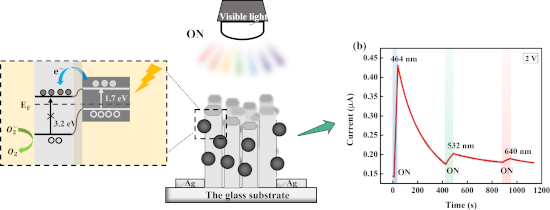
- studied and optimized to achieve higher performance and to reduce response and decay times in the future. Experimental Materials The chemical materials used in this report were zinc oxide nanoparticles (ZnO NPs, 99%, Sigma-Aldrich Chemistry), hexamethylenetetramine (HTMA, 99%, C6H12N4, Xilong Scientific
- ), zinc nitrate hexahydrate (Zn(NO3)2·6H2O, 99%, Xilong Scientific), copper(II) nitrate pentahydrate (Cu(NO3)2·5H2O, 99%, Xilong Scientific), sodium hydroxide (NaOH, 99%, Sigma-Aldrich Chemistry), ethanol (C2H5OH, 99.5%, Chemsol), and acetone (CH3OCH3, 99.7%, Chemsol). Synthesis process The synthesis


Exploring internal structures and properties of terpolymer fibers via real-space characterizations
Beilstein J. Nanotechnol. 2023, 14, 1004–1017, doi:10.3762/bjnano.14.83
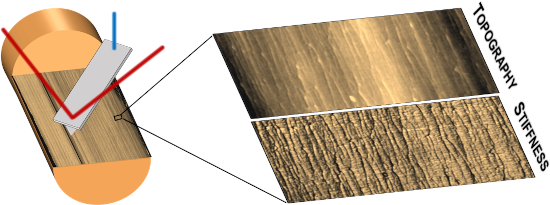
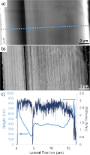
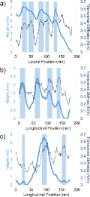
- microscope mapping to characterize the internal structure and local mechanical properties within Technora® fibers. We find a highly fibrillated structure that appears to connect with both the fiber’s molecular chemistry and full-fiber mechanical properties. In addition, through detailed comparisons with
- , this distinction in fundamental chemistry has significant implications for the structures and properties of the resulting fibers. To date, structure–property characterizations of Technora® in the literature have primarily focused on (i) X-ray diffraction (XRD), (ii) nuclear magnetic resonance (NMR
- . Nevertheless, Ozawa hypothesized that well-aligned, extended chain molecules consisting of 50% PPTA concentration could still effectively transfer applied loads between adjacent chains [1]. These previous characterizations of the molecular chemistry of Technora® appear to explain the branched network of






Nanoarchitectonics of photothermal materials to enhance the sensitivity of lateral flow assays
Beilstein J. Nanotechnol. 2023, 14, 988–1003, doi:10.3762/bjnano.14.82
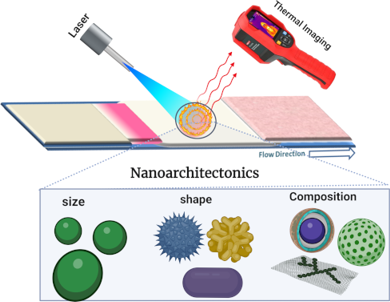
- ). Different types of nanoparticles are used, depending on their physical and chemical properties [28]. Classification of photothermal nanomaterials The photothermal properties of nanomaterials mainly depend on chemistry and architecture of the materials [32]. Nanomaterials exhibiting NIR absorption and
- possessing well-engineered characteristics in terms of size, shape, and composition are regarded as potential candidates for diverse photothermal applications, including photothermal LFAs. Photothermal materials can be categorized into four main types, depending on their chemistry and light absorption
- application in photothermal LFA. Size-dependent photothermal properties Gold nanoparticles have benefits in the field of diagnostics because of their high absorption cross section, LSPR, ease of preparation, stability, and variable surface chemistry [48]. Most importantly, the high number of synthesis methods


Fragmentation of metal(II) bis(acetylacetonate) complexes induced by slow electrons
Beilstein J. Nanotechnol. 2023, 14, 980–987, doi:10.3762/bjnano.14.81
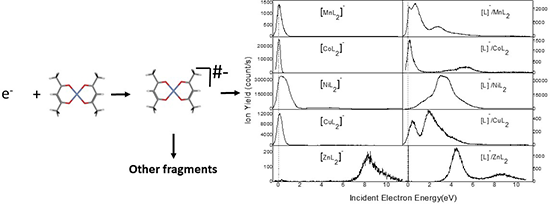
- attachment. The reported data may contribute to a better understanding of the physical chemistry underlying the electron–molecule interactions, which is crucial for potential applications of these molecular systems in the deposition of nanoscale structures. Keywords: dissociative electron attachment; gas
- complexes, it is desirable to investigate the physical chemistry, in particular, the processes induced by the interaction of these molecular systems with low-energy electrons. We performed a series of collision experiments of low-energy electrons with metal bis(acetylacetonate)s, ML2, where M and L
- the dissociation products and the pathways for anion production will contribute to a better understanding of the fundamental chemistry of ML2 compounds. This is desirable for potential applications requiring the knowledge of decomposition of such organometallic complexes by particles (e.g., electron


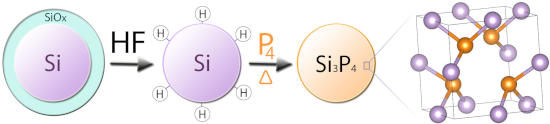
Isolation of cubic Si3P4 in the form of nanocrystals
Beilstein J. Nanotechnol. 2023, 14, 971–979, doi:10.3762/bjnano.14.80
- Polina K. Nikiforova Sergei S. Bubenov Vadim B. Platonov Andrey S. Kumskov Nikolay N. Kononov Tatyana A. Kuznetsova Sergey G. Dorofeev Department of Chemistry, Lomonosov Moscow State University, 1-3 Leninskie Gory, Moscow, Russia Shubnikov Institute of Crystallography, Federal Scientific Research


Metal-organic framework-based nanomaterials for CO2 storage: A review
Beilstein J. Nanotechnol. 2023, 14, 964–970, doi:10.3762/bjnano.14.79
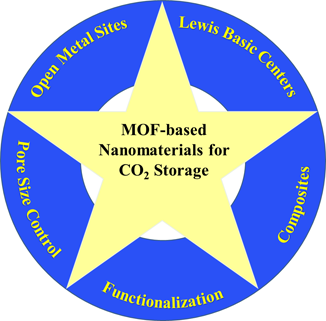
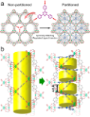
- 2010 American Chemical Society. This content is not subject to CC BY 4.0. Schematic illustration for the preparation of a CuBTC-NH2 nanomaterial. Figure 2 was republished with permission of The Royal Society of Chemistry, from [27] (“Amino substituted Cu3(btc)2: a new metal–organic framework with a
- Royal Society of Chemistry, from [38] (“A route to drastic increase of CO2 uptake in Zr metal organic framework UiO-66” by C. H. Lau et al., Chem. Commun., vol. 49, © 2013); permission conveyed through Copyright Clearance Center, Inc. This content is not subject to CC BY 4.0. Graphic illustration of the




Low temperature atomic layer deposition of cobalt using dicobalt hexacarbonyl-1-heptyne as precursor
Beilstein J. Nanotechnol. 2023, 14, 951–963, doi:10.3762/bjnano.14.78
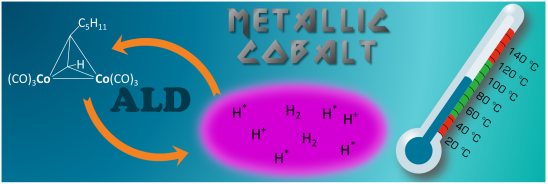
- technological support. We also thank the colleagues N. Rüffer and H. Lang of the Professorship Inorganic Chemistry of the University of Technology Chemnitz for providing the precursor [Co2(CO)6HC≡CC5H11]. Parts of this work have been presented at the EUROCVD / Baltic ALD conference in Leuven 2023 [45]. Funding


Upscaling the urea method synthesis of CoAl layered double hydroxides
Beilstein J. Nanotechnol. 2023, 14, 927–938, doi:10.3762/bjnano.14.76
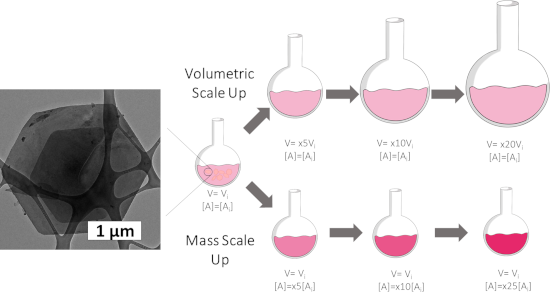
- hydroxides; layered double hydroxide; layered materials; scale-up process; synthesis; two-dimensional materials; Introduction Since the discovery of graphene [1], research on two-dimensional (2D) materials has become one of the most relevant topics in physics, chemistry, and (nano)materials science [2][3][4


Antibody-conjugated nanoparticles for target-specific drug delivery of chemotherapeutics
Beilstein J. Nanotechnol. 2023, 14, 912–926, doi:10.3762/bjnano.14.75
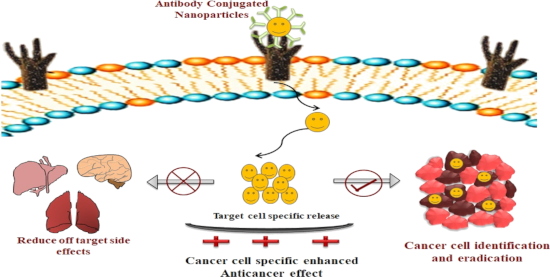
- the interaction between antibodies and NP surfaces [45][46]. The most commonly used covalent binding techniques are related to the interaction between NPs and antibodies via carbodiimide crosslinker chemistry, maleimide-activated crosslinker chemistry, and click chemistry. Carbodiimide chemistry
- . In a two-step reaction, NHS/sulfo-NHS evades the intra- and intermolecular cross-linking of the antibodies as the antibodies have both amine and carboxyl groups [48]. Acharya et al. prepared rapamycin-loaded polymeric PLGA NPs and conjugated them with cetuximab using EDC/NHS cross-linking chemistry
- . Maleimide chemistry: Maleimide chemistry is another covalent immobilization technique, which comprises binding through thiol groups (–SH) of the antibodies. This oriented covalent conjugation technique requires various steps, such as chemical modification achieved either by oxidation of sugar moieties or



Ni, Co, Zn, and Cu metal-organic framework-based nanomaterials for electrochemical reduction of CO2: A review
Beilstein J. Nanotechnol. 2023, 14, 904–911, doi:10.3762/bjnano.14.74
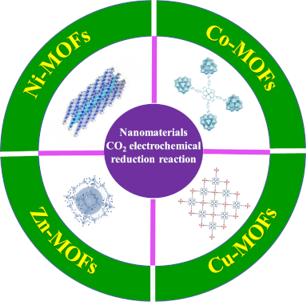
- field of CO2RR. Schematic illustration of CO2RR for various chemicals production. Republished with permission of The Royal Society of Chemistry, from [38], (“CO2 electrochemical reduction on metal-organic framework catalysts: current status and future directions” by D. Narváez-Celada and A. S. Varela, J
- 2D Ni(Im)2-15 nm, (d) durability test and FE of 2D Ni(Im)2-5 nm at −0.85 V vs RHE for 14 h. Figure 2 was adapted with permission of The Royal Society of Chemistry, from [39], (“Ultrathin 2D nickel zeolitic imidazolate framework nanosheets for electrocatalytic reduction of CO2” by J.-X. Wu et al
- ., published by The Royal Society of Chemistry, distributed under the terms of the Creative Commons Attribution-Non Commercial 3.0 Unported Licence, https://creativecommons.org/licenses/by-nc/3.0/). This content is not subject to CC BY 4.0.


Green SPIONs as a novel highly selective treatment for leishmaniasis: an in vitro study against Leishmania amazonensis intracellular amastigotes
Beilstein J. Nanotechnol. 2023, 14, 893–903, doi:10.3762/bjnano.14.73
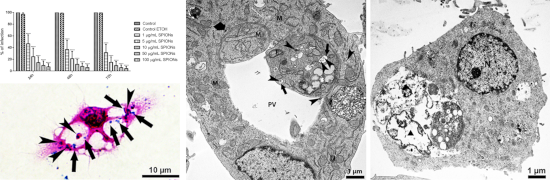
- applied using an alternating field of 30 mT with a frequency of 452 kHz for 40 min. The results showed that magnetic hyperthermia was efficient in killing L. mexicana axenic amastigotes [12]. Another study demonstrated the anti-Leishmania effect of magnetic nanoparticles synthesized by green chemistry in


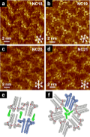
Two-dimensional molecular networks at the solid/liquid interface and the role of alkyl chains in their building blocks
Beilstein J. Nanotechnol. 2023, 14, 872–892, doi:10.3762/bjnano.14.72
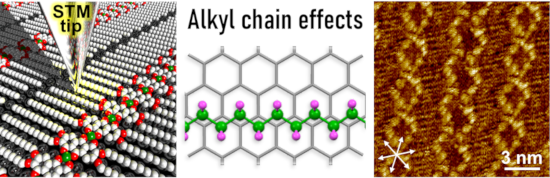
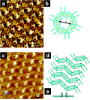
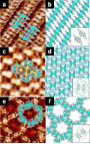
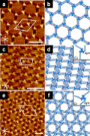
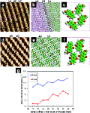
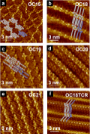
- packing and completely adsorbed molecules (f). (g–i) Tilted view of the double-deck assembly. (j) Side view of the complete double-deck packing (C16m). The black lines indicate the threefold symmetric axes of the HOPG lattice. Figure 4 was adapted with permission of The Royal Society of Chemistry, from
- tunneling microscopy at the solid/liquid interface”, © 2020 Y. Kikkawa et al., published by The Royal Society of Chemistry, distributed under the terms of the Creative Commons Attribution-Non Commercial 3.0 Unported Licence, https://creativecommons.org/licenses/by-nc/3.0/). This content is not subject to CC
- Royal Society of Chemistry, from [109], (“Halogen bond-directed self-assembly in bicomponent blends at the solid/liquid interface: effect of the alkyl chain substitution position” by Y. Kikkawa et al., Physical Chemistry Chemical Physics, Vol. 24, Issue 28, © 2022); permission conveyed through Copyright









N-Heterocyclic carbene-based gold etchants
Beilstein J. Nanotechnol. 2023, 14, 865–871, doi:10.3762/bjnano.14.71
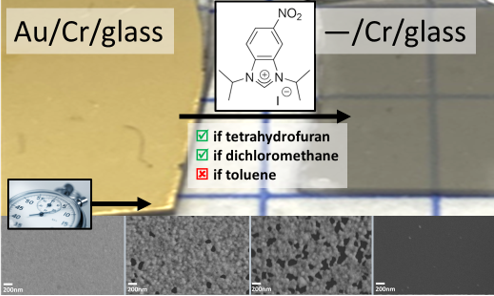
- Robert B. Chevalier Justin Pantano Matthew K. Kiesewetter Jason R. Dwyer Department of Chemistry, University of Rhode Island, 140 Flagg Road, Kingston, RI, 02881, USA 10.3762/bjnano.14.71 Abstract N-Heterocyclic carbenes (NHCs) are an emerging alternative to thiols for the formation of stable
- conditions that the thiol-linked monolayer can be exposed to, prompting the development of alternative surface linking chemistry [12]. N-Heterocyclic carbene (NHC)-based monolayers have received increasing attention for their reported stability under a variety of harsh conditions [11][13][14][15][16]. Indeed



Biomimetics on the micro- and nanoscale – The 25th anniversary of the lotus effect
Beilstein J. Nanotechnol. 2023, 14, 850–856, doi:10.3762/bjnano.14.69

- artificial leaves were used to investigate the influence of wax chemistry and surface wettability on the development of Blumeria graminis, the pathogenic wheat powdery mildew. In “Interaction between honeybee mandibles and propolis”, Saccardi et al. [12] report on the honeybee propolis, a substance used by


Silver-based SERS substrates fabricated using a 3D printed microfluidic device
Beilstein J. Nanotechnol. 2023, 14, 793–803, doi:10.3762/bjnano.14.65
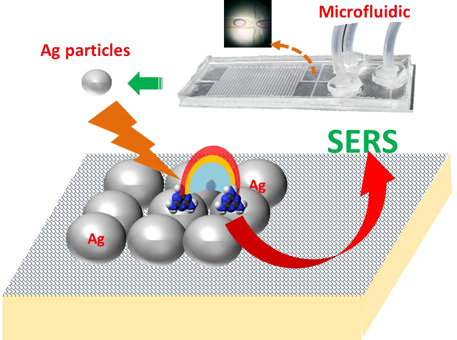
- formation of a charge-transfer complex between chemisorbed species and matrix material, which yields enhancement when the excitation frequency resonates with a charge-transfer transition [7]. Noble metal nanoparticles (NPs) have gained much popularity in various fields, such as analytical chemistry and
- catalytic chemistry, where they have been used to develop localized surface plasmon resonance (LSPR) and SERS substrates [8]. For example, Ag NPs yield a strong SERS effect at relatively low cost. However, an issue often encountered in synthetic approaches is the non-uniformity of the Ag NPs. Homogeneous Ag



In situ magnesiothermic reduction synthesis of a Ge@C composite for high-performance lithium-ion batterie anodes
Beilstein J. Nanotechnol. 2023, 14, 751–761, doi:10.3762/bjnano.14.62
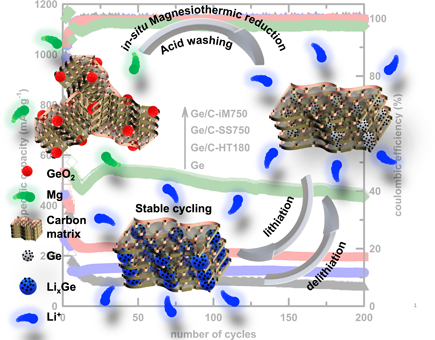
- National University of Education, 136 Xuan Thuy, Cau Giay, 11300, Hanoi, Vietnam Applied Physical Chemistry Laboratory, University of Science, Viet Nam National University Ho Chi Minh City, 70000, Vietnam Department of Chemistry and Nanoscience, Ewha Womans University, Seoul 120-750, South Korea 10.3762


Control of morphology and crystallinity of CNTs in flame synthesis with one-dimensional reaction zone
Beilstein J. Nanotechnol. 2023, 14, 741–750, doi:10.3762/bjnano.14.61
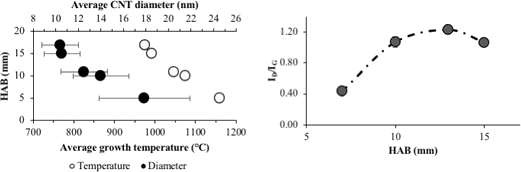
- temperature field and the gas phase chemistry evolve concurrently inside the flame [24]; thus, particle formation and CNT growth occur almost instantaneously. The rapid particle formation from the surface breakup produces a heterogenous particle size distribution. Consequently, particle bundles can be





