Search results
Search for "flow" in Full Text gives 950 result(s) in Beilstein Journal of Nanotechnology. Showing first 200.
Frontiers of nanoelectronics: intrinsic Josephson effect and prospects of superconducting spintronics
Beilstein J. Nanotechnol. 2023, 14, 79–82, doi:10.3762/bjnano.14.9

- : artificial neural networks; functional nanostructures; intrinsic Josephson effect; nanoelectronics; spintronics; The twenty-first century is marked by an explosive growth in the flow of information, which is necessary to process, archive, and transmit data through communication systems. For that purpose
Gap-directed chemical lift-off lithographic nanoarchitectonics for arbitrary sub-micrometer patterning
Beilstein J. Nanotechnol. 2023, 14, 34–44, doi:10.3762/bjnano.14.4
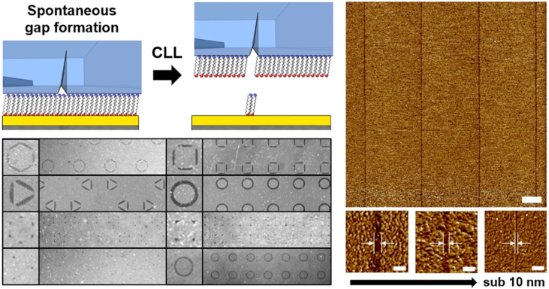
- , sequentially rinsed with acetone and isopropanol, and blown dry with nitrogen gas. To conduct CLL processes, a PDMS stamp was activated by 30 s of oxygen plasma exposure at a power of 18 W with 0.5 mbar oxygen flow. The stamp was then conformally sealed onto the SAM-modified Au substrate for 2 h under ambient


Atmospheric water harvesting using functionalized carbon nanocones
Beilstein J. Nanotechnol. 2023, 14, 1–10, doi:10.3762/bjnano.14.1
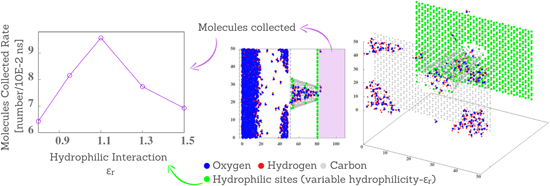
- occurs due to the presence of hydrophilic sites at the nanocone entrance. The functionalization, together with the high mobility of water inside nanostructures, leads to a fast water flow through the nanostructure. We show using molecular dynamics simulations that this device is able to collect water if
- addition to the hydrophobicity described above. The phenomena of density increasing with temperature at constant pressure and diffusion coefficients increasing with density at constant temperature were observed in experiments and simulations in bulk water [22][23][24]. Water presents both super flow and
- slowing down when confined in biological structures with the presence of hydrophobic and hydrophilic sites [25]. Water confined in hydrophobic structures, such as carbon nanotubes with diameters below 2 nm, exhibits a fast flow that exceeds values provided by classical hydrodynamics [26]. This super flow




Utilizing the surface potential of a solid electrolyte region as the potential reference in Kelvin probe force microscopy
Beilstein J. Nanotechnol. 2022, 13, 1558–1563, doi:10.3762/bjnano.13.129
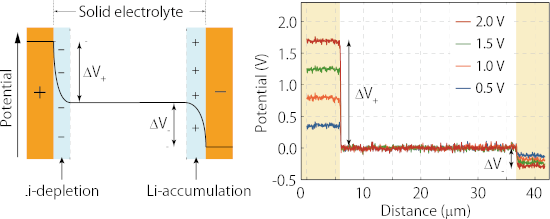
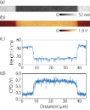
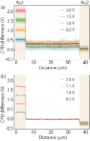
- negative direction, a cathodic current due to the reduction of Ti ions started to flow at around 2.8 V (vs Li/Li+). KPFM measurements were performed in the region across the solid electrolyte (Figure 1a). Figure 3a and Figure 3b display the topography and CPD images, respectively, obtained when 0 V was
- toward the negatively biased electrode, resulting in an ionic current flow. The ion current decays with time and, in principle, becomes zero when the electric field in the solid electrolyte is shielded by the accumulation and depletion of Li ions. Before starting each KPFM measurement, we waited 2–4 min
- measurement The KPFM measurements were performed at room temperature using a commercial atomic force microscope (Park Systems, NX10) placed in an Ar flow glove box (O2: <1 ppm, H2O: <1 ppm). We used Cr/Pt-coated Si cantilevers (Budget Sensors, Multi75E-G) with a nominal resonance frequency of 75 kHz and a




Induced electric conductivity in organic polymers
Beilstein J. Nanotechnol. 2022, 13, 1551–1557, doi:10.3762/bjnano.13.128
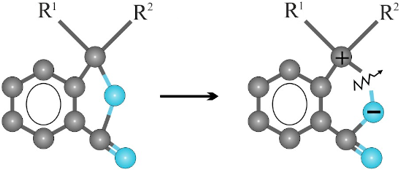
- : the flow of supercurrent between two superconductors separated by a dielectric barrier. However, the correlation of the order parameters of two spatially separated superconductors is a subtle quantum mechanical effect, which in all practical cases is observed at dielectric thicknesses of the order of



Non-stoichiometric magnetite as catalyst for the photocatalytic degradation of phenol and 2,6-dibromo-4-methylphenol – a new approach in water treatment
Beilstein J. Nanotechnol. 2022, 13, 1531–1540, doi:10.3762/bjnano.13.126
- C18 H, with precolumn). The analysis conditions were as follows: mobile phase: 70% acetonitrile and 30% water; flow rate: 1.0 cm3·min−1; injection volume: 20 × 10−3 cm3; absorbance detection: 270 and 310 nm for PhOH and DBMP, respectively. External standards of seven concentration levels ranging from


Facile preparation of Au- and BODIPY-grafted lipid nanoparticles for synergized photothermal therapy
Beilstein J. Nanotechnol. 2022, 13, 1432–1444, doi:10.3762/bjnano.13.118
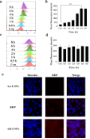
- 30 μM) at 37 °C for 0.5, 1, 2, 4, 6, and 8 h. Then, the cells were washed, digested, and suspended in 500 μL PBS. The fluorescence was detected by flow cytometry (Becton Dickinson FACSAriaIII cell sorter) in PerCP-Cy5.5 channel to detect the fluorescence of BDP according to our previous report [22
- complex nanoparticles with suitable particle size (73 nm) for in vivo application. Besides, at this molar ratio, BDP could be successfully grafted onto the LNPs. Flow cytometry was employed to study the cellular uptake efficiencies of AB-LNPs and free BDP by detecting the fluorescence of BDP in the PerCP
- nanoparticles, which was consistent with the results obtained from flow cytometry. For comparison, no fluorescence could be found in cells treated with Au-LNPs. AB-LNPs showed the highest cellular uptake efficiency after 6 h of incubation. Hence, we chose 6 h incubation time to study the anti-proliferative




Dry under water: air retaining properties of large-scale elastomer foils covered with mushroom-shaped surface microstructures
Beilstein J. Nanotechnol. 2022, 13, 1370–1379, doi:10.3762/bjnano.13.113
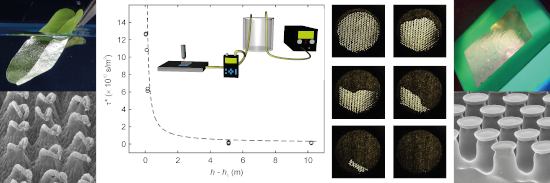
- liquids flow over solid surfaces [29][30]. The highest economic and ecological potential for this technology is the shipping industry [31]. The optimal parameters for stable air retention have been previously investigated [1][32] and theoretical calculations have been performed [33][34][35]. Four criteria


Straight roads into nowhere – obvious and not-so-obvious biological models for ferrophobic surfaces
Beilstein J. Nanotechnol. 2022, 13, 1345–1360, doi:10.3762/bjnano.13.111
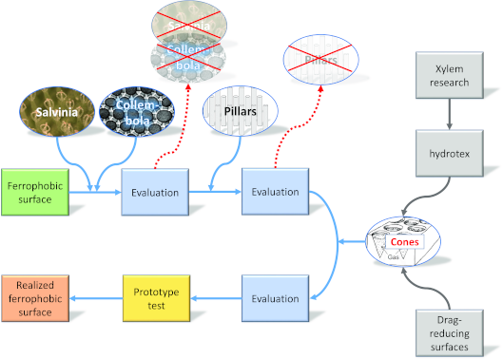
- , Rosenstein 1, D-70191 Stuttgart, Germany 10.3762/bjnano.13.111 Abstract There are currently efforts to improve strategies for biomimetic approaches, to identify pitfalls and to provide recommendations for a successful biomimetic work flow. In this contribution, a case study of a concrete biomimetic project
- both biological models for the tuyère problem. Instead, a seemingly not obvious biological model was identified, namely micropores within the cell walls of water-transporting conduits of plants that connect the conduits to a three-dimensional flow network. These specially shaped pores are assumed to be
- represented by a sequence of projects in which the co-authors of this paper were involved in different combinations. The underlying biomimetic problems and physical as well as biological topics just provided the vehicle to describe the flow of concepts, inspirations and transfer problems. Perspective The


Recent trends in Bi-based nanomaterials: challenges, fabrication, enhancement techniques, and environmental applications
Beilstein J. Nanotechnol. 2022, 13, 1316–1336, doi:10.3762/bjnano.13.109
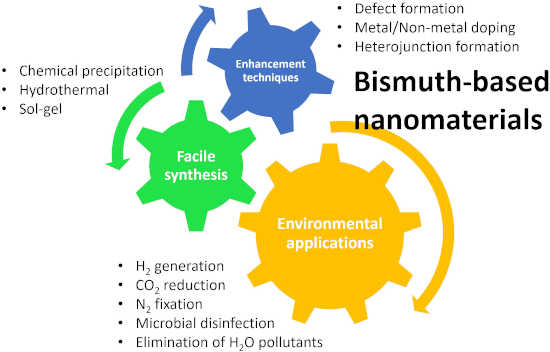
- -type Bi2S3 is somewhat close to the CB. In a heterojunction from n-type Bi2O3 and p-type Bi2S3, electrons flow from n-type Bi2O3 to p-type Bi2S3, and holes flow from p-type Bi2S3 with a low Fermi level to n-type Bi2O3 with a high Fermi level. As a consequence of this, negative charges build up in Bi2S3
- often employed to offer an intermediary conduit for electrons to flow from the CB of semiconductor II (SC II) to the VB of semiconductor I (SC I), making the charge transfer easier [38]. A solid substance or a redox couple in solution may serve as a mediator in the Z-scheme. This dual absorber system
- performance of heterojunction photocatalysts, researchers have recently proposed an S-scheme heterojunction [45]. Separating photoinduced electrons and holes with an S-scheme heterojunction efficiently preserves the promising redox properties of semiconductors. It is common for electrons to flow from the CB




Bending and punching characteristics of aluminum sheets using the quasi-continuum method
Beilstein J. Nanotechnol. 2022, 13, 1303–1315, doi:10.3762/bjnano.13.108
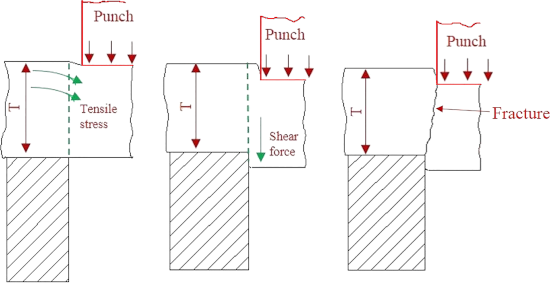
- the cutting surfaces. According to previous research, this phenomenon is due to a too small taper that hinders the material flow during punching [64]. In contrast, the 10° taper angle punch shows smooth cutting surfaces; therefore, this taper angle is more suitable for this punching process





Laser-processed antiadhesive bionic combs for handling nanofibers inspired by nanostructures on the legs of cribellate spiders
Beilstein J. Nanotechnol. 2022, 13, 1268–1283, doi:10.3762/bjnano.13.105
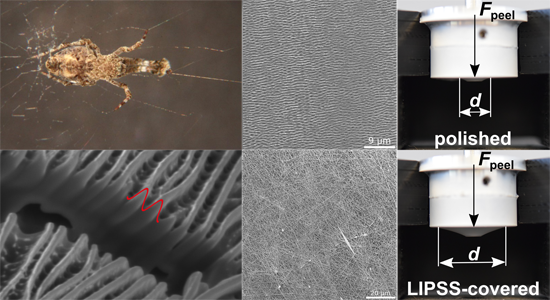
- Standard Gr. 1 G20 x 1 ½’’, B. Braun SE, Melsungen, Germany) using a custom-made syringe pump at a flow rate between 0.2 to 0.3 mL/h (Figure 11a) equipped with a 1 mL plastic syringe (Omnifix-F, B. Braun SE, Melsungen, Germany). The sample fixed on an aluminium sample carrier was placed horizontally






Studies of probe tip materials by atomic force microscopy: a review
Beilstein J. Nanotechnol. 2022, 13, 1256–1267, doi:10.3762/bjnano.13.104
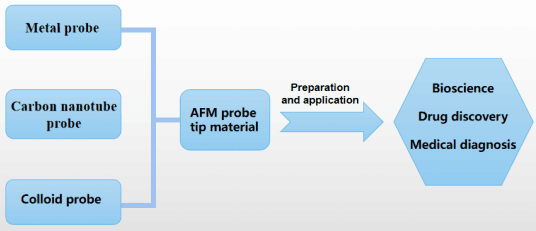
- does it generate catalyst patterns in advance. In order to proceed safely and cost-effectively, the method uses mainly ethanol as the carbon source with a 4% flow gravity of hydrogen gas. Notably, using this tip array allows the growth method to be further optimized to produce the highest percentage of
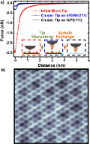
- keep its original shape. Low-resistance ohmic contacts between the metal surface and the PdNWCNT probe were confirmed. Moreover, repeated current flow and surface contact did not cause any damage to PdNWCNTs, indicating that the PdNWCNT probe is suitable for multi-probe conductivity measurement. In the
Application of nanoarchitectonics in moist-electric generation
Beilstein J. Nanotechnol. 2022, 13, 1185–1200, doi:10.3762/bjnano.13.99
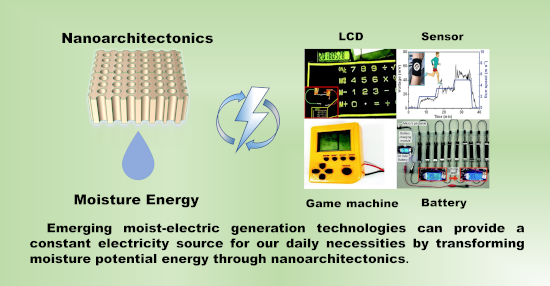
- ]. This viewpoint was confirmed by many experiments later, such as the electrical signal generated by the flow of water through single-walled carbon nanotubes [7], carbon nanosheets [8], and nanoparticles [9]. Regarding the principle of this phenomenon, the common explanation is that charge transfer
- cylindrical, the potential change (ΔV) is given by [10]: where ε is the dielectric constant of the fluid, ε0 is the vacuum permittivity, R is the flow resistance of the channel, ζ is the zeta potential of the ionic double layer on the channel surfaces, η is the liquid viscosity, C is the ionic concentration
- , µ is the effective ionic mobility, and ν is the liquid flow rate, which plays an important role in MEGs. The flow potential is a reflection of the joint action of the fluid and the nanochannel, so it can be shown from Equation 1 that various parameters of the nanochannel material, such as flow


Rapid fabrication of MgO@g-C3N4 heterojunctions for photocatalytic nitric oxide removal
Beilstein J. Nanotechnol. 2022, 13, 1141–1154, doi:10.3762/bjnano.13.96
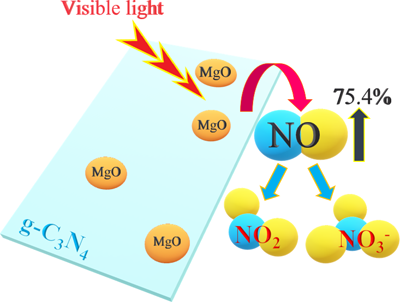
- photocatalytic activity of as-prepared MgO@g-C3N4 was evaluated by monitoring NO degradation. The photocatalytic NO removal experiments were performed using a 4.5 L reaction chamber and a Xenon lamp (300 W) as the visible light source. The initial NO concentration was 500 ppb, the flow rate was 1.5 L·min−1, and
- calculated by using Equations 1–4: [41][42][43]: where CNO is the concentration of NO (ppb), CNO2 is the concentration of NO2 (ppb), the index “i” represents the initial concentration, and the index “f” represents the final concentration. NA is the Avogadro constant (mol−1), Vt is the flow rate of NO (L·min





A cantilever-based, ultrahigh-vacuum, low-temperature scanning probe instrument for multidimensional scanning force microscopy
Beilstein J. Nanotechnol. 2022, 13, 1120–1140, doi:10.3762/bjnano.13.95
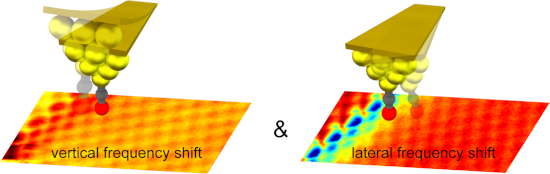
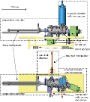
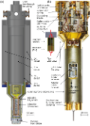
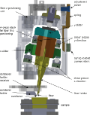
- the connectors on the cryostat bottom plate and feedthroughs of the UHV system, low-heat-conductive phosphor bronze wires [41] are used. The wires run down along the LHe tank with several attachment points to further reduce the heat flow from the room-temperature UHV flange connectors to the cryostat





Recent advances in green carbon dots (2015–2022): synthesis, metal ion sensing, and biological applications
Beilstein J. Nanotechnol. 2022, 13, 1068–1107, doi:10.3762/bjnano.13.93




Numerical study on all-optical modulation characteristics of quantum cascade lasers
Beilstein J. Nanotechnol. 2022, 13, 1011–1019, doi:10.3762/bjnano.13.88
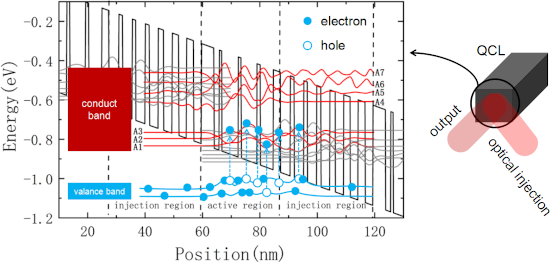
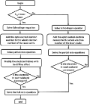
- study of the all-optical modulation of QCLs. A flow chart of the numerical calculations for the all-optical modulation of QCLs is shown in Figure 1. Here, we modify our numerical model in two cases. The first case is when modulating the laser wavelength to greater than the lower laser subband of the


Effects of focused electron beam irradiation parameters on direct nanostructure formation on Ag surfaces
Beilstein J. Nanotechnol. 2022, 13, 1004–1010, doi:10.3762/bjnano.13.87
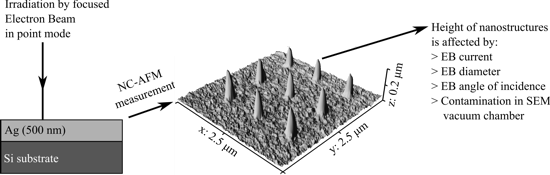
- molecules, whose products of dissociation are deposited on the irradiated area [9][10][11]. Normally, precursor molecules are intentionally delivered to the irradiated area by a gas flow. However, residual gases in the vacuum chamber can also be used as a precursor for EBID. Nanostructures produced from
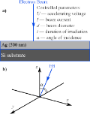
- angle of incidence of the EB, as seen in Figure 4 and Figure 5, could be explained by a decreased component of electron energy/energy flow along the surface normal. The displacement of the nanostructure peaks away from the EB (Figure 5, α = 10°) could be related to the destructive effects of high-energy




Comparing the performance of single and multifrequency Kelvin probe force microscopy techniques in air and water
Beilstein J. Nanotechnol. 2022, 13, 922–943, doi:10.3762/bjnano.13.82
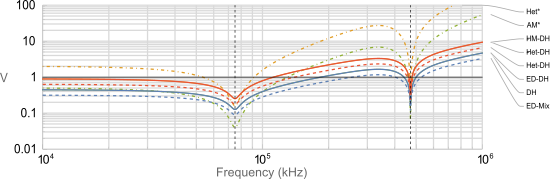
- minimizing the required low VAC needed for operation in order to avoid the associated problems, for example, current flow, electrodeposition, or Faradaic reactions [9]. For this assessment, a number of simplifying assumptions have been made: (1) We use a simple spherical model of tip–sample capacitance [2
DNA aptamer selection and construction of an aptasensor based on graphene FETs for Zika virus NS1 protein detection
Beilstein J. Nanotechnol. 2022, 13, 873–881, doi:10.3762/bjnano.13.78
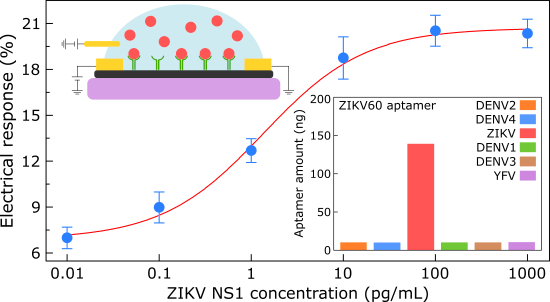
- solution dispersed in 1 mM PBS (phosphate-buffered saline: 0.0001 M phosphate buffer, 0.000027 M potassium chloride, and 0.00137 M sodium chloride), pH 7.4. After incubation, the graphene devices were rinsed with 1 mM PBS, followed by sequential rinsing with deionized water and drying in a nitrogen flow



Micro-structures, nanomechanical properties and flight performance of three beetles with different folding ratios
Beilstein J. Nanotechnol. 2022, 13, 845–856, doi:10.3762/bjnano.13.75
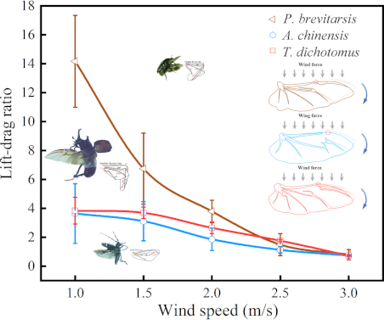
- brevitarsis) were captured during wind tunnel tests and, based on the results, bioinspired wings and a linkage-mechanism flapping system were designed [26]. The flow behavior of live rhinoceros beetle flapping hind wings was studied by using a smoke wind tunnel and a high-speed camera [30]. Combining wind
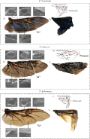
- , three beetle species from different living environments were selected to explore the influence of different folding ratios on their flight performance through wind tunnel tests. The aspect ratios and flapping frequencies and the influence of the flow velocity on their lift-to-drag ratio are discussed in
- time remained constant at 10 μN/s and 10 s, respectively. Wind tunnel The wind tunnel test was performed in a low-speed straight-flow wind tunnel at the Key Laboratory of Bionic Engineering, Jilin University, China. The main parameters of the wind tunnel are shown in Table 2. The abdomen of the beetle




Ultrafast signatures of magnetic inhomogeneity in Pd1−xFex (x ≤ 0.08) epitaxial thin films
Beilstein J. Nanotechnol. 2022, 13, 836–844, doi:10.3762/bjnano.13.74
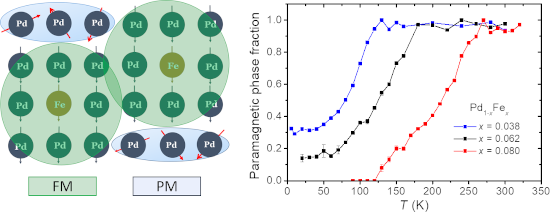
- measurements at temperatures from 4.2 to 300 K, the films under study were mounted to the cold finger of the Janis ST-500 helium-flow cryostat. Permanent NdFeB magnets were fixed there, creating a magnetic field directed along the easy axis of the thin film in its plane with a magnitude of 470 Oe at room


Temperature and chemical effects on the interfacial energy between a Ga–In–Sn eutectic liquid alloy and nanoscopic asperities
Beilstein J. Nanotechnol. 2022, 13, 817–827, doi:10.3762/bjnano.13.72
- between two elastic solids is not provided in our experiments, and liquid flow will likely alter the calculated work of adhesion values. These values should thus be taken as rough estimates. With the manufacturer’s data for the tip radius (RSiOx = 7 nm and RPtSi = RAu = 25 nm), we calculate the following
- the meniscus flow of the eutectic Ga–In–Sn melt upon retraction, the adsorption of a thin water layer is likely to modify the surface energy of the liquid neck upon pulling and affect the above results. The analysis of the interfacial energy from AFM adhesion measurements is thus complicated by the
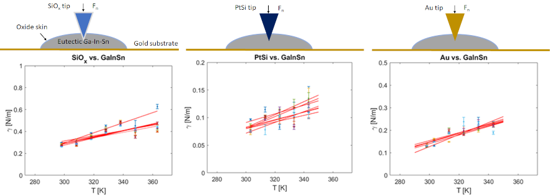
- interface and may involve a flow of the liquid sample, the tip–liquid interface geometry is better defined upon penetration of the tip in the liquid. Figure 5 shows the temperature and velocity dependences of the interfacial energy between eutectic Ga–In–Sn melt and three AFM tips of SiOx, PtSi, and Au. For



Hierachical epicuticular wax coverage on leaves of Deschampsia antarctica as a possible adaptation to severe environmental conditions
Beilstein J. Nanotechnol. 2022, 13, 807–816, doi:10.3762/bjnano.13.71
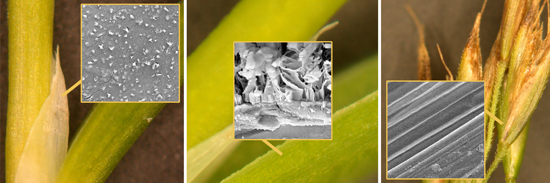
- thawing, water drops flow off the surface and therefore cannot be potentially re-frozen. The study demonstrated the following effects caused by the wax coverage: (i) Air pockets between wax projections prevent direct contact between the plant cuticle and ice crystals, and (ii) after thawing, the fluid
- projections. This, in turn, helps to keep an air layer between the wax particles under conditions of reduced water vapor. Moreover, superhydrophobic surfaces in combination with strong air flow can lead to newly formed ice particles being blown off, since the real contact area and, consequently, the adhesion