


Search results
Search for "mobility" in Full Text gives 473 result(s) in Beilstein Journal of Nanotechnology. Showing first 200.
Oblique angle deposition of nickel thin films by high-power impulse magnetron sputtering
Beilstein J. Nanotechnol. 2019, 10, 1914–1921, doi:10.3762/bjnano.10.186
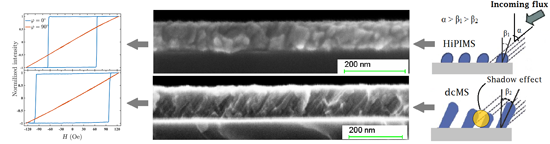
- as less inclined grain growth [58]. In addition, in the HiPIMS process, energetic ions are likely to have enough kinetic energy to induce some mobility of the film forming species on the film surface, which eliminates the columnar growth caused by the shadow effect. Greczynki et al. [42] and Elofsson


Preservation of rutin nanosuspensions without the use of preservatives
Beilstein J. Nanotechnol. 2019, 10, 1902–1913, doi:10.3762/bjnano.10.185
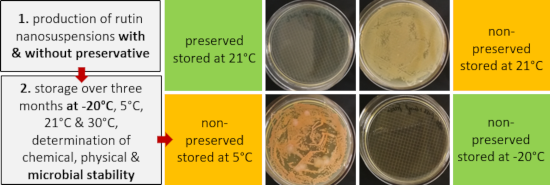
- . Measurements were performed via laser-Doppler-anemometry (LDA) by using a Zetasizer Nano ZS (Malvern Panalytical GmbH, Germany), which determines the electrophoretic mobility (EM), which was then converted into the ZP by using the Helmholtz–Smoluchowski equation [21]. Determination of antioxidant capacity: The


Charge-transfer interactions between fullerenes and a mesoporous tetrathiafulvalene-based metal–organic framework
Beilstein J. Nanotechnol. 2019, 10, 1883–1893, doi:10.3762/bjnano.10.183
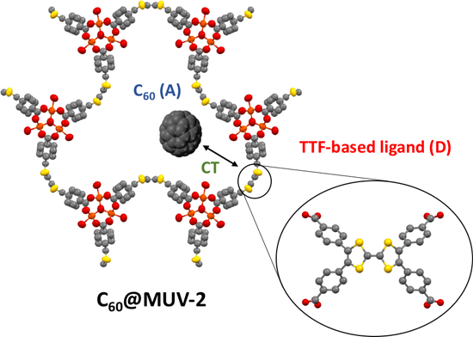
- ]. Whereas most MOFs are electrical insulators, some have shown to exhibit excellent electrical conductivity and high charge mobility. This was achieved either by an appropriate choice of the building units to form electronically delocalised frameworks, or by incorporating electroactive guest molecules in




Fabrication and characterization of Si1−xGex nanocrystals in as-grown and annealed structures: a comparative study
Beilstein J. Nanotechnol. 2019, 10, 1873–1882, doi:10.3762/bjnano.10.182
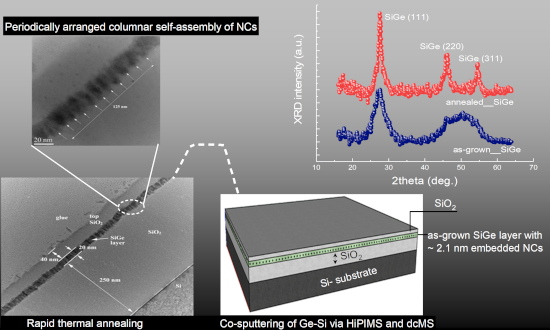
- interface traps (known as Pb-type defects). These interface traps produce scattering centers that can affect the mobility of charge carriers, thus altering the transport properties [11]. Moreover, sharp interfaces with an abrupt change in the dielectric constant or thermal expansion coefficients give rise


Prestress-loading effect on the current–voltage characteristics of a piezoelectric p–n junction together with the corresponding mechanical tuning laws
Beilstein J. Nanotechnol. 2019, 10, 1833–1843, doi:10.3762/bjnano.10.178
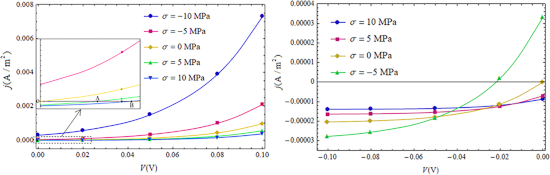
- NEMC in the p-zone and denotes NEMC in the n-zone; jn and jp are the minority current densities, respectively. (µp, Dp) and (µn, Dn) are mobility and diffusion coefficients of holes and electrons, respectively. The continuity equation of NEMC can be obtained as follows by perturbation of small fields
- analysis of a piezoelectric p–n junction under a bias voltage The mobility coefficients of holes and electrons of CdS at 300 K are (µp, µn) = (0.005, 0.034) m2/V·s [34][35], and the corresponding diffusion constants can be obtained from the Einstein relation as (Dp, Dn) = (µp, µn)kT/q. In the following, we




Toxicity and safety study of silver and gold nanoparticles functionalized with cysteine and glutathione
Beilstein J. Nanotechnol. 2019, 10, 1802–1817, doi:10.3762/bjnano.10.175
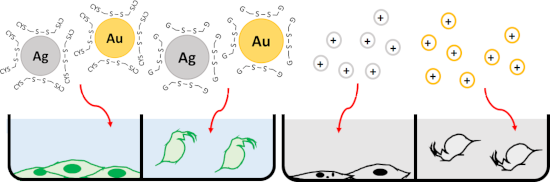
- measuring the electrophoretic mobility, which was converted to zeta potential (ζ) values using the Henry equation with the Smoluchowski approximation. The measurements were repeated five times. The DLS and ELS data processing was performed using Zetasizer software 6.32 (Malvern Instruments, Malvern, UK


Remarkable electronic and optical anisotropy of layered 1T’-WTe2 2D materials
Beilstein J. Nanotechnol. 2019, 10, 1745–1753, doi:10.3762/bjnano.10.170
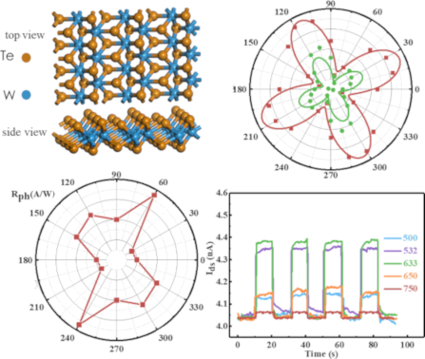
- that 1T’-WTe2 is crystalline with a highly anisotropic optical property. Angle-resolved DC conductance As mentioned above, 1T’-WTe2 has a distorted orthorhombic crystal structure, which is distinctly anisotropic. According to standard mobility theory, the intrinsic mobility may be influenced by
- anisotropic acoustic phonon scatter and elliptic elastic constants (both are relevant to the anisotropic crystalline structure) [31]. One of the consequences of an anisotropic carrier mobility is the anisotropic resistance. Therefore, we also performed angle-resolved DC conductance measurements on the 1T


Upcycling of polyurethane waste by mechanochemistry: synthesis of N-doped porous carbon materials for supercapacitor applications
Beilstein J. Nanotechnol. 2019, 10, 1618–1627, doi:10.3762/bjnano.10.157
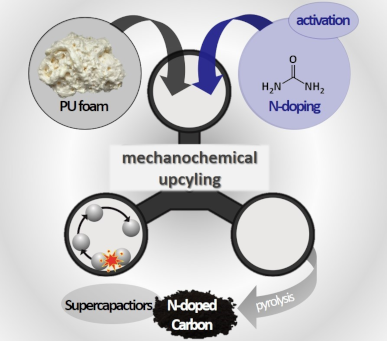
- ). This can be associated with the higher volume ratio of mesopores to micropores, since mesopores are acting as transport pores enabling a fast electrolyte ion mobility [73][74]. Interestingly, the rate capability for this material in organic and ionic liquid electrolytes, however, is worse compared to


Materials nanoarchitectonics at two-dimensional liquid interfaces
Beilstein J. Nanotechnol. 2019, 10, 1559–1587, doi:10.3762/bjnano.10.153
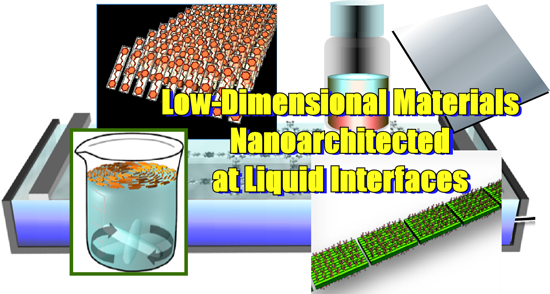
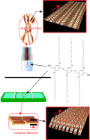
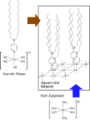
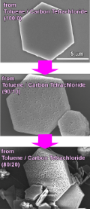
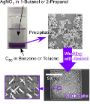
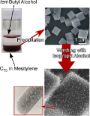
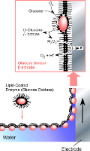
- categorized as interfacial environments with certain degrees of freedom of molecular mobility (dynamism). These interfaces with liquids have several intrinsic features: (i) They are environments of two different phases; (ii) they exhibit a discontinuous change of the dielectric constant; (iii) they are highly
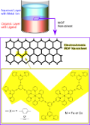
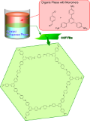
- , distinguishable on/off ratios, and excellent field-effect hole mobility values as high as 48.6 cm2·V−1·s−1 [223]. A COF film interfacially grown at a liquid–gas interface was also incorporated into a FET device and examined. Feldblyum et al. found an imine-linked COF film growing at the interface of air and a N,N
- -dimethylformamide (DMF) solution of COF precursors consisting of benzothiophene and triphenylamine moieties [224]. The interfacially grown film was transferred onto Si substrates in order to fabricate FET devices. The COF-film FET device also exhibited p-type behaviour, an average mobility of 3.0 10−6 cm2·V−1·s−1













Selective gas detection using Mn3O4/WO3 composites as a sensing layer
Beilstein J. Nanotechnol. 2019, 10, 1423–1433, doi:10.3762/bjnano.10.140
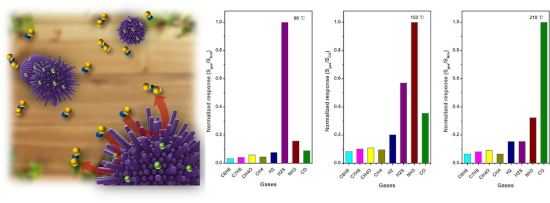
- , the peaks at a binding energy of 641.1 eV and 653 eV are attributed to Mn 2p3/2 and Mn 2p1/2 with a splitting of 11.9 eV, which matches well with Mn3O4 [16][19][20]. The XPS results confirm the existence of crystalline Mn3O4. Gas sensing properties Since the electron mobility in the conduction band is


Kelvin probe force microscopy of the nanoscale electrical surface potential barrier of metal/semiconductor interfaces in ambient atmosphere
Beilstein J. Nanotechnol. 2019, 10, 1401–1411, doi:10.3762/bjnano.10.138
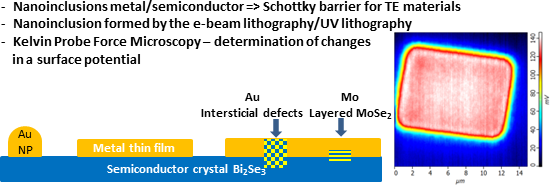
- nanometers for SiO2 on Si [51][52]). In our case it is increased by the electric field and good oxygen mobility in BiOx due to the formation of charged Bi vacancies [59][60]. This assumption is in good agreement with the observed increase of the cut-in potential barrier upon thinning of the Au layer (see


A biomimetic nanofluidic diode based on surface-modified polymeric carbon nitride nanotubes
Beilstein J. Nanotechnol. 2019, 10, 1316–1323, doi:10.3762/bjnano.10.130
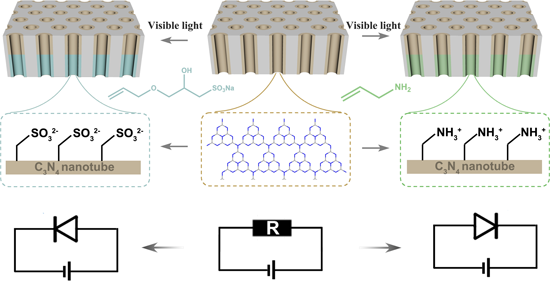
- nitrogen. Moreover, it meets our requirements to fabricate negatively charged carbon nitride nanotubes and a fully condensed conjugated structure that stabilizes the π-electron system for a high charge mobility [25]. The g-CN nanotube membrane (CNNM) was fabricated through vapor deposition–polymerization
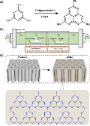


Quantitative analysis of annealing-induced instabilities of photo-leakage current and negative-bias-illumination-stress in a-InGaZnO thin-film transistors
Beilstein J. Nanotechnol. 2019, 10, 1125–1130, doi:10.3762/bjnano.10.112
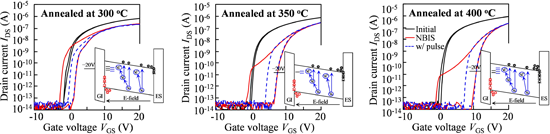
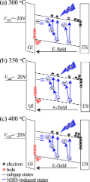
- -panel displays (FPDs). Amorphous InGaZnO (a-IGZO), an outstanding active channel material, is generally adopted in TFTs because of its high electron mobility, great environmental/thermal stability, and preparation versatility. The enhanced mobility of a-IGZO originates from the fact that the electrical
- different temperatures. The extracted electrical parameters as functions of the treatment temperature are listed in Table 1. The field-effect mobility (μsat) is directly proportional to the drain-to-source current (IDS) [9]. The mobility results demonstrate that the post-annealing temperature scarcely


Tailoring the stability/aggregation of one-dimensional TiO2(B)/titanate nanowires using surfactants
Beilstein J. Nanotechnol. 2019, 10, 1024–1037, doi:10.3762/bjnano.10.103
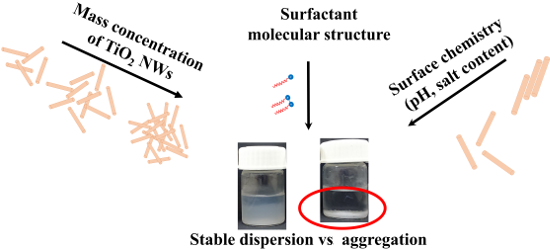
- value at peak maximum of the volume size distribution. The reported results correspond to the average of six measurements. The zeta potential of the particles was calculated from the measured electrophoretic mobility by means of the Henry equation using the Smoluchowski approximation (f(κa) = 1.5). The


Electronic and magnetic properties of doped black phosphorene with concentration dependence
Beilstein J. Nanotechnol. 2019, 10, 993–1001, doi:10.3762/bjnano.10.100
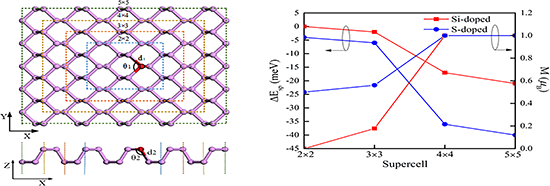
- graphene has led to extensive research efforts on two-dimensional (2D) materials. Although graphene exhibits large carrier mobility and intriguing mechanical properties, its zero bandgap impedes its application in spintronic devices [1][2]. Subsequently, 2D transition-metal dichalcogenides (TMDs) have
- received enormous attention [3][4]. While the electronic properties of TMDs range from metallic (such as NbS2) [5] to semiconducting (such as WS2) [6], the low carrier mobility limits the application of these materials. Recently, black phosphorene has attracted research interest owing to its direct bandgap
- and high carrier mobility [7][8]. Unlike zero-band-gap graphene, the layer-dependent bandgap of black phosphorene ranges from 0.31 to 1.9 eV [9]. The hole-dominated mobility of phosphorene is up to 1000 cm2·V−1·s−1 theoretically [10], which is much higher than that of TMDs. These properties render


Synthesis of MnO2–CuO–Fe2O3/CNTs catalysts: low-temperature SCR activity and formation mechanism
Beilstein J. Nanotechnol. 2019, 10, 848–855, doi:10.3762/bjnano.10.85
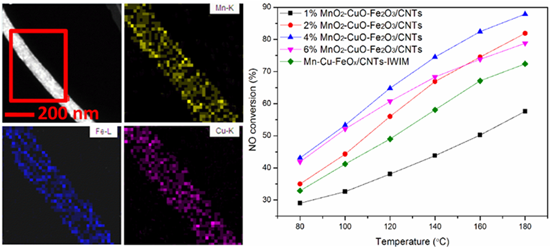
- OS content (Table S2, Supporting Information File 1) of the 4% MnO2–CuO–Fe2O3/CNTs catalyst is 66.7%, whereas it is 36.8% in Mn–Cu–FeOx/CNTs-IWIM catalyst. OS has a higher mobility than OL, which is in favor of the oxidation of NO to NO2, accelerating the SCR reaction [37]. This was also confirmed by




Outstanding chain-extension effect and high UV resistance of polybutylene succinate containing amino-acid-modified layered double hydroxides
Beilstein J. Nanotechnol. 2019, 10, 684–695, doi:10.3762/bjnano.10.68
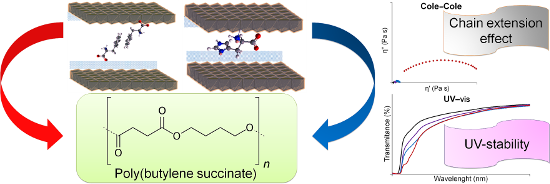
- °C for PBS, −10 °C for PBS–LDH/PHE, −9 °C for PBS–LDH/nitrate and PBS–LDH/HIS) highlight a slight increase with respect to the homopolymer, and therefore, the filler can be assumed to affect the mobility of the chains as a nucleating agent. Photostability of PBS nanocomposites Because all synthesized
- rather than a gel-like transition, this may indicate the presence of a jamming structure due to mobility hindrance of PBS chains as observed for other LDH composites with polystyrene [27] rather that a possible covalent or hydrogen-type bonding between tethered PHE and PBS. The worst behaviour in terms


A carrier velocity model for electrical detection of gas molecules
Beilstein J. Nanotechnol. 2019, 10, 644–653, doi:10.3762/bjnano.10.64
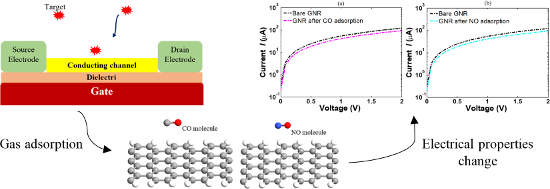
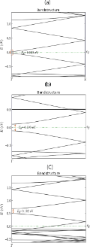
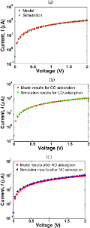
- nanowires and carbon nanotubes, GNRs possess high sensitivity, high electron and hole mobility, chemical stability, low noise, and a large surface-to-volume ratio, properties which are highly desired for gas sensor applications. Electrically, GNRs have shown high sensitivity to their surroundings and




Review of time-resolved non-contact electrostatic force microscopy techniques with applications to ionic transport measurements
Beilstein J. Nanotechnol. 2019, 10, 617–633, doi:10.3762/bjnano.10.62
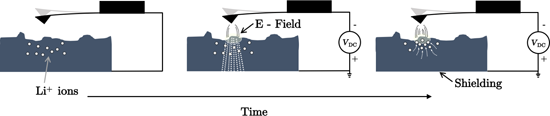
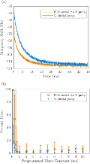
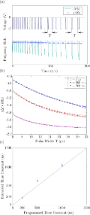
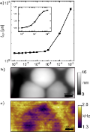
- a phase-locked loop (PLL). This was first performed by Bennewitz et al. to measure the mobility of F− vacancies in a CaF2 crystal [27]. Schirmeisen et al. later improved the technique by performing the measurements at various temperatures to extract the activation energy for ionic transport in Li





Hydrophilicity and carbon chain length effects on the gas sensing properties of chemoresistive, self-assembled monolayer carbon nanotube sensors
Beilstein J. Nanotechnol. 2019, 10, 565–577, doi:10.3762/bjnano.10.58
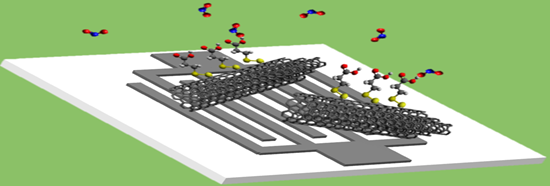
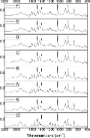
- decoration of CNT sidewalls with Au nanoparticles, preventing their mobility and coalescence. The different thiols employed in this work were characterized by Raman spectroscopy (see Figure 2). A Peltier cell was used in order to keep samples at 4 °C and stabilize them, because unbound thiols present high


Nanocomposite–parylene C thin films with high dielectric constant and low losses for future organic electronic devices
Beilstein J. Nanotechnol. 2019, 10, 428–441, doi:10.3762/bjnano.10.42
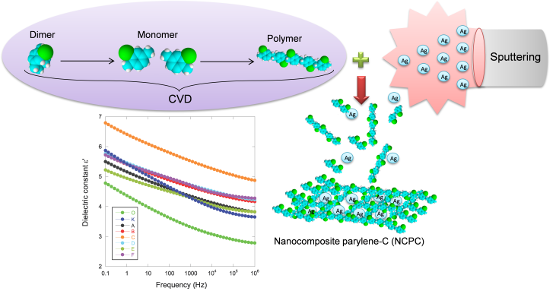
- gate dielectric, which is a crucial requirement for the performance of the OFETs and for the device reliability. Charge-carrier mobility is improved in the presence of this polymer [17]. PPXC is also an appropriate hydroxyl-free gate dielectric and prevents trapping of electrons at the semiconductor
- polymers as gate dielectrics presents several advantages for the improvement of the electronic device properties such as higher dielectric constant [35] and dielectric strength [36], reduced threshold voltage [37], increased charge mobility and reduced leakage current [38]. Compared to pure parylene C and
- reduced with higher Ag content, which is in line with our argument that adding nanoparticles effectively reduces the mobility of polymer chains. Comparing samples E and F (Figure 7b), they present a similar Δε, but the former has a lower amount of silver-oxide nanoparticles with a larger average size




Effects of post-lithography cleaning on the yield and performance of CVD graphene-based devices
Beilstein J. Nanotechnol. 2019, 10, 349–355, doi:10.3762/bjnano.10.34
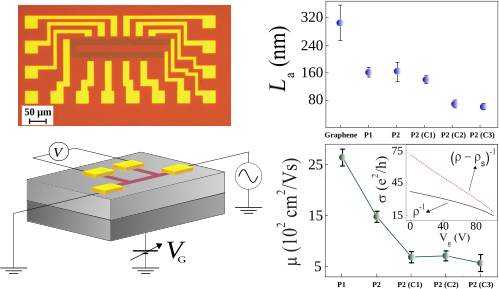
- applied in standard lithography processes and that, inevitably, modify the electrical proprieties of graphene. By Raman spectroscopy and electrical-transport investigations, we correlate the room-temperature carrier mobility of graphene devices with the size of well-ordered domains in graphene. In
- properties are deteriorated as compared with devices fabricated by conventional production methods. Keywords: CVD graphene; defects; mobility; well-ordered domain; Introduction The unique properties of graphene, such as high conductivity, high carrier mobility at room temperature, high sensitivity of the
- performed Raman spectroscopy and electrical transport measurements, at room temperature, to correlate the size of well-ordered domains in graphene with its carrier mobility. The Raman spectroscopy was performed using an InVia Renishaw Raman spectrometer with a 514.5 nm laser and the electrical transport


Uniform Sb2S3 optical coatings by chemical spray method
Beilstein J. Nanotechnol. 2019, 10, 198–210, doi:10.3762/bjnano.10.18
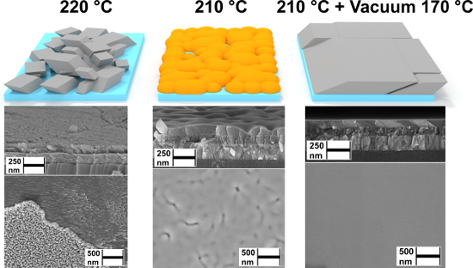
- conversion efficiency of all solar absorber materials because decreasing the amount of grain boundaries likely increases charge carrier mobility [26]. The crystallite sizes of as-deposited and thermally treated Sb2S3 layers are presented in Table 2. The effect of the deposition temperature is observed in Sb




Femtosecond laser-assisted fabrication of chalcopyrite micro-concentrator photovoltaics
Beilstein J. Nanotechnol. 2018, 9, 3025–3038, doi:10.3762/bjnano.9.281
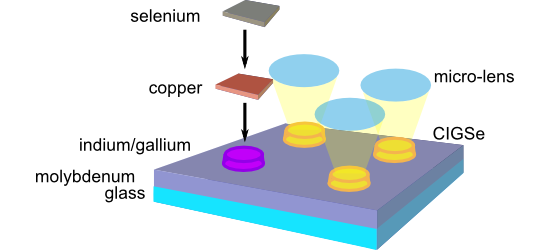
- examination of varying growth conditions. For the PVD process, the variation of temperature and deposition rate provided the insight that island distance and size increase with increasing substrate temperature. This can be intuitively understood by the higher mobility of the indium atoms diffusing on the
- deposition conditions, such that a significant wetting layer formed in addition to gallium islands. Due to the different temperature dependence of surface mobility and adsorption–desorption equilibria, a sequential PVD process turned out necessary for the growth of (In,Ga) islands, whereby indium islands


Hydrogen-induced plasticity in nanoporous palladium
Beilstein J. Nanotechnol. 2018, 9, 3013–3024, doi:10.3762/bjnano.9.280
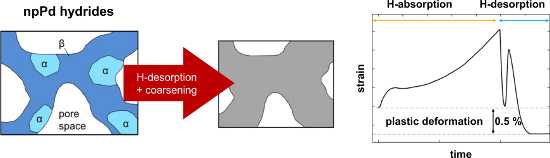
- by solute hydrogen atoms and thus an enhancement of dislocation mobility. The appearance of these converse phenomena strongly depends on the grain size. In small grains hydrogen-enhanced localised plasticity is dominant, while in coarse grains hydrogen embrittlement is the prevalent mechanism [55





