


Search results
Search for "BiVO4" in Full Text gives 24 result(s) in Beilstein Journal of Nanotechnology.
Glycerol photoelectrochemical oxidation reaction at carbon nitrides/BiVO4 materials
Beilstein J. Nanotechnol. 2026, 17, 806–817, doi:10.3762/bjnano.17.57
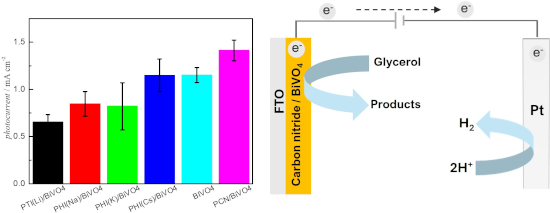
- added-value products through biomass oxidation. In this study, we investigate the photoelectrochemical oxidation of glycerol using visible-light-responsive carbon nitride /bismuth vanadate (CN/BiVO4) heterojunction photoelectrocatalysts. Different CN materials were explored, including polymeric carbon
- nitride (PCN), crystalline poly(heptazine imides) (PHI-Cat, in which Cat = Na, K, or Cs), and poly(triazine imide) (PTI-Li). The CN materials were spin-coated onto fluorine-doped tin oxide (FTO) substrates, followed by the Bi electrodeposition step and conversion to BiVO4 in the presence of vanadyl
- acetylacetonate at 500 °C for 2 h. The CN/BiVO4 heterojunctions presented bandgap energy values, Eg, similar to pure BiVO4. X-ray diffraction analysis also revealed that the BiVO4 phase was not altered by the presence of the CN. However, scanning electron microscopy analysis coupled to energy-dispersive X-ray




Enhancing the photoelectrochemical performance of BiOI-derived BiVO4 films by controlled-intensity current electrodeposition
Beilstein J. Nanotechnol. 2025, 16, 1289–1301, doi:10.3762/bjnano.16.94
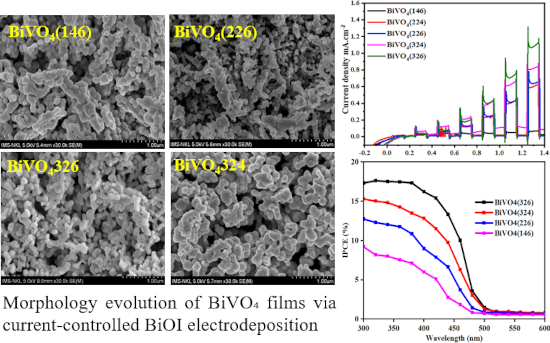
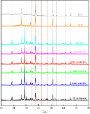
- Abstract This study investigates the fabrication of BiVO4 photoanodes using a controlled-intensity current electrodeposition method to improve their photoelectrochemical (PEC) performance. The impact of varying the deposition current density and VO(acac)2 concentration was systematically analyzed to
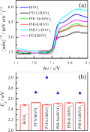
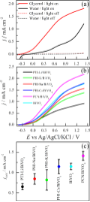
- monoclinic scheelite BiVO4 structure with dominant (121) and (004) peaks. FESEM imaging revealed that the different deposition conditions influenced the surface morphologies of the BiOI and BiVO4 films. Photocurrent density measurements showed that BiVO4(326) achieved 1.2 mA·cm−2 at 1.23 V vs RHE
- , representing a significant enhancement compared to the other samples. The surface hole injection efficiency was measured to be 47%, whereas the incident photon-to-current efficiency reached a peak of 18.1% at 420 nm. The applied bias photon-to-current efficiency of BiVO4(326) was also superior to that of the



Emerging strategies in the sustainable removal of antibiotics using semiconductor-based photocatalysts
Beilstein J. Nanotechnol. 2025, 16, 264–285, doi:10.3762/bjnano.16.21
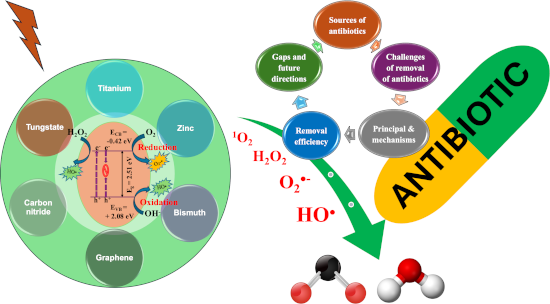
- heterojunction interface matching, and limited carrier transfer routes [85]. Bi-based materials for the degradation of antibiotics include various compounds such as Sillén-type BiOX, scheelite structures (BiVO4, BiOIO3, Bi2O3, and Bi2S3), Aurivillius-type Bi2MO6 (M = Mo, Cr, and W), and other composites
- significant photocatalytic activity in the degradation of antibiotics; they are given below in Table 3. Bismuth metal oxides such as Bi2WO6, Bi2MO6, BiVO4, and Bi2Ti2O7 are also gaining attention for their possible use in antibiotic degradation. The hybrid oxides mostly comprise Bi2O3 and various metal oxides
- such as V2O5, W2O3, Mo2O3, and TiO2. BiVO4 is a newly designed n-type semiconductor with enhanced photocatalytic efficiency. This is attributed to its specific physicochemical features, including ferro-elasticity and ionic conductivity [90]. Regrettably, bismuth-based metal oxides exhibit a low light



Photocatalytic methane oxidation over a TiO2/SiNWs p–n junction catalyst at room temperature
Beilstein J. Nanotechnol. 2024, 15, 1132–1141, doi:10.3762/bjnano.15.92
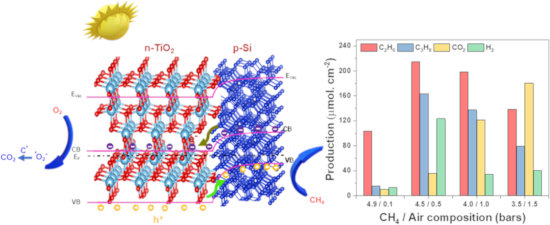
- formed at the interface have emerged, which effectively force charge carriers to move in opposite directions and hinder recombination [31][32][33]. Very recently, Cu2O/BiVO4, Ag2O/Bi12O17Cl2 and CuFe2O4/Bi4Ti3O12 composite powders have shown improved efficiencies in water treatment based on p–n


Green synthesis of biomass-derived carbon quantum dots for photocatalytic degradation of methylene blue
Beilstein J. Nanotechnol. 2024, 15, 755–766, doi:10.3762/bjnano.15.63
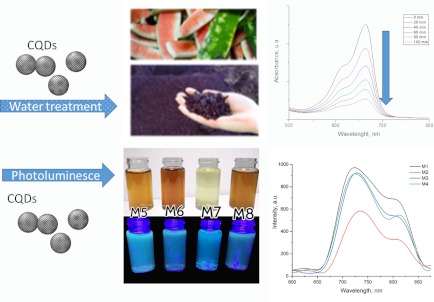
- CQD structure promotes the formation of intermediary states, which may give place to a new emission band. A similar upconversion PL was reported by Wang et al., for CQDs obtained by the hydrothermal method and decorated with BiVO4 [45]. Photocatalytic activity To carry out the evaluation of the


Aero-ZnS prepared by physical vapor transport on three-dimensional networks of sacrificial ZnO microtetrapods
Beilstein J. Nanotechnol. 2024, 15, 490–499, doi:10.3762/bjnano.15.44
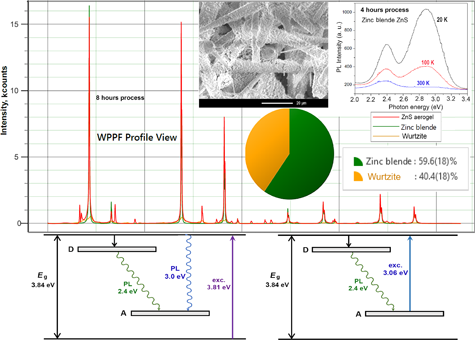
- metal oxides [1][9][10]. Metal oxides include TiO2, ZnO, Al2O3, WO3, Cu2O, CuO, SnO2, Fe2O3, Bi2O3, Ag3PO4, BiWO4, BiVO4, BiFeO3, and SeTiO3, while chalcogenides are represented by ZnS, ZnSe, CdS, PbS, CdSe, SnS2, and Bi2S3. Among porous semiconductor materials, recently developed super-lightweight ones



Controllable physicochemical properties of WOx thin films grown under glancing angle
Beilstein J. Nanotechnol. 2024, 15, 350–359, doi:10.3762/bjnano.15.31
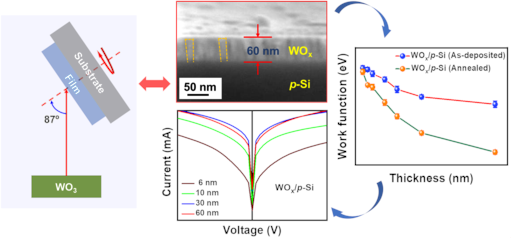
- , heterostructures having an n-type WOx layer on various p-type substrates such as p-Si [12][13], Cu2O [14], NiO [15], p-ZnO nanowires (NWs) [16], diamond [17], and BiVO4 [18], have a great technological importance in the field of heterojunction solar cells, LEDs, and resistance random access memory (RRAM) devices


Bismuth-based nanostructured photocatalysts for the remediation of antibiotics and organic dyes
Beilstein J. Nanotechnol. 2023, 14, 291–321, doi:10.3762/bjnano.14.26
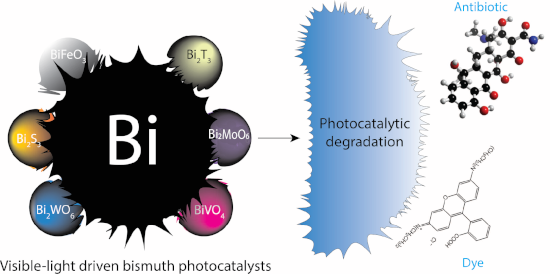
- of the most prominent study topics compared to the commonly used semiconductors (TiO2 and ZnO). In this review, the most recent developments in the use of photocatalysts based on bismuth (e.g., BiFeO3, Bi2MoO6, BiVO4, Bi2WO6, Bi2S3) to remove dyes and antibiotics from wastewater are thoroughly
- -light spectrum. Additionally, the reverse bond between the cation and anion is more favourable for the production and transportation of holes, which facilitates photocatalytic activity. Because of this, significant efforts have been made to synthesise bismuth-based nanomaterials (BiVO4, Bi5O7I-MoO3
- photocatalysis over the past few years due to their distinct optical and electronic characteristics [42][88][106]. Simple strain relaxation and short diffusion paths are benefits of 1-D nanostructured materials and are advantageous for the separation of photogenerated carriers [102]. 1-D spindle-like BiVO4


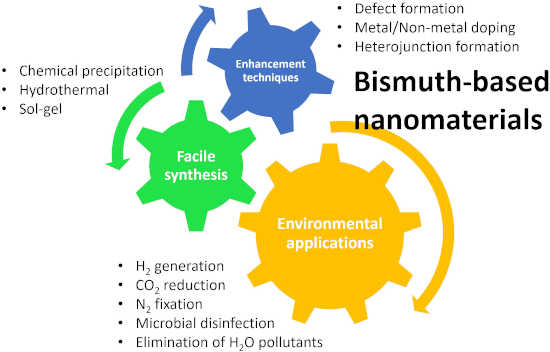
Recent trends in Bi-based nanomaterials: challenges, fabrication, enhancement techniques, and environmental applications
Beilstein J. Nanotechnol. 2022, 13, 1316–1336, doi:10.3762/bjnano.13.109
- and have adequate bandgaps and performance. Bi2MO6 (M = Mo, W), (BiO)2CO3, Bi2S3, BiOX (X = I, Br, Cl), BiPO4, BiVO4, Bi2O3, and other Bi-based nanomaterials have been designed and examined for photocatalysis. The vast majority of these compounds have a layered structure, which causes an internal
- -based semiconductors, especially oxide semiconductors such as Bi2O3, BiVO4, and Bi2WO6, have n-type properties with electrons as the majority carrier. Recent research suggests that the synthesis route can shift the conductivity types of Bi-based materials [45][51]. Fabrication routes Synthesis
- found to be only 0.154 h−1·m−2. Additionally, the hydrothermally fabricated Bi5O7Br has also excellent stability when exposed to light in aqueous environments. The photocatalytic performance was not much decreased after eight cycles. Recently, Lin et al. fabricated a monoclinic BiVO4 photocatalyst via a


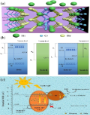


Spindle-like MIL101(Fe) decorated with Bi2O3 nanoparticles for enhanced degradation of chlortetracycline under visible-light irradiation
Beilstein J. Nanotechnol. 2022, 13, 1038–1050, doi:10.3762/bjnano.13.91
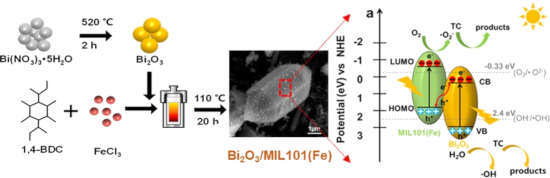
- construct Bi2O3-based heterojunctions has attracted extensive interest. A large number of Bi2O3-based heterojunctions, such as Bi2O3/g-C3N4 [46], WO3/g-C3N4/Bi2O3 [47], Bi2O3/BiOCl [48], Bi2O3/ZnO [49], and Bi2O3/BiVO4 [50] have been synthesized. However, to the best of our knowledge, there is no report


Morphology-driven gas sensing by fabricated fractals: A review
Beilstein J. Nanotechnol. 2021, 12, 1187–1208, doi:10.3762/bjnano.12.88
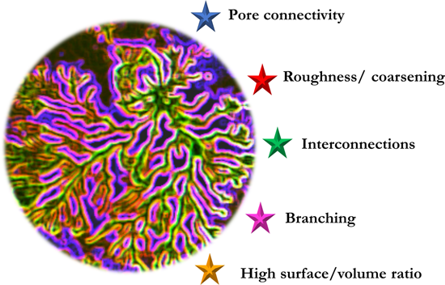
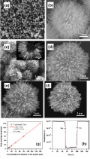
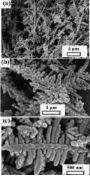
- ethanol and citric acid played a vital role in the growth of the dendrite nanostructure, which exhibited a fractal dimension of 1.94. Bismuth vanadate -based fractals Zhao et al. synthesized large-scale highly uniform hyperbranched monoclinic BiVO4 (h-BiVO4) structures by a surfactant-free hydrothermal
- method [81]. The as-prepared h-BiVO4 structure exhibited high sensitivity towards formaldehyde and ethanol. The formation of hyperbranched structures was found to be a function of different pH values, proton intercalation, and dissolution processes. The sensitivity in case of h-BiVO4 was found to be
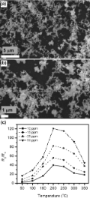
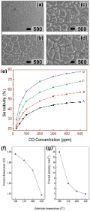
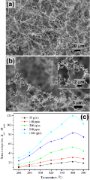
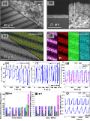
- excellent as compared to monoclinic bismuth vanadate (m-BiVO4) at room temperature owing to the hyperbranched structure and high surface area. Figure 19a–c shows field-emission SEM (FESEM) images of hyperbranched m-BiVO4, a single hyperbranch of h-BiVO4, and a trunk of h-BiVO4. Recently, Bai et al. used

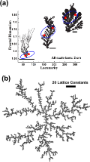









Atomic layer deposited films of Al2O3 on fluorine-doped tin oxide electrodes: stability and barrier properties
Beilstein J. Nanotechnol. 2021, 12, 24–34, doi:10.3762/bjnano.12.2
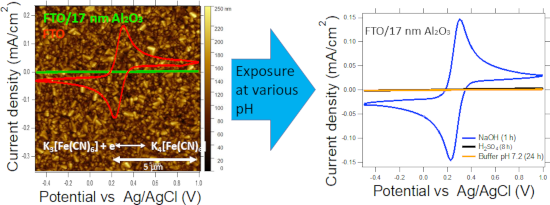
- alumina coatings was ascribed to its capability of passivating semiconductor/electrolyte interfaces, thus reducing photogenerated charge-carrier recombination (e.g., on BiVO4 [16]). In this work, Al2O3 films were deposited via ALD on thermally grown SiO2 on silicon or on fluorine-doped tin oxide (FTO


Construction of a 0D/1D composite based on Au nanoparticles/CuBi2O4 microrods for efficient visible-light-driven photocatalytic activity
Beilstein J. Nanotechnol. 2019, 10, 1360–1367, doi:10.3762/bjnano.10.134
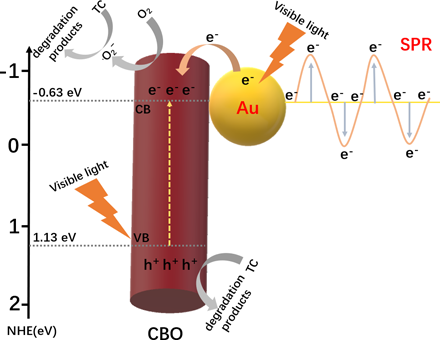
- development of visible-light-driven photocatalysts is highly desirable because visible light accounts for about 43% of the solar spectrum. Currently, bismuth-based semiconductor materials, including Bi2O3 [4], BiVO4 [5][6], Bi2WO6 [7], Bi2MoO6 [8], BiOX (X = Cl, Br, I) [9], and Bi2O2CO3 [10], are explored as


Widening of the electroactivity potential range by composite formation – capacitive properties of TiO2/BiVO4/PEDOT:PSS electrodes in contact with an aqueous electrolyte
Beilstein J. Nanotechnol. 2019, 10, 483–493, doi:10.3762/bjnano.10.49
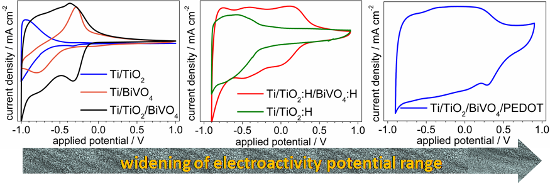
- vanadate using pulsed laser deposition. The formation of the TiO2/BiVO4 junction leads to enhancement of pseudocapacitance in the cathodic potential range. The third component, the conjugated polymer PEDOT:PSS, was electrodeposited from an electrolyte containing the monomer EDOT and NaPSS as a source of
- . Capacitance values higher than 10 mF·cm−2 were maintained even after 10000 galvanostatic cycles (ic = ia = 0.5 mA·cm−2). Keywords: bismuth vanadate (BiVO4); electrochemical activity; PEDOT:PSS; supercapacitors; titania nanotubes; Introduction Energy-storage technologies and sustainable energy production are
- vanadate obtained by pulsed laser deposition (PLD). It was recently reported that the TiO2/BiVO4 junction exhibits a synergistic effect towards photoelectrochemical water oxidation [26]. Further modification of the electrode material included hydrogenation. There are many ways to perform TiO2 hydrogenation




Thickness-dependent photoelectrochemical properties of a semitransparent Co3O4 photocathode
Beilstein J. Nanotechnol. 2018, 9, 2432–2442, doi:10.3762/bjnano.9.228
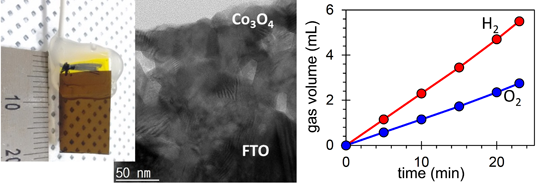
- in such applications include CuxO [19][29], CdS [30], TiO2 [31], Fe2O3 [32], and BiVO4 [33][34]. To absorb light with Co3O4, an adequately thick film is required. However, the low mobility of photogenerated charge carriers in Co3O4 can result in a low carrier lifetime, which is detrimental for



Hierarchical heterostructures of Bi2MoO6 microflowers decorated with Ag2CO3 nanoparticles for efficient visible-light-driven photocatalytic removal of toxic pollutants
Beilstein J. Nanotechnol. 2018, 9, 2297–2305, doi:10.3762/bjnano.9.214
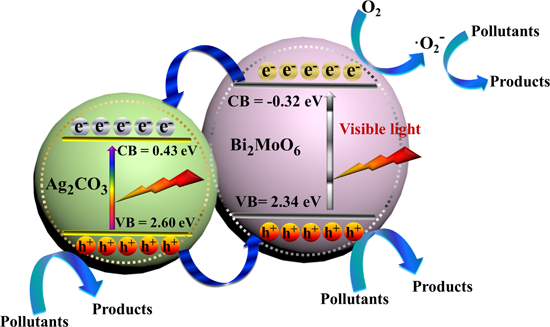
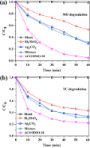
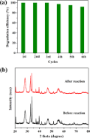
- photocatalytic activity [37]. However, it is unstable under illumination. Previous studies found that the good stability of Ag2CO3 could be achieved through the rational construction of heterojunctions, such as Ag2CO3/Bi2WO6 [37], Ag2O/Ag2CO3 [38], Ag2CO3/Bi2O2CO3 [39], Ag2CO3/C3N4 [40], Ag/Ag2CO3/BiVO4 [41




Localized photodeposition of catalysts using nanophotonic resonances in silicon photocathodes
Beilstein J. Nanotechnol. 2018, 9, 2097–2105, doi:10.3762/bjnano.9.198
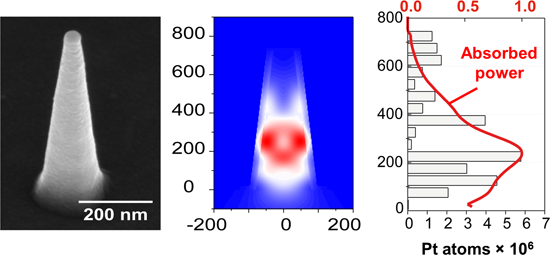
- ][31]. An exception is the work of Li et al. [27], where charge separation was achieved at different crystal facets of BiVO4 nanocrystals for selective photodeposition of metal and metal oxide catalytic nanoparticles. Nevertheless, this method for the moment is limited to this specific material and

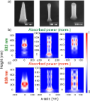

Mechanistic insights into plasmonic photocatalysts in utilizing visible light
Beilstein J. Nanotechnol. 2018, 9, 628–648, doi:10.3762/bjnano.9.59
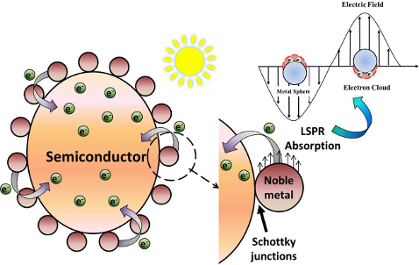
- simulation method, it was claimed that the enhanced photo-electrochemical water splitting performance of Pd@BiVO4 was attributed to the hot-electron injection from Pd NPs upon SPR excitation in the vis–NIR region [112]. Identification of reactive radicals It is quite obvious that photocatalysis is supported
- geometry of the scales of a butterfly promote a light trapping effect from the UV to NIR range, which significantly increases the light absorption compared to a non-patterned system [149]. These works inspired the combination of bismuth vanadate (BiVO4) with the 3D architecture design of a butterfly wing
- , in addition to gold nanorods (NRs) as plasmonic nanoantennas for an effective far red-to-NIR photocatalytic conversion. The electron–hole pairs were formed in some parts of BVO when BiVO4 encountered intense SPR-induced electric fields localized at Au NRs, and hence the entire photocatalytic system





Enhanced photoelectrochemical water splitting performance using morphology-controlled BiVO4 with W doping
Beilstein J. Nanotechnol. 2017, 8, 2640–2647, doi:10.3762/bjnano.8.264
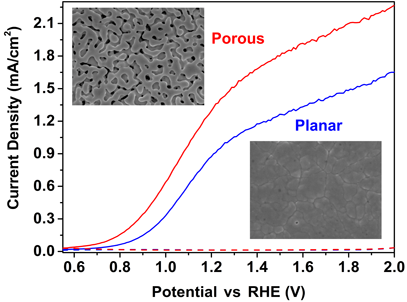
- BiVO4 by simply tuning the solvent ratio in precursor solutions. Planar and porous W-doped BiVO4 thin films were prepared and compared. The porous film, which exhibits increased surface area and enhanced light absorption, has displayed enhanced charge separation and interfacial charge injection. Our
- developing photoanode materials and optimizing their performance. Monoclinic BiVO4 is one of the most promising photoanode materials for PEC water splitting, as it meets most of the requirements. It has a theoretical conversion efficiency of 9.1% with a bandgap of 2.4 eV. Moreover, it also possesses a
- favorable conduction band potential that is very close to the reduction potential of water, and a proper valance band that is more positive than the water oxidation potential [6][7][8][9][10]. One of the problems associated with BiVO4 is its relatively short minority carrier diffusion length, which


Two-dimensional carbon-based nanocomposites for photocatalytic energy generation and environmental remediation applications
Beilstein J. Nanotechnol. 2017, 8, 1571–1600, doi:10.3762/bjnano.8.159
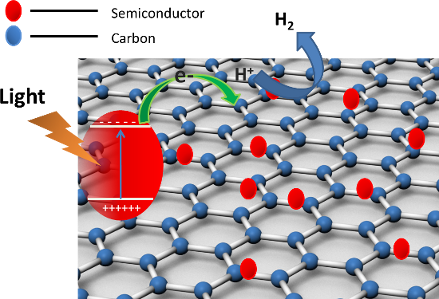
- ]. Hence, in the recent decade, heterogeneous photocatalysis has been widely explored for the conversion of solar energy into chemical energy and for pollutant removal from water [11][12]. Up to now, various interesting semiconductors such as TiO2, ZnO, WO3, CdS, Bi2O3, Fe2O3, SnO2, BiVO4, etc. have been
- coupling with semiconductor materials such as TiO2 [73], ZnO [74], CdS [75], SnO2 [76], CeO2 [77], WO3 [78], Fe2O3 [79], Ag3PO4 [80], Ag3VO4 [81], ZnWO4 [82], SrTiO3 [83], BiVO4 [84], Bi2WO6 [85], BiOX [86][87], etc. These heterojunction formations have proved to be an effective method to improve the
- -doped g-C3N4 (SCN)-BiVO4 nanocomposite for water oxidation reaction. Bismuth vanadate (BiVO4) is one of the most fascinating photocatalysts with a suitable direct band gap (2.4 eV), which is excited by visible light energy and suitably positioned CB and VB edge potentials, which are favorable for


Enhanced photocatalytic hydrogen evolution by combining water soluble graphene with cobalt salts
Beilstein J. Nanotechnol. 2014, 5, 1167–1174, doi:10.3762/bjnano.5.128
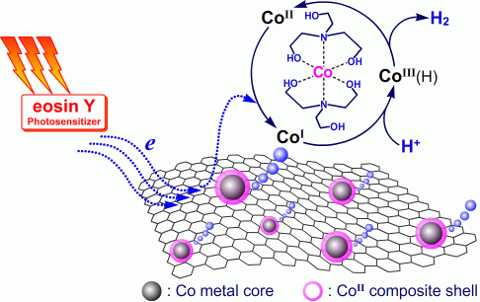
- ][27][28][29][30][31][32][33]. Specifically, graphene has been involved in photocatalytic hydrogen production systems [34], such as TiO2-(N)RGO-Pt [35][36][37][38], g-C3N4-RGO-Pt [39], CdS-RGO-Pt [40][41][42][43], MoS2-NRGO [44][45], EY-RGO-Pt [46] and BiVO4-RGO-Ru/SrTiO3:Rh [47] (RGO: reduced graphene


Visible light photooxidative performance of a high-nuclearity molecular bismuth vanadium oxide cluster
Beilstein J. Nanotechnol. 2014, 5, 711–716, doi:10.3762/bjnano.5.83

- previous work with direct relevance to this report, we showed that POM chemistry can be inspired by solid-state photocatalysts when the first molecular analogue of bismuth vanadate (BiVO4) photocatalysts was obtained [33][34][35][36]. Bismuth vanadate is one of the best-known solid-state visible light


Nanostructure sensitization of transition metal oxides for visible-light photocatalysis
Beilstein J. Nanotechnol. 2014, 5, 696–710, doi:10.3762/bjnano.5.82
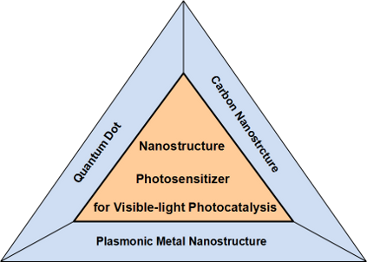
- carbon nanodots can effectively harness the broad spectrum of sunlight to improve the photocatalytic activities of monoclinic bismuth vanadate (m-BiVO4) for the photodegradation of methylene blue [133]. The carbon nanodots play a twofold role in this photocatalytic process. Firstly, carbon nanodots
- function as electron collectors and transporters to trap electrons and transfer electrons generated from m-BiVO4 nanoparticles (λ < 520 nm), which can effectively improve the charge separation and thus the photocatalytic activity. Secondly, carbon nanodots can absorb longer wavelength light (λ > 520 nm
- ) and then emit shorter wavelength light (300 to 530 nm) for the excitation of m-BiVO4 to further generate electron–hole pairs for photocatalytic degradation. Due to the special upconversion property of carbon nanodots, the carbon nanodots–m-BiVO4 nanospheres can be used as photocatalysts under the




Effects of the preparation method on the structure and the visible-light photocatalytic activity of Ag2CrO4
Beilstein J. Nanotechnol. 2014, 5, 658–666, doi:10.3762/bjnano.5.77
- solar light. Therefore, the development of visible-light-driven photocatalysts has received considerable attention as visible light (400–800 nm) is abundant in the solar spectrum [12][13][14][15][16]. Some semiconductors such as BiVO4 [17][18][19], Bi2O3 [20][21], Fe2O3 [22][23][24][25], and Cu2O [26





