Search results
Search for "Raman" in Full Text gives 507 result(s) in Beilstein Journal of Nanotechnology. Showing first 200.
Influence of an external electric field on the catalytic CO oxidation of nanoscaled CeO2 and its La3+ and Gd3+ congeners
Beilstein J. Nanotechnol. 2026, 17, 1028–1038, doi:10.3762/bjnano.17.70
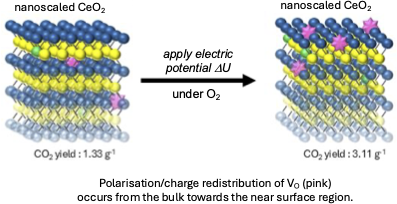
- the undoped nCeO2. The structural integrity of the materials after the CO oxidation process was proven spectroscopically (Supporting Information File 1, Figures S10–S14). In Raman spectra, the characteristic peak corresponding to the F2g mode at ≈470 cm−1 is indicative of the symmetry of the lattice
- , respectively [23][24]. The ceria structure remains stable after the oxidation reaction depicting all characteristic Raman modes; however, additional peaks are observed at wavenumbers higher than 1000 cm−1, indicative either of physisorption or chemisorption of gas molecules on the catalyst surface (Supporting


Synthesis and characterization of RF-sputtered ZnTe/Cu2−xTe thin films for solar cell applications
Beilstein J. Nanotechnol. 2026, 17, 1016–1027, doi:10.3762/bjnano.17.69
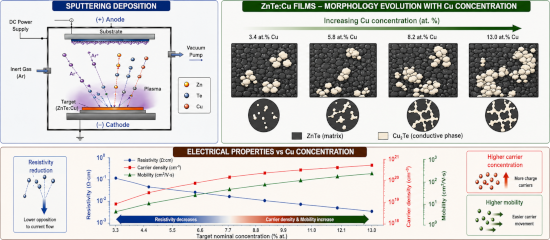
- produced only minor lattice modifications, while higher Cu and O contents promoted the formation of Cu2−xTe secondary phases, as confirmed by Raman spectroscopy, grazing-incidence X-ray diffraction and scanning electron microscopy. Optical measurements showed a significant reduction in infrared
- ) diffractometer with Co Kα radiation (λ = 1.7889 Å). Raman spectra were obtained in a micro-Raman system (Labram, Dilor) with a 20 mW He–Ne laser (λ = 632.8 nm) focused through a 50× objective, resulting in a spot size of approximately 2 µm. Neutral density filters were employed to minimize local heating effects
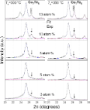
- . Vibrational and structural surface properties Figure 4 shows Raman spectra and a scanning electron microscopy (SEM) image of the CuZnTeO film grown at 300 °C with a nominal Cu and O concentration of 3 atom %. The SEM image reveals an irregular surface morphology characterized by agglomerate formation with non



Sustainable fabrication of 2D-based devices through reuse of substrates with microfabricated electrodes
Beilstein J. Nanotechnol. 2026, 17, 818–827, doi:10.3762/bjnano.17.58
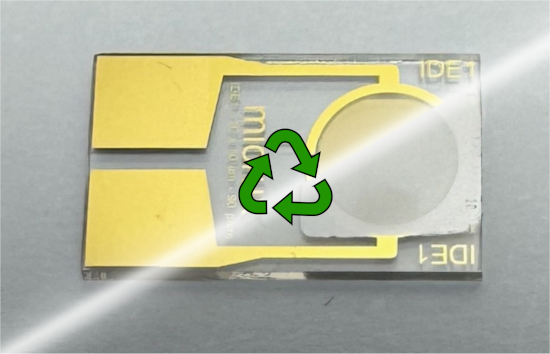
- ), enabling the removal of 2D materials without damaging the electrodes. Electrical measurements, Raman analysis, and Kelvin probe force microscopy measurements collectively confirm the feasibility of repeatedly reusing the same pre-patterned chip, showing that the cleaned regions exhibit no detectable Raman
- , with no visible residues. Additionally, the ITO electrodes did not show clear electrical degradation after repeated use, indicating that the process is also compatible with this electrode platform. Raman mapping of the active region was performed to further assess the cleanliness of the electrode
- surface in three states, namely, pristine electrode, electrode after roll-to-roll mechanically exfoliated MoS2 transfer, and electrode after NMP cleaning. Figure 4a–c shows optical microscopy images of the corresponding regions, with the dashed outlines indicating the areas selected for Raman mapping. For


Tuning the electronic properties of defect-rich MoS2
Beilstein J. Nanotechnol. 2026, 17, 796–805, doi:10.3762/bjnano.17.56
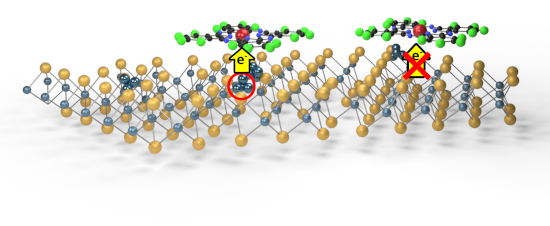
- significantly affect surface-enhanced Raman scattering and photoluminescence properties of MoS2 [24][25]. Furthermore, it has been reported that the adsorption of titanyl phthalocyanine (TiOPc) might be an effective defect passivation method for MoS2 [26]. In the present study, we intentionally create defects


Substrate-dependent pore formation in molybdenum disulfide monolayers under ion irradiation
Beilstein J. Nanotechnol. 2026, 17, 769–780, doi:10.3762/bjnano.17.54
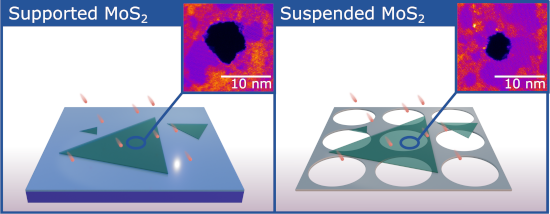
- since both topographic and electronic contrast may contain contributions from the substrate as well as from the 2D layer [30][31][32][33]. As a result, many studies of supported systems rely on Raman and photoluminescence (PL) spectroscopy, or electrical measurements, which are sensitive to electronic
- to MoS2 on SiO2. As shown previously [13], even modest threshold shifts can strongly affect the pore formation efficiency. The inferred efficient out-of-plane dissipation from MoS2 into Au is consistent with the well-known strong MoS2–Au interfacial coupling. Our own Raman and PL characterization of
- variations can make purely threshold-based edge detection unreliable. To ensure comparability with the suspended-layer reference data, which originate from our previous work, the same general procedure regarding sample preparation, STEM imaging, and image analysis was applied. Raman and PL spectroscopy Raman


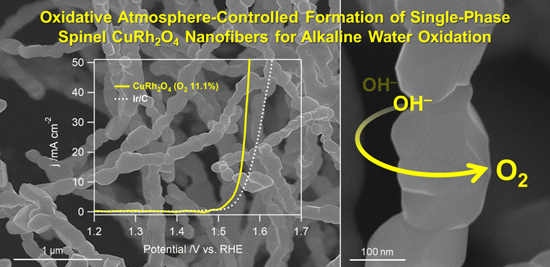
Oxidative atmosphere-driven formation of single-phase spinel CuRh2O4 nanofibers for alkaline water oxidation
Beilstein J. Nanotechnol. 2026, 17, 737–743, doi:10.3762/bjnano.17.50
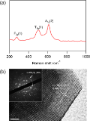
- , suggesting that PVP is almost completely decomposed and removed under oxidative conditions at 850 °C [16]. These findings confirm that the resulting materials predominantly exist as fully oxidized metal oxides, with minimal contribution from carbon species derived from PVP. As shown in Figure 4a, Raman
- analyzed by X-ray diffraction (MP-XRD; Malvern Panalytical X-ray diffractometer using Cu Kα radiation), Raman spectroscopy (HORIBA, LabRAM HR Evo 800), and angle-resolved X-ray photoelectron spectroscopy (AR-XPS; Thermo Fisher Scientific K-ALPHA XPS, Al Kα radiation at 12 kV). Electrochemical measurements
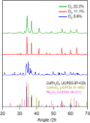
- as-prepared nanomaterials synthesized under different O2 concentrations. Peaks marked with • indicate the presence of secondary copper oxide phases (Cu2O). Deconvoluted AR-XPS spectra of Cu–Rh bimetallic oxides in the (a) Cu 2p and (b) Rh 3d regions. (a) Raman characterization and (b) HRTEM image of




Environmental applications of silver nanoparticles: state-of-the-art review and emerging trends
Beilstein J. Nanotechnol. 2026, 17, 697–736, doi:10.3762/bjnano.17.49
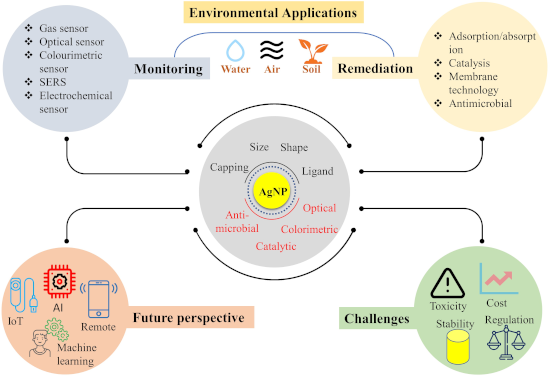
- polyfluoroalkyl substances (PFASs), and polycyclic aromatic hydrocarbons (PAHs) in environmental samples [10][11][12][13][14][15][16][17]. This indicates that nanosilver acts as a potent nanosensor for detecting various contaminants via different approaches, namely Raman spectroscopy, electrochemistry
- °, respectively [54]. Using the Scherrer equation, these 2θ values yield the nanoparticle’s crystallite size [54]. Furthermore, Fourier-transform infrared (FTIR) spectroscopy provides evidence of successful surface capping or functionalization of the desired molecules on nanoparticles [49]. Surface-enhanced Raman


Probing tribological evolution in atomically thin MoS2 at different scales
Beilstein J. Nanotechnol. 2026, 17, 586–597, doi:10.3762/bjnano.17.40
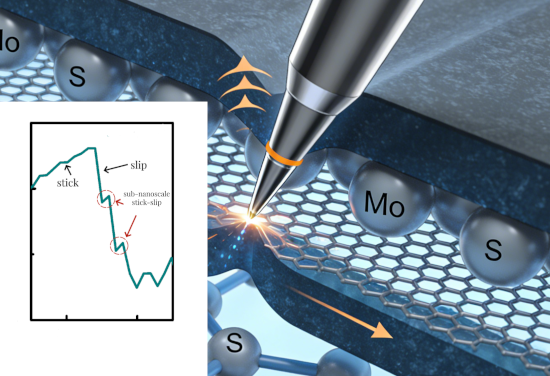
- sequentially in acetone, ethanol, and deionized water via ultrasonic cleaning and then dried with high-purity nitrogen. Sample characterization MoS2 layer thickness was determined via AFM (MFP-3D, Asylum Research) and Raman spectroscopy (inVia Reflex, Renishaw). AFM topographic images were acquired in tapping
- mode using silicon probes (PPP-LFMR, Nanosensors) with a normal spring constant of 0.2 N·m−1 and a tip radius of ≈8 nm. Raman spectra were collected using a 533 nm laser (0.5 mW power) to avoid sample damage. The surface roughness (Ra) values of MoS2 were measured from the corresponding topographic
- MoS2 on the rough substrate is determined by combining the cross-sectional height profile and the Raman spectra. The height profiles in topographic image are carefully located in the fluctuation direction of rough substrate. Thus, the thicknesses of MoS2 on the rough substrate along the black and red


Impacts of annealing on structural and photophysical properties of zinc phthalocyanine adsorbed on graphene
Beilstein J. Nanotechnol. 2026, 17, 576–585, doi:10.3762/bjnano.17.39
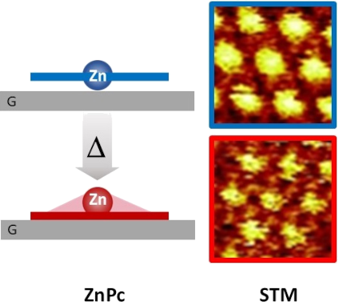
- -enhanced Raman scattering (GERS) [27]. Such combinations allow atomic-scale inspection of both molecular organization and electronic structures. These 2D systems are accessible to numerical simulations such as density-functional theories, in particular concerning Pcs [18][28]. Such simulations can be
- and Raman micro-spectroscopy The strong excited-state quenching exerted by the graphene layer on adsorbed ZnPc molecules permits to strongly reduce the fluorescence quantum yield of the latter and thus permits the measurements of its Raman scattering spectrum. The corresponding spectra excited at 633
- nm are reported in Figure 2. Only ZnPc and graphene absorb at this excitation wavelength and can emit a resonantly enhanced Raman scattering detectable even at the monolayer level. On the contrary, TSB35-C12 is driven far from its resonance (its absorption starts at wavelengths shorter than 350 nm


Laser–material interactions in liquids for the synthesis of nanomaterials: current status and perspectives
Beilstein J. Nanotechnol. 2026, 17, 571–575, doi:10.3762/bjnano.17.38

- processing parameters has enabled a wide range of applications [53]. These include catalysis [54] (e.g., for oxygen [55] and hydrogen evolution reactions [56] in hydrogen production), sensing (e.g., surface-enhanced Raman spectroscopy [51] for detection of pollutants and optical sensing of glucose [57
Electrochemical determination of ciprofloxacin using a MIL-101/reduced graphene oxide-modified electrode
Beilstein J. Nanotechnol. 2026, 17, 541–554, doi:10.3762/bjnano.17.35
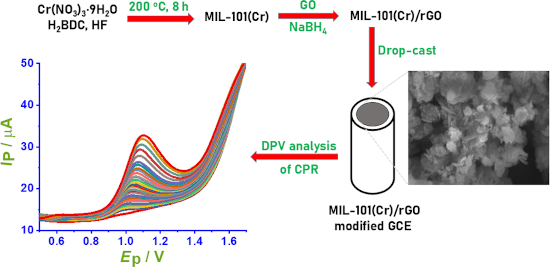
- ) equipped with an energy-dispersive X-ray (EDX) system. Raman spectroscopy was performed on an Xplora Plus instrument (Horiba, Japan) with a stimulating light wavelength of 785 nm. Electrochemical impedance spectra (EIS) were recorded using an Autolab PGSTAT302N system. Electrochemical experiments were
- results from both figures confirm the successful formation of MIL-101/rGO composites. This structural combination is beneficial for electrochemical applications because rGO improves electrical conductivity and promotes charge transfer. The Raman spectra of GO, rGO, MIL-101, and the MIL-101/rGO composites
- typical for reduced graphene oxide. In contrast, pristine MIL-101 displays multiple Raman bands in the low- and mid-frequency regions (280, 473, 629, 809, 866, 925, 1037, 1145, 1283, 1454, and 1611 cm−1), which can be assigned to lattice vibrations of the metal–oxygen clusters and organic linker modes


Probing internal continua and atomic ultrafast charge transfer within size-controlled nanoparticles by post-collision interaction in core-hole clock spectroscopy
Beilstein J. Nanotechnol. 2026, 17, 505–514, doi:10.3762/bjnano.17.33
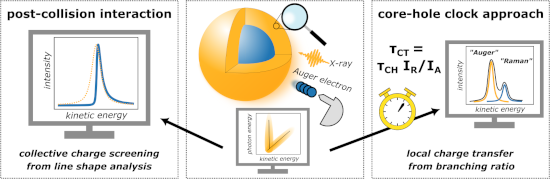
- . Asymmetric line shapes and peak shifts are common to Auger resonant Raman scattering and resonant photoemission in atomic and molecular systems with free-electron continua and resonances leading to PCI. We propose that the general concept of PCI for free electrons can be extended and generalized to
- within the core-hole lifetime, a dispersionless S 1s22p43p(deloc) final state is reached, whereas, without charge transfer, it results in a dispersing S 1s22p43p+1 final state, referred to as the resonant Raman Auger effect [18][19]. The branching ratio of these final states, as depicted below in Figure
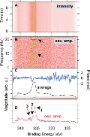
- materials [24][25][26], nanoparticles [27], and matrix-embedded polymers [28]. Results and Discussion Figure 1a shows S KL2,3L2,3 Auger electron spectra at different photon energies around the absorption edge of S 1s electrons as a color-coded map. The intensity ratio between the Raman and Auger channels is



Upcycling agroindustrial waste into graphene oxide supports for gold nanoparticles: toward sustainable nanomaterials
Beilstein J. Nanotechnol. 2026, 17, 489–504, doi:10.3762/bjnano.17.32
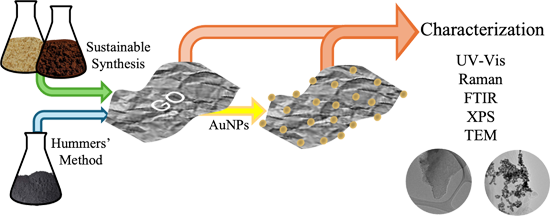
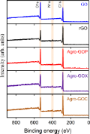
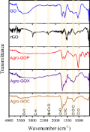
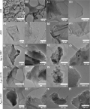
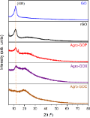
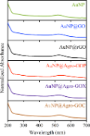
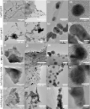
- UV–vis, ATR-FTIR, XPS, XRD, and Raman measurements, complemented by TGA and TEM to assess optical properties, surface chemistry, and structural and morphological features. Additionally, gold nanoparticles (AuNPs) were photochemically deposited onto Agro-GO to evaluate its potential for nanotechnology
- 60 spectrophotometer using 10 mm path-length quartz cuvettes. Measurements were performed using aqueous dispersions (0.5 mg·mL−1) previously sonicated for 30 min to ensure homogeneity. Spectra were recorded in the 195–800 nm range. Raman spectra were acquired with a Horiba XploRA Plus micro-Raman
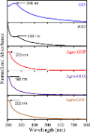
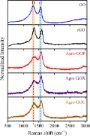
- less fragmented sp2 domains compared with Agro-GOP and Agro-GOC. Regarding absorption in the 300–350 nm region, Agro-GOC displays comparatively higher absorption than Agro-GOX and Agro-GOP, suggesting a greater abundance of C=O functionalities or more chemically diverse oxygen environments. Raman



Defects and defect-mediated engineering of two-dimensional materials: challenges and open questions
Beilstein J. Nanotechnol. 2026, 17, 454–488, doi:10.3762/bjnano.17.31
- for the atoms in the investigated material, or under specific imaging conditions using STM, as described in section “Where are the limits for controlled defect engineering in terms of spatial precision, single type or size (e.g., hole size), and scalability?”. As a non-invasive technique, Raman
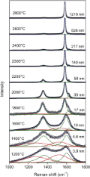
- spectroscopy has led to metrological procedures to access defect concentration in graphene. Well-established formulae are available to determine defect quantity based on the D/G ratio and the linewidth of the G band (see Figure 2) [86][87][88][89]. In a wider context, while Raman-active local vibrational modes
- can, in principle, emerge due to defects [90][91], in practice they are rarely observed owing to the low concentration of defects and low signal-to-noise ratio, which becomes particularly pertinent with 2D materials due the small volume for scattering. In most cases, one observes changes in the Raman





Interconnection morphology effects on the radio frequency response of carbon nanotube sponges
Beilstein J. Nanotechnol. 2026, 17, 343–351, doi:10.3762/bjnano.17.23
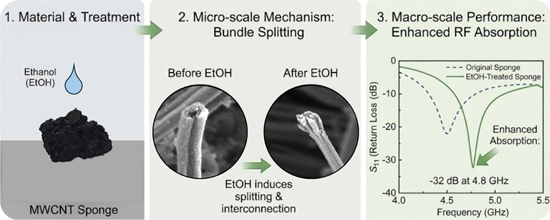
- . In particular, we observed that the response of S11 = −22.6 dB around 4.8 GHz from the CNS antenna improved after a mild treatment with ethanol, reaching S11 = −32.6 dB measured after 10 min of waiting. This observed effect is studied in detail with scanning electron microscopy and Raman spectroscopy
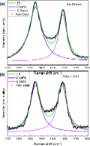
- are separated, exposing the ends of the tubes (Figure 3b). This behaviour is comparable to that found in similar studies reported by Yu and coworkers [30]. To get a better insight into the effect of ethanol treatment, we acquired Raman spectra of the as-grown sample and 10 min after ethanol treatment
- interconnected structure of the samples. The Raman analysis results are in line with the morphological information obtained from the SEM data. The SEM and Raman experiments confirm the effect of ethanol on the CNS, which improves the presence of grooves and pores as available adsorption sites after ethanol



Beam shaping techniques for pulsed laser ablation in liquids: Unlocking tunable control of nanoparticle synthesis in liquids
Beilstein J. Nanotechnol. 2026, 17, 309–342, doi:10.3762/bjnano.17.22
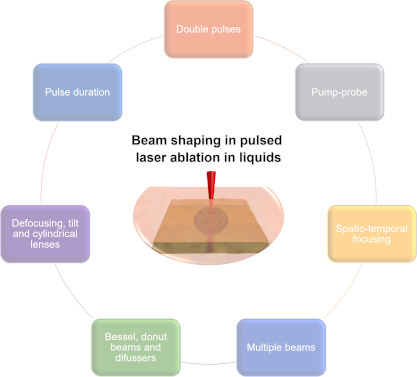
- ][77] and colorimetric sensors [78][79], surface-enhanced Raman spectroscopy detection [71][80][81], nanofluids for thermal applications [82][83][84], additive manufacturing [85][86][87], or catalysis [88][89]. The previously mentioned applications of PLAL-derived NPs can be grouped into four major
- spot size of 100 μm, to an irradiance threshold of ≈1010 W·cm−2 [112][113]. When the irradiance exceeds the self-focusing threshold at 1010 W·cm−2, several nonlinear processes such as self-phase modulation, four-wave mixing, Raman scattering, and self-steepening cause severe spectral broadening







Advancing nanolithography: a comprehensive review of materials for local anodic oxidation with AFM
Beilstein J. Nanotechnol. 2026, 17, 275–291, doi:10.3762/bjnano.17.19
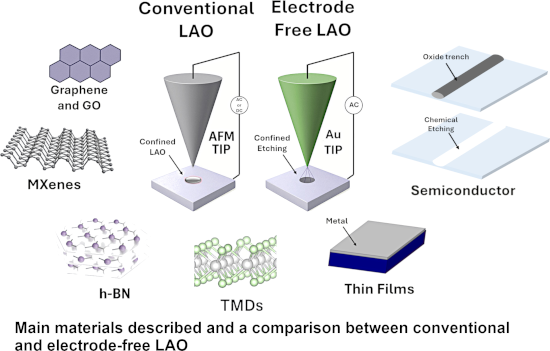
- due to reduced electronic interactions between layers. Raman spectroscopy and micro-XPS studies confirm these effects, revealing oxygen incorporation patterns and changes in chemical composition. In summary, the versatility in achieving selective oxidation or ablation expands the potential for device


Time of flight secondary ion mass spectrometry imaging of contaminant species in chemical vapour deposited graphene on copper
Beilstein J. Nanotechnol. 2026, 17, 200–213, doi:10.3762/bjnano.17.13
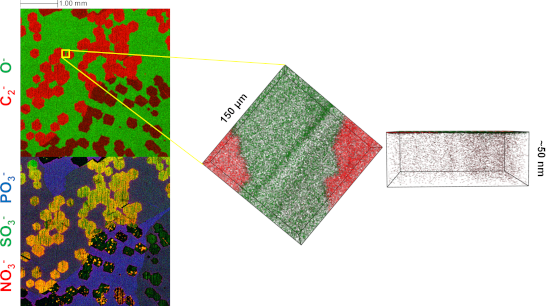
- single crystals [3][20][21][22][23], utilising Raman spectroscopy to confirm the physical structure of the graphene [24][25][26] and X-ray photoelectron spectroscopy (XPS) to confirm the sp2 bonding configuration [27][28]. However, there is typically little consideration given to possible chemical





Functional surface engineering for cultural heritage protection: the role of superhydrophobic and superoleophobic coatings – a comprehensive review
Beilstein J. Nanotechnol. 2026, 17, 63–96, doi:10.3762/bjnano.17.6

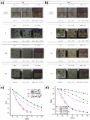
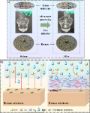
- formulation allows for the creation of thick, durable coatings (up to 80 µm) without sacrificing polymerization efficiency, as confirmed by Raman spectroscopy. Because of its UV-curing capability, the coating forms a hardened, protective layer within just 1–2 min. By incorporating vinylated alkyd oligomers




Reduced graphene oxide paper electrode for lithium-ion cells – towards optimized thermal reduction
Beilstein J. Nanotechnol. 2026, 17, 24–37, doi:10.3762/bjnano.17.3
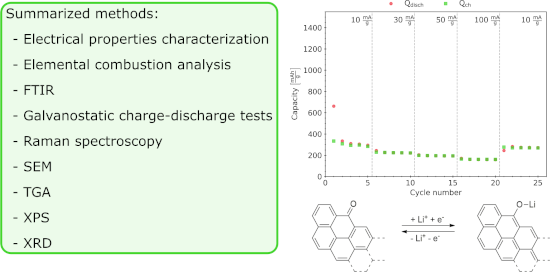
- electrode material in lithium-ion cells. Mildly reduced graphene oxide paper underwent further thermal reduction steps. The structural and chemical properties of the obtained materials were determined using Raman and Fourier-transform infrared spectroscopies and elemental combustion analysis. The morphology
- samples per material, that is, M300, T400, T600, and T800. Raman spectroscopy The structural properties of the rGO paper sheets were studied with Raman spectroscopy (InVia Renishaw spectrometer). The spectra were collected with three accumulations, a 10 s exposure time, and 1% laser power (laser
- and an increase in thickness, as well as the highest intensity of the Raman G peak, among the samples that underwent further thermal reduction, T800 was characterized by the highest conductivity of 69.93 S/cm (Table 1). The decrease in conductivity of the T400 sample (0.85 S/cm vs 1.86 S/cm for M300



Optical bio/chemical sensors for vitamin B12 analysis in food and pharmaceuticals: state of the art, challenges, and future outlooks
Beilstein J. Nanotechnol. 2025, 16, 2207–2244, doi:10.3762/bjnano.16.153
- different food and pharma formulations include high-performance liquid chromatography (HPLC) [14], HPLC coupled with inductively coupled plasma-mass spectrometry (ICP-MS) [15], and a diode array detector [16], atomic absorption spectroscopy [17], surface-enhanced Raman spectroscopy [18][19], capillary
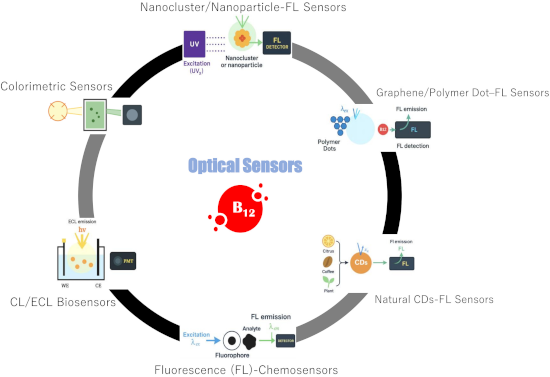
- output, utilizing the optical properties of the signal such as fluorescence, absorbance, refractive index, and Raman scattering for quantification and evaluation. The most prevalent types of optical sensing include colorimetric, plasmonic, fluorescence, and spectrophotometric methods due to their ease of


Microplastic pollution in Himalayan lakes: assessment, risks, and sustainable remediation strategies
Beilstein J. Nanotechnol. 2025, 16, 2144–2167, doi:10.3762/bjnano.16.148
- ) spectroscopy is used regularly to identify the chemical structure of MPs [34]. One of the most important developments for nanoplastic detection in complex environmental matrices is micro-FTIR to analyze particles smaller than 10 µm [35]. Raman spectroscopy improves on FTIR by using higher resolution and the
- ability to examine colored or pigmented polymers without dye interference. The geographical distributions of MPs in samples are increasingly being mapped using Raman mapping techniques, which provide valuable information for ecological impact studies [36]. Such techniques are able to distinguish between
- intervention and possibility of error [39]. Microscopy and spectroscopy tend to be combined to increase reliability. For instance, Raman or FTIR spectroscopy is applied to identify polymers following SEM to examine the shape of particles. This ensures both chemical and physical characteristics are captured [40


Further insights into the thermodynamics of linear carbon chains for temperatures ranging from 13 to 300 K
Beilstein J. Nanotechnol. 2025, 16, 1818–1825, doi:10.3762/bjnano.16.125
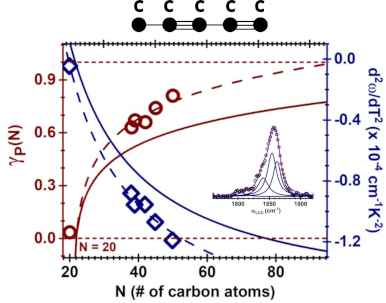
- (T) and its first and second derivatives with relation to T, dωLCC/dT, and d2ωLCC/dT2. The C-band is a Raman spectroscopic signature for LCC, which is not only temperature-dependent but also dependent on the number of carbon atoms (N) constituting the LCC. In this present study, we extend these
- parameter; linear carbon chains; Raman spectroscopy; Introduction Phonons, their mutual interactions (ph–ph interactions), and their interactions with electrons (e–ph interactions) play fundamental roles in how materials respond to electric (e.g., difference of potentials), thermal (e.g., temperature
- confirmed in a recent work by Moura et al. [60], in which a novel Raman active longitudinal mode was observed for LCC, but no active transversal modes were observed despite theoretical predictions that suggested their existence. The literature reports that LCC phonons possess long mean free paths (≈0.5–2.5


![[Graphic 23]](/bjnano/content/inline/2190-4286-16-125-i25.svg?max-width=637&scale=1.18182)
Electrical, photocatalytic, and sensory properties of graphene oxide and polyimide implanted with low- and medium-energy silver ions
Beilstein J. Nanotechnol. 2025, 16, 1794–1811, doi:10.3762/bjnano.16.123
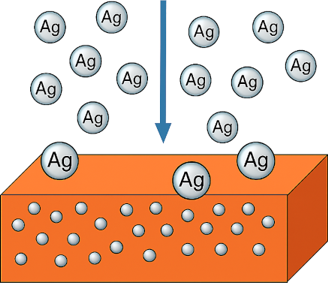
- of GO and PI. Elemental and structural changes induced by implantation were analyzed using Rutherford backscattering spectroscopy, elastic recoil detection analysis, Raman spectroscopy, Fourier-transform infrared spectroscopy, and X-ray photoelectron spectroscopy. Surface morphology was assessed via
- detection analysis (ERDA). The other analytical methods used were Raman spectroscopy, Fourier-transform infrared spectroscopy and X-ray photo-electron spectroscopy (XPS). The electrical properties were investigated by the two-point method. The photocatalytic properties were tested in a dark chamber by
- interconnected carbon network. Such changes have significant implications for the material’s properties, particularly its electrical conductivity, as a denser carbon structure typically lowers resistivity and enhances conductive pathway. Structure analysis by Raman and FTIR spectroscopies Comprehensive


Ambient pressure XPS at MAX IV
Beilstein J. Nanotechnol. 2025, 16, 1677–1694, doi:10.3762/bjnano.16.118
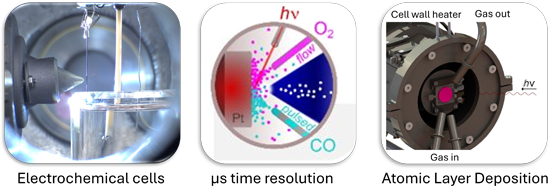
- direction for the future lies in the multimodal integration of APXPS with complementary surface-sensitive and bulk-sensitive techniques. Combining APXPS with vibrational spectroscopies (such as IRRAS and Raman), structural probes (such as X-ray absorption spectroscopy or X-ray diffraction), and mass