Search results
Search for "Raman spectroscopy" in Full Text gives 359 result(s) in Beilstein Journal of Nanotechnology. Showing first 200.
Synthesis and characterization of RF-sputtered ZnTe/Cu2−xTe thin films for solar cell applications
Beilstein J. Nanotechnol. 2026, 17, 1016–1027, doi:10.3762/bjnano.17.69
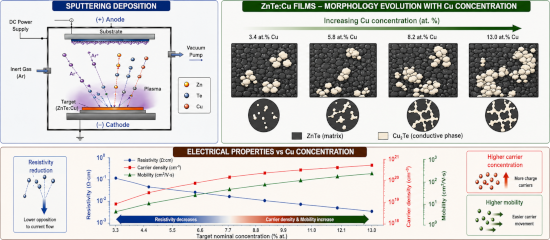
- produced only minor lattice modifications, while higher Cu and O contents promoted the formation of Cu2−xTe secondary phases, as confirmed by Raman spectroscopy, grazing-incidence X-ray diffraction and scanning electron microscopy. Optical measurements showed a significant reduction in infrared
- temperature and dopant concentration promotes enhanced crystallinity of ZnTe as well as the formation and growth of Cu2−xTe secondary phases. Raman spectroscopy and SEM images confirmed that the films exhibit a composite microstructure consisting of ZnTe and Cu2−xTe regions, in agreement with XRD and GIXRD



Oxidative atmosphere-driven formation of single-phase spinel CuRh2O4 nanofibers for alkaline water oxidation
Beilstein J. Nanotechnol. 2026, 17, 737–743, doi:10.3762/bjnano.17.50
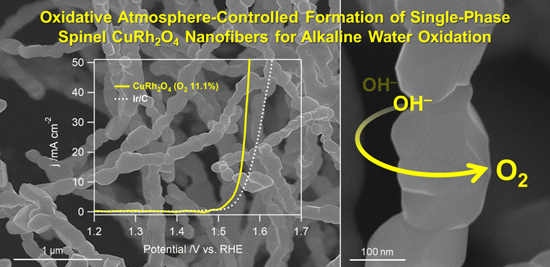
- analyzed by X-ray diffraction (MP-XRD; Malvern Panalytical X-ray diffractometer using Cu Kα radiation), Raman spectroscopy (HORIBA, LabRAM HR Evo 800), and angle-resolved X-ray photoelectron spectroscopy (AR-XPS; Thermo Fisher Scientific K-ALPHA XPS, Al Kα radiation at 12 kV). Electrochemical measurements
- , suggesting that PVP is almost completely decomposed and removed under oxidative conditions at 850 °C [16]. These findings confirm that the resulting materials predominantly exist as fully oxidized metal oxides, with minimal contribution from carbon species derived from PVP. As shown in Figure 4a, Raman
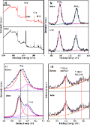
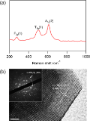
- spectroscopy was conducted to further examine the local bonding environments and short-range structural order of the phase-pure CuRh2O4 nanomaterials synthesized under the optimized condition (i.e., 11.1% O2). The spectrum exhibits characteristic vibrational modes at 277.6 cm−1 (F2g), 501.3 cm−1 (T2g) and




Environmental applications of silver nanoparticles: state-of-the-art review and emerging trends
Beilstein J. Nanotechnol. 2026, 17, 697–736, doi:10.3762/bjnano.17.49
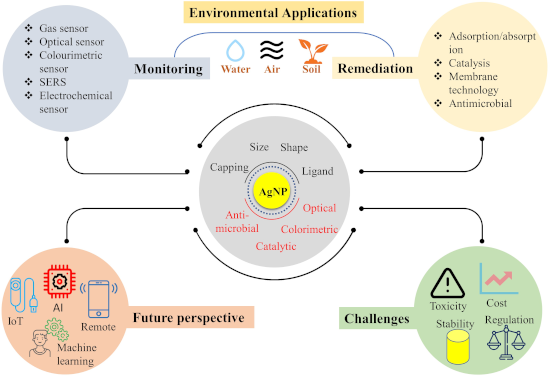
- polyfluoroalkyl substances (PFASs), and polycyclic aromatic hydrocarbons (PAHs) in environmental samples [10][11][12][13][14][15][16][17]. This indicates that nanosilver acts as a potent nanosensor for detecting various contaminants via different approaches, namely Raman spectroscopy, electrochemistry
- °, respectively [54]. Using the Scherrer equation, these 2θ values yield the nanoparticle’s crystallite size [54]. Furthermore, Fourier-transform infrared (FTIR) spectroscopy provides evidence of successful surface capping or functionalization of the desired molecules on nanoparticles [49]. Surface-enhanced Raman
- spectroscopy (SERS) using AgNP nanocomposites could selectively detect polystyrene nanoparticles with a detection limit of 14 μg/mL [55]. X-ray photoelectron spectroscopy (XPS) provides information on the elemental composition, surface oxidation states, and electronic configuration of AgNPs [56]. This


Probing tribological evolution in atomically thin MoS2 at different scales
Beilstein J. Nanotechnol. 2026, 17, 586–597, doi:10.3762/bjnano.17.40
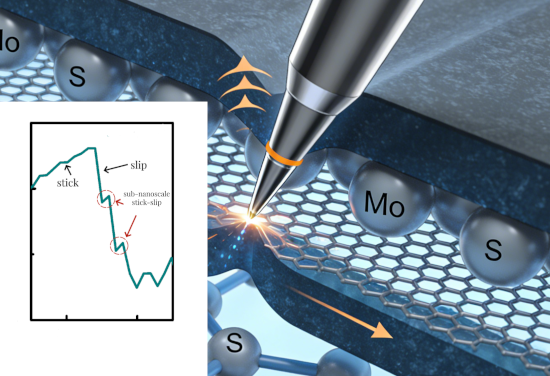
- sequentially in acetone, ethanol, and deionized water via ultrasonic cleaning and then dried with high-purity nitrogen. Sample characterization MoS2 layer thickness was determined via AFM (MFP-3D, Asylum Research) and Raman spectroscopy (inVia Reflex, Renishaw). AFM topographic images were acquired in tapping


Laser–material interactions in liquids for the synthesis of nanomaterials: current status and perspectives
Beilstein J. Nanotechnol. 2026, 17, 571–575, doi:10.3762/bjnano.17.38

- processing parameters has enabled a wide range of applications [53]. These include catalysis [54] (e.g., for oxygen [55] and hydrogen evolution reactions [56] in hydrogen production), sensing (e.g., surface-enhanced Raman spectroscopy [51] for detection of pollutants and optical sensing of glucose [57
Electrochemical determination of ciprofloxacin using a MIL-101/reduced graphene oxide-modified electrode
Beilstein J. Nanotechnol. 2026, 17, 541–554, doi:10.3762/bjnano.17.35
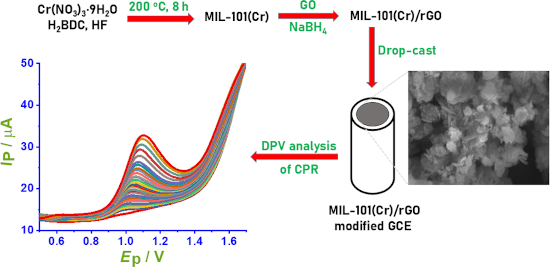
- ) equipped with an energy-dispersive X-ray (EDX) system. Raman spectroscopy was performed on an Xplora Plus instrument (Horiba, Japan) with a stimulating light wavelength of 785 nm. Electrochemical impedance spectra (EIS) were recorded using an Autolab PGSTAT302N system. Electrochemical experiments were


Upcycling agroindustrial waste into graphene oxide supports for gold nanoparticles: toward sustainable nanomaterials
Beilstein J. Nanotechnol. 2026, 17, 489–504, doi:10.3762/bjnano.17.32
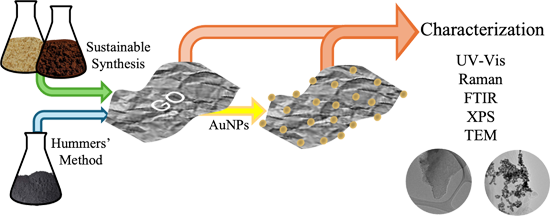
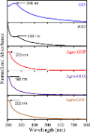
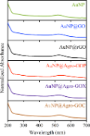
- less fragmented sp2 domains compared with Agro-GOP and Agro-GOC. Regarding absorption in the 300–350 nm region, Agro-GOC displays comparatively higher absorption than Agro-GOX and Agro-GOP, suggesting a greater abundance of C=O functionalities or more chemically diverse oxygen environments. Raman
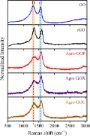
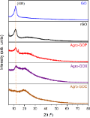
- spectroscopy was employed to further investigate the structural features of the Agro-GO samples (Figure 2). The spectra reveal the two characteristic absorption bands expected for graphene-based materials, that is, the G band located near 1580 cm−1, corresponding to the vibrational mode of sp2-bonded carbon



Defects and defect-mediated engineering of two-dimensional materials: challenges and open questions
Beilstein J. Nanotechnol. 2026, 17, 454–488, doi:10.3762/bjnano.17.31
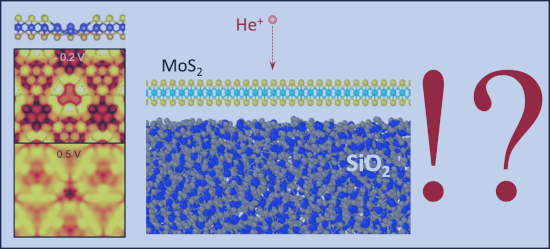
- been computationally prohibitively costly, but modern machine learning models have enabled such simulations for non-resonant Raman experiments. Therefore, the great challenge is the development of higher-precision measurements utilizing nano-Raman spectroscopy (see Figure 3). When nano-Raman is
- implemented in the tip-enhanced Raman spectroscopy (TERS) configuration, the well-established D/G ratio depends on the TERS tip enhancement [95] and whether the distance among defects is larger or smaller than the tip apex size [96][97]. As shown in Figure 3, the D/G ratio exhibits three different tendencies
- depending on the relative dimension between the TERS probe (rtip is the tip apex radius) and the distance among defects (LD) [97]. Raman spectroscopy has been used to estimate defect concentrations in graphene. How does it work for other 2D materials? Several authors have been addressing the use of Raman





Interconnection morphology effects on the radio frequency response of carbon nanotube sponges
Beilstein J. Nanotechnol. 2026, 17, 343–351, doi:10.3762/bjnano.17.23
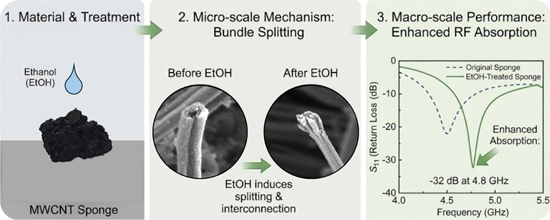
- . In particular, we observed that the response of S11 = −22.6 dB around 4.8 GHz from the CNS antenna improved after a mild treatment with ethanol, reaching S11 = −32.6 dB measured after 10 min of waiting. This observed effect is studied in detail with scanning electron microscopy and Raman spectroscopy



Beam shaping techniques for pulsed laser ablation in liquids: Unlocking tunable control of nanoparticle synthesis in liquids
Beilstein J. Nanotechnol. 2026, 17, 309–342, doi:10.3762/bjnano.17.22
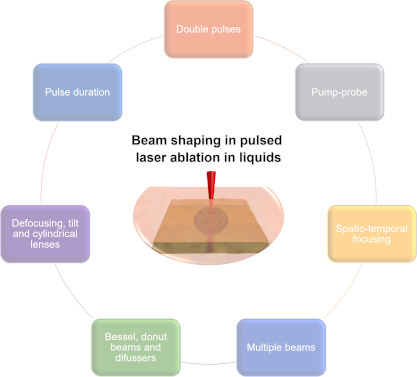
- ][77] and colorimetric sensors [78][79], surface-enhanced Raman spectroscopy detection [71][80][81], nanofluids for thermal applications [82][83][84], additive manufacturing [85][86][87], or catalysis [88][89]. The previously mentioned applications of PLAL-derived NPs can be grouped into four major







Advancing nanolithography: a comprehensive review of materials for local anodic oxidation with AFM
Beilstein J. Nanotechnol. 2026, 17, 275–291, doi:10.3762/bjnano.17.19
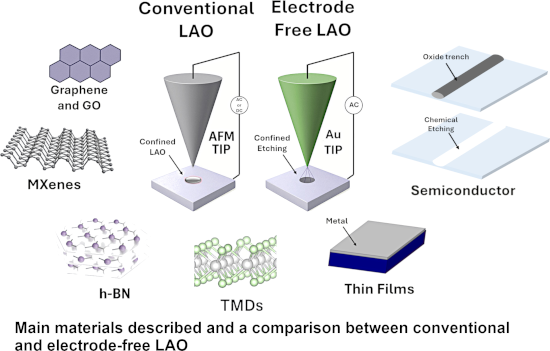
- due to reduced electronic interactions between layers. Raman spectroscopy and micro-XPS studies confirm these effects, revealing oxygen incorporation patterns and changes in chemical composition. In summary, the versatility in achieving selective oxidation or ablation expands the potential for device


Time of flight secondary ion mass spectrometry imaging of contaminant species in chemical vapour deposited graphene on copper
Beilstein J. Nanotechnol. 2026, 17, 200–213, doi:10.3762/bjnano.17.13
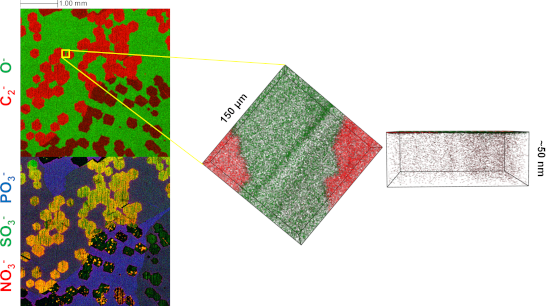
- single crystals [3][20][21][22][23], utilising Raman spectroscopy to confirm the physical structure of the graphene [24][25][26] and X-ray photoelectron spectroscopy (XPS) to confirm the sp2 bonding configuration [27][28]. However, there is typically little consideration given to possible chemical





Functional surface engineering for cultural heritage protection: the role of superhydrophobic and superoleophobic coatings – a comprehensive review
Beilstein J. Nanotechnol. 2026, 17, 63–96, doi:10.3762/bjnano.17.6

- formulation allows for the creation of thick, durable coatings (up to 80 µm) without sacrificing polymerization efficiency, as confirmed by Raman spectroscopy. Because of its UV-curing capability, the coating forms a hardened, protective layer within just 1–2 min. By incorporating vinylated alkyd oligomers




Reduced graphene oxide paper electrode for lithium-ion cells – towards optimized thermal reduction
Beilstein J. Nanotechnol. 2026, 17, 24–37, doi:10.3762/bjnano.17.3
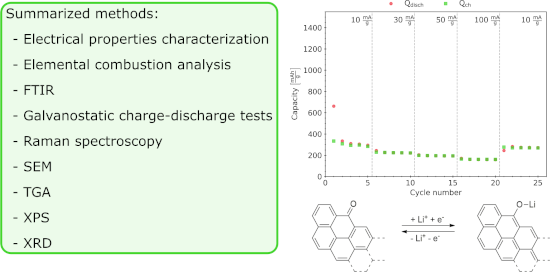
- samples per material, that is, M300, T400, T600, and T800. Raman spectroscopy The structural properties of the rGO paper sheets were studied with Raman spectroscopy (InVia Renishaw spectrometer). The spectra were collected with three accumulations, a 10 s exposure time, and 1% laser power (laser
- stability of the cell’s performance was improved with increasing reduction temperature. Changes in structural properties revealed by Raman spectroscopy influenced the electrochemical properties of these materials, probably due to the decreased charge transfer resistance and balanced electronic and ionic



Optical bio/chemical sensors for vitamin B12 analysis in food and pharmaceuticals: state of the art, challenges, and future outlooks
Beilstein J. Nanotechnol. 2025, 16, 2207–2244, doi:10.3762/bjnano.16.153
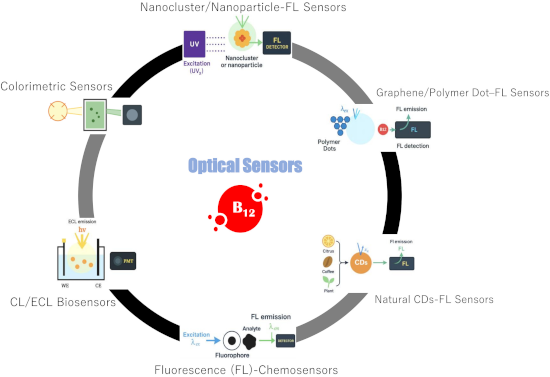
- different food and pharma formulations include high-performance liquid chromatography (HPLC) [14], HPLC coupled with inductively coupled plasma-mass spectrometry (ICP-MS) [15], and a diode array detector [16], atomic absorption spectroscopy [17], surface-enhanced Raman spectroscopy [18][19], capillary


Microplastic pollution in Himalayan lakes: assessment, risks, and sustainable remediation strategies
Beilstein J. Nanotechnol. 2025, 16, 2144–2167, doi:10.3762/bjnano.16.148
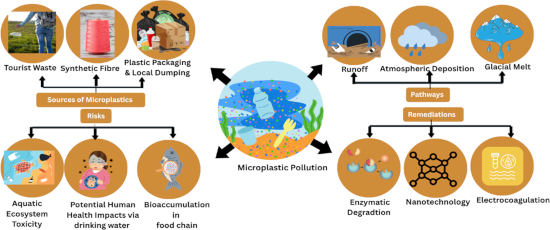
- ) spectroscopy is used regularly to identify the chemical structure of MPs [34]. One of the most important developments for nanoplastic detection in complex environmental matrices is micro-FTIR to analyze particles smaller than 10 µm [35]. Raman spectroscopy improves on FTIR by using higher resolution and the
- . First, detection and monitoring systems have to be boosted in order to build a baseline of MP pollution control. Standard protocols created by international organizations can monitor MPs in a variety of environmental matrices. Analysis methods such as Raman spectroscopy, FTIR, and pyrolysis-GC/MS have


Further insights into the thermodynamics of linear carbon chains for temperatures ranging from 13 to 300 K
Beilstein J. Nanotechnol. 2025, 16, 1818–1825, doi:10.3762/bjnano.16.125
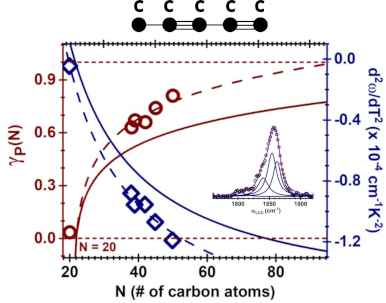
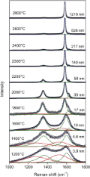
- parameter; linear carbon chains; Raman spectroscopy; Introduction Phonons, their mutual interactions (ph–ph interactions), and their interactions with electrons (e–ph interactions) play fundamental roles in how materials respond to electric (e.g., difference of potentials), thermal (e.g., temperature
- associated with the values of γP and . Conclusion In summary, this paper investigates the thermodynamic properties of isolated and small bundles of LCC@MWCNT via Raman spectroscopy by tracking the C-band frequencies ωLCC of LCC in the range of temperatures of 13 < T < 300 K. These range of temperatures


![[Graphic 23]](/bjnano/content/inline/2190-4286-16-125-i25.svg?max-width=637&scale=1.18182)
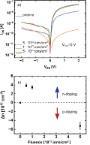
Electrical, photocatalytic, and sensory properties of graphene oxide and polyimide implanted with low- and medium-energy silver ions
Beilstein J. Nanotechnol. 2025, 16, 1794–1811, doi:10.3762/bjnano.16.123
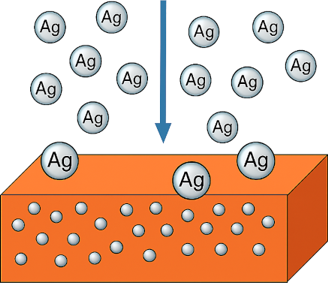
- of GO and PI. Elemental and structural changes induced by implantation were analyzed using Rutherford backscattering spectroscopy, elastic recoil detection analysis, Raman spectroscopy, Fourier-transform infrared spectroscopy, and X-ray photoelectron spectroscopy. Surface morphology was assessed via
- detection analysis (ERDA). The other analytical methods used were Raman spectroscopy, Fourier-transform infrared spectroscopy and X-ray photo-electron spectroscopy (XPS). The electrical properties were investigated by the two-point method. The photocatalytic properties were tested in a dark chamber by
- structural analysis of GO before and after ion irradiation was conducted using Raman spectroscopy [28]. This spectroscopic technique, known for its effectiveness in probing disorders and defects within crystal structures, proved particularly valuable in characterizing graphite and its derivatives [29]. The


Nanotechnology-based approaches for the removal of microplastics from wastewater: a comprehensive review
Beilstein J. Nanotechnol. 2025, 16, 1607–1632, doi:10.3762/bjnano.16.114
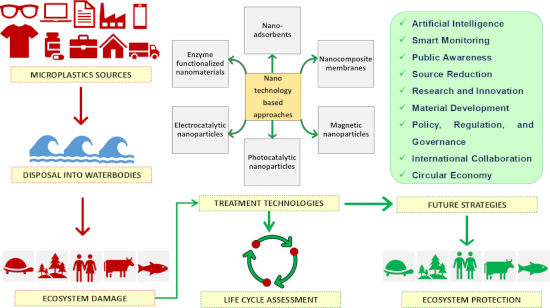
- calorimetry, pyrolysis gas chromatography mass spectrometry, and thermal extraction desorption gas chromatography are useful in identifying the chemical composition of MPs but are destructive analytical techniques [132][133]. Spectroscopic analysis like Raman spectroscopy often suffers from a poor signal-to


Influence of laser beam profile on morphology and optical properties of silicon nanoparticles formed by laser ablation in liquid
Beilstein J. Nanotechnol. 2025, 16, 1533–1544, doi:10.3762/bjnano.16.108
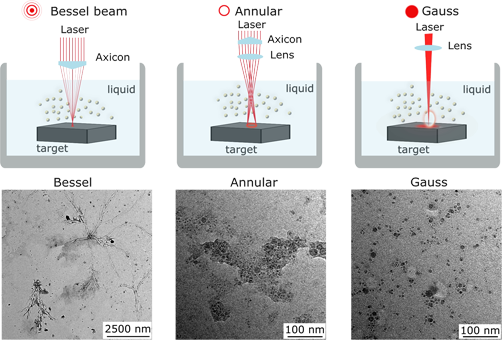
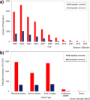
- . Optical characterization The optical properties of Si NPs dispersed in ethanol were investigated using Raman and UV–vis spectroscopy. Initially, Si NPs obtained using Bessel, annular, and Gaussian laser beams were characterized by Raman spectroscopy, and their Raman spectra (vibrational modes) were


Dendrimer-modified carbon nanotubes for the removal and recovery of heavy metal ions from water
Beilstein J. Nanotechnol. 2025, 16, 1522–1532, doi:10.3762/bjnano.16.107

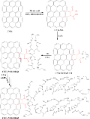
- (Scheme 1). This first step is crucial to ensure a high growth rate of dendrimers in subsequent steps by the repeated reaction of MA and ethylene diamine (EDA). We have characterized the CNTs-MA material by Raman spectroscopy to find the degree of functionalization, and the results are depicted in Figure
- thoroughly characterized using FTIR, SEM, XRD, EDX, TGA, and Raman spectroscopy to confirm the successful functionalization and structural integrity of the materials. The applicability of these dendrimerized CNTs materials for the adsorption of Pb2+ and Cd2+ metal ions from aqueous media was thoroughly
- . Ethylenediamine and maleic anhydride (99%) were obtained from Alfa Aesar and used as received without further purification. Standard solutions of Pb and Cd (1000 ppm) were procured from Merck with a purity of 99.99% and used as received. Characterizations Raman spectroscopy was conducted using a JASCO NRS-5000


Laser processing in liquids: insights into nanocolloid generation and thin film integration for energy, photonic, and sensing applications
Beilstein J. Nanotechnol. 2025, 16, 1428–1498, doi:10.3762/bjnano.16.104
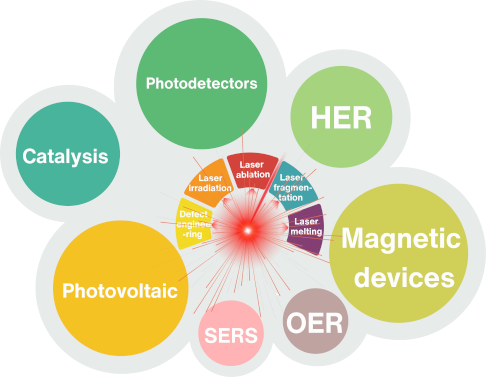
- Raman spectroscopy (SERS) substrates, and solar cells. In this review article, we describe different methods of nanocolloidal synthesis using laser-assisted processes and corresponding thin film fabrication methods, particularly those utilized for device fabrication and characterization. The four
- ; nanocolloids to thin films; photocatalysis; photovoltaics and photodetection; surface-enhanced Raman spectroscopy (SERS); Review 1 Introduction This section provides a brief introduction to the fundamental laser processing techniques used in liquids, including ablation, fragmentation, melting, irradiation; it
- . Pulsed laser processing in liquids offers a unique advantage by producing surfactant-free nanocolloids, which can be directly used for the fabrication of thin film devices such as photodiodes, photovoltaics (PV), photocatalysts, surface-enhanced Raman spectroscopy (SERS) sensors, electrochemical sensors






Deep-learning recognition and tracking of individual nanotubes in low-contrast microscopy videos
Beilstein J. Nanotechnol. 2025, 16, 1316–1324, doi:10.3762/bjnano.16.96
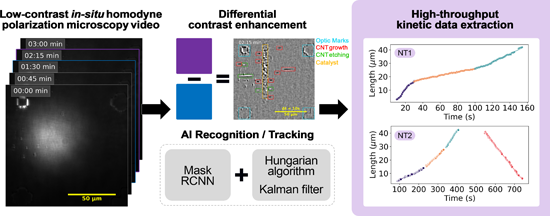
- growth kinetics, revealing complex behaviors such as intermittent switching between growth, pause, and etching modes, even under nominally constant synthesis conditions [20]. These observations, further supported by complementary Raman spectroscopy, served as a foundation for the development of a new


Wavelength-dependent correlation of LIPSS periodicity and laser penetration depth in stainless steel
Beilstein J. Nanotechnol. 2025, 16, 1302–1315, doi:10.3762/bjnano.16.95
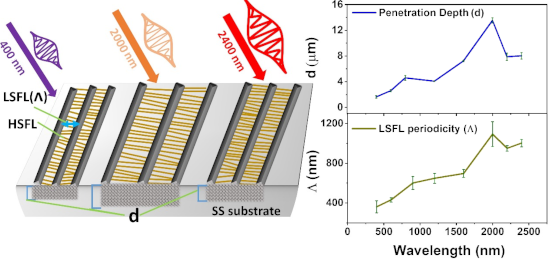
- -enhanced Raman spectroscopy, reduction of friction and wear, fuel injection, and enhancement of tribological properties [14][15][16][17][18][19][20][21][22][23][24][25][26][27][28][29][30]. Extensive research efforts have been directed toward understanding LIPSS, encompassing systematic investigations on




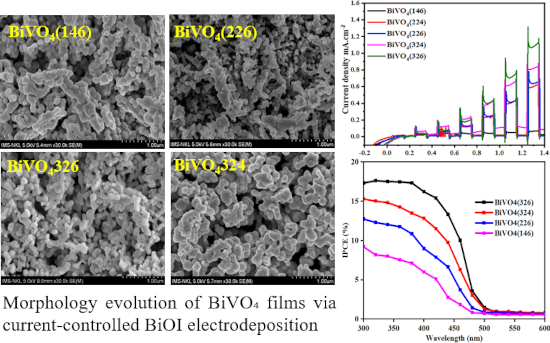
Enhancing the photoelectrochemical performance of BiOI-derived BiVO4 films by controlled-intensity current electrodeposition
Beilstein J. Nanotechnol. 2025, 16, 1289–1301, doi:10.3762/bjnano.16.94
- . Characteristics of materials X-ray diffraction (XRD, Bruker D8 Advance) and Raman spectroscopy (LabRAM Odyssey Semiconductor) were used to analyze the crystal structures of photoanodes. UV–vis absorption spectra were obtained using a Cary 60 spectrophotometer. X-ray photoelectron spectroscopy (XPS, VG ESCALAB250
- absorption edge intersection, as shown Figure 3b. Samples prepared with higher electrodeposition currents and larger VO(acac)2 amounts exhibited redshifted absorption edges, indicating enhanced light harvesting due to improved crystallinity and reduced disorder. XRD and Raman spectroscopy confirmed these