Search results
Search for "light source" in Full Text gives 208 result(s) in Beilstein Journal of Nanotechnology. Showing first 200.
Glycerol photoelectrochemical oxidation reaction at carbon nitrides/BiVO4 materials
Beilstein J. Nanotechnol. 2026, 17, 806–817, doi:10.3762/bjnano.17.57
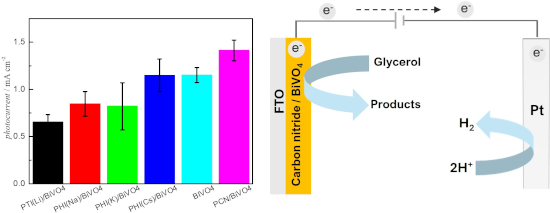
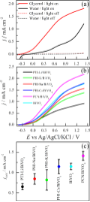
- electrode (WE), a platinum sheet as the counter electrode, and a Ag/AgCl/KClsat electrode as potential reference. The light source was provided by solar simulator (Oriel, LCS-100, AM-1.5G) with 100 mW·cm−2 of irradiance illuminating the back side of the WE through a lateral quartz window in the




Decontamination from water pollutants and pathogens by electrospun nanofibers doped with heavy-atom-free borafluorene-BODIPY photosensitizers
Beilstein J. Nanotechnol. 2026, 17, 668–682, doi:10.3762/bjnano.17.46

- mg·mL−1, used as internal reference for 1H NMR analysis), and fragments of the photoactive material (5 × 5 mm) were placed in the photoreactor equipped with 26 W neutral-white light (CIE 1931 (0.38899; 0.37837)) LED stripes (Figure S5, Supporting Information File 1). The distance from the light source
- shielded from light. Irradiation was performed with 26 W white-light LEDs glued to an aluminium plate (20 × 23 cm) mounted on threaded legs (Figure S6, Supporting Information File 1). In all experiments, the distance between the light source and the plate was fixed at 10 cm, ensuring homogeneous light



Beam shaping techniques for pulsed laser ablation in liquids: Unlocking tunable control of nanoparticle synthesis in liquids
Beilstein J. Nanotechnol. 2026, 17, 309–342, doi:10.3762/bjnano.17.22







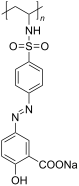
Structure-dependent thermochromism of PAZO thin films: theory and experiment
Beilstein J. Nanotechnol. 2026, 17, 186–199, doi:10.3762/bjnano.17.12
- ) and the spectrophotometer (Ocean Optics) detector system (Figure 10А). Birefringence measurement A classic setup with a polarimeter, as shown in Figure 10B, was used to measure birefringence. This setup included a light source, a polarizer, a birefringent sample, and a polarimeter to measure the


Internal 3D temperature mapping in biological systems using ratiometric light-sheet imaging and lipid-coated upconversion nanothermometers
Beilstein J. Nanotechnol. 2025, 16, 2306–2316, doi:10.3762/bjnano.16.159
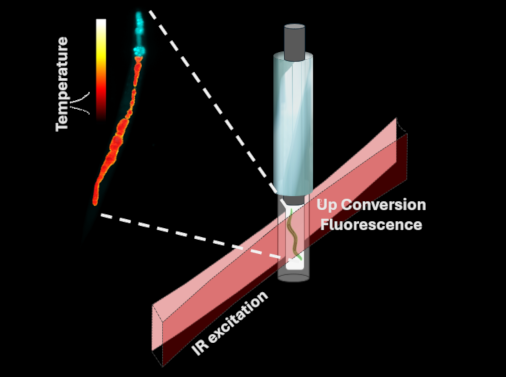
- with a transmitted light source and thin tweezers. After the transfer, 50 µL of the UCNPs@lipids solution was carefully dropped onto the plate and spread to cover most of the plate. Before imaging, the nematodes were left in contact with the UCNPs@lipids solutions for approximately 17 h. Samples used


Optical bio/chemical sensors for vitamin B12 analysis in food and pharmaceuticals: state of the art, challenges, and future outlooks
Beilstein J. Nanotechnol. 2025, 16, 2207–2244, doi:10.3762/bjnano.16.153
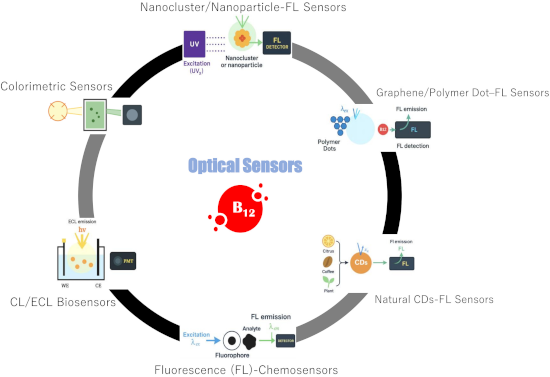
- localized SPR (LSPR) biosensing platforms [96]. Chemiluminescence and electrochemiluminescence biosensors Chemiluminescence (CL) sensors detect light emissions released from the chemical reaction process. After the reaction of certain chemicals, CL sensors produce light without requiring an external light
- source. In such systems, the recognition is usually provided by specific reactive molecules, the luminophore acts as the indicator, and the sensing signal is the emitted light. This chemical process involves the excitation of molecules to higher energy states during the reaction, and then they emit


Ambient pressure XPS at MAX IV
Beilstein J. Nanotechnol. 2025, 16, 1677–1694, doi:10.3762/bjnano.16.118
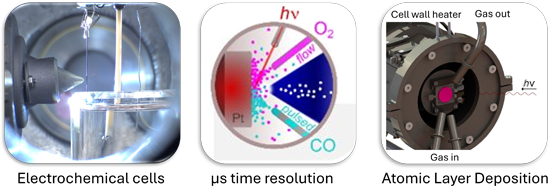
- restricted to ultrahigh vacuum. This review highlights the capabilities and scientific impact of APXPS at the MAX IV Laboratory, the world’s first fourth-generation synchrotron light source. With the APXPS beamlines SPECIES and HIPPIE, MAX IV offers state-of-the-art instrumentation for in situ and operando
- university laboratories [5]. MAX IV Laboratory in Lund is a Swedish national laboratory inaugurated in 2016; it was the first fourth-generation synchrotron light source worldwide [6][7]. The accelerator complex comprises a linear accelerator as well as a 1.5 GeV and a 3 GeV storage ring for electrons. MAX IV


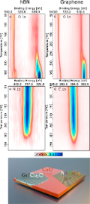
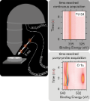

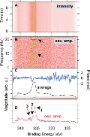


Laser processing in liquids: insights into nanocolloid generation and thin film integration for energy, photonic, and sensing applications
Beilstein J. Nanotechnol. 2025, 16, 1428–1498, doi:10.3762/bjnano.16.104
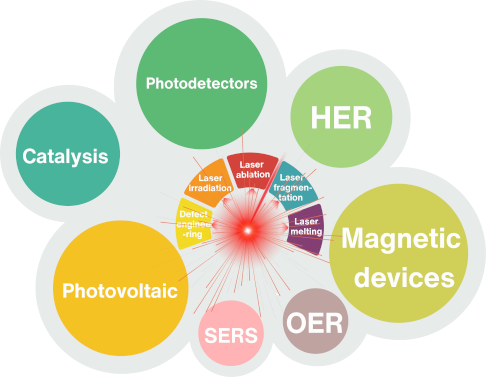






Photochemical synthesis of silver nanoprisms via green LED irradiation and evaluation of SERS activity
Beilstein J. Nanotechnol. 2025, 16, 1417–1427, doi:10.3762/bjnano.16.103
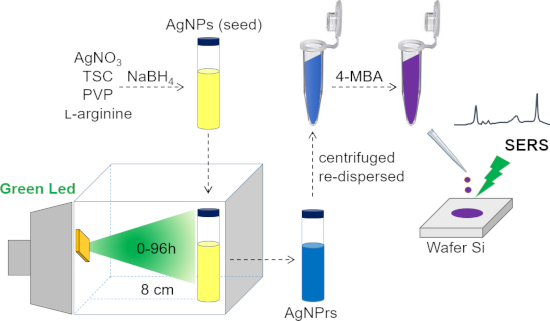
- solution was stirred at room temperature and aged in the dark overnight. Manufacturing of AgNPrs A volume of 20 mL of the seed solution was transferred into 25 mL glass vials (Wheaton, Germany). These vials were placed vertically at a fixed distance of 8 cm from the LED light source, inside a cardboard box


Enhancing the photoelectrochemical performance of BiOI-derived BiVO4 films by controlled-intensity current electrodeposition
Beilstein J. Nanotechnol. 2025, 16, 1289–1301, doi:10.3762/bjnano.16.94
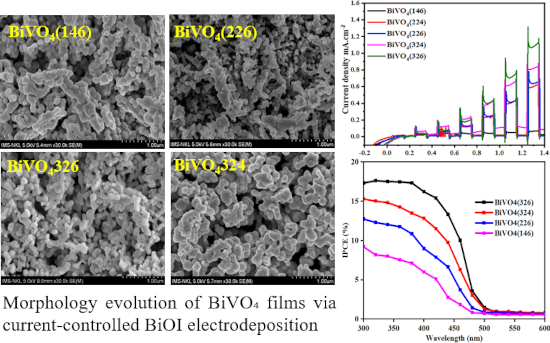
- xenon lamp was 300 W (PLS-SXE 300C, 100 mW·cm−2) equipped with an AM1.5G filter to simulate solar light conditions. Linear sweep voltammetry (LSV) measurements were performed by scanning the potential from −0.6 to 1.2 V (vs Ag/AgCl), at a scan rate of 0.05 V·s−1. In the LSV test, the light source
- 150 W Xe lamp as the simulated light source (developed by HS Technologies, Korea). where Plight is the power density of monochromatic light acquired at a given wavelength, and J is the photocurrent density (mA·cm−2) under illumination at a wavelength (mW·cm−2). Results and Discussion Structural



Investigation of the solubility of protoporphyrin IX in aqueous and hydroalcoholic solvent systems
Beilstein J. Nanotechnol. 2025, 16, 1209–1215, doi:10.3762/bjnano.16.89
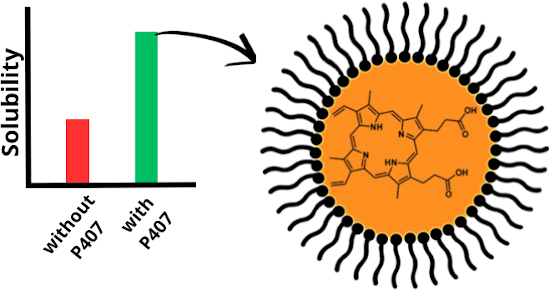
- suitable light source, and molecular oxygen, generating reactive oxygen species that induce cellular damage [3][4]. Among the PSs used in PDT, protoporphyrin IX (PpIX) stands out as a natural precursor of hemoglobin and porphyrins, exhibiting low toxicity in its monomeric form [5]. When exposed to light
- Michelly de Sa Matsuoka Giovanna Carla Cadini Ruiz Marcos Luciano Bruschi Jessica Bassi da Silva Department of Pharmacy, State University of Maringa, Maringa, PR, Brazil 10.3762/bjnano.16.89 Abstract Photodynamic therapy (PDT) is a non-invasive treatment involving a photosensitizer (PS), light
- source, and tissue oxygen. Protoporphyrin IX (PpIX) is commonly used as a PS due to its tumor-targeting properties and phototoxicity. However, the physicochemical properties of PpIX foster self-aggregation, which is a challenge for its incorporation into pharmaceutical formulations. This study aimed to


Towards a quantitative theory for transmission X-ray microscopy
Beilstein J. Nanotechnol. 2025, 16, 1113–1128, doi:10.3762/bjnano.16.82
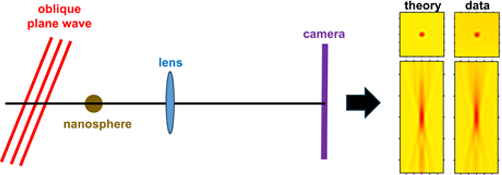
- alignment of the focal-plane series to correct for stage jitter using larger 270 nm gold shells that were also included in the sample, plus correction for temporal fluctuations in the X-ray light source occuring during collection of the focal-plane series. Other than these basic corrections for jitter and
- jitter and flickering of the X-ray light source (Figure 7). Supporting Information File 1 contains additional information for all other experimental procedures and analyses. Matlab was used to compute all model predictions. Here we summarize the computational approach for calculating the pc-Mie model



Fabrication of metal complex phthalocyanine and porphyrin nanoparticle aqueous colloids by pulsed laser fragmentation in liquid and their potential application to a photosensitizer for photodynamic therapy
Beilstein J. Nanotechnol. 2025, 16, 1088–1096, doi:10.3762/bjnano.16.80
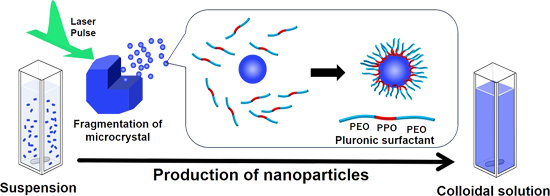
- [30][31]. A halogen lamp light with a wide spectral range of 500–800 nm using optical filters was used as light source for 10 min at an output power of 35 mW·cm−2 (Figure S6 and Figure S7, Supporting Information File 1). For AlClPc and PtOEP nanoparticles, a significant reduction in the cell viability
- photolysis of DPBF. For this analysis, a mixture (1 mL) of the MPc or PtOEP nanoparticles (dyes concentration ca. 30 μM) and DPBF (30 μM) was irradiated with the same light source (500–800 nm) as in the phototoxicity experiment at 40 mW·cm−2; the results obtained for PtOEP are shown in Figure 8a as an
- with broadband (500–800 nm, Figure S6, Supporting Information File 1) visible-light source at 30 mW·cm−2 for 10 min. The cell viability after light irradiation was determined using a MTT cell proliferation kit (Roche) as described in [31][32]. 10 μL of the 3-(4,5-dimethylthiazol-2-yl)-2,5


A calix[4]arene-based supramolecular nanoassembly targeting cancer cells and triggering the release of nitric oxide with green light
Beilstein J. Nanotechnol. 2025, 16, 1003–1013, doi:10.3762/bjnano.16.75
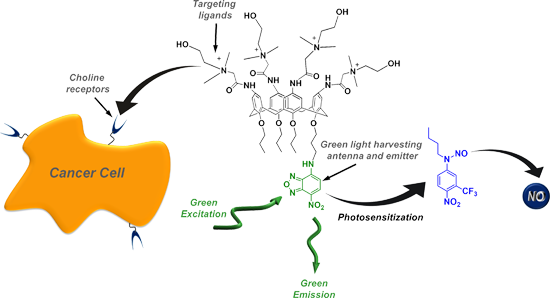
- light source. The concentration of the phototransformed 2 was determined spectrophotometrically by taking into account the absorption changes at 290 and 400 nm, and Δε290 = 8500 M−1·cm−1 and Δε400 = 9600 M−1·cm−1, respectively. I was calculated by potassium ferrioxalate actinometry. Cell culture Primary


Recent advances in photothermal nanomaterials for ophthalmic applications
Beilstein J. Nanotechnol. 2025, 16, 195–215, doi:10.3762/bjnano.16.16
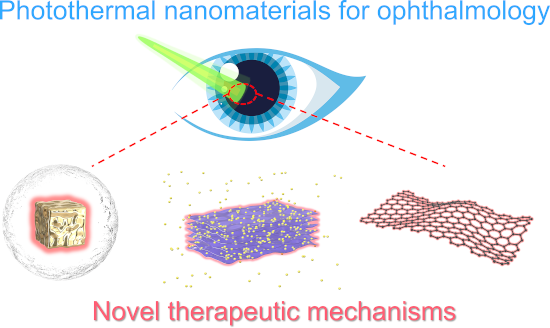
- photothermal conversion and tunability of light absorption of these materials simplify the therapeutic light source, broadening their applicability [17][18]. Furthermore, the customizable nature of these nanomaterials allows for the development of personalized treatment plans, tailored to individual patient


Orientation-dependent photonic bandgaps in gold-dust weevil scales and their titania bioreplicates
Beilstein J. Nanotechnol. 2025, 16, 1–10, doi:10.3762/bjnano.16.1
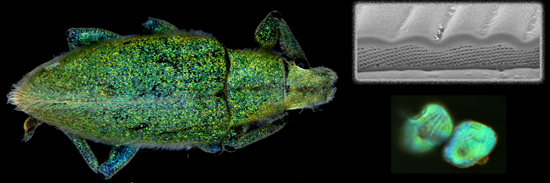
- structure. While the individual scales appear bright and of saturated color, the resulting overall coloration under an extended light source is uniformly green with a very low specularity. The synthesis of negative replicas using titania sol–gel chemistry demonstrates its potential for producing materials
- × (NA = 0.60) objective. A white diffuse reference tile (WS-2, Avantes) was used as the reference for spectroscopy measurements. Illumination was provided by a xenon or a halogen light source. Electron microscopy Top-view images of single scales were acquired with a Zeiss Ultra Plus 55 scanning electron
- in normal direction onto the structure that was oriented along the [100] direction. The angle-integrated reflectivity was obtained from a monitor placed above the light source spanning the entire simulation box area. The gold-dust weevil Hypomeces squamosus. (a) A macro photo of the weevil with


Facile synthesis of size-tunable L-carnosine-capped silver nanoparticles and their role in metal ion sensing and catalytic degradation of p-nitrophenol
Beilstein J. Nanotechnol. 2024, 15, 1576–1592, doi:10.3762/bjnano.15.124
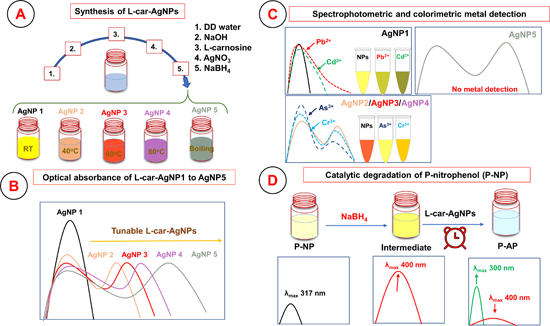
- Raman spectra of ʟ-carnosine-capped silver nanoparticles, as well as ʟ-carnosine, as solid and in aqueous solution, were recorded at RT using an excitation source of 532 nm. The light source was a diode-pumped solid-state Nd3+:YAG laser (Cobolt Samba 0532-01-0500-500, Cobolt AB, Sweden). For solid ʟ




Ultrablack color in velvet ant cuticle
Beilstein J. Nanotechnol. 2024, 15, 1554–1565, doi:10.3762/bjnano.15.122

- measurements were conducted using a high-resolution optical fiber spectrometer (Flame; Ocean Insight, Inc., Dunedin, FL, USA), equipped with a DH-2000-BAL light source (Ocean Insight, Inc.) and an optical fiber probe consisting of a 400 µm detector and a light guide. Spectral luminance was controlled using a



Photocatalytic methane oxidation over a TiO2/SiNWs p–n junction catalyst at room temperature
Beilstein J. Nanotechnol. 2024, 15, 1132–1141, doi:10.3762/bjnano.15.92
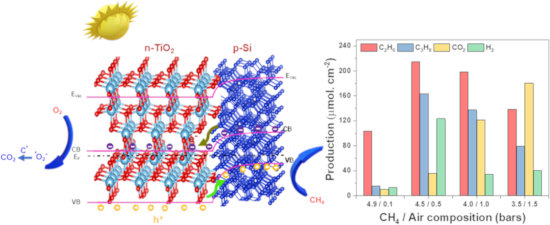
- experiments. Photocatalytic tests The as-synthesized catalyst was placed in a custom-made batch reactor with a small transparent quartz window, which was directly connected to a gas chromatograph (GC) with thermal conductivity and flame ionization detectors. A 300 W Xenon lamp was utilized as a light source


Signal generation in dynamic interferometric displacement detection
Beilstein J. Nanotechnol. 2024, 15, 1070–1076, doi:10.3762/bjnano.15.87
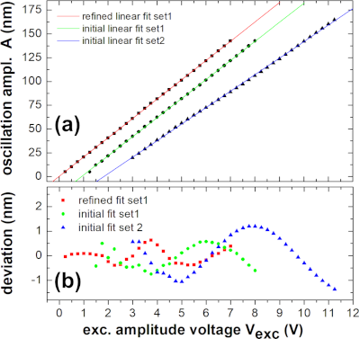
- highly stable interferometer can detect displacements with an accuracy far beyond nanometer resolution [3], where the final physical limit is set by the photon emission statistics of the light source [4]. In non-contact atomic force microscopy (NC-AFM), interferometry is used to measure the periodic
- in the Michelson mode resulting in a detector signal IM that is much smaller than what could be obtained by working in the Fabry–Pérot mode [12]. A temperature- and intensity-stabilized laser diode light source (type 48TA-1-42037, Schäfter + Kirchhoff GmbH, Hamburg, Germany) operating at a vacuum
- Instruments, USA), which has been calibrated by 40 atomic lines distributed over the entire visible spectrum to yield an accurate value for the wavelength at a spectral resolution of 0.050 nm. As evident from the multimode spectrum of the laser diode light source shown in the inset of Figure 4, the spectrum


Green synthesis of biomass-derived carbon quantum dots for photocatalytic degradation of methylene blue
Beilstein J. Nanotechnol. 2024, 15, 755–766, doi:10.3762/bjnano.15.63
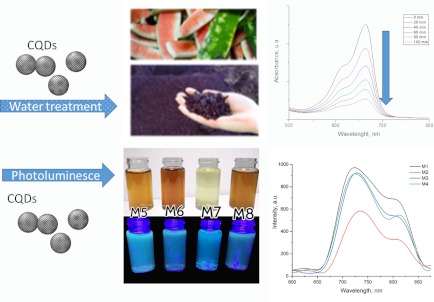
- a continuous emission xenon light source (190–900 nm). All the samples were dispersed in deionized water and analyzed with an excitation wavelength of 350 and 900 nm in aqueous medium. Photocatalytic evaluation The photocatalytic activity of the synthesized CQDs was studied for the photodegradation
- of the photodegradation reaction under light radiation. In the case of tests conducted with incandescent light, a lamp was used as the light source, placed approximately 10 cm away from the solution, and the reaction was allowed to proceed for 100 min. During the degradation tests, both sunlight and


Gold nanomakura: nanoarchitectonics and their photothermal response in association with carrageenan hydrogels
Beilstein J. Nanotechnol. 2024, 15, 678–693, doi:10.3762/bjnano.15.56

- gold nanoparticle suspensions of CTAB-AuNM, MTAB-AuNM, and DTAB-AuNM, respectively, whereas Figure 8b shows heating and cooling of DTAB-AuNR and CTAB-AuNR, respectively. From Figure 8a, it was observed that the temperature of deionized water reached up to ≈3 °C under irradiation with a light source
- , and DTAB-AuNM on photothermal interaction with a visible broadband light source for 300 s are shown in Figure 8c. The temperature rise in AuNMs capped with CTAB, MTAB, and DTAB attains up to ≈25, ≈21, and ≈21 °C, respectively, in powdered form. The thermal images captured for the same conditions are
- shown in Supporting Information File 1, Figure S3. Photothermal response of AuNRs in powder form It was observed that DTAB-AuNR and CTAB-AuNR in powdered form attained up to 22.4 and 30.6 °C temperature rise upon interaction with the visible broadband light source as shown in Figure 9. Photothermal






Controllable physicochemical properties of WOx thin films grown under glancing angle
Beilstein J. Nanotechnol. 2024, 15, 350–359, doi:10.3762/bjnano.15.31
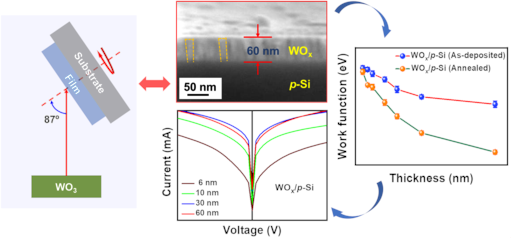
- electrons under the InLens configuration. The optical characteristics of the films were examined using a UV–Vis–NIR spectrophotometer (Shimadzu-3101PC) equipped with an unpolarised light source (300–1200 nm wavelength range). Results and Discussion Figure 1a–d depicts AFM topographic images of as-deposited


In situ optical sub-wavelength thickness control of porous anodic aluminum oxide
Beilstein J. Nanotechnol. 2024, 15, 126–133, doi:10.3762/bjnano.15.12
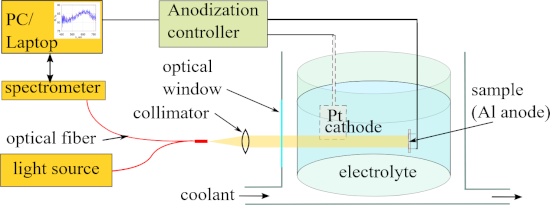
- different wavelengths. The usable wavelength range was limited primarily by the low intensity of the incandescent light source in the violet part of the spectrum and the sensitivity of the detector in the infrared. Other materials (fiber, glass, electrolyte, and coolant) in the optical path can further
- post-production analysis (Figure 4f). The potential extension of the interferometric thickness measurement method to thinner PAAO layers could involve the utilization of a shorter-wavelength light source and UV-compatible optical components. In such a scenario, considerations should be made for the
- spectra were collected using a bifurcated optical fiber (LIGHTGUIDE LGO.INT-06.2020) with one branch attached to a stabilized tungsten-halogen light source (THORLABS SLS201L/M ) and the other to a miniature spectrometer (OCEAN OPTICS USB4000). The common optical fiber port was collimated to a ≈2 mm


Dual-heterodyne Kelvin probe force microscopy
Beilstein J. Nanotechnol. 2023, 14, 1068–1084, doi:10.3762/bjnano.14.88
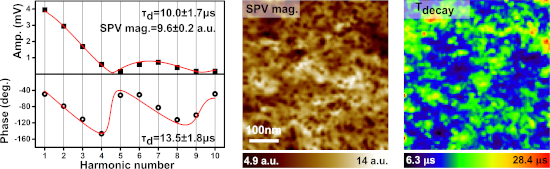
- that the modulation frequency of the light source is set high enough, it becomes possible to “stabilize” the static bending in a steady state, and photothermal cantilever excitation can be avoided (by setting the optical modulation at a frequency that differs from the cantilever resonance eigenmodes