Search results
Search for "phenomenon" in Full Text gives 615 result(s) in Beilstein Journal of Nanotechnology. Showing first 200.
Restorative potential of laser-synthesized silver nanoparticles with Salvia officinalis for periodontal disease treatment: an in vitro study
Beilstein J. Nanotechnol. 2026, 17, 781–795, doi:10.3762/bjnano.17.55
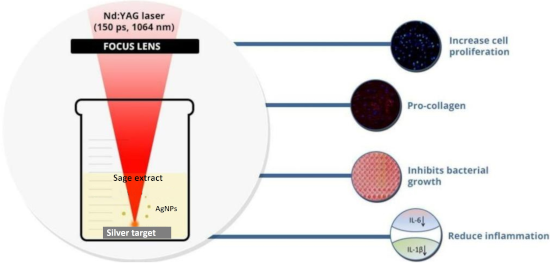
- agglomeration in suspension, which was confirmed by TEM imaging. Stronger agglomeration of dwAgNPs6mJ one month after synthesis compared to SageAgNPs6mJ confirmed that sage acts as a potent reducing and stabilizing agent during the synthesis. As mentioned above, this phenomenon is probably a result of high



Tailoring Ag–Pt nanoalloys through solid-state dewetting: structural and optical insights
Beilstein J. Nanotechnol. 2026, 17, 748–759, doi:10.3762/bjnano.17.52

- physical and chemical properties. This phenomenon arises due to their exceptionally high surface area relative to the number of atoms in their volume, as well as the influence of quantum effects [1][2]. Notably, nanoalloys facilitate the formation of unique phases and systems that are often unattainable in
- postulated a mechanism based on the dewetting phenomenon. According to their model, the disintegration of the film initiates at pre-existing discontinuities or voids, which can be associated with nanoscale irregularities at intergranular boundaries. A key factor governing the disintegration process of thin
- properties, and thus, the application potential of the fabricated nanosystem. Moreover, when designing plasmonic devices based on Ag–Pt nanoalloys, one must take into account the damping of the plasmon resonance in platinum alloys. This phenomenon was theoretically investigated [36][37][38][39] and supported




Superconducting artificial neural networks and quantum circuits
Beilstein J. Nanotechnol. 2026, 17, 744–747, doi:10.3762/bjnano.17.51

- [20]. A theoretical study of the energy spectrum of a coupled single spin interacting with an infinitely coordinated Ising chain reveals a first-order phase transition between two stable phase-symmetric states, resulting in a splitting of the energy minima of the Ising chain. This phenomenon may be
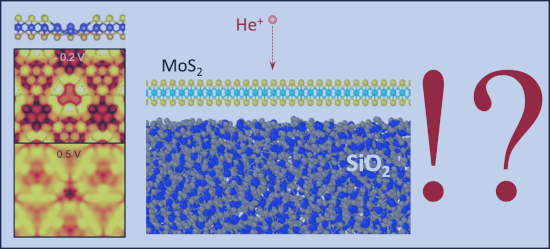
Probing tribological evolution in atomically thin MoS2 at different scales
Beilstein J. Nanotechnol. 2026, 17, 586–597, doi:10.3762/bjnano.17.40
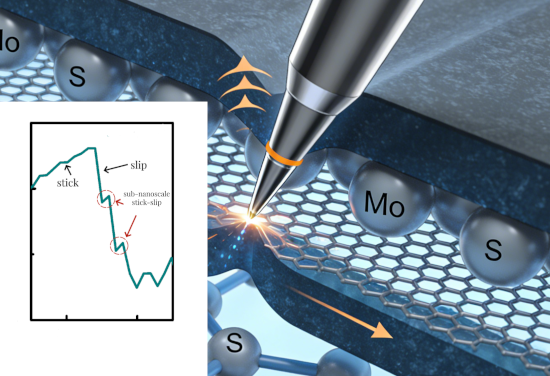
- fundamental mechanistic understanding of sub-nanoscale stick–slip motion. The strengthening effect is a prevalent phenomenon observed in atomically thin 2D materials [18][19]. Its underlying mechanism is generally attributed to either the puckering effect or the evolution of interfacial contact quality, two
- . Regarding the attenuation of sub-nanoscale stick–slip motion at ultrahigh loads, this phenomenon is likely associated with the transition from nanoscale stick–slip motion to static friction. As static friction becomes dominant, the variation in lateral force during the slip phase is significantly suppressed


Fractional shot noise of an SU(N) Kondo system
Beilstein J. Nanotechnol. 2026, 17, 515–540, doi:10.3762/bjnano.17.34
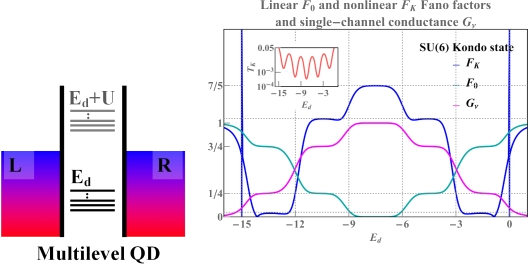
- molecular structures [12][13]. In this phenomenon, an entangled state is formed as a result of screening of the localized spin by conduction electrons [14][15][16]. The growing interest in the Kondo effect in nanoscopic systems is motivated primarily by cognitive purposes as this phenomenon is a basis for
- current noise out of equilibrium. Current and shot noise, corresponding to the average and variance of the number of electrons passing through a dot per unit time, respectively, provide different information on a transport phenomenon. Equilibrium (thermal) fluctuations can be related via the fluctuation


![[Graphic 127]](/bjnano/content/inline/2190-4286-17-34-i187.svg?max-width=637&scale=1.18182)

Defects and defect-mediated engineering of two-dimensional materials: challenges and open questions
Beilstein J. Nanotechnol. 2026, 17, 454–488, doi:10.3762/bjnano.17.31





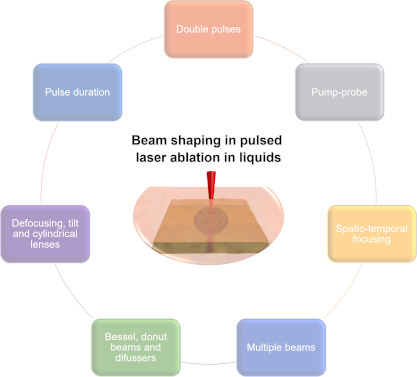
Beam shaping techniques for pulsed laser ablation in liquids: Unlocking tunable control of nanoparticle synthesis in liquids
Beilstein J. Nanotechnol. 2026, 17, 309–342, doi:10.3762/bjnano.17.22


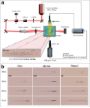

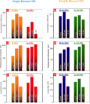


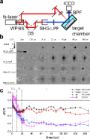


Fast vortex dynamics and relaxation times in NbRe-based heterostructures
Beilstein J. Nanotechnol. 2026, 17, 292–302, doi:10.3762/bjnano.17.20
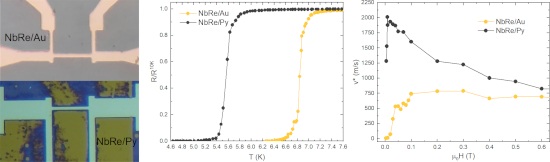
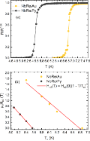
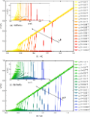
- superconducting coherence. This phenomenon, known as flux-flow instability (FFI), depends on several factors such as structural disorder and defects [3], pinning mechanisms [4][5], thermal effects [6], and sample geometry [7]. FFI is effectively described by the Larkin–Ovchinnikov (LO) model [8], which relates
- saturation magnetic field values μ0HSAT = 0.9 T. This ensures that, for the NbRe/Au bilayer, thermal effects do not play a significant role in the flux-flow instability phenomenon. In contrast, for the NbRe/Py bilayer, the thermal field is = 0.1 T, which is much smaller than its saturation field μ0HSAT


Durable antimicrobial activity of fabrics functionalized with zeolite ion-exchanged nanomaterials against Staphylococcus aureus and Escherichia coli
Beilstein J. Nanotechnol. 2026, 17, 262–274, doi:10.3762/bjnano.17.18
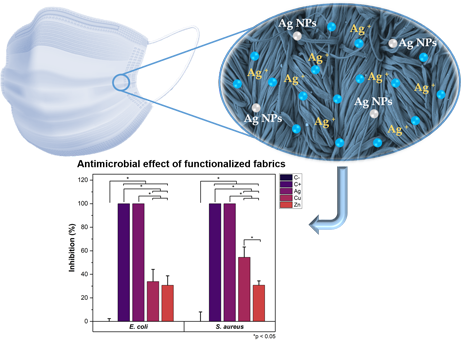
- Ag, Cu, and Zn concentrations after three and five washing cycles might be below the detection limit of EDS (i.e., the phenomenon is related to the relatively low amount of nanomaterials used for fabric functionalization rather than to the complete removal of the nanomaterials). According to the




Structure-dependent thermochromism of PAZO thin films: theory and experiment
Beilstein J. Nanotechnol. 2026, 17, 186–199, doi:10.3762/bjnano.17.12
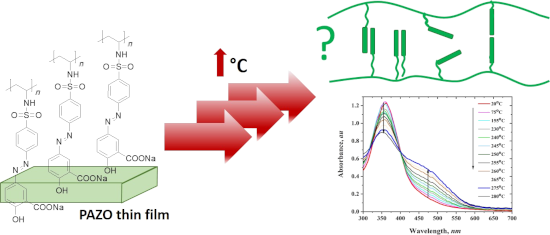
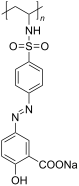
- , optoelectronics, memory devices, and sensors [12]. The birefringence phenomenon results from multiple cycles of trans–cis–trans (E–Z–E) photoisomerization stimulated by the polarized light impact [13][14][15][16]. The E–Z–E transitions lead to an alignment of the photoreactive azo chromophores perpendicularly
- hypsochromic). Conversely, neighboring chromophores, arranged in a head-to-tail fashion, give a negative value for the Coulomb coupling and lead to the occurrence of aggregation-induced redshift (they are called “J”-aggregates after E.E. Jelley, who discovered the phenomenon in 1936). Packing geometries in the


From shield to spear: Charge-reversible nanocarriers in overcoming cancer therapy barriers
Beilstein J. Nanotechnol. 2026, 17, 159–175, doi:10.3762/bjnano.17.10
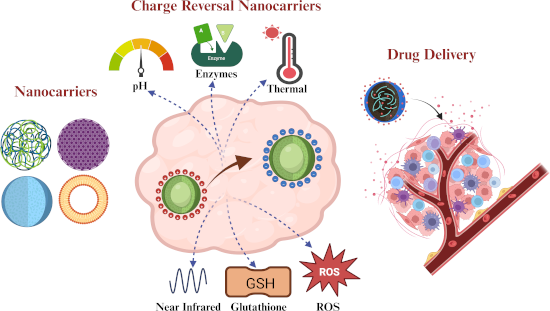
- change in their surface charge [4]. The breakdown of adenosine triphosphate to release protons in the cancer tissue, along with aerobic glycolysis, which generates lactic acid, results in a decrease in the pH of the TME, which is a widely observed phenomenon [22]. Typically, the pH of most solid tumours


Influence of surface characteristics on the in vitro stability and cell uptake of nanoliposomes for brain delivery
Beilstein J. Nanotechnol. 2026, 17, 139–158, doi:10.3762/bjnano.17.9
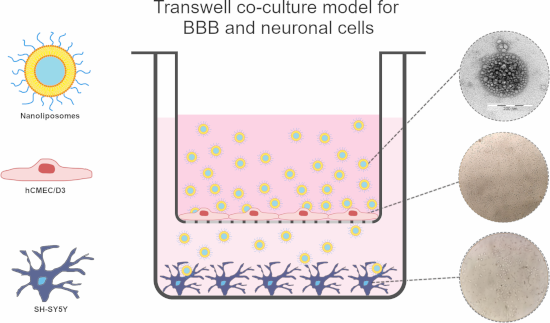
- with the increase of their concentrations at all time points for both cell lines analyzed, which is an expected phenomenon. Similarly, an increasing trend in the uptake can be seen with prolonged incubation time, except for the highest concentration tested (100 μg/mL), for which differences were found
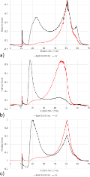
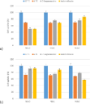
- ± 0.12 μg, at 5 and 10 μg/mL treatment concentrations, respectively). These differences in the cell uptake between the three formulations can be attributed to the NL stability primarily governed by the dynamic process of PC formation. Namely, this phenomenon can significantly influence and dictate the




Development and in vitro evaluation of liposomes and immunoliposomes containing 5-fluorouracil and R-phycoerythrin as a potential phototheranostic system for colorectal cancer
Beilstein J. Nanotechnol. 2026, 17, 97–121, doi:10.3762/bjnano.17.7
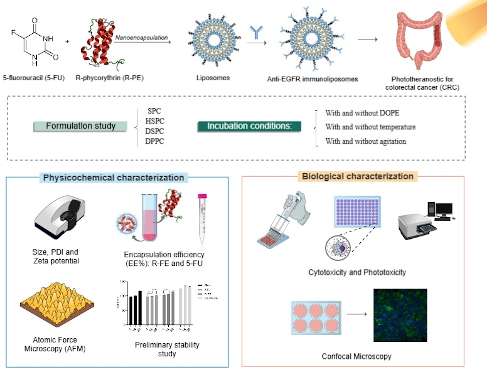
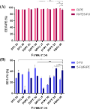
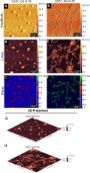
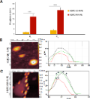
- were recorded. The shift in zeta potential to less negative values after incubation indicates partial neutralization of surface charges by the serum components, a typical phenomenon in physiological environments. This change, however, did not significantly compromise the physicochemical stability of



Functional surface engineering for cultural heritage protection: the role of superhydrophobic and superoleophobic coatings – a comprehensive review
Beilstein J. Nanotechnol. 2026, 17, 63–96, doi:10.3762/bjnano.17.6





Microscopic study of the intermediate mixed state in intertype superconductors
Beilstein J. Nanotechnol. 2026, 17, 57–62, doi:10.3762/bjnano.17.5
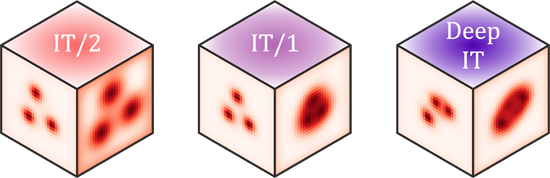
- perturbation expansion of the BCS theory, also referred to as the extended Ginzburg-Landau (EGL) formalism [23][24][25], it has been demonstrated that the emergence of IT behavior is a universal phenomenon and occurs in both single- and multiband superconductors [17]. One of its key features is nonmonotonic


Reduced graphene oxide paper electrode for lithium-ion cells – towards optimized thermal reduction
Beilstein J. Nanotechnol. 2026, 17, 24–37, doi:10.3762/bjnano.17.3
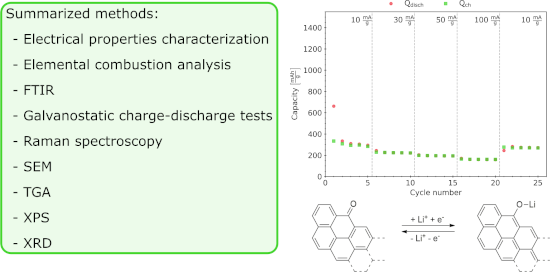
- postulate that the gas release was rather a continuous phenomenon, driven by the heating process. The exposition of the flake edges and paths resulting from the removal of the gaseous products can be beneficial regarding the electrode design for cells operating liquid or gel electrolytes, ensuring improved



Visualizing nanostructures in supramolecular hydrogels: a correlative study using confocal and cryogenic scanning electron microscopy
Beilstein J. Nanotechnol. 2025, 16, 2274–2284, doi:10.3762/bjnano.16.156
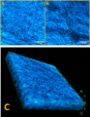
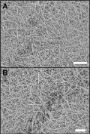
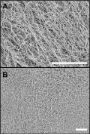
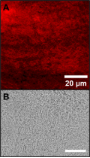
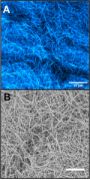
- result in phase separation whereby the water freezes, first expelling the ethanol into concentrated domains, which alters microscale material morphology. Such a phenomenon has been exploited for the fractional freezing of water–ethanol mixtures and in liposomal formulations containing water and DMSO [36



Geometry-controlled engineering of the low-temperature proximity effect in normal metal–superconductor junctions
Beilstein J. Nanotechnol. 2025, 16, 2265–2273, doi:10.3762/bjnano.16.155
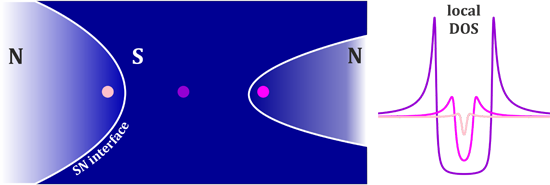
- to it. This phenomenon, known as the proximity effect, enables normal material to support supercurrents and to exhibit a reduced density of states near the Fermi level, where a gap opens in the single-particle spectrum as electrons form into Cooper pairs [1][2][3][4]. At the same time, unpaired
- homogeneous pairing amplitude, and any deviation from it decays on a characteristic scale ξs, as subgap quasiparticles cannot propagate far into the bulk. Consequently, even at zero temperature, the antiproximity effect is a short-range phenomenon, in contrast to the long-range power-law decay of proximity


Ultrathin water layers on mannosylated gold nanoparticles
Beilstein J. Nanotechnol. 2025, 16, 2183–2198, doi:10.3762/bjnano.16.151
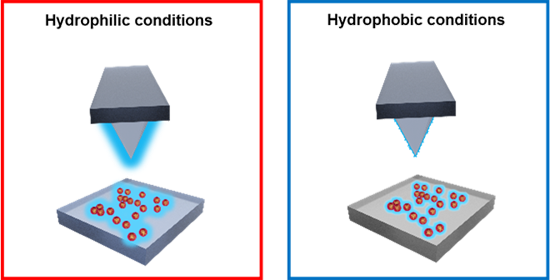
- . However, the surface is crucial here, and our hydrophilic APDMES- and hydrophobic OTS-silanized wafer surfaces (see Supporting Information File 1, Figure S1) provide two extremes (Figure 6). We observed a “coffee ring” drying phenomenon only on OTS. This is related to the competition between the time



Electron transport through nanoscale multilayer graphene and hexagonal boron nitride junctions
Beilstein J. Nanotechnol. 2025, 16, 2132–2143, doi:10.3762/bjnano.16.147
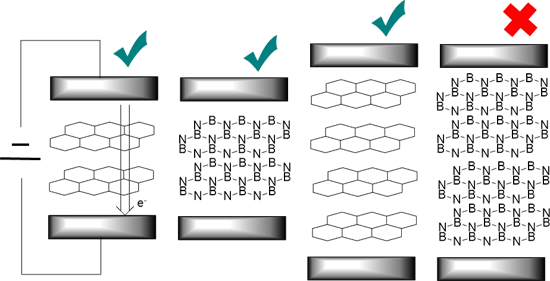
- current/voltage plots in Figure 4g and Figure 5g is the slight drop of current with applied bias for the graphene junctions with five and six layers, which is missing for h-BN junctions. We assign this result to the phenomenon of negative differential resistance (NDR), in which the electric current


Quality by design optimization of microemulsions for topical delivery of Passiflora setacea seed oil
Beilstein J. Nanotechnol. 2025, 16, 2116–2131, doi:10.3762/bjnano.16.146
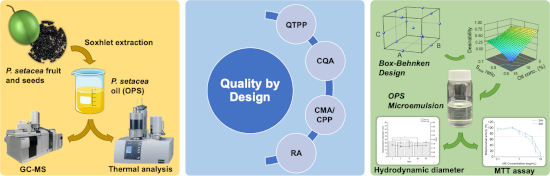
- accurately reflect the true droplet size distribution in the MEgel. This phenomenon is evident from the apparent increase in mean hydrodynamic diameter to 45.1 nm and PdI to 0.27, which is attributed to NaCMC matrix scattering rather than actual droplet growth [40]. A comparison of the hydrodynamic diameter


Calibration of piezo actuators and systems by dynamic interferometry
Beilstein J. Nanotechnol. 2025, 16, 2086–2091, doi:10.3762/bjnano.16.143
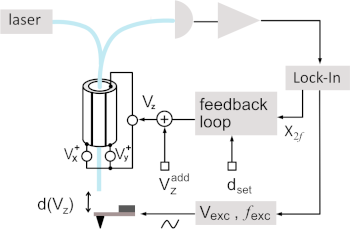
- and hysteresis occurring after switching polarity from positive to negative. Note that we observe this phenomenon although we paused the measurement for 25 min between contraction and extension experiments to give the system time for equilibration. The deviation of data points from a straight line is


Multifrequency AFM integrating PeakForce tapping and higher eigenmodes for heterogeneous surface characterization
Beilstein J. Nanotechnol. 2025, 16, 2077–2085, doi:10.3762/bjnano.16.142
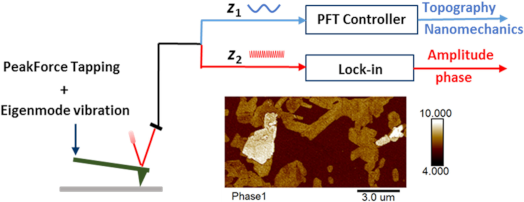
- the high-frequency micro-oscillation from undergoing the “pull-in” phenomenon, where the tip suddenly collapses into the sample surface due to excessive attractive forces, thus avoiding associated imaging instabilities. The critical role of a stable mechanical baseline for enabling high-frequency


Molecular and mechanical insights into gecko seta adhesion: multiscale simulations combining molecular dynamics and the finite element method
Beilstein J. Nanotechnol. 2025, 16, 2055–2076, doi:10.3762/bjnano.16.141
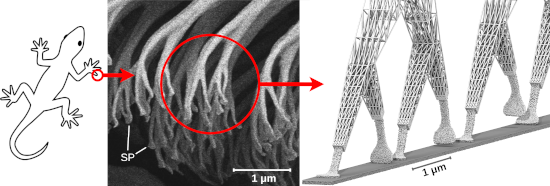
- scales involved. In previous research, we used molecular dynamics simulations to explore various aspects of gecko adhesion [10][11][12][13]. We found that humidity increases the force required to pull a spatula off from a substrate [10][12], a phenomenon also observed in high-humidity atomic force






Beyond the shell: exploring polymer–lipid interfaces in core–shell nanofibers to carry hyaluronic acid and β-caryophyllene
Beilstein J. Nanotechnol. 2025, 16, 2015–2033, doi:10.3762/bjnano.16.139
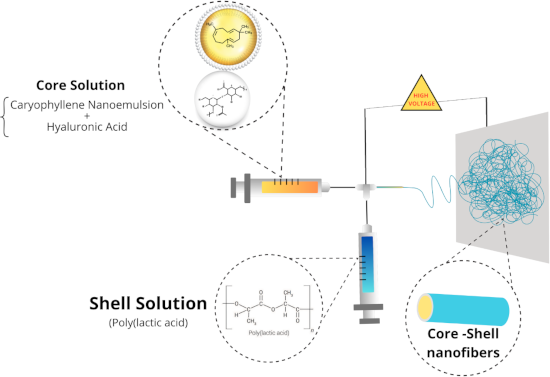
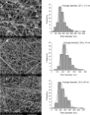
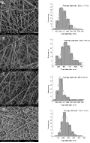
- a notable influence on the characteristics of the resultant nanofibers. A reduction in the needle-to-collector distance from 15 (Figure 4D) to 12 cm (Figure 4B) resulted in a significant increase in the average fiber diameter, from 250 ± 74 to 439 ± 100 nm. This phenomenon is likely associated with