Search results
Search for "redox" in Full Text gives 466 result(s) in Beilstein Journal of Organic Chemistry. Showing first 200.
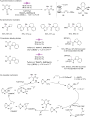
Electrochemical reduction of unsaturated carbon–carbon bonds via 3d transition-metal catalysis
Beilstein J. Org. Chem. 2026, 22, 955–981, doi:10.3762/bjoc.22.75
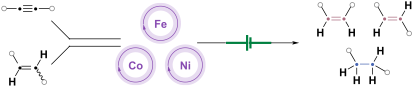
- through inner-sphere substrate organization. From this perspective, alkene reduction is relatively more challenging because of the lower π-basicity of alkenes. Alternatively, outer-sphere electron transfer, mediated by electrolysis, or the strategic use of redox mediators and co-catalysts could also
- sustainability. First of all, the recent emergence of homogeneous 3d transition-metal catalysis has reshaped reductive methodologies, as these earth-abundant metals offer accessible redox manifolds and characteristic SET behavior that directly address the economic and environmental constraints of noble-metal
- reduction while circumventing the need for molecular hydrogen or stoichiometric reducing agents. Consequently, the merger of 3d transition-metal catalysis with electroorganic synthesis represents a conceptual shift beyond traditional reagent-driven approaches, enabling precise control over redox events


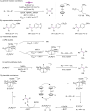

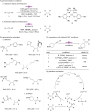

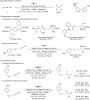
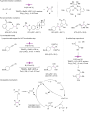


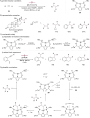


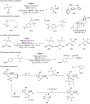
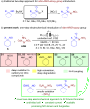
Synthesis of sterically shielded piperidine nitroxides via acid-catalyzed heterocyclization of β-aminoketone derivatives with ketones
Beilstein J. Org. Chem. 2026, 22, 948–954, doi:10.3762/bjoc.22.74
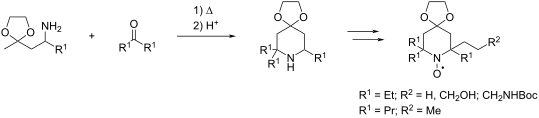
- (MRI) [4][5] and as spin probes for Overhauser MRI in vivo [6]. Piperidin-1-oxyls played a key role in the development and industrial implementation of controlled polymerization of vinyl monomers (nitroxide-mediated polymerization, NMP) [7]. The unique redox properties of these radicals underpin their
- nitroxide-mediated polymerization (NMP), because shielding with ethyl or bulkier alkyl groups decreases accessibility of the nitroxide moiety and improves the equilibrium parameters in the reversible trapping of alkyl radical of the growing polymer chain [11]. This shielding also alters the redox properties


Recent advances in copper-catalyzed direct hydroamination of alkenes with (hetero)aromatic amines
Beilstein J. Org. Chem. 2026, 22, 925–947, doi:10.3762/bjoc.22.73
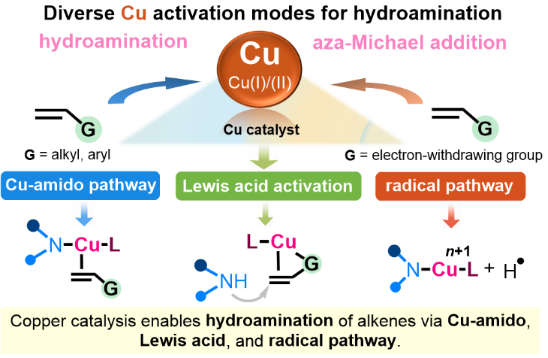
- coordination behavior of these substrates render such transformations inherently challenging. Recently, copper catalysis has emerged as a versatile and practical platform for addressing these limitations. Owing to its redox flexibility and ligand tunability, copper facilitates multiple activation modes
- metals such as palladium or rhodium, copper offers exceptional mechanistic versatility. The accessible Cu(I)/Cu(II)/Cu(III) redox manifold enables classical two-electron pathways and single-electron radical processes within broadly similar catalytic environments [28][29]. This flexibility is particularly


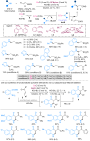


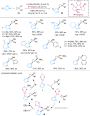


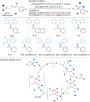

Site-specific labelling of native peptides and proteins: chemical and enzymatic strategies
Beilstein J. Org. Chem. 2026, 22, 857–881, doi:10.3762/bjoc.22.67
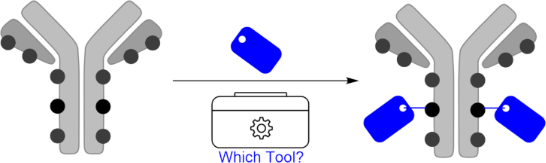
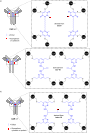
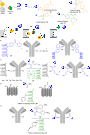
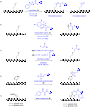
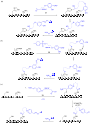
- splicing to generate a C-terminal thioester from recombinantly expressed proteins [20][21][22]. One distinctive feature of the C-terminal carboxylate is its lower oxidation potential compared to the side chains of aspartate or glutamate, making it more amenable to selective redox-based modifications. This
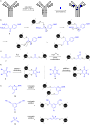
- alternative residues have recently emerged. Methionine has gained traction as a labelling site due to its electron-rich thioether sulfur atom, which possesses versatile bond-forming capacity. The redox-activated chemical tagging (ReACT) platform employs oxaziridines 22 to form stable sulfimide (S=N) linkages








The trans-influence in gold chemistry from a catalytic perspective
Beilstein J. Org. Chem. 2026, 22, 838–856, doi:10.3762/bjoc.22.66
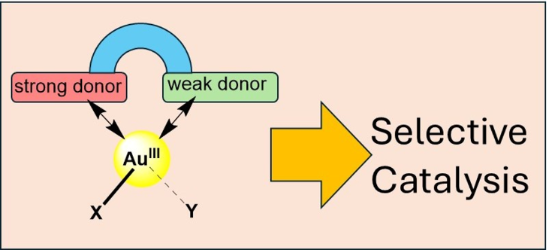
- Manfred Bochmann School of Chemistry, University of East Anglia, Norwich Research Park, NR4 7TJ, Norwich, United Kingdom 10.3762/bjoc.22.66 Abstract Gold catalysis has developed into an increasingly important method in organic synthesis. Especially the potential of gold(I,III) redox systems and
- ]. Since these complexes are a means of facilitating oxidative addition reactions to gold by chelate formation, they have become a mainstay in Au(I,III) redox catalysis. The use of P^N and related ligands in synthesis has recently been reviewed [79]. A good way of assessing the trans-influence in these
- gold(I,III) redox systems. The trans-influence controls ligand bond energies, determines the nature of gold frontier orbitals and how they can interact with ligands; it determines the stability of possible catalytic intermediates and directs reaction pathways while ruling out alternatives, however


Unsymmetrical sulfoxides with sterically hindered catechol fragment: synthesis, structure, electrochemical properties, and antiradical activity
Beilstein J. Org. Chem. 2026, 22, 828–837, doi:10.3762/bjoc.22.65
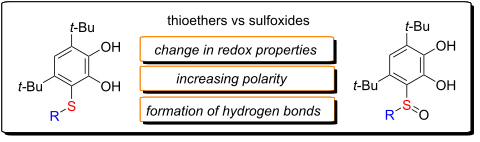
- 10.3762/bjoc.22.65 Abstract New unsymmetrical sulfoxides containing a redox-active sterically hindered catechol fragment and a nonpolar hydrocarbon substituent at the sulfoxide group were synthesized via the oxidation of the corresponding catechol thioethers with hydrogen peroxide. The yield of the
- compounds. The electrochemical behavior of sulfoxides was studied in comparison with that of the parent catechol thioethers. The redox transition corresponding to catechol fragment oxidation is shifted to the anodic region relative to the initial thioethers, which is attributed to the more electron
- -withdrawing nature of the S=O group. The second redox stage characterizes the transformation of the sulfoxide fragment and is observed in most cases at 1.82–1.91 V. The radical-scavenging activity and antioxidant properties of the unsymmetrical sulfoxides and their precursor thioethers were evaluated using


Halogenated azobenzene acrylates: from efficient solution photoswitching to stable solid-state photochromic materials
Beilstein J. Org. Chem. 2026, 22, 782–794, doi:10.3762/bjoc.22.60
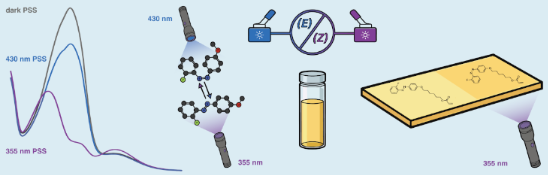
- of appended halogens. One reduction and one oxidation processes were found within the available potential window of DCE. Both electrochemical redox processes are irreversible regardless the scan rate, indicating chemical instability of the generated oxidized/reduced forms in the used system. The


Anti-invasive and cytotoxic evaluation of a (+)-pinoresinol-based semisynthetic library against glioblastoma
Beilstein J. Org. Chem. 2026, 22, 691–704, doi:10.3762/bjoc.22.54
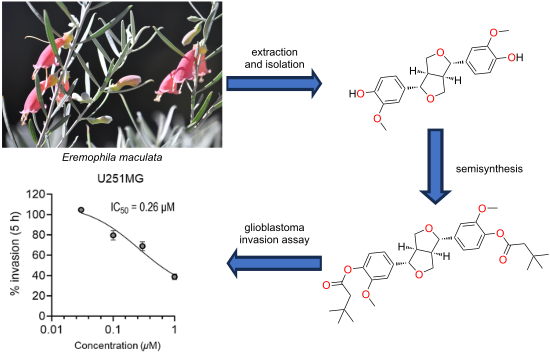
- at 37 °C with 5% CO2. After 24 h, the medium was replaced with 100 µL/well of fresh medium with alamarBlue (1:10 dilution, Thermo Fisher #DAL1100) and incubated at 37 °C and 5% CO2. AlamarBlue is a redox indicator used for measuring cell viability [39], and the reaction is based on the live cells



Synthesis of depressin, cryptomeridiol and 4-epi-cryptomeridiol enabled by a terpenoid chiral pool-producing platform
Beilstein J. Org. Chem. 2026, 22, 683–690, doi:10.3762/bjoc.22.53
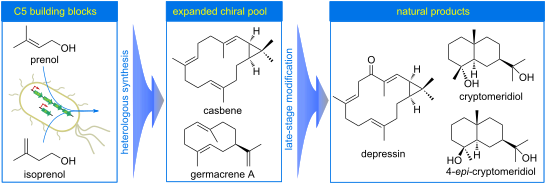
- -carbon alcohols prenol and isoprenol. Late-stage redox modification of the casbene skeleton allowed us to synthesize depressin in nine steps, while transannular cyclization of the germacrene A skeleton followed by hydration has made cryptomeridiol and 4-epi-cryptomeridiol easily accessible in two steps


Computational prediction of C–H hydricities and their use in predicting the regioselectivity of electron-rich C–H functionalisation reactions
Beilstein J. Org. Chem. 2026, 22, 603–610, doi:10.3762/bjoc.22.46
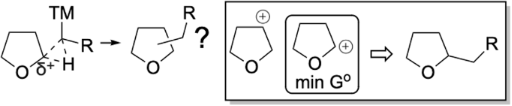
- error. These values ultimately trace back to the electrochemical thermochemical-cycle approach of Cheng, Handoo, and Parker [7], where solution hydride affinities are obtained from a cycle combining acidity data and redox potentials. Importantly, Cheng et al. emphasise that standard (reversible


![[Graphic 6]](/bjoc/content/inline/1860-5397-22-46-i8.svg?max-width=637&scale=1.18182)


Structural reassignment of compound 968, an allosteric glutaminase inhibitor
Beilstein J. Org. Chem. 2026, 22, 455–460, doi:10.3762/bjoc.22.33
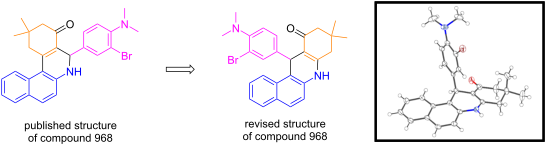
- Lindsey A. Albertelli Sainabou Jallow Chun Li Scott M. Ulrich Department of Chemistry, Ithaca College, Ithaca, NY 14850, USA 10.3762/bjoc.22.33 Abstract Many cancer cells require extracellular glutamine to meet the energetic, biosynthetic, and redox demands of the proliferative state
- the liver. GAC is a highly active splice variant of KGA often expressed in cancer cells [3]. GLS1 and GLS2 enzymes share similar sequences, tetrameric structures, and enzymatic stimulation by phosphate [4][5][6]. The reliance of cancer cells on glutamine to meet the energetic, biosynthetic, and redox


Electrosynthetic access to unsymmetrical oxaza[8]helicenes with high chiral stability and strong circularly polarized luminescence (CPL)
Beilstein J. Org. Chem. 2026, 22, 372–382, doi:10.3762/bjoc.22.25
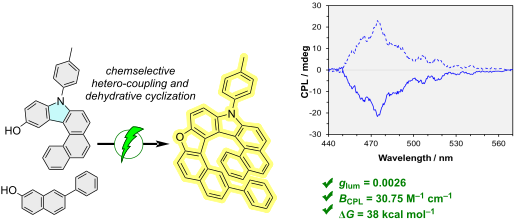
- is often hindered by chemoselectivity and regioselective control. Here, we exploit the differential redox potentials of two coupling partners as a key player to achieve a chemo- and regioselective electrosynthetic access to a new family of unsymmetrical oxaza[8]helicenes. A controlled anodic sequence




Arene activation via π-bond localization: concepts and opportunities
Beilstein J. Org. Chem. 2026, 22, 257–273, doi:10.3762/bjoc.22.19
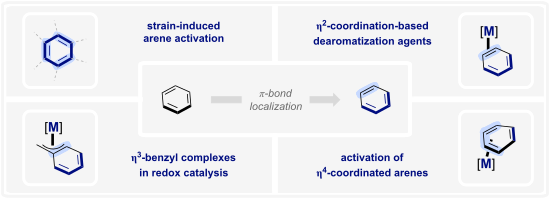
- generation of dearomatization agents based on Re(I), W(0), and Mo(0), tailoring the redox potentials of tris(pyrazolyl)borate (Tp)-based fragments to emulate that of the parent {Os(NH3)5}2+ fragment (Figure 5) [46][49]. Progressing down the series from Os(II) to W(0), the increasing π-backbonding strength
- metal center with α-pinene and subsequent ligand substitution proceeds with retention of configuration, the corresponding Mo(0) complex undergoes racemization during substitution (Scheme 2A). This obstacle was overcome by a redox-based approach: oxidation of the Mo(0)–α-pinene complex with iodine to a
- remains untapped in catalysis, with only a few isolated examples of redox-mediated ligand substitution hinting at its feasibility [47]. η3-Benzyl complexes as intermediates in dearomative redox catalysis Binding and structure Within the landscape of redox catalysis, η3-benzyl complexes have emerged as




Synthesis of diaryl phosphates using phytic acid as a phosphorus source
Beilstein J. Org. Chem. 2026, 22, 213–223, doi:10.3762/bjoc.22.15
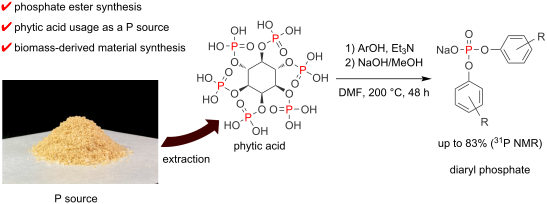
- phosphoric acid and condensed phosphoric acid into a versatile PO2+ phosphorylation agent, (pyridine)2PO2[OTf]. The intermediate reacts with a variety of nucleophiles, providing a redox-neutral method for the flexible synthesis of P(V) compounds (Figure 2C) [44]. Furthermore, Naganawa’s group recently




Circumventing Mukaiyama oxidation: selective S–O bond formation via sulfenamide–alcohol coupling
Beilstein J. Org. Chem. 2026, 22, 158–166, doi:10.3762/bjoc.22.9
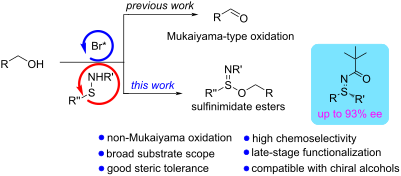
- , such transformations remain synthetically challenging. This is primarily due to the well-known Mukaiyama-type oxidation, wherein sulfenamides serve as redox catalysts for NBS- or NCS-mediated oxidations of alcohols to aldehydes or ketones (Scheme 1b, top) [38][39][40][41][42]. Under such oxidative


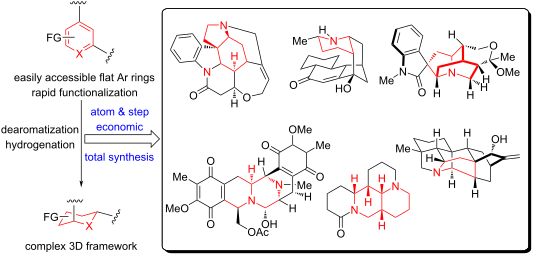
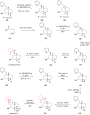
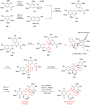
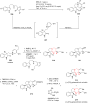
Total synthesis of natural products based on hydrogenation of aromatic rings
Beilstein J. Org. Chem. 2026, 22, 88–122, doi:10.3762/bjoc.22.4


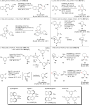
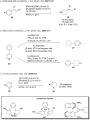
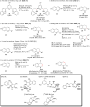









Advances in Zr-mediated radical transformations and applications to total synthesis
Beilstein J. Org. Chem. 2026, 22, 71–87, doi:10.3762/bjoc.22.3
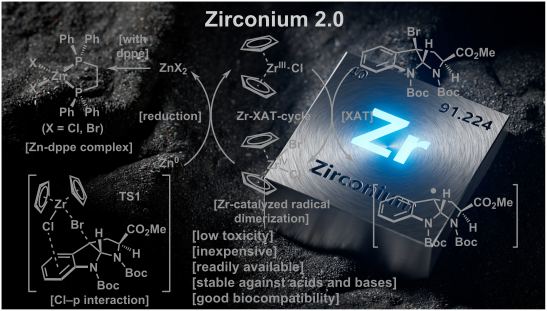
- Yamaguchi published a review on radical reactions catalyzed by zirconium complexes [6]. Their review provides a comprehensive summary, particularly of photo-redox reactions involving zirconium catalysis. In the present review, we focus on three aspects: 1) Zr-mediated stoichiometric radical reactions 2) Zr








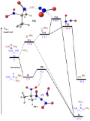
Sustainable electrochemical synthesis of aliphatic nitro-NNO-azoxy compounds employing ammonium dinitramide and their in vitro evaluation as potential nitric oxide donors and fungicides
Beilstein J. Org. Chem. 2025, 21, 2739–2754, doi:10.3762/bjoc.21.211
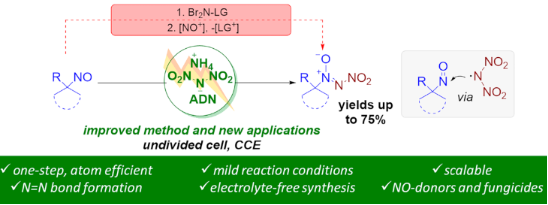
- , structures, and redox properties, effective synthetic strategies for the construction of N–N and N–O systems remain markedly underdeveloped. Unlike traditional methods for constructing C–C and C–Het bonds, the number of methods for selective N–N [1][5][19][20][21][22][23][24][25][26][27][28][29] and N–O [30





Recent advancements in the synthesis of Veratrum alkaloids
Beilstein J. Org. Chem. 2025, 21, 2657–2693, doi:10.3762/bjoc.21.206
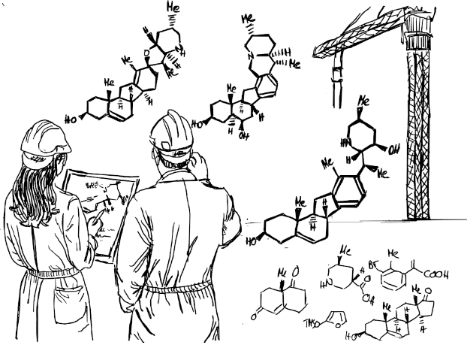
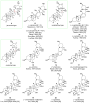
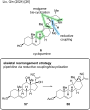
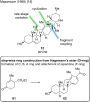
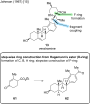
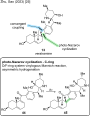
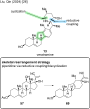
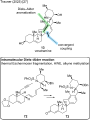
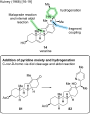
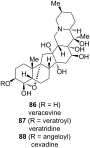
- well as showcasing step- and redox-economy. This representation will be highly valuable for comparing the presented synthetic routes at the end of each subclass. Review Synthesis of Veratrum alkaloids The biological activities of the Veratrum alkaloids have been widely studied, but their synthesis
- moiety was introduced as a precursor to an aldehyde, which was obtained by reduction of 46 to 47. For the right-hand fragment (ring D, E, and F), an asymmetric hydrogenation of α-substituted acrylic acid 48 was performed, followed by redox manipulations to give aldehyde 49 over 3 steps in 95% and an
- oxidation and the double bond installation mentioned, including several redox manipulations and protecting group removals. In total, the Masamune group reported the total synthesis of jervine (12) from Hagemann’s ester (61) in 47 steps in the LLS and a total of 49 steps. Not all yields were reported, so no


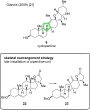

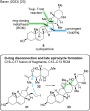

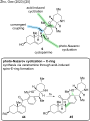
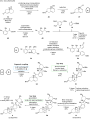











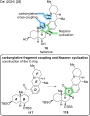

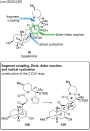
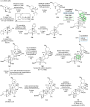
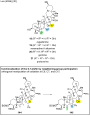
Visible-light-driven NHC and organophotoredox dual catalysis for the synthesis of carbonyl compounds
Beilstein J. Org. Chem. 2025, 21, 2584–2603, doi:10.3762/bjoc.21.200
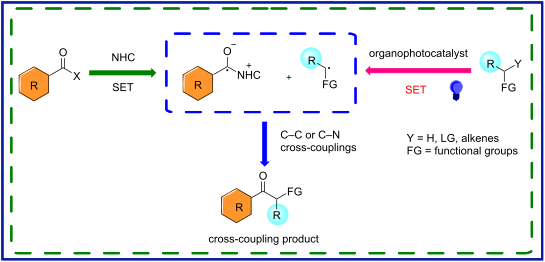
- , tolerates a variety of functional groups, and offers a wide substrate scope. Under the optimized conditions, Rb2CO3 provided better results than DMAP and Cs2CO3. The acyl azolium complex B was synthesized from acyl imidazole 9 using an NHC and Rb2CO3 as the base. Considering the redox potential of 4CzIPN
- organophotocatalyst (3DPAFIPN) was employed, significant amounts of cyclized product were observed and suggesting that the necessary redox potentials fall near its redox range (E1/2 PC*/PC•− to E1/2 PC/PC•− = +1.09 to −1.59 V vs SCE). This catalytic method provides an efficient route for synthesizing complex




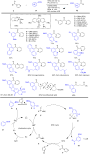

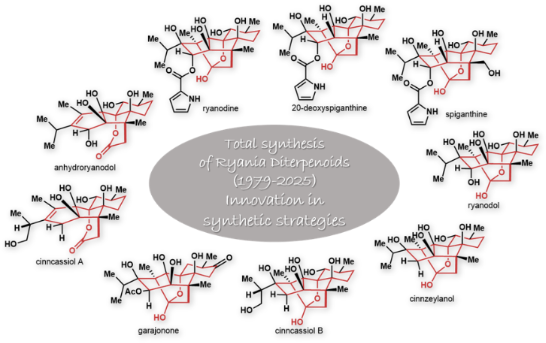
Total syntheses of highly oxidative Ryania diterpenoids facilitated by innovations in synthetic strategies
Beilstein J. Org. Chem. 2025, 21, 2553–2570, doi:10.3762/bjoc.21.198
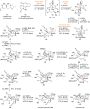
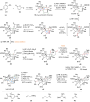
- successfully accomplished via an epoxide ring-opening/tandem lactonization/olefin hydration sequence. In total, 12 consecutive redox manipulations (7 oxidations and 5 reductions) established all stereocenters, with subsequent functional group transformations completing the total synthesis of garajonone (8







Synthesis and characterization of a isothiouronium-calix[4]arene derivative: self-assembly and anticancer activity
Beilstein J. Org. Chem. 2025, 21, 2535–2541, doi:10.3762/bjoc.21.195
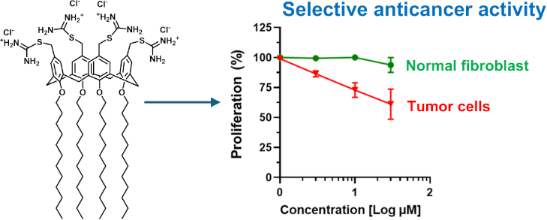
- mechanisms including elevation of reactive oxygen species (ROS) or interference with redox homeostasis, and inhibition of kinase or topoisomerase activities essential for cancer cell proliferation. The selective activity of thiouronium salts against cancer cells compared to non-malignant cells can be related


Synthesis of the tetracyclic skeleton of Aspidosperma alkaloids via PET-initiated cationic radical-derived interrupted [2 + 2]/retro-Mannich reaction
Beilstein J. Org. Chem. 2025, 21, 2470–2478, doi:10.3762/bjoc.21.189
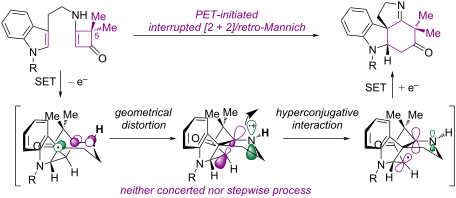
- -initiated [2 + 2] cyclization of the tryptamine-substituted cyclobutenone K to form the radical cation L, which has a highly functionalized and rigid bicyclo[2.2.0]hexane core. Fragmentation of the C3–C19 bond would afford a redox-active intermediate which upon further reductive quenching would lead to the


Rotaxanes with integrated photoswitches: design principles, functional behavior, and emerging applications
Beilstein J. Org. Chem. 2025, 21, 2345–2366, doi:10.3762/bjoc.21.179

- bulky stoppers at both ends to prevent dethreading (Figure 1) [1][8]. Functionalization of the axle with recognition sites allows the macrocycle to shuttle between positions in response to external stimuli, including light, redox, temperature, pH, and reactions with chemicals such as carbodiimides [9


Recent advances in Norrish–Yang cyclization and dicarbonyl photoredox reactions for natural product synthesis
Beilstein J. Org. Chem. 2025, 21, 2315–2333, doi:10.3762/bjoc.21.177
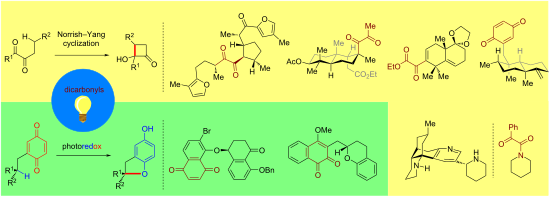
- converting the biradical to the corresponding zwitterion; (3) oxy-cyclization to afford the product. This process constitutes an intramolecular redox reaction, wherein the quinone is reduced to a hydroquinone while the proximal C–H bond is oxidized to a C–O bond. Although related photoredox reactions had