Search results
Search for "diol" in Full Text gives 429 result(s) in Beilstein Journal of Organic Chemistry. Showing first 200.
Approaches to stereoselective 1,1'-glycosylation
Beilstein J. Org. Chem. 2025, 21, 1700–1718, doi:10.3762/bjoc.21.133
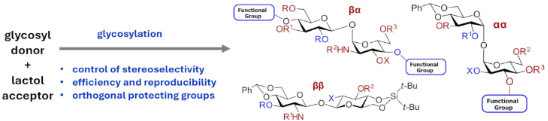
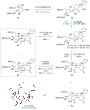
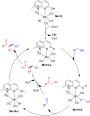
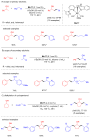
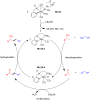
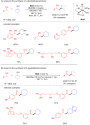
- the orthogonally protected diol acceptor 36, proved to deliver optimal stereoselectivity and the highest yields in the reaction promoted by bistrifluoromethylated tricyclic borinic acid 40, affording β,α-1,1'-linked disaccharides 37 [63] and 39 [62], respectively, in 86% yield (Scheme 4). The nature
- that its sufficient acidity is key to the success of the reaction. Using the 2N-Troc-protected GlcN phosphite 44 as the donor and the 4,6-O-benzylidene acetal-protected 1,2-diol 45 as the acceptor afforded the β,α-disaccharide 46 with high stereoselectivity under borinic acid catalysis [62]. In
- -derived 1,2-diol acceptor 113 in the presence of a diarylborinic acid catalyst 114, resulting in the formation of the βGlc(1↔1)βMan product 115 (Scheme 9). Similarly, the β,β-linked disaccharide 116 was synthesized using the same orthogonally protected 1,2-diol acceptor 113 and the tetrabenzylated GalN


Structural analysis of stereoselective galactose pyruvylation toward the synthesis of bacterial capsular polysaccharides
Beilstein J. Org. Chem. 2025, 21, 1671–1677, doi:10.3762/bjoc.21.131

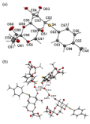
- greater number of compounds compared to the use of methyl pyruvate. According to the second law of thermodynamics, the enhanced pyruvylation efficacy can be attributed to an entropy-driven effect, wherein a diol reacted with 1.0 equivalent of 2,2-dimethoxypropanoate to produce 2.0 equivalents of methanol


Oxetanes: formation, reactivity and total syntheses of natural products
Beilstein J. Org. Chem. 2025, 21, 1324–1373, doi:10.3762/bjoc.21.101
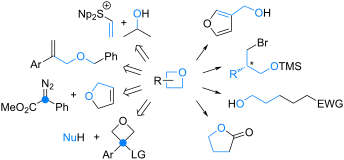
- transfer. In the second protocol, the β-lactone intermediates 7 are reduced to a diol and a subsequent Williamson etherification affords the oxetanes. Since both protocols consist of two steps and give only moderate yields, the overall oxetane yield and synthetic efficiency are rather low. In 2019, Marini








Synthetic approach to borrelidin fragments: focus on key intermediates
Beilstein J. Org. Chem. 2025, 21, 1135–1160, doi:10.3762/bjoc.21.91
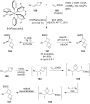
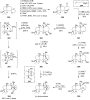
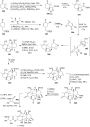
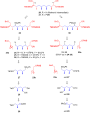
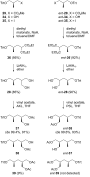
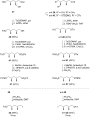
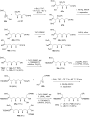
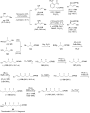
- with vinyl acetate as the acylating agent, Amano lipase AK (AKL) was identified as the most effective biocatalyst for achieving selective acetylation, converting diol 28 to the monoacetate 37 in 91% yield with >99.4% de (by HPLC). The diacetate byproduct 39 was formed in a small amount (9%). A similar
- diol desymmetrization of ent-28 was best achieved with Amano lipase PS (PSL), yielding monoacetate ent-37 (de 99.6%, 93% yield) without the formation of diacetate ent-39. Compound 37 was tosylated using tosyl chloride in pyridine with the addition of DMAP and the resulting product was treated with
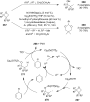
- reduced with LiAlH4 to remove the OTs group, and after silyl group removal, diol 32b was obtained in 92% yield. Protection of the primary alcohol as a tosyl ester and the secondary as a TBDMS ether afforded intermediate 32c (72%). This intermediate was then treated with sodium thiophenol in ethanol








Recent total synthesis of natural products leveraging a strategy of enamide cyclization
Beilstein J. Org. Chem. 2025, 21, 999–1009, doi:10.3762/bjoc.21.81
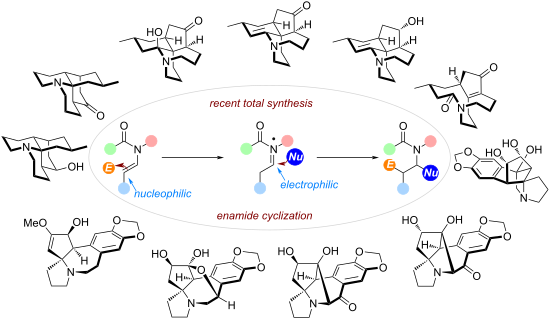
- cyclopentane ring, dihydroxylation, and oxidation of the diol to a diketone, produced intermediate 25 in its enol form. From this common intermediate, regioselective etherification at the less hindered position formed an enol ether. Final reduction of both the amide and the ketone using alane completed the




A convergent synthetic approach to the tetracyclic core framework of khayanolide-type limonoids
Beilstein J. Org. Chem. 2025, 21, 926–934, doi:10.3762/bjoc.21.75
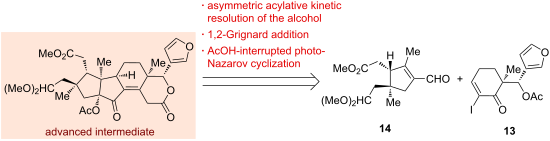
- molecules could be synthesized from diol 9 through a late-stage modification involving adjustment of the oxidation state and regioselective acylation. The formation of 9 was envisioned to proceed via an intramolecular pinacol coupling [30][31] of [5,5,6,6]-tetracycle 10, which forges the A2 ring while




Dicarboxylate recognition based on ultracycle hosts through cooperative hydrogen bonding and anion–π interactions
Beilstein J. Org. Chem. 2025, 21, 884–889, doi:10.3762/bjoc.21.72
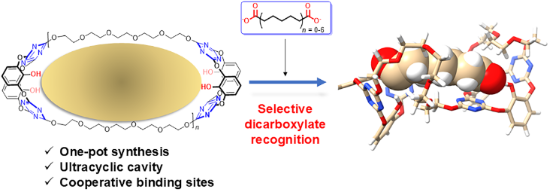
- [29][31]. A one-pot reaction of submacrocycle 1a and 2-(benzyloxy)benzene-1,3-diol (2a) in the presence of 8.0 equivalents of CsF yielded the ultracycle precursor compounds. Three reorganized products B4a, B5a, and B6a with different ring sizes were isolated. As previously observed, the structural


Cryptophycin unit B analogues
Beilstein J. Org. Chem. 2025, 21, 526–532, doi:10.3762/bjoc.21.40
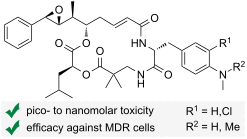
- acidolysis was followed by macrolactamisation to obtain diol 24, albeit in poor yield of 11%. LC–MS analyses revealed that the low yield cannot be attributed to either incomplete acidolysis or incomplete conversion of the deprotected seco-cryptophycin during macrolactamisation. Rather, LC–MS analyses
- indicate the major presence of a fully deprotected and trifluoroacetylated seco-cryptophycin, most likely a TFA ester of one of the free hydroxy groups, a finding which might reason the comparably low yields (21–25%) of structurally similar unit B analogues reported earlier [21]. Contrary, diol 25 was
- obtained through Grubbs metathesis and subsequent acetonide cleavage in a superior yield of 76%. The finalising steps to obtain epoxides 26 and 2 (Scheme 3) were a diol–epoxide transformation [11][19][32], including firstly the formation of a cyclic orthoester, secondly the formation of a bromohydrin



Synthesis of electrophile-tethered preQ1 analogs for covalent attachment to preQ1 RNA
Beilstein J. Org. Chem. 2025, 21, 483–489, doi:10.3762/bjoc.21.35
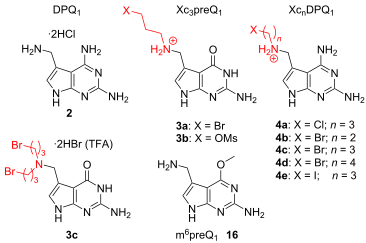
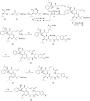
- 3b in almost quantitative yield. The bis(3-bromopropyl)-modified ligand 3c was generated by heating preQ1 together with bis(3-hydroxypropyl)amine. It is noteworthy that the amine exchange reaction is thought to proceed via a purine methide intermediate [11]. Subsequent treatment of the diol with


Photomechanochemistry: harnessing mechanical forces to enhance photochemical reactions
Beilstein J. Org. Chem. 2025, 21, 458–472, doi:10.3762/bjoc.21.33
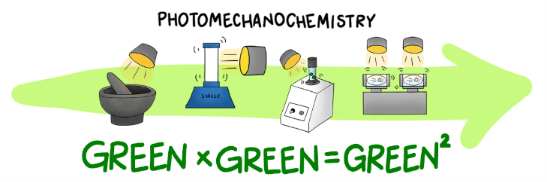
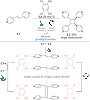
- shaking a 1:1 mixture of chalcone (4.1) and 1,1,6,6-tetraphenylhexa-2,4-diyne-1,6-diol (4.2) with a test-tube shaker under irradiation with a high-pressure Hg lamp, the [2 + 2] syn-head-to-tail dimer product 4.3 was obtained selectively in 80% yield after 10 h (Scheme 4) [66]. In detail, 4.2 works as a




Synthesis of new condensed naphthoquinone, pyran and pyrimidine furancarboxylates
Beilstein J. Org. Chem. 2025, 21, 340–347, doi:10.3762/bjoc.21.24
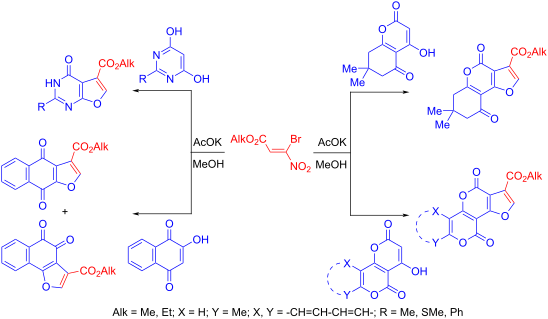
- furopyran, furocoumarin [9][10], and furopyrimidine series [11][12]. It is known that the main approaches to the synthesis of naphtho[2,3-b]furan-4,9-diones are reactions of hydroxynaphthalene-1,4-dione with ethane-1,2-diol [13], chloroacetaldehyde [14], ethenyl methyl sulfone [15], or ethenyl acetate [16


Discovery of ianthelliformisamines D–G from the sponge Suberea ianthelliformis and the total synthesis of ianthelliformisamine D
Beilstein J. Org. Chem. 2024, 20, 3205–3214, doi:10.3762/bjoc.20.266
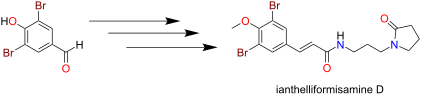
- ETD ESI-qTOF. Alltech Davisil (30–40 µm, 60 Å) C8-bonded silica and Alltech Davisil (30–40 µm, 60 Å) diol-bonded silica were used for pre-adsorption work before RP- or NP-HPLC, respectively. The pre-adsorbed material was subsequently packed into an Alltech stainless steel guard cartridge (10 × 30 mm
- phenyl-bonded silica (5 μm, 100 Å, 150 × 21.2 mm) and Phenomenex Luna C18 column (5 µm, 90–110 Å, 10 mm × 250 mm) were used for RP-HPLC separations. For NP-HPLC, a YMC diol-bonded silica (5 μm, 120 Å, 150 × 20 mm) column was used. The frozen marine sponge was dried using a Dynamic FD12 freeze dryer and


![[Graphic 1]](/bjoc/content/inline/1860-5397-20-266-i2.svg?max-width=637&scale=1.18182)
![[Graphic 2]](/bjoc/content/inline/1860-5397-20-266-i3.svg?max-width=637&scale=1.18182)
![[Graphic 3]](/bjoc/content/inline/1860-5397-20-266-i4.svg?max-width=637&scale=1.18182)

![[Graphic 4]](/bjoc/content/inline/1860-5397-20-266-i5.svg?max-width=637&scale=1.18182)
![[Graphic 5]](/bjoc/content/inline/1860-5397-20-266-i6.svg?max-width=637&scale=1.18182)

Cyclodextrin-based rotaxanes for polymer materials: challenge on simultaneous realization of inexpensive production and defined structures
Beilstein J. Org. Chem. 2024, 20, 3026–3049, doi:10.3762/bjoc.20.252
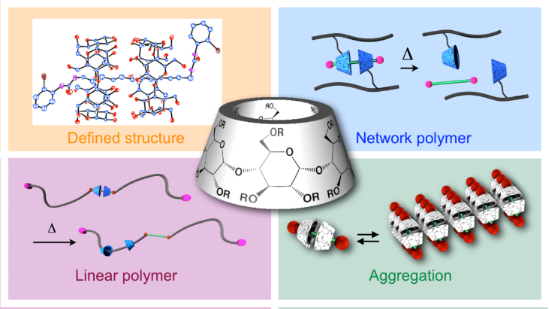
- , [3]rotaxane diol 10 was used as the initiator of the controlled ring-opening polymerization (ROP) of ε-caprolactone in the presence of a diphenyl phosphate catalyst to introduce the polyester main chain into the rotaxane framework; the successive end-capping reactions yielded macromolecular [3
- ]rotaxane 11 (Figure 12). In this synthesis, the hydroxy groups on CDs were completely acetylated to facilitate ROP only from the axle-end diol moieties and increase the solubility of [3]rotaxane. Further, subjecting the polymer to heat treatment induced the deslipping of CDs from the central alkyl chain on






4,6-Diaryl-5,5-difluoro-1,3-dioxanes as chiral dopants for liquid crystal compositions
Beilstein J. Org. Chem. 2024, 20, 2940–2945, doi:10.3762/bjoc.20.246
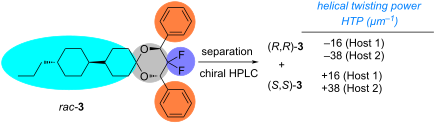
- range of chiral, twisted molecules such as binaphthyls [23][24][25], biphenyls [26][27], TADDOLs [16][17] and 1,2-diphenylethane-1,2-diol [28] to reveal possible relationships between the molecular structure of chiral dopants and their HTP value. However, quantitative structure–property relationships
- still remain elusive and are not well understood [29]. Recently we have become interested in the preparation of racemic [30] anti- and highly enantioenriched 2,2-difluoro-1,3-diols [30][31][32] through an acylative double catalytic kinetic resolution (DoCKR) process [33]. While the 1,3-diol motif is
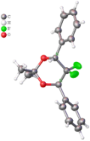
- -1,3-diphenyl-1,3-propanediol (rac-2). These enantiomers were then evaluated as chiral dopants using two commercially available liquid crystal host mixtures (Host 1 and Host 2 from Merck KGaA) (Scheme 2). Results and Discussion Racemic anti-2,2-difluoro-1,3-diol rac-2 was easily prepared through a


The Groebke–Blackburn–Bienaymé reaction in its maturity: innovation and improvements since its 21st birthday (2019–2023)
Beilstein J. Org. Chem. 2024, 20, 1839–1879, doi:10.3762/bjoc.20.162
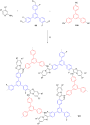
- underwent cyclization and dehydration to produce linked polyheterocyclic indoles 75. The authors managed to prepare five adducts in 15–33% yield. Another mechanistic scenario occurred at higher temperature (Scheme 25, conditions b). The secondary amine of diol 73 substituted both secondary alcohols to






Syntheses and medicinal chemistry of spiro heterocyclic steroids
Beilstein J. Org. Chem. 2024, 20, 1713–1745, doi:10.3762/bjoc.20.152
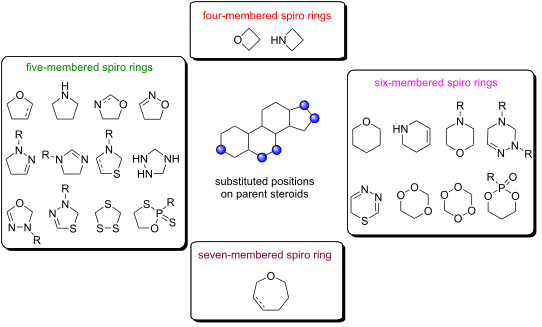
- diol 141 with chloroacetyl chloride, followed by cyclization induced by formation of the alcoholate. On the other hand, amino diol 141b was N-alkylated with methyl bromoacetate and then microwaved in the presence of potassium carbonate to obtain morpholinone 144 (Scheme 38). Romero-Hernández and Merino


Chemo-enzymatic total synthesis: current approaches toward the integration of chemical and enzymatic transformations
Beilstein J. Org. Chem. 2024, 20, 1693–1712, doi:10.3762/bjoc.20.151
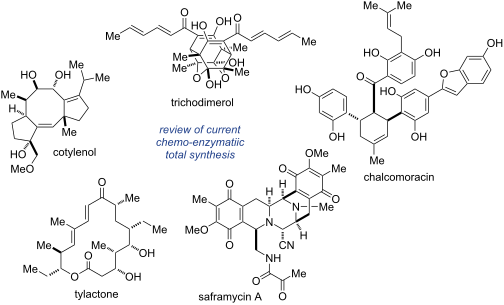
- , introduce hydroxy groups at C8 and C16 to produce FD-8β,16-diol (7), and BscE-catalyzed O-methylation generates the putative intermediate 8. The subsequent oxidative allylic rearrangement (8→9), catalyzed by the nonheme iron(II) and 2-oxoglutarate (Fe(II)/2OG)-dependent dioxygenase BscD, was a key step


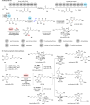
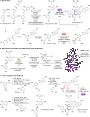


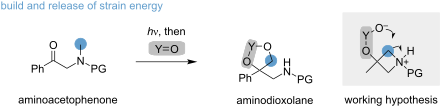
Ring opening of photogenerated azetidinols as a strategy for the synthesis of aminodioxolanes
Beilstein J. Org. Chem. 2024, 20, 1671–1676, doi:10.3762/bjoc.20.148
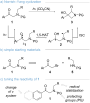
- 1), we successfully conducted the desired sequence by raising the temperature to 100 °C to initiate ring opening, and employing a mild transesterification method for diol release [43][44][45]. Thus, we were able to isolate 3-amino-1,2-diol 21 in 49% yield. Conclusion Within this work, we



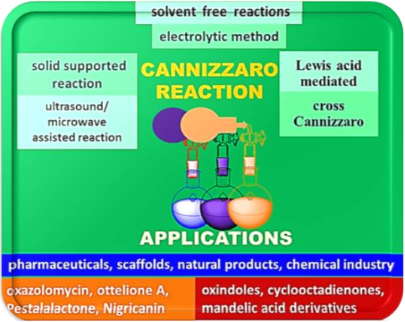
Synthetic applications of the Cannizzaro reaction
Beilstein J. Org. Chem. 2024, 20, 1376–1395, doi:10.3762/bjoc.20.120
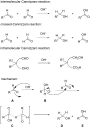
- intramolecular Cannizzaro reaction while accomplishing the synthesis of the bicyclic core structure of proposed ottelione A (47) [85]. Commencing from the Diels–Alder adduct 48, an enzymatic desymmetrization of the reduced diol 49 formed the enantiopure 50 (ee >99%). A cascade of reaction sequences delivered the
- tetracyclic cage compound 51. Acetal opening in 51 afforded the keto-aldehyde 52 which underwent an intramolecular Cannizzaro reaction to give the trihydroxy acid 53, finally cyclizing to the lactone diol 54, elaboration of which led to the desired target (Scheme 18). An interesting application of the
- yield (92%) and formed the diol 77, after the removal of the Boc-protecting group, where the prochiral hydroxymethyl groups ultimately paved the way towards the natural products (Scheme 22). Bernhardson and coworkers developed a simple scalable route towards ertugliflozin (80), a C-glycoside containing








Manganese-catalyzed C–C and C–N bond formation with alcohols via borrowing hydrogen or hydrogen auto-transfer
Beilstein J. Org. Chem. 2024, 20, 1111–1166, doi:10.3762/bjoc.20.98
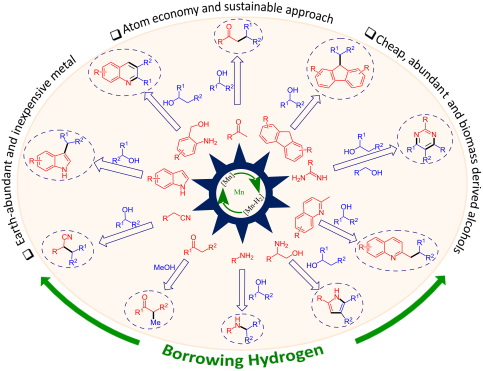
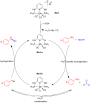
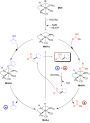
- dehydrogenated secondary alcohols into ketone B and diol into aldehyde A. Further, aldol condensation occurred between the ketone and aldehyde and produced α,β-unsaturated ketone C, which was subsequently hydrogenated by complex Mn1-c, followed by allyl isomerization, which led to the formation of hydroxy ketone
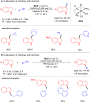
- -membered ring products. They isolated cyclic five to seven-membered ring products by changing the lengths of the diols. For example, for the formation of cyclopentane products, butane-1,4-diol was used as the alcohol under the same reaction conditions, giving 31 to 70% yield of the desired products. Seven
- -membered rings were also formed only by changing the alcohols to hexane-1,6-diol under the same conditions as above, giving yields up to 80%. In addition, several ketones were investigated under these conditions with different diol systems, giving 55–80% yields of the cyclic products (Scheme 36). DFT




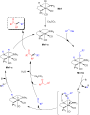

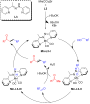


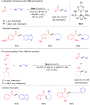


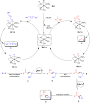














A Diels–Alder probe for discovery of natural products containing furan moieties
Beilstein J. Org. Chem. 2024, 20, 1001–1010, doi:10.3762/bjoc.20.88
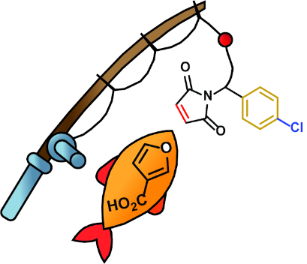
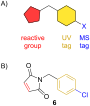
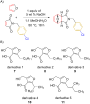
- for 18 was more complicated, showing many more side products compared to other tested substrates (see Figure S7 in Supporting Information File 1). We hypothesize this is due to 18 undergoing a reaction in aqueous solutions to generate a geminal diol in place of an aldehyde, as has been previously




Synthesis of 2,2-difluoro-1,3-diketone and 2,2-difluoro-1,3-ketoester derivatives using fluorine gas
Beilstein J. Org. Chem. 2024, 20, 460–469, doi:10.3762/bjoc.20.41
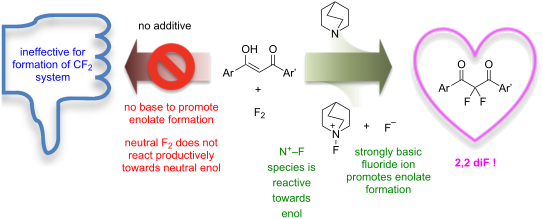
- 13C{1H} NMR spectra contained signals supporting the presence of ketone (e.g., δC = 185.6 ppm for 5a) and ester (δC = 161.9 ppm for 5a) functionalities. Difluoroketoester products were found to hydrate readily to give gem-diol derivatives during aqueous work-up [39], thus reducing the efficiency of
- extraction. Indeed, attempts to grow a single crystal of 5e from a mixture of EtOH and water led to the isolation of the corresponding gem-diol (Figure 3). There are very few examples of organic structures containing a C(OH)2–CF2–C fragment in the CCDC and only three acyclic examples (CSD 5.43 (Nov. 2021


Comparison of glycosyl donors: a supramer approach
Beilstein J. Org. Chem. 2024, 20, 181–192, doi:10.3762/bjoc.20.18
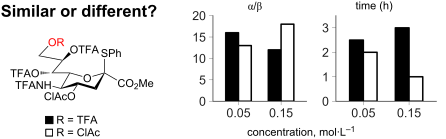
- prepared from the known sialic acid derivative 5 [36] with an 8,9-O-isopropylidene group by a three-step reaction sequence (see Scheme 2). Exhaustive chloroacetylation of hydroxy groups in diol 5 with chloroacetic anhydride and 2,4,6-collidine in CH2Cl2 gave bis-chloroacetate 6 (90% yield), which was
- treated with 90% aq trifluoroacetic acid in CH2Cl2 to give diol 7 (70% yield) that was formed due to migration of a chloroacetyl group from O-7 to O-9. The structure of diol 7 was established by NMR spectroscopy, high-resolution mass spectrometry and X-ray diffraction analysis (see the Experimental
- section and Supporting Information File 1 for the details). Diol 7 was converted into glycosyl donor 2 by O-trifluoroacetylation with trifluoroacetic anhydride and sodium trifluoroacetate under previously developed [36][55] conditions. Supramer analysis As we know that the concentrations of reactants can



Secondary metabolites of Diaporthe cameroonensis, isolated from the Cameroonian medicinal plant Trema guineensis
Beilstein J. Org. Chem. 2023, 19, 1555–1561, doi:10.3762/bjoc.19.112
- × 50 mm, Phenomenex), and Nucleosil 120 OH Diol (7 µm, 250 × 21 mm, Machery-Nagel, Düren, Germany) columns maintained at room temperature. Normal phase p-HPLC equipped with DAD detector (Agilent 1100 Series, Santa Clara, USA) was connected to a Nucleosil 120 OH Diol column. Deionized water used for RP
- fractions from the three repeated runs were combined to give three sub-fractions (D1–D3). All these sub-fractions D1 (12 mg), D2 (8 mg), and D3 (15.8 mg) were further separately purified over normal phase preparative HPLC with a DAD detector with a Nucleosil 120 OH Diol column (7 µm, 250 × 21 mm) used as
- , tR = 11.21 min), and 7 (1.45 mg, yellow neat solid, tR = 15.00 min), 4 (2.45 mg, white amorphous powder, tR = 22.00 min), respectively. Successive purifications of series F (898 mg) over normal (CH2CH2/MeOH 92:8, Nucleosil 120 OH Diol column) and reversed-phase preparative HLPC (Gilson, PLC 2020


Synthesis of ether lipids: natural compounds and analogues
Beilstein J. Org. Chem. 2023, 19, 1299–1369, doi:10.3762/bjoc.19.96
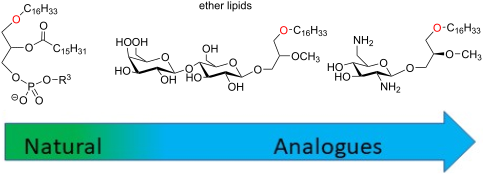
- produces the diester 4.12 with an inversion of the configuration of the chiral carbon atom. Then, 4.12 was hydrolyzed in the presence of KOH to produce 4.10. The installation of the phosphocholine group was achieved following two schemes: a) Starting from the diol 4.10 (Figure 4C), tritylation and
- also achieved in the last step (Figure 5) [73]. DIBALH (diisobutylaluminium hydride) in toluene was added to hexadecanol in dichloromethane at 0 °C (Figure 5) to form in situ a lithium alcoholate. Then, S-glycidol was added at rt to produce in 50% yield the diol 5.2 after a regioselective opening of
- deprotection of diol with HCl, the aryl ether glycerol 10.3. The protection of the sn-2 position with a benzyl group was achieved by a classical tritylation of the primary alcohol, benzylation of the secondary alcohol and removing the trityl protecting group. The low yield of this three-step sequence is due to