


Search results
Search for "photooxidation" in Full Text gives 42 result(s) in Beilstein Journal of Organic Chemistry.
A self-assembled cyclodextrin nanocarrier for photoreactive squaraine
- Ulrike Kauscher and
- Bart Jan Ravoo
Beilstein J. Org. Chem. 2016, 12, 2535–2542, doi:10.3762/bjoc.12.248
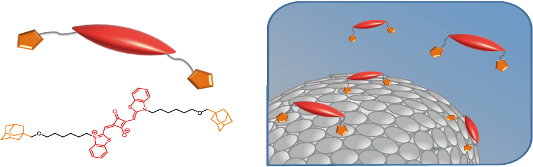
- singlet oxygen quenchers [23]. The authors discussed that this behaviour is based on charge-transfer processes between stacked squaraines as well as oxygen squaraine complexes. Within the same year, Rapozzi et al. described the photooxidation process of benzothiazol squaraines [24]. They showed that the

Graphical Abstract

Figure 1: Schematic representation of adamantane-substituted squaraine (AdSq) binding as a divalent guest to ...
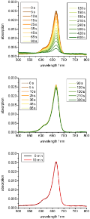
Figure 2: Absorption spectra of AdSq in acetonitrile. [AdSq] = 7.5 µM. Top: Absorption at different time poin...
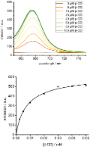
Figure 3: Top: Emission spectra (ex: 630 nm) of AdSq immobilized at CDV. [CDV] = 0–100 µM; [AdSq] = 5 µM. Bot...

Figure 4: Confocal fluorescence microscopy of giant unilamellar vesicles (GUVs) of amphiphilic cyclodextrins ...

Figure 5: Top: Absorption spectra at different time points during irradiation of a CDV solution with AdSq imm...

Figure 6: Synthesis of AdSq (I) NaH, DMF, 1,6-dibromohexane, 24 h, rt. (II) benzothiazole, acetonitrile, 12 h...
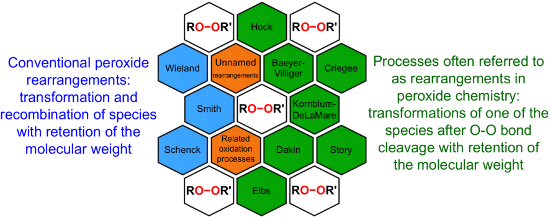
Rearrangements of organic peroxides and related processes
- Ivan A. Yaremenko,
- Vera A. Vil’,
- Dmitry V. Demchuk and
- Alexander O. Terent’ev
Beilstein J. Org. Chem. 2016, 12, 1647–1748, doi:10.3762/bjoc.12.162
- acid-catalyzed rearrangement with intermediate formation of peroxy hemiacetal 194. The latter is finally transformed into primary geminal bishydroperoxides 195 (Scheme 57) [325]. The photooxidation of 5,6-disubstituted 3,4-dihydro-2H-pyrans 196 generates the stable hydroperoxide 197 as the major
- ketone 265 was demonstrated by the transformation of this compound into (+)-sundiversifolide (266) (Scheme 81) [355]. The photooxidation of diene 267 followed by the base-catalyzed rearrangement of meso-endoperoxide 268 lead to (±)-trans,cis-4-hydroxy-5,6-di-O-isopropylidenecyclohex-2-en-1-one (269). The
- protection of the hydroxy group in compound 269 provides an efficient route to functionalized 4-hydroxy-2-cyclohexene-1-ones 270 (Scheme 82) [356]. The photooxidation of 271 in the presence of tetraphenylporphyrin produces endoperoxide 272, which undergoes a Kornblum–DeLaMare transformation when treated with

Graphical Abstract
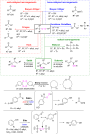
Figure 1: The named transformations considered in this review.

Scheme 1: The Baeyer–Villiger oxidation.

Scheme 2: The general mechanism of the peracid-promoted Baeyer–Villiger oxidation.

Scheme 3: General mechanism of the Lewis acid-catalyzed Baeyer–Villiger rearrangement.

Scheme 4: The theoretically studied mechanism of the BV oxidation reaction promoted by H2O2 and the Lewis aci...

Scheme 5: Proton movements in the transition states of the Baeyer–Villiger oxidation.

Scheme 6: The dependence of the course of the Baeyer–Villiger oxidation on the type of O–O-bond cleavage in t...
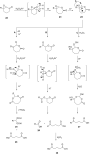
Scheme 7: The acid-catalyzed Baeyer–Villiger oxidation of cyclic epoxy ketones 22.

Scheme 8: Oxidation of isophorone oxide 29.

Scheme 9: Synthesis of acyl phosphate 32 from acyl phosphonate 31.

Scheme 10: Synthesis of aflatoxin B2 (36).

Scheme 11: The Baeyer–Villiger rearrangement of ketones 37 to lactones 38.

Scheme 12: Synthesis of 3,4-dimethoxybenzoic acid (40) via Baeyer–Villiger oxidation.

Scheme 13: Oxone transforms α,β-unsaturated ketones 43 into vinyl acetates 44.

Scheme 14: The Baeyer–Villiger oxidation of ketones 45 using diaryl diselenide and hydrogen peroxide.

Scheme 15: Baeyer–Villiger oxidation of (E)-2-methylenecyclobutanones.

Scheme 16: Oxidation of β-ionone (56) by H2O2/(BnSe)2 with formation of (E)-2-(2,6,6-trimethylcyclohex-1-en-1-...

Scheme 17: The mechanism of oxidation of ketones 58a–f by hydrogen peroxide in the presence of arsonated polys...

Scheme 18: Oxidation of ketone (58b) by H2O2 to 6-methylcaprolactone (59b) catalyzed by Pt complex 66·BF4.

Scheme 19: Oxidation of ketones 67 with H2O2 in the presence of [(dppb}Pt(µ-OH)]22+.

Scheme 20: The mechanism of oxidation of ketones 67 in the presence of [(dppb}Pt(µ-OH)]22+ and H2O2.

Scheme 21: Oxidation of benzaldehydes 69 in the presence of the H2O2/MeReO3 system.

Scheme 22: Oxidation of acetophenones 72 in the presence of the H2O2/MeReO3 system.

Scheme 23: Baeyer–Villiger oxidation of 2-adamantanone (45c) in the presence of Sn-containing mesoporous silic...

Scheme 24: Aerobic Baeyer–Villiger oxidation of ketones 76 using metal-free carbon.

Scheme 25: A regioselective Baeyer-Villiger oxidation of functionalized cyclohexenones 78 into a dihydrooxepin...

Scheme 26: The oxidation of aldehydes and ketones 80 by H2O2 catalyzed by Co4HP2Mo15V3O62.

Scheme 27: The cleavage of ketones 82 with hydrogen peroxide in alkaline solution.

Scheme 28: Oxidation of ketones 85 to esters 86 with H2O2–urea in the presence of KHCO3.

Scheme 29: Mechanism of the asymmetric oxidation of cyclopentane-1,2-dione 87a with the Ti(OiPr)4/(+)DET/t-BuO...

Scheme 30: The oxidation of cis-4-tert-butyl-2-fluorocyclohexanone (93) with m-chloroperbenzoic acid.

Scheme 31: The mechanism of the asymmetric oxidation of 3-substituted cyclobutanone 96a in the presence of chi...

Scheme 32: Enantioselective Baeyer–Villiger oxidation of cyclic ketones 98.

Scheme 33: Regio- and enantioselective Baeyer–Villiger oxidation of cyclic ketones 101.

Scheme 34: The proposed mechanism of the Baeyer–Villiger oxidation of acetal 105f.

Scheme 35: Synthesis of hydroxy-10H-acridin-9-one 117 from tetramethoxyanthracene 114.

Scheme 36: The Baeyer–Villiger oxidation of the fully substituted pyrrole 120.

Scheme 37: The Criegee rearrangement.

Scheme 38: The mechanism of the Criegee reaction of a peracid with a tertiary alcohol 122.

Scheme 39: Criegee rearrangement of decaline ethylperoxoate 127 into ketal 128.

Scheme 40: The ionic cleavage of 2-methoxy-2-propyl perester 129.

Scheme 41: The Criegee rearrangement of α-methoxy hydroperoxide 136.
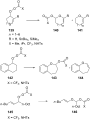
Scheme 42: Synthesis of enol esters and acetals via the Criegee rearrangement.

Scheme 43: Proposed mechanism of the transformation of 1-hydroperoxy-2-oxabicycloalkanones 147a–d.

Scheme 44: Transformation of 3-hydroxy-1,2-dioxolanes 151 into diketone derivatives 152.

Scheme 45: Criegee rearrangement of peroxide 153 with the mono-, di-, and tri-O-insertion.

Scheme 46: The sequential Criegee rearrangements of adamantanes 157a,b.

Scheme 47: Synthesis of diaryl carbonates 160a–d from triarylmethanols 159a–d through successive oxygen insert...

Scheme 48: The synthesis of sesquiterpenes 162 from ketone 161 with a Criegee rearrangement as one key step.

Scheme 49: Synthesis of trans-hydrindan derivatives 164, 165.

Scheme 50: The Hock rearrangement.

Scheme 51: The general scheme of the cumene process.

Scheme 52: The Hock rearrangement of aliphatic hydroperoxides.
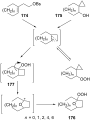
Scheme 53: The mechanism of solvolysis of brosylates 174a–c and spiro cyclopropyl carbinols 175a–c in THF/H2O2....

Scheme 54: The fragmentation mechanism of hydroperoxy acetals 178 to esters 179.

Scheme 55: The acid-catalyzed rearrangement of phenylcyclopentyl hydroperoxide 181.

Scheme 56: The peroxidation of tertiary alcohols in the presence of a catalytic amount of acid.

Scheme 57: The acid-catalyzed reaction of bicyclic secondary alcohols 192 with hydrogen peroxide.

Scheme 58: The photooxidation of 5,6-disubstituted 3,4-dihydro-2H-pyrans 196.

Scheme 59: The oxidation of tertiary alcohols 200a–g, 203a,b, and 206.

Scheme 60: Transformation of functional peroxide 209 leading to 2,3-disubstitued furans 210 in one step.

Scheme 61: The synthesis of carbazoles 213 via peroxide rearrangement.

Scheme 62: The construction of C–N bonds using the Hock rearrangement.

Scheme 63: The synthesis of moiety 218 from 217 which is a structural motif in the antitumor–antibiotic of CC-...

Scheme 64: The in vivo oxidation steps of cholesterol (219) by singlet oxygen.

Scheme 65: The proposed mechanism of the rearrangement of cholesterol-5α-OOH 220.

Scheme 66: Photochemical route to artemisinin via Hock rearrangement of 223.

Scheme 67: The Kornblum–DeLaMare rearrangement.

Scheme 68: Kornblum–DeLaMare transformation of 1-phenylethyl tert-butyl peroxide (225).

Scheme 69: The synthesis 4-hydroxyenones 230 from peroxide 229.

Scheme 70: The Kornblum–DeLaMare rearrangement of peroxide 232.

Scheme 71: The reduction of peroxide 234.

Scheme 72: The Kornblum–DeLaMare rearrangement of endoperoxide 236.

Scheme 73: The rearrangement of peroxide 238 under Kornblum–DeLaMare conditions.

Scheme 74: The proposed mechanism of rearrangement of peroxide 238.

Scheme 75: The Kornblum–DeLaMare rearrangement of peroxides 242a,b.

Scheme 76: The base-catalyzed rearrangements of bicyclic endoperoxides having electron-withdrawing substituent...

Scheme 77: The base-catalyzed rearrangements of bicyclic endoperoxides 249a,b having electron-donating substit...

Scheme 78: The base-catalyzed rearrangements of bridge-head substituted bicyclic endoperoxides 251a,b.

Scheme 79: The Kornblum–DeLaMare rearrangement of hydroperoxide 253.

Scheme 80: Synthesis of β-hydroxy hydroperoxide 254 from endoperoxide 253.

Scheme 81: The amine-catalyzed rearrangement of bicyclic endoperoxide 263.

Scheme 82: The base-catalyzed rearrangement of meso-endoperoxide 268 into 269.

Scheme 83: The photooxidation of 271 and subsequent Kornblum–DeLaMare reaction.

Scheme 84: The Kornblum–DeLaMare rearrangement as one step in the oxidation reaction of enamines.

Scheme 85: The Kornblum–DeLaMare rearrangement of 3,5-dihydro-1,2-dioxenes 284, 1,2-dioxanes 286, and tert-but...

Scheme 86: The Kornblum–DeLaMare rearrangement of epoxy dioxanes 290a–d.

Scheme 87: Rearrangement of prostaglandin H2 292.

Scheme 88: The synthesis of epicoccin G (297).

Scheme 89: The Kornblum–DeLaMare rearrangement used in the synthesis of phomactin A.

Scheme 90: The Kornblum–DeLaMare rearrangement in the synthesis of 3H-quinazolin-4-one 303.

Scheme 91: The Kornblum–DeLaMare rearrangement in the synthesis of dolabriferol (308).

Scheme 92: Sequential transformation of 3-substituted 2-pyridones 309 into 3-hydroxypyridine-2,6-diones 311 in...

Scheme 93: The Kornblum–DeLaMare rearrangement of peroxide 312 into hydroxy enone 313.

Scheme 94: The Kornblum–DeLaMare rearrangement in the synthesis of polyfunctionalized carbonyl compounds 317.

Scheme 95: The Kornblum–DeLaMare rearrangement in the synthesis of (Z)-β-perfluoroalkylenaminones 320.

Scheme 96: The Kornblum–DeLaMare rearrangement in the synthesis of γ-ketoester 322.

Scheme 97: The Kornblum–DeLaMare rearrangement in the synthesis of diterpenoids 326 and 328.

Scheme 98: The synthesis of natural products hainanolidol (331) and harringtonolide (332) from peroxide 329.

Scheme 99: The synthesis of trans-fused butyrolactones 339 and 340.

Scheme 100: The synthesis of leucosceptroid C (343) and leucosceptroid P (344) via the Kornblum–DeLaMare rearra...

Scheme 101: The Dakin oxidation of arylaldehydes or acetophenones.

Scheme 102: The mechanism of the Dakin oxidation.

Scheme 103: A solvent-free Dakin reaction of aromatic aldehydes 356.

Scheme 104: The organocatalytic Dakin oxidation of electron-rich arylaldehydes 358.

Scheme 105: The Dakin oxidation of electron-rich arylaldehydes 361.

Scheme 106: The Dakin oxidation of arylaldehydes 358 in water extract of banana (WEB).

Scheme 107: A one-pot approach towards indolo[2,1-b]quinazolines 364 from indole-3-carbaldehydes 363 through th...

Scheme 108: The synthesis of phenols 367a–c from benzaldehydes 366a-c via acid-catalyzed Dakin oxidation.

Scheme 109: Possible transformation paths of the highly polarized boric acid coordinated H2O2–aldehyde adduct 3...

Scheme 110: The Elbs oxidation of phenols 375 to hydroquinones.

Scheme 111: The mechanism of the Elbs persulfate oxidation of phenols 375 affording p-hydroquinones 376.

Scheme 112: Oxidation of 2-pyridones 380 under Elbs persulfate oxidation conditions.

Scheme 113: Synthesis of 3-hydroxy-4-pyridone (384) via an Elbs oxidation of 4-pyridone (382).

Scheme 114: The Schenck rearrangement.

Scheme 115: The Smith rearrangement.

Scheme 116: Three main pathways of the Schenck rearrangement.

Scheme 117: The isomerization of hydroperoxides 388 and 389.

Scheme 118: Trapping of dioxacyclopentyl radical 392 by oxygen.

Scheme 119: The hypothetical mechanism of the Schenck rearrangement of peroxide 394.

Scheme 120: The autoxidation of oleic acid (397) with the use of labeled isotope 18O2.

Scheme 121: The rearrangement of 18O-labeled hydroperoxide 400 under an atmosphere of 16O2.

Scheme 122: The rearrangement of the oleate-derived allylic hydroperoxides (S)-421 and (R)-425.

Scheme 123: Mechanisms of Schenck and Smith rearrangements.

Scheme 124: The rearrangement and cyclization of 433.

Scheme 125: The Wieland rearrangement.

Scheme 126: The rearrangement of bis(triphenylsilyl) 439 or bis(triphenylgermyl) 441 peroxides.

Scheme 127: The oxidative transformation of cyclic ketones.

Scheme 128: The hydroxylation of cyclohexene (447) in the presence of tungstic acid.

Scheme 129: The oxidation of cyclohexene (447) under the action of hydrogen peroxide.

Scheme 130: The reaction of butenylacetylacetone 455 with hydrogen peroxide.

Scheme 131: The oxidation of bridged 1,2,4,5-tetraoxanes.

Scheme 132: The proposed mechanism for the oxidation of bridged 1,2,4,5-tetraoxanes.

Scheme 133: The rearrangement of ozonides.

Scheme 134: The acid-catalyzed oxidative rearrangement of malondialdehydes 462 under the action of H2O2.

Scheme 135: Pathways of the Lewis acid-catalyzed cleavage of dialkyl peroxides 465 and ozonides 466.

Scheme 136: The mechanism of the transformation of (tert-butyldioxy)cyclohexanedienones 472.

Scheme 137: The synthesis of Vitamin K3 from 472a.

Scheme 138: Proposed mechanism for the transformation of 478d into silylated endoperoxide 479d.

Scheme 139: The rearrangement of hydroperoxide 485 to form diketone 486.

Scheme 140: The base-catalyzed rearrangement of cyclic peroxides 488a–g.

Scheme 141: Synthesis of chiral epoxides and aldols from peroxy hemiketals 491.

Scheme 142: The multistep transformation of (R)-carvone (494) to endoperoxides 496a–e.

Scheme 143: The decomposition of anthracene endoperoxide 499.

Scheme 144: Synthesis of esters 503 from aldehydes 501 via rearrangement of peroxides 502.

Scheme 145: Two possible paths for the base-promoted decomposition of α-azidoperoxides 502.

Scheme 146: The Story decomposition of cyclic diperoxide 506a.

Scheme 147: The Story decomposition of cyclic triperoxide 506b.

Scheme 148: The thermal rearrangement of endoperoxides A into diepoxides B.

Scheme 149: The transformation of peroxide 510 in the synthesis of stemolide (511).

Scheme 150: The possible mechanism of the rearrangement of endoperoxide 261g.

Scheme 151: The photooxidation of indene 517.

Scheme 152: The isomerization of ascaridole (523).

Scheme 153: The isomerization of peroxide 525.

Scheme 154: The thermal transformation of endoperoxide 355.

Scheme 155: The photooxidation of cyclopentadiene (529) at a temperature higher than 0 °C.

Scheme 156: The thermal rearrangement of endoperoxides 538a,b.

Scheme 157: The transformation of peroxides 541.

Scheme 158: The thermal rearrangements of strained cyclic peroxides.

Scheme 159: The thermal rearrangement of diacyl peroxide 551 in the synthesis of C4-epi-lomaiviticin B core 553....

Scheme 160: The 1O2 oxidation of tryptophan (554) and rearrangement of dioxetane intermediate 555.

Scheme 161: The Fe(II)-promoted cleavage of aryl-substituted bicyclic peroxides.

Scheme 162: The proposed mechanism of the Fe(II)-promoted rearrangement of 557a–c.

Scheme 163: The reaction of dioxolane 563 with Fe(II) sulfate.

Scheme 164: Fe(II)-promoted rearrangement of 1,2-dioxane 565.

Scheme 165: Fe(II) cysteinate-promoted rearrangement of 1,2-dioxolane 568.

Scheme 166: The transformation of 1,2-dioxanes 572a–c under the action of FeCl2.

Scheme 167: Fe(II) cysteinate-promoted transformation of tetraoxane 574.

Scheme 168: The CoTPP-catalyzed transformation of bicyclic endoperoxides 600a–d.

Scheme 169: The CoTPP-catalyzed transformation of epoxy-1,2-dioxanes.

Scheme 170: The Ru(II)-catalyzed reactions of 1,4-endoperoxide 261g.

Scheme 171: The Ru(II)-catalyzed transformation as a key step in the synthesis of elyiapyrone A (610) from 1,4-...

Scheme 172: Peroxides with antimalarial activity.

Scheme 173: The interaction of iron ions with artemisinin (616).

Scheme 174: The interaction of FeCl2 with 1,2-dioxanes 623, 624.

Scheme 175: The mechanism of reaction 623 and 624 with Fe(II)Cl2.

Scheme 176: The reaction of bicyclic natural endoperoxides G3-factors 631–633 with FeSO4.

Scheme 177: The transformation of terpene cardamom peroxide 639.
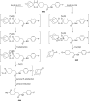
Scheme 178: The different ways of the cleavage of tetraoxane 643.

Scheme 179: The LC–MS analysis of interaction of tetraoxane 646 with iron(II)heme 647.

Scheme 180: The rearrangement of 3,6-epidioxy-1,10-bisaboladiene (EDBD, 649).

Scheme 181: Easily oxidized substrates.

Scheme 182: Biopathway of synthesis of prostaglandins.

Scheme 183: The reduction and rearrangements of isoprostanes.

Scheme 184: The partial mechanism for linoleate 658 oxidation.

Scheme 185: The transformation of lipid hydroperoxide.

Scheme 186: The acid-catalyzed cleavage of the product from free-radical oxidation of cholesterol (667).

Scheme 187: Two pathways of catechols oxidation.

Scheme 188: Criegee-like or Hock-like rearrangement of the intermediate hydroperoxide 675 in dioxygenase enzyme...

Scheme 189: Carotinoides 679 cleavage by carotenoid cleavage dioxygenases.
Biradical vs singlet oxygen photogeneration in suprofen–cholesterol systems
- Fabrizio Palumbo,
- Francisco Bosca,
- Isabel M. Morera,
- Inmaculada Andreu and
- Miguel A. Miranda
Beilstein J. Org. Chem. 2016, 12, 1196–1202, doi:10.3762/bjoc.12.115
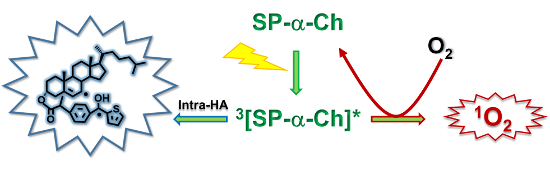
- photogeneration of biradicals and 1O2, the key mechanistic steps in Ch photooxidation. Steady-state irradiation of 1 and 2 was performed in dichloromethane, under nitrogen, through Pyrex, using a 400 W medium pressure mercury lamp. The spectral analysis of the separated fractions revealed formation of two
- ) in order to investigate the possible competition between photogeneration of biradicals and 1O2, the key mechanistic steps in Ch photooxidation. Results and Discussion Preparation of dyads Compounds 1–3 were prepared by esterification of α- or β-Ch with racemic SP following standard procedures [13

Graphical Abstract

Figure 1: Chemical structure of the photosensitizing chromophores benzophenone (BZP) and 2-benzoylthiophene (...

Figure 2: Chemical structure of tiaprofenic acid (TPA) and suprofen (SP).

Figure 3: Chemical structures of dyads 1–3.

Scheme 1: Formation of products 4 and 5 upon photolysis of dyads 1 and 2.

Figure 4: Diagnostic NOE interactions in compounds 4 and 5.

Figure 5: Decrease of the absorbance at 290 nm upon irradiation in CH2Cl2 under N2 for 1 (red circles), 2 (bl...

Figure 6: Transient absorption spectra for dyad 1 in CH2Cl2 1 μs after laser pulse (λexc = 355 nm). Inset: No...

Scheme 2: Photoreaction pathways generating biradical and singlet oxygen species of a sensitizer (S), like SP...

Figure 7: Time-resolved experiments at 1270 nm upon excitation at 308 nm of aerated CH2Cl2 solutions of 1–3, ...
Efficient syntheses of climate relevant isoprene nitrates and (1R,5S)-(−)-myrtenol nitrate
- Sean P. Bew,
- Glyn D. Hiatt-Gipson,
- Graham P. Mills and
- Claire E. Reeves
Beilstein J. Org. Chem. 2016, 12, 1081–1095, doi:10.3762/bjoc.12.103
- has led to uncertainty in quantifying the true effect of isoprene on the NOx cycle and subsequent O3 enhancement. Shepson et al. sought to deconvolute this process replicating the atmospheric synthesis of IPN using a photochemical reaction chamber to determine IPN yield from isoprene photooxidation

Graphical Abstract

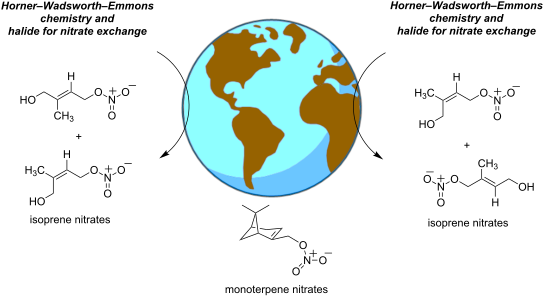
Scheme 1: Simplified overview outlining how a small number of different IPNs are synthesised and are able to ...

Scheme 2: Protocols for the synthesis of O-nitrated alcohols using (±)-isoprene epoxide and 2° alcohols as st...

Scheme 3: Attempted synthesis of O-nitrate ester rac-19 and rac-20 synthesis.

Scheme 4: Olah et al. O-nitrated alcohol syntheses of 23–33 using N-nitro-2,4-6-trimethylpyridinium tetrafluo...

Scheme 5: O-nitration study using 22 and the alcohols 34–37.

Scheme 6: Silver nitrate mediated synthesis of 2-oxopropyl nitrate 43.

Scheme 7: Application of isoprene for the synthesis of precursors to IPNs and synthesis via ‘halide for nitra...

Scheme 8: Synthesis of (E)-3-methyl-4-chlorobut-2-en-1-ol ((E)-60) and (Z)-3-methyl-4-chlorobut-2-en-1-ol ((Z...

Scheme 9: Using NOESY interactions to establish the conformations of the C=C bonds within (E)-10 and (Z)-9.

Scheme 10: Synthesis of isoprene nitrates (E)-11 and (Z)-12 from ketone 63.

Scheme 11: Attempted synthesis of rac-8 from O-mesylate rac-71.

Scheme 12: Synthesis of O-nitrate 73 from O-mesylate 72.

Scheme 13: Attempted synthesis of 2° alcohol containing 1° nitrate ester rac-19 and the unexpected synthesis o...

Scheme 14: Synthesis of monoterpene derived (1R,5S)-(−)-myrtenol nitrate 86.
The chemical behavior of terminally tert-butylated polyolefins
- Dagmar Klein,
- Henning Hopf,
- Peter G. Jones,
- Ina Dix and
- Ralf Hänel
Beilstein J. Org. Chem. 2015, 11, 1246–1258, doi:10.3762/bjoc.11.139
- has been investigated by many authors [18][19][20]. In most cases this photooxidation involves singlet oxygen that is generated from triplet oxygen by irradiation in the presence of a sensitizer such as chlorophyll. Since the above experiment was carried out in the absence of a sensitizer, the

Graphical Abstract

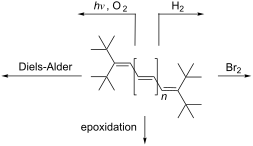
Scheme 1: The polyenes 2 stabilized by terminal tert-butyl substituents.

Scheme 2: The catalytic hydrogenation of diene 3.

Figure 1: The structure of compound 4 in the crystal. Ellipsoids correspond to 30% probability levels.

Scheme 3: The catalytic hydrogenation of triene 7.

Scheme 4: Addition of bromine to model dienes.

Scheme 5: Bromine addition to diene 3 and triene 7.

Scheme 6: Bromine addition to the higher oligoenes 19–22.

Figure 2: (a) The structure of compound 24 in the crystal. Ellipsoids correspond to 50% probability levels. (...

Figure 3: The structure of compound 25 in the crystal. This was a structure of poor quality and served only t...

Scheme 7: Epoxidation of triene 7 with MCPBA and DMDO.

Scheme 8: Epoxidation of tetraene 19 with MCPBA and DMDO.

Scheme 9: Diels–Alder addition of PTAD (36) to triene 7 and tetraene 19.

Figure 4: The structure of compound 37 in the crystal. Only one of two independent molecules is shown. Ellips...

Scheme 10: Diels-Alder addition of oligoenes 20 and 21 with PTAD (36).

Scheme 11: Addition of excess PTAD (36) to hexaene 21 and heptaene 22.

Scheme 12: TCNE addition to oligoolefins: from tetraene 19 to nonaene 42.

Figure 5: The structure of compound 43 in the crystal. Only one of two independent molecules is shown. Ellips...

Scheme 13: Photochemical experiments with tetraene 19.

Figure 6: The structure of compound 52 in the crystal. Ellipsoids correspond to 50% probability levels.
Photocatalytic nucleophilic addition of alcohols to styrenes in Markovnikov and anti-Markovnikov orientation
- Martin Weiser,
- Sergej Hermann,
- Alexander Penner and
- Hans-Achim Wagenknecht
Beilstein J. Org. Chem. 2015, 11, 568–575, doi:10.3762/bjoc.11.62
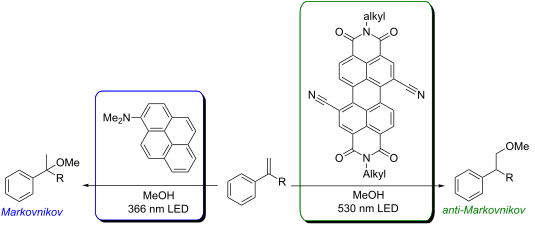
- mechanism (Scheme 4). Comparison of product formation after 18 h showed that the methoxy substituted product 9 was obtained in approximately double yield compared to 11. Obviously, the photooxidation of the electron-rich double bond in substrate 8 by electron transfer occured faster than the one in
- LEDs (250 mW), λ = 530 nm. Photooxidation of the substrate and reductive quenching of the photocatalyst (left) vs photoreduction of the substrate and oxidative quenching of the photocatalyst (right) give two complementary photocatalytic cycles yielding either anti-Markovnikov-type or Markovnikov-type

Graphical Abstract

Scheme 1: Photooxidation of the substrate and reductive quenching of the photocatalyst (left) vs photoreducti...

Scheme 2: Mechanism of the Markovnikov-type photocatalytic addition of methanol to 1,1-diphenylethylene (1) a...

Scheme 3: Intramolecular photocatalytic addition with substrate 3; reaction conditions: 3 (2 mM), Py (2 mM), ...

Scheme 4: Proposed mechanism of the anti-Markovnikov-type photocatalytic addition of methanol to 1,1-diphenyl...

Figure 1: Conversion of substrate 1 and formation of product 5 observed during photocatalysis with PDI in the...

Figure 2: Conversion of substrate 1 (black dashed) and formation of product 5 (red solid) observed during pho...

Figure 3: Spectra of PDI before (dotted black) and after excitation (red), then every 2 min until ground stat...

Scheme 5: Intramolecular additions of substrates 8 and 10 to demonstrate the effect of different electron den...
Electrochemical oxidation of cholesterol
- Jacek W. Morzycki and
- Andrzej Sobkowiak
Beilstein J. Org. Chem. 2015, 11, 392–402, doi:10.3762/bjoc.11.45
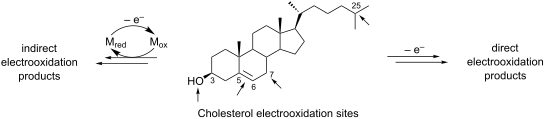
- studies on cholesterol oxidation may allow for significant advances in cholesterol biology and chemistry. Review General remarks A series of physiological actions in both humans and animals are caused by chemical oxidation, photooxidation or enzymatic oxidation of cholesterol. Despite the importance of

Graphical Abstract

Figure 1: Preferential sites of cholesterol electrooxidation.

Scheme 1: Functionalization of the cholesterol side chain.

Scheme 2: Oxidation of cholestane-3β,5α,6β-triol triacetate (3) with the Gif system.

Scheme 3: Electrochemical oxidation of cholesteryl acetate (1a) with dioxygen and iron–picolinate complexes.

Scheme 4: Electrochemical chlorination of cholesterol catalyzed by FeCl3.

Scheme 5: Electrochemical chlorination of Δ5-steroids.

Scheme 6: Electrochemical bromination of Δ5-steroids in different solvents.

Scheme 7: Direct electrochemical acetoxylation of cholesterol at the allylic position.

Scheme 8: Direct anodic oxidation of cholesterol in dichloromethane.

Scheme 9: A plausible mechanism of the electrochemical oxidation of cholesterol in dichloromethane.

Scheme 10: The electrochemical formation of glycosides and glycoconjugates.

Scheme 11: Efficient electrochemical oxidation of cholesterol to cholesta-4,6-dien-3-one (24).
One-pot functionalisation of N-substituted tetrahydroisoquinolines by photooxidation and tunable organometallic trapping of iminium intermediates
- Joshua P. Barham,
- Matthew P. John and
- John A. Murphy
Beilstein J. Org. Chem. 2014, 10, 2981–2988, doi:10.3762/bjoc.10.316
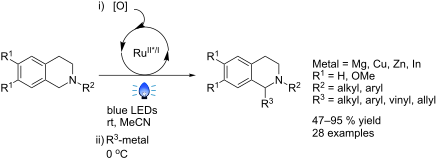
- novel, one-pot methodology that functionalises N-substituted tetrahydroisoquinolines by visible light-assisted photooxidation, followed by trapping of the resultant iminium ions with organometallic nucleophiles. This affords 1,2-disubstituted tetrahydroisoquinolines in moderate to excellent yields

Graphical Abstract

Figure 1: Examples of biologically active 1,2-disubstituted tetrahydroisoquinolines.

Scheme 1: Oxidative C–H functionalisation and examples of previously reported nucleophilic trappings.

Figure 2: Products from allylzinc reagent addition to 5a and 5b.

Figure 3: Proposed mechanism for formation of side-product 8a. Analogous reactivity in the formation of cycli...

Figure 4: Mechanism for dimerisation of the allylzinc halide and β-hydride addition to 5a [36].

Scheme 2: A concise synthesis of methopholine (3).
Cyclization–endoperoxidation cascade reactions of dienes mediated by a pyrylium photoredox catalyst
- Nathan J. Gesmundo and
- David A. Nicewicz
Beilstein J. Org. Chem. 2014, 10, 1272–1281, doi:10.3762/bjoc.10.128
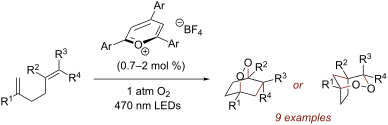
- single electron oxidants capable of this task, we elected to employ photooxidation catalysts. Additionally, we sought to select visible light-activated organic single electron oxidants that do not readily sensitize singlet oxygen [17][18][19]. For these reasons, we were attracted to the use of
- tetrafluoroborate, which has been used with success in other photooxidation processes [23][24][25][26], was used in place of 1c, complete consumption of 2a was observed, but 3a was not produced. Once again only oxidative decomposition pathways seemed active, this time possibly due to superoxide formation. Lastly

Graphical Abstract

Figure 1: Selected examples of endoperoxide-containing natural products.

Scheme 1: Endoperoxide formation via cation radicals. In both examples, single electron oxidation is followed...

Scheme 2: Diversification strategy for endoperoxide synthesis by single electron transfer. E*red vs SCE [20].

Figure 2: ORTEP of 3a.

Scheme 3: Proposed mechanism for endoperoxide synthesis from tethered dienes.

Scheme 4: Competing formal [3,3] pathway.
On the mechanism of photocatalytic reactions with eosin Y
- Michal Majek,
- Fabiana Filace and
- Axel Jacobi von Wangelin
Beilstein J. Org. Chem. 2014, 10, 981–989, doi:10.3762/bjoc.10.97
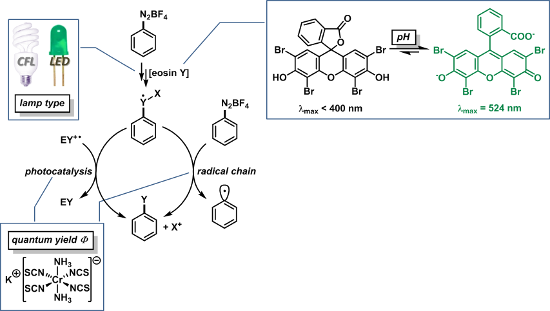
- photocatalysts [3][4][5][6][7][8], whereas much less attention has been directed at eosin Y-catalyzed reactions. The reductive quenching pathway of eosin Y, which operates in the photooxidation of isoquinolines [9], has been studied in a single report [22]. To the best of our knowledge, related data have not

Graphical Abstract

Scheme 1: Oxidative quenching of eosin Y with arenediazonium salts and reactions of the resultant aryl radica...

Scheme 2: Proposed general reaction mechanism of eosin Y-catalyzed substitutions with arene diazonium salts.

Figure 1: UV–vis spectra of the photoborylation reaction mixture (RM).

Figure 2: Fluorescence spectra of the photoborylation reaction mixture (RM). Ex. = excitation wavelength.

Scheme 3: Acid–base behaviour of eosin Y.

Figure 3: UV–vis spectrum of p-bromobenzenediazonium tetrafluoroborate (pBrPhN2) and bispinacolato diboron (B2...

Scheme 4: Eosin Y-catalyzed and dye-free photolytic borylation.

Scheme 5: Eosin Y-catalyzed and dye-free reactions with ethyl propiolate.

Figure 4: UV–vis spectra of ortho-biphenyldiazonium tetrafluoroborate (biPhN2) in acetonitrile.
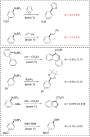
Scheme 6: Quantum yield determinations of selected visible-light-driven aromatic substitutions.
Synthesis of five- and six-membered cyclic organic peroxides: Key transformations into peroxide ring-retaining products
- Alexander O. Terent'ev,
- Dmitry A. Borisov,
- Vera A. Vil’ and
- Valery M. Dembitsky
Beilstein J. Org. Chem. 2014, 10, 34–114, doi:10.3762/bjoc.10.6

Graphical Abstract

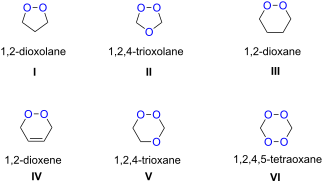
Figure 1: Five and six-membered cyclic peroxides.

Figure 2: Artemisinin and semi-synthetic derivatives.

Scheme 1: Synthesis of 3-hydroxy-1,2-dioxolanes 3a–c.

Scheme 2: Synthesis of dioxolane 6.

Scheme 3: Photooxygenation of oxazolidines 7a–d with formation of spiro-fused oxazolidine-containing dioxolan...

Scheme 4: Oxidation of cyclopropanes 10a–e and 11a–e with preparation of 1,2-dioxolanes 12a–e.

Scheme 5: VO(acac)2-catalyzed oxidation of silylated bicycloalkanols 13a–c.

Scheme 6: Mn(II)-catalyzed oxidation of cyclopropanols 15a–g.

Scheme 7: Oxidation of aminocyclopropanes 20a–c.

Scheme 8: Synthesis of aminodioxolanes 24.
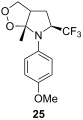
Figure 3: Trifluoromethyl-containing dioxolane 25.

Scheme 9: Synthesis of 1,2-dioxolanes 27a–e by the oxidation of cyclopropanes 26a–e.

Scheme 10: Photoinduced oxidation of methylenecyclopropanes 28.

Scheme 11: Irradiation-mediated oxidation.

Scheme 12: Application of diazene 34 for dioxolane synthesis.

Scheme 13: Mn(OAc)3-catalyzed cooxidation of arylacetylenes 37a–h and acetylacetone with atmospheric oxygen.
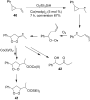
Scheme 14: Peroxidation of (2-vinylcyclopropyl)benzene (40).

Scheme 15: Peroxidation of 1,4-dienes 43a,b.

Scheme 16: Peroxidation of 1,5-dienes 46.

Scheme 17: Peroxidation of oxetanes 53a,b.

Scheme 18: Peroxidation of 1,6-diene 56.

Scheme 19: Synthesis of 3-alkoxy-1,2-dioxolanes 62a,b.

Scheme 20: Synthesis of spiro-bis(1,2-dioxolane) 66.

Scheme 21: Synthesis of dispiro-1,2-dioxolanes 68, 70, 71.

Scheme 22: Synthesis of spirohydroperoxydioxolanes 75a,b.

Scheme 23: Synthesis of spirohydroperoxydioxolane 77 and dihydroperoxydioxolane 79.

Scheme 24: Ozonolysis of azepino[4,5-b]indole 80.

Scheme 25: SnCl4-mediated fragmentation of ozonides 84a–l in the presence of allyltrimethylsilane.

Scheme 26: SnCl4-mediated fragmentation of bicyclic ozonide 84m in the presence of allyltrimethylsilane.

Scheme 27: MCl4-mediated fragmentation of alkoxyhydroperoxides 96 in the presence of allyltrimethylsilane.

Scheme 28: SnCl4-catalyzed reaction of monotriethylsilylperoxyacetal 108 with alkene 109.

Scheme 29: SnCl4-catalyzed reaction of triethylsilylperoxyacetals 111 with alkenes.

Scheme 30: Desilylation of tert-butyldimethylsilylperoxy ketones 131a,b followed by cyclization.

Scheme 31: Deprotection of peroxide 133 followed by cyclization.

Scheme 32: Asymmetric peroxidation of methyl vinyl ketones 137a–e.

Scheme 33: Et2NH-catalyzed intramolecular cyclization.

Scheme 34: Synthesis of oxodioxolanes 143a–j.

Scheme 35: Haloperoxidation accompanied by intramolecular ring closure.

Scheme 36: Oxidation of triterpenes 149a–d with Na2Cr2O7/N-hydroxysuccinimide.

Scheme 37: Curtius and Wolff rearrangements to form 1,2-dioxolane ring-retaining products.

Scheme 38: Oxidative desilylation of peroxide 124.

Scheme 39: Synthesis of dioxolane 158, a compound containing the aminoquinoline antimalarial pharmacophore.

Scheme 40: Diastereomers of plakinic acid A, 162a and 162b.

Scheme 41: Ozonolysis of alkenes.

Scheme 42: Cross-ozonolysis of alkenes 166 with carbonyl compounds.

Scheme 43: Ozonolysis of the bicyclic cyclohexenone 168.

Scheme 44: Cross-ozonolysis of enol ethers 172a,b with cyclohexanone.

Scheme 45: Griesbaum co-ozonolysis.

Scheme 46: Reactions of aryloxiranes 177a,b with oxygen.

Scheme 47: Intramolecular formation of 1,2,4-trioxolane 180.

Scheme 48: Formation of 1,2,4-trioxolane 180 by the reaction of 1,5-ketoacetal 181 with H2O2.

Scheme 49: 1,2,4-Trioxolane 186 with tetrazole fragment.

Scheme 50: 1,2,4-Trioxolane 188 with a pyridine fragment.

Scheme 51: 1,2,4-Trioxolane 189 with pyrimidine fragment.

Scheme 52: Synthesis of aminoquinoline-containing 1,2,4-trioxalane 191.

Scheme 53: Synthesis of arterolane.

Scheme 54: Oxidation of diarylheptadienes 197a–c with singlet oxygen.

Scheme 55: Synthesis of hexacyclinol peroxide 200.

Scheme 56: Oxidation of enone 201 and enenitrile 203 with singlet oxygen.

Scheme 57: Synthesis of 1,2-dioxanes 207 by oxidative coupling of carbonyl compounds 206 and alkenes 205.

Scheme 58: 1,2-Dioxanes 209 synthesis by co-oxidation of 1,5-dienes 208 and thiols.

Scheme 59: Synthesis of bicyclic 1,2-dioxanes 212 with aryl substituents.

Scheme 60: Isayama–Mukaiyama peroxysilylation of 1,5-dienes 213 followed by desilylation under acidic conditio...

Scheme 61: Synthesis of bicycle 218 with an 1,2-dioxane ring.

Scheme 62: Intramolecular cyclization with an oxirane-ring opening.

Scheme 63: Inramolecular cyclization with the oxetane-ring opening.

Scheme 64: Intramolecular cyclization with the attack on a keto group.

Scheme 65: Peroxidation of the carbonyl group in unsaturated ketones 228 followed by cyclization of hydroperox...

Scheme 66: CsOH and Et2NH-catalyzed cyclization.

Scheme 67: Preparation of peroxyplakoric acid methyl ethers A and D.

Scheme 68: Hg(OAc)2 in 1,2-dioxane synthesis.

Scheme 69: Reaction of 1,4-diketones 242 with hydrogen peroxide.

Scheme 70: Inramolecular cyclization with oxetane-ring opening.

Scheme 71: Inramolecular cyclization with MsO fragment substitution.

Scheme 72: Synthesis of 1,2-dioxane 255a, a structurally similar compound to natural peroxyplakoric acids.

Scheme 73: Synthesis of 1,2-dioxanes based on the intramolecular cyclization of hydroperoxides containing C=C ...

Scheme 74: Use of BCIH in the intramolecular cyclization.

Scheme 75: Palladium-catalyzed cyclization of δ-unsaturated hydroperoxides 271a–e.

Scheme 76: Intramolecular cyclization of unsaturated peroxyacetals 273a–d.

Scheme 77: Allyltrimethylsilane in the synthesis of 1,2-dioxanes 276a–d.

Scheme 78: Intramolecular cyclization using the electrophilic center of the peroxycarbenium ion 279.

Scheme 79: Synthesis of bicyclic 1,2-dioxanes.

Scheme 80: Preparation of 1,2-dioxane 286.

Scheme 81: Di(tert-butyl)peroxalate-initiated radical cyclization of unsaturated hydroperoxide 287.

Scheme 82: Oxidation of 1,4-betaines 291a–d.

Scheme 83: Synthesis of aminoquinoline-containing 1,2-dioxane 294.

Scheme 84: Synthesis of the sulfonyl-containing 1,2-dioxane.

Scheme 85: Synthesis of the amido-containing 1,2-dioxane 301.

Scheme 86: Reaction of singlet oxygen with the 1,3-diene system 302.

Scheme 87: Synthesis of (+)-premnalane А and 8-epi-premnalane A.

Scheme 88: Synthesis of the diazo group containing 1,2-dioxenes 309a–e.

Figure 4: Plakortolide Е.

Scheme 89: Synthesis of 6-epiplakortolide Е.

Scheme 90: Application of Bu3SnH for the preparation of tetrahydrofuran-containing bicyclic peroxides 318a,b.

Scheme 91: Application of Bu3SnH for the preparation of lactone-containing bicyclic peroxides 320a–f.

Scheme 92: Dihydroxylation of the double bond in the 1,2-dioxene ring 321 with OsO4.

Scheme 93: Epoxidation of 1,2-dioxenes 324.

Scheme 94: Cyclopropanation of the double bond in endoperoxides 327.

Scheme 95: Preparation of pyridazine-containing bicyclic endoperoxides 334a–c.

Scheme 96: Synthesis of 1,2,4-trioxanes 337 by the hydroperoxidation of unsaturated alcohols 335 with 1O2 and ...

Scheme 97: Synthesis of sulfur-containing 1,2,4-trioxanes 339.

Scheme 98: BF3·Et2O-catalyzed synthesis of the 1,2,4-trioxanes 342a–g.

Scheme 99: Photooxidation of enol ethers or vinyl sulfides 343.

Scheme 100: Synthesis of tricyclic peroxide 346.

Scheme 101: Reaction of endoperoxides 348a,b derived from cyclohexadienes 347a,b with 1,4-cyclohexanedione.

Scheme 102: [4 + 2]-Cycloaddition of singlet oxygen to 2Н-pyrans 350.

Scheme 103: Synthesis of 1,2,4-trioxanes 354 using peroxysilylation stage.

Scheme 104: Epoxide-ring opening in 355 with H2O2 followed by the condensation of hydroxy hydroperoxides 356 wi...

Scheme 105: Peroxidation of unsaturated ketones 358 with the H2O2/CF3COOH/H2SO4 system.

Scheme 106: Synthesis of 1,2,4-trioxanes 362 through Et2NH-catalyzed intramolecular cyclization.

Scheme 107: Reduction of the double bond in tricyclic peroxides 363.

Scheme 108: Horner–Wadsworth–Emmons reaction in the presence of peroxide group.

Scheme 109: Reduction of ester group by LiBH4 in the presence of 1,2,4-trioxane moiety.

Scheme 110: Reductive amination of keto-containing 1,2,4-trioxane 370.

Scheme 111: Reductive amination of keto-containing 1,2,4-trioxane and a Fe-containing moiety.

Scheme 112: Acid-catalyzed reactions of Н2О2 with ketones and aldehydes 374.

Scheme 113: Cyclocondensation of carbonyl compounds 376a–d using Me3SiOOSiMe3/CF3SO3SiMe3.

Scheme 114: Peroxidation of 4-methylcyclohexanone (378).

Scheme 115: Synthesis of symmetrical tetraoxanes 382a,b from aldehydes 381a,b.

Scheme 116: Synthesis of unsymmetrical tetraoxanes using of MeReO3.

Scheme 117: Synthesis of symmetrical tetraoxanes using of MeReO3.

Scheme 118: Synthesis of symmetrical tetraoxanes using of MeReO3.

Scheme 119: MeReO3 in the synthesis of symmetrical tetraoxanes with the use of aldehydes.

Scheme 120: Preparation of unsymmmetrical 1,2,4,5-tetraoxanes with high antimalarial activity.

Scheme 121: Re2O7-Catalyzed synthesis of tetraoxanes 398.

Scheme 122: H2SO4-Catalyzed synthesis of steroidal tetraoxanes 401.

Scheme 123: HBF4-Catalyzed condensation of bishydroperoxide 402 with 1,4-cyclohexanedione.

Scheme 124: BF3·Et2O-Catalyzed reaction of gem-bishydroperoxides 404 with enol ethers 405 and acetals 406.

Scheme 125: HBF4-Catalyzed cyclocondensation of bishydroperoxide 410 with ketones.

Scheme 126: Synthesis of symmetrical and unsymmetrical tetraoxanes 413 from benzaldehydes 412.

Scheme 127: Synthesis of bridged 1,2,4,5-tetraoxanes 415a–l from β-diketones 414a–l and H2O2.

Scheme 128: Dimerization of zwitterions 417.

Scheme 129: Ozonolysis of verbenone 419.

Scheme 130: Ozonolysis of O-methyl oxime 424.

Scheme 131: Peroxidation of 1,1,1-trifluorododecan-2-one 426 with oxone.

Scheme 132: Intramolecular cyclization of dialdehyde 428 with H2O2.

Scheme 133: Tetraoxanes 433–435 as by-products in peroxidation of ketals 430–432.

Scheme 134: Transformation of triperoxide 436 in diperoxide 437.

Scheme 135: Preparation and structural modifications of tetraoxanes.

Scheme 136: Structural modifications of steroidal tetraoxanes.

Scheme 137: Synthesis of 1,2,4,5-tetraoxane 454 containing the fluorescent moiety.

Scheme 138: Synthesis of tetraoxane 458 (RKA182).
The chemistry of amine radical cations produced by visible light photoredox catalysis
- Jie Hu,
- Jiang Wang,
- Theresa H. Nguyen and
- Nan Zheng
Beilstein J. Org. Chem. 2013, 9, 1977–2001, doi:10.3762/bjoc.9.234
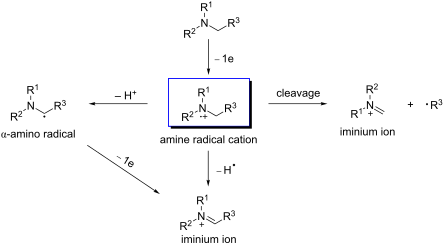
- chemistries that have focused on the use of amines as a sacrificial electron donor only or as a hydrogen radical donor only will not be discussed in the review. These chemistries have been recently reviewed [22][23][35][36][37][38][39][40][41][42]. Photooxidation of amines to amine radical cations can also be
- (distonic ion) [106]. We have applied Ru(bpz)3(PF6)2-catalyzed photooxidation of N-cyclopropylanilines to induce this rearrangement reaction. The resulting distonic ion was then intercepted by alkenes to produce [3 + 2] annulation products (Scheme 32) [107]. An aryl group on the amine was required for the
- expanded the type of bonds that can be formed, particularly bonds formed asymmetrically. In summary, the utility of amine radical cations formed via photooxidation of the amines has been amply demonstrated in a number of synthetic methods. With the organic community’s increasing interest in visible light

Graphical Abstract

Scheme 1: Amine radical cations’ mode of reactivity.

Scheme 2: Reductive quenching of photoexcited Ru complexes by Et3N.

Scheme 3: Photoredox aza-Henry reaction.

Scheme 4: Formation of iminium ions using BrCCl3 as stoichiometric oxidant.

Scheme 5: Oxidative functionalization of N-aryltetrahydroisoquinolines using Eosin Y.

Scheme 6: Synthetic and mechanistic studies of Eosin Y-catalyzed aza-Henry reaction.

Scheme 7: Oxidative functionalization of N-aryltetrahydroisoquinolines using RB and GO.

Scheme 8: Merging Ru-based photoredox catalysis and Lewis base catalysis for the Mannich reaction.

Scheme 9: Merging Au-based photoredox catalysis and Lewis base catalysis for the Mannich reaction.

Scheme 10: Merging Ru-based photoredox catalysis and Cu-catalyzed alkynylation reaction.

Scheme 11: Merging Ru-based photoredox catalysis and NHC catalysis.

Scheme 12: 1,3-Dipolar cycloaddition of photogenically formed azomethine ylides.

Scheme 13: Plausible mechanism for photoredox 1,3-dipolar cycloaddition.

Scheme 14: Photoredox-catalyzed cascade reaction for the synthesis of fused isoxazolidines.

Scheme 15: Plausible mechanism for the photoredox-catalyzed cascade reaction.

Scheme 16: Photoredox-catalyzed α-arylation of glycine derivatives.

Scheme 17: Photoredox-catalyzed α-arylation of amides.

Scheme 18: Intramolecular interception of iminium ions by sulfonamides.

Scheme 19: Intramolecular interception of iminium ions by alcohols and sulfonamides.

Scheme 20: Intermolecular interception of iminium ions by phosphites.

Scheme 21: Photoredox-catalyzed oxidative phosphonylation by Eosin Y.
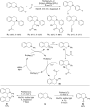
Scheme 22: Conjugated addition of α-amino radicals to Michael acceptors.

Scheme 23: Conjugated addition of α-amino radicals to Michael acceptors assisted by a Brønsted acid.

Scheme 24: Conjugated addition of α-amino radicals derived from anilines to Michael acceptors.

Scheme 25: Oxygen switch between two pathways involving α-amino radicals.

Scheme 26: Interception of α-amino radicals by azodicarboxylates.

Scheme 27: α-Arylation of amines.

Scheme 28: Plausible mechanism for α-arylation of amines.

Scheme 29: Photoinduced C–C bond cleavage of tertiary amines.

Scheme 30: Photoredox cleavage of C–C bonds of 1,2-diamines.

Scheme 31: Proposed mechanism photoredox cleavage of C–C bonds.

Scheme 32: Intermolecular [3 + 2] annulation of cyclopropylamines with olefins.

Scheme 33: Proposed mechanism for intermolecular [3 + 2] annulation.

Scheme 34: Photoinduced clevage of N–N bonds of aromatic hydrazines and hydrazides.
Flow photochemistry: Old light through new windows
- Jonathan P. Knowles,
- Luke D. Elliott and
- Kevin I. Booker-Milburn
Beilstein J. Org. Chem. 2012, 8, 2025–2052, doi:10.3762/bjoc.8.229
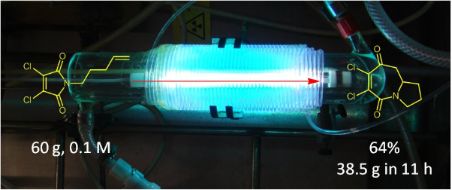

Graphical Abstract

Figure 1: An immersion-well batch reactor with 125 W medium pressure Hg lamp.

Figure 2: Transmission profile of a 0.05 M solution, ε = 200 M−1 cm−1.

Figure 3: Schematic of a typical microflow photochemical reactor (above) and detail of a triple-channel micro...

Figure 4: Schematic of a typical macroflow photochemical reactor (above) and images of the FEP photochemical ...

Scheme 1: [2 + 2] photocycloadditions of enones with enol derivatives.

Scheme 2: Competing reactions in an intramolecular [2 + 2] photocycloaddition.

Scheme 3: Diastereocontrolled cycloaddition of a cyclic enone with cyclopentene.

Scheme 4: Comparison of yields and reaction times for a batch reactor with a microflow system.

Scheme 5: Intramolecular [2 + 2] photocycloaddition.

Scheme 6: Paterno–Büchi reaction of benzophenone with an allylic alcohol.

Scheme 7: Photooxygenation of cyclopentadiene.

Scheme 8: Preparation of the anthelmintic ascaridole 23.

Scheme 9: Production of rose oxide 27 from (−)-β-citronellol (24).

Scheme 10: Photocatalytic alkylation of benzylamine.

Scheme 11: Photocatalytic reduction of 4-nitroacetophenone.

Scheme 12: Conversion of L-lysine to L-pipecolinic acid.

Scheme 13: Photocatalytic hydrodehalogenation.

Scheme 14: Photocatalytic aza-Henry reactions.

Scheme 15: Photocatalytic α-alkylation of aliphatic ketones.

Scheme 16: Decarboxylative photochemical additions.

Scheme 17: Photochemical addition of isopropanol to furanones.

Scheme 18: Photochemical addition of methanol to limonene.

Scheme 19: Light-promoted reduction of flavone.

Scheme 20: Photoreduction of benzophenone with benzhydrol.

Scheme 21: Barton reaction in a microflow system.

Scheme 22: Microflow synthesis of vitamin D3.

Scheme 23: photochemical chlorination of cyclohexane.

Scheme 24: photochemical cyanation of pyrene.

Scheme 25: Intermolecular [2 + 2] cycloaddition of maleimide (76) and intramolecular [2 + 2] cycloaddition of ...

Scheme 26: Intramolecular [5 + 2] cycloaddition of maleimide under flow conditions.

Scheme 27: Intramolecular [5 + 2] cycloaddition as a key step in the synthesis of (±)-neostenine.

Scheme 28: In situ generation of a thioaldehyde by photolysis of a phenacyl sulfide.

Scheme 29: Photodimerisation of maleic anhydride.

Scheme 30: [2 + 2] cycloaddition of a chiral enone with ethylene.

Scheme 31: Intramolecular [2 + 2] cycloaddition of a cyclopentenone.

Scheme 32: Photochemical Wolff rearrangement and cyclisation to β-lactams.

Scheme 33: Photochemical rearrangement of aryl azides.

Scheme 34: Rearrangement of quinoline N-oxides to quinolones.

Scheme 35: Photochemical rearrangement of cyclobutenones.

Scheme 36: Photoisomerisation en route to a vitamin-D derivative.

Scheme 37: Schematic of the Seeberger photooxygenation apparatus and sensitised photooxygenation of citronello...

Scheme 38: Sensitised photooxygenation of dihydroartemisinic acid.

Scheme 39: Photochemical preparation of CpRu(MeCN)3PF6.

Scheme 40: In situ photochemical generation and reaction of a [CpRu]+ catalyst.

Scheme 41: Intermolecular alkene–alkyne coupling with photogenerated catalyst.

Scheme 42: PET deoxygenation of nucleosides.

Scheme 43: Photochemical defluorination of DABFT.

Scheme 44: Aromatic azide reduction by visible-light-mediated photocatalysis.

Scheme 45: Examples of visible-light-mediated reactions.

Scheme 46: Visible-light-mediated formation of iminium ions.

Scheme 47: Examples of visible-light-mediated photocatalytic reactions.

Scheme 48: Anhydride formation from a visible-light-mediated process.

Scheme 49: Light-mediated conjugate addition of glycosyl bromide 141 to acrolein.

Scheme 50: Visible-light-mediated photocyclisation to [5]helicene.
Synthesis and photooxidation of styrene copolymer bearing camphorquinone pendant groups
- Branislav Husár,
- Norbert Moszner and
- Ivan Lukáč
Beilstein J. Org. Chem. 2012, 8, 337–343, doi:10.3762/bjoc.8.37
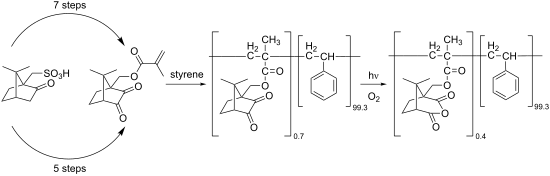
- formed in irradiated films of styrene copolymers with pendant BZ groups leads to crosslinking, only small molecular-weight changes in irradiated MCQ/S were observed. Keywords: camphorquinone; 1,2-diketone; (±)-10-methacryloyloxycamphorquinone; photooxidation; polystyrene; Introduction Camphorquinone
- % from UV–vis. MCQ is therefore more reactive than styrene, which is in agreement with the copolymerization parameters of structurally similar monomers. Photooxidation of MCQ/S Since it is difficult to follow the structural changes of the CQ structures of the MCQ/S copolymer during photochemical
- CQ photooxidation in PS are summarized in Scheme 3 [21]. The addition of molecular oxygen to the excited n→π* triplet state of ketones and 1,2-diketones to form 1,4-biradicals is a generally accepted mechanism, which has been theoretically treated and reviewed [37]. The oxygen atom released during

Graphical Abstract

Scheme 1: Photoperoxidation of BZ in an aerated glassy polymer matrix.

Scheme 2: Synthesis of MCQ from (±)-10-camphorsulfonic acid (1). Only one enantiomer of each compound is depi...

Scheme 3: Photooxidation of CQ in aerated glassy PS matrix.

Figure 1: FTIR spectra of MCQ/S film after irradiation in a carousel for the indicated periods. Spectrum of PS...

Figure 2: UV–vis spectra of MCQ/S film after irradiation in a carousel apparatus for the indicated periods.

Scheme 4: Proposed mechanism of MCQ/S photochemistry.
Synthetic incorporation of Nile Blue into DNA using 2′-deoxyriboside substitutes: Representative comparison of (R)- and (S)-aminopropanediol as an acyclic linker
- Daniel Lachmann,
- Sina Berndl,
- Otto S. Wolfbeis and
- Hans-Achim Wagenknecht
Beilstein J. Org. Chem. 2010, 6, No. 13, doi:10.3762/bjoc.6.13
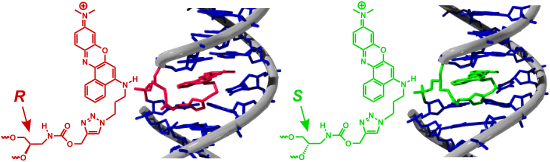
- Ered −0.3 V (vs. NHE), the excited state potential is estimated to be E*red = 2.2 eV [17]. Hence, a photooxidation of guanine is highly favorable because the oxidation potential of guanine is only ~1.3–1.4 V [44]. Hence sequence-dependent fluorescence quenching of the Nile Blue dye in DNA was expected

Graphical Abstract

Scheme 1: Chirality of C-3 of natural 2′-deoxyribofuranosides (left) in comparison with the acyclic D-threoni...
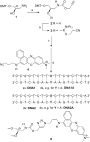
Scheme 2: Synthesis of the R-configured DNA building block 3 and postsynthetic click ligation of the Nile Blu...

Figure 1: UV–vis absorption spectra of single-stranded DNA1 and DNA2, and the corresponding duplexes DNA1Y an...

Figure 2: Fluorescence spectra of single-stranded DNA1 and DNA2, and corresponding duplexes DNA1Y and DNA2Y (...
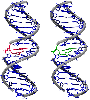
Figure 3: Models for DNA1A bearing the (R)-3-amino-1,2-propanediol linker (left) and the corresponding duplex...
Reversible intramolecular photocycloaddition of a bis(9-anthrylbutadienyl)paracyclophane – an inverse photochromic system. (Photoactive cyclophanes 5)
- Henning Hopf,
- Christian Beck,
- Jean-Pierre Desvergne,
- Henri Bouas-Laurent,
- Peter G. Jones and
- Ludger Ernst
Beilstein J. Org. Chem. 2009, 5, No. 20, doi:10.3762/bjoc.5.20
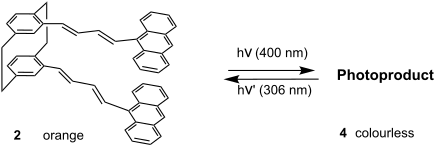
- bubbled through the solution to prevent photooxidation, and the spectra were recorded at various time intervals (Figure 7). Three isosbestic points at 220, 289, and 329 nm were observed as well as new absorptions at 306 nm and in the far UV. Similar features were noted for the MCH solutions. At that

Graphical Abstract

Figure 1: Schematic representation of a photochromic system. The reverse reaction can be a photochemical or t...

Figure 2: Photochromic reaction of pseudo-gem disubstituted tetraene [2.2]cyclophane 1 in acetonitrile, conc....

Figure 3: Molecular structure of 4,13-bis[(1E,3E)-4-(9-anthracenyl)-buta-1,3-dienyl][2.2]paracyclophane (2).

Scheme 1: Preparation of 2 (last step), using the Wittig reaction. The preparation of 3 has been described in...

Figure 4: Molecular structure of 2 in the crystal. Radii are arbitrary; only selected H atoms are shown.

Figure 5: Projection of the molecular structure of 2 exhibiting the closest internuclear distances (distances...

Figure 6: Electronic absorption spectra of 2 (conc. ca 10−4 M) in MCH (full line) and CH3CN (dotted line) at ...

Figure 7: Irradiation of 2 (2.6 × 10⁻⁵ M) in CH3CN at 400 nm at 20 °C. The spectra were recorded at various t...

Figure 8: Irradiation at 306 nm of the photoproduct 4 obtained at 400 nm in the same setup; the spectra were ...

Figure 9: Reversibility of the formation of the photoproduct 4 at 400 nm (40 min) and photodissociation of 4 ...

Figure 10: 1H NMR spectra (400 MHz, CDCl3). A: Compound 2, B: Compound 4.

Figure 11: Proposed structure of 4 (1,4 : 2′,3′-cycloadduct).
EcoScale, a semi- quantitative tool to select an organic preparation based on economical and ecological parameters
- Koen Van Aken,
- Lucjan Strekowski and
- Luc Patiny
Beilstein J. Org. Chem. 2006, 2, No. 3, doi:10.1186/1860-5397-2-3
- , mutagenic, teratogenic, corrosive, lachrymatic, highly flammable or explosive, among other things. In addition, the hazard can increase over time, and photooxidation of ether to generate explosive peroxides is a good example. It must also be emphasised that it takes a long time before the safety profiles of

Graphical Abstract

Scheme 1: Reduction of nitrobenzene to aniline [23]

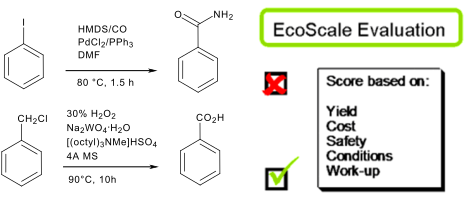
Scheme 2: Oxidation of benzyl chloride to benzoic acid [24]

Scheme 3: Synthesis of benzamide [25]

Scheme 4: Synthesis of benzamide using HMDS [26]



