


Search results
Search for "benzylidene" in Full Text gives 160 result(s) in Beilstein Journal of Organic Chemistry.
Ammonium-tagged ruthenium-based catalysts for olefin metathesis in aqueous media under ultrasound and microwave irradiation
- Łukasz Gułajski,
- Andrzej Tracz,
- Katarzyna Urbaniak,
- Stefan J. Czarnocki,
- Michał Bieniek and
- Tomasz K. Olszewski
Beilstein J. Org. Chem. 2019, 15, 160–166, doi:10.3762/bjoc.15.16
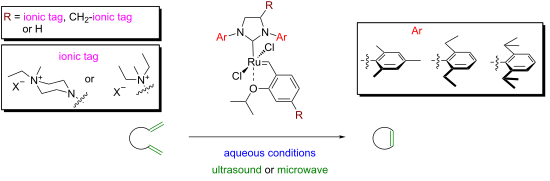
- ionic tag attached to the benzylidene ligand, with that of catalyst 1a, bearing an ionic tag placed on the N-heterocyclic carbene (NHC) fragment. As model reactions we have selected the ring-closing metathesis (RCM) of the water-soluble substrate 6, the homometathesis of alcohol 8, and more challenging
- metathesis transformations in water catalysed by ammonium-tagged Ru-based catalysts. It was noted that placing the water solubilising ionic tag on the NHC ligand gives catalysts with improved catalytic activity and more suitable for reactions in water than those having an ionic tag on the benzylidene part

Graphical Abstract

Figure 1: Structures of the Ru-based catalysts used in this study.
Unexpected loss of stereoselectivity in glycosylation reactions during the synthesis of chondroitin sulfate oligosaccharides
- Teresa Mena-Barragán,
- José L. de Paz and
- Pedro M. Nieto
Beilstein J. Org. Chem. 2019, 15, 137–144, doi:10.3762/bjoc.15.14
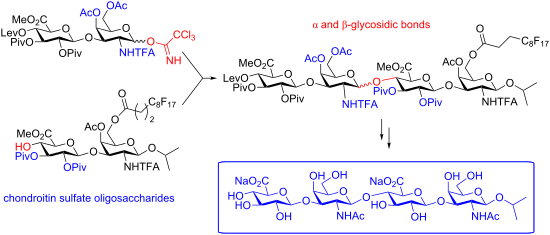
- % of TMSOTf with respect to the donor, 0 ºC, CH2Cl2 as solvent). As mentioned before, it has been reported that cyclic protecting groups like 4,6-O-benzylidene acetals in GalNAc trichloroacetimidates lead to the formation of α/β mixtures in glycosylations involving GlcA acceptors [43][47]. However
- , excellent β-stereoselectivity is observed when the benzylidene group is replaced by two acyl groups [43][47]. In the condensation of 1 and 2, an α/β mixture was obtained despite the presence of two acetyls at positions 4 and 6 of the donor. In order to access to final CS sequences ready for biological

Graphical Abstract

Scheme 1: Retrosynthetic analysis for the preparation of CS oligosaccharides. Lev = levulinyl; Piv = pivaloyl...

Scheme 2: Reagents and conditions: a) TMSOTf, CH2Cl2, 0 °C, 30 min, 97%; b) (HF)n·Py, THF, 0 °C, 20 h, 90%; c...

Scheme 3: Reagents and conditions: a) C8F17CH2CH2COCl, Et3N, DMAP, DMF/CH2Cl2, 0 °C to rt, 6 h, 70%; b) Ac2O,...

Scheme 4: Reagents and conditions: a) TMSOTf, CH2Cl2, 0 °C, 30 min, 25% (14α) + 33% (14β).

Scheme 5: Reagents and conditions: a) LiOH, H2O2, THF, −5 °C to rt, 24 h, then NaOH, MeOH, 72 h, then Ac2O, Et...

Scheme 6: Reagents and conditions: a) 2-propanol, TMSOTf, CH2Cl2, 0 °C, 30 min, 73%; b) NH2NH2·H2O, Py/AcOH, ...

Scheme 7: Reagents and conditions: a) NH2NH2·H2O, Py/AcOH, CH2Cl2, 1 h, 55%; b) TMSOTf, CH2Cl2, 0 °C, 30 min,...

Scheme 8: Reagents and conditions: a) 4-Methoxyphenol, TMSOTf, CH2Cl2, 0 °C, 50 min, 92%; b) NH2NH2·H2O, Py/A...
Ruthenium-based olefin metathesis catalysts with monodentate unsymmetrical NHC ligands
- Veronica Paradiso,
- Chiara Costabile and
- Fabia Grisi
Beilstein J. Org. Chem. 2018, 14, 3122–3149, doi:10.3762/bjoc.14.292
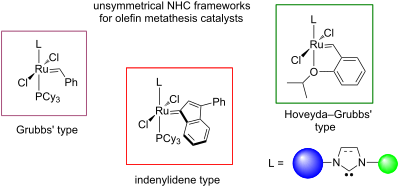
- converted completely within a few hours into complex 2 due to the formation of an intramolecular carbene–arene bond between the benzylidene carbon atom and the ortho position of the N-phenyl ligand (Figure 3). According to the authors, the mechanism of the reaction that occurs only in the presence of oxygen
- improve E/Z selectivity in CM reactions and diastereoselectivity in RCM reactions altering the environment of key metathesis intermediates. Complexes 24 and 25 were found to exist in solution as a single rotational isomer having the benzylidene moiety located under the mesityl group, and for complexes 24b
- to IndII-SIMes. Indeed, besides its faster initiation, complex 41 offers a less encumbered NHC for the approach of substrates to the metal center during the metathesis process. The performance of complex 41 also was compared with that of the benzylidene analogue GII-SIMes in the RCM of 7 (Scheme 1

Graphical Abstract
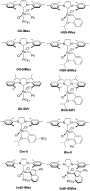
Figure 1: Second-generation Grubbs (GII), Hoveyda (HGII), Grela (Gre-II), Blechert (Ble-II) and indenylidene-...

Figure 2: Grubbs (1a) and Hoveyda-type (1b) complexes with N-phenyl, N’-mesityl NHCs.

Figure 3: C–H insertion product 2.
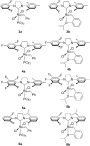
Figure 4: Grubbs (3a–6a) and Hoveyda-type (3b–6b) complexes with N-fluorophenyl, N’-aryl NHCs.

Scheme 1: RCM of diethyl diallylmalonate (7).

Scheme 2: RCM of diethyl allylmethallylmalonate (9).

Scheme 3: RCM of diethyl dimethallylmalonate (11).

Scheme 4: CM of allylbenzene (13) with cis-1,4-diacetoxy-2-butene (14).

Scheme 5: ROMP of 1,5-cyclooctadiene (16).
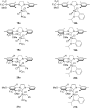
Figure 5: Grubbs (18a–21a) and Hoveyda-type (18b–21b) catalysts bearing uNHCs with a hexafluoroisopropylalkox...

Figure 6: A Grubbs-type complex with an N-adamantyl, N’-mesityl NHC 22 and the Hoveyda-type complex with a ch...

Figure 7: Grubbs (24a and 25a) and Hoveyda-type (24b and 25b) complexes with N-alkyl, N’-mesityl NHCs.

Figure 8: Grubbs-type complexes 31–34 with N-alkyl, N’-mesityl NHCs.

Figure 9: Grubbs-type complex 35 with an N-cyclohexyl, N’-2,6-diisopropylphenyl NHC.

Figure 10: Hoveyda-type complexes with an N-alkyl, N’-mesityl (36, 37) and an N-alkyl, N’-2,6-diisopropylpheny...

Figure 11: Indenylidene-type complexes 41–43 with N-alkyl, N’-mesityl NHCs.

Figure 12: Grubbs-type complex 44 and its monopyridine derivative 45 containing a chiral uNHC.

Scheme 6: Alternating copolymerization of 46 with 47 and 48.

Figure 13: Pyridine-containing complexes 49–52 and Grubbs-type complex 53.

Figure 14: Hoveyda-type complexes 54–58 in the alternating ROMP of NBE (46) and COE (47).

Figure 15: Catalysts 59 and 60 in the tandem RO–RCM of 47.

Figure 16: Hoveyda-type complexes 61–69 with N-alkyl, N’-aryl NHCs.

Scheme 7: Ethenolysis of methyl oleate (70).

Scheme 8: AROCM of cis-5-norbornene-endo-2,3-dicarboxylic anhydride (75) with styrene.

Figure 17: Hoveyda-type catalysts 79–82 with N-tert-butyl, N’-aryl NHCs.

Scheme 9: Latent ROMP of 83 with catalyst 82.

Figure 18: Indenylidene and Hoveyda-type complexes 85–92 with N-cycloalkyl, N’-mesityl NHCs.

Scheme 10: RCM of N,N-dimethallyl-N-tosylamide (93) with catalyst 85.

Scheme 11: Self metathesis of 13 with catalyst 85.

Figure 19: Grubbs-type complexes 98–104 with N-alkyl, N’-mesityl NHCs.

Figure 20: Grubbs-type complexes 105–115 with N-alkyl, N’-mesityl ligands.

Figure 21: Complexes 116 and 117 bearing a carbohydrate-based NHC.

Figure 22: Complexes 118 and 119 bearing a hemilabile amino-tethered NHC.

Figure 23: Indenylidene-type complexes 120–126 with N-benzyl, N’-mesityl NHCs.

Scheme 12: Diastereoselective ring-rearrangement metathesis (dRRM) of cyclopentene 131.

Figure 24: Indenylidene-type complexes 134 and 135 with N-nitrobenzyl, N’-mesityl NHCs.

Figure 25: Hoveyda-type complexes 136–138 with N-benzyl, N’-mesityl NHCs.

Figure 26: Hoveyda-type complexes 139–142 with N-benzyl, N’-Dipp NHC.

Figure 27: Indenylidene (143–146) and Hoveyda-type (147) complexes with N-heteroarylmethyl, N’-mesityl NHCs.

Figure 28: Hoveyda-type complexes 148 and 149 with N-phenylpyrrole, N’-mesityl NHCs.

Figure 29: Grubbs-type complexes with N-trifluoromethyl benzimidazolidene NHCs 150–153, 155 and N-isopropyl be...

Scheme 13: Ethenolysis of ethyl oleate 156.

Scheme 14: Ethenolysis of cis-cyclooctene (47).

Figure 30: Grubbs-type C1-symmetric (164) and C2-symmetric (165) catalysts with a backbone-substituted NHC.

Figure 31: Possible syn and anti rotational isomers of catalyst 164.

Scheme 15: ARCM of substrates 166, 168 and 170.

Figure 32: Hoveyda (172) and Grubbs-type (173,174) backbone-substituted C1-symmetric NHC complexes.
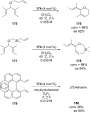
Scheme 16: ARCM of 175,177 and 179 with catalyst 174.

Figure 33: Grubbs-type C1-symmetric NHC catalysts bearing N-propyl (181, 182) or N-benzyl (183, 184) groups on...

Scheme 17: ARCM of 185 and 187 promoted by 184 to form the encumbered alkenes 186 and 188.
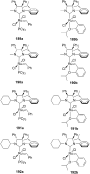
Figure 34: N-Alkyl, N’-isopropylphenyl NHC ruthenium complexes with syn (189, 191) and anti (190, 192) phenyl ...

Figure 35: Hoveyda-type complexes 193–198 bearing N-alkyl, N’-aryl backbone-substituted NHC ligands.

Scheme 18: ARCM of 166 and 199 promoted by 192b.

Figure 36: Enantiopure catalysts 201a and 201b with syn phenyl units on the NHC backbone.

Figure 37: Backbone-monosubstituted catalysts 202–204.

Figure 38: Grubbs (205a) and Hoveyda-type (205b) backbone-monosubstituted catalysts.

Scheme 19: AROCM of 206 with allyltrimethylsilane promoted by catalyst 205a.
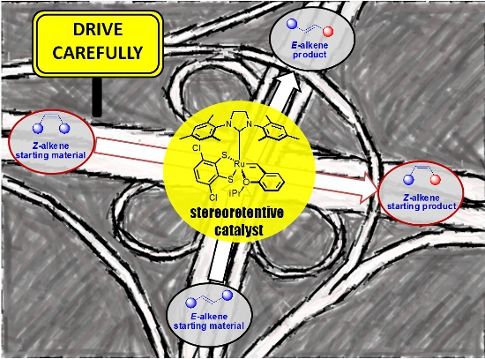
A tutorial review of stereoretentive olefin metathesis based on ruthenium dithiolate catalysts
- Daniel S. Müller,
- Olivier Baslé and
- Marc Mauduit
Beilstein J. Org. Chem. 2018, 14, 2999–3010, doi:10.3762/bjoc.14.279
- . Therefore, trisubstituted alkenes work best with the same catalysts used for E-alkenes (e.g., Ru-7, Ru-8 and Ru-9). 3 Kinetic studies Grubbs studied the kinetic behavior of several Ru-dithiolate catalysts [6][14][15]. In a typical study the disappearance of the benzylidene proton of the ruthenium complex
- probably catalytically inactive. This assumption is supported by the isolation of ruthenium complex Ru-13 which was formed by nucleophilic attack of a sulfide ligand onto the electron-poor benzylidene ligand [4]. Hoveyda reasoned that replacing the thiocatecholate ligand (Ru-2) by an electron-deficient
- electronically modified ruthenium dithiolate complexes. Model for stereoretentive metathesis proposed by Pederson and Grubbs [3]. Decrease in the benzylidene signal over time upon reaction with (E)-2-hexenyl acetate. Catalyst loading required for different types of metathesis reactions. Examples of biologically

Graphical Abstract

Scheme 1: Synthesis of first Ru-dithiolate metathesis catalysts.

Figure 1: Most efficient Ru-dithiolate catalysts for stereoretentive olefin metathesis with Z- and E-alkenes ...

Figure 2: Selected examples of sterically or electronically modified ruthenium dithiolate complexes.

Figure 3: Model for stereoretentive metathesis proposed by Pederson and Grubbs [3].

Figure 4: Decrease in the benzylidene signal over time upon reaction with (E)-2-hexenyl acetate.
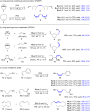
Scheme 2: Selected applications, part 1.

Scheme 3: Selected applications, part 2.

Figure 5: Catalyst loading required for different types of metathesis reactions.

Scheme 4: Proposed catalyst decomposition pathway occurring via attack of the electron-rich sulfide into meth...

Scheme 5: In situ methylene capping strategy for stereoretentive metathesis.

Scheme 6: Stereoretentive cross-metathesis with (Z)-butene (Z-25) as in situ methylene capping agent; selecte...

Scheme 7: Cross metathesis with Z- and E-trisubstituted allylic alcohols.

Scheme 8: In situ synthesis of Ru-3 and application thereof in the cross-metathesis of 12 and 50.

Figure 6: Examples of biologically active and fragrance molecules synthesized by stereoretentive metathesis.
The activity of indenylidene derivatives in olefin metathesis catalysts
- Maria Voccia,
- Steven P. Nolan,
- Luigi Cavallo and
- Albert Poater
Beilstein J. Org. Chem. 2018, 14, 2956–2963, doi:10.3762/bjoc.14.275
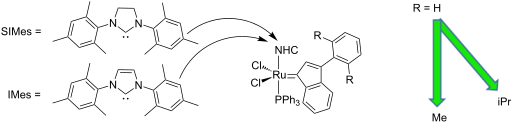
- substitution, being 4.2 and 3.4 kcal/mol relatively more stable for systems 3 and 5, respectively, with respect to 1. This effect of reducing steric hindrance between the ylidene and the NHC ligands was examined previously, with the exchange of benzylidene by indenylidene [51]; and with larger NHC ligands [52

Graphical Abstract

Scheme 1: Catalysts studied by DFT calculations.

Scheme 2: Precatalyst initiation in olefin metathesis (L = NHC ligand).

Figure 1: Topographic steric maps (plane xy) of the NHC ligands of species I for the studied SIMes–Ru complex...

Figure 2: Intermediate II for catalysts a) 1 and b) 5 (important bond lengths are given in Å).
Synthesis of α-D-GalpN3-(1-3)-D-GalpN3: α- and 3-O-selectivity using 3,4-diol acceptors
- Emil Glibstrup and
- Christian Marcus Pedersen
Beilstein J. Org. Chem. 2018, 14, 2805–2811, doi:10.3762/bjoc.14.258
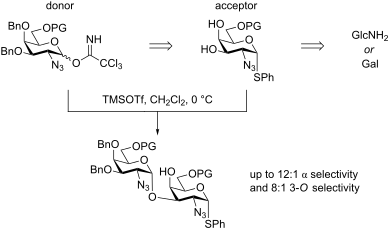
- from the common 2-azidoglucose precursor 7, the 4,6-O-benzylidene group was removed with TsOH to give the 4,6-diol in 95% yield, followed by selective 6-O-protection using TBDPS-Cl and imidazole (IM) in 90% yield. The 4,6-O-benzylidene motif could also be regioselectively opened using triethylsilane

Graphical Abstract

Scheme 1: Undesired migration followed by benzylation of the 3-O-Bz GalN3 using several different benzylation...

Scheme 2: Simple synthesis of two acceptors and two donors from the same common and readily available buildin...

Scheme 3: Challenging the α,3-O-selectivity with the different 6-O-protecting group variants.

Scheme 4: Representative glycosylations with closely related systems [34,44].

Scheme 5: Capping the free 4-OH, allowing for easier separation of mixtures obtained during glycosylation.

Scheme 6: Pseudotrisaccharide synthesis for LTA elucidation.
A general and atom-efficient continuous-flow approach to prepare amines, amides and imines via reactive N-chloramines
- Katherine E. Jolley,
- Michael R. Chapman and
- A. John Blacker
Beilstein J. Org. Chem. 2018, 14, 2220–2228, doi:10.3762/bjoc.14.196
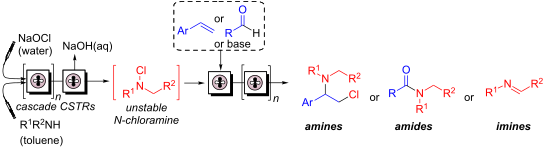
- is a facile route to imines, which may be used for further functionalization. Our study began by examining a host of bases to convert N-chloramine 5 to benzylidene(methyl)amine (19) as a model reaction system (Table 4). To achieve a complete conversion, NEt3 was required in large excess (5 equiv

Graphical Abstract

Figure 1: Continuous-flow process to produce and react N-chloramines.

Figure 2: Left: Laboratory scale CSTR developed by our group [8]. Right: 5-stage CSTR configuration using co-fee...

Figure 3: Continuous-flow amide 18 formation using 1-stage CSTR. Blue squares: FeCl3 included; red circles: F...

Scheme 1: Continuous-flow transfer hydrogenation of in situ generated imines.
Anomeric modification of carbohydrates using the Mitsunobu reaction
- Julia Hain,
- Patrick Rollin,
- Werner Klaffke and
- Thisbe K. Lindhorst
Beilstein J. Org. Chem. 2018, 14, 1619–1636, doi:10.3762/bjoc.14.138
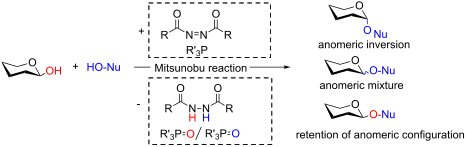
- results outlined in Scheme 16 are consistent with early findings of Guthrie et al. exploring the Mitsunobu benzoylation of 4,6-O-benzylidene-D-allal [73]. Reactions with alcohols to yield alkyl glycosides In contrast to aryl ethers, the formation of alkyl ethers is not observed under Mitsunobu conditions

Graphical Abstract

Scheme 1: Left: The Mitsunobu reaction is essentially a nucleophilic substitution of alcohols occurring with ...

Scheme 2: Mechanistic considerations on the Mitsunobu reaction with carbohydrate hemiacetals (depicted in sim...

Scheme 3: Anomeric esterification using the Mitsunobu procedure [29].

Scheme 4: Conversion of allyl glucuronate into various 1-O-esterified allyl glucuronates using anomeric Mitsu...

Scheme 5: Synthesis of anomeric glycosyl esters as substrates for Au-catalyzed glycosylation [40].

Scheme 6: Correlation between pKa value of the employed acids (or alcohol) and the favoured anomeric configur...

Scheme 7: Synthesis of the β-mannosyl phosphates for the synthesis of HBP 43 by anomeric phosphorylation acco...

Scheme 8: Synthesis of phenyl glycosides 44 and 45 from unprotected sugars [24].

Scheme 9: Synthesis of azobenzene mannosides 47 and 48 without protecting group chemistry [46].

Scheme 10: Synthesis of various aryl sialosides using Mitsunobu glycosylation [25].

Scheme 11: Mitsunobu synthesis of different jadomycins [54,55]. BOM: benzyloxymethyl.

Scheme 12: Stereoselectivity in the Mitsunobu synthesis of catechol glycosides in the gluco- and manno-series [56]....

Scheme 13: Formation of a 1,2-cis glycoside 80 assisted by steric hindrance of the β-face of the disaccharide ...

Scheme 14: Stereoselective β-D-mannoside synthesis [60].

Scheme 15: TIPS-assisted synthesis of 1,2-cis arabinofuranosides [63]. TIPS: triisopropylsilyl.

Scheme 16: The Mitsunobu reaction with glycals leads to interesting rearrangement products [69].

Scheme 17: Synthesis of disaccharides using mercury(II) bromide as co-activator in the Mitsunobu reaction [75].

Scheme 18: Synthesis of various fructofuranosides according to Mitsunobu and proposed neighbouring group parti...

Scheme 19: The Mitsunobu reaction allows stereoslective acetalization of dihydroartemisinin [77].

Scheme 20: Synthesis of alkyl thioglycosides by Mitsunobu reaction [81].

Scheme 21: Preparation of iminoglycosylphthalimide 115 from 114 [85].

Scheme 22: Mitsunobu reaction as a key step in the total synthesis of aurantoside G [87].

Scheme 23: Utilization of an N–H acid in the Mitsunobu reaction [88].

Scheme 24: Mitsunobu reaction with 1H-tetrazole [89].

Scheme 25: Formation of a rebeccamycin analogue using the Mitsunobu reaction [101].

Scheme 26: Synthesis of carbohydrates with an alkoxyamine bond [114].

Scheme 27: Synthesis of glycosyl fluorides and glycosyl azides according to Mitsunobu [118,119].

Scheme 28: Anomeric oxidation under Mitsunobu conditions [122].
One hundred years of benzotropone chemistry
- Arif Dastan,
- Haydar Kilic and
- Nurullah Saracoglu
Beilstein J. Org. Chem. 2018, 14, 1120–1180, doi:10.3762/bjoc.14.98

Graphical Abstract

Scheme 1: Tropone (1), tropolone (2) and their resonance structures.

Figure 1: Natural products containing a tropone nucleus.

Figure 2: Possible isomers 11–13 of benzotropone.

Scheme 2: Synthesis of benzotropones 11 and 12.

Scheme 3: Oxidation products of benzotropylium fluoroborate (16).

Scheme 4: Oxidation of 7-bromo-5H-benzo[7]annulene (22).

Scheme 5: Synthesis of 4,5-benzotropone (11) using o-phthalaldehyde (27).

Scheme 6: Synthesis of 4,5-benzotropone (11) starting from oxobenzonorbornadiene 31.

Scheme 7: Acid-catalyzed cleavage of oxo-bridge of 34.

Scheme 8: Synthesis of 4,5-benzotropone (11) from o-xylylene dibromide (38).

Scheme 9: Synthesis of 4,5-benzotropone (11) via the carbene adduct 41.

Scheme 10: Heck coupling strategy for the synthesis of 11.

Scheme 11: Synthesis of benzofulvalenes via carbonyl group of 4,5-benzotropone (11).

Figure 3: Some cycloheptatrienylium cations.

Scheme 12: Synthesis of condensation product 63 and its subsequent oxidative cyclization products.

Figure 4: A novel series of benzo[7]annulenes prepared from 4,5-benzotropone (11).

Scheme 13: Preparation of substituted benzo[7]annulene 72 using the Mukaiyama-Michael reaction.

Figure 5: Possible benzo[7]annulenylidenes 73–75.

Scheme 14: Thermal and photochemical decomposition of 7-diazo-7H-benzo[7]annulene (76) and the trapping of int...

Scheme 15: Synthesis of benzoheptafulvalene 86.

Scheme 16: Synthesis of 7-(diphenylmethylene)-7H-benzo[7]annulene (89).

Scheme 17: Reaction of 4,5-benzotropone (11) with dimethyl diazomethane.

Scheme 18: Synthesis of dihydrobenzomethoxyazocine 103.

Scheme 19: Synthesis and reducibility of benzo-homo-2-methoxyazocines.

Scheme 20: Synthesis of 4,5-benzohomotropones 104 and 115 from 4,5-benzotropones 11 and 113.

Scheme 21: A catalytic deuterogenation of 4,5-benzotropone (11) and synthesis of 5-monosubstituted benzo[7]ann...

Scheme 22: Synthesis of methyl benzo[7]annulenes 131 and 132.

Scheme 23: Ambident reactivity of halobenzo[7]annulenylium cations 133a/b.

Scheme 24: Preparation of benzo[7]annulenylidene–iron complexes 147.

Scheme 25: Synthesis of 1-ethynylbenzotropone (150) and the etheric compound 152 from 4,5-benzotropone (11) wi...

Scheme 26: Thermal decomposition of 4,5-benzotropone (11).

Scheme 27: Reaction of 4,5-benzotropone (11) with 1,2-ethanediol and 1,2-ethanedithiol.

Scheme 28: Conversions of 1-benzosuberone (162) to 2,3-benzotropone (12).

Scheme 29: Synthesis strategies for 2,3-bezotropone (12) using 1-benzosuberones.

Scheme 30: Oxidation-based synthesis of 2,3-benzotropone (12) via 1-benzosuberone (162).

Scheme 31: Synthesis of 2,3-benzotropone (12) from α-tetralone (171) via ring-expansion.

Scheme 32: Preparation of 2,3-benzotropone (12) by using of benzotropolone 174.

Figure 6: Benzoheptafulvenes as condensation products of 2,3-benzotropone (12).

Scheme 33: Conversion of 2,3-benzotropone (12) to tosylhydrazone salt 182 and gem-dichloride 187.

Figure 7: Benzohomoazocines 191–193 and benzoazocines 194–197.

Scheme 34: From 2,3-benzotropone (12) to carbonium ions 198–201.

Scheme 35: Cycloaddition reactions of 2,3-benzotropone (12).
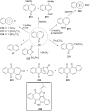
Scheme 36: Reaction of 2,3-benzotropone (12) with various reagents and compounds.

Figure 8: 3,4-Benzotropone (13) and its resonance structure.

Scheme 37: Synthesis of 6,7-benzobicyclo[3.2.0]hepta-3,6-dien-2-one (230).

Figure 9: Photolysis and thermolysis products of 230.

Figure 10: Benzotropolones and their tautomeric structures.

Scheme 38: Synthesis strategies of 4,5-benzotropolone (238).

Scheme 39: Synthesis protocol for 2-hydroxy-4,5-benzotropone (238) using oxazole-benzo[7]annulene 247.

Figure 11: Some quinoxaline and pyrazine derivatives 254–256 prepared from 4,5-benzotropolone (238).

Scheme 40: Nitration product of 4,5-benzotropolone (238) and its isomerization to 1-nitro-naphthoic acid (259)....

Scheme 41: Synthesis protocol for 6-hydroxy-2,3-benzotropone (239) from benzosuberone (162).
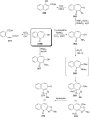
Scheme 42: Various reactions via 6-hydroxy-2,3-benzotropone (239).

Scheme 43: Photoreaction of 6-hydroxy-2,3-benzotropone (239).

Scheme 44: Synthesis of 7-hydroxy-2,3-benzotropone (241) from benzosuberone (162).

Scheme 45: Synthesis strategy for 7-hydroxy-2,3-benzotropone (241) from ketone 276.

Scheme 46: Synthesis of 7-hydroxy-2,3-benzotropone (241) from β-naphthoquinone (280).

Scheme 47: Synthesis of 7-hydroxy-2,3-benzotropone (241) from bicyclic endoperoxide 213.

Scheme 48: Synthesis of 7-hydroxy-2,3-benzotropone (241) by ring-closing metathesis.

Figure 12: Various monosubstitution products 289–291 of 7-hydroxy-2,3-benzotropone (241).

Scheme 49: Reaction of 7-hydroxy-2,3-benzotropone (241) with various reagents.

Scheme 50: Synthesis of 4-hydroxy-2,3-benzotropones 174 and 304 from diketones 300/301.

Scheme 51: Catalytic hydrogenation of diketones 300 and 174.

Scheme 52: Synthesis of halo-benzotropones from alkoxy-naphthalenes 306, 307 and 310.

Figure 13: Unexpected byproducts 313–315 during synthesis of chlorobenzotropone 309.

Figure 14: Some halobenzotropones and their cycloadducts.

Scheme 53: Multisep synthesis of 2-chlorobenzotropone 309.

Scheme 54: A multistep synthesis of 2-bromo-benzotropone 26.

Scheme 55: A multistep synthesis of bromo-2,3-benzotropones 311 and 316.

Scheme 56: Oxidation reactions of 8-bromo-5H-benzo[7]annulene (329) with some oxidants.

Scheme 57: Synthesis of 2-bromo-4,5-benzotropone (26).

Scheme 58: Synthesis of 6-chloro-2,3-benzotropone (335) using LiCl and proposed intermediate 336.

Scheme 59: Reaction of 7-bromo-2,3-benzotropone (316) with methylamine.

Scheme 60: Reactions of bromo-2,3-benzotropones 26 and 311 with dimethylamine.

Scheme 61: Reactions of bromobenzotropones 311 and 26 with NaOMe.

Scheme 62: Reactions of bromobenzotropones 26 and 312 with t-BuOK in the presence of DPIBF.

Scheme 63: Cobalt-catalyzed reductive cross-couplings of 7-bromo-2,3-benzotropone (316) with cyclic α-bromo en...

Figure 15: Cycloadduct 357 and its di-π-methane rearrangement product 358.

Scheme 64: Catalytic hydrogenation of 2-chloro-4,5-benzotropone (311).

Scheme 65: Synthesis of dibromo-benzotropones from benzotropones.

Scheme 66: Bromination/dehydrobromination of benzosuberone (162).

Scheme 67: Some transformations of isomeric dibromo-benzotropones 261A/B.

Scheme 68: Transformations of benzotropolone 239B to halobenzotropolones 369–371.

Figure 16: Bromobenzotropolones 372–376 and 290 prepared via bromination/dehydrobromination strategy.

Scheme 69: Synthesis of some halobenzotropolones 289, 377 and 378.

Figure 17: Bromo-chloro-derivatives 379–381 prepared via chlorination.

Scheme 70: Synthesis of 7-iodo-3,4-benzotropolone (382).

Scheme 71: Hydrogenation of bromobenzotropolones 369 and 370.

Scheme 72: Debromination reactions of mono- and dibromides 290 and 375.

Figure 18: Nitratation and oxidation products of some halobenzotropolenes.
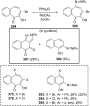
Scheme 73: Azo-coupling reactions of some halobenzotropolones 294, 375 and 378.

Figure 19: Four possible isomers of dibenzotropones 396–399.

Figure 20: Resonance structures of tribenzotropone (400).

Scheme 74: Two synthetic pathways for tribenzotropone (400).

Scheme 75: Synthesis of tribenzotropone (400) from dibenzotropone 399.

Scheme 76: Synthesis of tribenzotropone (400) from 9,10-phenanthraquinone (406).

Scheme 77: Synthesis of tribenzotropone (400) from trifluoromethyl-substituted arene 411.

Figure 21: Dibenzosuberone (414).

Figure 22: Reduction products 415 and 416 of tribenzotropone (400).

Figure 23: Structures of tribenzotropone dimethyl ketal 417 and 4-phenylfluorenone (412) and proposed intermed...

Figure 24: Structures of benzylidene- and methylene-9H-tribenzo[a,c,e][7]annulenes 419 and 420 and chiral phos...

Figure 25: Structures of tetracyclic alcohol 422, p-quinone methide 423 and cation 424.

Figure 26: Structures of host molecules 425–427.

Scheme 78: Synthesis of non-helical overcrowded derivatives syn/anti-431.

Figure 27: Hexabenzooctalene 432.

Figure 28: Structures of possible eight isomers 433–440 of naphthotropone.

Scheme 79: Synthesis of naphthotropone 437 starting from 1-phenylcycloheptene (441).

Scheme 80: Synthesis of 10-hydroxy-11H-cyclohepta[a]naphthalen-11-one (448) from diester 445.

Scheme 81: Synthesis of naphthotropone 433.

Scheme 82: Synthesis of naphthotropones 433 and 434 via cycloaddition reaction.

Scheme 83: Synthesis of naphthotropone 434 starting from 452.

Figure 29: Structures of tricarbonyl(tropone)irons 458, and possible cycloadducts 459.

Scheme 84: Synthesis of naphthotropone 436.

Scheme 85: Synthesis of precursor 465 for naphthotropone 435.

Scheme 86: Generation of naphthotropone 435 from 465.

Figure 30: Structures of tropylium cations 469 and 470.

Figure 31: Structures of tropylium ions 471+.BF4−, 472+.BF4−, and 473+.BF4−.

Scheme 87: Synthesis of tropylium ions 471+.BF4− and 479+.ClO4−.

Scheme 88: Synthesis of 1- and 2-methylanthracene (481 and 482) via carbene–carbene rearrangement.

Figure 32: Trapping products 488–490.

Scheme 89: Generation and chemistry of a naphthoannelated cycloheptatrienylidene-cycloheptatetraene intermedia...

Scheme 90: Proposed intermediates and reaction pathways for adduct 498.

Scheme 91: Exited-state intramolecular proton transfer of 505.

Figure 33: Benzoditropones 506 and 507.

Scheme 92: Synthesis of benzoditropone 506e.

Scheme 93: Synthetic approaches for dibenzotropone 507 via tropone (1).

Scheme 94: Formation mechanisms of benzoditropone 507 and 516 via 515.

Scheme 95: Synthesis of benzoditropones 525 and 526 from pyromellitic dianhydride (527).

Figure 34: Possible three benzocyclobutatropones 534–536.

Scheme 96: Synthesis of benzocyclobutatropones 534 and 539.

Scheme 97: Synthesis attempts for benzocyclobutatropone 545.

Scheme 98: Generation and trapping of symmetric benzocyclobutatropone 536.

Scheme 99: Synthesis of chloro-benzocyclobutatropone 552 and proposed mechanism of fluorenone derivatives.

Scheme 100: Synthesis of tropolone analogue 559.

Scheme 101: Synthesis of tropolones 561 and 562.

Figure 35: o/p-Tropoquinone rings (563 and 564) and benzotropoquinones (565–567).

Scheme 102: Synthesis of benzotropoquinone 566.

Scheme 103: Synthesis of benzotropoquinone 567 via a Diels–Alder reaction.

Figure 36: Products 575–577 through 1,2,3-benzotropoquinone hydrate 569.

Scheme 104: Structures 578–582 prepared from tropoquinone 567.

Figure 37: Two possible structures 583 and 584 for dibenzotropoquinone, and precursor compound 585 for 583.
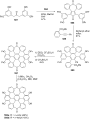
Scheme 105: Synthesis of saddle-shaped ketone 592 using dibenzotropoquinone 584.
Synthetic avenues towards a tetrasaccharide related to Streptococcus pneumonia of serotype 6A
- Aritra Chaudhury,
- Mana Mohan Mukherjee and
- Rina Ghosh
Beilstein J. Org. Chem. 2018, 14, 1095–1102, doi:10.3762/bjoc.14.95
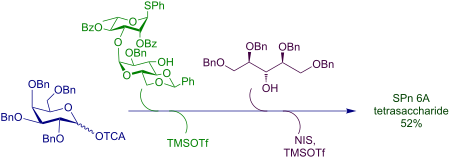
- the central gluco-rhamno disaccharide the benzylidene protected glucosyl donor (Figure 2) was selected, because the induction of the 1,2-cis selectivity in benzylidene-protected substrates via torsional/electronic effects have already been recognized [28]. The galactosyl trichloroacetimidate donor 2
- was prepared following literature procedures [26]. On the other hand the D-glucosyl thioglycoside 8 was converted to the known benzylidene derivative 9 [29][30] according to our previously reported procedure. Benzylation of 9 under phase-transfer conditions led to 10 [31] in 49% yield (Scheme 1
- from NMR). We presume that this near exclusivity in α-selection may be due to the synergistic effect from the 4,6-O-benzylidene group, which is a good promoter for 1,2-cis glycosylation in galactose-based systems [38], as well as the steric crowding caused by the bulky 3-O-naphthylmethyl group at the β

Graphical Abstract

Figure 1: The tetrasaccharides associated with the pneumonicoccal serogroup 6.

Figure 2: Retrosynthetic analysis.

Scheme 1: Preparation of D-glucosyl donor 6. Reaction conditions: a) NapBr/PMBCl, NaH, DMF, rt, 12 h, 90% (6a...

Scheme 2: Preparation of L-rhamnosyl acceptor 5. Reaction conditions: a) Py, BzCl, rt, 12 h, 99%; b) DDQ, DCM...

Scheme 3: Preparation of ribitol acceptor 7. Reaction conditions: a) Me2C(OMe)2, pTSA, CH3COCH3, rt, 81%; b) ...

Scheme 4: Stepwise synthesis of tetrasaccharide 1. Reaction conditions: a) TMSOTf, DCM/Et2O (5:1), 4 Å MS, −3...

Scheme 5: One-pot synthesis of tetrasaccharide 1. Reaction conditions: a) TMSOTf, 4 Å MS, DCM/Et2O (4:1), N2,...
Synthetic and semi-synthetic approaches to unprotected N-glycan oxazolines
- Antony J. Fairbanks
Beilstein J. Org. Chem. 2018, 14, 416–429, doi:10.3762/bjoc.14.30
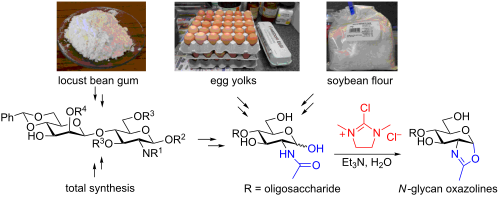
- of the 3-branched arm. Subsequent removal (or regioselective reductive ring-opening) of the 4,6-benzylidene protecting group allowed a second glycosylation at position 6. Conversion of all OH-protecting groups to acetate and the phthalamide to acetamide was followed by oxazoline formation using TMSBr
- residues. Acid catalysed hydrolysis of the 4,6-benzylidene was followed by regioselective glycosylation of the primary 6-OH with a different pentasaccharide, this time comprised of five mannoses. Conversion of the azide to acetamide and removal of all benzyl groups by hydrogenolysis produced a completely
- ring opening of the less stable 5-ring benzylidene with DIBAL, led to a key disaccharide intermediate in which OH-3 of the mannose unit was unprotected and in which the 4- and 6-positions were protected as a benzylidene. Extension of this core disaccharide should be straightforward by traditional

Graphical Abstract

Scheme 1: The first ENGase-catalysed glycosylation of a GlcNAc acceptor using an N-glycan oxazoline as donor.

Scheme 2: Production of N-glycan oxazolines from peracetylated sugars using Lewis acids.

Scheme 3: Direct conversion of unprotected GlcNAc to a glycosyl oxazoline by treatment with DMC and Et3N in w...

Scheme 4: Total synthesis of a truncated complex biantennary N-glycan oxazoline via an epimerisation approach...

Scheme 5: Wangs’s total synthesis of an N-glycan oxazoline incorporating click handles, employing Crich direc...

Scheme 6: Wangs’s total synthesis of an N-glycan dodecasaccharide oxazoline employing final step oxazoline fo...

Scheme 7: Production of a phosphorylated N-glycan oxazoline, employing final step oxazoline formation with DM...
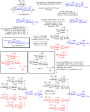
Scheme 8: Enzymatic degradation of locust bean gum, and chemical conversion into an N-glycan dodecasaccharide...

Scheme 9: Production of a complex biantennary N-glycan oxazoline from hens’ eggs by semi-synthesis via isolat...

Scheme 10: Production of a high mannose (Man-9) N-glycan oxazoline from soy bean flour.
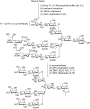
Scheme 11: Production of a triantennary N-glycan oxazoline from bovine feruin by semi-synthesis.
5-Aminopyrazole as precursor in design and synthesis of fused pyrazoloazines
- Ranjana Aggarwal and
- Suresh Kumar
Beilstein J. Org. Chem. 2018, 14, 203–242, doi:10.3762/bjoc.14.15
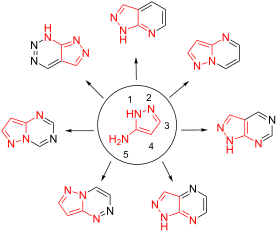
- -diazopyrazole derivative 158 with 4-substituted benzylidene-3-methyl-1H-pyrazol-5(4H)-one 159 in PEG-400. The reaction resulted in the synthesis of 6,7-dihydropyrazolo[1,5-a]pyrimidine derivatives 160 (Scheme 45). Selected compounds were studied for their interaction with calf thymus DNA using various

Graphical Abstract

Figure 1: Selected examples of drugs with fused pyrazole rings.

Figure 2: Typical structures of some fused pyrazoloazines from 5-aminopyrazoles.

Scheme 1: Regiospecific synthesis of 4 and 6-trifluoromethyl-1H-pyrazolo[3,4-b]pyridines.

Scheme 2: Synthesis of pyrazolo[3,4-b]pyridine-6-carboxylates.

Scheme 3: Synthesis of 1,4,6-triaryl-1H-pyrazolo[3,4-b]pyridines with ionic liquid .

Scheme 4: Synthesis of coumarin-based isomeric tetracyclic pyrazolo[3,4-b]pyridines.

Scheme 5: Synthesis of 6-substituted pyrazolo[3,4-b]pyridines under Heck conditions.

Scheme 6: Microwave-assisted palladium-catalyzed synthesis of pyrazolo[3,4-b]pyridines.

Scheme 7: Acid-catalyzed synthesis of pyrazolo[3,4-b]pyridines via enaminones.

Scheme 8: Synthesis of pyrazolo[3,4-b]pyridines via aza-Diels–Alder reaction.

Scheme 9: Synthesis of macrocyclane fused pyrazolo[3,4-b]pyridine derivatives.

Scheme 10: Three-component synthesis of 4,7-dihydro-1H-pyrazolo[3,4-b]pyridine derivatives.

Scheme 11: Ultrasonicated synthesis of spiro[indoline-3,4'-pyrazolo[3,4-b]pyridine]-2,6'(1'H)-diones.

Scheme 12: Synthesis of spiro[indoline-3,4'-pyrazolo[3,4-b]pyridine] derivatives under conventional heating co...

Scheme 13: Nanoparticle-catalyzed synthesis of pyrazolo[3,4-b]pyridine-spiroindolinones.

Scheme 14: Microwave-assisted multicomponent synthesis of spiropyrazolo[3,4-b]pyridines.

Scheme 15: Unexpected synthesis of naphthoic acid-substituted pyrazolo[3,4-b]pyridines.

Scheme 16: Multicomponent synthesis of variously substituted pyrazolo[3,4-b]pyridine derivatives.

Scheme 17: Three-component synthesis of 4,7-dihydropyrazolo[3,4-b]pyridines and pyrazolo[3,4-b]pyridines.

Scheme 18: Synthesis of pyrazolo[3,4-b]pyridine-5-spirocycloalkanediones.

Scheme 19: Ultrasound-mediated three-component synthesis of pyrazolo[3,4-b]pyridines.

Scheme 20: Multicomponent synthesis of 4-aryl-3-methyl-1-phenyl-4,6,8,9-tetrahydropyrazolo [3,4-b]thiopyrano[4...

Scheme 21: Synthesis of 2,3-dihydrochromeno[4,3-d]pyrazolo[3,4-b]pyridine-1,6-diones.

Scheme 22: FeCl3-catalyzed synthesis of o-hydroxyphenylpyrazolo[3,4-b]pyridine derivatives.

Scheme 23: Ionic liquid-mediated synthesis of pyrazolo[3,4-b]pyridines.

Scheme 24: Microwave-assisted synthesis of pyrazolo[3,4-b]pyridines.

Scheme 25: Multicomponent synthesis of pyrazolo[3,4-b]pyridine-5-carbonitriles.

Scheme 26: Unusual domino synthesis of 4,7-dihydropyrazolo[3,4-b]pyridine-5-nitriles.

Scheme 27: Synthesis of 4,5,6,7-tetrahydro-4H-pyrazolo[3,4-b]pyridines under conventional heating and ultrasou...

Scheme 28: L-Proline-catalyzed synthesis of of pyrazolo[3,4-b]pyridine.

Scheme 29: Microwave-assisted synthesis of 5-aminoarylpyrazolo[3,4-b]pyridines.

Scheme 30: Microwave-assisted multi-component synthesis of pyrazolo[3,4-e]indolizines.

Scheme 31: Synthesis of fluoropropynyl and fluoroalkyl substituted pyrazolo[1,5-a]pyrimidine.

Scheme 32: Acid-catalyzed synthesis of pyrazolo[1,5-a]pyrimidine derivatives.

Scheme 33: Chemoselective and regiospecific synthesis of 2-(3-methylpyrazol-1’-yl)-5-methylpyrazolo[1,5-a]pyri...

Scheme 34: Regioselective synthesis of 7-trifluoromethylpyrazolo[1,5-a]pyrimidines.

Scheme 35: Microwave-assisted synthesis of 7-trifluoromethylpyrazolo[1,5-a]pyrimidine carboxylates.

Scheme 36: Microwave and ultrasound-assisted synthesis of 7-trifluoromethylpyrazolo[1,5-a]pyrimidines.

Scheme 37: Base-catalyzed unprecedented synthesis of pyrazolo[1,5-a]pyrimidines via C–C bond cleavage.

Scheme 38: Synthesis of aminobenzothiazole/piperazine linked pyrazolo[1,5-a]pyrimidines.

Scheme 39: Synthesis of aminoalkylpyrazolo[1,5-a]pyrimidine-7-amines.

Scheme 40: Synthesis of pyrazolo[1,5-a]pyrimidines from condensation of 5-aminopyrazole 126 and ethyl acetoace...

Scheme 41: Synthesis of 7-aminopyrazolo[1,5-a]pyrimidines.

Scheme 42: Unexpected synthesis of 7-aminopyrazolo[1,5-a]pyrimidines under solvent free and solvent-mediated c...

Scheme 43: Synthesis of N-(4-aminophenyl)-7-aryloxypyrazolo[1,5-a]pyrimidin-5-amines.

Scheme 44: Base-catalyzed synthesis of 5,7-diarylpyrazolo[1,5-a]pyrimidines.

Scheme 45: Synthesis of 6,7-dihydropyrazolo[1,5-a]pyrimidines in PEG-400.

Scheme 46: Synthesis of 7-heteroarylpyrazolo[1,5-a]pyrimidine-3-carboxamides.

Scheme 47: Synthesis of 7-heteroarylpyrazolo[1,5-a]pyrimidine derivatives under conventional heating and micro...

Scheme 48: Synthesis of N-aroylpyrazolo[1,5-a]pyrimidine-5-amines.

Scheme 49: Regioselective synthesis of ethyl pyrazolo[1,5-a]pyrimidine-7-carboxylate.

Scheme 50: Sodium methoxide-catalyzed synthesis of 3-cyano-6,7-diarylpyrazolo[1,5-a]pyrimidines.

Scheme 51: Synthesis of various pyrazolo[3,4-d]pyrimidine derivatives.

Scheme 52: Synthesis of hydrazinopyrazolo[3,4-d]pyrimidine derivatives.

Scheme 53: Synthesis of N-arylidinepyrazolo[3,4-d]pyrimidin-5-amines.

Scheme 54: Synthesis of pyrazolo[3,4-d]pyrimidinyl-4-amines.

Scheme 55: Iodine-catalyzed synthesis of pyrazolo[3,4-d]pyrimidinones.

Scheme 56: Synthesis of ethyl 6-amino-2H-pyrazolo[3,4-d]pyrimidine-4-carboxylate.

Scheme 57: Synthesis of 4-substituted-(3,6-dihydropyran-4-yl)-1H-pyrazolo[3,4-d]pyrimidines.

Scheme 58: Synthesis of 1-(2,4-dichlorophenyl)pyrazolo[3,4-d]pyrimidin-4-yl carboxamides.

Scheme 59: Synthesis of 5-(1,3,4-thidiazol-2-yl)pyrazolo[3,4-d]pyrimidine.

Scheme 60: One pot POCl3-catalyzed synthesis of 1-arylpyrazolo[3,4-d]pyrimidin-4-ones.

Scheme 61: Synthesis of 4-amino-N1,C3-dialkylpyrazolo[3,4-d]pyrimidines under Suzuki conditions.

Scheme 62: Microwave-assisted synthesis of pyrazolo[3,4-b]pyrazines.

Scheme 63: Synthesis and derivatization of pyrazolo[3,4-b]pyrazine-5-carbonitriles.

Scheme 64: Synthesis of 2-thioxo-pyrazolo[1,5-a][1,3,5]triazin-4-ones.

Scheme 65: Synthesis of 2,3-dihydropyrazolo[1,5-a][1,3,5]triazin-4(1H)-one.

Scheme 66: Synthesis of pyrazolo[1,5-a][1,3,5]triazine-8-carboxylic acid ethyl ester.

Scheme 67: Microwave-assisted synthesis of 4,7-dihetarylpyrazolo[1,5-a][1,3,5]triazines.

Scheme 68: Alternative synthetic route to 4,7-diheteroarylpyrazolo[1,5-a][1,3,5]triazines.

Scheme 69: Synthesis of 4-aryl-2-ethylthio-7-methylpyrazolo[1,5-a][1,3,5]triazines.

Scheme 70: Microwave-assisted synthesis of 4-aminopyrazolo[1,5-a][1,3,5]triazine.

Scheme 71: Synthesis of pyrazolo[3,4-d][1,2,3]triazines from pyrazol-5-yl diazonium salts.

Scheme 72: Synthesis of 2,5-dihydropyrazolo[3,4-e][1,2,4]triazines.

Scheme 73: Synthesis of pyrazolo[5,1-c][1,2,4]triazines via diazopyrazolylenaminones.

Scheme 74: Synthesis of pyrazolo[5,1-c][1,2,4]triazines in presence of sodium acetate.

Scheme 75: Synthesis of various 7-diazopyrazolo[5,1-c][1,2,4]triazine derivatives.

Scheme 76: One pot synthesis of pyrazolo[5,1-c][1,2,4]triazines.

Scheme 77: Synthesis of 4-amino-3,7,8-trinitropyrazolo-[5,1-c][1,2,4]triazines.

Scheme 78: Synthesis of tricyclic pyrazolo[5,1-c][1,2,4]triazines by azocoupling reaction.
Aminosugar-based immunomodulator lipid A: synthetic approaches
- Alla Zamyatina
Beilstein J. Org. Chem. 2018, 14, 25–53, doi:10.3762/bjoc.14.3
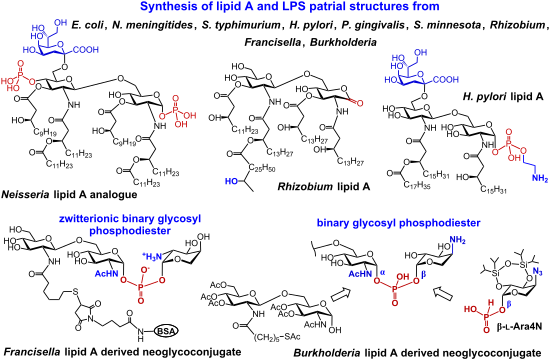
- starting from azide 1 by first protecting the 3-OH group with an allyloxycarbonyl (Alloc) protecting group followed by regioselective reductive opening of the 4,6-O-benzylidene acetal using NaCNBH3 and HCl in diethyl ether, and successive phosphitylation of the liberated 4’-OH functionality with N,N
- reductive opening of benzylidene acetal using the borane−THF complex in the presence of Bu2BOTf. Regioselective TMSOTf-catalysed glycosylation of the diol 4 by the imidate donor 3 resulted in the formation of a single product, the β(1→6)-linked disaccharide 5. After the 2’-N-Fmoc group in 5 was removed with
- in AcOH which reductively cleaved the N-Troc group (Scheme 3). After N-acylation by (R)-3 acyloxyacyl fatty acid and hydrolytic cleavage of 4’,6’-O-benzylidene acetal group with 90% aqueous TFA, the liberated 6’-hydroxy group was regioselectively protected as TBDMS ether to furnish 20. 1H-Tetrazole

Graphical Abstract

Figure 1: (A) Gram-negative bacterial membrane with LPS as major component of the outer membrane; (B) structu...
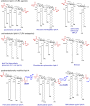
Figure 2: Structures of representative TLR4 ligands: TLR4 agonists (E. coli lipid A, N. meningitidis lipid A ...

Figure 3: (A) Co-crystal structure of the homodimeric E. coli Ra-LPS·hMD-2∙TLR4 complex (PDB code: 3FXI); (B)...

Figure 4: Co-crystal structures of (A) hybrid TLR4·hMD-2 with the bound antagonist eritoran (PDB: 2Z65, TLR4 ...

Scheme 1: Synthesis of E. coli and S. typhimurium lipid A and analogues with shorter acyl chains.

Scheme 2: Synthesis of N. meningitidis Kdo-lipid A.

Scheme 3: Synthesis of fluorescently labeled E. coli lipid A.

Scheme 4: Synthesis of H. pylori lipid A and Kdo-lipid A.

Scheme 5: Synthesis of tetraacylated lipid A corresponding to P. gingivalis LPS.

Scheme 6: Synthesis of pentaacylated P. gingivalis lipid A.

Scheme 7: Synthesis of monophosphoryl lipid A (MPLA) and analogues.

Scheme 8: Synthesis of tetraacylated Rhizobium lipid A containing aminogluconate moiety.

Scheme 9: Synthesis of pentaacylated Rhizobium lipid A and its analogue containing ether chain.

Scheme 10: Synthesis of pentaacylated Rhizobium lipid A containing 27-hydroxyoctacosanoate lipid chain.

Scheme 11: Synthesis of zwitterionic 1,1′-glycosyl phosphodiester: a partial structure of GalN-modified Franci...

Scheme 12: Synthesis of a binary 1,1′-glycosyl phosphodiester: a partial structure of β-L-Ara4N-modified Burkh...
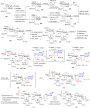
Scheme 13: Synthesis of Burkholderia lipid A containing binary glycosyl phosphodiester linked β-L-Ara4N.
Preactivation-based chemoselective glycosylations: A powerful strategy for oligosaccharide assembly
- Weizhun Yang,
- Bo Yang,
- Sherif Ramadan and
- Xuefei Huang
Beilstein J. Org. Chem. 2017, 13, 2094–2114, doi:10.3762/bjoc.13.207
- reactions was attributed to the formation of orthoester and oxazolidine side products due to the basic reaction conditions, which were needed to neutralize the acid formed during glycosylation and to avoid the cleavage of the acid-labile benzylidene protective group. The van der Marel group further applied

Graphical Abstract

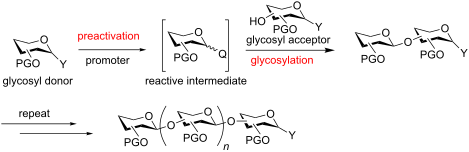
Scheme 1: a) Traditional glycosylation typically employs the premixed approach with both the donor and the ac...

Scheme 2: Glycosylation of an unreactive substrate. Reagents and conditions: (a) Tf2O, −78 °C, CH2Cl2 (DCM), ...

Scheme 3: Bromoglycoside-mediated glycosylation.

Scheme 4: Glycosyl bromide-mediated selenoglycosyl donor-based iterative glycosylation. Reagents and conditio...

Scheme 5: Preactivation-based glycosylation using 2-pyridyl glycosyl donors.

Scheme 6: Chemoselective dehydrative glycosylation. Reagents and conditions: (a) Ph2SO, Tf2O, 2-chloropyridin...

Figure 1: Representative structures of products formed by the preactivation-based dehydrative glycosylation o...

Scheme 7: Possible mechanism for the dehydrative glycosylation. (a) Formation of diphenyl sulfide bis(triflat...

Scheme 8: Chemoselective iterative dehydrative glycosylation. Reagents and conditions: (a) Ph2SO, Tf2O, 2,4,6...

Scheme 9: Chemoselective iterative dehydrative glycosylation. Reagents and conditions: (a) Ph2SO, Tf2O, −40 °...

Scheme 10: Chemical synthesis of a hyaluronic acid (HA) trimer 47. Reagents and conditions: (a) Ph2SO, TTBP, CH...

Figure 2: Retrosynthetic analysis of pentasaccharide 48.

Scheme 11: Effects of anomeric leaving groups on glycosylation outcomes. Reagents and conditions: (a) Ph2SO, Tf...

Scheme 12: Reactivity-based one-pot chemoselective glycosylation.

Scheme 13: Preactivation-based iterative glycosylation of thioglycosides.

Scheme 14: BSP/Tf2O promoted synthesis of 75.

Scheme 15: Proposed mechanism for preactivation-based glycosylation strategy.

Figure 3: The preactivations of glycosyl donors 83, 85 and 87 were investigated by low temperature NMR, which...

Scheme 16: The more electron-rich glycosyl donor 91 gave a higher glycosylation yield than the glycosyl donor ...

Scheme 17: Comparison of the BSP/Tf2O and p-TolSCl/AgOTf promoter systems in facilitating the preactivation-ba...

Scheme 18: One-pot synthesis of Globo-H hexasaccharide 105 using building blocks 101, 102, 103 and 104.
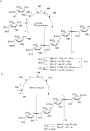
Scheme 19: Synthesis of (a) oligosaccharides 109–113 towards (b) 30-mer galactan 115. Reagents and conditions:...

Figure 4: Structure of mycobacterial arabinogalactan 116.
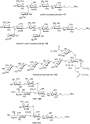
Figure 5: Representative complex glycans from glycolipid family synthesized by the preactivation-based thiogl...

Figure 6: Representative microbial and mammalian oligosaccharides synthesized by the preactivation-based thio...

Figure 7: Some representative mammalian oligosaccharides synthesized by the preactivation-based thioglycoside...
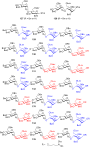
Figure 8: Preparation of a heparan sulfate oligosaccharides library.

Scheme 20: Synthesis of oligo-glucosamines through electrochemical promoted preactivation-based thioglycoside ...

Scheme 21: Synthesis of 2-deoxyglucosides through preactivation. Reagents and conditions: a) AgOTf, p-TolSCl, ...

Scheme 22: Synthesis of tetrasaccharide 153. Reagents and conditions: (a) AgOTf, p-TolSCl, CH2Cl2, −78 °C; the...

Scheme 23: Aglycon transfer from a thioglycosyl acceptor to an activated donor can occur during preactivation-...
Intramolecular glycosylation
- Xiao G. Jia and
- Alexei V. Demchenko
Beilstein J. Org. Chem. 2017, 13, 2028–2048, doi:10.3762/bjoc.13.201
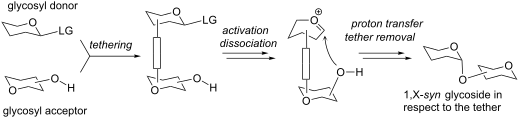
- used for tethering with a glycosyl donor using a similar tethering concept to afford compound 43. The second glycosylation reaction is conducted in the presence of iodine in methanol. These conditions allow to cleave benzylidene groups concomitantly with the activation of the leaving group. As a result

Graphical Abstract

Scheme 1: The mechanistic outline of the intermolecular (a) and intramolecular (b) glycosylation reactions.

Figure 1: Three general concepts for intramolecular glycosylation reactions.

Scheme 2: First intramolecular glycosylation using the molecular clamping.

Scheme 3: Succinoyl as a flexible linker for intramolecular glycosylation of prearranged glycosides.

Scheme 4: Template-directed cyclo-glycosylation using a phthaloyl linker.

Scheme 5: Phthaloyl linker-mediated synthesis of branched oligosaccharides via remote glycosidation.

Scheme 6: Molecular clamping with the phthaloyl linker in the synthesis of α-cyclodextrin.

Scheme 7: m-Xylylene as a rigid tether for intramolecular glycosylation.

Scheme 8: Oligosaccharide synthesis using rigid xylylene linkers.

Scheme 9: Stereo- and regiochemical outcome of peptide-based linkers.

Scheme 10: Positioning effect of donor and acceptor in peptide templated synthesis.

Scheme 11: Synthesis of a trisaccharide using a non-symmetrical tether strategy.

Scheme 12: Effect of ring on glycosylation with a furanose.

Scheme 13: Rigid BPA template with various linkers.

Scheme 14: The templated synthesis of maltotriose in complete stereoselectivity.

Scheme 15: First examples of the IAD.

Scheme 16: Long range IAD via dimethylsilane.

Scheme 17: Allyl-mediated tethering strategy in the IAD.

Scheme 18: IAD using tethering via the 2-naphthylmethyl group.

Scheme 19: Origin of selectivity in boronic ester mediated IAD.

Scheme 20: Arylborinic acid approach to the synthesis of β-mannosides.

Figure 2: Facial selectivity during HAD.

Scheme 21: Possible mechanisms to explain α and β selectivity in palladium mediated IAD.

Scheme 22: DISAL as the leaving group that favors the intramolecular glycosylation pathway.

Scheme 23: Boronic acid as a directing group in the leaving group-based glycosylation method.
The chemistry and biology of mycolactones
- Matthias Gehringer and
- Karl-Heinz Altmann
Beilstein J. Org. Chem. 2017, 13, 1596–1660, doi:10.3762/bjoc.13.159

Graphical Abstract

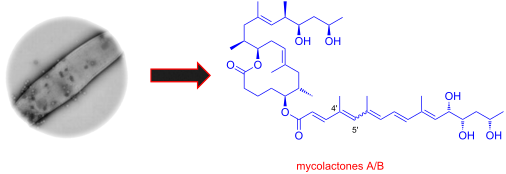
Figure 1: Initial proposal for the core macrolactone structure (left) and the established complete structure ...
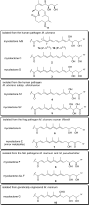
Figure 2: Mycolactone congeners and their origins.

Figure 3: Misassigned mycolactone E structure according to Small et al. [50] (11) and the correct structure (6) f...

Figure 4: Schematic illustration of Kishi’s improved mycolactone TLC detection method exploiting derivatizati...

Figure 5: Fluorescent probes derived from natural mycolactone A/B (1a,b) or its synthetic 8-desmethyl analogs...

Figure 6: Tool compounds used by Pluschke and co-workers for elucidating the molecular targets of mycolactone...

Figure 7: Synthetic strategies towards the extended mycolactone core. A) General strategies. B) Kishi’s appro...

Scheme 1: Kishi’s 1st generation approach towards the extended core structure of mycolactones. Reagents and c...

Scheme 2: Kishi’s 2nd generation approach towards the extended core structure of mycolactones. Reagents and c...

Scheme 3: Kishi’s 3rd generation approach towards the extended core structure of mycolactones. Reagents and c...

Scheme 4: Negishi’s synthesis of the extended core structure of mycolactones. Reagents and conditions: a) (i) ...

Scheme 5: Burkart’s (incomplete) 1st generation approach towards the extended core structure of mycolactones....
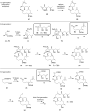
Scheme 6: Burkart’s (incomplete) 1st, 2nd and 3rd generation approach towards the extended mycolactone core s...

Scheme 7: Altmann’s synthesis of alkyl iodide 91. Reagents and conditions: a) (i) PMB-trichloroacetimidate, T...

Scheme 8: Final steps of Altmann’s synthesis of the extended core structure of mycolactones. Reagents and con...

Scheme 9: Basic principles of the Aggarwal lithiation–borylation homologation process [185,186].

Scheme 10: Aggarwal’s synthesis of the C1–C11 fragment of the mycolactone core. Reagents and conditions: a) Cl...

Scheme 11: Aggarwal’s synthesis of the linear C1–C20 fragment of the mycolactone core. Reagents and conditions...

Figure 8: Synthetic strategies towards the mycolactone A/B lower side chain.

Scheme 12: Gurjar and Cherian’s synthesis of the C1’–C8’ fragment of the mycolactone A/B pentaenoate side chai...

Scheme 13: Gurjar and Cherian’s synthesis of the benzyl-protected mycolactone A/B pentaenoate side chain. Reag...

Scheme 14: Kishi’s synthesis of model compounds for elucidating the stereochemistry of the C7’–C16’ fragment o...

Scheme 15: Kishi’s synthesis of the mycolactone A/B pentaenoate side chain. (a) (i) NaH, (EtO)2P(O)CH2CO2Et, T...

Scheme 16: Feringa and Minnaard's incomplete synthesis of mycolactone A/B pentaenoate side chain. Reagents and...

Scheme 17: Altmann’s approach towards the mycolactone A/B pentaenoate side chain. Reagents and conditions: a) ...

Scheme 18: Negishi’s access to the C1’–C7’ fragment of mycolactone A. Reagents and conditions: a) (i) n-BuLi, ...

Scheme 19: Negishi’s approach to the C1’–C7’ fragment of mycolactone B. Reagents and conditions: a) (i) DIBAL-...

Scheme 20: Negishi’s synthesis of the C8’–C16’ fragment of mycolactone A/B. Reagents and conditions: a) 142, BF...

Scheme 21: Negishi’s assembly of the mycolactone A and B pentaenoate side chains. Reagents and conditions: a) ...

Scheme 22: Blanchard’s approach to the mycolactone A/B pentaenoate side chain. a) (i) Ph3P=C(Me)COOEt, CH2Cl2,...

Scheme 23: Kishi’s approach to the mycolactone C pentaenoate side chain exemplified for the 13’R,15’S-isomer 1...

Scheme 24: Altmann’s (unpublished) synthesis of the mycolactone C pentaenoate side chain. Reagents and conditi...

Scheme 25: Blanchard’s synthesis of the mycolactone C pentaenoate side chain. Reagents and conditions: a) (i) ...

Scheme 26: Kishi’s synthesis of the tetraenoate side chain of mycolactone F exemplified by enantiomer 165. Rea...

Scheme 27: Kishi’s synthesis of the mycolactone E tetraenoate side chain. Reagents and conditions: a) (i) CH2=...

Scheme 28: Wang and Dai’s synthesis of the mycolactone E tetraenoate side chain. Reagents and conditions: a) (...

Scheme 29: Kishi’s synthesis of the dithiane-protected tetraenoate side chain of the minor oxo-metabolite of m...

Scheme 30: Kishi’s synthesis of the mycolactone S1 and S2 pentaenoate side chains. Reagents and conditions: a)...

Scheme 31: Kishi’s 1st generation and Altmann’s total synthesis of mycolactone A/B (1a,b) and Negishi’s select...

Scheme 32: Kishi’s 2nd generation total synthesis of mycolactone A/B (1a,b). Reagents and conditions: a) 2,4,6...

Scheme 33: Blanchard’s synthesis of the 8-desmethylmycolactone core. Reagents and conditions: a) (i) TsCl, TEA...

Scheme 34: Altmann’s (partially unpublished) synthesis of the C20-hydroxylated mycolactone core. Reagents and ...

Scheme 35: Altmann’s and Blanchard’s approaches towards the 11-isopropyl-8-desmethylmycolactone core. Reagents...

Scheme 36: Blanchard’s synthesis of the saturated variant of the C11-isopropyl-8-desmethylmycolactone core. Re...

Scheme 37: Structure elucidation of photo-mycolactones generated from tetraenoate 224.

Scheme 38: Kishi’s synthesis of the linear precursor of the photo-mycolactone B1 lower side chain. Reagents an...

Scheme 39: Kishi’s synthesis of the photo-mycolactone B1 lower side chain. Reagents and conditions: a) LiTMP, ...

Scheme 40: Kishi’s synthesis of a stabilized lower mycolactone side chain. Reagents and conditions: a) (i) TBD...
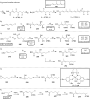
Scheme 41: Blanchard’s variation of the C12’,C13’,C15’ stereocluster. Reagents and conditions: a) (i) DIBAL-H,...

Scheme 42: Blanchard’s synthesis of aromatic mycolactone polyenoate side chain analogs. Reagents and condition...

Scheme 43: Small’s partial synthesis of a BODIPY-labeled mycolactone derivative and Demangel’s partial synthes...

Scheme 44: Blanchard’s synthesis of the BODIPY-labeled 8-desmethylmycolactones. Reagents and conditions: a) (i...
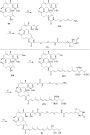
Scheme 45: Altmann’s synthesis of biotinylated mycolactones. Reagents and conditions: a) (i) CDI, THF, rt, 2 d...

Figure 9: Kishi’s elongated n-butyl carbamoyl mycolactone A/B analog.
Synthesis of 1-indanones with a broad range of biological activity
- Marika Turek,
- Dorota Szczęsna,
- Marek Koprowski and
- Piotr Bałczewski
Beilstein J. Org. Chem. 2017, 13, 451–494, doi:10.3762/bjoc.13.48
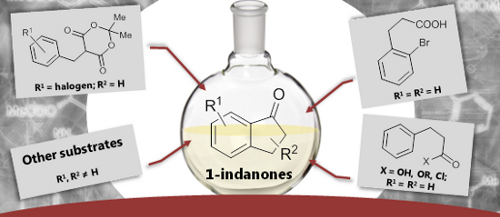
- 83. The latter underwent a Michael cyclization reaction to afford 84. Finally, dehydratation of 84 gave the spiro bis-indane product 85 (Scheme 27). A new method to synthesize 2-benzylidene-1-indanone derivatives 88a–d has been proposed in 2014 by Álvarez-Toledano et al. [52]. These derivatives were
- tirelessly exploring for better anticancer pharmaceuticals. Negi et al. have joined these efforts and proposed a synthesis of 2-benzylidene-1-indanones, which exhibited a strong cytotoxicity against four human cancer cell lines: breast (MCF-7), colon (HCT), leukemia (THP-1) and lung (A549) with IC50 values
- -Benzylidene-1-indanones 126a–o were obtained by a Knoevenagel condensation of 1-indanone 125 with various aromatic aldehydes. Hydrogenolysis of 2-benzylidene-1-indanone 126b using Pd/C allowed to obtain 2-benzyl substituted 1-indanone 127 (Scheme 40). 2-Bromo-6-methoxy-3-phenyl-1-indanone 130, as an

Graphical Abstract

Figure 1: Biologically active 1-indanones and their structural analogues.

Figure 2: Number of papers about (a) 1-indanones, (b) synthesis of 1-indanones.

Scheme 1: Synthesis of 1-indanone (2) from hydrocinnamic acid (1).

Scheme 2: Synthesis of 1-indanone (2) from 3-(2-bromophenyl)propionic acid (3).

Scheme 3: Synthesis of 1-indanones 5 from 3-arylpropionic acids 4.

Scheme 4: Synthesis of kinamycin (9a) and methylkinamycin C (9b).

Scheme 5: Synthesis of trifluoromethyl-substituted arylpropionic acids 12, 1-indanones 13 and dihydrocoumarin...

Scheme 6: Synthesis of 1-indanones 16 from benzoic acids 15.

Scheme 7: Synthesis of 1-indanones 18 from arylpropionic and 3-arylacrylic acids 17.

Scheme 8: The NbCl5-induced one-step synthesis of 1-indanones 22.

Scheme 9: Synthesis of biologically active 1-indanone derivatives 26.

Scheme 10: Synthesis of enantiomerically pure indatraline ((−)-29).

Scheme 11: Synthesis of 1-indanone (2) from the acyl chloride 30.

Scheme 12: Synthesis of the mechanism-based inhibitors 33 of coelenterazine.

Scheme 13: Synthesis of the indane 2-imidazole derivative 37.

Scheme 14: Synthesis of fluorinated PAHs 41.

Scheme 15: Synthesis of 1-indanones 43 via transition metal complexes-catalyzed carbonylative cyclization of m...

Scheme 16: Synthesis of 6-methyl-1-indanone (46).

Scheme 17: Synthesis of 1-indanone (2) from ester 48.

Scheme 18: Synthesis of benzopyronaphthoquinone 51 from the spiro-1-indanone 50.

Scheme 19: Synthesis of the selective endothelin A receptor antagonist 55.

Scheme 20: Synthesis of 1-indanones 60 from methyl vinyl ketone (57).

Scheme 21: Synthesis of 1-indanones 64 from diethyl phthalate 61.

Scheme 22: Synthesis of 1-indanone derivatives 66 from various Meldrum’s acids 65.

Scheme 23: Synthesis of halo 1-indanones 69.

Scheme 24: Synthesis of substituted 1-indanones 71.

Scheme 25: Synthesis of spiro- and fused 1-indanones 73 and 74.

Scheme 26: Synthesis of spiro-1,3-indanodiones 77.

Scheme 27: Mechanistic pathway for the NHC-catalyzed Stetter–Aldol–Michael reaction.

Scheme 28: Synthesis of 2-benzylidene-1-indanone derivatives 88a–d.

Scheme 29: Synthesis of 1-indanone derivatives 90a–i.

Scheme 30: Synthesis of 1-indanones 96 from o-bromobenzaldehydes 93 and alkynes 94.

Scheme 31: Synthesis of 3-hydroxy-1-indanones 99.

Scheme 32: Photochemical preparation of 1-indanones 103 from ketones 100.

Scheme 33: Synthesis of chiral 3-aryl-1-indanones 107.

Scheme 34: Photochemical isomerization of 2-methylbenzil 108.

Scheme 35: Synthesis of 2-hydroxy-1-indanones 111a–c.

Scheme 36: Synthesis of 1-indanone derivatives 113 and 114 from η6-1,2-dioxobenzocyclobutene complex 112.

Scheme 37: Synthesis of nakiterpiosin (117).

Scheme 38: Synthesis of 2-alkyl-1-indanones 120.

Scheme 39: Synthesis of fluorine-containing 1-indanone derivatives 123.

Scheme 40: Synthesis of 2-benzylidene and 2-benzyl-1-indanones 126, 127 from the chalcone 124.

Scheme 41: Synthesis of 2-bromo-6-methoxy-3-phenyl-1-indanone (130).

Scheme 42: Synthesis of combretastatin A-4-like indanones 132a–s.

Figure 3: Chemical structures of investigated dienones 133 and synthesized cyclic products 134–137.

Figure 4: Chemical structures of 1-indanones and their heteroatom analogues 138–142.

Scheme 43: Synthesis of 2-phosphorylated and 2-non-phosphorylated 1-indanones 147 and 148 from β-ketophosphona...

Scheme 44: Photochemical synthesis of 1-indanone derivatives 150, 153a, 153b.

Scheme 45: Synthesis of polysubstituted-1-indanones 155, 157.

Scheme 46: Synthesis of 1-indanones 159a–g from α-arylpropargyl alcohols 158 using RhCl(PPh3)3 as a catalyst.

Scheme 47: Synthesis of optically active 1-indanones 162 via the asymmetric Rh-catalyzed isomerization of race...

Scheme 48: Mechanism of the Rh-catalyzed isomerization of α-arylpropargyl alcohols 161 to 1-indanones 162.

Figure 5: Chemical structure of abicoviromycin (168) and its new benzo derivative 169.

Scheme 49: Synthesis of racemic benzoabicoviromycin 172.

Scheme 50: Synthesis of [14C]indene 176.

Scheme 51: Synthesis of indanone derivatives 178–180.

Scheme 52: Synthesis of racemic pterosin A 186.

Scheme 53: Synthesis of trans-2,3-disubstituted 1-indanones 189.

Scheme 54: Synthesis of 3-aryl-1-indanone derivatives 192.

Scheme 55: Synthesis of 1-indanone derivatives 194 from 3-(2-iodoaryl)propanonitriles 193.

Scheme 56: Synthesis of 1-indanones 200–204 by cyclization of aromatic nitriles.

Scheme 57: Synthesis of 1,1’-spirobi[indan-3,3’-dione] derivative 208.

Scheme 58: Total synthesis of atipamezole analogues 211.

Scheme 59: Synthesis of 3-[4-(1-piperidinoethoxy)phenyl]spiro[indene-1,1’-indan]-5,5’-diol hydrochloride 216.

Scheme 60: Synthesis of 3-arylindan-1-ones 219.

Scheme 61: Synthesis of 2-hydroxy-1-indanones 222.

Scheme 62: Synthesis of the 1-indanone 224 from the THP/MOM protected chalcone epoxide 223.

Scheme 63: Synthesis of 1-indanones 227 from γ,δ-epoxy ketones 226.

Scheme 64: Synthesis of 2-hydroxy-2-methylindanone (230).

Scheme 65: Synthesis of 1-indanone derivatives 234 from cyclopropanol derivatives 233.

Scheme 66: Synthesis of substituted 1-indanone derivatives 237.

Scheme 67: Synthesis of 7-methyl substituted 1-indanone 241 from 1,3-pentadiene (238) and 2-cyclopentenone (239...

Scheme 68: Synthesis of disubstituted 1-indanone 246 from the siloxydiene 244 and 2-cyclopentenone 239.

Scheme 69: Synthesis of 5-hydroxy-1-indanone (250) via the Diels–Alder reaction of 1,3-diene 248 with sulfoxid...

Scheme 70: Synthesis of halogenated 1-indanones 253a and 253b.

Scheme 71: Synthesis of 1-indanones 257 and 258 from 2-bromocyclopentenones 254.

Scheme 72: Synthesis of 1-indanone 261 from 2-bromo-4-acetoxy-2-cyclopenten-1-one (260) and 1,2-dihydro-4-viny...

Scheme 73: Synthesis of 1-indanone 265 from 1,2-dihydro-7-methoxy-4-vinylnaphthalene (262) and bromo-substitut...

Scheme 74: Synthesis of 1-indanone 268 from dihydro-3-vinylphenanthrene 266 and 4-acetoxy-2-cyclopenten-1-one (...

Scheme 75: Synthesis of 1-indanone 271 from phenylselenyl-substituted cyclopentenone 268.

Scheme 76: Synthesis of 1-indanone 272 from the trienone 270.

Scheme 77: Synthesis of the 1-indanone 276 from the aldehyde 273.

Scheme 78: Synthesis of 1-indanones 278 and 279.

Scheme 79: Synthesis of 1-indanone 285 from octa-1,7-diyne (282) and cyclopentenone 239.

Scheme 80: Synthesis of benz[f]indan-1-one (287) from cyclopentenone 239 and o-bis(dibromomethyl)benzene (286)....

Scheme 81: Synthesis of 3-methyl-substituted benz[f]indan-1-one 291 from o-bis(dibromomethyl)benzene (286) and...

Scheme 82: Synthesis of benz[f]indan-1-one (295) from the anthracene epidioxide 292.

Scheme 83: Synthesis of 1-indanone 299 from homophthalic anhydride 298 and cyclopentynone 297.

Scheme 84: Synthesis of cyano-substituted 1-indanone derivative 301 from 2-cyanomethylbenzaldehyde (300) and c...

Scheme 85: Synthesis of 1-indanone derivatives 303–305 from ketene dithioacetals 302.

Scheme 86: Synthesis of 1-indanones 309–316.

Scheme 87: Mechanism of the hexadehydro-Diels–Alder (HDDA) reaction.

Scheme 88: Synthesis of 1-indenone 318 and 1-indanones 320 and 321 from tetraynes 317 and 319.

Scheme 89: Synthesis of 1-indanone 320 from the triyn 319.

Scheme 90: Synthesis 1-indanone 328 from 2-methylfuran 324.

Scheme 91: Synthesis of 1-indanones 330 and 331 from furans 329.

Scheme 92: Synthesis of 1-indanone 333 from the cycloadduct 332.

Scheme 93: Synthesis of (S)-3-arylindan-1-ones 335.

Scheme 94: Synthesis of (R)-2-acetoxy-1-indanone 338.

Figure 6: Chemical structures of obtained cyclopenta[α]phenanthrenes 339.

Scheme 95: Synthesis of the benzoindanone 343 from arylacetaldehyde 340 with 1-trimethylsilyloxycyclopentene (...
Total synthesis of a Streptococcus pneumoniae serotype 12F CPS repeating unit hexasaccharide
- Peter H. Seeberger,
- Claney L. Pereira and
- Subramanian Govindan
Beilstein J. Org. Chem. 2017, 13, 164–173, doi:10.3762/bjoc.13.19
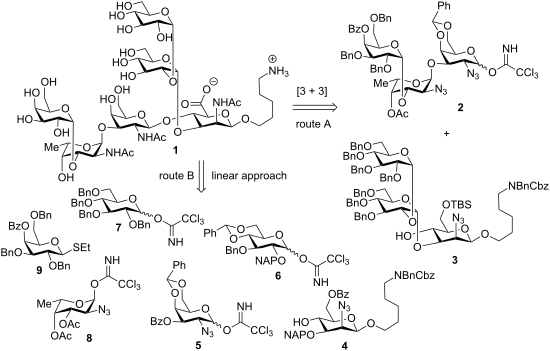
- blocks 10 and 7 [27] in a dichloromethane–ether (enables alpha selectivity) mixture in 56% yield (Scheme 4). Removal of the silyl ether and benzylidene groups of 19 yielded triol 20 before benzylation afforded disaccharide thioglycoside building block 21. Activation of disaccharide 21 resulted in the
- glycosylation of mannosazide acceptor 18 (Scheme 3) to form the corresponding α-linked trisaccharide, which, subsequent to removal of the 4,6-benzylidene group under acidic conditions, provided diol 22 that was in turn converted into reducing-end trisaccharide 3 by selective placement of a TBS ether [28] on the
- subsequently converted to the fucosyl trichloroacetimidate building block 8 (Scheme 5). Galactosyl thioglycoside 9 was prepared from D-galactose following published procedures [32]. Reductive opening of the benzylidene acetal of known galactosyl thioglycoside 29 [33] with triethylsilane [34] in TFA/CH2Cl2

Graphical Abstract

Figure 1: Structure of the S. pneumoniae serotype 12F capsular polysaccharide repeating unit [15].

Scheme 1: Retrosynthetic analyses of the S. pneumoniae hexasaccharide 1.

Scheme 2: Attempted synthesis of mannosazide building block 15. Reagents and conditions: (a) levulinic acid, ...

Scheme 3: Synthesis of mannosazide building block 18. Reagents and conditions: (a) TBSCl, imidazole, DCM, 0 °...

Scheme 4: Synthesis of the reducing-end trisaccharide 3. Reagents and conditions: (a) TMSOTf, (CH3CH2)2O/CH2Cl...

Scheme 5: Synthesis of monosaccharide building blocks 8, 9 and 26. Reagents and conditions: (a) acetic anhydr...

Scheme 6: Synthesis of the non-reducing end trisaccharide 2. Reagents and conditions: (a) TMSOTf, CH2Cl2, −30...

Scheme 7: Attempted synthesis of hexasaccharide repeating unit 36 via a convergent [3 + 3] glycosylation stra...

Scheme 8: Linear assembly of fully protected hexasaccharide 51. Reagents and conditions: (a) DDQ, CH2Cl2/MeOH...

Scheme 9: Global deprotection to furnish S. pneumonia serotype 12F repeating unit hexasaccharide 1. Reagents ...
Silyl-protective groups influencing the reactivity and selectivity in glycosylations
- Mikael Bols and
- Christian Marcus Pedersen
Beilstein J. Org. Chem. 2017, 13, 93–105, doi:10.3762/bjoc.13.12

- thioglucoside 45 was found to be much less reactive than 20 and only couples to armed donor/acceptors in low yield (Figure 4) [24]. This is analogous to the effect of the very similar benzylidene group, which is deactivating the donor partially due to locking the structure in an unreactive conformation and due
- 4,6-O-benzylidene-protected thioglucoside donor, which has been shown by Crich to be α-selective, the α-selectivity increased even more when a 2-O-benzyl was exchanged with 2-O-TBS or 2-O-TIPS [54]. The authors suggested that the silyl group had an inductive effect that favored α-formation. The 4,6-O
- and with N-phenyltrifluoroacetimidate as the leaving group [57][58]. A somewhat similar influence has been observed with the much less steric demanding 4,6-O-benzylidene protective group [59]. A related stereoselectivity is induced by the DTBS group in arabinofuranosylations. Boons and collaborators

Graphical Abstract

Figure 1: Silicon-protective groups typically used in carbohydrate chemistry.

Scheme 1: Glycosylation with sulfoxide 1.

Scheme 2: Glycosylation with imidate 4.

Scheme 3: Glycosylation with thioglycoside 7.

Scheme 4: In situ formation of a silylated lactosyl iodide for the synthesis of α-lactosylceramide.

Figure 2: Comparison of the reactivity of glycosyl donors with the pKa of the corresponding piperidinium ions....

Figure 3: Conformational change induced by bulky vicinal protective groups such as TBS, TIPS and TBDPS. The v...

Scheme 5: An example of a “one pot one addition” glycosylation, where 3 glucosyl donors are mixed with 2.1 eq...

Scheme 6: Superarmed-armed glycosylation with thioglycoside 34.

Scheme 7: One-pot double glycosylation with the conformationally armed thioglycoside 37.

Scheme 8: Superarmed-armed glycosylation with thioglycoside 41.

Figure 4: Donors disarmed by the di-tert-butylsilylene protective group.

Figure 5: The influence of a 3,6-O-tethering on anomeric reactivity and glycosylation selectivity. The α-thio...

Scheme 9: Regio- and stereoselective glycosylation using the superarmed thioglycoside donor 20.

Scheme 10: Superarmed donors used for C-arylation and the dependence of the size of the silylethers on the ste...

Scheme 11: β-Selective glucosylation with TIPS-protected glucosyl donors. The α-face is shielded by the bulky ...

Scheme 12: β-Selective rhamnosylation with a conformationally inverted donor.

Scheme 13: α-Selective galactosylation with DTBS-protected galactosyl donors.

Scheme 14: β-Selective arabinofuranosylation with a DTBS-protected donor.

Scheme 15: α-Selective glycosylation with a TIPDS-protected glucal donor.

Scheme 16: Highly β-selective glucuronylation using a 2,4-DTBS-tethered donor.
The synthesis of α-aryl-α-aminophosphonates and α-aryl-α-aminophosphine oxides by the microwave-assisted Pudovik reaction
- Erika Bálint,
- Ádám Tajti,
- Anna Ádám,
- István Csontos,
- Konstantin Karaghiosoff,
- Mátyás Czugler,
- Péter Ábrányi-Balogh and
- György Keglevich
Beilstein J. Org. Chem. 2017, 13, 76–86, doi:10.3762/bjoc.13.10
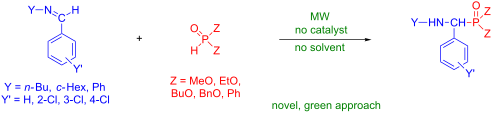
- aniline at room temperature under solvent-free conditions (Scheme 1). Then, the reaction of N-benzylidene(butyl)amine (1a) with four different dialkyl phosphites and diphenylphosphine oxide was investigated under MW-assisted solvent-free conditions searching for the optimum temperature and reaction time
- aminophosphine oxide 2e was obtained in a yield of 89% (Table 1, entry 11). Next N-benzylidene(cyclohexyl)amine (1b) was tried in the aza-Pudovik reaction (Table 2). Its reaction with 1.2 equivalents of DMP at 80 °C for 30 min led to aminophosphonate 4a at a conversion of 89% (Table 2, entry 1). Even at 100 °C
- reaction of N-benzylidene(cyclohexyl)amine (1b) with DBnP at 100 °C afforded the target compound 4d in a conversion of 100% that could be isolated in a yield of only 68% (Table 2, entry 7). The phosphinoylation of imine 1b was carried out at 100 °C for 10 min. The yield of ((cyclohexylamino)(phenyl)methyl

Graphical Abstract

Scheme 1: Synthesis of starting N-benzylideneamines 1.

Scheme 2: Addition of diethyl phosphite to N-benzylidene(butyl)amine in acetonitrile.

Figure 1: IR spectra of the reaction components in acetonitrile solution.

Figure 2: A segment of the time-dependent IR spectrum for the addition of diethyl phosphite to N-benzylidene(...

Figure 3: Concentration profiles of the reaction components in the addition reaction at 80 °C in acetonitrile....

Figure 4: Atomic numbering with anisotropic displacements plot of 5b at −100 °C.

Figure 5: Atomic numbering with anisotropic displacements plot of 5d at −100 °C.

Figure 6: The energy diagram for the reaction with dimethyl phosphite.

Figure 7: The energy diagram for the reaction with diphenylphosphine oxide.
O-Alkylated heavy atom carbohydrate probes for protein X-ray crystallography: Studies towards the synthesis of methyl 2-O-methyl-L-selenofucopyranoside
- Roman Sommer,
- Dirk Hauck,
- Annabelle Varrot,
- Anne Imberty,
- Markus Künzler and
- Alexander Titz
Beilstein J. Org. Chem. 2016, 12, 2828–2833, doi:10.3762/bjoc.12.282

- and 4 in selenofucoside 1. The introduction of a 3,4-O-benzylidene protecting group using benzaldehyde dimethyl acetal under standard conditions was ineffective and degradation was observed by TLC. However, the formation of the 3,4-O-benzylidene acetal could be achieved through in situ evaporation of
- the reaction byproduct methanol as previously reported by Evans [35] for methyl O-glucosides. Using the same conditions, 4,6-benzylidene protection was successfully introduced into a phenylseleno glucoside by Fairbanks et al. [36] without observed degradation at ambient pressure. The increased
- ). Due to the unsuccessful removal of the benzylidene group in 6, unprotected selenofucoside 1 was directly methylated with MeI (Scheme 1). However, only a slow conversion was observed and various products were detected on TLC lacking predominant formation of only one regioisomer. To overcome the

Graphical Abstract

Figure 1: Alkylseleno glycosides, such as 1, are used as tools for X-ray crystallography of lectins. Some lec...

Scheme 1: Synthesis of 3 through initial introduction of the seleno aglycon and subsequent O-methylation. Rea...

Scheme 2: Synthesis of compound 3 via initial selective 2-O-methylation followed by the introduction of the s...
Catalytic Wittig and aza-Wittig reactions
- Zhiqi Lao and
- Patrick H. Toy
Beilstein J. Org. Chem. 2016, 12, 2577–2587, doi:10.3762/bjoc.12.253
- as the catalyst for phosphine oxide reduction. Using similar conditions the corresponding reactions of carboxylic acids 74 with aromatic acid chlorides 72 produced 4-benzylidene-2-aryloxazol-5(4H)-ones 75. Lastly, the research group of Piet Herdewijn extended this general concept and reported

Graphical Abstract

Scheme 1: Prototypical Wittig reaction involving in situ phosphonium salt and phosphonium ylide formation.

Scheme 2: Bu3As-catalyzed Wittig-type reactions.

Scheme 3: Ph3As-catalyzed Wittig-type reactions using Fe(TCP)Cl and ethyl diazoacetate for arsonium ylide gen...

Figure 1: Recyclable polymer-supported arsine for catalytic Wittig-type reactions.

Scheme 4: Bu2Te-catalyzed Wittig-type reactions.

Scheme 5: Polymer-supported telluride catalyst cycling.

Scheme 6: Stable and odourless telluronium salt pre-catalyst for Wittig-type reactions.

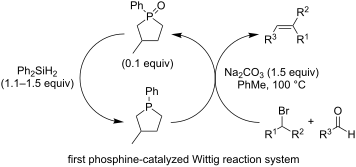
Scheme 7: Phosphine-catalyzed Wittig reactions.

Figure 2: Various phosphine oxides used as pre-catalysts.

Scheme 8: Enantioselective catalytic Wittig reaction reported by Werner.

Scheme 9: Base-free catalytic Wittig reactions reported by Werner.

Scheme 10: Catalytic Wittig reactions reported by Lin.

Scheme 11: Catalytic Wittig reactions reported by Plietker.

Scheme 12: Prototypical aza-Wittig reaction involving in situ iminophosphorane formation.

Scheme 13: First catalytic aza-Wittig reaction reported by Campbell.

Scheme 14: Intramolecular catalytic aza-Wittig reactions reported by Marsden.

Scheme 15: Catalytic aza-Wittig reactions in 1,4-benzodiazepin-5-one synthesis.

Scheme 16: Catalytic aza-Wittig reactions in benzimidazole synthesis.
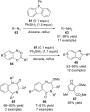
Scheme 17: Phosphine-catalyzed Staudinger and aza-Wittig reactions.

Scheme 18: Catalytic aza-Wittig reactions in 4(3H)-quinazolinone synthesis.

Scheme 19: Catalytic aza-Wittig reactions of in situ generated carboxylic acid anhydrides.

Scheme 20: Phosphine-catalyzed diaza-Wittig reactions.
An effective one-pot access to polynuclear dispiroheterocyclic structures comprising pyrrolidinyloxindole and imidazothiazolotriazine moieties via a 1,3-dipolar cycloaddition strategy
- Alexei N. Izmest’ev,
- Galina A. Gazieva,
- Natalya V. Sigay,
- Sergei A. Serkov,
- Valentina A. Karnoukhova,
- Vadim V. Kachala,
- Alexander S. Shashkov,
- Igor E. Zanin,
- Angelina N. Kravchenko and
- Nina N. Makhova
Beilstein J. Org. Chem. 2016, 12, 2240–2249, doi:10.3762/bjoc.12.216

- generated from isatins and sarcosine to benzylidene derivatives of the same imidazothiazolotriazine will proceed from the less sterically hindered side [41] (anti attack). Herein, we report a regio- and diastereoselective one-pot method for the synthesis of a novel class of polynuclear dispiroheterocyclic
- cycloaddition with compound 1a (Scheme 3, Figure 2). It was found that apart from model substrate 3a, N-alkyl- (3b,c), N-allyl- (3d) and N-methyl-5-bromoisatins (3e) reacted with sarcosine and dipolarophile 1a to afford the desired products 4a–e in 54–78% yields. Next, the nitrobenzylidene and benzylidene
- for the generation of the azomethine ylide as well as for nitrobenzylidene derivative 1b as dipolarophile. To further extend the substrate scope of this reaction, we used benzylidene derivatives of other imidazothiazolotriazines 1d–f without substituents at the bridge carbon atoms C(3a) and C(9a). The

Graphical Abstract

Figure 1: Bioactive 2,3’-spiropyrrolidinyloxindoles.

Scheme 1: Earlier studied cycloaddition reaction.

Scheme 2: Synthesis of dipolarophiles 1a–c.

Scheme 3: Synthesis of dispirocompounds 4a–o.

Figure 2: Synthesis of dispiro compounds 4a–o. Reaction conditions: heating the mixture of compounds 1 (0.5 m...

Scheme 4: Synthesis of dipolarophiles 1d–f.

Figure 3: Synthesis of dispiro compounds 4p–t. Reaction conditions: heating the solution of compounds 1 (0.5 ...

Figure 4: Key interactions in {1H-13C}HMBC spectrum of 4f.

Figure 5: General view of 4c in the crystal in thermal ellipsoids representation (50% probability). Hydrogen ...

Figure 6: General view of 4e in the crystal in thermal ellipsoids representation (40% probability). Hydrogen ...

Figure 7: General view of 4r in the crystal in thermal ellipsoids representation (50% probability). Hydrogen ...

Figure 8: Modes of approach of azomethine ylide (R = H, Ph).
Marine-derived myxobacteria of the suborder Nannocystineae: An underexplored source of structurally intriguing and biologically active metabolites
- Antonio Dávila-Céspedes,
- Peter Hufendiek,
- Max Crüsemann,
- Till F. Schäberle and
- Gabriele M. König
Beilstein J. Org. Chem. 2016, 12, 969–984, doi:10.3762/bjoc.12.96
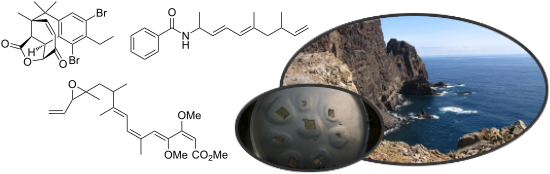
- with a similar substitution pattern. In the myxobacterial metabolites an E-configuration was found at the benzylidene unit, whereas the nostoclides and cyanobacterin have a Z-configuration. Only the anhydro form of cyanobacterin was found to isomerize from the Z- to the E-configured isomer in organic

Graphical Abstract
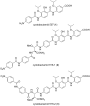
Figure 1: Structures of cystobactamids 507, 919-1 and 919-2.

Figure 2: Structures of aurafuron A and corallopyronin A.

Figure 3: Structures of ixabepilone and capecitabine.

Figure 4: Structures of DKxanthene-534 and myxochelin A.

Figure 5: Phylogenetic tree of halotolerant and halophilic myxobacteria. The neighbor-joining tree is based o...
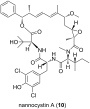
Figure 6: Structure of nannocystin A.

Figure 7: Structure of phenylnannolones A–C.

Figure 8: Structures of the pyrronazols, dihydroxyphenazin and 1-hydroxyphenazin-6-yl-α-D-arabinofuranoside.

Figure 9: Structures of nannozinones A + B and nannochelin A from N. pusilla strain MNa10913.

Figure 10: Structure of haliangicin from H. ochraceum.

Figure 11: Structure of haliamide from H. ochraceum SMP-2.
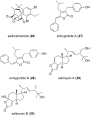
Figure 12: Structures of salimabromide, enhygrolides A + B and salimyxins A + B.

Figure 13: Structures of miuraenamides A–F from P. miuraensis.
Synthesis and in vitro cytotoxicity of acetylated 3-fluoro, 4-fluoro and 3,4-difluoro analogs of D-glucosamine and D-galactosamine
- Štěpán Horník,
- Lucie Červenková Šťastná,
- Petra Cuřínová,
- Jan Sýkora,
- Kateřina Káňová,
- Roman Hrstka,
- Ivana Císařová,
- Martin Dračínský and
- Jindřich Karban
Beilstein J. Org. Chem. 2016, 12, 750–759, doi:10.3762/bjoc.12.75
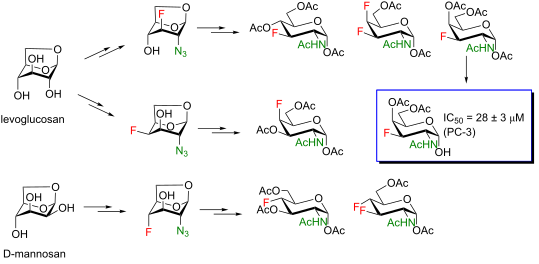
- ] of 14 followed by azidolysis [41] furnished 15. 2-Azido-3,4-epoxide 18 was prepared from readily available [42] 2,3-isopropylidene-D-mannosan (16) in five steps (Scheme 2). Tosylation of 16 [43], followed by hydrolysis of the benzylidene acetal [44] and oxirane ring closure [45] at C-4 delivered 1,6

Graphical Abstract
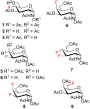
Figure 1: Examples of deoxofluorinated hexosamines.

Scheme 1: Retrosynthetic plan.

Scheme 2: Preparation of starting 2-azido compounds. Reagents and conditions: (a) NaN3, NH4Cl, MeOC2H4OH, 79%...

Scheme 3: Preparation of mono and difluoro analogs of 2-azido-2-deoxy-1,6-anhydro-β-D-gluco- and galactopyran...

Scheme 4: Suggested mechanisms for deoxofluorination at C-3 of 1,6-anhydro-β-D-glucohexopyranose derivatives....

Scheme 5: Formation of oxazoline 41 from 19.

Scheme 6: 1-O-Deacetylation of monofluorinated hexosamines. Reagents and conditions: (a) BnNH2, THF, 62%; (b)...



