


Search results
Search for "fluorescence emission" in Full Text gives 112 result(s) in Beilstein Journal of Organic Chemistry.
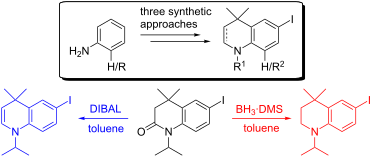
Practical synthetic strategies towards lipophilic 6-iodotetrahydroquinolines and -dihydroquinolines
Beilstein J. Org. Chem. 2016, 12, 1851–1862, doi:10.3762/bjoc.12.174
- CARY100 UV–visible spectrophotometer using the Cary WinUV Scan software 3.00(182). Fluorescence emission spectroscopy was conducted using a Perkin Elmer LS 55 fluorescence spectrometer. All in situ FTIR spectroscopy experiments (ReactIR, Mettler Toledo) were carried out using a ReactIR 15 with MCT


Synthesis and properties of fluorescent 4′-azulenyl-functionalized 2,2′:6′,2″-terpyridines
Beilstein J. Org. Chem. 2016, 12, 1812–1825, doi:10.3762/bjoc.12.171
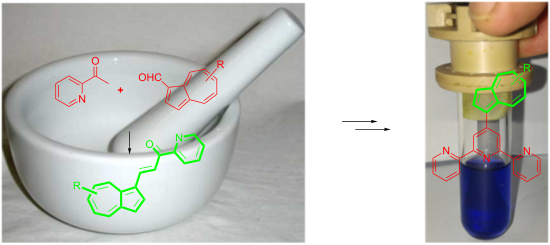
- origin of the fluorescence emission will be also described by time-dependent density functional theory (TDDFT) calculations. The ability of the terpyridine compounds to bind poisoning metal cations was investigated by spectrophotometric titrations of methanolic 4′-azulenyl-substituted terpyridine
- spectroscopy in dichloromethane solution. The 2,2′:6′,2″-terpyridine moiety is an excellent chromophore with an absorption maximum at 279 in dichloromethane solution [8]. Upon 4′-substitution with a phenyl group the longest-wavelength absorption is not affected, only the fluorescence emission is shifted
- absorption maximum. Both compounds showed fluorescent emission upon excitation at wavelengths corresponding to their absorption maximum. The fluorescence spectra are shown in Figure 5. In the case of 4a, by excitation with 375 nm, a dual fluorescence emission is observed at 435 nm and 530 nm, respectively


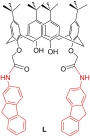
Amidofluorene-appended lower rim 1,3-diconjugate of calix[4]arene: synthesis, characterization and highly selective sensor for Cu2+
Beilstein J. Org. Chem. 2016, 12, 1749–1757, doi:10.3762/bjoc.12.163
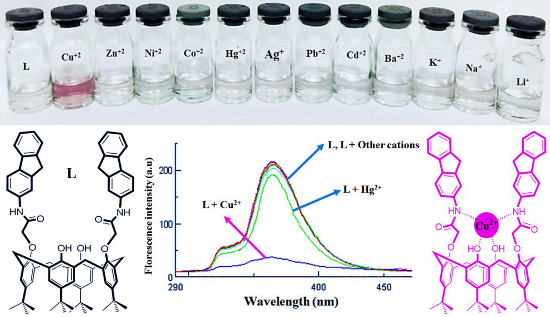
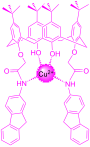
- indicates that the L binds copper as Cu2+. Fluorescence titrations of L with metal ions Fluorescence spectroscopy was applied to investigate the recognition properties of chemosensor L toward various metal ions in MeCN. In the absence of metal ions, the receptor L represents fluorescence emission at ≈365 nm
- +, Co2+, Ni2+, Cd2+, Ag+, Ba2+, K+, Na+ and Li+. The fluorescence spectra showed almost no obvious change relative to the free ligand L (Figure 4). Titration of L with Cu2+ resulted in a gradual quenching of the fluorescence emission at the 365 nm band as a function of increasing Cu2+ concentration. The
- the competitive recognition of Cu2+ by sensor L, the effect of Cu2+ was studied in the presence of other metal ions. The results showed that the fluorescence emission intensity of [L + Mn+] is altered in the presence of Cu2+ ions (Figure 6). It is noteworthy that complex [L + Mn+] exhibited no



Application of Cu(I)-catalyzed azide–alkyne cycloaddition for the design and synthesis of sequence specific probes targeting double-stranded DNA
Beilstein J. Org. Chem. 2016, 12, 1348–1360, doi:10.3762/bjoc.12.128
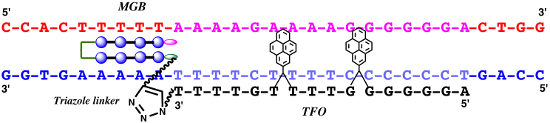
- interaction of the F1-NH2-TO probe with the target duplex. To test the specificity of these probes we titrated them with a non-target duplex that resulted in a 1.5 times increase in fluorescence emission for the MM14 probe and also 8 times increase for the F1-NH2-TO probe (Figure 8). The non-specific increase
- absorption spectra in the interval 300–700 nm do not change upon DNA titration (data not shown), which means that increase in fluorescence emission is due to the increase of the quantum yield of fluorescence. Studies of interaction of the probes with fixed and live mouse cells are under investigation in the


Synthesis, fluorescence properties and the promising cytotoxicity of pyrene–derived aminophosphonates
Beilstein J. Org. Chem. 2016, 12, 1229–1235, doi:10.3762/bjoc.12.117
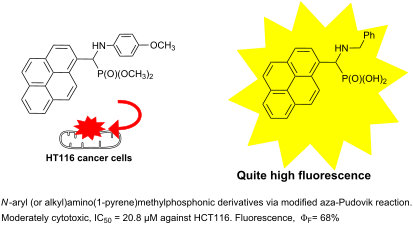
- preliminary form [9], fluorescence emission of their azomethine precursors was reported for pyrene-1-carboxaldehyde thiosemicarbazone and Schiff bases as well as their metal complexes [16][17][18][19][20][21]. Such properties were described for, e.g., ruthenium(II) complexes of (5-chloropyridin-2-yl)-(pyren-1


Self and directed assembly: people and molecules
Beilstein J. Org. Chem. 2016, 12, 391–405, doi:10.3762/bjoc.12.42

- ] + [R] = 5.0 × 10⁻⁶ mol dm−3; λem at 358 nm. Reproduced with permission from [61]. Copyright 2004 John Wiley and Sons. Chiral discriminating sensor (relative stereochemistry shown) constructed using a good fluorophore (anthracene). Fluorescence emission intensity-pH profile of: (a) Sensor 15: 1.0 × 10⁻⁶






Friedel–Crafts-type reaction of pyrene with diethyl 1-(isothiocyanato)alkylphosphonates. Efficient synthesis of highly fluorescent diethyl 1-(pyrene-1-carboxamido)alkylphosphonates and 1-(pyrene-1-carboxamido)methylphosphonic acid
Beilstein J. Org. Chem. 2015, 11, 2451–2458, doi:10.3762/bjoc.11.266
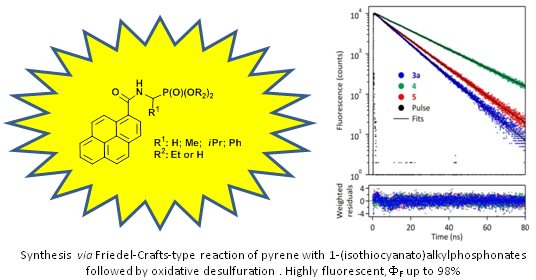
- isolated in 87% yield. Photophysical properties of 3a–d and 4 As expected, thioamides 2a–d were nonfluorescent (thioamide group is a well-known fluorescence quencher [31]). In contrast, the corresponding amides 3a–d showed strong fluorescence emission in solution and in the solid state. We studied the




2-Hetaryl-1,3-tropolones based on five-membered nitrogen heterocycles: synthesis, structure and properties
Beilstein J. Org. Chem. 2015, 11, 2179–2188, doi:10.3762/bjoc.11.236
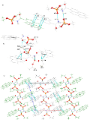
- ); selected bond angles (o) N(1)–C(8)–O(1) 114.99(9), O(1)–C(8)–C(2) 119.76(8), N(1)–C(8)–C(2) 125.24(9), C(3)–C(2)–C(8) 117.85(8), C(1)–C(2)–C(8) 122.45(9). Electronic absorption (1, 2), fluorescence emission (λexc = 350 nm) (3, 4) and fluorescence excitation [λobs = 495 nm (5), λobs = 510 nm (6)] spectra of


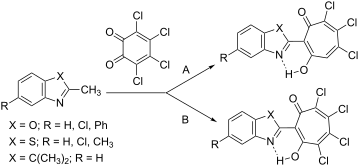
![[Graphic 3]](/bjoc/content/inline/1860-5397-11-236-i8.png?max-width=637&scale=1.18182) N···H–O equilibrium in solutions of 2-hetaryl-5,6,7-trichloro- and 4,...
N···H–O equilibrium in solutions of 2-hetaryl-5,6,7-trichloro- and 4,...


Fluoride-driven ‘turn on’ ESPT in the binding with a novel benzimidazole-based sensor
Beilstein J. Org. Chem. 2015, 11, 563–567, doi:10.3762/bjoc.11.61
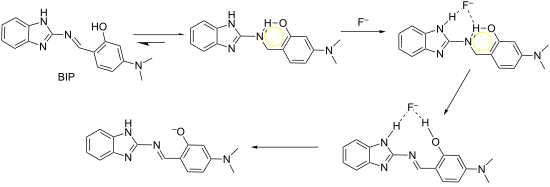
- -mentioned proton in BIP. To further explore the photophysical sensing properties of BIP with various anions (F−, Cl−, Br−, I−, H2PO4−, NO3−, AcO−, added as TBA salts), fluorescence measurements were carried out. The weak fluorescence emission at 411 nm, corresponding to the enol form of a Schiff base [32
- fluorescence emission hardly experienced any perturbation on adding a similar amount of anions as done with F−. Also, the detection of F− displayed no interference in presence of other competitive anions (See Figure S7 in Supporting Information File 1). This demonstrated BIP has a high selectivity for F−. The


Synthesis and surface grafting of a β-cyclodextrin dimer facilitating cooperative inclusion of 2,6-ANS
Beilstein J. Org. Chem. 2015, 11, 514–523, doi:10.3762/bjoc.11.58
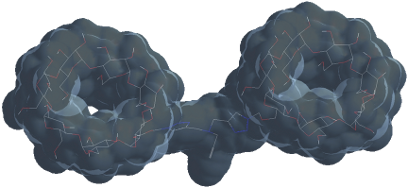
- stability compared to that of parent β-CD. The potential conformations for 1:1 complexes of the β-CD dimer with 2,6-ANS are illustrated in Figure 3. Figure 4a shows the fluorescence emission spectra of 50 µM 2,6-ANS (solid grey) in phosphate-buffered saline (PBS, pH 7.4) and 50 µM 2,6-ANS in PBS with 2 mM β
- eventually be further stabilized by hydrogen bonding, involving rim hydroxy groups from both cavities and the amino function. The binding mechanism suggested on the basis of the changes in fluorescence emission is confirmed by the NMR ROESY spectrum of the β-CD dimer/2,6-ANS inclusion complex (Figure 5). Due
- employing the sensitive surface technique, TIRF spectroscopy. This technique allows for monitoring of surface binding events within ≈200 nm of an optical transparent substrate. Figure 7a shows the fluorescence emission spectra after injection of 1 mM 2,6-ANS in PBS (grey) on a bare quartz slide and quartz


Synthesis and chemosensing properties of cinnoline-containing poly(arylene ethynylene)s
Beilstein J. Org. Chem. 2015, 11, 373–384, doi:10.3762/bjoc.11.43
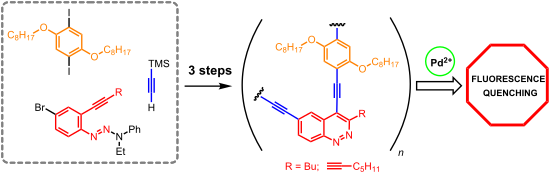
- the PAE 10b with an additional acetylene fragment differed from the absorption spectrum of the PAE 10a by a small bathochromic shift (≈7 nm) of two absorption bands and an additional absorption band at 266 nm (Figure 6). The fluorescence emission spectra of the same solutions (Figure 7) were recorded
- + and are not related to the hydrochloric acid which was essential for the preparation of an aqueous solutions of PdCl2, the influence of HCl on the optical properties of the oligomer 10a was studied. The obtained data revealed that changes in the absorption and fluorescence emission spectra for the PAE
- 10a under 10-fold excess of HCl are opposite to the ones induced by Pd2+ ions. Thus instead of a "red" shift of absorption bands and the fluorescence quenching, a slight "blue" shift and the increase in the fluorescence emission were observed (Figure 12 and Figure 13). The additional evidence for the


Formation of nanoparticles by cooperative inclusion between (S)-camptothecin-modified dextrans and β-cyclodextrin polymers
Beilstein J. Org. Chem. 2015, 11, 147–154, doi:10.3762/bjoc.11.14
- fitted with a theoretical titration curve using the instrument software, assuming a 1:1 complex. The enthalpy change, ΔH, the binding constant (K), and the stoichiometry (n), were the adjustable parameters. Fluorescence emission spectra were recorded on Varian Cary Eclipse fluorescence spectrophotometer
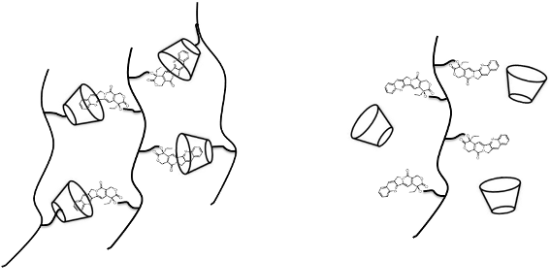
- as a function of time and integrated heat vs the molar ratio (enthalpogram). Fluorescence emission spectra of a) D70GPCPT and b) D10GPCPT recorded at different concentrations (0–2 mM β-CD) of D70HPβ-CD. The dotted line in a) is the emission spectra of the D70GPCPT polymer with 2 mM of free β-CD. The


Come-back of phenanthridine and phenanthridinium derivatives in the 21st century
Beilstein J. Org. Chem. 2014, 10, 2930–2954, doi:10.3762/bjoc.10.312

- phenanthridinium relative to the unmodified primary amino groups. Namely, derivatives of EB having substituents with weaker electron-donor properties exhibited a stronger fluorescence emission than EB, while a stronger electron-donating substituent exhibited a much lower fluorescence emission. Such behaviour could
- phenanthridine–thymine conjugates [77], intercalated into ds-DNA whereby binding was marginally influenced by attached thymine and the peptide backbone. More intriguing was the observed excimer fluorescence emission and the very specific CD spectrum of pentapeptide confirming the very efficient phenanthridine
- of the phenanthridine/phenanthridinium system for chemical and biochemical research. Widely used fluorimetric dyes, such as cyanine derivatives, are non-fluorescent in the free state but give tremendous fluorescence emission upon binding to biomacromolecular targets. However, many of these dyes show


Encapsulation of biocides by cyclodextrins: toward synergistic effects against pathogens
Beilstein J. Org. Chem. 2014, 10, 2603–2622, doi:10.3762/bjoc.10.273
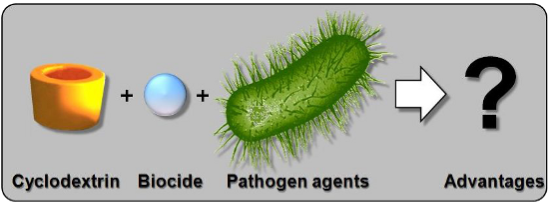
- in 2002 by Lezcano et al. [36]. Phase solubility and fluorescence emission spectra of the carbendazim in the presence of different CD concentrations have been applied to characterize the inclusion complexes. In each case, 1:1 inclusion complexes were observed between carbendazim and CD. However, the


Synthesis and optical properties of pyrrolidinyl peptide nucleic acid carrying a clicked Nile red label
Beilstein J. Org. Chem. 2014, 10, 2166–2174, doi:10.3762/bjoc.10.224
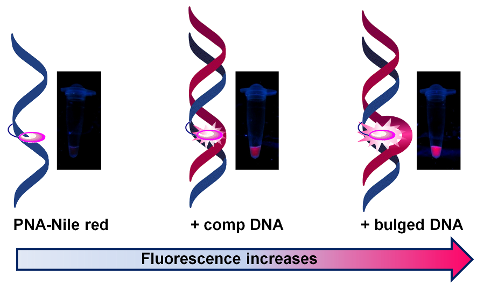
- purification. All Nile red-labeled acpcPNAs are freely soluble in water (>1 mM), providing a bright blue solution. The UV–vis spectrum of the free propargyl Nile red label 1 in acetonitrile (Figure 2a) showed absorption and fluorescence emission maxima at 538 nm and 620 nm, with a fluorescence quantum yield
- the fluorescence quantum yields (50% MeCN: λabs 564 nm, λem 641 nm, ΦF 0.29; 20% MeCN: λabs 587 nm, λem 651 nm; ΦF 0.14). In aqueous phosphate buffer (10 mM, pH 7.0), the Nile red-labeled acpcPNA 10mer-Nr exhibited a broad absorption peak centered at 575 nm and a fluorescence emission at 656 nm
- , respectively (Figure 2b). The solvatochromic property of the Nile red-labeled acpcPNA is demonstrated as shown by the progressively blue-shifted absorption and fluorescence emission maxima in the presence of acetonitrile (100% MeCN: λabs 544 nm, λem 634 nm; 50% MeCN: λabs 569 nm, λem 647 nm; 20% MeCN: λabs 592


The effect of permodified cyclodextrins encapsulation on the photophysical properties of a polyfluorene with randomly distributed electron-donor and rotaxane electron-acceptor units
Beilstein J. Org. Chem. 2014, 10, 2145–2156, doi:10.3762/bjoc.10.222
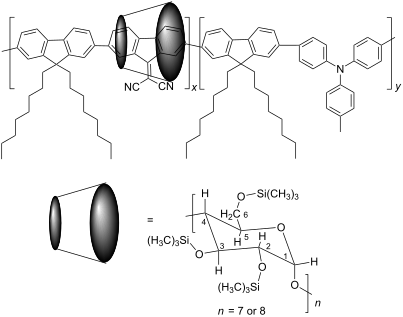
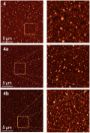
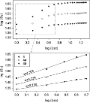
- the lower aggregation tendency [13]. The determined absorption onset wavelength of 4, 4a and 4b copolymer films are 429, 430 and 427 nm, which gives rise to the corresponding optical band gaps (Eopt = 1240/λonset) [38], of 2.89, 2.88 and 2.90 eV, respectively Table 2. The fluorescence emission (PL) of
- . Termogravimetric curves (TG) of the copolymers. DSC traces on second heating scan of 4 (a), 4a (b) and 4b (c). Optical absorption spectra of the copolymers in DCM solutions (c = 1.5∙10−6 mg∙mL−1) (a) and thin films (b). Fluorescence emission spectra of the copolymers in DCM solutions (c = 1.5∙10−6 mg∙mL−1) (a) and


Photorelease of phosphates: Mild methods for protecting phosphate derivatives
Beilstein J. Org. Chem. 2014, 10, 2038–2054, doi:10.3762/bjoc.10.212
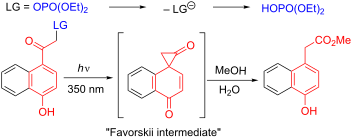
- for the 5,8-BQA phosphate 24 occurs at 321 nm in 10% aq MeCN. For the 2,6-HNA series, a strong fluorescence emission is observed at 470 nm as shown here for the more aqueous soluble GABA ester derivative. The 2,6-HNA GABA had better aqueous solubility for fluorescence studies. (See Supporting
- protecting groups (PPGs) for phosphates depicted as diethyl phosphate (DEP) esters. A. UV–vis spectrum of 14a (1,4-HNA DEP) in 1% aq MeCN. B. Fluorescence emission/excitation spectra of 2,6-HNA GABA (0.042 mM) in pH 7.3 TRIS buffer containing 1% MeCN. Naphthyl and quinolin-5-yl caged phosphate esters 10, 14


Synthesis of new, highly luminescent bis(2,2’-bithiophen-5-yl) substituted 1,3,4-oxadiazole, 1,3,4-thiadiazole and 1,2,4-triazole
Beilstein J. Org. Chem. 2014, 10, 1596–1602, doi:10.3762/bjoc.10.165
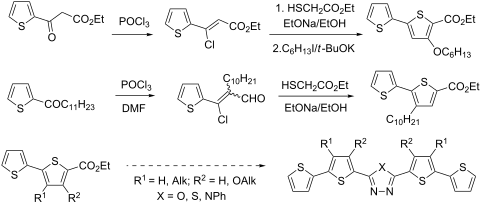
- dichloromethane. Optimum fluorescence excitation wavelengths (given in the legends) have been selected based on fluorescence emission profiles. Photoluminescence quantum yields measured for 13, 15 and 18 together with their formulae. Synthesis of ethyl 3-decyl-2,2'-bithiophene-5-carboxylate (3). Synthesis of


Pyrene-modified PNAs: Stacking interactions and selective excimer emission in PNA2DNA triplexes
Beilstein J. Org. Chem. 2014, 10, 1495–1503, doi:10.3762/bjoc.10.154
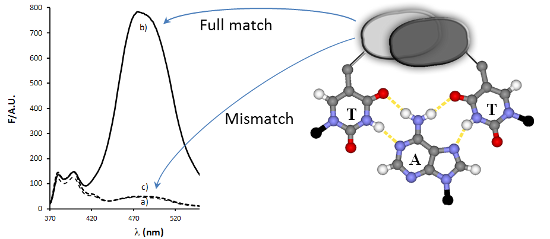
- units in the PNA:DNA complexes. In Figure 2 the fluorescence emission spectra of the PNA probes in the absence or in the presence of complementary DNA1 or mismatched DNA2 are reported. For PNA1, having only one pyrene unit, a typical pyrene excimer band was observed in the presence of DNA1 (Figure 2a
- , but of the entire triplex, leading to high mismatch recognition. This induces the very high selectivity in the switch-on of the excimer fluorescence emission (Figures 2, 3 and 4). All the other tested dispositions are not so effective in terms of stabilization, fluorescence response and selectivity
- incubated at 90 °C for 5 min, and then slowly cooled to the temperature of analysis. Fluorescence emission spectra were recorded with an excitation wavelength of 347 nm (slit excitation: 5.0 nm), scanning from 370 nm to 550 nm (slit emission: 10.0 nm), a scan speed of 200 nm/min was used with 3 spectra


Multichromophoric sugar for fluorescence photoswitching
Beilstein J. Org. Chem. 2014, 10, 1471–1481, doi:10.3762/bjoc.10.151
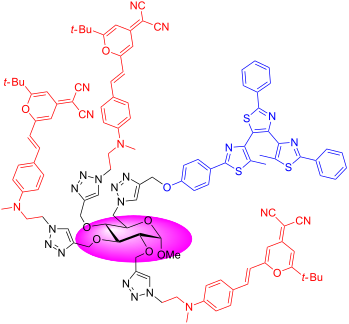
- and b show that upon increasing irradiation times at 335 nm, an absorption band at 600 nm emerges, corresponding to the photochromic moiety in its thermally stable closed form, and the fluorescence emission is concomitantly quenched by 51%. As displayed in Figure 3, the emission band of the
- conversion yield (53%) corresponds almost to the fluorescence quenching (51%), the FRET process appears to be extremely efficient: under irradiation at 335 nm, half of the multichromophoric system is still in its initial open form 2-OF, associated with a strong fluorescence emission, and another half are




Molecular assembly of amino acid interlinked, topologically symmetric, π-complementary donor–acceptor–donor triads
Beilstein J. Org. Chem. 2013, 9, 1565–1571, doi:10.3762/bjoc.9.178
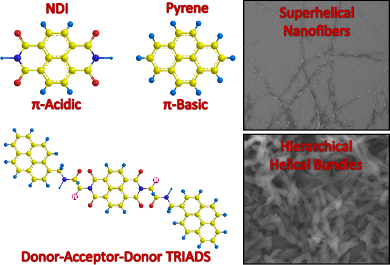
- exhibited only an incremental red shift of absorption maxima similar to that observed in the case of 3, in aqueous DMSO (see Supporting Information File 1). In addition, the fluorescence emission for 1, 2 and 3 was found to be quenched in DMSO and NMP as well as in their aqueous medium (Figure 2b
- DMSO for various percentages of water in DMSO. Excitation at 345 nm. For comparison fluorescence emission spectra of pyrenemethylamine hydrochloride is shown (black trace, pyrene) in (b). (c) UV–vis spectra of 1 mM solutions of 1, 2 and 3 in 40% aqueous DMSO/NMP show the charge-transfer bands. The


Synthesis, photophysical and electrochemical characterization of terpyridine-functionalized dendritic oligothiophenes and their Ru(II) complexes
Beilstein J. Org. Chem. 2013, 9, 866–876, doi:10.3762/bjoc.9.100
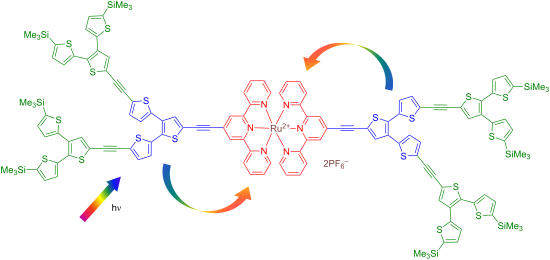
- recorded on a Perkin Elmer Lambda 19 spectrometer and fluorescence emission spectra on a Perkin Elmer LS 55 spectrometer. Emission quantum yields of ligands and complexes were measured using 9,10-diphenylanthracene (Φf = 0.9 in cyclohexane) [54] and [Ru(bpy)3][PF6]2 (Φf = 0.062 in acetonitrile) [55] by


A new synthetic protocol for coumarin amino acid
Beilstein J. Org. Chem. 2013, 9, 254–259, doi:10.3762/bjoc.9.30
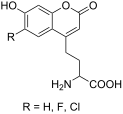
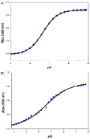
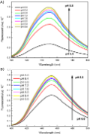
- mM sodium phosphate buffer (pH 5.8–8.0) or sodium acetate buffer (pH 3.7–5.6). Effect of the pH value of the solution on the fluorescence emission spectra of compounds 1b and 1c. (A) Fluorescence emission spectrum of compound 1b. (B) Fluorescence emission spectrum of compound 1c. Synthetic route to


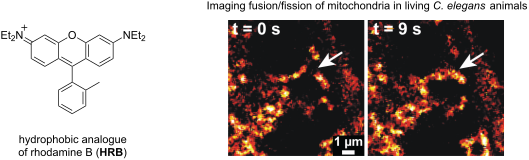
Hydrophobic analogues of rhodamine B and rhodamine 101: potent fluorescent probes of mitochondria in living C. elegans
Beilstein J. Org. Chem. 2012, 8, 2156–2165, doi:10.3762/bjoc.8.243
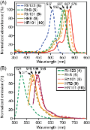
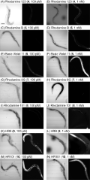
- ]. Photophysical and physicochemical properties The absorbance (panel A) and fluorescence emission (panel B) spectra of fluorophores 4, 5, and 8–10 are shown in Figure 2. The red-shifted spectra of HR101 10 compared with HRB 9 can be explained by greater delocalization of the lone pairs on nitrogen due to
- ). The ratio of fluorescence emission at λmax was used to calculate log D. Biological evaluation The N2 strain of C. elegans was cultured as described [47] and maintained at 20–22.5 °C. Fluorophores were added to normal growth media (NMG) liquid (at 45–55 °C), poured into Petri dishes (60 mm), and
- rhodamine (HRB, 9, and HR101, 10). Normalized absorbance (Panel A) and fluorescence emission (Panel B) spectra. Fluorophores were analyzed at 10 µM (absorbance) or 5 nM (fluorescence) in MeOH. The spectra for rhodamine 123 (4) in MeOH were downloaded from a publically accessible database [41]. Maximum




The effect of the formyl group position upon asymmetric isomeric diarylethenes bearing a naphthalene moiety
Beilstein J. Org. Chem. 2012, 8, 1018–1026, doi:10.3762/bjoc.8.114
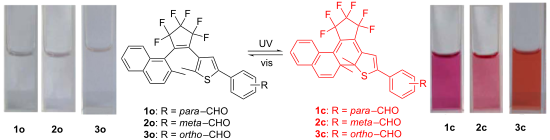
- nm respectively. In comparison with those of 1o–3o in hexane, the fluorescence emission peaks of 1o–3o in PMMA films consistently exhibited a remarkable bathochromic shift. The emission intensity of the ortho-substituted derivative 3o was the strongest, while that of the para-substituted derivative
- 1o was the weakest in both hexane and PMMA films. Compared to the unsubstituted parent diarylethene, 1-(2-methylnaphth-1-yl)-2-[2-methyl-5-phenylthien-3-yl]perfluorocyclopentene (Φf = 0.011) [37], the fluorescence emission intensities of diarylethenes 1o and 2o were decreased, but that of 3o was
- the fluorescence emission intensity of diarylethenes with a naphthalene moiety. Diarylethenes 1–3 exhibited an evident fluorescence switching capability upon changing from the open-ring to the closed-ring isomers by photoirradiation in both hexane and PMMA films. When irradiated by UV light, the





