


Search results
Search for "metalation" in Full Text gives 95 result(s) in Beilstein Journal of Organic Chemistry.
Triazol-substituted titanocenes by strain-driven 1,3-dipolar cycloadditions
- Andreas Gansäuer,
- Andreas Okkel,
- Lukas Schwach,
- Laura Wagner,
- Anja Selig and
- Aram Prokop
Beilstein J. Org. Chem. 2014, 10, 1630–1637, doi:10.3762/bjoc.10.169

- access as yet unexplored functional titanocenes. This is most easily achieved with modular, efficient, and general strategies for the synthesis of these complexes. Classical approaches with metalation at the end of the sequence usually do not meet these requirements. This is because introduction of
- functional groups is difficult due to the nucleophilicity of the cyclopentadienyl anions before metalation and the electrophilicity of titanium after metalation [21][22]. We have devised a conceptually different approach addressing these issues. It relies on the use of carboxylate-containing titanocene

Graphical Abstract

Scheme 1: Modular titanocene synthesis via acylation reactions [24].

Figure 1: Carboxylates employed as titanocene starting materials for azide-substituted complexes.

Figure 2: Azides employed in this study and conditions for their synthesis.

Figure 3: Most active titanocenes of this study and their AC50 values.
The chemistry of isoindole natural products
- Klaus Speck and
- Thomas Magauer
Beilstein J. Org. Chem. 2013, 9, 2048–2078, doi:10.3762/bjoc.9.243
- work was carried out in the groups of Castedo [110] and Couture [111][112]. A beautiful application of a directed ortho-metalation (DoM) strategy was reported in the synthesis of piperolactam C (131) by Snieckus (Scheme 16) [113]. Treatment of 129 with base afforded aminophenanthrene 130 via a remote
- lateral metalation–cyclization sequence. Metalation of 130 with excess n-butyllithium followed by carbonation then yielded piperolactam C (131). In 2008, Heo and coworkers reported the synthesis of several aristolactams employing a one-pot cross-coupling/aldol condensation cascade reaction (Scheme 17) [91

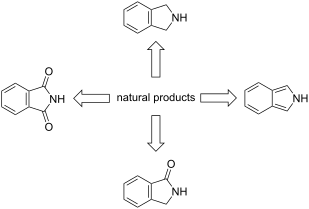
Graphical Abstract

Figure 1: a) Structural features and b) selected examples of non-natural congeners.

Scheme 1: Synthesis of isoindole 18.

Scheme 2: Staining amines with 1,4-diketone 19 (R = H).

Figure 2: Representative members of the indolocarbazole alkaloid family.

Figure 3: Staurosporine (26) bound to the adenosine-binding pocket [19] (from pdb1stc).
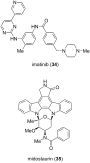
Figure 4: Structure of imatinib (34) and midostaurin (35).

Scheme 3: Biosynthesis of staurosporine (26).

Scheme 4: Wood’s synthesis of K-252a via the common intermediate 48.
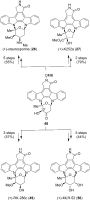
Scheme 5: Synthesis of 26, 27, 49 and 50 diverging from the common intermediate 48.

Figure 5: Selected members of the cytochalasan alkaloid family.

Scheme 6: Biosynthesis of chaetoglobosin A (57) [56].

Scheme 7: Synthesis of cytochalasin D (70) by Thomas [63].

Scheme 8: Synthesis of L-696,474 (78).

Scheme 9: Synthesis of aldehyde 85 (R = TBDPS).

Scheme 10: Synthesis of (+)-aspergillin PZ (79) by Tanis.
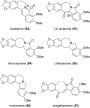
Figure 6: Representative Berberis alkaloids.

Scheme 11: Proposed biosynthetic pathway to chilenine (93).

Scheme 12: Synthesis of magallanesine (97) by Danishefsky [84].

Scheme 13: Kurihara’s synthesis of magallanesine (85).

Scheme 14: Proposed biosynthesis of 113, 117 and 125.

Scheme 15: DNA lesion caused by aristolochic acid I (117) [102].

Scheme 16: Snieckus’ synthesis of piperolactam C (131).
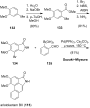
Scheme 17: Synthesis of aristolactam BII (104).

Figure 7: Representative cularine alkaloids.

Scheme 18: Proposed biosynthesis of 136.

Scheme 19: The syntheses of 136 and 137 reported by Castedo and Suau.

Scheme 20: Synthesis of 136 by Couture.

Figure 8: Representative isoindolinone meroterpenoids.

Scheme 21: Postulated biosynthetic pathway for the formation of 156 (adopted from George) [143].

Scheme 22: Synthesis of stachyflin (156) by Katoh [144].

Figure 9: Selected examples of spirodihydrobenzofuranlactams.

Scheme 23: Synthesis of stachybotrylactam I (157).

Scheme 24: Synthesis of pestalachloride A (193) by Schmalz.

Scheme 25: Proposed mechanism for the BF3-catalyzed metal-free carbonyl–olefin metathesis [149].

Scheme 26: Preparation of the isoindoline core of muironolide A (204).
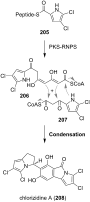
Scheme 27: Proposed biosynthesis of 208.

Scheme 28: Model for the biosynthesis of 215 and 217.

Scheme 29: Synthesis of lactonamycin (215) and lactonamycin Z (217).

Figure 10: Hetisine alkaloids 225–228.

Scheme 30: Biosynthetic proposal for the formation of the hetisine core [167].

Scheme 31: Synthesis of nominine (225).
Polar reactions of acyclic conjugated bisallenes
- Reiner Stamm and
- Henning Hopf
Beilstein J. Org. Chem. 2013, 9, 36–48, doi:10.3762/bjoc.9.5
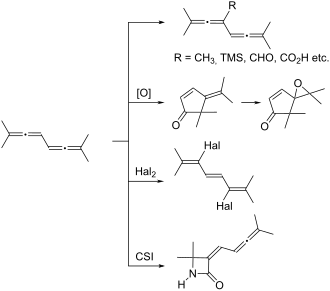
- transformations. Keywords: β-lactams; conjugated bisallenes; cyclopentenones; epoxidation; halogen addition; hydrohalogenation; ionic additions; metalation; Introduction Whereas the use of hexa-1,2,4,5-tetraene (1) and its derivatives in pericyclic reactions is well documented [2][3][4][5][6], relatively little
- is known about the behavior of noncyclic, conjugated bisallenes in ionic or polar reactions, whether these involve metalation processes, the addition of halogens and hydrogen halides, or oxidation reactions, to name but a few. To fill this gap we initiated a research program, hoping also that polar
- discoloration sets in, and in neat form it withstands polymerization for about a week in the deep freezer. The protocols for making these two derivatives from readily available starting materials are straightforward and high-yielding. Results and Discussion Reactions of 2/4 with electrophiles Metalation of 2

Graphical Abstract

Scheme 1: The alkylated conjugated bisallenes 1– 3 as model systems for polar reactions.
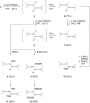
Scheme 2: Alkylation and silylation of 2.

Scheme 3: Allylation of the monoanion 4.

Scheme 4: Metalation/silylation of hydrocarbon 3.

Scheme 5: Quenching of 4 with DMF and acetone.

Scheme 6: Further reactions of 2/4 with various electrophiles.
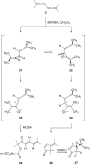
Scheme 7: Oxidation of conjugated bisallenes with different oxidizing agents according to [26].

Scheme 8: Oxidation of 2, 7 and 5 with MMPP.

Scheme 9: Oxidation of the asymmetric bisallene 3 by air.

Scheme 10: Epoxidation of the disilylbisallenes 11 and 12.

Scheme 11: The addition of HCl and HBr to the bisallenes 2 and 5.

Scheme 12: The addition of bromine to the bisallene 2.

Scheme 13: The addition of iodine to the conjugated bisallenes 61, 2 and 3.

Scheme 14: Addition of chlorosulfonyl isocyanate (CSI, 66) to allenes.
The chemistry of bisallenes
- Henning Hopf and
- Georgios Markopoulos
Beilstein J. Org. Chem. 2012, 8, 1936–1998, doi:10.3762/bjoc.8.225
- . Metalation of 27 with n-butyllithium provided the allenyllithium reagent 28 next, which was subsequently converted into the organozinc reagent 29. In a Negishi-type coupling of this intermediate with either the bromoallene 30 or its deuterated version 27 the two target compounds were obtained in the final
- ), they are also known for conjugated bisallenes. We also would like to include metalation reactions in this chapter, namely the reactions we have already briefly referred to above (see Sections 1.1 and 1.2). Another example encountered earlier is the transformation recorded in Scheme 25, where silver and

Graphical Abstract

Figure 1: Loschmidt’s structure proposal for benzene (1) (Scheme 181 from [3]) and the corresponding modern stru...

Figure 2: The first isolated bisallenes.

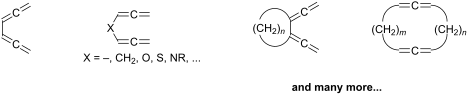
Figure 3: Carbon skeletons of selected bisallenes discussed in this review.

Scheme 1: The preparation of 1,2,4,5-hexatetraene (2).

Scheme 2: The preparation of a conjugated bisallene by the DMS-protocol.

Scheme 3: Preparation of the 3-deuterio- and 3,4-dideuterio derivatives of 24.

Scheme 4: A versatile method to prepare alkylated conjugated bisallenes and other allenes.

Scheme 5: A preparation of 3,4-dimethyl-1,2,4,5-hexatetraene (38).

Scheme 6: A (C6 + 0)-approach to 1,2,4,5-hexatetraene (2).

Scheme 7: The preparation of a fully alkylated bisallenes from a 2,4-hexadiyne-1,6-diol diacetate.

Scheme 8: The preparation of the first phenyl-substituted conjugated bisallenes 3 and 4.

Scheme 9: Selective hydrogenation of [5]cumulenes to conjugated bisallenes: another (C6 + 0)-route.

Scheme 10: Aryl-substituted conjugated bisallenes by a (C3 + C3)-approach.

Scheme 11: Hexaphenyl-1,2,4,5-hexatetraene (59) by a (C3 + C3)-approach.

Scheme 12: An allenation route to conjugated bisallenes.

Scheme 13: The preparation of 3,4-difunctionalized conjugated bisallenes.

Scheme 14: Problems during the preparation of sulfur-substituted conjugated bisallenes.

Scheme 15: The preparation of 3,4-dibromo bisallenes.

Scheme 16: Generation of allenolates by an oxy-Cope rearrangement.

Scheme 17: A linear trimerization of alkynes to conjugated bisallenes: a (C2 + C2 + C2)-protocol.

Scheme 18: Preparation of a TMS-substituted conjugated bisallene by a C3-dimerization route.

Scheme 19: A bis(trimethylsilyl)bisallene by a C3-coupling protocol.

Scheme 20: The rearrangement of highly substituted benzene derivatives into their conjugated bisallenic isomer...

Scheme 21: From fully substituted benzene derivatives to fully substituted bisallenes.

Scheme 22: From a bicyclopropenyl to a conjugated bisallene derivative.

Scheme 23: The conversion of a bismethylenecyclobutene into a conjugated bisallene.

Scheme 24: The preparation of monofunctionalized bisallenes.

Scheme 25: Preparation of bisallene diols and their cyclization to dihydrofurans.

Scheme 26: A 3,4-difunctionalized conjugated bisallene by a C3-coupling process.

Scheme 27: Preparation of a bisallenic diketone by a coupling reaction.

Scheme 28: Sulfur and selenium-substituted bisallenes by a [2.3]sigmatropic rearrangement.

Scheme 29: The biallenylation of azetidinones.

Scheme 30: The preparation of a fully ferrocenylated conjugated bisallene.

Scheme 31: The first isomerization of a 1,5-hexadiyne to a 1,2,4,5-hexatetraene.

Scheme 32: The preparation of alkynyl-substituted bisallenes by a C3-dimerization protocol.

Scheme 33: Preparation of another completely ferrocenylated bisallene.

Scheme 34: The cyclization of 1,5-hexadiyne (129) to 3,4-bismethylenecyclobutene (130) via 1,2,4,5-hexatetraen...
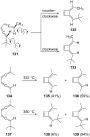
Scheme 35: Stereochemistry of the thermal cyclization of bisallenes to bismethylenecyclobutenes.

Scheme 36: Bisallene→bismethylenecyclobutene ring closures in the solid state.

Scheme 37: A bisallene cyclization/dimerization reaction.

Scheme 38: A selection of Diels–Alder additions of 1,2,4,5-hexatetraene with various double-bond dienophiles.

Scheme 39: The stereochemistry of the [2 + 4] cycloaddition to conjugated bisallenes.

Scheme 40: Preparation of azetidinone derivatives from conjugated bisallenes.

Scheme 41: Cycloaddition of heterodienophiles to a conjugated bisallene.

Scheme 42: Addition of triple-bond dienophiles to conjugated bisallenes.

Scheme 43: Sulfur dioxide addition to conjugated bisallenes.

Scheme 44: The addition of a germylene to a conjugated bisallene.

Scheme 45: Trapping of conjugated bisallenes with phosphinidenes.

Scheme 46: The cyclopropanantion of 1,2,4,5-hexatetraene (2).

Scheme 47: Photochemical reactions involving conjugated bisallenes.

Scheme 48: Base-catalyzed isomerizations of conjugated bisallenes.

Scheme 49: Ionic additions to a conjugated bisallene.

Scheme 50: Oxidation reactions of a conjugated bisallene.
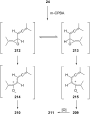
Scheme 51: The mechanism of oxidation of the bisallene 24.

Scheme 52: CuCl-catalyzed cyclization of 1,2,4,5-hexatetraene (2).

Scheme 53: The conversion of conjugated bisallenes into cyclopentenones.

Scheme 54: Oligomerization of a conjugated bisallene by nickel catalysts.
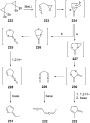
Scheme 55: Generation of 1,2,5,6-heptatetraene (229) as a reaction intermediate.

Scheme 56: The preparation of a stable derivative of 1,2,5,6-heptatetraene.

Scheme 57: A bisallene with a carbonyl group as a spacer element.

Scheme 58: The first preparation of 1,2,6,7-octatetraene (242).

Scheme 59: Preparation of 1,2,6,7-octatetraenes by (C4 + C4)-coupling of enynes.

Scheme 60: Preparation of 1,2,6,7-octatetraenes by (C4 + C4)-coupling of homoallenyl bromides.

Scheme 61: Preparation of 1,2,6,7-octatetraenes by alkylation of propargylic substrates.

Scheme 62: Preparation of two highly functionalized 1,2,6,7-octatetraenes.

Scheme 63: Preparation of several higher α,ω-bisallenes.

Scheme 64: Preparation of different alkyl derivatives of α,ω-bisallenes.

Scheme 65: The preparation of functionalized 1,2,7,8-nonatetraene derivatives.

Scheme 66: Preparation of functionalized α,ω-bisallenes.

Scheme 67: The preparation of an α,ω-bisallene by direct homologation of an α,ω-bisalkyne.

Scheme 68: The gas-phase pyrolysis of 4,4-dimethyl-1,2,5,6-heptatetraene (237).
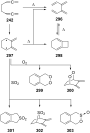
Scheme 69: Gas-phase pyrolysis of 1,2,6,7-octatetraene (242).

Scheme 70: The cyclopropanation of 1,2,6,7-octatetraene (242).

Scheme 71: Intramolecular cyclization of 1,2,6,7-octatetraene derivatives.

Scheme 72: The gas-phase pyrolysis of 1,2,7,8-nonatetraene (265) and 1,2,8,9-decatetraene (266).

Scheme 73: Rh-catalyzed cyclization of a functionalized 1,2,7,8-nonatetraene.

Scheme 74: A triple cyclization involving two different allenic substrates.

Scheme 75: Bicyclization of keto derivatives of 1,2,7,8-nonatetraene.

Scheme 76: The preparation of complex organic compounds from functionalized bisallenes.

Scheme 77: Cycloisomerization of an α,ω-bisallene containing a C9 tether.

Scheme 78: Organoborane polymers from α,ω-bisallenes.

Scheme 79: Preparation of trans- (337) and cis-1,2,4,6,7-octapentaene (341).

Scheme 80: The preparation of 4-methylene-1,2,5,6-heptatetraene (349).

Scheme 81: The preparation of acetylenic bisallenes.

Scheme 82: The preparation of derivatives of hydrocarbon 351.

Scheme 83: The construction of macrocyclic alleno-acetylenes.

Scheme 84: Preparation and reactions of 4,5-bismethylene-1,2,6,7-octatetraene (365).

Scheme 85: Preparation of 1,2-bis(propadienyl)benzene (370).

Scheme 86: The preparation of 1,4-bis(propadienyl)benzene (376).

Scheme 87: The preparation of aromatic and heteroaromatic bisallenes by metal-mediated coupling reactions.

Scheme 88: Double cyclization of an aromatic bisallene.

Scheme 89: Preparation of an allenic [15]paracyclophane by a ring-closing metathesis reaction of an aromatic α...

Scheme 90: Preparation of a macrocyclic ring system containing 1,4-bis(propadienyl)benzene units.

Scheme 91: Preparation of copolymers from 1,4-bis(propadienyl)benzene (376).

Scheme 92: A boration/copolymerization sequence of an aromatic bisallene and an aromatic bisacetylene.

Scheme 93: Formation of a layered aromatic bisallene.

Figure 4: The first members of the semicyclic bisallene series.

Scheme 94: Preparation of the first bis(vinylidene)cyclobutane derivative.
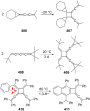
Scheme 95: Dimerization of strain-activated cumulenes to bis(vinylidene)cyclobutanes.

Scheme 96: Photodimerization of two fully substituted butatrienes in the solid state.

Scheme 97: Preparation of the two parent bis(vinylidene)cyclobutanes.

Scheme 98: The preparation of 1,3-bis(vinylidene)cyclopentane and its thermal isomerization.

Scheme 99: The preparation of the isomeric bis(vinylidene)cyclohexanes.

Scheme 100: Bi- and tricyclic conjugated bisallenes.
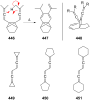
Scheme 101: A selection of polycyclic bisallenes.

Scheme 102: The first endocyclic bisallenes.

Figure 5: The stereochemistry of 1,2,6,7-cyclodecatetraene.

Scheme 103: The preparation of several endocyclic bisallenes.

Scheme 104: Synthesis of diastereomeric derivatives of 1,2,6,7-cyclodecatetraene.

Scheme 105: Preparation of a derivative of 1,2,8,9-cyclotetradecatetraene.

Scheme 106: The preparation of keto derivatives of cyclic bisallenes.

Scheme 107: The preparation of cyclic biscumulenic ring systems.

Scheme 108: Cyclic bisallenes in natural- and non-natural-product chemistry.

Scheme 109: The preparation of iron carbonyl complexes from cyclic bisallenes.

Figure 6: A selection of unknown exocyclic bisallenes that should have interesting chemical properties.

Scheme 110: The thermal isomerization of 1,2-diethynylcyclopropanes and -cyclobutanes.

Scheme 111: Intermediate generation of a cyclooctapentaene.

Scheme 112: Attempted preparation of a cyclodecahexaene.

Scheme 113: The thermal isomerization of 1,5,9-cyclododecatriyne (511) into [6]radialene (514).

Scheme 114: An isomerization involving a diketone derived from a conjugated bisallene.

Scheme 115: Typical reaction modes of heteroorganic bisallenes.

Scheme 116: Generation and thermal behavior of acyclic hetero-organic bisallenes.

Scheme 117: Generation of bis(propadienyl)thioether.

Scheme 118: The preparation of a bisallenic sulfone and its thermal isomerization.

Scheme 119: Bromination of the bisallenic sulfone 535.

Scheme 120: Metalation/hydrolysis of the bisallenic sulfone 535.

Scheme 121: Aromatic compounds from hetero bisallenes.

Scheme 122: Isomerization/cyclization of bispropargylic ethers.

Scheme 123: The preparation of novel aromatic systems by base-catalyzed isomerization of bispropargyl ethers.

Scheme 124: The isomerization of bisacetylenic thioethers to bicyclic thiophenes.

Scheme 125: Aromatization of macrocyclic bispropargylic sulfides.

Scheme 126: Preparation of ansa-compounds from macrocyclic bispropargyl thioethers.

Scheme 127: Alternate route for cyclization of a heterorganic bisallene.
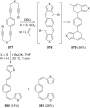
Scheme 128: Multiple isomerization/cyclization of “double” bispropargylic thioethers.

Scheme 129: Preparation of a bisallenyl disulfide and its subsequent bicyclization.

Scheme 130: Thermal cyclization of a bisallenyl thiosulfonate.

Scheme 131: Some reactions of heteroorganic bisallenes with two sulfur atoms.

Scheme 132: Further methods for the preparation of heteroorganic bisallenes.

Scheme 133: Cyclization reactions of heteroorganic bisallenes.

Scheme 134: Thermal cycloadditions of bisallenic tertiary amines.

Scheme 135: Cyclization of a bisallenic tertiary amine in the presence of a transition-metal catalyst.

Scheme 136: A Pauson–Khand reaction of a bisallenic ether.

Scheme 137: Formation of a 2:1adduct from two allenic substrates.

Scheme 138: A ring-forming silastannylation of a bisallenic tertiary amine.

Scheme 139: A three-component cyclization involving a heterorganic bisallene.

Scheme 140: Atom-economic construction of a complex organic framework from a heterorganic α,ω-bisallene.
Palladium-catalyzed dual C–H or N–H functionalization of unfunctionalized indole derivatives with alkenes and arenes
- Gianluigi Broggini,
- Egle M. Beccalli,
- Andrea Fasana and
- Silvia Gazzola
Beilstein J. Org. Chem. 2012, 8, 1730–1746, doi:10.3762/bjoc.8.198
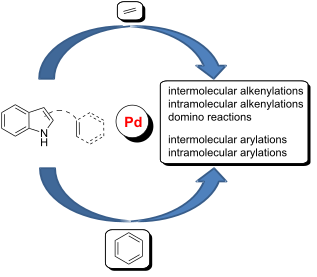
- effect of Cu(OAc)2 and AgOAc as oxidant, a determinant role on the selectivity of direct C–H to C–H cross-coupling reactions was played by the acidity of the medium, as shown by reactions carried out in the presence of AcOH [58][59]. Based on experimental and computational data, a concerted metalation

Graphical Abstract

Scheme 1: Typical catalytic cycle for Pd(II)-catalyzed alkenylation of indoles.

Scheme 2: Application of Fujiwara’s reaction to electron-rich heterocycles.

Scheme 3: Regioselective alkenylation of the unprotected indole.

Scheme 4: Plausible mechanism of the selective indole alkenylation, adapted from [49].

Scheme 5: Directing-group control in intermolecular indole alkenylation.

Scheme 6: Direct C–H alkenylation of N-(2-pyridyl)sulfonylindole.
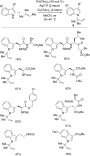
Scheme 7: N-Prenylation of indoles with 2-methyl-2-butene.

Scheme 8: Proposed mechanism of the N-indolyl prenylation.

Scheme 9: Regioselective arylation of indoles by dual C–H functionalization.

Scheme 10: Plausible mechanism of the selective indole arylation.

Scheme 11: Chemoselective cyclization of N-allyl-1H-indole-2-carboxamide derivatives.

Scheme 12: Intramolecular annulations of alkenylindoles.

Scheme 13: A mechanistic probe for intramolecular annulations of alkenylindoles, adapted from Ferreira et al. [66]....

Scheme 14: Asymmetric indole annulations catalyzed by chiral Pd(II) complexes.

Scheme 15: Aerobic Pd(II)-catalyzed endo cyclization and subsequent amide cleavage/ester formation.

Scheme 16: Synthesis of the pyrimido[3,4-a]indole skeleton by intramolecular C-2 alkenylation.

Scheme 17: Synthesis of azepinoindoles by oxidative Heck cyclization.

Scheme 18: Enantioselective synthesis of 4-vinyl-substituted tetrahydro-β-carbolines.

Scheme 19: Pd-catalyzed endo-cyclization of 3-alkenylindoles for the construction of carbazoles.

Scheme 20: Pd-catalyzed hydroamination of 2-indolyl allenamides.

Scheme 21: Amidation reaction of 1-allyl-2-indolecarboxamides.

Scheme 22: Intramolecular cyclization of N-benzoylindole.

Scheme 23: Intramolecular alkenylation/carboxylation of alkenylindoles.

Scheme 24: Intermolecular alkenylation/carboxylation of 2-substituted indoles.

Scheme 25: Mechanistic investigation of the cyclization/carboxylation reaction.

Scheme 26: Plausible catalytic cycle for the cyclization/carboxylation of alkenylindoles, adapted from Liu et ...

Scheme 27: Intramolecular domino reactions of indolylallylamides through alkenylation/halogenation or alkenyla...

Scheme 28: Proposed mechanism for the alkenylation/esterification process through iminium intermediates.

Scheme 29: Cyclization of 3-indolylallylcarboxamides involving 1,2-migration of the acyl group from spiro-inte...

Scheme 30: Domino reactions of 2-indolylallylcarboxamides involving N–H functionalization.

Scheme 31: Cyclization/acyloxylation reaction of 3-alkenylindoles.

Scheme 32: Doubly intramolecular C–H functionalization of a 2-indolylcarboxamide bearing two allylic groups.
Aldol elaboration of 4,5,6,7-tetrahydroisoxazolo[4,3-c]pyridin-4-ones, masked precursors to acylpyridones
- Raymond C. F. Jones,
- Abdul K. Choudhury,
- James N. Iley,
- Mark E. Light,
- Georgia Loizou and
- Terence A. Pillainayagam
Beilstein J. Org. Chem. 2012, 8, 308–312, doi:10.3762/bjoc.8.33
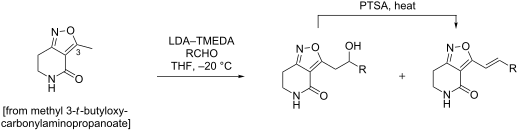
- condensation to give new 3-alkenyl-4,5,6,7-tetrahydroisoxazolo[4,3-c]pyridine-4-ones, which are masked forms related to the acylpyridone natural products. Keywords: aldol reaction; fused-ring systems; heterocycles; isoxazole; metalation; pyridone; Introduction The 3-acyl-4-hydroxypyridin-2-one moiety 1
- tetrahydroisoxazolopyridone 6 was to use the direct deprotonation strategy employed with the corresponding dehydro derivative 4 [16]. It is well-precedented that 3,5-disubstituted isoxazoles undergo lateral deprotonation–metalation preferentially at the C-5 substituent [17][18] (isoxazole numbering), which corresponds to the

Graphical Abstract

Figure 1: The 3-acyl-4-hydroxypyridin-2-one motif, example natural products and the isoxazolopyridone scaffol...

Scheme 1: Aldol reactions of tetrahydroisoxazolopyridone 6. Reagents: (i) LDA–TMEDA, RCHO, THF, −20 °C; (ii) ...

Figure 2: X-ray crystal structure of 3-(2-phenylethenyl)-4,5,6,7-tetrahydroisoxazolo[4,3-c]pyridin-4-one (8a) ...

Figure 3: Ilicicolin H as an example of a 3-decalinoyl-4-hydroxypyridin-2-one metabolite.

Scheme 2: Retrosynthetic analysis of a model 3-decalinyl-4,5,6,7-tetrahydroisoxazolopyridone 10.

Scheme 3: Synthesis of triene 11. Reagents: (i), LDA, propenal, THF, −78 °C; (ii), LiAlH4, THF, 20 °C (75%); ...
Recent advances in direct C–H arylation: Methodology, selectivity and mechanism in oxazole series
- Cécile Verrier,
- Pierrik Lassalas,
- Laure Théveau,
- Guy Quéguiner,
- François Trécourt,
- Francis Marsais and
- Christophe Hoarau
Beilstein J. Org. Chem. 2011, 7, 1584–1601, doi:10.3762/bjoc.7.187
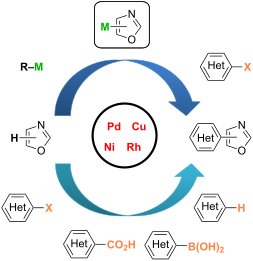
- in this article. Methodologies, selectivity, mechanism and future aspects are presented. Keywords: ate complex; catalytic direct arylation; mechanism; oxazole; selectivity; transition-metal catalysis; Introduction Deprotonative metalation of aromatics is widely used as a powerful method for
- ], manganate ((Me3SiCH2)2Mn(TMP)Li·TMEDA) [3][8], cuprates (MeCu(TMP)(CN)Li2, (TMP)2CuLi) [9][10] and cadmium amides ((TMP)3CdLi) [11][12], for regio- and/or chemoselective deprotonative metalation of aromatics, producing arylmetal intermediates under smooth reaction conditions that are directly suitable for
- electrophilic reactions as well as transition-metal-catalyzed cross-coupling reactions. By contrast, the methodology for transition-metal-catalyzed direct arylation [13][14][15][16][17][18] is based upon the use of various catalytic metalation processes, such as electrophilic metalation, oxidative addition

Graphical Abstract

Scheme 1: Stoichiometric and catalytic direct (hetero)arylation of arenes.

Scheme 2: Stille and Negishi cross-coupling methodologies in oxazole series [28,30,31,33,34].

Scheme 3: Stoichiometric direct (hetero)arylation of (benz)oxazole with magnesate bases [35].

Scheme 4: Ohta's pioneering catalytic direct C5-selective pyrazinylation of oxazole [36,37].

Scheme 5: Preparation of pharmaceutical compounds by following the pioneering Ohta protocol [38,39].

Scheme 6: Miura’s pioneering catalytic direct arylations of (benz)oxazoles [40]. aIsolated yield.

Scheme 7: Pd(0)- and Cu(I)-catalyzed direct C2-selective arylation of (benz)oxazoles [41-44].

Scheme 8: Cu(I)-catalyzed direct C2-selective arylations of (benz)oxazoles [40,45-47].

Scheme 9: Copper-free Pd(0)-catalyzed direct C5- and C2-selective arylation of oxazole-4-carboxylate esters [48-50,52].
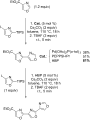
Scheme 10: Iterative synthesis of bis- and trioxazoles [51].
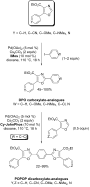
Scheme 11: Preparation of DPO- and POPOP-analogues [53].

Scheme 12: Pd(0)-catalyzed direct arylation of benzoxazole with aryl chlorides [54].

Scheme 13: Pd(0)-catalyzed direct C2-selective arylation of (benz)oxazoles with bromides and chlorides using b...

Scheme 14: Palladium-catalyzed direct arylation of oxazoles under green conditions; (a) Zhuralev direct arylat...

Scheme 15: Pd(0)-catalyzed C2- and C5-selective (hetero)arylation of oxazole [63].

Scheme 16: Pd(0)-catalyzed C2- and C5-selective (hetero)arylation of ethyl oxazole-4-carboxylate [64].

Scheme 17: Pd(0)-catalyzed direct C4-phenylation of oxazoles; (a) Miura’s procedure [65]; (b) Fagnou’s procedure [66].

Scheme 18: Catalytic cycles for Cu(I)-catalyzed (routeA) and Pd(0)/Cu(I)-catalyzed (route B) direct arylation ...
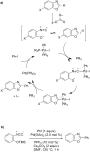
Scheme 19: Base-assisted, Pd(0)-catalyzed, C2-selective, direct arylation of benzoxazole proposed by Zhuralev [58]...

Scheme 20: Electrophilic substitution-type mechanism proposed by Hoarau [64].

Scheme 21: CMD-proceeding C5-selective direct arylation of oxazole proposed by Strotman and Chobabian [63].

Scheme 22: DFT calculations on methyl oxazole-4-carboxylate and consequently developed methodologies for the P...

Scheme 23: Pd(0)-catalyzed direct arylation of (benz)oxazoles with tosylates and mesylates [71].

Scheme 24: Pd(0)-catalyzed direct arylation of oxazoles with sulfamates [72].

Scheme 25: Pd(II)- and Cu(II)-catalyzed decarboxylative direct C–H coupling of oxazoles with 4- and 5-carboxyo...

Scheme 26: Pd(II)- and Ag(II)-catalyzed decarboxylative direct arylation of (benzo)oxazoles [74]; (a) procedure; (...

Scheme 27: Pd(II)- and Cu(II)-catalyzed direct arylation of benzoxazole with arylboronic acids [76]; (a) procedure...

Scheme 28: Ni(II)-catalyzed direct arylation of benzoxazoles with arylboronic acids under O2 [76]; (a) procedure; ...

Scheme 29: Rhodium-catalyzed direct arylation of benzoxazole [78,79].

Scheme 30: Ni(II)-catalyzed direct arylation of (benz)oxazoles with aryl halides; (a) Itami's procedure [80]; (b) ...
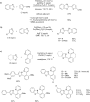
Scheme 31: Dehydrogenative cross-coupling of (benz)oxazoles; (a) Pd(II)- and Cu(II)-catalyzed cross-coupling o...
Directed ortho,ortho'-dimetalation of hydrobenzoin: Rapid access to hydrobenzoin derivatives useful for asymmetric synthesis
- Inhee Cho,
- Labros Meimetis,
- Lee Belding,
- Michael J. Katz,
- Travis Dudding and
- Robert Britton
Beilstein J. Org. Chem. 2011, 7, 1315–1322, doi:10.3762/bjoc.7.154
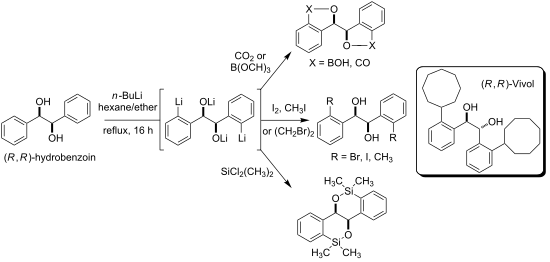
- .7.154 Abstract A variety of ortho,ortho'-disubstituted hydrobenzoin derivatives are readily accessible through a directed ortho,ortho'-dimetalation strategy in which the alcohol functions in hydrobenzoin are deprotonated by n-BuLi and the resulting lithium benzyl alkoxides serve as directed metalation
- groups. The optimization and scope of this reaction are discussed, and the utility of this process is demonstrated in the one-pot preparation of a number of chiral diols as well as a short synthesis of the chiral ligand Vivol. Keywords: chiral diol; directed ortho-metalation; hydrobenzoin; Introduction
- ] through a directed ortho,ortho'-dimetalation strategy in which the alcohol functions in hydrobenzoin are deprotonated by n-BuLi and the resulting lithium benzyl alkoxides serve as directed metalation groups (DMGs) [24][25][26][27][28] and facilitate formation of the tetralithio intermediate 8. Herein, we

Graphical Abstract

Figure 1: Chiral diols useful for asymmetric synthesis and the tetralithio intermediate 8.

Scheme 1: Directed ortho,ortho'-dimetalation of (R,R)-hydrobenzoin (3).

Figure 2: Percentage of (R,R)-hydrobenzoin (3) (○), monodeuterohydrobenzoin (13) (■), and dideuterohydrobenzo...

Figure 3: Percentage of methylhydrobenzoin (14) (■), and dimethylhydrobenzoin (15) (Δ) as determined by 1H NM...

Scheme 2: Formation of the tetralithio intermediate 8 and the X-ray crystal structure of the bis(siloxane) 19....

Scheme 3: Reaction of the tetralithio intermediate 8 with various electrophiles.

Scheme 4: Reactions of the diiodohydrobenzoin 12 and X-ray crystal structure of the dihydrosilepin 31.

Scheme 5: Cross coupling reactions of the bis(benzoxaborol) 20 and a short formal synthesis of (R,R)-Vivol (4...
Functionalization of heterocyclic compounds using polyfunctional magnesium and zinc reagents
- Paul Knochel,
- Matthias A. Schade,
- Sebastian Bernhardt,
- Georg Manolikakes,
- Albrecht Metzger,
- Fabian M. Piller,
- Christoph J. Rohbogner and
- Marc Mosrin
Beilstein J. Org. Chem. 2011, 7, 1261–1277, doi:10.3762/bjoc.7.147
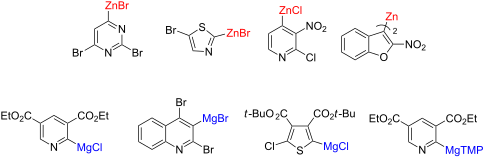
- . Experimental details are given for the most important reactions in the Supporting Information File 1 of this article. Keywords: cross-coupling; heterocycles; insertion; metalation; organomagnesium; organozinc; Introduction The functionalization of heterocyclic scaffolds is an important task in current
- aryl or heteroaryl halides; the metalation of aryl or heteroaryl derivatives with TMP2Zn·2MgCl2·2LiCl. These three methods, developed recently in our laboratories, provide access to numerous heterocyclic zinc reagents (Scheme 1). 1.1 The direct insertion of zinc in the presence of LiCl Although the
- TMPMgCl·LiCl (41) can be performed. The strongly electron-withdrawing properties of the chloro-substituent favor a metalation at position 5. After the addition of pivaldehyde, the subsequent addition of a second equivalent of TMPMgCl·LiCl (41; −30 °C, 1.5 h) allows now a magnesiation in position 3. Quenching

Graphical Abstract

Scheme 1: Preparation of polyfunctional heteroarylzinc reagents.

Scheme 2: LiCl-mediated insertion of zinc dust to aryl and heteroaryl iodides.

Scheme 3: Selective insertions of Zn in the presence of LiCl.

Scheme 4: Chemoselective insertion of zinc in the presence of LiCl.

Scheme 5: Preparation and reactions of benzylic zinc reagents.

Scheme 6: Ni-catalyzed cross-coupling of benzylic zinc reagent 34 with ethyl 2-chloronicotinate.

Scheme 7: In situ generation of arylzinc reagents using Mg in the presence of LiCl and ZnCl2.

Scheme 8: Zincation of heterocycles with TMP2Zn (42).

Scheme 9: Preparation of highly functionalized zincated heterocycles using TMP2Zn·2MgCl2·2LiCl (42).

Scheme 10: Microwave-accelerated zincation of heterocycles using TMP2Zn·2MgCl2·2LiCl (42).

Scheme 11: The I/Mg-exchange as a metal-metathesis reaction.

Scheme 12: Regioselective Br/Mg-exchange of dibromoquinolines 65 and 68.

Scheme 13: Improved reagents for the regioselective Br/Mg-exchange on bromoquinolines.

Scheme 14: Synthesis of ellipticine (83) using an I/Mg-exchange reaction.

Scheme 15: An oxidative amination leading to the biologically active adenine, purvalanol A (84).

Scheme 16: Preparation of polyfunctional arylmagnesium reagents using Mg in the presence of LiCl.

Scheme 17: Preparation of polyfunctional magnesium reagents starting from organic chlorides.

Scheme 18: Selective multiple magnesiation of the pyrimidine ring.

Scheme 19: Synthesis of a p38 kinase inhibitor 119 and of a sPLA2 inhibitor 123.

Scheme 20: Synthesis of highly substituted indoles of type 128.

Scheme 21: Efficient magnesiations of polyfunctional aromatics and heterocycles using TMP2Mg·2LiCl (129).

Scheme 22: Negishi cross-coupling in the presence of substrates bearing an NH- or an OH-group.

Scheme 23: Negishi cross-coupling in the presence of a serine moiety.

Scheme 24: Radical catalysis for the performance of very fast Kumada reactions.

Scheme 25: MgCl2-mediated addition of functionalized aromatic, heteroaromatic, alkyl and benzylic organozincs ...
Combined directed ortho-zincation and palladium-catalyzed strategies: Synthesis of 4,n-dimethoxy-substituted benzo[b]furans
- Verónica Guilarte,
- M. Pilar Castroviejo,
- Estela Álvarez and
- Roberto Sanz
Beilstein J. Org. Chem. 2011, 7, 1255–1260, doi:10.3762/bjoc.7.146

- took place regioselectively and, after treatment with iodine, afforded the corresponding 3-halo-2-iodoanisole derivatives 4 in good yields (Table 1). It is interesting to note that substrates 3c and 3d bearing the two methoxy groups in a meta relationship selectively undergo metalation at the position

Graphical Abstract

Figure 1: Some representative dihydroxybenzofuran derived natural products.

Scheme 1: Retrosynthetic analysis of 4,n-dimethoxy-substituted benzo[b]furans.

Scheme 2: Deprotonative zincation of 3-haloanisoles 1.
Use of mixed Li/K metal TMP amide (LiNK chemistry) for the synthesis of [2.2]metacyclophanes
- Marco Blangetti,
- Patricia Fleming and
- Donal F. O'Shea
Beilstein J. Org. Chem. 2011, 7, 1249–1254, doi:10.3762/bjoc.7.145
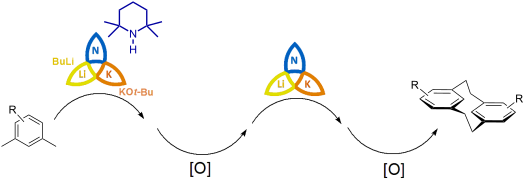
- substituted m-xylenes is described. The strategy employs a selective benzylic metalation and oxidative C–C bond formation for both synthetic operations. Regioselective benzylic metalation is achieved using the BuLi, KOt-Bu, TMP(H) (2,2,6,6-tetramethylpiperidine) combination (LiNK metalation conditions) and
- oxidative coupling with 1,2-dibromoethane. The synthetic ease of this approach compares favourably with previously reported methods and allows for ready access to potentially useful planar chiral derivatives. Keywords: benzylic metalation; LiNK chemistry; [2.2]metacyclophane; oxidative coupling; planar
- chirality; Introduction While direct metalation reactions are an essential contribution to the repertoire of modern synthetic methods, an underlying and often underestimated challenge remains in the achievement of predictable selective metalations of substrates that offer several potential sites of

Graphical Abstract

Scheme 1: Selective benzylic metalation with LiNK conditions. DG = directing group.

Scheme 2: Iterative LiNK/oxidative coupling synthesis of [2.2]metacyclophanes.

Figure 1: Xylene substrates.

Figure 2: Metalation selectivity for 4e (arrows indicate potential metalation sites). 2H NMR spectrum in CH2Cl...

Figure 3: Di-metalation selectivity for 6f. 2H NMR spectrum in CH2Cl2. *CD2Cl2.

Figure 4: X-Ray structure of 8c with thermal ellipsoids drawn at 50% probability level.
Selectivity in C-alkylation of dianions of protected 6-methyluridine
- Ngoc Hoa Nguyen,
- Christophe Len,
- Anne-Sophie Castanet and
- Jacques Mortier
Beilstein J. Org. Chem. 2011, 7, 1228–1233, doi:10.3762/bjoc.7.143
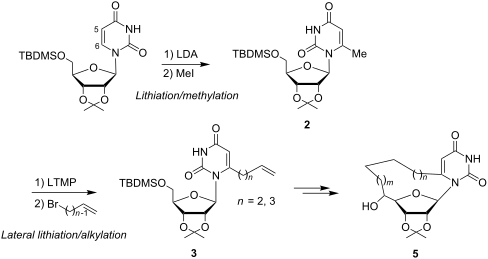
- organolithiums [14], and indeed, 7 failed to react, in our experiments, with 4-bromo-but-1-ene to give 9. We then turned our attention to the metalation of the 5'-O-TBDMS protected nucleoside 10 (Figure 2). Treatment with LDA (5 equiv) in THF at −70 °C followed by addition of D2O provided 12 in 82% yield
- then embarked on a detailed investigation of the lithiation/alkylation of 6-methyluridine 2, varying the base, metalation temperature, and exposure times (Scheme 3). We were concerned with the question of relative acidity of the methyl (C7) and the C5 centers that can compete through 18A or 18B [34][35
- the assignment of the proton–proton correlations of H7 and the allylic methylene groups. Metalation with s-BuLi/TMEDA complex was less efficient although the reaction did not lead to degradation products (entry 6). Ring/internal lithiations of uridine derivatives with s-BuLi/TMEDA are usually

Graphical Abstract

Scheme 1: Synthesis of potent antiviral and antitumor cyclonucleosides 5.
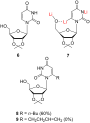
Figure 1: Lithiation of 2',3'-O-isopropylideneuridine (6).

Figure 2: Metalation of 5'-O-TMDMS protected nucleoside 10.

Figure 3: Lithiation/alkylation of 2',3',5'-tri-O-benzoyl-3,6-dimethyluridine (13) using LDA.

Scheme 2: Preparation of 2',3'-O-isopropylidene-5'-O-(tert-butyldimethylsilyl)-6-methyluridine (2).

Scheme 3: Lateral lithiation/alkylation of 6-methyluridine 2.

Figure 4: Bis-allylated products 20 and 21.
Directed aromatic functionalization
- Victor Snieckus
Beilstein J. Org. Chem. 2011, 7, 1215–1218, doi:10.3762/bjoc.7.141
- since the independent discoveries by Gilman and Wittig, the directed ortho metalation (DoM) reaction has trickled into the armamentarium of the synthetic chemist (but not significantly into textbooks [8][14]), as a general and rational strategy for the construction of polysubstituted aromatics and
- Roberto Sanz; a hint of the potential of meta metalation by mixed metal/amide bases is posited by Robert Mulvey; and the application of such base combinations for the ready construction of planar chiral metacyclophanes is delightfully revealed by Donal O’Shea; striking evidence of the power of aryl metal

Figure 1: Directed aromatic functionalization methods.
The role of silver additives in gold-mediated C–H functionalisation
- Scott R. Patrick,
- Ine I. F. Boogaerts,
- Sylvain Gaillard,
- Alexandra M. Z. Slawin and
- Steven P. Nolan
Beilstein J. Org. Chem. 2011, 7, 892–896, doi:10.3762/bjoc.7.102
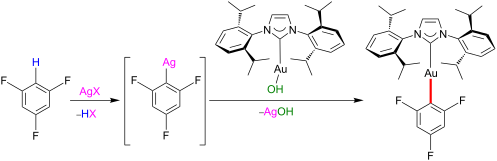
- gold in homogeneous catalysis is an area where fascinating advances have been realised in the last few years [1][2][3][4]. One of these discoveries has focused on the possibility of using gold in metalation reactions [5][6][7][8] directly leading to organogold complexes. The further use of organogold
- complexes bearing N-heterocyclic carbenes (NHC) [9][10] as supporting ligands has enabled the isolation of a “golden synthon”, [Au(OH)(IPr)] 1 (IPr = 1,3-bis(2,6-diisopropylphenyl)imidazol-2-ylidene), that is able to participate in metalation reactions with aromatic C–H bonds (Scheme 1) [11]. The reactivity
- (Scheme 2) [16]. The observation of a high kinetic isotope effect is suggestive of a concerted metalation–deprotonation mechanism, as first suggested for Pd(II) complexes, in which a pivalate ligand behaves as a proton acceptor via a six-membered transition state [17]. However, addition via a transient Au

Graphical Abstract

Scheme 1: Silver-free C–H functionalisation using [Au(OH)(IPr)].

Scheme 2: C–H functionalisation of 2 using gold-phosphine complexes and a silver additive.

Figure 1: X-ray structure of [Au(OPiv)(IPr)] 3. Thermal ellipsoids are shown at the 50% probability level. H ...

Scheme 3: Carboxylation of 2 using 1 and Ag2O.
Au(I)/Au(III)-catalyzed Sonogashira-type reactions of functionalized terminal alkynes with arylboronic acids under mild conditions
- Deyun Qian and
- Junliang Zhang
Beilstein J. Org. Chem. 2011, 7, 808–812, doi:10.3762/bjoc.7.92
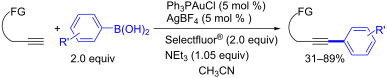
- cationic gold(I) species A is oxidized by Selectfluor® to give a gold(III) species B [26][27][28][29][30][31][32][36]. With the aid of base, the reaction between B and alkyne affords intermediate C. The weak Au–F bond and the strong B–F bond drive the trans-metalation to produce intermediate D [29][36][37

Graphical Abstract

Scheme 1: Previous work and our projected gold-catalyzed Sonogashira-type cross-coupling.

Scheme 2: Scope of the Sonogashira-type cross-coupling reaction (isolated yield). aAgOTf in place of AgBF4. b...

Scheme 3: Proposed mechanism for the Au(I)/Au(III)-catalyzed Sonogashira-type cross-coupling.
Syntheses and properties of thienyl-substituted dithienophenazines
- Annemarie Meyer,
- Eva Sigmund,
- Friedhelm Luppertz,
- Gregor Schnakenburg,
- Immanuel Gadaczek,
- Thomas Bredow,
- Stefan-S. Jester and
- Sigurd Höger
Beilstein J. Org. Chem. 2010, 6, 1180–1187, doi:10.3762/bjoc.6.135
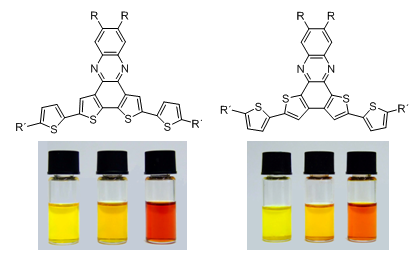
- prepared first 3,3’-thenil (2) by metalation of 3-bromothiophene and reaction with dimethyl oxalate [19]. Subsequent oxidative intramolecular thiophene-thiophene coupling [20] with FeCl3 yielded 3 as a dark red (nearly black) solid. Bromination of 3 with bromine in acetic acid/chloroform gave 4 in nearly

Graphical Abstract

Scheme 1: Synthesis of 4. a) 1) EtLi, Et2O, −78 °C, 1 h; 2) (COOMe)2, Et2O, −78 °C, 2 h, 33%; b) FeCl3, MeNO2...

Scheme 2: Synthesis of 8. a) Pd(PPh3)4, Na2CO3, toluene, EtOH, H2O, reflux, 87%; b) oxalyl chloride, 1,2-dich...

Scheme 3: Preparation of phenazine isomers. a) AcOH, 50 °C, 2 h, 93% (10a), 53% (10b). b) AcOH, 50 °C, 2 h, 6...

Scheme 4: Suzuki–Miyaura reactions with 10a/10b. a) Pd(PPh3)4, Na2CO3, toluene, EtOH, H2O, reflux, 23% (12a),...

Scheme 5: Suzuki–Miyaura reactions with 11a/11b. a) Pd(PPh3)4, Na2CO3, toluene, EtOH, H2O, reflux, 50% (16), ...

Figure 1: a) Absorption (solid lines) and emission (dotted lines) spectra of compounds 12a (blue), 13 (red), ...

Figure 2: Calculated absorption spectra of (a) 19, (b) 20, (c) 12a, (d) 13 with R=CH3, (e) 16 and (f) 17a. In...

Figure 3: Self-assembled monolayer of 12b on HOPG. a) STM image (VS = −0.8 V, It = 80 pA, image size 25.0 × 2...
Molecular recognition of organic ammonium ions in solution using synthetic receptors
- Andreas Späth and
- Burkhard König
Beilstein J. Org. Chem. 2010, 6, No. 32, doi:10.3762/bjoc.6.32

Graphical Abstract

Figure 1: Biologically important amines and quaternary ammonium salts: histamine (1), dopamine (2) and acetyl...

Figure 2: Crown ether 18-crown-6.

Figure 3: Conformations of 18-crown-6 (4) in solvents of different polarity.

Figure 4: Binding topologies of the ammonium ion depending on the crown ring size.
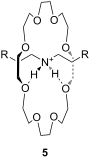
Figure 5: A “pseudorotaxane” structure consisting of 24-crown-8 and a secondary ammonium ion (5); R = Ph.

Figure 6: Typical examples of azacrown ethers, cryptands and related aza macrocycles.

Figure 7: Binding of ammonium to azacrown ethers and cryptands [111-113].

Figure 8: A 19-crown-6-ether with decalino blocking groups (11) and a thiazole-dibenzo-18-crown-6-ether (12).

Figure 9: 1,3-Bis(6-oxopyridazin-1-yl)propane derivatives 13 and 14 by Campayo et al.

Figure 10: Fluorescent azacrown-PET-sensors based on coumarin.

Figure 11: Two different pyridino-cryptands (17 and 18) compared to a pyridino-crown (19); chiral ammonium ion...

Figure 12: Pyridino-18-crown-6 ligand (21), a similar acridino-18-crown-6 ligand (22) and a structurally relat...

Figure 13: Ciral pyridine-azacrown ether receptors 24.

Figure 14: Chiral 15-crown-5 receptors 26 and an analogue 18-crown-6 ligand 27 derived from amino alcohols.

Figure 15: C2-symmetric chiral 18-crown-6 amino alcohol derivatives 28 and related macrocycles.

Figure 16: Macrocycles with diamide-diester groups (30).

Figure 17: C2-symmetric chiral aza-18-crown-6 ethers (31) with phenethylamine residues.

Figure 18: Chiral C-pivot p-methoxy-phenoxy-lariat ethers.

Figure 19: Chiral lariat crown ether 34.

Figure 20: Sucrose-based chiral crown ether receptors 36.
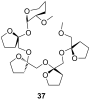
Figure 21: Permethylated fructooligosaccharide 37 showing induced-fit chiral recognition.

Figure 22: Biphenanthryl-18-crown-6 derivative 38.

Figure 23: Chiral lariat crown ethers derived from binol by Fuji et al.

Figure 24: Chiral phenolic crown ether 41 with “aryl chiral barriers” and guest amines.
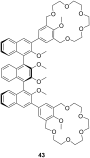
Figure 25: Chiral bis-crown receptor 43 with a meso-ternaphthalene backbone.

Figure 26: Chromogenic pH-dependent bis-crown chemosensor 44 for diamines.

Figure 27: Triamine guests for binding to receptor 44.

Figure 28: Chiral bis-crown phenolphthalein chemosensors 46.

Figure 29: Crown ether amino acid 47.

Figure 30: Luminescent receptor 48 for bis-alkylammonium guests.

Figure 31: Luminescent CEAA (49a), a bis-CEAA receptor for amino acids (49b) and the structure of lysine bindi...

Figure 32: Luminescent CEAA tripeptide for binding small peptides.

Figure 33: Bis crown ether 51a self assembles co-operatively with C60-ammonium ion 51b.

Figure 34: Triptycene-based macrotricyclic dibenzo-[24]-crown-8 ether host 52 and guests.

Figure 35: Copper imido diacetic acid azacrown receptor 53a and the suggested His-Lys binding motif; a copper ...

Figure 36: Urea (54) and thiourea (55) benzo crown receptor for transport and extraction of amino acids.

Figure 37: Crown pyryliums ion receptors 56 for amino acids.

Figure 38: Ditopic sulfonamide bridged crown ether receptor 57.

Figure 39: Luminescent peptide receptor 58.

Figure 40: Luminescent receptor 59 for the detection of D-glucosamine hydrochloride in water/ethanol and lumin...

Figure 41: Guanidinium azacrown receptor 61 for simple amino acids and ditopic receptor 62 with crown ether an...

Figure 42: Chiral bicyclic guanidinium azacrown receptor 63 and similar receptor 64 for the enantioselective t...

Figure 43: Receptors for zwitterionic species based on luminescent CEAAs.

Figure 44: 1,10-Azacrown ethers with sugar podand arms and the anticancer agent busulfan.

Figure 45: Benzo-18-crown-6 modified β-cyclodextrin 69 and β-cyclodextrin functionalized with diaza-18-crown-6...

Figure 46: Receptors for colorimetric detection of primary and secondary ammonium ions.

Figure 47: Porphyrine-crown-receptors 72.

Figure 48: Porphyrin-crown ether conjugate 73 and fullerene-ammonium ion guest 74.

Figure 49: Calix[4]arene (75a), homooxocalix[4]arene (75b) and resorcin[4]arene (75c) compared (R = H, alkyl c...

Figure 50: Calix[4]arene and ammonium ion guest (R = H, alkyl, OAcyl etc.), possible binding sites; A: co-ordi...

Figure 51: Typical guests for studies with calixarenes and related molecules.
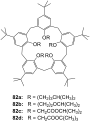
Figure 52: Lower rim modified p-tert-butylcalix[5]arenes 82.

Figure 53: The first example of a water soluble calixarene.

Figure 54: Sulfonated water soluble calix[n]arenes that bind ammonium ions.
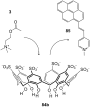
Figure 55: Displacement assay for acetylcholine (3) with a sulfonato-calix[6]arene (84b).

Figure 56: Amino acid inclusion in p-sulfonatocalix[4]arene (84a).

Figure 57: Calixarene receptor family 86 with upper and lower rim functionalization.

Figure 58: Calix[6]arenes 87 with one carboxylic acid functionality.
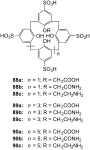
Figure 59: Sulfonated calix[n]arenes with mono-substitution at the lower rim systematically studied on their r...

Figure 60: Cyclotetrachromotropylene host (91) and its binding to lysine (81c).

Figure 61: Calixarenes 92 and 93 with phosphonic acids groups.

Figure 62: Calix[4]arene tetraphosphonic acid (94a) and a double bridged analogue (94b).

Figure 63: Calix[4]arene tetraphosphonic acid ester (92c) for surface recognition experiments.

Figure 64: Calixarene receptors 95 with α-aminophosphonate groups.

Figure 65: A bridged homocalix[3]arene 95 and a distally bridged homocalix[4]crown 96.

Figure 66: Homocalix[3]arene ammonium ion receptor 97a and the Reichardt’s dye (97b) for colorimetric assays.

Figure 67: Chromogenic diazo-bridged calix[4]arene 98.

Figure 68: Calixarene receptor 99 by Huang et al.

Figure 69: Calixarenes 100 reported by Parisi et al.

Figure 70: Guest molecules for inclusion in calixarenes 100: DAP × 2 HCl (101a), APA (101b) and Lys-OMe × 2 HC...

Figure 71: Different N-linked peptido-calixarenes open and with glycol chain bridges.

Figure 72: (S)-1,1′-Bi-2-naphthol calixarene derivative 104 published by Kubo et al.

Figure 73: A chiral ammonium-ion receptor 105 based on the calix[4]arene skeleton.

Figure 74: R-/S-phenylalaninol functionalized calix[6]arenes 106a and 106b.

Figure 75: Capped homocalix[3]arene ammonium ion receptor 107.

Figure 76: Two C3 symmetric capped calix[6]arenes 108 and 109.

Figure 77: Phosphorous-containing rigidified calix[6]arene 110.

Figure 78: Calix[6]azacryptand 111.

Figure 79: Further substituted calix[6]azacryptands 112.

Figure 80: Resorcin[4]arene (75c) and the cavitands (113).

Figure 81: Tetrasulfonatomethylcalix[4]resorcinarene (114).
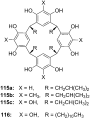
Figure 82: Resorcin[4]arenes (115a/b) and pyrogallo[4]arenes (115c, 116).
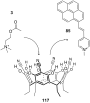
Figure 83: Displacement assay for acetylcholine (3) with tetracyanoresorcin[4]arene (117).

Figure 84: Tetramethoxy resorcinarene mono-crown-5 (118).

Figure 85: Components of a resorcinarene based displacement assay for ammonium ions.

Figure 86: Chiral basket resorcin[4]arenas 121.

Figure 87: Resorcinarenes with deeper cavitand structure (122).

Figure 88: Resorcinarene with partially open deeper cavitand structure (123).

Figure 89: Water-stabilized deep cavitands with partially structure (124, 125).
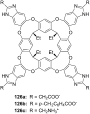
Figure 90: Charged cavitands 126 for tetralkylammonium ions.

Figure 91: Ditopic calix[4]arene receptor 127 capped with glycol chains.

Figure 92: A calix[5]arene dimer for diammonium salt recognition.

Figure 93: Calixarene parts 92c and 129 for the formation molecular capsules.
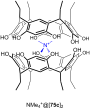
Figure 94: Encapsulation of a quaternary ammonium cation by two resorcin[4]arene molecules (NMe4+@[75c]2 × Cl−...

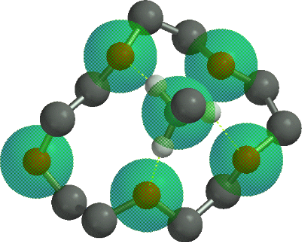
Figure 95: Encapsulation of a quaternary ammonium cation by six resorcin[4]arene molecules (NMe3D+@[130]6 × Cl−...

Figure 96: Structure and schematic of cucurbit[6]uril (CB[6], 131a).
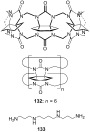
Figure 97: Cyclohexanocucurbit[6]uril (CB′[6], 132) and the guest molecule spermine (133).

Figure 98: α,α,δ,δ-Tetramethylcucurbit[6]uril (134).

Figure 99: Structure of the cucurbituril-phthalhydrazide analogue 135.

Figure 100: Organic cavities for the displacement assay for amine differentiation.

Figure 101: Displacement assay methodology for diammonium- and related guests involving cucurbiturils and some ...

Figure 102: Nor-seco-Cucurbituril (±)-bis-ns-CB[6] (140) and guest molecules.

Figure 103: The cucurbit[6]uril based complexes 141 for chiral discrimination.
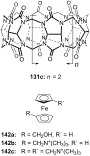
Figure 104: Cucurbit[7]uril (131c) and its ferrocene guests (142) opposed.

Figure 105: Cucurbit[7]uril (131c) guest inclusion and representative guests.

Figure 106: Cucurbit[7]uril (131c) binding to succinylcholine (145) and different bis-ammonium and bis-phosphon...

Figure 107: Paraquat-cucurbit[8]uril complex 149.
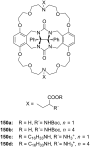
Figure 108: Gluconuril-based ammonium receptors 150.
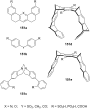
Figure 109: Examples of clefts (151a), tweezers (151b, 151c, 151d) and clips (151e).

Figure 110: Kemp’s triacid (152a), on example of Rebek’s receptors (152b) and guests.

Figure 111: Amino acid receptor (154) by Rebek et al.

Figure 112: Hexagonal lattice designed hosts by Bell et al.

Figure 113: Bell’s amidinium receptor (156) and the amidinium ion (157).
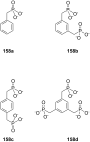
Figure 114: Aromatic phosphonic acids.

Figure 115: Xylene phosphonates 159 and 160a/b for recognition of amines and amino alcohols.
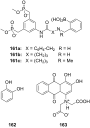
Figure 116: Bisphosphonate recognition motif 161 for a colorimetric assay with alizarin complexone (163) for ca...

Figure 117: Bisphosphonate/phosphate clip 164 and bisphosphonate cleft 165.

Figure 118: N-Methylpyrazine 166a, N-methylnicotinamide iodide (166b) and NAD+ (166c).

Figure 119: Bisphosphate cavitands.
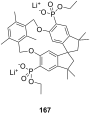
Figure 120: Bisphosphonate 167 of Schrader and Finocchiaro.
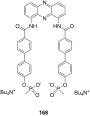
Figure 121: Tweezer 168 for noradrenaline (80b).

Figure 122: Different tripods and heparin (170).
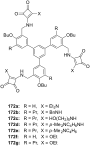
Figure 123: Squaramide based receptors 172.
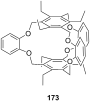
Figure 124: Cage like NH4+ receptor 173 of Kim et al.

Figure 125: Ammonium receptors 174 of Chin et al.

Figure 126: 2-Oxazolin-based ammonium receptors 175a–d and 176 by Ahn et al.

Figure 127: Racemic guest molecules 177.

Figure 128: Tripods based on a imidazole containing macrocycle (178) and the guest molecules employed in the st...

Figure 129: Ammonium ion receptor 180.

Figure 130: Tetraoxa[3.3.3.3]paracyclophanes 181 and a cyclophanic tetraester (182).

Figure 131: Peptidic bridged paraquat-cyclophane.
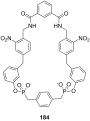
Figure 132: Shape-selective noradrenaline host.

Figure 133: Receptor 185 for binding of noradrenaline on surface layers from Schrader et al.

Figure 134: Tetraphosphonate receptor for binding of noradrenaline.

Figure 135: Tetraphosphonate 187 of Schrader and Finocchiaro.

Figure 136: Zinc-Porphyrin ammonium-ion receptors 188 and 189 of Mizutani et al.
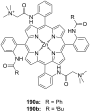
Figure 137: Zinc porphyrin receptor 190.

Figure 138: Zinc porphyrin receptors 191 capable of amino acid binding.

Figure 139: Zinc-porphyrins with amino acid side chains for stereoinduction.

Figure 140: Bis-zinc-bis-porphyrin based on Tröger’s base 193.

Figure 141: BINAP-zinc-prophyrin derivative 194 and it’s guests.

Figure 142: Bisaryl-linked-zinc-porphyrin receptors.
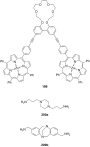
Figure 143: Bis-zinc-porphyrin 199 for diamine recognition and guests.

Figure 144: Bis-zinc-porphyrin crown ether 201.

Figure 145: Bis-zinc-porphyrin 202 for stereodiscrimination (L = large substituent; S = small substituent).

Figure 146: Bis-zinc-porphyrin[3]rotaxane and its copper complex and guests.

Figure 147: Dien-bipyridyl ligand 206 for co-ordination of two metal atoms.

Figure 148: The ligand and corresponding tetradentate co-complex 207 serving as enantioselective receptor for a...

Figure 149: Bis(oxazoline)–copper(II) complex 208 for the recognition of amino acids in aqueous solution.

Figure 150: Zinc-salen-complexes 209 for the recognition tertiary amines.

Figure 151: Bis(oxazoline)–copper(II) 211 for the recognition of amino acids in aqueous solution.

Figure 152: Zn(II)-complex of a C2 terpyridine crown ether.

Figure 153: Displacement assay and receptor for aspartate over glutamate.

Figure 154: Chiral complex 214 for a colorimetric displacement assay for amino acids.

Figure 155: Metal complex receptor 215 with tripeptide side arms.

Figure 156: A sandwich complex 216 and its displaceable dye 217.

Figure 157: Lanthanide complexes 218–220 for amino acid recognition.
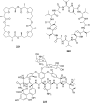
Figure 158: Nonactin (221), valinomycin (222) and vancomycin (223).

Figure 159: Monesin (224a) and a chiral analogue for enantiodiscrimination of ammonium guests (224b).

Figure 160: Chiral podands (226) compared to pentaglyme-dimethylether (225) and 18-crown-6 (4).

Figure 161: Lasalocid A (228).

Figure 162: Lasalocid derivatives (230) of Sessler et al.

Figure 163: The Coporphyrin I tetraanion (231).

Figure 164: Linear and cyclic peptides for ammonium ion recognition.

Figure 165: Cyclic and bicyclic depsipeptides for ammonium ion recognition.
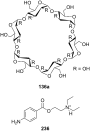
Figure 166: α-Cyclodextrin (136a) and novocaine (236).
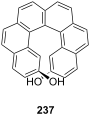
Figure 167: Helical diol receptor 237 by Reetz and Sostmann.

Figure 168: Ammonium binding spherand by Cram et al. (238a) and the cyclic[6]metaphenylacetylene 238b in compar...

Figure 169: Receptor for peptide backbone and ammonium binding (239).

Figure 170: Anion sensor principle with 3-hydroxy-2-naphthanilide of Jiang et al.

Figure 171: 7-bromo-3-hydroxy-N-(2-hydroxyphenyl)naphthalene 2-carboxamide (241) and its amine binding.

Figure 172: Naturally occurring catechins with affinity to quaternary ammonium ions.

Figure 173: Spiropyran (244) and merocyanine form (244a) of the amino acid receptors of Fuji et al.

Figure 174: Coumarin aldehyde (245) and its iminium species with amino acid bound (245a) by Glass et al.
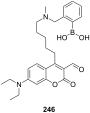
Figure 175: Coumarin aldehyde appended with boronic acid.

Figure 176: Quinolone aldehyde dimers by Glass et al.

Figure 177: Chromogenic ammonium ion receptors with trifluoroacetophenone recognition motifs.

Figure 178: Chromogenic ammonium ion receptor with trifluoroacetophenone recognition motif bound on different m...
A short and efficient synthesis of valsartan via a Negishi reaction
- Samir Ghosh,
- A. Sanjeev Kumar and
- G. N. Mehta
Beilstein J. Org. Chem. 2010, 6, No. 27, doi:10.3762/bjoc.6.27
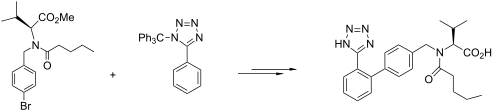
- Samir Ghosh A. Sanjeev Kumar G. N. Mehta Applied Chemistry Department, S.V. National Institute of Technology, Surat-395 007, India 10.3762/bjoc.6.27 Abstract An efficient synthesis of the angiotensin-II inhibitor valsartan (Diovan®) is presented. Directed ortho-metalation of 5-phenyl-1-trityl-1H
- -pentanoyl-L-valinate (5) [9] in 70% yield. Ortho-metalation of 5-phenyl-1-trityl-1H-tetrazole (6) [10] with n-butyllithium at 25 °C followed by treatment with zinc chloride at −20 °C gave the desired organozinc chloride compound. Coupling of the latter with aryl bromide 5 in presence of a catalytic amount

Graphical Abstract

Figure 1: Valsartan.

Scheme 1: Retrosynthetic analysis of 8.

Scheme 2: (a) Et3N, CH2Cl2, 0 °C, 95%; (b) NaH, THF, 70%; (c) n-BuLi, 25 °C, THF, anhyd ZnCl2, −20 °C, Q-phos...
Trifluoromethyl ethers – synthesis and properties of an unusual substituent
- Frédéric R. Leroux,
- Baptiste Manteau,
- Jean-Pierre Vors and
- Sergiy Pazenok
Beilstein J. Org. Chem. 2008, 4, No. 13, doi:10.3762/bjoc.4.13

- reacts with sec-butyllithium in the presence of N,N,N',N'-tetramethylethylenediamine ("TMEDA") smoothly under hydrogen/metal permutation ("metalation") as shown in Scheme 13 [72]. 4-Trifluoromethoxybiphenyl can be metalated using the Schlosser superbase LIC-KOR made by combining butyllithium (LIC) with
- , as in fluoro(trifluoromethoxy)benzenes, the fluorine-adjacent positions are always metalated (Scheme 16) [75]. The OCF3 group reveals a powerful π-polarization as it acidifies not only the ortho but also the meta and para positions strongly. Therefore, metalation of 2- and 4-(trifluoromethoxy)anisole
- metalation with tert-butyllithium, followed by carboxylation (Scheme 20) [71]. When the amino function is protected instead of a BOC group by a silyl group, 3-trifluoromethoxy-N-(trimethylsilyl)aniline is metalated in position 2. However, 3- and 4-trifluoromethoxy-N,N-bis(trimethylsilyl)aniline are metalated

Graphical Abstract

Figure 1: OCF3-bearing pesticides.

Scheme 1: Preparation of trifluoromethyl ethers via a chlorination/fluorination sequence.

Scheme 2: Preparation of trifluoromethyl ethers via an in situ chlorination/fluorination sequence.

Scheme 3: Preparation of trifluoromethyl ethers via chlorothionoformates.

Scheme 4: Preparation of trifluoromethyl ethers via fluoroformates.

Scheme 5: Oxidative desulfurization-fluorination toward trifluoromethyl ethers.

Scheme 6: Mechanism of the oxidative desulfurization-fluorination.

Scheme 7: Umemoto's O-(trifluoromethyl)dibenzofuranium salts 4 as CF3-transfer agents.

Scheme 8: Togni's approach using hypervalent iodine compounds as CF3-transfer agents.

Scheme 9: TAS OCF3 as a nucleophilic OCF3-transfer agent.

Figure 2: Mesomeric structures of the OCF3-group.

Figure 3: Structures of 6 and 7.

Figure 4: Conformational preference of the trifluoromethoxy group on aryl rings.

Scheme 10: Nitration of trifluoromethoxy benzene.

Scheme 11: Synthesis and Nitration of N-Acetyl-(trifluoromethoxy)anilines.

Scheme 12: Bromine/lithium exchange of bromo(trifluoromethoxy)benzenes.

Scheme 13: Metalation of (trifluoromethoxy)benzene.

Scheme 14: Metalation of (trifluoromethoxy)naphthalenes.

Scheme 15: Competition between -CF3- and -OCF3 in Metalation reactions.

Scheme 16: Competition between -F- and -OCF3 in Metalation reactions.
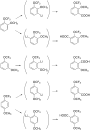
Scheme 17: Metalation of trifluoromethoxyanisoles.

Figure 5: Direction of π-polarization depending on the substituent as described by Schlosser et al. [57].

Scheme 18: Metalation of Bromo(trifluoromethoxy)benzenes.

Scheme 19: Aryne formation from bromo(trifluoromethoxy)phenyllithiums and subsequent Diels-Alder cycloaddition...

Scheme 20: Metalation of (trifluoromethoxy)anilines.
Total syntheses of oxygenated brazanquinones via regioselective homologous anionic Fries rearrangement of benzylic O-carbamates
- Glaucia Barbosa Candido Alves Slana,
- Mariângela Soares de Azevedo,
- Rosângela Sabattini Capella Lopes,
- Cláudio Cerqueira Lopes and
- Jari Nobrega Cardoso
Beilstein J. Org. Chem. 2006, 2, No. 1, doi:10.1186/1860-5397-2-1
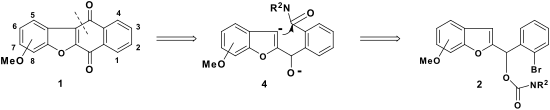
- Metalation (DoM) strategy, [17] offer a mild and regioselective complement to classical Friedel-Crafts approaches for the rational construction of polysubstituted aromatics, biaryls, and several classes of heterocycles (Figure 1). In 1993, Gawley showed that O-benzylcarbamates in the presence of directed
- metalation groups (DMGs) undergo competitive anionic [1,2] and [1,4] Wittig – carbamoyl rearrangements (paths a and b) [18][19] orientated by the groups R and DMGs (Figure 1). Conceptual combination of path b and the well established tandem DoM route to anthraquinones and heteroanthraquinones [20] led to the
- undergoes an intramolecular anionic Fries rearrangement to intermediate 4, that was isolated in our previous results. [12] Snieckus reported the remote metalation and cyclization of diethyl N-methyl-O-tolylanthranilamide to N-methyl dibenzazepinone [24][25][26] developing a new regiospecific construction of

Graphical Abstract

Figure 1: Examples of carbanionic aromatic chemistry rearrangements.

Scheme 1: Retrosyntheses of Brazanquinones (1).

Scheme 2: Total syntheses of brazanquinones (1 a-c).

Scheme 3: Total syntheses of phthalide (9).



