Search results
Search for "DNA" in Full Text gives 411 result(s) in Beilstein Journal of Organic Chemistry. Showing first 200.
A new glance at the chemosphere of macroalgal–bacterial interactions: In situ profiling of metabolites in symbiosis by mass spectrometry
Beilstein J. Org. Chem. 2021, 17, 1313–1322, doi:10.3762/bjoc.17.91
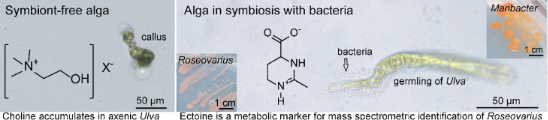
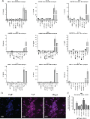
- . mutabilis germlings were stained with SYBR Gold, a sensitive probe forming a complex with DNA with high fluorescence quantum yield [36]. In the axenic callus-like form, the nuclei of algal cells and the bacterial cells accumulated around the rhizoidal tissue and exhibited the specific fluorescence after


Synthesis of 10-O-aryl-substituted berberine derivatives by Chan–Evans–Lam coupling and investigation of their DNA-binding properties
Beilstein J. Org. Chem. 2021, 17, 991–1000, doi:10.3762/bjoc.17.81
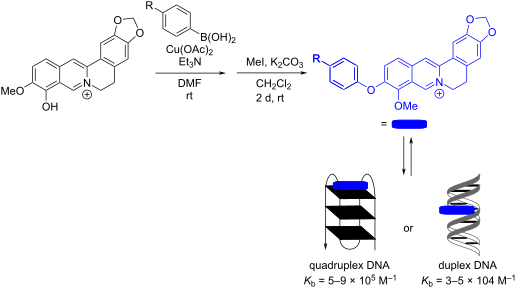
- functionality. Thus, this synthetic route represents the first successful Cu-mediated coupling reaction of berberine substrates. The DNA-binding properties of the 10-O-arylberberine derivatives with duplex and quadruplex DNA were studied by thermal DNA denaturation experiments, spectrometric titrations as well
- as CD and LD spectroscopy. Fluorimetric DNA melting analysis with different types of quadruplex DNA revealed a moderate stabilization of the telomeric quadruplex-forming oligonucleotide sequence G3(TTAG3)3. The derivatives showed a moderate affinity towards quadruplex DNA (Kb = 5–9 × 10⁵ M−1) and ct
- DNA (Kb = 3–5 × 10⁴ M−1) and exhibited a fluorescence light-up effect upon complexation to both DNA forms, with slightly higher intensity in the presence of the quadruplex DNA. Furthermore, the CD- and LD-spectroscopic studies revealed that the title compounds intercalate into ct DNA and bind to G4


Beyond ribose and phosphate: Selected nucleic acid modifications for structure–function investigations and therapeutic applications
Beilstein J. Org. Chem. 2021, 17, 908–931, doi:10.3762/bjoc.17.76
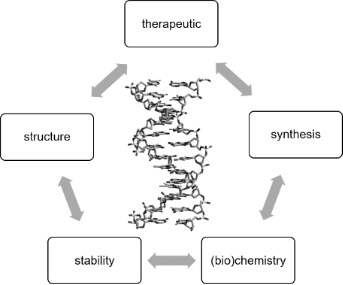
- oligonucleotides that have been explored for gene silencing. Keywords: antisense; chemically modified oligonucleotides; crystallography; siRNA; structure; Introduction The natural nucleic acids sugar-phosphate backbone comes in two flavors, 2'-deoxyribose in DNA and ribose in RNA. However, this relative
- simplicity combined with the five natural bases, adenine (A), cytosine (C), guanine (G), thymine (T) and uracil (U, in RNA) belies the fact that both DNA and RNA are decorated with chemical modifications. For a catalogue of natural modifications in DNA, see https://dnamod.hoffmanlab.org/ [1], and in RNA, see
- https://iimcb.genesilico.pl/modomics/ [2]. In DNA, base modifications are much more common than those in the backbone and play a central role in epigenetics, such as, for example, the ‘fifth base’ 5-methylcytosine (5mC) [3]. In the backbone, chemical modification appears to be limited to the




Enhanced target cell specificity and uptake of lipid nanoparticles using RNA aptamers and peptides
Beilstein J. Org. Chem. 2021, 17, 891–907, doi:10.3762/bjoc.17.75
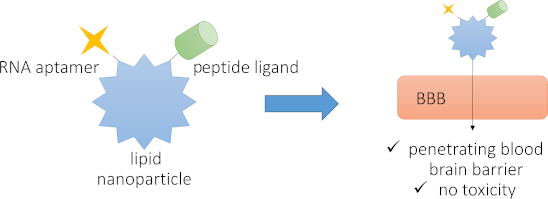
- ) represent an effective platform for delivering small molecules, RNA, or DNA into target cells [1]. LNPs have been successfully deployed via different administration routes in vivo to distribute cargo into target tissues [2][3][4][5][6][7][8]. By changing lipid composition [6] and/or including short peptides
- RNA aptamers as a mean to increase the specificity of LNPs for HIV-1-infected and/or target cells [31]. RNA aptamers are ideal candidates due to the lower immunogenicity profile than the DNA counterparts [30][32][33]. RNA aptamers are also highly amenable to form complex and dynamic secondary
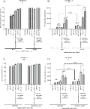
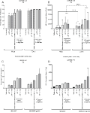
- aptamers present an additional potential route for LNP internalization and target cell specificity. In order to assess the ability of aptamers to drive LNP internalization, short complementary Cy5-DNA oligonucleotides specific for each aptamer were used as probes to detect LNP uptake in different cells. In



Microwave-assisted multicomponent reactions in heterocyclic chemistry and mechanistic aspects
Beilstein J. Org. Chem. 2021, 17, 819–865, doi:10.3762/bjoc.17.71
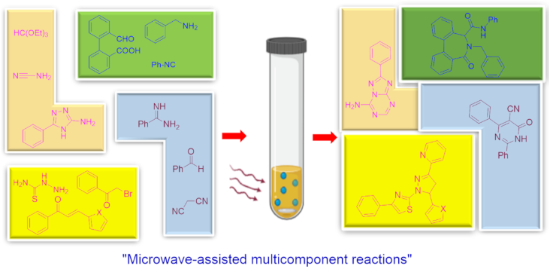
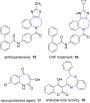
- , analgesic, etc. They form a major structural constituent of biomolecules like DNA and significant drugs like fluorouracil (65), zidovudine (66), lamivudine (67), risperidone (68), and buspirone (69, Figure 6) [65]. The biological importance of pyrimidinones like anticonvulsant (70), antiviral (71) and




DNA with zwitterionic and negatively charged phosphate modifications: Formation of DNA triplexes, duplexes and cell uptake studies
Beilstein J. Org. Chem. 2021, 17, 749–761, doi:10.3762/bjoc.17.65
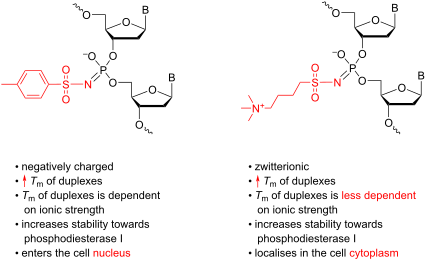
- modifications were introduced into the DNA backbone using the Staudinger reaction between the 3’,5’-dinucleoside β-cyanoethyl phosphite triester formed during DNA synthesis and sulfonyl azides, 4-(azidosulfonyl)-N,N,N-trimethylbutan-1-aminium iodide (N+ azide) or p-toluenesulfonyl (tosyl or Ts) azide, to
- provide either a zwitterionic phosphoramidate with N+ modification or a negatively charged phosphoramidate for Ts modification in the DNA sequence. The incorporation of these N+ and Ts modifications led to the formation of thermally stable parallel DNA triplexes, regardless of the number of modifications
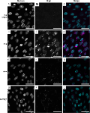
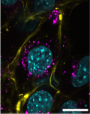
- incorporated into the oligodeoxynucleotides (ONs). For both N+ and Ts-modified ONs, the antiparallel duplexes formed with complementary RNA were more stable than those formed with complementary DNA (except for ONs with modification in the middle of the sequence). Additionally, the incorporation of N


Synthesis and properties of oligonucleotides modified with an N-methylguanidine-bridged nucleic acid (GuNA[Me]) bearing adenine, guanine, or 5-methylcytosine nucleobases
Beilstein J. Org. Chem. 2021, 17, 622–629, doi:10.3762/bjoc.17.54
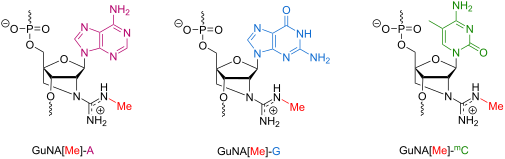
- for the guanidine moiety because it can be easily removed under the basic conditions (ammonia/methylamine solution) used for the DNA synthesis [20]. The phosphoramidite synthesis was started from 2'-amino-LNAs 1a–c, which were rapidly prepared via the transglycosylations of 2'-amino-LNA-T [25]. First
- the middle position of 12-mer oligonucleotides (Table 1). The oligonucleotide synthesis was performed using an automated DNA synthesizer following the established synthetic method for GuNA[Me]-T-modified oligonucleotides [20]. 5-(Ethylthio)-1H-tetrazole (ETT) was used as an activator for the coupling
- , and the coupling time was extended from 40 s to 20 min for the GuNA[Me] phosphoramidites. Other conditions were the same as those used for general DNA synthesis. After the elongation, the oligonucleotides were treated with ammonia/methylamine solution (7 M NH3 in methanol/40% aqueous methylamine 1:1
Designed whole-cell-catalysis-assisted synthesis of 9,11-secosterols
Beilstein J. Org. Chem. 2021, 17, 581–588, doi:10.3762/bjoc.17.52
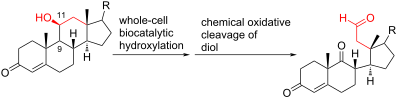
- IDT codon optimization tool (to eliminate rare codons). Synthetic DNA was ordered from Twist Bioscience and inserted into pET21a backbone as one operon (see Supporting Information File 2) under the control of an IPTG-inducible tac promoter. The obtained plasmid was verified by DNA sequencing. To
- Supporting Information File 201: General material and methods for the construction of the biocatalyst as well as NMR spectra of synthesized compounds. Supporting Information File 202: DNA sequence. Funding The authors thank the Estonian Ministry of Education and Research (Grant Nos. PRG657 and PRG1031) and


Biochemistry of fluoroprolines: the prospect of making fluorine a bioelement
Beilstein J. Org. Chem. 2021, 17, 439–460, doi:10.3762/bjoc.17.40
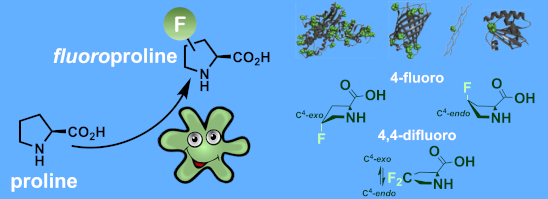
- packing effect has an implication on the thermostability of the triple helix [35][98][99]. In another study, fluoroprolines were incorporated in KlenTag DNA polymerase from a thermophilic organism, Thermus aquaticus [119]. The expression of the target protein was only observed with R-Flp, but not with S
- subdomain [129], T. thermohydrosulfuricus lipase [130][131][132], human ubiquitin [133], single-chain Fv format protein [134], KlenTag DNA polymerase [135], thioredoxin A [120], β2-microglobulin [136], red fluorescent protein [137][138], Pin1 WW domain [139], bacteriophage T4 fibritin C-terminal domain [106


19F NMR as a tool in chemical biology
Beilstein J. Org. Chem. 2021, 17, 293–318, doi:10.3762/bjoc.17.28
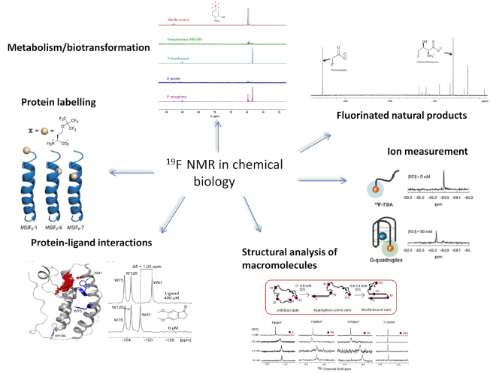
- their functional architecture. Such an approach typically includes the use of a variety of high-resolution proteomic tools, cryo-electron microscopy and X-ray crystallography to achieve full molecular characterization at the atomic level. However, macromolecules such as DNA/RNA and proteins are not
- IDPs upon tertiary and quaternary complex formation [79]. The Myc-Max heterodimer is a well-known oncogenic transcription factor complex able to bind to enhancer box (E-box) regions (5’-CACGTG-3’) of DNA with low-nanomolar affinity, what triggers its biological function as a transcriptional regulator
- presence of DNA, and another intrinsically disordered binding partner, breast cancer antigen 1 (BRCA1) (Figure 12). In this work the strategy employed involved the introduction of a perfluorinated [19F]3,5‐bis(trifluoromethyl)benzyl-based tag into the single cysteine residue of Myc. This modification


The preparation and properties of 1,1-difluorocyclopropane derivatives
Beilstein J. Org. Chem. 2021, 17, 245–272, doi:10.3762/bjoc.17.25




Au(III) complexes with tetradentate-cyclam-based ligands
Beilstein J. Org. Chem. 2021, 17, 186–192, doi:10.3762/bjoc.17.18
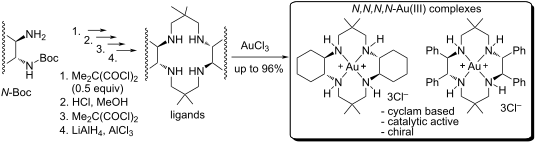
- ][20][21]. Simple [Au(III)–cyclam] complexes have been investigated for various biological properties [22][23][24][25][26][27][28][29]. Particularly, studies have focused on their potential in vitro anticancer properties [24][26][29], the activity against a falciparum strain [22], the in vitro DNA


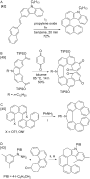
Synthesis, crystal structures and properties of carbazole-based [6]helicenes fused with an azine ring
Beilstein J. Org. Chem. 2021, 17, 11–21, doi:10.3762/bjoc.17.2
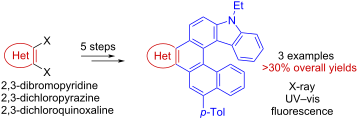
- [31], chemical sensors [32], DNA-intercalators [33][34] etc. Besides typical carbohelicenes, heterohelicenes, incorporating one or more heteroaromatic units in the skeleton, have also gained increasing attention [1][2][3][4][5][6][7][8][9][10][11]. The presence of heteroatoms (S, N, O, P) in the fused



Secondary metabolites of Bacillus subtilis impact the assembly of soil-derived semisynthetic bacterial communities
Beilstein J. Org. Chem. 2020, 16, 2983–2998, doi:10.3762/bjoc.16.248
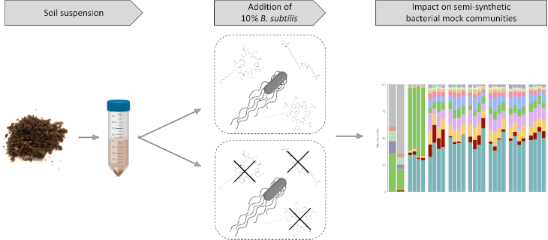
- , whereas the remaining five were supplemented with respective B. subtilis strains by adding 10% of the final volume. The cultures were incubated at 21–23 °C and 250 rpm for 48 h. DNA was extracted from two replicates of the initial soil sample, the 12 h precultivated soil suspensions and the B. subtilis
- -treated or untreated mock communities cocultivated for 48 h. DNA extraction Environmental- and semisynthetic-community genomic DNA was extracted from either 250 mg soil or 250 µL bacterial culture, respectively, by using the DNeasy PowerSoil Pro Kit (QIAGEN) and following the manufacturer’s instructions
- . Amplification of 16S rRNA hypervariable regions V3-V4 The V3-V4 region of the 16S rRNA gene was PCR-amplified from the extracted DNA samples using Fw_V3V4 (5’-CCTACGGGNGGCWGCAG-3’) and Rv_V3V4 (5’-GACTACHVGGGTATCTAATCC-3’) primers that were tagged with short barcodes with a length of eight nucleotides, listed


Selected peptide-based fluorescent probes for biological applications
Beilstein J. Org. Chem. 2020, 16, 2971–2982, doi:10.3762/bjoc.16.247

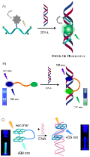
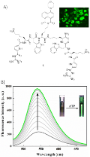
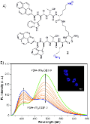
- enhanced and blue-shifts after affinity/recognition in a polar solvent. Several computational studies confirmed that the spectral change is caused by the insertion of the environment-sensitive fluorophore in the hydrophobic domains/grooves of the target protein/DNA (Figure 1A). The major problem of these
- important biomolecules including nucleotides, DNA, proteins, lipids etc. in aqueous media. Fluorescent peptides have also been used for specific organelles such as lysosomes tracking. In this review, it is summarized Schmuck group’s tremendous effort in developing fluorescent peptide-based probes for
- interacts effectively with double-stranded DNA (dsDNA) as positively charged lysine residues are expected to interact with the phosphate backbone electrostatically. Upon binding to dsDNA, it undergoes a conformational change from the folded to an extended form that switches the fluorescence signal from



Synthesis of imidazo[1,5-a]pyridines via cyclocondensation of 2-(aminomethyl)pyridines with electrophilically activated nitroalkanes
Beilstein J. Org. Chem. 2020, 16, 2903–2910, doi:10.3762/bjoc.16.239
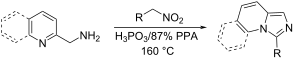
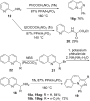
- imidazo[1,5-a]pyridine core is also considered to be one of the privileged pharmacophoric scaffolds and can be found in many biologically active compounds, for example, the potent antitumor agent C 1311 inhibiting topoisomerase II [4][5][6][7][8][9] or pirmagrel, a cytotoxic immunosuppressant and DNA


Incorporation of a metal-mediated base pair into an ATP aptamer – using silver(I) ions to modulate aptamer function
Beilstein J. Org. Chem. 2020, 16, 2870–2879, doi:10.3762/bjoc.16.236
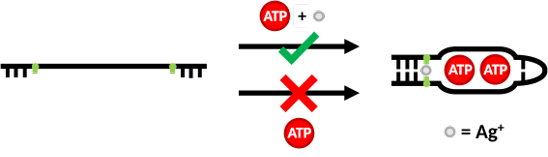
- function opens new possibilities for applications of oligonucleotides. Keywords: aptamer; ATP; bioinorganic chemistry; DNA; imidazole; metal-mediated base pairs; Introduction Aptamers are oligonucleotides capable of recognizing and binding to specific molecules up to the size of proteins [1]. While
- (or removal) of external triggers, allowing to switch the nucleic acid function [8]. For example, DNA can be used in nanotechnology to create mechanically moving systems such as walkers, fueled by the addition of appropriately designed oligonucleotides [9]. Moreover, external triggers can be applied
- to release a DNA-bound cargo (in the form of small organic molecules) [10]. Similarly, metal ions can trigger DNA folding into a catalytically active topology [11][12]. Metal-mediated base pairs are artificial base pairs in which hydrogen bonds between the complementary nucleobases are formally


Using multiple self-sorting for switching functions in discrete multicomponent systems
Beilstein J. Org. Chem. 2020, 16, 2831–2853, doi:10.3762/bjoc.16.233

- functions, for instance, to control the biological processes that eventually sustain life on our planet [1]. A well-known example is the storage of an immense amount of information in the DNA, using the algorithm of base pairing (AT and GC) between the heterocycles adenine (A), thymine (T), guanine (G) and







Synthesis and investigation of quadruplex-DNA-binding, 9-O-substituted berberine derivatives
Beilstein J. Org. Chem. 2020, 16, 2795–2806, doi:10.3762/bjoc.16.230
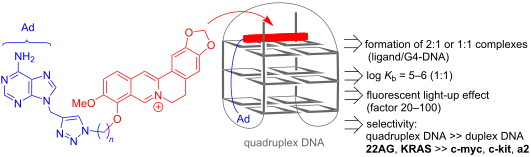
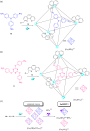
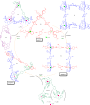
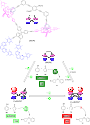
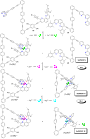
- examined with photometric and fluorimetric titrations, thermal DNA denaturation analysis, and CD spectroscopy. The results from the spectrometric titrations indicated the formation of 2:1 or 1:1 complexes (ligand:G4-DNA) with log Kb values of 10–11 (2:1) and 5–6 (1:1), which are typical for berberine
- derivatives. Notably, a clear relationship between the binding affinity of the ligands with the length of the alkyl linker chain, n, was not observed. However, depending on the structure, the ligands exhibited different effects when bound to the G4-DNA, such as fluorescent light-up effects and formation of
- ICD bands, which are mostly pronounced with a linker length of n = 4 (with a2) and n = 5 (with 22AG), thus indicating that each ligand–G4-DNA complex has a specific structure with respect to relative alignment and conformational flexibility of the ligand in the binding site. It was shown exemplarily


Encrypting messages with artificial bacterial receptors
Beilstein J. Org. Chem. 2020, 16, 2749–2756, doi:10.3762/bjoc.16.225
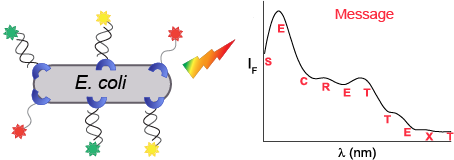
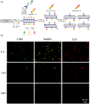
- receptors is described. We show that the binding of DNA-based artificial receptors to E. coli expressing His-tagged outer membrane protein C (His-OmpC) induces a Förster resonance energy transfer (FRET) between the dyes, which results in the generation of a unique fluorescence fingerprint. Because the
- cell surface proteins with self-assembled synthetic receptors based on modified DNA duplexes [2] (Figure 1A). One of the oligodeoxynucleotides (ODNs) constituting the artificial receptors (ODN-1) is appended with a trinitrilotriacetic acid group (tri-NTA) that was developed by our group [3] and can
- the bacteria was obtained by incubating them with the DNA-based receptors (Figure 1) and washing off the excess of unbound receptors. The super resolution fluorescent images revealed that the bacterial membrane was densely covered [2]. Although this approach was used to label bacteria with different




Selective recognition of ATP by multivalent nano-assemblies of bisimidazolium amphiphiles through “turn-on” fluorescence response
Beilstein J. Org. Chem. 2020, 16, 2728–2738, doi:10.3762/bjoc.16.223
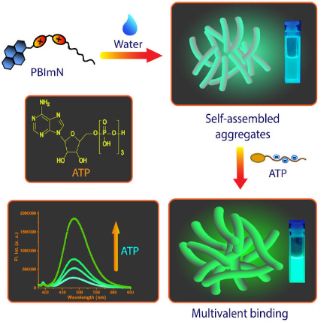
- [20][21]. A number of elegant examples of self-assembled multivalent systems targeting biological analytes such as DNA, heparin, proteins, carbohydrates, etc. have been reported in the literature [22][23][24][25][26][27]. ATP is an important bio-anion that is the energy currency in cells and is


Optical detection of di- and triphosphate anions with mixed monolayer-protected gold nanoparticles containing zinc(II)–dipicolylamine complexes
Beilstein J. Org. Chem. 2020, 16, 2687–2700, doi:10.3762/bjoc.16.219
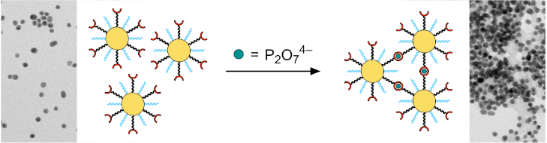
- surface plasmon resonance of the individual AuNPs starts to couple when they approach each other [7][8][9]. Early examples of optical probes working in this way are the nanoparticles introduced by Mirkin et al., containing immobilized oligonucleotides that aggregated in the presence of single-stranded DNA


Tools for generating and analyzing glycan microarray data
Beilstein J. Org. Chem. 2020, 16, 2260–2271, doi:10.3762/bjoc.16.187
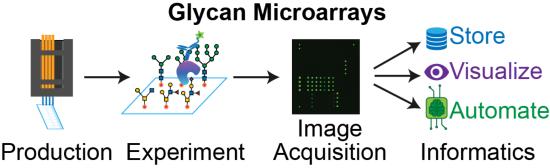
- structural informatics tools. Keywords: data analysis; glycan binding; glycan microarray; glycomics; informatics; Introduction Glycans represent a major type of biomolecule in all living things, along with DNA, RNA, lipids and proteins [1]. In mammals, glycans commonly occur as post-translational
- intricacies involved at multiple levels. Unlike DNA and proteins, glycans are neither linear nor template driven, making their structures computationally taxing. In addition, the complexity is compounded by the sample and experimental meta data associated with the glycan microarray experiment. The following


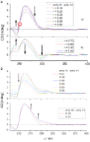
Naphthalene diimide bis-guanidinio-carbonyl-pyrrole as a pH-switchable threading DNA intercalator
Beilstein J. Org. Chem. 2020, 16, 2201–2211, doi:10.3762/bjoc.16.185
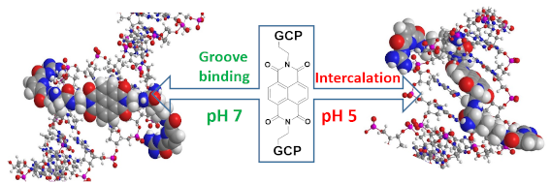
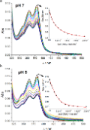
- naphthalene diimde analogue (NDI) equipped at the imide positions with two guanidinio-carbonyl-pyrrole (GCP) pendant arms interacted significantly stronger with ds-DNA at pH 5 than at pH 7, due to reversible protonation of the GCP arms. This was consequence of a pH-switchable threading intercalation into ds
- -DNAs only at pH 5, while at neutral conditions (pH 7) NDI-GCP2 switched to the DNA minor groove binding. Intriguingly, NDI-GCP2 was at both pH values studied bound to the ds-RNA major groove, still showing a higher affinity and thermal denaturation effect at pH 5 due to GCP protonation. At excess over
- the DNA/RNA conjugate NDI-GCP2 showed also aggregation along the ds-polynucleotide and AFM and DLS demonstrated that NDI-GCP2 has pronounced ds-DNA condensation ability. Keywords: AFM; circular dichroism; DNA/RNA recognition; fluorescence; guanidinio-carbonyl-pyrrole; naphthalene diimide





Muyocopronones A and B: azaphilones from the endophytic fungus Muyocopron laterale
Beilstein J. Org. Chem. 2020, 16, 2100–2107, doi:10.3762/bjoc.16.177
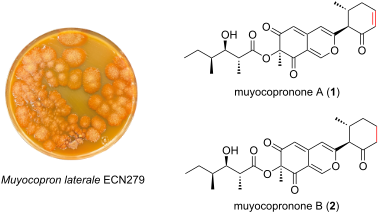
- elucidation, and antimicrobial activity evaluation are described. Results and Discussion Muyocopron laterale ECN279 was isolated from a healthy leaf of Canavalia lineata and identified by sequencing the D1/D2 26S rRNA gene and the internal transcript spacers (ITS) of ribosomal DNA [16]. In a similar manner as
- Technologies). DNA sequencing was performed using an Applied Biosystems 3130 genetic analyzer. Silica gel AP-300 (Toyota Kako) was employed for column chromatography (CC). Silica gel 60 F254 and RP-18 F254S (both Merck) were used for TLC. Fungal material and identification Muyocopron laterale ECN279 was
- isolated from a healthy leaf of Canavalia lineata (Thunb.) DC collected at Tanegashima, Kagoshima, Japan. Strain isolation was performed using a previously described method [13]. Based on the DNA sequencing of the rDNA ITS and the D1/D2 domain of the 26S rDNA, the isolate was identified as Muyocopron