


Search results
Search for "host" in Full Text gives 514 result(s) in Beilstein Journal of Organic Chemistry. Showing first 200.
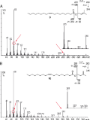
Isolation and characterization of new phenolic siderophores with antimicrobial properties from Pseudomonas sp. UIAU-6B
Beilstein J. Org. Chem. 2021, 17, 2390–2398, doi:10.3762/bjoc.17.156
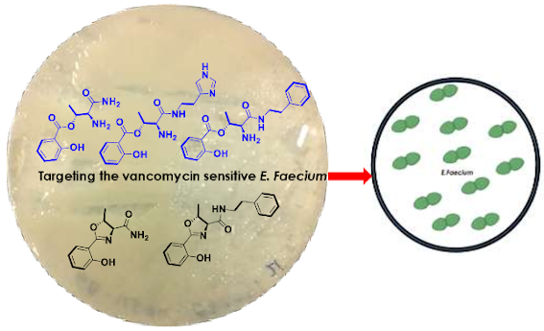
- rhizosphere of host plants, serving as a microbial biocontrol [4][5]. This genus, belonging to the Gram-negative proteobacteria is diverse in nature and possesses unique environmental adaptability which shows in their versatile metabolism [6][7][8]. They are prolific producers of natural products with broad


Constrained thermoresponsive polymers – new insights into fundamentals and applications
Beilstein J. Org. Chem. 2021, 17, 2123–2163, doi:10.3762/bjoc.17.138
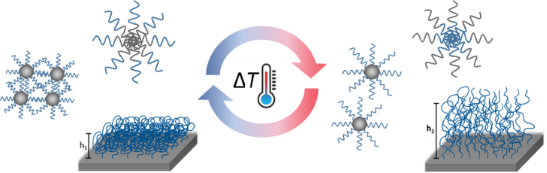
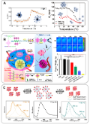
- irradiation as well as by host molecule (α-cyclodextrin) complexation [278]. Due to the high number of proton acceptor/donor sites, ureido-modified copolymers such as poly(allylamine-co-allylurea) are also becoming more and more important. The critical phase transition temperature can often be finely tuned


Natural products in the predatory defence of the filamentous fungal pathogen Aspergillus fumigatus
Beilstein J. Org. Chem. 2021, 17, 1814–1827, doi:10.3762/bjoc.17.124
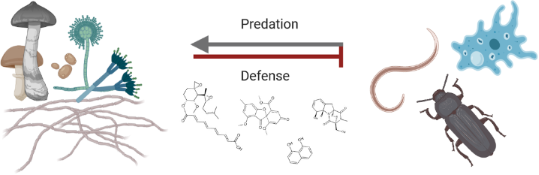
- their ecological niche, they have to protect themselves against abiotic stresses, competitors and predators while also communicating with their host or partners during parasitic/pathogenic or symbiotic interactions. This figure was created with biorender.com. Fungal derived bioactive natural compounds


Volatile emission and biosynthesis in endophytic fungi colonizing black poplar leaves
Beilstein J. Org. Chem. 2021, 17, 1698–1711, doi:10.3762/bjoc.17.118
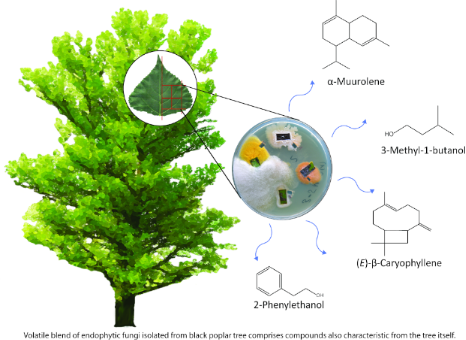
- exhibit antimicrobial activity; however, they are also known to induce the growth and vigor of the host plant and to shape plant community structure [27][28][29][30][31]. Furthermore, volatiles released from endophytic fungi can also affect insect behavior. Daisy et al. isolated the endophytic fungus



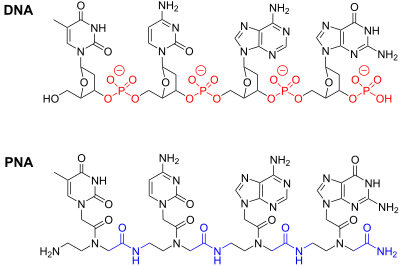
Chemical approaches to discover the full potential of peptide nucleic acids in biomedical applications
Beilstein J. Org. Chem. 2021, 17, 1641–1688, doi:10.3762/bjoc.17.116








Co-crystallization of an organic solid and a tetraaryladamantane at room temperature
Beilstein J. Org. Chem. 2021, 17, 1476–1480, doi:10.3762/bjoc.17.103
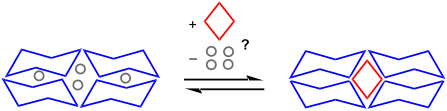
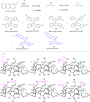
- . The encapsulation occurs even though the host compound assembling into the crystal lattice is able to also crystallize in solvate-free form [12]. Three tetraaryladamantanes (TAAs) were found to show this behavior as hosts, namely 1,3,5,7-tetrakis(2,4-dimethoxyphenyl)adamantane (TDA), 1,3,5,7-tetrakis
- X-ray crystallography were collected after more than one week. Table 1 lists the details of the structures observed. In case of the TDA/phenol co-crystals (Figure 2a/c), the asymmetric unit is made up of one host and two guest molecules, so the overall stoichiometric ratio is 1:2 (TDA/phenol). One
- group. But again, hydrogen bonds between phenol hydroxy groups and the alkoxy substituent of the crystallization chaperone can be resolved. So, in both co-crystal lattices, hydrogen bonding stabilizes the packing arrangement. For TDA/phenol, the host builds the crystal lattice with TDA molecules in


Design, synthesis and photophysical properties of novel star-shaped truxene-based heterocycles utilizing ring-closing metathesis, Clauson–Kaas, Van Leusen and Ullmann-type reactions as key tools
Beilstein J. Org. Chem. 2021, 17, 1374–1384, doi:10.3762/bjoc.17.96
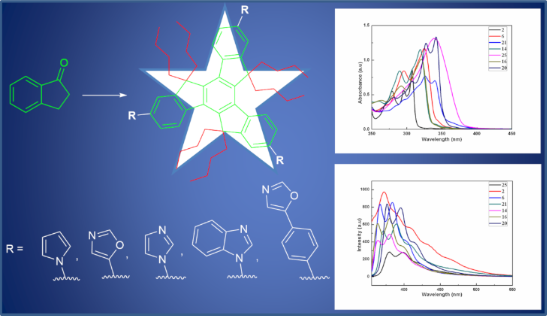
- applicability in the synthesis of dendrimers as well as C3-tripods and also in the host–guest chemistry [17][18][19][20][21]. This architecturally simple yet effective rigid system was first prepared in 1894 by Kipping [22] involving the trimerization of 3‐phenylpropionic acid under acidic conditions but


Icilio Guareschi and his amazing “1897 reaction”
Beilstein J. Org. Chem. 2021, 17, 1335–1351, doi:10.3762/bjoc.17.93
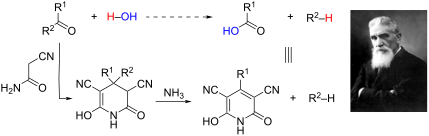
- state created in 1814 to host Napoleon’s wife Marie Louise, who, incidentally, died the very same year Guareschi was born. Guareschi’s father was a pharmacist. The family pharmacy had been established in the early 1400 and had then been passed from father to son during four centuries. Giovannino
- , generating the colored anion of a diphenylmethane dye that could be isolated after acidification and characterized from the reaction of thymol (3) and of charvachrol. The Guareschi reaction was then applied by Lustgarten to a host of medicinal phenols, and the test is included in various pharmacopoeias for








Photoinduced post-modification of graphitic carbon nitride-embedded hydrogels: synthesis of 'hydrophobic hydrogels' and pore substructuring
Beilstein J. Org. Chem. 2021, 17, 1323–1334, doi:10.3762/bjoc.17.92
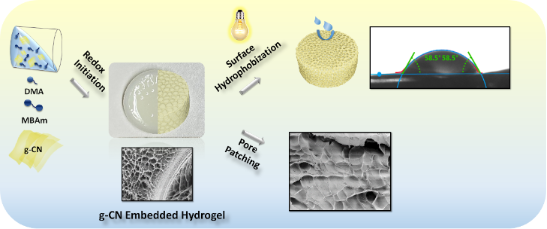
- ). Since then, many synthetic routes have been developed in order to synthesize artificial matter that mimics the performance of natural tissues. Therefore, many reinforcement methods have been suggested, i.e., host–guest interactions [4][5], double network formation [6][7][8], and reinforcer addition [9
- pores is responsible for the main catalytic activity, such as in carbonaceous materials [47][48]. When a network with full functionality cannot be formed easily, one can form a rigid neutral host and modify the pores subsequently. Herein, the nanoporous system is magnified to macropores in hydrogel
- have been investigated in detail in literature [37][50]. Inspired by these, we now attempt to conduct a pore modification on g-CN-embedded hydrogels by visible-light-induced reaction. HGCM was a host network and the variety of monomers were swollen in the network, polymerized, and purified (Scheme 3


A new glance at the chemosphere of macroalgal–bacterial interactions: In situ profiling of metabolites in symbiosis by mass spectrometry
Beilstein J. Org. Chem. 2021, 17, 1313–1322, doi:10.3762/bjoc.17.91
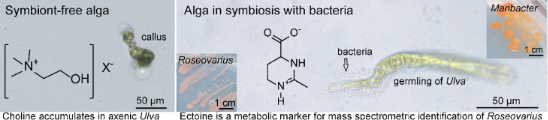
- the algal host and the locally released and exchanged compounds within the algal chemosphere [3]. Bacterial biofilms on macroalgae can be crucial for developing algae and their interactions with other marine organisms. The exchange of resources in this spatially limited region is of high interest for
- specialised metabolites involved in host–bacteria interactions. In our study, comparative metabolomics using atmospheric pressure scanning microprobe matrix-assisted laser desorption/ionisation high-resolution mass spectrometry (AP-SMALDI-HRMS) enables the identification of specialised metabolites of the
- multicellular host and bacteria interactions can characterise natural products in symbiotic interactions. Algal growth and morphogenesis-promoting factors (AGMPFs) are required for the development of the model organism U. mutabilis [7]. They are provided by a combination of two essential bacteria, Maribacter sp


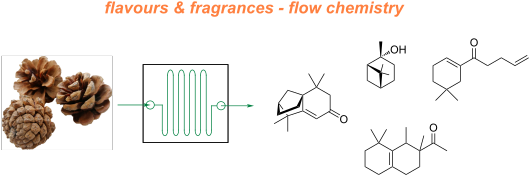
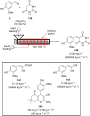
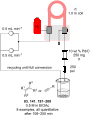
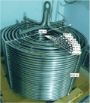
A comprehensive review of flow chemistry techniques tailored to the flavours and fragrances industries
Beilstein J. Org. Chem. 2021, 17, 1181–1312, doi:10.3762/bjoc.17.90










Structural effects of meso-halogenation on porphyrins
Beilstein J. Org. Chem. 2021, 17, 1149–1170, doi:10.3762/bjoc.17.88
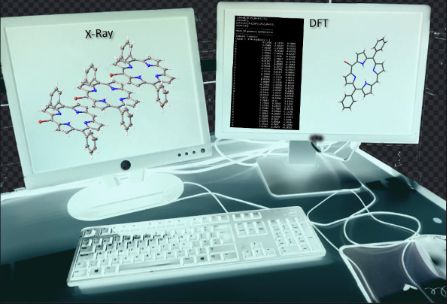
- few decades. Byrn et al. were the first to observe that porphyrins have a high propensity to form “porous” clathrates and suggested that they can be used as a “porphyrin sponge” [1]. They reported that 5,10,15,20-tetraphenylporphyrin could act like a ‘host’ which could trap a variety of solvent


Enhanced target cell specificity and uptake of lipid nanoparticles using RNA aptamers and peptides
Beilstein J. Org. Chem. 2021, 17, 891–907, doi:10.3762/bjoc.17.75
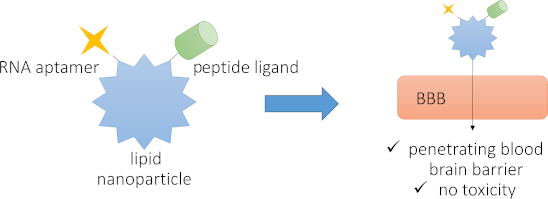
- complexation with cluster of differentiation 4 (CD4) and CCR5 or C-X-C motif chemokine receptor 4 (CXCR4) host cell surface receptors [35]. As such, gp160 expression on the host cell surface receptor may not be as adept at facilitating cell entry via receptor-mediated endocytosis. Although in 2009, Zhou et al


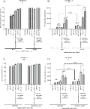
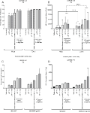
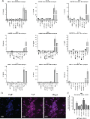

Breakdown of 3-(allylsulfonio)propanoates in bacteria from the Roseobacter group yields garlic oil constituents
Beilstein J. Org. Chem. 2021, 17, 569–580, doi:10.3762/bjoc.17.51
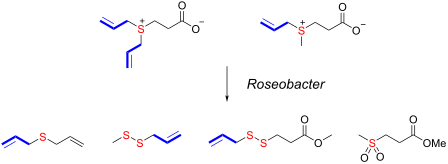
- preferred gas-phase reaction. The ecology of marine bacteria in their interaction with algae is particularly interesting in which the bacteria can promote the algal growth, but can also kill their host [10][11]. For both processes, the phytohormone indole-3-acetic acid is used as a messenger molecule [10
- ]. For the macroalga Ulva mutabilis the presence of bacteria from the Roseobacter group is even mandatory for proper algal development, and 3-(dimethylsulfonio)propanoate (DMSP) is used as a chemotactic signal by the bacteria attracting them towards the algal host [12]. Many bacteria and fungi also


Biochemistry of fluoroprolines: the prospect of making fluorine a bioelement
Beilstein J. Org. Chem. 2021, 17, 439–460, doi:10.3762/bjoc.17.40
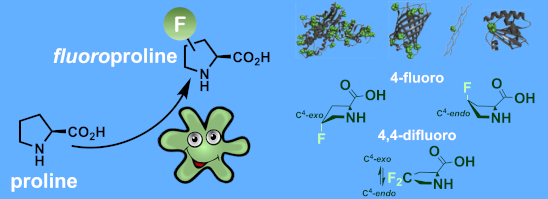
- whether fluoroprolines are metabolically inert substrates capable of accumulating at a high level in the cells without causing significant disturbances in the physiology of the host microbial organism. The transport and metabolism of proline are important factors that should be considered in engineering


Exploring the possibility of using fluorine-involved non-conjugated electron-withdrawing groups for thermally activated delayed fluorescence emitters by TD-DFT calculation
Beilstein J. Org. Chem. 2021, 17, 210–223, doi:10.3762/bjoc.17.21
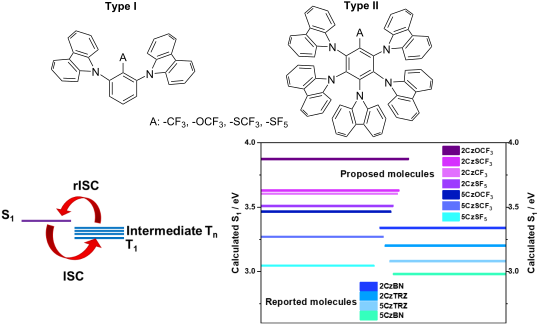
- krISC (0.86 × 10⁵ s−1) in the DPEPO host, the EQEmax was only 2.5%, and showed significant efficiency roll-off, reducing to 0.1% at 50 cd·m−2 [21]. A similar study by Monkman, Lee and co-workers investigated the compound 2,6-2CzTRZ, which possessed the smallest ΔEST (0.02 eV) amongst the family of


Insight into functionalized-macrocycles-guided supramolecular photocatalysis
Beilstein J. Org. Chem. 2021, 17, 139–155, doi:10.3762/bjoc.17.15
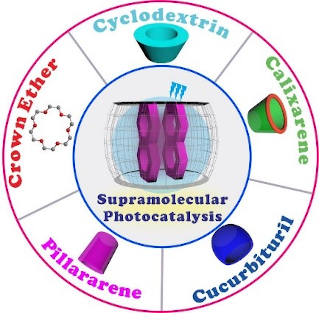
- also discussed. Keywords: host–guest chemistry; macrocycles; noncovalent interactions; supramolecular photocatalysis; Introduction Enzyme-catalyzed reactions are often carried out fantastically in nature via noncovalent interactions of a substrate [1][2]. Inspired by these natural processes, chemists
- have begun to develop artificial supramolecular systems that provide a similar environment to perform various catalytic reactions where substrates are captured via host–guest interactions [3]. In addition, these systems aim to control the product selectivity and the rate of catalytic reactions by
- materials that have been exploited for photocatalytic applications, including photocatalytic dye degradations and hydrogen evolution. To successfully perform supramolecular photocatalytic reactions, various photophysical and photochemical properties of the host–guest system need to be considered [4]: i) the






Supramolecular polymerization of sulfated dendritic peptide amphiphiles into multivalent L-selectin binders
Beilstein J. Org. Chem. 2021, 17, 97–104, doi:10.3762/bjoc.17.10
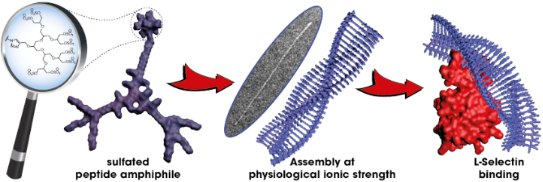
- , these interactions occur in a multivalent fashion, allowing to overcome drawbacks of the limited strength of noncovalent bonds and to tune the selectivity at the same time [1][2]. The binding of viruses to the membrane of their host cells [3][4][5] as well as the recognition of carbohydrates by lectins



Molecular basis for protein–protein interactions
Beilstein J. Org. Chem. 2021, 17, 1–10, doi:10.3762/bjoc.17.1
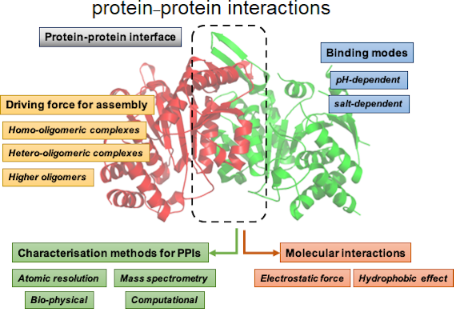
- known as a capsid [78]. Some viruses also have lipid envelopes containing glycoproteins, which interact with the host cell membrane to facilitate the viral entry into the cell [79]. The simplest explanation for viral capsid assembly is protein assembly units colliding (following Brownian motion) in a


Secondary metabolites of Bacillus subtilis impact the assembly of soil-derived semisynthetic bacterial communities
Beilstein J. Org. Chem. 2020, 16, 2983–2998, doi:10.3762/bjoc.16.248
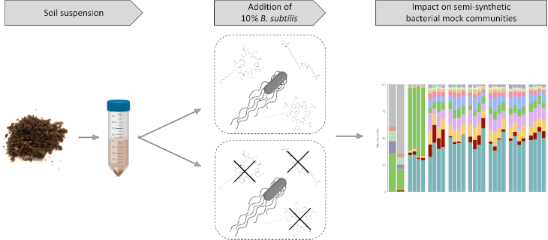
- rhizosphere [15][16][17][18][19][20]. Microbial communities can consist of hundreds and thousands of diverse species, which makes investigations very challenging and hard to reproduce. One alternative approach is to establish a host-associated synthetic community, usually with members of the same kingdom
- , with a defined composition but fewer members [19][21]. Lebeis et al. used an artificial community of 38 bacterial strains to demonstrate that plant phytohormones sculpt the root microbiome [19]. In comparison, Niu et al. established a seven-species bacterial community based on host selection to mimic


Selected peptide-based fluorescent probes for biological applications
Beilstein J. Org. Chem. 2020, 16, 2971–2982, doi:10.3762/bjoc.16.247

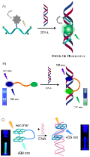
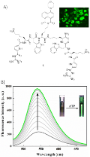
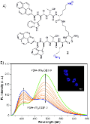
- insulin Schmuck and co-workers reported a supramolecular ensemble in combination of a pyrene-tagged amphiphilic peptide beacon (6) and a macrocyclic host (cucurbit[8]uril, CB[8]) for ratiometric fluorescent detection of amino acid derivatives, specific peptides, and proteins in aqueous media (Figure 6



Construction of pillar[4]arene[1]quinone–1,10-dibromodecane pseudorotaxanes in solution and in the solid state
Beilstein J. Org. Chem. 2020, 16, 2954–2959, doi:10.3762/bjoc.16.245
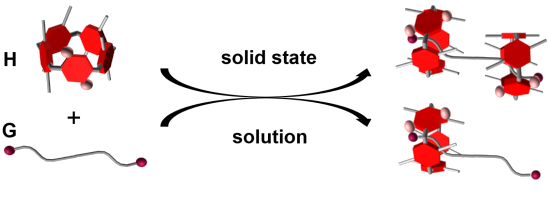
- 450001, P. R. China 10.3762/bjoc.16.245 Abstract We report novel pseudorotaxanes based on the complexation between pillar[4]arene[1]quinone and 1,10-dibromodecane. The complexation is found to have a 1:1 host–guest complexation stoichiometry in chloroform but a 2:1 host–guest complexation stoichiometry
- in the solid state. From single crystal X-ray diffraction, the linear guest molecules thread into cyclic pillar[4]arene[1]quinone host molecules in the solid state, stabilized by CH∙∙∙π interactions and hydrogen bonds. The bromine atoms at the periphery of the guest molecule provide convenience for
- the further capping of the pseudorotaxanes to construct rotaxanes. Keywords: host–guest chemistry; pillar[4]arene[1]quinones; pillararenes; pseudorotaxanes; supramolecular chemistry; Introduction Relying on the research of basic science, supramolecular chemistry has become an important mean for


Using multiple self-sorting for switching functions in discrete multicomponent systems
Beilstein J. Org. Chem. 2020, 16, 2831–2853, doi:10.3762/bjoc.16.233

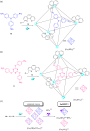
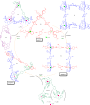
- ), cucurbit[7]uril (3), and the two chalcones 1 and 2 in aqueous solution [48]. When the hosts 3 and 4 were mixed with the trans-chalcones 1 and 2 as guests in a 1:1:1:1 ratio, instantly a statistical mixture formed displaying all four possible host–guest complexes. After the exposure to an acid, the ensuing
- specific release of the guest (PF6−) with the consequent disassembly of the cage [Zn4(65')4]8+ (SelfSORT-II). In SelfSORT-II, the host–guest complex [Zn4(64')4]8+•(C6H12) remained intact, while ≈17% decrease in [Zn4(66')4]8+•(NO3−) was observed. The addition of another aliquot of 4-methoxyaniline to
- SelfSORT-II disassembled the host–guest complex [Zn4(64')4]8+•(C6H12) with the concomitant release of the encapsulated cyclohexane thus generating the state SelfSORT-III. In this process, the 1H NMR signals corresponding to [Zn4(66')4]8+•(NO3−) remained unchanged. At last, heating the mixture to 70 °C for







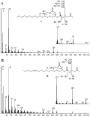
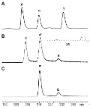
3-Acetoxy-fatty acid isoprenyl esters from androconia of the ithomiine butterfly Ithomia salapia
Beilstein J. Org. Chem. 2020, 16, 2776–2787, doi:10.3762/bjoc.16.228
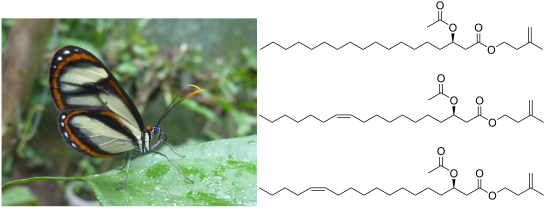
- studies on speciation (species formation), as species often consist of multiple subspecies diverging for a number of adaptive traits, such as color pattern or host plants, which can then cause reproductive isolation. As such, they offer an excellent system to study the mechanisms underlying





Selective recognition of ATP by multivalent nano-assemblies of bisimidazolium amphiphiles through “turn-on” fluorescence response
Beilstein J. Org. Chem. 2020, 16, 2728–2738, doi:10.3762/bjoc.16.223
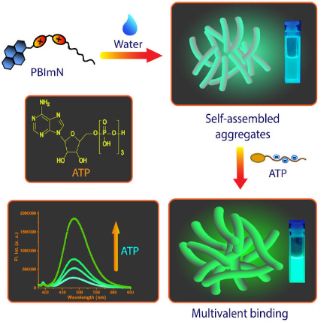
- ]. It is a principle ubiquitously used in biology to achieve high affinity binding events with examples ranging from protein–carbohydrate interactions to host–pathogen interactions or cell surface adhesion [12][13][14]. The high affinity originates from the simultaneous interactions of multiple sites in





