


Search results
Search for "fluorescent" in Full Text gives 435 result(s) in Beilstein Journal of Organic Chemistry. Showing first 200.
Tuning the solid-state emission of liquid crystalline nitro-cyanostilbene by halogen bonding
Beilstein J. Org. Chem. 2021, 17, 124–131, doi:10.3762/bjoc.17.13
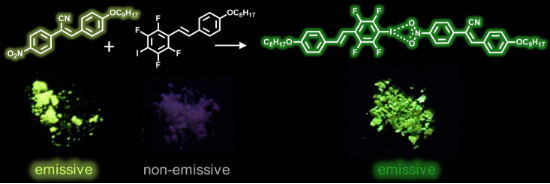
- Subrata Nath Alexander Kappelt Matthias Spengler Bibhisan Roy Jens Voskuhl Michael Giese Organic Chemistry, University of Duisburg Essen, Universitätsstraße 7, 45141 Essen, Germany 10.3762/bjoc.17.13 Abstract The first example of halogen-bonded fluorescent liquid crystals based on the interaction
- derivatives. Therefore, tetrafluoroiodostilbene (F4St) and a series of fluoroiodoazobenzenes (F4Az, F3Az, F2Az, F2’Az) were employed as halogen bond donors and combined with nitro-cyanostilbene (NO2-Cn) as fluorescent halogen bond acceptor (see Figure 1) to form halogen-bonded liquid crystals. The series of
- -induced emission properties were combined with alkoxystilbazoles to form hydrogen-bonded mesogens. Since NO2-Cn is known to be fluorescent, we were curious how the formation of the halogen-bonded complexes affects the AIE behaviour of NO2-Cn. Therefore, we studied the photophysical properties of 1:1






Circularly polarized luminescent systems fabricated by Tröger's base derivatives through two different strategies
Beilstein J. Org. Chem. 2021, 17, 52–57, doi:10.3762/bjoc.17.6
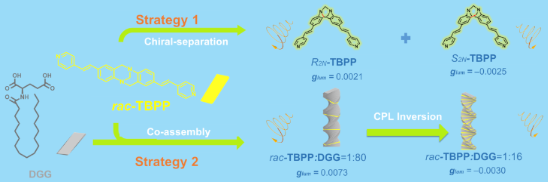
- luminescence with glum values of +0.0021, and −0.0025, respectively. The second way to fabricate the rac-TBPP-based CPL-active material is to co-gel the fluorescent rac-TBPP with a chiral ᴅ-glutamic acid gelator DGG by co-assembly strategy. At the molar ratio of rac-TBPP/DGG = 1:80, the glum value of the co
- and applied in practice [4][5][6]. Among them, the fluorescent materials emitting circularly polarized luminescence (CPL) have attracted intensive interest owing to their wide applications in various researching fields including 3D displays, chiroptical materials, and so on [7][8][9][10]. Circular
- dichroism (CD) absorption spectra reflect the chirality of the fluorescent materials in the ground state, and circularly polarized luminescence (CPL) spectra reflect the chirality of fluorescent materials in the excited electronic state. Therefore, the CD and CPL spectrum are the two most important tools to


The fluorescence of a mercury probe based on osthol
Beilstein J. Org. Chem. 2021, 17, 22–27, doi:10.3762/bjoc.17.3
- electrophoresis [7]. However, the application of these analytical methods in mercury detection is limited due to the complex sample pretreatment procedures, expensive instruments, and other factors [8][9]. Fluorescent-probe instruments have been widely used due to the advantages of the simple operation, low cost
- , and high sensitivity [10][11][12]. In recent years, many fluorescent molecular probes have been reported. Because Hg2+ has a very strong quenching effect on fluorescence, most of the fluorescent molecular Hg2+ probes are of the fluorescence-quenching type and are easily interfered with by other
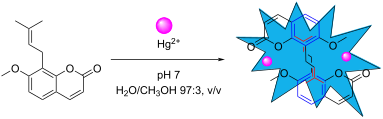
- probe [23], OST as a probe for the detection of mercury has not been reported. In this paper, OST was used as a fluorescent probe since the fluorescence intensity of OST at 406 nm increased significantly when Hg2+ was added. The probe had a high selectivity and sensitivity for Hg2+ recognition and can


Metal-free synthesis of biarenes via photoextrusion in di(tri)aryl phosphates
Beilstein J. Org. Chem. 2020, 16, 3008–3014, doi:10.3762/bjoc.16.250
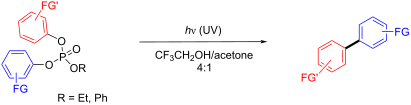
- phosphates examined were barely fluorescent in methanol, with an emission quantum yield (Φem) in the 0.005–0.06 range (see Table 2 and Supporting Information File 1 for further details). We thus focused on compounds 1e, 1h, 3a and 3c as the model substrates. In the case of compounds 1e and 1h, we observed



Selected peptide-based fluorescent probes for biological applications
Beilstein J. Org. Chem. 2020, 16, 2971–2982, doi:10.3762/bjoc.16.247

- fluorescence techniques have attracted immense interest. Synthetic peptide-based fluorescent probes are advantageous over protein-based sensors, since they are synthetically accessible, more stable, and can be easily modified in a site-specific manner for selective biological applications. Peptide receptors
- labeled with environmentally sensitive/FRET fluorophores have allowed direct detection/monitoring of biomolecules in aqueous media and in live cells. In this review, key peptide-based approaches for different biological applications are presented. Keywords: fluorescent probe; fluorophores; molecular
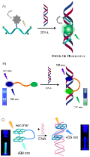
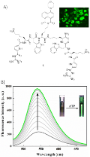
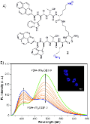
- organic fluorophore (reporter) with a specific peptide sequence is the common approach for designing peptide-based fluorescent probes [16]. Fluorophores on peptidic arms perform as reporter during the interaction with biomolecules [17][18]. The interaction with biomolecules will alter the fluorescence



Incorporation of a metal-mediated base pair into an ATP aptamer – using silver(I) ions to modulate aptamer function
Beilstein J. Org. Chem. 2020, 16, 2870–2879, doi:10.3762/bjoc.16.236
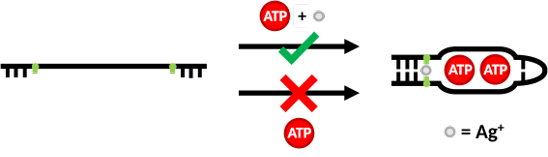
- present. System B functions in a similar manner (Figure 4B), but instead of the aptamer carrying the fluorescent label, it utilizes two complementary sequences, one carrying fluorescein (2f) and the other carrying DABCYL (2q). First, the change in fluorescence was investigated for all sequences of the
- , Figure S7b). This strongly suggests that the modified aptamers are still specific. The binding assays were repeated using the respective aptamers lacking the fluorescein label (1a, 1b, 1c, and 1d; Figure S8 in Supporting Information File 1). Without the fluorescent marker, a quantification of the eluted


Synthesis and investigation of quadruplex-DNA-binding, 9-O-substituted berberine derivatives
Beilstein J. Org. Chem. 2020, 16, 2795–2806, doi:10.3762/bjoc.16.230
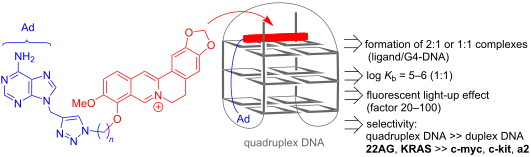
- derivatives. Notably, a clear relationship between the binding affinity of the ligands with the length of the alkyl linker chain, n, was not observed. However, depending on the structure, the ligands exhibited different effects when bound to the G4-DNA, such as fluorescent light-up effects and formation of
- bound to the G4-DNA, such as fluorescent light-up effects and the formation of ICD bands, which are mostly pronounced with linker length of n = 4 (with a2) and n = 5 (with 22AG). This significant influence of the complex structure on the optical properties of the ligand provides some evidence that each


Encrypting messages with artificial bacterial receptors
Beilstein J. Org. Chem. 2020, 16, 2749–2756, doi:10.3762/bjoc.16.225
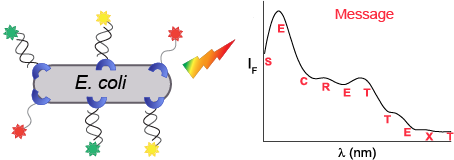
- information protection at the molecular level. Keywords: artificial receptors; cell surface modification; fluorescent probes; molecular cryptography; Introduction In living cells, information is processed and transferred via a series of recognition and signaling events, which normally begin by the binding
- selectively bind a hexa-histidine tag (His-tag). ODN-1 can also be modified with a second functional group (X), such as a fluorescent dye, to afford X-ODN-1 (Figure 1A and Figure 1B). In this way, the binding of X-ODN-1 to the bacteria will lead to the presentation of X on the cell surface (Figure 1A). A
- labeled bacteria during cell division (Figure 2B). Another research direction in our group, which also involves the development of unconventional fluorescent probes, is the information protection at the molecular level [4][5][6]. In such studies [4][5][6], the emission patterns generated by the probes are




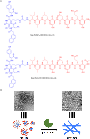
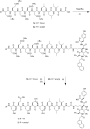
Enzyme-instructed morphological transition of the supramolecular assemblies of branched peptides
Beilstein J. Org. Chem. 2020, 16, 2709–2718, doi:10.3762/bjoc.16.221
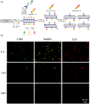
- nanofibers in the HeLa cells. Then, we used confocal laser scanning microscopy (CLSM) to examine whether these compounds deliver RPE into HeLa cells. After mixing R-phycoerythrin (RPE) [49], a red fluorescent protein, with 1 or 2 at different concentrations, we incubated the mixtures with HeLa cells for 2 h
- and 4 h. While the control cells (without adding 1 or 2) showed little fluorescence, the cells treated with RPE and 1 or 2 started to show many red fluorescent puncta inside the cells after 2 h. The puncta remained inside the cells at 4 h and showed little change (Figure 6). These results indicate




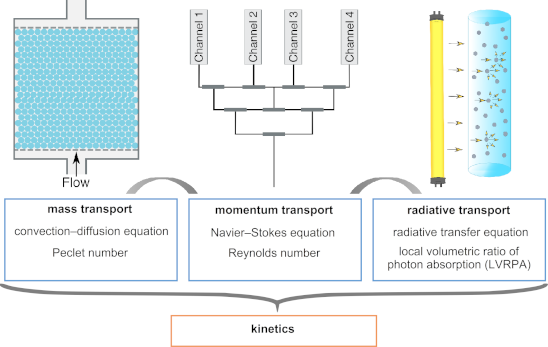
Dawn of a new era in industrial photochemistry: the scale-up of micro- and mesostructured photoreactors
Beilstein J. Org. Chem. 2020, 16, 2484–2504, doi:10.3762/bjoc.16.202




Styryl-based new organic chromophores bearing free amino and azomethine groups: synthesis, photophysical, NLO, and thermal properties
Beilstein J. Org. Chem. 2020, 16, 2282–2296, doi:10.3762/bjoc.16.189
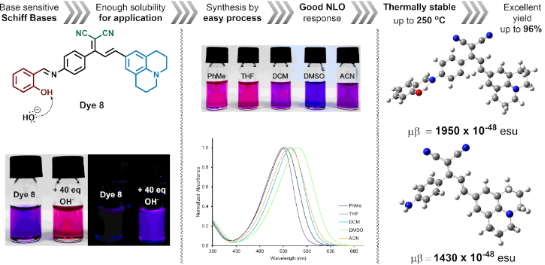
- /deprotonation processes [23][24][25]. Fluorescent dyes as chemosensors offer unique merits such as low energy consumption, ease of handling, high selectivity, and notable sensitivity [26][27]. Moreover, some fluorescent dyes demonstrate remarkable ICT characteristics, and could therefore serve as NLO dyes [11
- ][12][13][14]. Among dyestuffs classes, the push-pull fluorescent dyes are renowned to own such special behaviors. The push-pull dyes generate higher charge delocalization upon excitation, thus enhance both polarizability and fluorescence emission [12][13][14][18]. The charge delocalization upon
- maximum emission wavelengths with increasing polarity parameters of the solvents. However, the largest bathochromic shifts of the emission maxima for both series of dyes were observed in DMSO. This phenomenon is observed when highly fluorescent polar excited states of push-pull dyes are stabilized by


The B & B approach: Ball-milling conjugation of dextran with phenylboronic acid (PBA)-functionalized BODIPY
Beilstein J. Org. Chem. 2020, 16, 2272–2281, doi:10.3762/bjoc.16.188
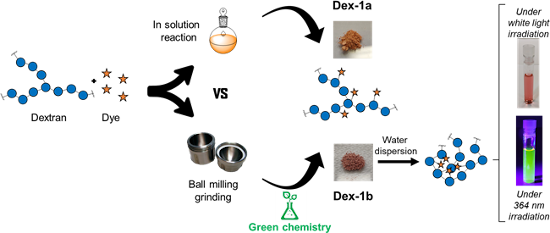
- , Poland 10.3762/bjoc.16.188 Abstract Mechanochemistry is an emerging and reliable alternative to conventional solution (batch) synthesis of complex molecules under green and solvent-free conditions. In this regard, we report here on the conjugation of a dextran polysaccharide with a fluorescent probe, a
- biocompatibility while remaining fluorescent. Keywords: ball milling; boronic ester; dextran; bodipy; nanoparticles; Introduction In the last few decades, mechanochemistry has gathered a great deal of attention and a lot of efforts have been focused on its use in organic synthesis, catalysis, biotransformation
- the mechanochemical approach (the B & B, ball milling for boronic acid conjugation) as bioconjugation strategy for the labeling of biocompatible carbohydrates. Fluorescent labeling is of key importance to follow up the fate of molecules and (nano)materials inside cells and in the human body. In this


Tools for generating and analyzing glycan microarray data
Beilstein J. Org. Chem. 2020, 16, 2260–2271, doi:10.3762/bjoc.16.187
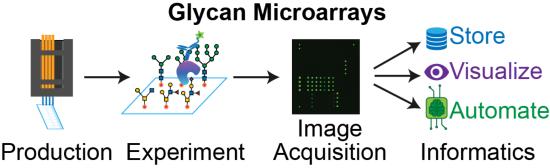
- the primary analyte was not fluorescently labeled, for example a fluorescent secondary antibody or streptavidin. After washing the slide to remove unbound material, the bound material is then identified and measured by scanning using a fluorescence microarray scanner. The image produced can then be


Naphthalene diimide bis-guanidinio-carbonyl-pyrrole as a pH-switchable threading DNA intercalator
Beilstein J. Org. Chem. 2020, 16, 2201–2211, doi:10.3762/bjoc.16.185
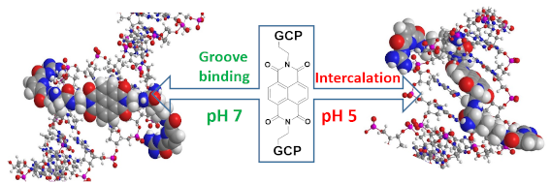
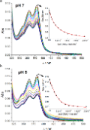
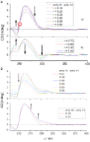
- -fluorescent at experimental conditions and addition. Since NDI dyes are known to emit fluorescence, we also tried fluorimetric titrations with the hope that the initially non-emissive compound 4 becomes fluorescent upon binding to DNA (for instance cyanine dyes and many other behave that way). However, we did
- not observe any emission, neither for single dye binding to DNA, nor in crowding conditions (excess of dye over DNA binding sites) at which eventually fluorescent excimers could be formed. Interactions with DNA/RNA Because of significant differences in the protonation states of compound 4, studies





Photosensitized direct C–H fluorination and trifluoromethylation in organic synthesis
Beilstein J. Org. Chem. 2020, 16, 2151–2192, doi:10.3762/bjoc.16.183
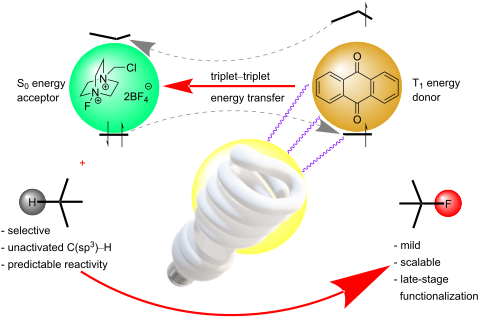
- -light irradiation by a household (19 W) compact fluorescent light (CFL) bulb (emitting variable wavelengths in the range of ≈365–625 nm) [195] and under mild conditions. Control reactions revealed that both the PS and light were essential for the reaction to occur. According to their report, benzylic C




Clustering and curation of electropherograms: an efficient method for analyzing large cohorts of capillary electrophoresis glycomic profiles for bioprocessing operations
Beilstein J. Org. Chem. 2020, 16, 2087–2099, doi:10.3762/bjoc.16.176
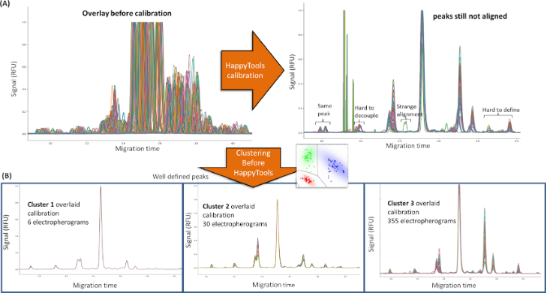
- bracketing standards in the electropherograms, the variation of GU values for glycan peaks generally were within a very small range (Figure 1A and 1B) allowing for consistent database matching against a GU CE database (APTS fluorescent labelled) [10]. HappyTools was used to calibrate the migration times of
- needed to identify what glycans were eluted at each peak. Glycan identification for all 11 bioreactor runs Glycan identifications to all peaks in all 391 electropherograms were confirmed using evidence from two orthogonal approaches, UPLC-MS (RFMS fluorescent label) analysis and a CE-LIF analysis (APTS
- Capillary electrophoresis of the released and APTS-labelled antibody N-glycans was performed on a CESI8000 CE instrument (Sciex) equipped with a solid state laser-induced fluorescent detector (excitation 488 nm, emission 520 nm). Separations were made across a 20 cm effective length (30 cm total length), 50


Naphthalene diimide–amino acid conjugates as novel fluorimetric and CD probes for differentiation between ds-DNA and ds-RNA
Beilstein J. Org. Chem. 2020, 16, 2032–2045, doi:10.3762/bjoc.16.170
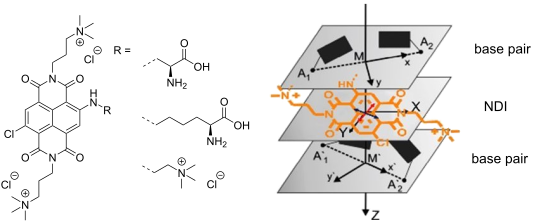
- Chemistry (CNC), Universität Würzburg, Theodor-Boveri-Weg, 97074 Würzburg, Germany 10.3762/bjoc.16.170 Abstract Two novel unnatural amino acids, prepared by linking a dicationic purple-coloured and fluorescent naphthalene diimide (NDI) at core position to amino acid side chains of variable length, strongly
- colourless and non-fluorescent core-unsubstituted NDI with a new charge transfer band with an absorption maximum in the visible spectral range and a high fluorescence quantum yield (up to 58%) [23][25]. Further, the 2-amino substituent offers the possibility to connect various amino acid side chains, thus
- –polynucleotide systems, thereby providing insight into the aromatic core position within the intercalative binding site. Conclusion The new amino acid conjugates 3a, 3b, and reference compound 5 bearing the fluorescent NDI tag molecules showed moderate absorbance in the mid-visible range (λabs 520–540 nm) and


pH- and concentration-dependent supramolecular self-assembly of a naturally occurring octapeptide
Beilstein J. Org. Chem. 2020, 16, 2017–2025, doi:10.3762/bjoc.16.168
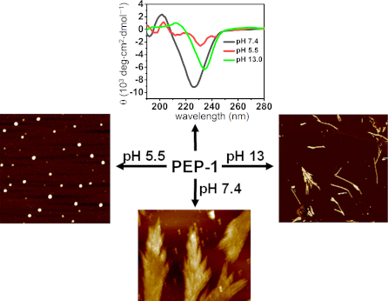
- ]. The band at 1678 cm−1 was the characteristic feature of an antiparallel conformation of the sheet structure or the β-turn structure [61]. To further confirm the β-sheet formation, we performed a ThT fluorescence spectroscopy assay. ThT is a widely used fluorescent dye that is amyloid-specific and can


Automated high-content imaging for cellular uptake, from the Schmuck cation to the latest cyclic oligochalcogenides
Beilstein J. Org. Chem. 2020, 16, 2007–2016, doi:10.3762/bjoc.16.167
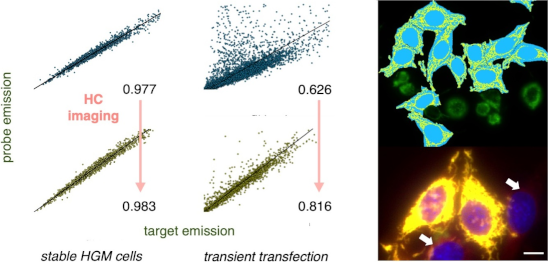
- associated to the master object (the cell), a set of meaningful data can be extracted from each object in the different fluorescent channels. The data set generated for each cell can later be used for a deep phenotypic analysis, using an advanced unsupervised statistical analysis method (e.g., principal




Regiodivergent synthesis of functionalized pyrimidines and imidazoles through phenacyl azides in deep eutectic solvents
Beilstein J. Org. Chem. 2020, 16, 1915–1923, doi:10.3762/bjoc.16.158
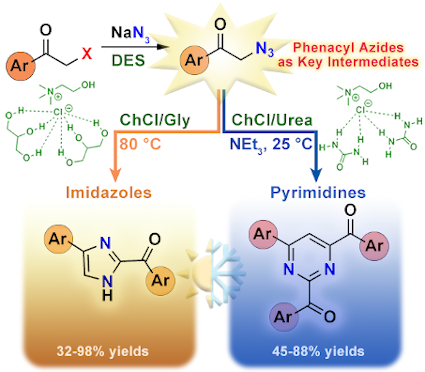
- temperature (rt, 25 °C) (Scheme 2) [16]. By warming the mixture up to 50 °C, the yield of 2a dropped to 89% after 1 h, and we noticed in the crude the appearance of an additional product, which was detected as a fluorescent spot on TLC, whose amount increased by increasing the temperature. After 4 h warming
- fluorescent spot was detected on TLC plate in the presence of an excess of Et3N (3 equiv). After column chromatography on silica gel, we were able to isolate a new product that was characterized as 2,4-dibenzoyl-6-phenylpyrimidine (7a, 55% yield) in addition to 3a/3a' (26% yield), the remaining being starting


Synthesis and highly efficient light-induced rearrangements of diphenylmethylene(2-benzo[b]thienyl)fulgides and fulgimides
Beilstein J. Org. Chem. 2020, 16, 1820–1829, doi:10.3762/bjoc.16.149
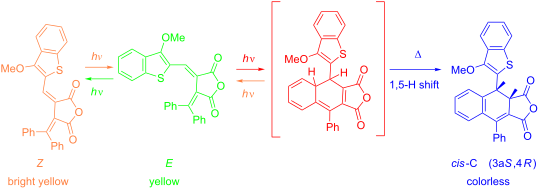
- ; X-ray diffraction; Introduction Photochromic compounds are of considerable interest as molecular switches, elements of optical memory and molecular logic devices [1][2][3][4]. Fulgides and fulgimides possessing excellent thermal and photochemical stability, structurally modulated fluorescent




Et3N/DMSO-supported one-pot synthesis of highly fluorescent β-carboline-linked benzothiophenones via sulfur insertion and estimation of the photophysical properties
Beilstein J. Org. Chem. 2020, 16, 1740–1753, doi:10.3762/bjoc.16.146
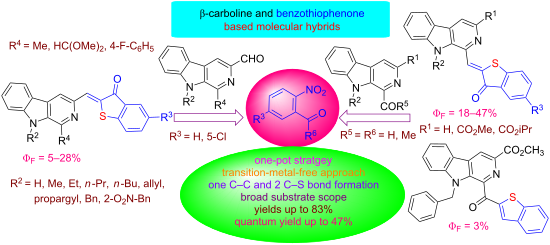
- abecarnil, tadalafil, cipargamin, yohimbine, etc. which are used in the treatment of various ailments [14][15]. Apart from their pharmaceutical properties, β-carboline derivatives also found various applications in fields such as organocatalysts, as ligands, and fluorescent probes [16][17][18]. Importantly
- , β-carbolines are also used as fluorescence standards. Recently, a novel β-carboline-based fluorescent chemosensor was developed by Batra and co-workers for the quantitative analysis of fluoride ions (F−) at ppb level [19]. Sulfur-containing organic compounds are broadly associated with numerous
- aldehydes 1a-b, 1d and 1h in 76–91% yields (Scheme 1). The methodology was found to be general in nature and produced the fluorescent β-carboline-linked benzothiophenone derivatives 2aA-bA, 2dA and 2hA within 15–45 min in DMSO at 70 °C as depicted in Scheme 2. The analytically pure products were obtained in


Nonenzymatic synthesis of anomerically pure, mannosyl-based molecular probes for scramblase identification studies
Beilstein J. Org. Chem. 2020, 16, 1732–1739, doi:10.3762/bjoc.16.145
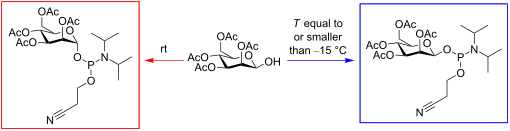
- -mannose (the α-anomer also shows biological activity, but to a lesser extent) [13][14][15], a short-chain (citronellol) mimic of dolichol [1][2][13], and a functional tag. The latter may either be a chemically reactive group (in MPC-1) or a fluorescent reporter group (in MPC-2). MPC-1 bears a benzophenone
- ][28][29]. The phosphoramidite approach was also applied to the synthesis of a second molecular probe, MPC-2, an anomerically pure, β-linked ᴅ-mannosephosphate derivative, which serves as a fluorescent MPD analog for scramblase activity screening assays. Although similar experiments have been described
- candidates (identification by mass spectrometry), and the other probe, MPC-2, consists of a fluorescent label to test candidates for scramblase activity in reconstitution-based assays. The molecular probes were prepared via phosphoramidite chemistry, which allowed the incorporation of the carbohydrate



Photocatalyzed syntheses of phenanthrenes and their aza-analogues. A review
Beilstein J. Org. Chem. 2020, 16, 1476–1488, doi:10.3762/bjoc.16.123
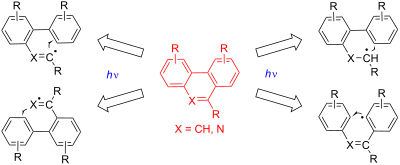
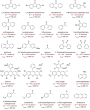
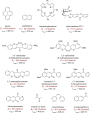
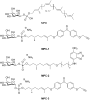
- topoisomerase 1 inhibitor [14] and DNA intercalator), bicolorine (5-methyl-[1,3]dioxolo[4,5-j]phenanthridin-5-ium ion, a trypanocidal) [15], and the antimalarian nitidine, as well as ethidium bromide (EB), that has been employed as a DNA- and RNA-fluorescent marker for a long time (some examples are collected


Synthesis of new fluorescent molecules having an aggregation-induced emission property derived from 4-fluoroisoxazoles
Beilstein J. Org. Chem. 2020, 16, 1411–1417, doi:10.3762/bjoc.16.117
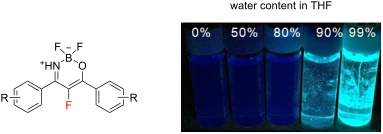
- Kazuyuki Sato Akira Kawasaki Yukiko Karuo Atsushi Tarui Kentaro Kawai Masaaki Omote Faculty of Pharmaceutical Sciences, Setsunan University, 45-1 Nagaotoge-cho, Hirakata, Osaka 573-0101, Japan 10.3762/bjoc.16.117 Abstract Fluorescent molecules based on a fluorinated isoxazole scaffold were
- -opening reaction of 4-fluoroisoxazoles and exhibited highly fluorescent luminescence and aggregation-induced emission (AIE), showing promise as a new fluorophore. Keywords: aggregation-induced emission; boron ketoiminates; fluorescent probe; α-fluorinated boron ketoiminates; 4-fluoroisoxazoles
- be visualized using fluorescent probes, the use of AIE fluorescent probes is being investigated as a tool for analyzing the causal relationship between prion diseases and prion proteins. The importance of fluorinated heterocyclic derivatives in the pharmaceutical and agrochemical industries continues





