


Search results
Search for "sulfonamide" in Full Text gives 138 result(s) in Beilstein Journal of Organic Chemistry.
When cyclopropenes meet gold catalysts
- Frédéric Miege,
- Christophe Meyer and
- Janine Cossy
Beilstein J. Org. Chem. 2011, 7, 717–734, doi:10.3762/bjoc.7.82
- yield (99%) and with high diastereoselectivity (dr > 96:4) by gold-catalyzed cycloisomerization of the N-allyl sulfonamide 70 (Scheme 28) [25]. The success of the gold-catalyzed cycloisomerization of cyclopropene-enes, proceeding with intramolecular cyclopropanation of the olefin, lies in the
- , underwent nucleophilic attack by the cyclopropene in a 5-exo-dig manner followed by ring-opening. A subsequent Friedel–Crafts cyclization allowed the formation of the indene subunit (Equation 1, Scheme 32). Sulfonamide 91 contains a 1,7-enyne subunit and its gold-catalyzed cycloisomerization delivered

Graphical Abstract

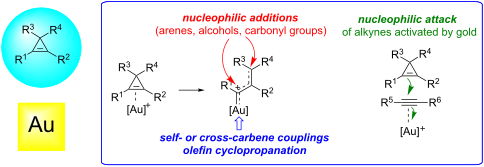
Scheme 1: General reactivity of cyclopropenes in the presence of gold catalysts.

Scheme 2: Cationic organogold species generated from cyclopropenone acetals.

Scheme 3: Rotation barriers around the C2–C3 bond (M06 DFT calculations).

Scheme 4: Au–C1 bond length in organogold species of type D.

Scheme 5: Gold-catalyzed addition of alcohols or water to cyclopropene 8.

Scheme 6: Gold-catalyzed addition of alcohols to cyclopropene 10.

Scheme 7: Mechanism of the gold-catalyzed addition of alcohols to cyclopropenes.

Scheme 8: Synthesis of tert-allylic ethers from cyclopropenes and allenes.

Scheme 9: Oxidation of the intermediate gold–carbene with diphenylsulfoxide.

Scheme 10: Gold, copper and Lewis acid-catalyzed reactions of cyclopropene 18.

Scheme 11: Mechanism of the Lewis acid-catalyzed reactions of cyclopropene 18.

Scheme 12: Gold-catalyzed rearrangement of vinylcyclopropenes 25.

Scheme 13: Gold-catalyzed rearrangement of cyclopropenes 27 to indenes 28.

Scheme 14: Gold-catalyzed rearrangement of cyclopropenes 29 to indenes 30.

Scheme 15: Gold-catalyzed rearrangement of cyclopropenyl ester 34a.

Scheme 16: Gold-catalyzed reactions of cyclopropenyl esters 34b–34d.

Scheme 17: Gold-catalyzed reactions of cyclopropenylsilane 34e.

Scheme 18: Gold-catalyzed rearrangement of cyclopropenylmethyl acetates.

Scheme 19: Mechanism of the gold-catalyzed rearrangement of cyclopropenes 39.

Scheme 20: Gold-catalyzed cyclopropanation of styrene with cyclopropene 8.

Scheme 21: Representative reactions of carbene precursors on gold metal.

Scheme 22: Intermolecular olefin cyclopropanation with gold carbenes generated from cyclopropenes.

Scheme 23: Gold-catalyzed formation of trienes from cyclopropenes and furans.

Scheme 24: Gold-catalyzed formation of trienes from cyclopropenes and furans.

Scheme 25: Gold-catalyzed formation of trienes from cyclopropenes and furans.

Scheme 26: Gold-catalyzed cycloisomerization of cyclopropene-ene 59.

Scheme 27: Gold-catalyzed cycloisomerization of substituted allyl cyclopropenyl carbinyl ethers 62a–62f.
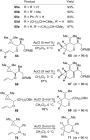
Scheme 28: Gold-catalyzed cycloisomerization of cyclopropene-enes.

Scheme 29: Gold-catalyzed cycloisomerization of cyclopropene-ynes.

Scheme 30: Formation of products arising from a double cleavage process in the gold-catalyzed cycloisomerizati...

Scheme 31: Gold-catalyzed cycloisomerization of cyclopropene-ynes involving a double cleavage process.

Scheme 32: Gold-catalyzed reaction of cyclopropene-ynes, cyclopropene-enes and cyclopropene-allenes.
An overview of the key routes to the best selling 5-membered ring heterocyclic pharmaceuticals
- Marcus Baumann,
- Ian R. Baxendale,
- Steven V. Ley and
- Nikzad Nikbin
Beilstein J. Org. Chem. 2011, 7, 442–495, doi:10.3762/bjoc.7.57
- yields (Scheme 9). However, in sumatriptan the indole product resulting from the Fischer synthesis can still react further which leads to the formation of by-products and significantly reduced yields. One way to minimise this was to protect the nitrogen of the sulfonamide group prior to indole formation
- and decarboxylation then affords sumatriptan [14]. All the reported methods for the synthesis of sumatriptan begin with the sulfonamide group already present on the aromatic ring and several routes are possible to introduce this functional group. The scalable route to the sulfonamides inevitably
- formaldehyde as by-products [15]. Another possible approach is based on the direct displacement of a benzylic chloride by sodium sulfite and subsequent sulfonamide formation as shown in Scheme 13 [16]. A more recent method utilises a palladium-catalysed Negishi coupling to access a diverse library of benzylic

Graphical Abstract
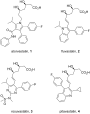
Figure 1: Structures of atorvastatin and other commercial statins.

Figure 2: Structure of compactin.

Scheme 1: Synthesis of pentasubstituted pyrroles.

Scheme 2: [3 + 2] Cycloaddition to prepare 5-isopropylpyrroles.

Scheme 3: Regiospecific [3 + 2] cycloaddition to prepare the pyrrole scaffold.

Scheme 4: Formation of the pyrrole core of atorvastatin via [3 + 2] cycloaddition.

Scheme 5: Formation of pyrrole 33 via the Paal–Knorr reaction.

Scheme 6: Convergent synthesis towards atorvastatin.

Figure 3: Binding pocket of sunitinib in the TRK KIT.

Scheme 7: Synthesis of sunitinib.

Scheme 8: Alternative synthesis of sunitinib.

Scheme 9: Key steps in the syntheses of sumatriptan and zolmitriptan.

Scheme 10: Introduction of the N,N-dimethylaminoethyl side chain.

Scheme 11: Japp–Klingemann reaction in the synthesis of sumatriptan.

Scheme 12: Synthesis of the intermediate sulfonyl chlorides 62 and 63.

Scheme 13: Alternative introduction of the sulfonamide.

Scheme 14: Negishi-type coupling to benzylic sulfonamides.

Scheme 15: Heck reaction used to introduce the sulfonamide side chain of naratriptan.

Scheme 16: Synthesis of the oxazolinone appendage of zolmitriptan.

Scheme 17: Grandberg indole synthesis used in the preparation of rizatriptan.

Scheme 18: Improved synthesis of rizatriptan.

Scheme 19: Larock-type synthesis of rizatriptan.

Scheme 20: Synthesis of eletriptan.

Scheme 21: Heck coupling for the indole system in eletriptan.

Scheme 22: Attempted Fischer indole synthesis of elatriptan.

Scheme 23: Successful Fischer indole synthesis for eletriptan.

Scheme 24: Mechanistic rationale for the Bischler–Möhlau reaction.

Scheme 25: Bischler-type indole synthesis used in the fluvastatin sodium synthesis.

Scheme 26: Palladium-mediated synthesis of ondansetron.

Scheme 27: Fischer indole synthesis of ondansetron.

Scheme 28: Optimised Pictet–Spengler reaction towards tadalafil.

Figure 4: Structures of carvedilol 136 and propranolol 137.

Scheme 29: Synthesis of the carbazole core of carvedilol.

Scheme 30: Alternative syntheses of 4-hydroxy-9H-carbazole.

Scheme 31: Convergent synthesis of etodolac.

Scheme 32: Alternative synthesis of etodolac.

Figure 5: Structures of imidazole-containing drugs.

Scheme 33: Synthesis of functionalised imidazoles towards losartan.

Scheme 34: Direct synthesis of the chlorinated imidazole in losartan.

Scheme 35: Synthesis of trisubstituted imidazoles.

Scheme 36: Preparation of the imidazole ring in olmesartan.

Scheme 37: Synthesis of ondansetron.

Scheme 38: Alternative route to ondansetron and its analogues.

Scheme 39: Proton pump inhibitors and synthesis of esomeprazole.

Scheme 40: Synthesis of benzimidazole core pantoprazole.

Figure 6: Structure of rabeprazole 194.

Scheme 41: Synthesis of candesartan.

Scheme 42: Alternative access to the candesartan key intermediate 216.

Scheme 43: .Medicinal chemistry route to telmisartan.

Scheme 44: Improved synthesis of telmisartan.

Scheme 45: Synthesis of zolpidem.

Scheme 46: Copper-catalysed 3-component coupling towards zolpidem.

Figure 7: Structure of celecoxib.

Scheme 47: Preparation of celecoxib.

Scheme 48: Alternative synthesis of celecoxib.

Scheme 49: Regioselective access to celecoxib.

Scheme 50: Synthesis of pazopanib.

Scheme 51: Syntheses of anastrozole, rizatriptan and letrozole.

Scheme 52: Regioselective synthesis of anastrozole.

Scheme 53: Triazine-mediated triazole formation towards anastrozole.

Scheme 54: Alternative routes to 1,2,4-triazoles.

Scheme 55: Initial synthetic route to sitagliptin.

Figure 8: Binding of sitagliptin within DPP-IV.

Scheme 56: The process route to sitagliptin key intermediate 280.

Scheme 57: Synthesis of maraviroc.

Scheme 58: Synthesis of alprazolam.

Scheme 59: The use of N-nitrosoamidine derivatives in the preparation of fused benzodiazepines.

Figure 9: Structures of itraconazole, ravuconazole and voriconazole.

Scheme 60: Synthesis of itraconazole.

Scheme 61: Synthesis of rufinamide.

Scheme 62: Representative tetrazole formation in valsartan.

Figure 10: Structure of tetrazole containing olmesartan, candesartan and irbesartan.

Scheme 63: Early stage introduction of the tetrazole in losartan.

Scheme 64: Synthesis of cilostazol.

Figure 11: Structure of cefdinir.

Scheme 65: Semi-synthesis of cefdinir.

Scheme 66: Thiazole syntheses towards ritonavir.

Scheme 67: Synthesis towards pramipexole.

Scheme 68: Alternative route to pramipexole.

Scheme 69: Synthesis of famotidine.

Scheme 70: Efficient synthesis of the hyperuricemic febuxostat.

Scheme 71: Synthesis of ziprasidone.

Figure 12: Structure of mometasone.

Scheme 72: Industrial access to 2-furoic acid present in mometasone.

Scheme 73: Synthesis of ranitidine from furfuryl alcohol.

Scheme 74: Synthesis of nitrofurantoin.

Scheme 75: Synthesis of benzofuran.

Scheme 76: Synthesis of amiodarone.

Scheme 77: Synthesis of raloxifene.

Scheme 78: Alternative access to the benzo[b]thiophene core of raloxifene.

Scheme 79: Gewald reaction in the synthesis of olanzapine.

Scheme 80: Alternative synthesis of olanzapine.
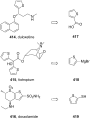
Figure 13: Access to simple thiophene-containing drugs.

Scheme 81: Synthesis of clopidogrel.

Scheme 82: Pictet–Spengler reaction in the preparation of tetrahydrothieno[3,2-c]pyridine (422).

Scheme 83: Alternative synthesis of key intermediate 422.

Figure 14: Co-crystal structures of timolol (left) and carazolol (right) in the β-adrenergic receptor.

Scheme 84: Synthesis of timolol.

Scheme 85: Synthesis of tizanidine 440.

Scheme 86: Synthesis of leflunomide.

Scheme 87: Synthesis of sulfamethoxazole.

Scheme 88: Synthesis of risperidone.

Figure 15: Relative abundance of selected transformations.

Figure 16: The abundance of heterocycles within top 200 drugs (5-membered rings).
Approaches towards the synthesis of 5-aminopyrazoles
- Ranjana Aggarwal,
- Vinod Kumar,
- Rajiv Kumar and
- Shiv P. Singh
Beilstein J. Org. Chem. 2011, 7, 179–197, doi:10.3762/bjoc.7.25
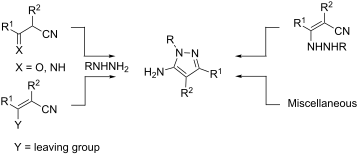
- sulfonamide derivatives 12 by reducing the nitro group to an amino group by catalytic hydrogenation followed by treatment with an arylsulfonyl chloride (Scheme 4). Alternatively, 5-aminopyrazoles 17 containing a cyclohexylmethyl- or phenylmethyl- sulfonamido group at position-3 were prepared by treating β
- cyanoacetaldehyde (7) with hydrazines. Synthesis of 5-aminopyrazoles and their sulfonamide derivatives. Synthesis of 5-aminopyrazoles, containing a cyclohexylmethyl- or phenylmethyl- sulfonamido group at position-3. Regioselective synthesis of 3-amino-2-alkyl (or aryl) thieno[3,4-c]pyrazoles 19. Solid supported

Graphical Abstract
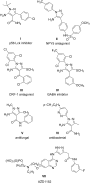
Figure 1: Pharmacologically active 5-aminopyrazoles.

Scheme 1: General equation for the condensation of β-ketonitriles with hydrazines.

Scheme 2: Reaction of hydrazinoheterocycles with α-phenyl-β-cyanoketones (4).

Scheme 3: Condensation of cyanoacetaldehyde (7) with hydrazines.

Scheme 4: Synthesis of 5-aminopyrazoles and their sulfonamide derivatives.

Scheme 5: Synthesis of 5-aminopyrazoles, containing a cyclohexylmethyl- or phenylmethyl- sulfonamido group at...

Scheme 6: Regioselective synthesis of 3-amino-2-alkyl (or aryl) thieno[3,4-c]pyrazoles 19.

Scheme 7: Solid supported synthesis of 5-aminopyrazoles.

Scheme 8: Synthesis of 5-aminopyrazoles from resin supported enamine nitrile 25 as the starting material.

Scheme 9: Two-step “catch and release” solid-phase synthesis of 3,4,5-trisubstituted pyrazoles.

Scheme 10: Synthesis of pyrazolo[5,1-d][1,2,3,5]tetrazine-4(3H)-ones.

Scheme 11: Synthesis of the 5,5-ring system, imidazo[1,2-b]pyrazol-2-ones.

Scheme 12: Synthesis of 5-amino-3-(pyrrol-2-yl)pyrazole-4-carbonitrile.

Scheme 13: Synthesis of N-(1,3-diaryl-1H-pyrazol-5-yl)benzamide.

Scheme 14: Synthesis of 3,7-bis(arylazo)-6-methyl-2-phenyl-1H-imidazo[1,2-b]pyrazoles.

Scheme 15: Synthesis of 3,5-diaminopyrazole.

Scheme 16: Synthesis of 5-amino-4-cyanopyrazole and 5-amino-3-hydrazinopyrazole.

Scheme 17: Synthesis of 3,5-diaminopyrazoles with substituted malononitriles.

Scheme 18: Synthesis of 3,5-diamino-4-oximinopyrazole.

Scheme 19: Synthesis of 4-arylazo-3,5-diaminopyrazoles.

Scheme 20: Synthesis of 3- or 5-amino-4-cyanopyrazoles.

Scheme 21: Synthesis of triazenopyrazoles.

Scheme 22: Synthesis of 5(3)-aminopyrazoles.

Scheme 23: Synthesis of 3-substituted 5-amino-4-cyanopyrazoles.

Scheme 24: Synthesis of 2-{[(1-acetyl-4-cyano-1H-pyrazol-5-yl)amino]methylene}malononitrile.

Scheme 25: Synthesis of 5-aminopyrazole carbodithioates and 5-amino-3-arylamino-1-phenylpyrazole-4-carboxamide...

Scheme 26: Synthesis of 5-amino-4-cyanopyrazoles.

Scheme 27: Synthesis of thiazolylpyrazoles.

Scheme 28: Synthesis of 5-amino-1-heteroaryl-3-methyl/aryl-4-cyanopyrazoles.

Scheme 29: Synthesis of 5-amino-3-methylpyrazole-4-carboxamide.

Scheme 30: Synthesis of 4-acylamino-3(5)-amino-5(3)-arylsulfanylpyrazoles.

Scheme 31: Synthesis of 5-amino-1-aryl-4-diethoxyphosphoryl-3-halomethylpyrazoles.

Scheme 32: Synthesis of substituted 5-amino-3-trifluoromethylpyrazoles 114 and 118.

Scheme 33: Solid-support synthesis of 5-N-alkylamino and 5-N-arylaminopyrazoles.

Scheme 34: Synthesis of 5-amino-1-cyanoacetyl-3-phenyl-1H-pyrazole.

Scheme 35: Synthesis of 3-substituted 5-amino-1-aryl-4-(benzothiazol-2-yl)pyrazoles.

Scheme 36: Synthesis of 5-amino-4-carbethoxy-3-methyl-1-(4-sulfamoylphenyl)pyrazole.

Scheme 37: Synthesis of inhibitors of hsp27-phosphorylation and TNFa-release.

Scheme 38: Synthesis of the diglycylpyrazole 142.

Scheme 39: Synthesis of 5-amino-1-aryl-4-benzoylpyrazole derivatives.

Scheme 40: Synthesis of 4-benzoyl-3,5-diamino-1-(2-cyanoethyl)pyrazole.

Scheme 41: Synthesis of the 5-aminopyrazole derivative 150.

Scheme 42: Synthesis of 3,5-diaminopyrazoles 153.

Scheme 43: Synthesis of 5-aminopyrazoles derivatives 155 via lithiated intermediates.

Scheme 44: Synthesis of 5-amino-4-(1,2,4-oxadiazol-5-yl)-pyrazoles 157.

Scheme 45: Synthesis of a 5-aminopyrazole with anticonvulsant activity.

Scheme 46: Synthesis of tetrasubstituted 5-aminopyrazole derivatives.

Scheme 47: Synthesis of substituted 5-aminopyrazoles from hydrazonoyl halides.

Scheme 48: Synthesis of 3-amino-5-phenylpyrazoles from isothiazoles.

Scheme 49: Synthesis of 5-aminopyrazoles via ring transformation.
Aromatic and heterocyclic perfluoroalkyl sulfides. Methods of preparation
- Vladimir N. Boiko
Beilstein J. Org. Chem. 2010, 6, 880–921, doi:10.3762/bjoc.6.88
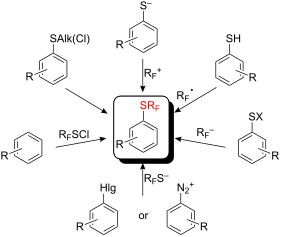
- , C6F5SSCF3, CF3I as well as (CF3S)2 with (CF3)2S suggesting the following reaction mechanism (Scheme 53). N-Trifluoromethyl-N-nitrosobenzene sulfonamide has been used as a source of CF3• radicals. This reagent (obtained by reaction of CF3NO, NH2OH and benzenesulfonic acid chloride) reacts with organic

Graphical Abstract

Figure 1: Examples of industrial fluorine-containing bio-active molecules.

Figure 2: CF3(S)- and CF3(O)-containing pharmacologically active compounds.

Figure 3: Hypotensive candidates with SRF and SO2RF groups – analogues of Losartan and Nifedipin.

Figure 4: The variety of the pharmacological activity of RFS-substituted compounds.

Figure 5: Recent examples of compounds containing RFS(O)n-groups [12-18].

Scheme 1: Fluorination of ArSCCl3 to corresponding ArSCF3 derivatives. For references see: a[38-43]; b[41,42]; c[43]; d[44]; e[38-43,45-47]; f[38-43,48,49]; g...

Scheme 2: Preparation of aryl pentafluoroethyl sulfides.

Scheme 3: Mild fluorination of the aryl SCF2Br derivatives.

Scheme 4: HF fluorinations of aryl α,α,β-trichloroisobutyl sulfide at various conditions.

Scheme 5: Monofluorination of α,α-dichloromethylene group.

Scheme 6: Electrophilic substitution of phenols with CF3SCl [69].

Scheme 7: Introduction of SCF3 groups into activated phenols [71-74].

Scheme 8: Preparation of tetrakis(SCF3)-4-methoxyphenol [72].

Scheme 9: The interactions of resorcinol and phloroglucinol derivatives with RFSCl.

Scheme 10: Reactions of anilines with CF3SCl.

Scheme 11: Trifluoromethylsulfanylation of anilines with electron-donating groups in the meta position [74].

Scheme 12: Reaction of benzene with CF3SCl/CF3SO3H [77].

Scheme 13: Reactions of trifluoromethyl sulfenyl chloride with aryl magnesium and -mercury substrates.

Scheme 14: Reactions of pyrroles with CF3SCl.

Scheme 15: Trifluoromethylsulfanylation of indole and indolizines.

Scheme 16: Reactions of N-methylpyrrole with CF3SCl [80,82].

Scheme 17: Reactions of furan, thiophene and selenophene with CF3SCl.

Scheme 18: Trifluoromethylsulfanylation of imidazole and thiazole derivatives [83].

Scheme 19: Trifluoromethylsulfanylation of pyridine requires initial hydride reduction.

Scheme 20: Introduction of additional RFS-groups into heterocyclic compounds in the presence of CF3SO3H.

Scheme 21: Introduction of additional RFS-groups into pyrroles [82,87].

Scheme 22: By-products in reactions of pyrroles with CF3SCl [82].

Scheme 23: Reaction of aromatic iodides with CuSCF3 [93,95].

Scheme 24: Reaction of aromatic iodides with RFZCu (Z = S, Se), RF = CF3, C6F5 [93,95,96].

Scheme 25: Side reactions during trifluoromethylsulfanylation of aromatic iodides with CF3SCu [98].

Scheme 26: Reactions with in situ generated CuSCF3.

Scheme 27: Perfluoroalkylthiolation of aryl iodides with bulky RFSCu [105].

Scheme 28: In situ formation and reaction of RFZCu with aryl iodides.

Figure 6: Examples of compounds obtained using in situ generated RFZCu methodology [94].

Scheme 29: Introduction of SCF3 group into aromatics via difluorocarbene.

Scheme 30: Tetrakis(dimethylamino)ethylene dication trifluoromethyl thiolate as a stable reagent for substitut...

Scheme 31: The use of CF2=S/CsF or (CF3S)2C=S/CsF for the introduction of CF3S groups into fluorinated heteroc...

Scheme 32: One-pot synthesis of ArSCF3 from ArX, CCl2=S and KF.

Scheme 33: Reaction of aromatics with CF3S− Kat+ [115].

Scheme 34: Reactions of activated aromatic chlorides with AgSCF3/KI.

Scheme 35: Comparative CuSCF3/KI and Hg(SCF3)2/KI reactions.

Scheme 36: Me3SnTeCF3 – a reagent for the introduction of the TeCF3 group.

Scheme 37: Sandmeyer reactions with CuSCF3.

Scheme 38: Reactions of perfluoroalkyl iodides with alkali and organolithium reagents.

Scheme 39: Perfluoroalkylation with preliminary breaking of the disulfide bond.

Scheme 40: Preparation of RFS-substituted anilines from dinitrodiphenyl disulfides.

Scheme 41: Photochemical trifluoromethylation of 2,4,6-trimercaptochlorobenzene [163].

Scheme 42: Putative process for the formation of B, C and D.

Scheme 43: Trifluoromethylation of 2-mercapto-4-hydroxy-6-trifluoromethylyrimidine [145].

Scheme 44: Deactivation of 2-mercapto-4-hydroxypyrimidines S-centered radicals.

Scheme 45: Perfluoroalkylation of thiolates with CF3Br under UV irradiation.

Scheme 46: Catalytic effect of methylviologen for RF• generation.

Scheme 47: SO2−• catalyzed trifluoromethylation.

Scheme 48: Electrochemical reduction of CF3Br in the presence of SO2 [199,200].

Scheme 49: Participation of SO2 in the oxidation of ArSCF3−•.

Scheme 50: Electron transfer cascade involving SO2 and MV.

Scheme 51: Four stages of the SRN1 mechanism for thiol perfluoroalkylation.

Scheme 52: A double role of MV in the catalysis of RFI reactions with aryl thiols.

Scheme 53: Photochemical reaction of pentafluoroiodobenzene with trifluoromethyl disulfide.

Scheme 54: N- Trifluoromethyl-N-nitrosobenzene sulfonamide – a source of CF3• radicals [212,213].

Scheme 55: Radical trifluoromethylation of organic disulfides with ArSO2N=NCF3.

Scheme 56: Barton’s S-perfluoroalkylation reactions [216].

Scheme 57: Decarboxylation of thiohydroxamic esters in the presence of C6F13I.

Scheme 58: Reactions of thioesters of trifluoroacetic and trifluoromethanesulfonic acids in the presence of ar...

Scheme 59: Perfluoroalkylation of polychloropyridine thiols with xenon perfluorocarboxylates or XeF2 [222,223].

Scheme 60: Interaction of Xe(OCORF)2 with nitroaryl disulfide [227].

Scheme 61: Bi(CF3)3/Cu(OCOCH3)2 trifluoromethylation of thiophenolate [230].

Scheme 62: Reaction of fluorinated carbanions with aryl sulfenyl chlorides.

Scheme 63: Reaction of methyl perfluoromethacrylate with PhSCl in the presence of fluoride.

Scheme 64: Reactions of ArSCN with potassium and magnesium perfluorocarbanions [237].

Scheme 65: Reactions of RFI with TDAE and organic disulfides [239,240].

Scheme 66: Decarboxylation of perfluorocarboxylates in the presence of disulfides [245].

Scheme 67: Organization of a stable form of “CF3−” anion in the DMF.

Scheme 68: Silylated amines in the presence of fluoride can deprotonate fluoroform for reaction with disulfide...

Figure 7: Other examples of aminomethanols [264].

Scheme 69: Trifluoromethylation of diphenyl disulfide with PhSO2CF3/t-BuOK.

Scheme 70: Amides of trifluoromethane sulfinic acid are sources of CF3− anion.

Scheme 71: Trifluoromethylation of various thiols using “hyper-valent” iodine (III) reagent [279].

Scheme 72: Trifluoromethylation of p-nitrothiophenolate with diaryl CF3 sulfonium salts [280].

Scheme 73: Trifluoromethyl transfer from dibenzo (CF3)S-, (CF3)Se- and (CF3)Te-phenium salts to thiolates [283].

Scheme 74: Multi-stage paths for synthesis of dibenzo-CF3-thiophenium salts [61].
Recent advances in carbocupration of α-heterosubstituted alkynes
- Ahmad Basheer and
- Ilan Marek
Beilstein J. Org. Chem. 2010, 6, No. 77, doi:10.3762/bjoc.6.77

- the stoichiometric version, the reaction proceeds smoothly for the addition of alkyl and phenyl substituents but the yield is much lower for the addition of methyl (30% yield, not indicated in Scheme 11). Even when phenylethynylarene sulfonamide 25 is used as starting material, a single regioisomer 26
- centers. Carbocupration of alkynyl sulfonamide. Tandem carbocupration-sigmatropic rearrangement. Silylcupration of alkynyl sulfonamides. Carbocupration of P-substituted alkynes. Carbocupration of alkynylphosphonates. Carbocupration of thioalkynes. Tandem carbocupration-1,2-metalate rearrangement

Graphical Abstract

Scheme 1: General scheme for the carbocupration reaction.

Scheme 2: Regioselectivity in the carbocupration reaction.

Scheme 3: Carbocupration of α-alkoxyalkynes.

Scheme 4: Carbocupration of substituted α-alkoxyalkynes.

Scheme 5: Formation of the branched isomer.

Scheme 6: Formation of the linear isomer.

Scheme 7: Carbocupration of O-alkynyl carbamates.

Scheme 8: Carbocupration of ynamines.

Scheme 9: Carbocupration of ynamide.

Scheme 10: Formation of aldol products possessing stereogenic quaternary carbon centers.

Scheme 11: Carbocupration of alkynyl sulfonamide.

Scheme 12: Tandem carbocupration-sigmatropic rearrangement.

Scheme 13: Silylcupration of alkynyl sulfonamides.

Scheme 14: Carbocupration of P-substituted alkynes.

Scheme 15: Carbocupration of alkynylphosphonates.

Scheme 16: Carbocupration of thioalkynes.

Scheme 17: Tandem carbocupration-1,2-metalate rearrangement.

Scheme 18: Carbocupration with functionalized organocopper species.

Scheme 19: Carbocupration of alkynyl sulfoxides.

Scheme 20: Carbocupration of alkynyl sulfones.

Scheme 21: Carbocupration of alkynyl sulfoximines.

Scheme 22: Carbocupration of alkynylsilanes.

Scheme 23: Carbocupration of functionalized alkynylsilanes.

Scheme 24: Silyl- and stannyl cupration of silyl- and stannylalkynes.
Anion receptors containing thiazine-1,1-dioxide heterocycles as hydrogen bond donors
- Hong-Bo Wang,
- James A. Wisner and
- Michael C. Jennings
Beilstein J. Org. Chem. 2010, 6, No. 50, doi:10.3762/bjoc.6.50
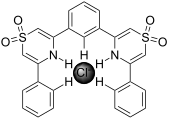
- potential hydrogen bond donor strength with anionic guests. Alternatively, the possibility of deprotonation in some specific systems by basic anions such as carboxylates or fluoride can be employed as an indicator for these species. Regardless, the incorporation of sulfonamide functional groups has
- typically been realized synthetically by sulfonylation of an amine to form a sulfonamide product. This approach is somewhat limited, from a design perspective, in that the majority of examples to date consist of sulfonamides derived from a few commercially available starting materials such as
- heterocycle can be viewed as a cyclic, vinylogous sulfonamide that presents a different spatial, conformational and electronic relationship between the sulfonyl and NH subunits than that of a typical sulfonamide function (Figure 1B). It is a simple matter to access many such derivatives with this framework

Graphical Abstract

Figure 1: Structures of thiazine-1,1-dioxide heterocycle (A) and sulfonamide function (B).

Figure 2: Structures of anion receptors 1–4.

Scheme 1: Syntheses of 1 and 2. Reaction conditions: (a) (X = CH) NBS, TsOH, CH3CN, reflux or (X = N) Br2, Al...
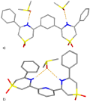
Figure 3: Stick representations of the X-ray crystal structures of (a) receptor 1 and (b) receptor 2. Non-aci...
Molecular recognition of organic ammonium ions in solution using synthetic receptors
- Andreas Späth and
- Burkhard König
Beilstein J. Org. Chem. 2010, 6, No. 32, doi:10.3762/bjoc.6.32

Graphical Abstract

Figure 1: Biologically important amines and quaternary ammonium salts: histamine (1), dopamine (2) and acetyl...

Figure 2: Crown ether 18-crown-6.

Figure 3: Conformations of 18-crown-6 (4) in solvents of different polarity.

Figure 4: Binding topologies of the ammonium ion depending on the crown ring size.
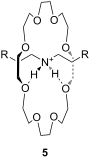
Figure 5: A “pseudorotaxane” structure consisting of 24-crown-8 and a secondary ammonium ion (5); R = Ph.

Figure 6: Typical examples of azacrown ethers, cryptands and related aza macrocycles.

Figure 7: Binding of ammonium to azacrown ethers and cryptands [111-113].

Figure 8: A 19-crown-6-ether with decalino blocking groups (11) and a thiazole-dibenzo-18-crown-6-ether (12).

Figure 9: 1,3-Bis(6-oxopyridazin-1-yl)propane derivatives 13 and 14 by Campayo et al.

Figure 10: Fluorescent azacrown-PET-sensors based on coumarin.

Figure 11: Two different pyridino-cryptands (17 and 18) compared to a pyridino-crown (19); chiral ammonium ion...

Figure 12: Pyridino-18-crown-6 ligand (21), a similar acridino-18-crown-6 ligand (22) and a structurally relat...

Figure 13: Ciral pyridine-azacrown ether receptors 24.

Figure 14: Chiral 15-crown-5 receptors 26 and an analogue 18-crown-6 ligand 27 derived from amino alcohols.

Figure 15: C2-symmetric chiral 18-crown-6 amino alcohol derivatives 28 and related macrocycles.

Figure 16: Macrocycles with diamide-diester groups (30).

Figure 17: C2-symmetric chiral aza-18-crown-6 ethers (31) with phenethylamine residues.

Figure 18: Chiral C-pivot p-methoxy-phenoxy-lariat ethers.

Figure 19: Chiral lariat crown ether 34.

Figure 20: Sucrose-based chiral crown ether receptors 36.
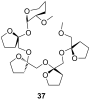
Figure 21: Permethylated fructooligosaccharide 37 showing induced-fit chiral recognition.

Figure 22: Biphenanthryl-18-crown-6 derivative 38.

Figure 23: Chiral lariat crown ethers derived from binol by Fuji et al.

Figure 24: Chiral phenolic crown ether 41 with “aryl chiral barriers” and guest amines.
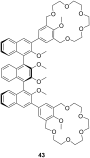
Figure 25: Chiral bis-crown receptor 43 with a meso-ternaphthalene backbone.

Figure 26: Chromogenic pH-dependent bis-crown chemosensor 44 for diamines.

Figure 27: Triamine guests for binding to receptor 44.

Figure 28: Chiral bis-crown phenolphthalein chemosensors 46.

Figure 29: Crown ether amino acid 47.

Figure 30: Luminescent receptor 48 for bis-alkylammonium guests.

Figure 31: Luminescent CEAA (49a), a bis-CEAA receptor for amino acids (49b) and the structure of lysine bindi...

Figure 32: Luminescent CEAA tripeptide for binding small peptides.

Figure 33: Bis crown ether 51a self assembles co-operatively with C60-ammonium ion 51b.

Figure 34: Triptycene-based macrotricyclic dibenzo-[24]-crown-8 ether host 52 and guests.

Figure 35: Copper imido diacetic acid azacrown receptor 53a and the suggested His-Lys binding motif; a copper ...

Figure 36: Urea (54) and thiourea (55) benzo crown receptor for transport and extraction of amino acids.

Figure 37: Crown pyryliums ion receptors 56 for amino acids.

Figure 38: Ditopic sulfonamide bridged crown ether receptor 57.

Figure 39: Luminescent peptide receptor 58.

Figure 40: Luminescent receptor 59 for the detection of D-glucosamine hydrochloride in water/ethanol and lumin...

Figure 41: Guanidinium azacrown receptor 61 for simple amino acids and ditopic receptor 62 with crown ether an...

Figure 42: Chiral bicyclic guanidinium azacrown receptor 63 and similar receptor 64 for the enantioselective t...

Figure 43: Receptors for zwitterionic species based on luminescent CEAAs.

Figure 44: 1,10-Azacrown ethers with sugar podand arms and the anticancer agent busulfan.

Figure 45: Benzo-18-crown-6 modified β-cyclodextrin 69 and β-cyclodextrin functionalized with diaza-18-crown-6...

Figure 46: Receptors for colorimetric detection of primary and secondary ammonium ions.

Figure 47: Porphyrine-crown-receptors 72.

Figure 48: Porphyrin-crown ether conjugate 73 and fullerene-ammonium ion guest 74.

Figure 49: Calix[4]arene (75a), homooxocalix[4]arene (75b) and resorcin[4]arene (75c) compared (R = H, alkyl c...

Figure 50: Calix[4]arene and ammonium ion guest (R = H, alkyl, OAcyl etc.), possible binding sites; A: co-ordi...

Figure 51: Typical guests for studies with calixarenes and related molecules.
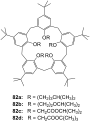
Figure 52: Lower rim modified p-tert-butylcalix[5]arenes 82.

Figure 53: The first example of a water soluble calixarene.

Figure 54: Sulfonated water soluble calix[n]arenes that bind ammonium ions.
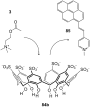
Figure 55: Displacement assay for acetylcholine (3) with a sulfonato-calix[6]arene (84b).

Figure 56: Amino acid inclusion in p-sulfonatocalix[4]arene (84a).

Figure 57: Calixarene receptor family 86 with upper and lower rim functionalization.

Figure 58: Calix[6]arenes 87 with one carboxylic acid functionality.
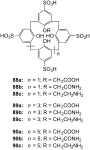
Figure 59: Sulfonated calix[n]arenes with mono-substitution at the lower rim systematically studied on their r...

Figure 60: Cyclotetrachromotropylene host (91) and its binding to lysine (81c).

Figure 61: Calixarenes 92 and 93 with phosphonic acids groups.

Figure 62: Calix[4]arene tetraphosphonic acid (94a) and a double bridged analogue (94b).

Figure 63: Calix[4]arene tetraphosphonic acid ester (92c) for surface recognition experiments.

Figure 64: Calixarene receptors 95 with α-aminophosphonate groups.

Figure 65: A bridged homocalix[3]arene 95 and a distally bridged homocalix[4]crown 96.

Figure 66: Homocalix[3]arene ammonium ion receptor 97a and the Reichardt’s dye (97b) for colorimetric assays.

Figure 67: Chromogenic diazo-bridged calix[4]arene 98.

Figure 68: Calixarene receptor 99 by Huang et al.

Figure 69: Calixarenes 100 reported by Parisi et al.

Figure 70: Guest molecules for inclusion in calixarenes 100: DAP × 2 HCl (101a), APA (101b) and Lys-OMe × 2 HC...

Figure 71: Different N-linked peptido-calixarenes open and with glycol chain bridges.

Figure 72: (S)-1,1′-Bi-2-naphthol calixarene derivative 104 published by Kubo et al.

Figure 73: A chiral ammonium-ion receptor 105 based on the calix[4]arene skeleton.

Figure 74: R-/S-phenylalaninol functionalized calix[6]arenes 106a and 106b.

Figure 75: Capped homocalix[3]arene ammonium ion receptor 107.

Figure 76: Two C3 symmetric capped calix[6]arenes 108 and 109.

Figure 77: Phosphorous-containing rigidified calix[6]arene 110.

Figure 78: Calix[6]azacryptand 111.

Figure 79: Further substituted calix[6]azacryptands 112.

Figure 80: Resorcin[4]arene (75c) and the cavitands (113).

Figure 81: Tetrasulfonatomethylcalix[4]resorcinarene (114).
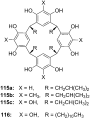
Figure 82: Resorcin[4]arenes (115a/b) and pyrogallo[4]arenes (115c, 116).
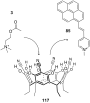
Figure 83: Displacement assay for acetylcholine (3) with tetracyanoresorcin[4]arene (117).

Figure 84: Tetramethoxy resorcinarene mono-crown-5 (118).

Figure 85: Components of a resorcinarene based displacement assay for ammonium ions.

Figure 86: Chiral basket resorcin[4]arenas 121.

Figure 87: Resorcinarenes with deeper cavitand structure (122).

Figure 88: Resorcinarene with partially open deeper cavitand structure (123).

Figure 89: Water-stabilized deep cavitands with partially structure (124, 125).
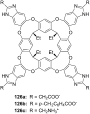
Figure 90: Charged cavitands 126 for tetralkylammonium ions.

Figure 91: Ditopic calix[4]arene receptor 127 capped with glycol chains.

Figure 92: A calix[5]arene dimer for diammonium salt recognition.

Figure 93: Calixarene parts 92c and 129 for the formation molecular capsules.
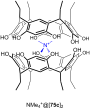
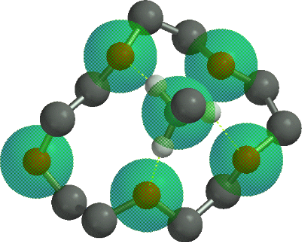
Figure 94: Encapsulation of a quaternary ammonium cation by two resorcin[4]arene molecules (NMe4+@[75c]2 × Cl−...

Figure 95: Encapsulation of a quaternary ammonium cation by six resorcin[4]arene molecules (NMe3D+@[130]6 × Cl−...

Figure 96: Structure and schematic of cucurbit[6]uril (CB[6], 131a).
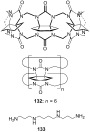
Figure 97: Cyclohexanocucurbit[6]uril (CB′[6], 132) and the guest molecule spermine (133).

Figure 98: α,α,δ,δ-Tetramethylcucurbit[6]uril (134).

Figure 99: Structure of the cucurbituril-phthalhydrazide analogue 135.

Figure 100: Organic cavities for the displacement assay for amine differentiation.

Figure 101: Displacement assay methodology for diammonium- and related guests involving cucurbiturils and some ...

Figure 102: Nor-seco-Cucurbituril (±)-bis-ns-CB[6] (140) and guest molecules.

Figure 103: The cucurbit[6]uril based complexes 141 for chiral discrimination.
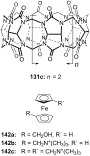
Figure 104: Cucurbit[7]uril (131c) and its ferrocene guests (142) opposed.

Figure 105: Cucurbit[7]uril (131c) guest inclusion and representative guests.

Figure 106: Cucurbit[7]uril (131c) binding to succinylcholine (145) and different bis-ammonium and bis-phosphon...

Figure 107: Paraquat-cucurbit[8]uril complex 149.
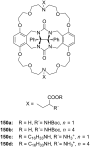
Figure 108: Gluconuril-based ammonium receptors 150.
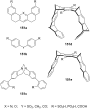
Figure 109: Examples of clefts (151a), tweezers (151b, 151c, 151d) and clips (151e).

Figure 110: Kemp’s triacid (152a), on example of Rebek’s receptors (152b) and guests.

Figure 111: Amino acid receptor (154) by Rebek et al.

Figure 112: Hexagonal lattice designed hosts by Bell et al.

Figure 113: Bell’s amidinium receptor (156) and the amidinium ion (157).
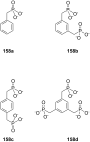
Figure 114: Aromatic phosphonic acids.

Figure 115: Xylene phosphonates 159 and 160a/b for recognition of amines and amino alcohols.
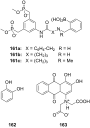
Figure 116: Bisphosphonate recognition motif 161 for a colorimetric assay with alizarin complexone (163) for ca...

Figure 117: Bisphosphonate/phosphate clip 164 and bisphosphonate cleft 165.

Figure 118: N-Methylpyrazine 166a, N-methylnicotinamide iodide (166b) and NAD+ (166c).

Figure 119: Bisphosphate cavitands.
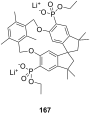
Figure 120: Bisphosphonate 167 of Schrader and Finocchiaro.
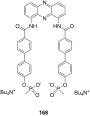
Figure 121: Tweezer 168 for noradrenaline (80b).

Figure 122: Different tripods and heparin (170).
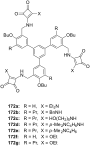
Figure 123: Squaramide based receptors 172.
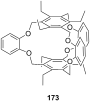
Figure 124: Cage like NH4+ receptor 173 of Kim et al.

Figure 125: Ammonium receptors 174 of Chin et al.

Figure 126: 2-Oxazolin-based ammonium receptors 175a–d and 176 by Ahn et al.

Figure 127: Racemic guest molecules 177.

Figure 128: Tripods based on a imidazole containing macrocycle (178) and the guest molecules employed in the st...

Figure 129: Ammonium ion receptor 180.

Figure 130: Tetraoxa[3.3.3.3]paracyclophanes 181 and a cyclophanic tetraester (182).

Figure 131: Peptidic bridged paraquat-cyclophane.
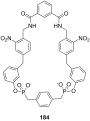
Figure 132: Shape-selective noradrenaline host.

Figure 133: Receptor 185 for binding of noradrenaline on surface layers from Schrader et al.

Figure 134: Tetraphosphonate receptor for binding of noradrenaline.

Figure 135: Tetraphosphonate 187 of Schrader and Finocchiaro.

Figure 136: Zinc-Porphyrin ammonium-ion receptors 188 and 189 of Mizutani et al.
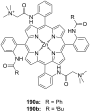
Figure 137: Zinc porphyrin receptor 190.

Figure 138: Zinc porphyrin receptors 191 capable of amino acid binding.

Figure 139: Zinc-porphyrins with amino acid side chains for stereoinduction.

Figure 140: Bis-zinc-bis-porphyrin based on Tröger’s base 193.

Figure 141: BINAP-zinc-prophyrin derivative 194 and it’s guests.

Figure 142: Bisaryl-linked-zinc-porphyrin receptors.
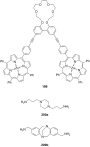
Figure 143: Bis-zinc-porphyrin 199 for diamine recognition and guests.

Figure 144: Bis-zinc-porphyrin crown ether 201.

Figure 145: Bis-zinc-porphyrin 202 for stereodiscrimination (L = large substituent; S = small substituent).

Figure 146: Bis-zinc-porphyrin[3]rotaxane and its copper complex and guests.

Figure 147: Dien-bipyridyl ligand 206 for co-ordination of two metal atoms.

Figure 148: The ligand and corresponding tetradentate co-complex 207 serving as enantioselective receptor for a...

Figure 149: Bis(oxazoline)–copper(II) complex 208 for the recognition of amino acids in aqueous solution.

Figure 150: Zinc-salen-complexes 209 for the recognition tertiary amines.

Figure 151: Bis(oxazoline)–copper(II) 211 for the recognition of amino acids in aqueous solution.

Figure 152: Zn(II)-complex of a C2 terpyridine crown ether.

Figure 153: Displacement assay and receptor for aspartate over glutamate.

Figure 154: Chiral complex 214 for a colorimetric displacement assay for amino acids.

Figure 155: Metal complex receptor 215 with tripeptide side arms.

Figure 156: A sandwich complex 216 and its displaceable dye 217.

Figure 157: Lanthanide complexes 218–220 for amino acid recognition.
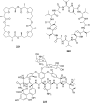
Figure 158: Nonactin (221), valinomycin (222) and vancomycin (223).

Figure 159: Monesin (224a) and a chiral analogue for enantiodiscrimination of ammonium guests (224b).

Figure 160: Chiral podands (226) compared to pentaglyme-dimethylether (225) and 18-crown-6 (4).

Figure 161: Lasalocid A (228).

Figure 162: Lasalocid derivatives (230) of Sessler et al.

Figure 163: The Coporphyrin I tetraanion (231).

Figure 164: Linear and cyclic peptides for ammonium ion recognition.

Figure 165: Cyclic and bicyclic depsipeptides for ammonium ion recognition.
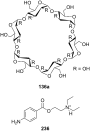
Figure 166: α-Cyclodextrin (136a) and novocaine (236).
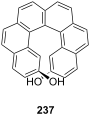
Figure 167: Helical diol receptor 237 by Reetz and Sostmann.

Figure 168: Ammonium binding spherand by Cram et al. (238a) and the cyclic[6]metaphenylacetylene 238b in compar...

Figure 169: Receptor for peptide backbone and ammonium binding (239).

Figure 170: Anion sensor principle with 3-hydroxy-2-naphthanilide of Jiang et al.

Figure 171: 7-bromo-3-hydroxy-N-(2-hydroxyphenyl)naphthalene 2-carboxamide (241) and its amine binding.

Figure 172: Naturally occurring catechins with affinity to quaternary ammonium ions.

Figure 173: Spiropyran (244) and merocyanine form (244a) of the amino acid receptors of Fuji et al.

Figure 174: Coumarin aldehyde (245) and its iminium species with amino acid bound (245a) by Glass et al.
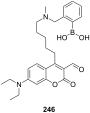
Figure 175: Coumarin aldehyde appended with boronic acid.

Figure 176: Quinolone aldehyde dimers by Glass et al.

Figure 177: Chromogenic ammonium ion receptors with trifluoroacetophenone recognition motifs.

Figure 178: Chromogenic ammonium ion receptor with trifluoroacetophenone recognition motif bound on different m...
Diastereoselective functionalisation of benzo-annulated bicyclic sultams: Application for the synthesis of cis-2,4-diarylpyrrolidines
- Susan Kelleher,
- Pierre-Yves Quesne and
- Paul Evans
Beilstein J. Org. Chem. 2009, 5, No. 69, doi:10.3762/bjoc.5.69
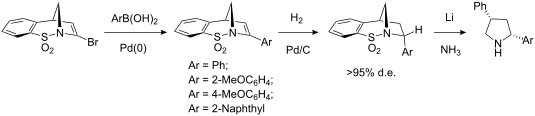
- Scheme 1, a Heck (Heck–Mizoroki) cyclisation [5][6][7][8][9] was employed to form the cyclic sulfonamide. Subsequently, it was shown that high stereofacial bias was achieved on hydrogenation, generating 2 as a single diastereoisomer. Treatment under dissolved metal reduction conditions afforded the cis
- demonstrates that we were able to utilise the functionalisation of bicyclic sulfonamide 5a featuring a Suzuki coupling and a diastereoselective hydrogenation to construct cis-2,4-diarylpyrrolidines in a diastereoselective manner. The epimerisation reaction which led to the formation of carboxylic acid 26
- . Possible explanation for the products formed in the dibromination of 5a and 5b. Lithiation–CO2 quench approach for the synthesis of 26 from vinyl bromide 24a. Suzuki–Miyaura cross-coupling of 24a and the diastereoselective hydrogenation of the resultant styrene adducts. Attempted sulfonamide double

Graphical Abstract

Scheme 1: The diastereoselective intramolecular Heck-hydrogenation and double reduction sequence as a means o...

Scheme 2: The synthesis of 5a and 5b by an intramolecular Heck cyclisation reaction.

Scheme 3: Diastereoselective epoxidation of 5a and 5b.

Figure 1: X-ray structure of 7a; including a view along the S=O···C–O axis (Diamond representations) [O2···C9...

Scheme 4: cis-Selective dibromination of 5a (NOE indicated by arrows).

Figure 2: X-ray crystal structure of 13a (Diamond representation).

Scheme 5: Dibromination studies of 5b.

Figure 3: X-ray crystal structures of 18b and 19b (Diamond representations).

Scheme 6: Possible explanation for the products formed in the dibromination of 5a and 5b.

Scheme 7: Lithiation–CO2 quench approach for the synthesis of 26 from vinyl bromide 24a.

Figure 4: X-ray structure of 26 (Diamond representation).

Scheme 8: Suzuki–Miyaura cross-coupling of 24a and the diastereoselective hydrogenation of the resultant styr...

Figure 5: X-ray crystal structure of 31 (Diamond representation).

Scheme 9: Attempted sulfonamide double reduction of compounds 31–34.
A convenient method for preparing rigid-core ionic liquid crystals
- Julien Fouchet,
- Laurent Douce,
- Benoît Heinrich,
- Richard Welter and
- Alain Louati
Beilstein J. Org. Chem. 2009, 5, No. 51, doi:10.3762/bjoc.5.51
- −). UV–vis (CH2Cl2): λmax (ε, L·mol−1·cm−1) = 256 nm (10100). Elemental analysis for C22H35F3N2O4S, Cacld: C 56.08, H 7.16, N 6.59%. Found: C 55.84, H 6.86, N 5.40%. 1-[4-(Dodecyloxy)phenyl]-3-methyl-1H-imidazol-3-ium bis(trifluoromethane) sulfonamide (1e) 1a (0.101 g, 0.21 mmol) and lithium bis
- (trifluoromethane)sulfonamide (0.145 g, 0.51 mmol) were dissolved in water (3 mL) and stirred for 140 h. The precipitate was filtred and washed. Crystallization (chloroform/cyclohexane) provided 1e with a yield of 90% (0.121 g, 0.19 mmol). 1H NMR (300 MHz, CDCl3): δ = 0.89 (t, 3H, J = 6.8 Hz, CH3 aliphatic chain

Graphical Abstract

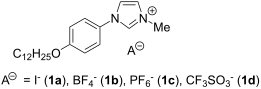
Scheme 1: 1-[4-(dodecyloxy)phenyl]-3-methyl-1H-imidazol-3-ium mesogenic salts.

Scheme 2: Synthesis of the imidazole A. Reaction conditions: (i) aryl iodide (1.37 mmol), imidazole (1.69 mmo...

Scheme 3: Synthesis of methyl imidazolium 1a. Reaction conditions: (i) MeI in sealed tube, 54 h at RT.

Figure 1: ORTEP view of compound 1a with partial labelling. The closest molecules are represented (with lower...

Figure 2: Packing diagram of compound 1a in projection in the (b,c) lattice plane. Large spheres represent th...

Scheme 4: Anion metathesis in water/CH2Cl2 as solvent.

Figure 3: Spectra of absorption (red line) and emission (blue line) of 1a.

Figure 4: TGA measurements of the compounds 1a–e (rate 10 °C·min−1, in air).

Figure 5: Phase transition temperatures of compounds 1a–e.

Figure 6: Powder X-ray diffraction pattern of compound 1a in the liquid crystal state (T = 120 °C).

Figure 7: The melting process involves the ruffling of the ionic sublayer. In the smectic phase, the ruffling...
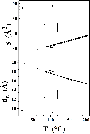
Figure 8: Comparison of the molecular area S and of the ionic sublayer thickness dc (including mesogenic segm...
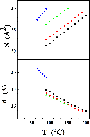
Figure 9: Variation with the counter-ion of the molecular area S and of the ionic sublayer thickness dc (incl...

Figure 10: Cyclic voltammogram of 1a in CH3CN (0.1 M NBu4PF6): (i), (ii) cathodic and anodic range of the volt...
Mitomycins syntheses: a recent update
- Jean-Christophe Andrez
Beilstein J. Org. Chem. 2009, 5, No. 33, doi:10.3762/bjoc.5.33
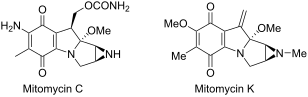

Graphical Abstract

Scheme 1: Aziridine containing natural products.

Scheme 2: Mitomycin structures and nomenclature.

Scheme 3: Base catalysed epimerization of mitomycin B.

Scheme 4: Biosynthesis of mitomycin C (MMC) 7.

Scheme 5: Mode of action of mitomycin C.

Scheme 6: The N–C3–C9a disconnection.

Scheme 7: Danishefsky’s Retrosynthesis of mitomycin K.

Scheme 8: Hetero Diels–Alder reaction en route to mitomycins.

Scheme 9: Nitroso Diels–Alder cycloaddition.

Scheme 10: Frank azide cycloadddition.

Scheme 11: Final steps of mitomycin K synthesis. aPDC, DCM; bPhSCH2N3, PhH, 80 °C; cL-selectride, THF, −78 °C; ...

Scheme 12: Naruta–Maruyama retrosynthesis.

Scheme 13: Synthesis of a leucoaziridinomitosane by nitrene cycloaddition. aAlCl3-Et2O; bNaH, ClCH2OMe; cn-BuL...

Scheme 14: Thermal decomposition of azidoquinone 51.

Scheme 15: Diastereoselectivity during the cycloaddition.

Scheme 16: Oxidation with iodo-azide.

Scheme 17: Williams’ approach towards mitomycins.aDEIPSCl, Imidazole, DCM; bPd/C, HCO2NH4, MeOH; cAllocCl, NaH...

Scheme 18: Synthesis of pyrrolidones by homoconjugate addition.
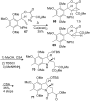
Scheme 19: Homoconjugate addition on the fully functionalized substrate.

Scheme 20: Introduction of the olefin.

Scheme 21: Retrosynthesis of N–C9a, N–C3 bond formation.

Scheme 22: Synthesis of the pyrrolo[1,2]indole 82 using N-PSP activation.aAc2O, Py; bAc2O, Hg(OAc)2, AcOH, 90%...

Scheme 23: Synthesis of an aziridinomitosane. am-CPBA, DCM then iPr2NH, CCl4 reflux; bK2CO3, MeOH; cBnBr, KH; d...

Scheme 24: Oxidation products of a leucoaziridinomitosane obtained from a Polonovski oxidation.

Scheme 25: Polonovski oxidation of an aziridinomitosane. am-CPBA; bPd/C, H2; cDimethoxypropane, PPTS.

Scheme 26: The C1–C9a disconnection.

Scheme 27: Ziegler synthesis of desmethoxymitomycin A.aIm2C=O, THF; bNH3; cTMSOTf, 2,6-di-tert-butylpyridine, ...

Scheme 28: Transformation of sodium erythorbate.aTBDMSCl; bNaN3; cPPh3; d(Boc)2O, DMAP; eTBAF; fTf2O, Pyr.

Scheme 29: Formation of C9,C10-unsaturation in the mitomycins. am-CPBA, DCM; bO3, MeOH; cMe2S; dKHMDS, (EtO)3P...

Scheme 30: Fragmentation mechanism.

Scheme 31: Michael addition-cyclisation.

Scheme 32: SmI2 8-endo-dig cyclisation.

Scheme 33: Synthesis of pyrrolo[1,2-a]indole by 5-exo-dig radical cyclization.

Scheme 34: The C9–C9a disconnection.

Scheme 35: Intramolecular nitrile oxide cycloaddition.

Scheme 36: Regioselectivity of the INOC.

Scheme 37: Fukuyama’s INOC strategy.

Scheme 38: Synthesis of a mitosane core by rearrangement of a 1-(1-pyrrolidinyl)-1,3-butadiene.

Scheme 39: Sulikowski synthesis of an aziridinomitosene. aPd(Tol3P)2Cl2, Bu3SnF, 140; bH2, Pd/C; cTFAA, Et3N; d...

Scheme 40: Enantioselective carbene insertion.

Scheme 41: Parson’s radical cyclization.

Scheme 42: Cha’s mitomycin B core synthesis.

Scheme 43: The N-aromatic disconnection.

Scheme 44: Kishi retrosynthesis.

Scheme 45: Kishi synthesis of a starting material. aallyl bromide, K2CO3, acetone, reflux; bN,N-Dimethylanilin...
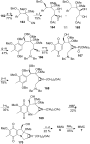
Scheme 46: Kishi synthesis of MMC 7. aLDA, THF, −78 °C then PhSeBr, THF, −78 °C; bH2O2, THF-EtOAc; cDIBAL, DCM...

Scheme 47: Acid catalyzed degradation of MMC 7.

Scheme 48: In vivo formation of apomitomycin B.

Scheme 49: Advanced intermediate for apomitomycin B synthesis.

Scheme 50: Remers synthesis of a functionalized mitosene. aTMSCl, Et3N, ZnCl2 then NBS; bAcOK; cNH2OH; dPd/C, H...

Scheme 51: Coleman synthesis of desmethoxymitomycin A. aSnCl2, PhSH, Et3N, CH3CN; bClCO2Bn, Et3N; cPPh3, DIAD,...

Scheme 52: Transition state and pyrrolidine synthesis.

Scheme 53: Air oxidation of mitosanes and aziridinomitosanes.

Scheme 54: The C9-aromatic disconnection.

Scheme 55: Synthesis of the aziridine precursor. aLHMDS, THF; bNaOH; c(s)-α-Me-BnNH2, DCC, HOBT; dDIBAL; eK2CO3...

Scheme 56: Synthesis of 206 via enamine conjugate addition.

Scheme 57: Rapoport synthesis of an aziridinomitosene.

Scheme 58: One pot synthesis of a mitomycin analog.

Scheme 59: Synthesis of compound 218 via intramolecular Heck coupling. aEtMgCl, THF, then 220; bMsCl, Et3N; cN...

Scheme 60: Elaboration of indole 223. aEt3N, Ac2O; bAcOH; cSOCl2, Et3N; dNaN3, DMF; eH2SO4, THF; fK2CO3, MeOH; ...

Scheme 61: C9-C9a functionalization from indole.

Scheme 62: Synthesis of mitomycin K. a2 equiv. MoO5.HMPA, MeOH; bPPh3, Et3N, THF-H2O; cMeOTf, Py, DCM; dMe3SiCH...

Scheme 63: Configurational stability of mitomycin K derivatives.

Scheme 64: Epimerization of carbon C9a in compound 227b.

Scheme 65: Corey–Chaykovsky synthesis of indol 235.

Scheme 66: Cory intramolecular aza-Darzens reaction for the formation of aziridinomitosene 239.

Scheme 67: Jimenez synthesis of aziridinomitosene 242.

Scheme 68: Von Braun opening of indoline 244.

Scheme 69: C9a oxidation of an aziridinomitosane with DDQ/OsO4.

Scheme 70: Synthesis of epi-mitomycin K. aNaH, Me2SO4; bH2, Pd/C; cMitscher reagent [165]; d[(trimethylsilyl)methyl...

Scheme 71: Mitomycins rearrangement.

Scheme 72: Fukuyama’s retrosynthesis.

Scheme 73: [2+3] Cycloaddition en route to isomitomycin A. aToluene, 110 °C; bDIBAL, THF, −78 °C; cAc2O, Py.; d...

Scheme 74: Final steps of Fukuyama’s synthesis.

Scheme 75: “Crisscross annulation”.

Scheme 76: Synthesis of 274; the 8-membered ring 274 was made using a crisscross annulation. a20% Pd(OH)2/C, H2...

Scheme 77: Conformational analysis of compound 273 and 275.

Scheme 78: Synthesis of a mitomycin analog. aNa2S2O4, H2O, DCM; bBnBr (10 equiv), K2CO3, 18-crown-6 (cat.), TH...

Scheme 79: Vedejs retrosynthesis.

Scheme 80: Formation of the azomethine ylide.

Scheme 81: Vedejs second synthesis of an aziridinomitosene. aDIBAL; bTPAP, NMO; c287; dTBSCl, imidazole.

Scheme 82: Trityl deprotection and new aziridine protecting group 300.

Scheme 83: Ene reaction towards benzazocinones.

Scheme 84: Benzazocenols via homo-Brook rearrangement.

Scheme 85: Pt-catalyzed [3+2] cycloaddition.

Scheme 86: Carbonylative lactamization entry to benzazocenols. aZn(OTf)2, (+)-N-methylephedrine, Et3N, TMS-ace...

Scheme 87: 8 membered ring formation by RCM. aBOC2O, NaHCO3; bTBSCl, Imidazole, DMF; callyl bromide, NaH, DMF; ...

Scheme 88: Aziridinomitosene synthesis. aTMSN3; bTFA; cPOCl3, DMF; dNaClO2, NaH2PO4, 2-methyl-2-butene; eMeI, ...

Scheme 89: Metathesis from an indole.

Scheme 90: Synthesis of early biosynthetic intermediates of mitomycins.
Reduction of arenediazonium salts by tetrakis(dimethylamino)ethylene (TDAE): Efficient formation of products derived from aryl radicals
- Mohan Mahesh,
- John A. Murphy,
- Franck LeStrat and
- Hans Peter Wessel
Beilstein J. Org. Chem. 2009, 5, No. 1, doi:10.3762/bjoc.5.1
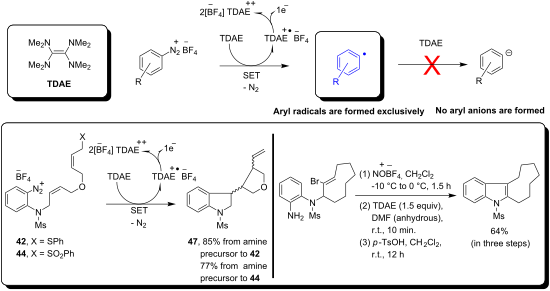
- equivalent of TDAE in acetone as solvent. The reaction mixture instantaneously turned deep red, with accompanying effervescence of nitrogen, and afforded the tetracyclic sulfonamide 65 in 60% yield along with indole (63) and indole sulfonamide 64 in 33% and 5% yield respectively (Scheme 8). Initial SET from
- , would result in the formation of the tetracyclic sulfonamide 65 (Scheme 9). Indole (63) and indole sulfonamide 64 can be formed via the indolinyl radical intermediate 71 (Scheme 10). The formation of the indolinyl radical 71 could be envisaged by abstraction of the hydrogen atom (1,5-hydrogen
- precedent for this radical fragmentation of the sulfonyl group comes from the previous work of our group [71], where a similar indolinyl radical underwent a radical cleavage of N-S bond to eliminate the sulfonyl group. Indole sulfonamide 64 could be explained by deprotonation of radical 71 by TDAE to form

Graphical Abstract

Scheme 1: Aza- and thia-substituted electron donors.

Scheme 2: Radical-polar crossover reaction of arenediazonium salts by TTF.

Scheme 3: Studies on the reductive radical cyclization of arenediazonium salt 16 by TDAE.

Scheme 4: Preparation of the arenediazonium salts 31a–d. Reagents and conditions: (a) 23, NaH, THF, 0 °C, 0.5...

Scheme 5: Cascade radical cyclizations of arenediazonium salts 42 and 44 by TDAE. Reagents and conditions: (a...

Scheme 6: TDAE-mediated radical based addition-elimination route to indoles.

Scheme 7: Cyclization of the arenediazonium salts 49b–d by TDAE. Reagents and conditions: (a) NOBF4, CH2Cl2, ...

Scheme 8: Cyclization of the arenediazonium salt 62 by TDAE. Reagents and conditions: (a) 2-Nitrobenzenesulfo...

Scheme 9: Mechanism for the formation of the tetracyclic sulfonamide 65.

Scheme 10: Possible mechanism for the formation of indole (63) and indole sulfonamide 64.
N-Arylation of amines, amides, imides and sulfonamides with arylboroxines catalyzed by simple copper salt/EtOH system
- Zhang-Guo Zheng,
- Jun Wen,
- Na Wang,
- Bo Wu and
- Xiao-Qi Yu
Beilstein J. Org. Chem. 2008, 4, No. 40, doi:10.3762/bjoc.4.40
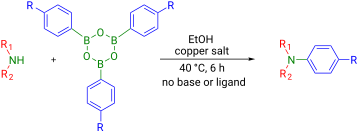
- reaction. In an endeavor to expand the scope of the above methodology, the catalytic system was also applied to imides, amines, amides and sulfonamides. Such coupling was found to give the desired N-arylation products in moderate yields, as shown in Table 5, except for sulfonamide, which afforded the
- , amides, imides, and sulfonamide with phenylboroxine using copper salt/EtOH systema. Supporting Information Supporting Information File 112: N-Arylation of amines, amides, imides and sulfonamides with arylboroxine catalyzed by simple copper salt/EtOH system Acknowledgements This work was financially

Graphical Abstract

Scheme 1: Simple copper salt-catalyzed N-arylation reaction of amines, amides, imides and sulfonamides.

Scheme 2: N-arylation reaction of phthalimide with arylboroxine.
Methods for the synthesis of polyhydroxylated piperidines by diastereoselective dihydroxylation: Exploitation in the two-directional synthesis of aza-C-linked disaccharide derivatives
- Andrew Kennedy,
- Adam Nelson and
- Alexis Perry
Beilstein J. Org. Chem. 2005, 1, No. 2, doi:10.1186/1860-5397-1-2
- diastereoselective functionalisation of piperidines were developed using a racemic model ring system. Oxidative ring expansion[38] of the 2-furyl sulfonamide 11, prepared by addition of n-butyl lithium to the N-tosyl imine of 2-furaldehyde,[39] was followed by protection to yield the piperidin-3-one 12 (Scheme 3
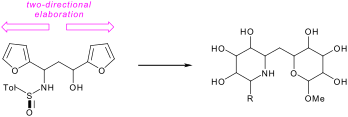
- materials were prepared from the 1,3-amino alcohol derivatives 1,3syn- and 1,3anti-10 (Scheme 6). Treatment of the difuryl 1,3-sulfinimido alcohols 1,3syn- and 1,3anti-10 with NBS in buffered THF-water precipitiated sulfonamide oxidation and two-directional ring expansion of both furan rings;[50] the crude
- structural complexity had been introduced as a consequence of the two-directional nature of the approach (sulfonamide oxidation, two oxidative ring expansions, two protection reactions and one N,O acetal substitution reaction). The stage was set for two-directional functionalisation of the heterocyclic rings

Graphical Abstract

Scheme 1:

Scheme 2:

Scheme 3:

Figure 1: Diastereoselective substitution of the N,O acetal 12

Scheme 4:
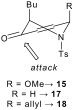
Figure 2: Diastereoselective Luche reduction of piperidinones

Scheme 5:

Figure 3: Diastereoselective dihydroxylation of unsaturated piperidines

Figure 4: Diagnostic nOe observations for the piperidine 22A

Figure 5: Diagnostic nOe observations for the piperidines 22C and 22D

Scheme 6:

Figure 6: Stereoselectivity of two-directional Luche reductions

Scheme 7:
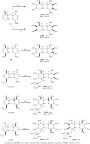
Scheme 8:

Figure 7: Two-directional functionalisation by diastereoselective dihydroxylation



