Search results
Search for "targeting" in Full Text gives 241 result(s) in Beilstein Journal of Organic Chemistry. Showing first 200.
Design and biological characterization of novel cell-penetrating peptides preferentially targeting cell nuclei and subnuclear regions
Beilstein J. Org. Chem. 2018, 14, 1378–1388, doi:10.3762/bjoc.14.116
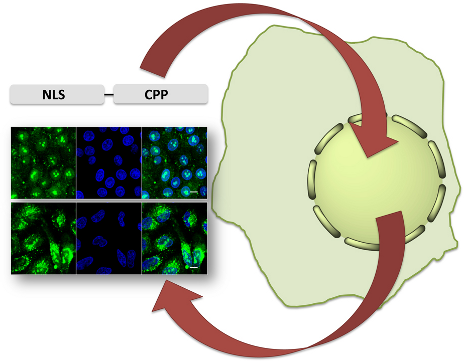
- ) with selective suborganelle-targeting properties. The nuclear localization sequence N50, as well as the nucleoli-targeting sequence NrTP, respectively, were fused to a shortened version of the cell-penetrating peptide sC18. We examined cellular uptake, subcellular fate and cytotoxicity of these novel
- excluded. However, initial drug delivery studies demonstrated the high versatility of these new peptides as efficient transport vectors targeting specifically nuclei and nucleoli. In future, they could be further explored as parts of newly created peptide–drug conjugates. Keywords: anticancer drugs; cell
- nuclei; cell-penetrating peptides; nucleoli; subcellular targeting; Introduction Various drugs act on targets that are located within the nucleus, the control center of the eukaryotic cell. A lipid bilayer membrane, which is perforated with nuclear pore complex structures through which the transfer of



Acyl-group specificity of AHL synthases involved in quorum-sensing in Roseobacter group bacteria
Beilstein J. Org. Chem. 2018, 14, 1309–1316, doi:10.3762/bjoc.14.112
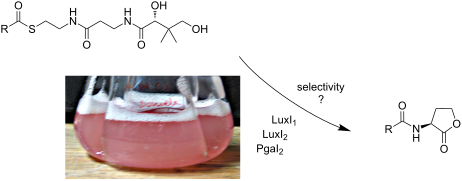
- enzyme PgaI2 from P. inhibens, competition experiments were performed. Targeting the optimal chain length of the fully saturated substrates first, a mixture with equal molar concentrations of the substrates 10a–h was offered to the recombinant protein. GC/MS analysis of the resulting extract (Figure 2A


Novel unit B cryptophycin analogues as payloads for targeted therapy
Beilstein J. Org. Chem. 2018, 14, 1281–1286, doi:10.3762/bjoc.14.109
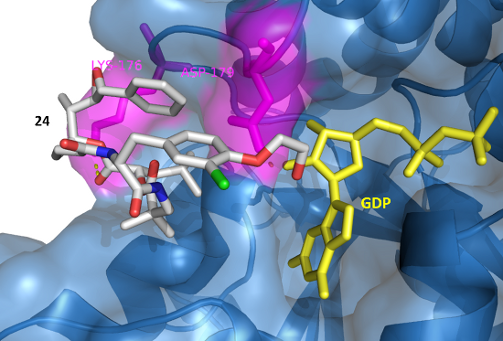
- glycol spacer with a terminal azide results in a complete loss of activity. Docking studies of the novel cryptophycin analogues to β-tubulin provided a rationale for the observed cytotoxicities. Keywords: cryptophycin; cytotoxic agents; novel payloads; tubulin inhibitors; tumour targeting; Introduction


Synthetic avenues towards a tetrasaccharide related to Streptococcus pneumonia of serotype 6A
Beilstein J. Org. Chem. 2018, 14, 1095–1102, doi:10.3762/bjoc.14.95
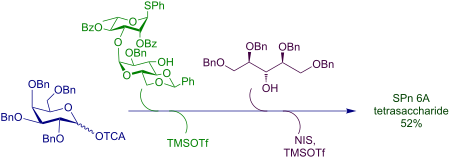
- conjugate in proper amounts for future vaccine development can only be met via chemical synthesis. Therefore, a number of syntheses targeting the SPn 6A tetrasaccharide has been reported in literature. Initial reports of a linear synthesis were made by Vliegenthart et al. in the nineties [17][18][19][20][21


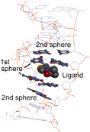
An overview of recent advances in duplex DNA recognition by small molecules
Beilstein J. Org. Chem. 2018, 14, 1051–1086, doi:10.3762/bjoc.14.93
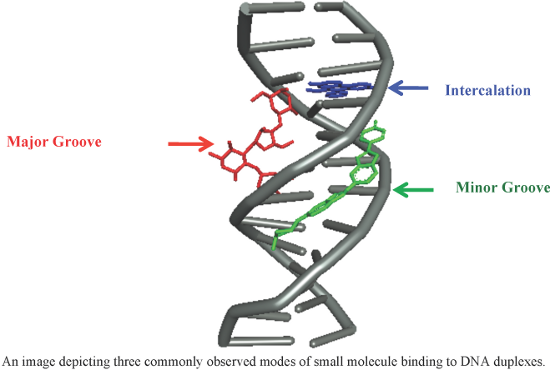
- phase synthetic approach for the syntheses of cyclic Py/Im polyamides [84]. This group previously optimized and reported a machine-assisted Fmoc solid phase synthesis of simpler polyamides to afford high step-wise coupling yield [85]. A seven-member library of cyclic polyamides targeting androgen
- response element (ARE) and the estrogen response element (ERE) was synthesized in 12–17% overall yield. Selective modifications could also be done on the GABA turn units, which showed improved cellular uptake properties. Sugiyama et al. designed and synthesized a series of telomere-targeting synthetically
- telomere foci clearly because of their fluorescent nature. Later on, the authors successfully designed tandem tetramer Py–Im polyamides with 4 hairpins and 3 hinges targeting 24 bp of the human telomere sequences [88]. Thus, the authors set the new record for the longest binding site of synthetic, non




On the design principles of peptide–drug conjugates for targeted drug delivery to the malignant tumor site
Beilstein J. Org. Chem. 2018, 14, 930–954, doi:10.3762/bjoc.14.80
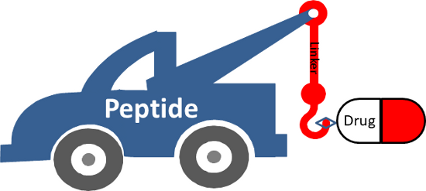
- intervention, radiation and chemotherapy. Drugs used for this purpose are inevitably cytotoxic in order to eliminate cancer cells, but they lack selectivity that could be developed through targeting malignant cells (Figure 1). Due to the uncontrolled peripheral toxicity, anticancer drugs usually kill healthy
- prodrug with enhanced plasma stability and/or cell permeability [27] and in the same time diminished toxicity for normal cells; c) covalent attachment of a drug on a tumor-targeting element (small molecule, peptide or antibody) able to selectively target and permeate cancer cells. The conjugation is being
- conducted via a rationally designed linker able to release the drug inside the cancer microenvironment [19]. The ideal targeting molecular device would consist of the following modules: a) the cytotoxic agent (drug), b) the transporting - drug delivery vehicle (i.e., lipid, mannan [28][29][30]), c) the


Development of novel cyclic NGR peptide–daunomycin conjugates with dual targeting property
Beilstein J. Org. Chem. 2018, 14, 911–918, doi:10.3762/bjoc.14.78
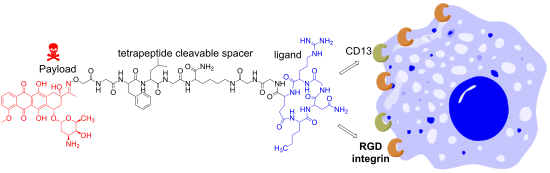
- selectivity to CD13+ cells. However, the cellular uptake and cytotoxic effect of Dau=Aoa-GFLGK(c[NleNGRE]-GG-)-NH2 was higher in comparison to the control especially on HT-29 cells. Therefore, this conjugate is more suitable for drug targeting with dual targeting property. Keywords: antitumor activity; drug
- [NleNGRE]-GG)-NH2 conjugate is more suitable for drug targeting with dual acting propensity than our control lead compound. Experimental Synthesis of the novel peptide–drug conjugates Linear precursor peptides were prepared on Rink-Amide MBHA resin by SPPS. Standard Fmoc protected amino acids (Iris Biotech


Synthesis and in vitro biochemical evaluation of oxime bond-linked daunorubicin–GnRH-III conjugates developed for targeted drug delivery
Beilstein J. Org. Chem. 2018, 14, 756–771, doi:10.3762/bjoc.14.64
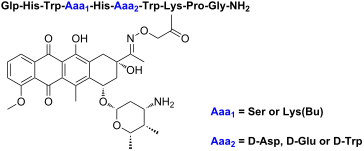
- Debrecen, 4032 Debrecen, Hungary 10.3762/bjoc.14.64 Abstract Gonadotropin releasing hormone-III (GnRH-III), a native isoform of the human GnRH isolated from sea lamprey, specifically binds to GnRH receptors on cancer cells enabling its application as targeting moieties for anticancer drugs. Recently, we
- cellular uptake of the bioconjugates were strongly affected by the amino acid exchange which in turn had an impact on the antitumor activity of the bioconjugates. Keywords: cytostatic effect; daunorubicin; drug-targeting; GnRH derivatives; oxime linkage; Introduction Cancer is one of the most serious
- receptors (GnRH-R) [1]. Therefore, these peptides are suitable for specific drug targeting to tumor cells. The native ligand of this receptor is GnRH-I (



Investigations towards the stereoselective organocatalyzed Michael addition of dimethyl malonate to a racemic nitroalkene: possible route to the 4-methylpregabalin core structure
Beilstein J. Org. Chem. 2018, 14, 553–559, doi:10.3762/bjoc.14.42
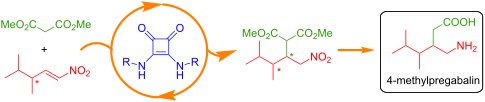
- stereoselective synthesis of bioactive compounds [1][2][3]. In particular, stereoselective conversions of nitro compounds served in many syntheses of pharmaceuticals [4]. Derivatives of γ-aminobutyric acid are an important class of medicines targeting problems with the central nervous system, such as pains


Stimuli-responsive oligonucleotides in prodrug-based approaches for gene silencing
Beilstein J. Org. Chem. 2018, 14, 436–469, doi:10.3762/bjoc.14.32
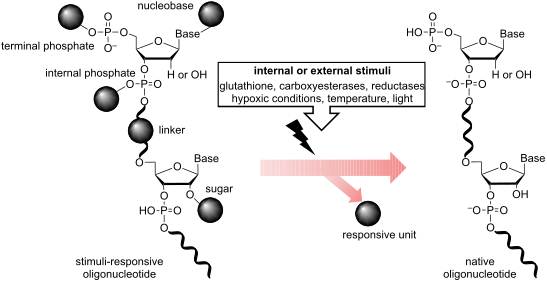
- enzymolabile phosphotriester groups, namely, t-Bu-SATE, OH-SATE and a conjugable aldehyde A-SATE for conjugation to delivery and targeting domains, have been selected for complete evaluation (Scheme 9A, 9B, and 9C, respectively). The optimum phosphotriester placement and number of phosphotriester groups were
- noncytotoxic fashion. Next, the authors prepared conjugates of the siRNNs via one A-SATE phosphotriester with a hepatocyte-specific tris-N-acetylgalactosamine targeting domain and demonstrated a stronger RNAi response in mouse liver (following subcutaneous or intravenous administration) than the same
- targeting the nuclease resistance of the ON prodrug. On the other hand, the thermosensitive groups are more suitable for the protection of the thiophosphates flanking the CpG motif of DNA prodrugs to provide both lipophilicity (better cellular uptake) and hydrophilicity (better solubility once groups are


Synthesis and biological evaluation of RGD and isoDGR peptidomimetic-α-amanitin conjugates for tumor-targeting
Beilstein J. Org. Chem. 2018, 14, 407–415, doi:10.3762/bjoc.14.29
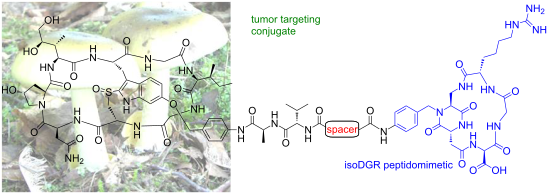
- , cyclo[DKP-RGD]-Val-Ala-PTX 5 and cyclo[DKP-isoDGR]-Val-Ala-PTX 6). Their tumor targeting ability was assessed in vitro in antiproliferative assays comparing an αVβ3 positive with an αVβ3 negative cell line [29][30]. The cyclo[DKP-isoDGR]-Val-Ala-PTX conjugate 6 displayed a remarkable targeting index (TI
- antibody α-amanitin conjugates for which the increase of cytotoxicity is 100–100000 times [5]. Therefore, despite the remarkable progresses that have been realized in recent years, integrin targeting SMDCs are still far from the clinic. Experimental Functionalized ligands H2NCH2-cyclo[DKP-RGD] (2) and


Fluorogenic PNA probes
Beilstein J. Org. Chem. 2018, 14, 253–281, doi:10.3762/bjoc.14.17
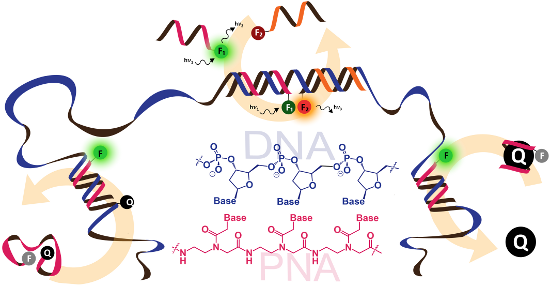
- (Figure 3) [33], dsRNA [34], and other unusual structures, such as G-quadruplexes [35], makes PNA an ideal tool for targeting structured nucleic acid targets. Simple fluorescent-labeled PNA probes have found extensive applications in nucleic acid detection and quantitation. Examples of such assays that


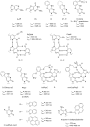


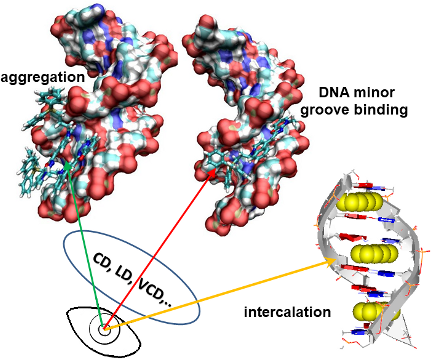
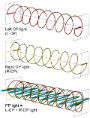
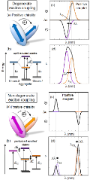
Polarization spectroscopy methods in the determination of interactions of small molecules with nucleic acids – tutorial
Beilstein J. Org. Chem. 2018, 14, 84–105, doi:10.3762/bjoc.14.5
- alternating or homo-base sequences as well as single-stranded homo-polynucleotides. Such synthetic DNA or RNA have well-defined structural properties and therefore are recommended for studies of small molecules targeting structural DNA or RNA selectivity. All polynucleotides should be dissolved exactly as






Microfluidic radiosynthesis of [18F]FEMPT, a high affinity PET radiotracer for imaging serotonin receptors
Beilstein J. Org. Chem. 2017, 13, 2922–2927, doi:10.3762/bjoc.13.285
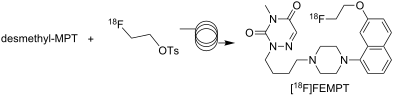
- serotonin-targeting radiopharmaceuticals was recently reviewed by Paterson et al. [1] and their conclusion was that “the development of PET and single-photon emission computed tomography (SPECT) radioligands to image serotonergic targets is of high interest, and successful evaluation in humans is leading to


Binding abilities of polyaminocyclodextrins: polarimetric investigations and biological assays
Beilstein J. Org. Chem. 2017, 13, 2751–2763, doi:10.3762/bjoc.13.271
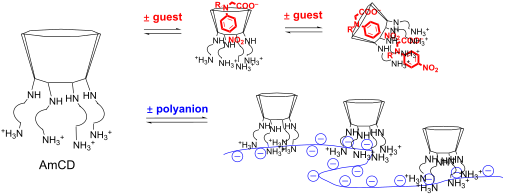
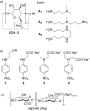
- knowledge, the possible inclusion of a generic guest/drug molecule into CD derivatives bearing amine groups have been studied only occasionally [41][43][44][45][46][47][48]. Moreover, the interaction of polycationic CDs with polynucleotides has been mainly considered by targeting their abilities in gene



Exploring mechanochemistry to turn organic bio-relevant molecules into metal-organic frameworks: a short review
Beilstein J. Org. Chem. 2017, 13, 2416–2427, doi:10.3762/bjoc.13.239

- mechanochemical processes towards attaining metallopharmaceuticals, metallodrugs and MOFs synthesized within our group [49], and another on the design, screening, and characterization of BioMOFs in general [110]. To the best of our knowledge, this is the first short review targeting on the mechanochemical




Phosphonic acid: preparation and applications
Beilstein J. Org. Chem. 2017, 13, 2186–2213, doi:10.3762/bjoc.13.219
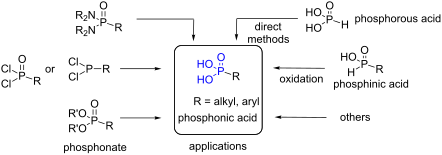
- bone targeting, for the design of supramolecular or hybrid materials, for the functionalization of surfaces, for analytical purposes, for medical imaging or as phosphoantigen. These applications are covering a large panel of research fields including chemistry, biology and physics thus making the
- 14, Figure 4), was assessed to complex indium [86] or terbium [87] with the aim to develop bone targeting and dosimetry. It was also employed to complex 89Y and applied as pH sensitive NMR probe [88], or as organic precursor of crystalline manganese, nickel [89] or lanthanide-containing hybrid
- develop bone targeting which was assessed for therapy [96] and imaging [97][98]. Finally, the phosphonic acid group was also employed to immobilize organic or organometallic molecules on the surface of metal oxide [99][100] (Al2O3 [101], TiO2 [102][103], SnO2 [104], Fe3O4 [105], ZnO [106]), CdSe quantum


18-Hydroxydolabella-3,7-diene synthase – a diterpene synthase from Chitinophaga pinensis
Beilstein J. Org. Chem. 2017, 13, 1770–1780, doi:10.3762/bjoc.13.171
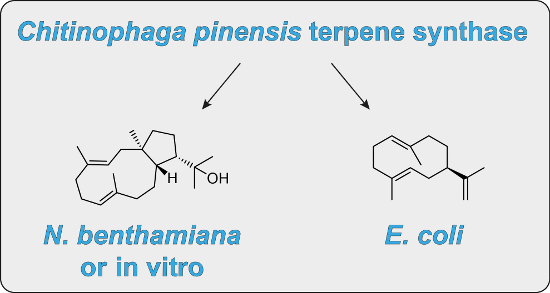
- synthases in plants are targeted to the mitochondria [27], we decided to attempt the expression of HdS with mitochondrial targeting (HdS-mit). A construct without targeting signal (HdS; resulting in cytoplasmic localisation) and an empty vector were used as controls. A p19 construct [28] was co-infiltrated
- targeting to the mitochondria resulted in the production of the same diterpene alcohol. Although the mitochondria of N. benthamiana also produce FPP [32], again no germacrene D was detected. Taken together, these experiments demonstrate that the expression of one and the same terpene synthase in different
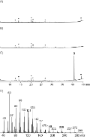
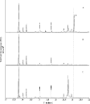
- of GC–MS analyses of N. benthamiana leaf extracts. A) HdS-mit (HdS expressed with mitochondrial targeting signal) showing the production of 3 in planta, B) HdS (expression without targeting signal) and C) empty vector. Germacrene A (1) and its Cope rearrangement to β-elemene (2). Product obtained




The chemistry and biology of mycolactones
Beilstein J. Org. Chem. 2017, 13, 1596–1660, doi:10.3762/bjoc.13.159
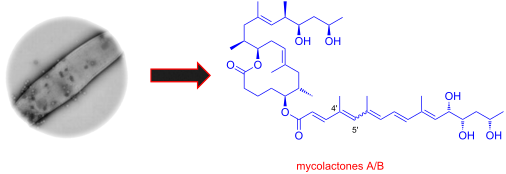
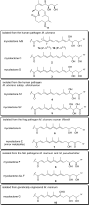
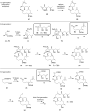
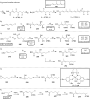
- relies on the experience of local health professionals. Subsequent laboratory testing to confirm the clinical diagnosis might then be performed by 1) direct smear examination for acid-fast bacilli; 2) in vitro culture; 3) polymerase chain reaction (PCR), targeting the genomic region IS2404; and 4
- accompanied by macroscopic or ultrastructural signs of nerve destruction and hypoesthesia. Subsequent experiments revealed that mycolactone exposure caused hyperpolarization of neurons derived from PC12 cells that was mediated by the TRAAK potassium channel. Finally, screening of a siRNA library targeting








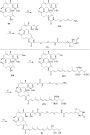

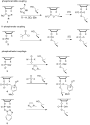
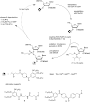
Synthesis of oligonucleotides on a soluble support
Beilstein J. Org. Chem. 2017, 13, 1368–1387, doi:10.3762/bjoc.13.134
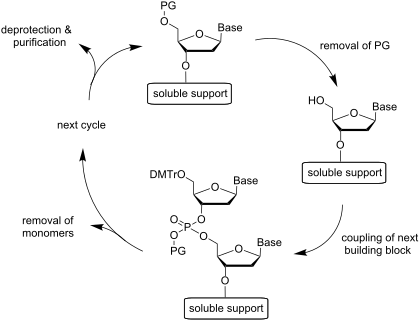
- in the development of therapeutic oligonucleotides targeting either pre-mRNA [24][25], mature mRNA [26][27][28] or noncoding microRNA [29][30] have even increased this interest. It has been repeatedly argued that (i) the synthesis in solution could be carried out with a smaller excess of building






BODIPY-based fluorescent liposomes with sesquiterpene lactone trilobolide
Beilstein J. Org. Chem. 2017, 13, 1316–1324, doi:10.3762/bjoc.13.128
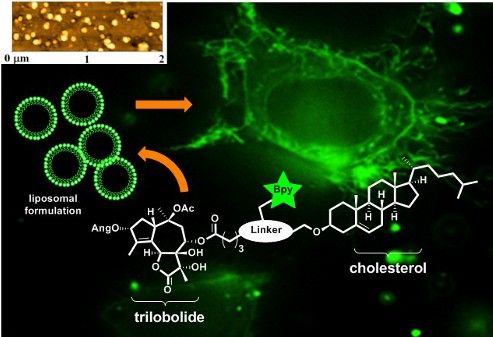
- theranostic applications. Keywords: BODIPY conjugates; cancer targeting; drug delivery; liposomes; natural compounds; sesquiterpene lactone trilobolide; Introduction Targeted (smart) drug delivery is a method for specific delivering of an active compound preferentially to some cells or tissues in the human
- body. This approach has become the key issue for surpassing the bottleneck of drug discovery. With the advent of new technologies and deeper understanding of the biological processes, the concept of specific targeting has become one of the most attractive directions in the field of biomedicine
- . Specific drug targeting can be achieved by using, for example, antibodies, peptides, polyethylene glycol polymers, and last but not least, liposomes, which have been nowadays extensively investigated [1][2]. In general, liposomes are employed in order to enhance the therapeutic index of an applied drug by




Aqueous semisynthesis of C-glycoside glycamines from agarose
Beilstein J. Org. Chem. 2017, 13, 1222–1229, doi:10.3762/bjoc.13.121
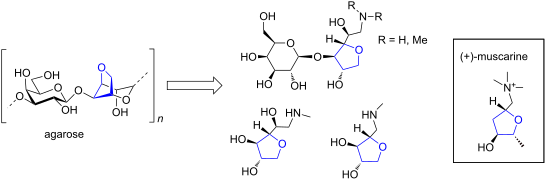
- recently envisaged that its substituted C-threofuranose ring could serve as an excellent scaffold to build muscarine analogues [11]. Cholinergic agents targeting muscarinic acetylcholine receptors (mAChRs) have historically served for diverse applications in medicine [12][13] and recently regained interest


Total syntheses of the archazolids: an emerging class of novel anticancer drugs
Beilstein J. Org. Chem. 2017, 13, 1085–1098, doi:10.3762/bjoc.13.108
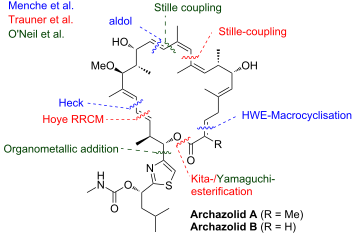
- development and SAR studies [49][55][56][57][58] and the group of O’Neil has been targeting dihydroarchazolid B (3) as a potentially equipotent structurally simplified derivative [45][46][48]. This review covers the various tactics and strategies, employed by the Menche, Trauner and O’Neil group in archazolid


Glyco-gold nanoparticles: synthesis and applications
Beilstein J. Org. Chem. 2017, 13, 1008–1021, doi:10.3762/bjoc.13.100
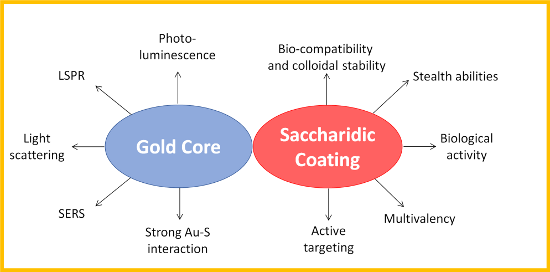
- : gold nanoparticles; glyco nanoparticles; glyconanomaterials; immunology; targeting; Introduction Carbohydrates are well recognized as crucial biomolecules for their capability to produce an enormous number of biocodes which are translated into their ability to promote or suppress a plethora of
- molecules displayed on the metallic surface. In particular, an in vitro study performed by Mitragotri and co-workers reported that the endothelial targeting specificity could be enhanced by modulating the NP shape. By using a microfluidic synthetic vascular network the authors demonstrated that rod-shaped
- [45][56][57][58]. Prosperi and co-workers coated dodecanthiol AuNPs with manno-calixarenes exploiting hydrophobic interactions, obtaining an efficient targeting against cancer cells [56]. Similarly, a reversible addition−fragmentation chain transfer (RAFT) polymerization approach has been exploited


Opportunities and challenges for the sustainable production of structurally complex diterpenoids in recombinant microbial systems
Beilstein J. Org. Chem. 2017, 13, 845–854, doi:10.3762/bjoc.13.85
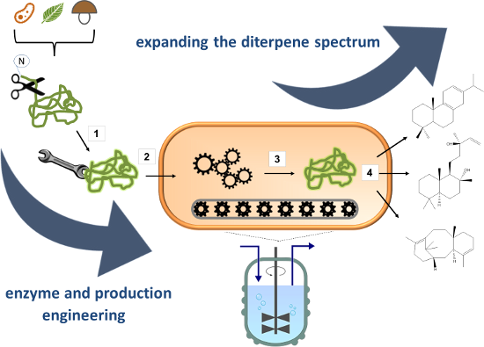
- ]. Different approaches of terpene product increase involved targeting specific elements of the MEP pathway [28] or introducing heterologous MEV pathway from yeast [82][83]. A high level of taxadiene production in E. coli was achieved by Ajikumar and co-workers through overexpression of bottleneck enzymes of