


Search results
Search for "biosynthesis" in Full Text gives 323 result(s) in Beilstein Journal of Organic Chemistry. Showing first 200.
A chemoenzymatic synthesis of ceramide trafficking inhibitor HPA-12
Beilstein J. Org. Chem. 2019, 15, 490–496, doi:10.3762/bjoc.15.42
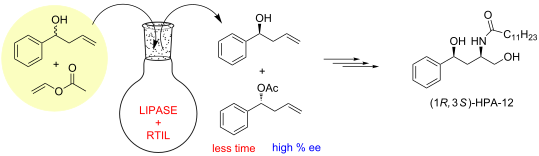
- , suggesting the possibility of its use as an anticancer compound. Besides, inhibition of sphingolipid biosynthesis using HPA-12 has also been reported to inhibit hepatitis C virus replication substantially [4]. In another study, the CERT knockdown disrupted the normal oxidative stress response in Drosophila


Synthesis of nonracemic hydroxyglutamic acids
Beilstein J. Org. Chem. 2019, 15, 236–255, doi:10.3762/bjoc.15.22
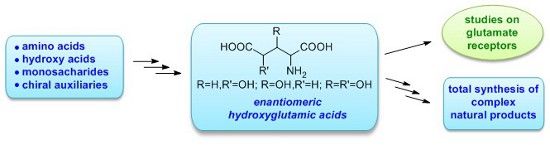
- pool; glutamate analogues; Introduction L-Glutamic acid (1, Figure 1) plays an important role in the biosynthesis of purine and pyrimidine nucleobases [1]. It also takes part in metabolic transformation to L-glutamine by L-glutamate synthetase (GS) which is crucial for cell maintenance. In neoplastic


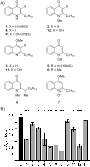
Synthesis and biological activity of methylated derivatives of the Pseudomonas metabolites HHQ, HQNO and PQS
Beilstein J. Org. Chem. 2019, 15, 187–193, doi:10.3762/bjoc.15.18
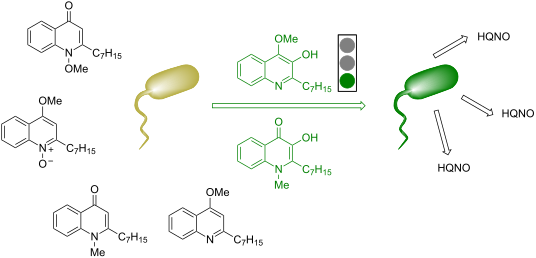
- (HHQ, 1) are important signaling molecules involved in quorum sensing and as such play an important role in virulence regulation [3][10][11][12]. Another metabolite from the AQ biosynthesis pathway of P. aeruginosa is 2-heptyl-1-hydroxy-4(1H)-quinolone (generally referred to as 2-heptyl-4
- -hydroxyquinoline N-oxide, HQNO), which is not active in quorum sensing, but interferes with the respiratory electron transport via inhibition of the cytochrome bc1 complex and moreover inhibits pyrimidine biosynthesis [9][12][13][14]. Therefore, HQNO is toxic to many organisms. In dual-species co-cultures of P
- suspension was transferred to the chamber of a Clark-type oxygen electrode and the O2 consumption was measured for 2–3 min. Experiments were done in biological triplicates (n = 3). The effect of AQs on the quorum sensing activity in P. aeruginosa was studied by using AQ biosynthesis as measurable output. The




Unexpected loss of stereoselectivity in glycosylation reactions during the synthesis of chondroitin sulfate oligosaccharides
Beilstein J. Org. Chem. 2019, 15, 137–144, doi:10.3762/bjoc.15.14
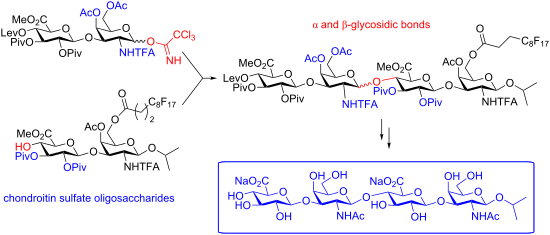
- biosynthesis of this polymer. The presence of aromatic rings, such as the 4-methoxyphenyl group at the anomeric position, should be avoided because these groups can significantly modify the binding mode between the CS and the enzymes. For this reason, we introduced an isopropyl group in β-position of the


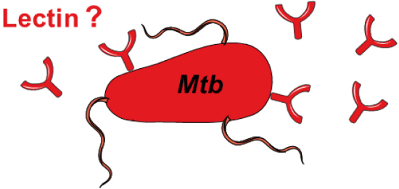
Lectins of Mycobacterium tuberculosis – rarely studied proteins
Beilstein J. Org. Chem. 2019, 15, 1–15, doi:10.3762/bjoc.15.1
- ], protozoa [57], and fungi [58], and totally absent in mammals. D-Arabinofuranose can only be found in prokaryotes, for example in Gram-negative bacteria where it is a cytoplasmic intermediate in the biosynthesis of 3-deoxy-D-manno-octulosonic acid (KDO), an essential carbohydrate of the cell wall
- binding domain was recently identified to be present in the arabinofuranosyltransferase EmbC (Rv3793), which is involved in the LAM biosynthesis of the Mtb cell wall [106]. However, the known function of this protein in arabinogalactan biosynthesis suggests the lectin-like domain to be more associated


Volatiles from the hypoxylaceous fungi Hypoxylon griseobrunneum and Hypoxylon macrocarpum
Beilstein J. Org. Chem. 2018, 14, 2974–2990, doi:10.3762/bjoc.14.277
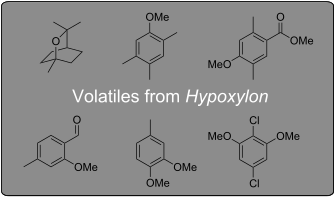
- derivatives. Their structures could only be unambiguously determined by comparison to all isomers with different substitution patterns. The substitution pattern of the main compound from H. griseobrunneum, the new natural product 2,4,5-trimethylanisole, was explainable by a polyketide biosynthesis mechanism
- mycotoxins [2], a class of highly bioactive secondary metabolites that belong to the strongest known inhibitors of protein biosynthesis in eukaryotes [3]. Similarly, the sesquiterpene aristolochene (2) is the parent hydrocarbon of PR toxin [4][5] and has been used as a marker to differentiate between toxin
- (methyl-2H3)methionine. While the methylation pattern of the alternative structure 24c is difficult to understand via a polyketide biosynthesis mechanism, the formation of the assigned structure of 24 by a polyketide synthase (PKS) can be easily rationalised (Scheme 2). The acetate starter unit, bound to




N-Acylated amino acid methyl esters from marine Roseobacter group bacteria
Beilstein J. Org. Chem. 2018, 14, 2964–2973, doi:10.3762/bjoc.14.276
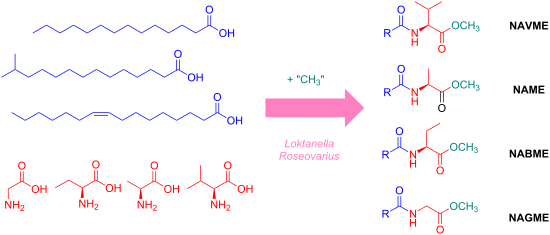
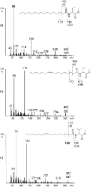
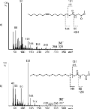
- knowledge on their biosynthesis, the underlying gene organization, as well as their function in many bacteria [11][12][13]. In the Roseobacter group, AHLs are involved, e.g., in antibiotic production [9] or cell differentiation [10]. Although many other bacterial signalling compounds must exist, only few of





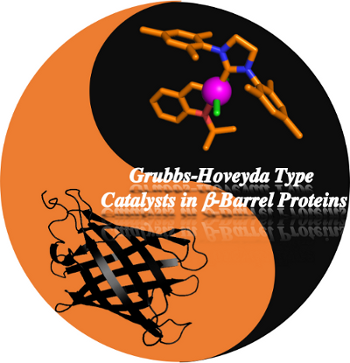
Olefin metathesis catalysts embedded in β-barrel proteins: creating artificial metalloproteins for olefin metathesis
Beilstein J. Org. Chem. 2018, 14, 2861–2871, doi:10.3762/bjoc.14.265
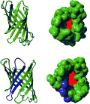
- ions such as Mg, Ca, Mn, Fe, Ni, Co, Cu, Zn etc. within a protein are abundant in nature [24]. As metalloenzymes, these metalloproteins are capable of catalyzing various important reactions in biosynthesis and key steps in cellular energy metabolism. The embedded metal ion mainly acts as a Lewis acid


Pd-Catalyzed microwave-assisted synthesis of phosphonated 13α-estrones as potential OATP2B1, 17β-HSD1 and/or STS inhibitors
Beilstein J. Org. Chem. 2018, 14, 2838–2845, doi:10.3762/bjoc.14.262
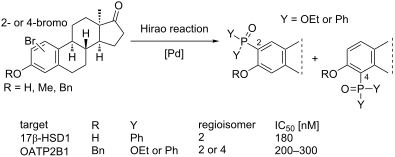
- ; enzyme; 13α-estrone; Hirao reaction; 17β-HSD1 inhibition; OATP2B1; STS; Introduction The biosynthesis of estrogens occurs via various enzymatic routes. Cytochrome P450 aromatase catalyzes the conversion of nonaromatic steroids to estrogens [1]. Moreover, hydrolysis of estrone 3-sulfate, existing as a
- reduction of the 17-oxo function leading to 17β-estradiol. This last step of the estrogen biosynthesis is catalyzed by the 17β-hydroxy steroid dehydrogenase type 1 isoenzyme (17β-HSD1) [13]. Thus STS and 17β-HSD1 became important drug targets in estrogen-dependent diseases [1][14]. Their inhibition could be
- a powerful strategy for the suppression of local estrogen production. Additionally, the entry of estrone-sulfate into the cells by inhibition of OATPs can be a good alternative [15][16]. Prior suppression of cytosolic enzymes involved in the estradiol biosynthesis, the transport of conjugated


Targeting the Pseudomonas quinolone signal quorum sensing system for the discovery of novel anti-infective pathoblockers
Beilstein J. Org. Chem. 2018, 14, 2627–2645, doi:10.3762/bjoc.14.241
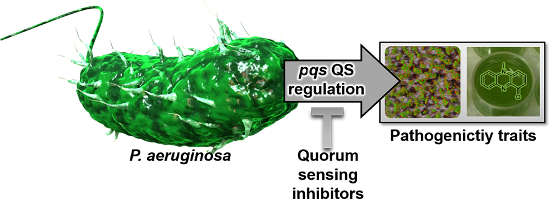
- various potential drug targets present within pqs QS. These range from enzymes within the biosynthesis cascade of the signal molecules PqsABCDE to the receptor of these autoinducers PqsR (MvfR). This review shortly introduces P. aeruginosa and its pathogenicity traits regulated by the pqs system and
- ]. Aforementioned enzyme PqsL is needed for the production of HQNO, as it delivers the N-oxidised substrate 2-HABA for PqsBC-mediated condensation with octanoyl-CoA analogous to HHQ biosynthesis [27]. PQS-mediated pathogenicity traits and molecular targets P. aeruginosa makes use of an arsenal of virulence factors
- response. In terms of pathogenicity traits, they are involved in the regulation of genes encoding for enzymes responsible for phenazine biosynthesis (pyocyanin production), hydrogen cyanide synthesis, Lectins LecA and LecB and additional genes involved in biofilm formation, enzymes for rhamnolipid


Pathoblockers or antivirulence drugs as a new option for the treatment of bacterial infections
Beilstein J. Org. Chem. 2018, 14, 2607–2617, doi:10.3762/bjoc.14.239
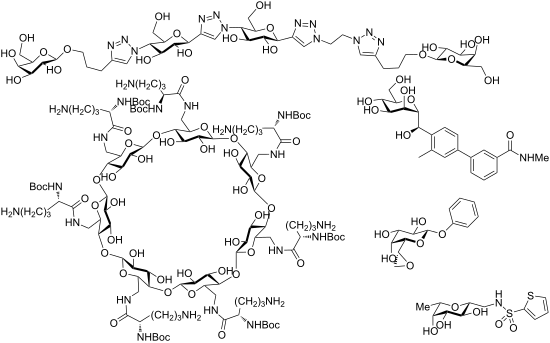
- signal molecules and mimic their structures. The PQS system of P. aeruginosa is particularly attractive and can be considered as a pathogen specific target. The biosynthesis of the PQS signal 23 involves a set of biosynthetic enzymes PqsABCDEH and its autocatalytic receptor PqsR (MvfR). Biaryl methanols




Synthesis of eunicellane-type bicycles embedding a 1,3-cyclohexadiene moiety
Beilstein J. Org. Chem. 2018, 14, 2461–2467, doi:10.3762/bjoc.14.222
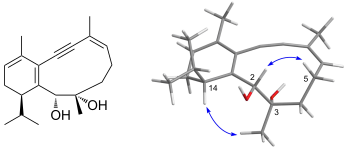
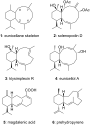
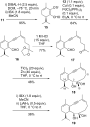
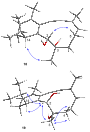
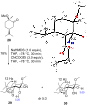
- if there are examples, where this was not the case [21][22]. Access to partially unsaturated eunicellane systems could also be of interest for studies on biosynthesis and chemical interconversion [7][10]. Results and Discussion Dihydrocarvone 9 was converted to the enolate and quenched with ethyl





The enzymes of microbial nicotine metabolism
Beilstein J. Org. Chem. 2018, 14, 2295–2307, doi:10.3762/bjoc.14.204
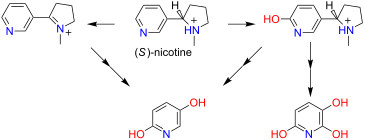
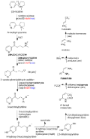
- involved in uptake of molybdenum and biosynthesis of the molybdopterin cofactor [11]. The mechanism of Scheme 2 can be written for nicotine dehydrogenase by analogy to the mechanism of xanthine oxidoreductase [8]. Here, the oxygen that is incorporated into the product initially comes from water, and the




Synthesis of 1,4-imino-L-lyxitols modified at C-5 and their evaluation as inhibitors of GH38 α-mannosidases
Beilstein J. Org. Chem. 2018, 14, 2156–2162, doi:10.3762/bjoc.14.189
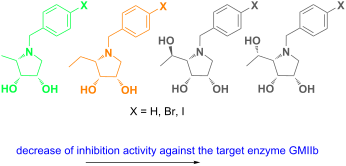
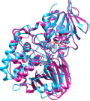
- swainsonine, interferes with the glycosylation pathway where it specifically inhibits GH38 glycoside hydrolases [23][24]. Up to date, swainsonine is the most potent Golgi mannosidase II (GMII) inhibitor. It is known that inhibition of the biosynthesis of complex N-glycans in the Golgi apparatus influences


β-Hydroxy sulfides and their syntheses
Beilstein J. Org. Chem. 2018, 14, 1668–1692, doi:10.3762/bjoc.14.143
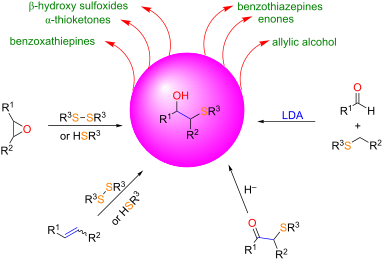
- fascinating biosynthesis of sulfur-containing secondary metabolites can be found in a recent review by Hertweck and co-workers [9]. 2. β-Hydroxy sulfides β-Hydroxy sulfides, often in disguised form, comprise a significant segment of sulfur-containing natural products, with a few examples shown in Figure 2
- notable synthesis of leukotriene C-1 (119), Corey and co-workers synthesized (−)-methyl trans-5(S),6(S)-oxido-7,9-trans-11,14-cis-eicosatetraenoate leukotriene A methyl ester (120), the key intermediate in its synthesis and biosynthesis, starting from the 2,3,5-tribenzoyl derivative of D-(−)-ribose [82


Glycosylation reactions mediated by hypervalent iodine: application to the synthesis of nucleosides and carbohydrates
Beilstein J. Org. Chem. 2018, 14, 1595–1618, doi:10.3762/bjoc.14.137
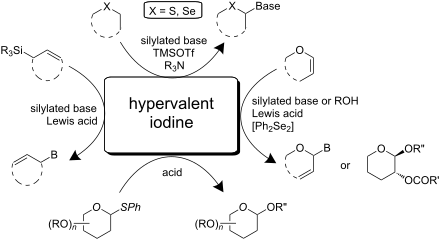
- cell viability, their biological synthesis, including the synthesis of their monomer units, e.g., nucleotides, is highly regulated. Damage to these vital molecules often results in congenital disease with ultimately fatal consequences [2][3]. Accordingly, the study of polymers and their biosynthesis is


Lanyamycin, a macrolide antibiotic from Sorangium cellulosum, strain Soce 481 (Myxobacteria)
Beilstein J. Org. Chem. 2018, 14, 1554–1562, doi:10.3762/bjoc.14.132
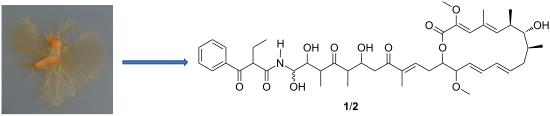
- on its biosynthesis and comparison of the homology of the respective gene clusters appear interesting in order to address the hypothesis that a horizontal gene transfer of the biosynthesis gene cluster between an actinobacterium and a myxobacterium may have occurred. Experimental General experimental


Design and biological characterization of novel cell-penetrating peptides preferentially targeting cell nuclei and subnuclear regions
Beilstein J. Org. Chem. 2018, 14, 1378–1388, doi:10.3762/bjoc.14.116
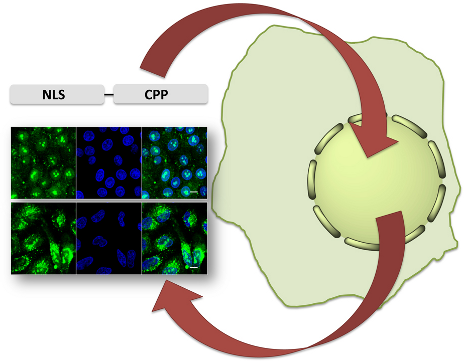
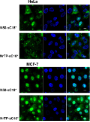
- . Therefore, HeLa and MCF-7 cells were exposed to the chemotherapeutic drug doxorubicin (DOX) that is already clinically applied in cancer therapy [37]. Doxorubicin interacts with DNA by intercalation and thereby inhibits the macromolecular biosynthesis [38]. Instead of covalent conjugation of the drug, we



Acyl-group specificity of AHL synthases involved in quorum-sensing in Roseobacter group bacteria
Beilstein J. Org. Chem. 2018, 14, 1309–1316, doi:10.3762/bjoc.14.112
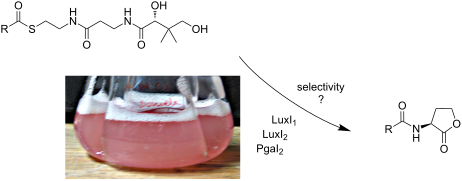
- Phaeobacter inhibens strains, revealing strain-specific mixtures. Although large differences were present between the species, the fatty acid profiles, the pool for the acyl precursors for AHL biosynthesis, were very similar. To test the acyl-chain selectivity, the three enzymes LuxI1 and LuxI2 from D. shibae
- . gallaeciensis BS107 produced eight different AHLs [8]. The biosynthesis of AHLs is mediated by the enzyme LuxI or its homologs, and often accompanied by a regulator protein, LuxR [18][19]. An ACP-bound fatty acid acyl group 1 is transferred onto the amino group of S-adenosylmethionine (SAM, 2) that is followed
- [28], probably involved in the biosynthesis of the long chain AHLs. Here we report on the characterization of PgaI2 from P. inhibens and of LuxI1 and LuxI2 from D. shibae by in vitro incubation experiments. Results and Discussion The AHL production of four Roseobacter group strains was analyzed by a


Oligonucleotide analogues with cationic backbone linkages
Beilstein J. Org. Chem. 2018, 14, 1293–1308, doi:10.3762/bjoc.14.111
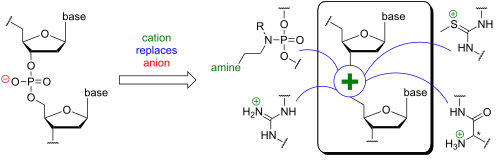
- and binds to double-stranded DNA to form a triple helix. The triple helix is not a substrate for the transcription machinery, and hence, RNA biosynthesis (and therefore protein formation) is blocked. In the antisense pathway [3], the ON binds to single-stranded mRNA in the cytoplasm, thus furnishing a
- duplex structure (usually a DNA–RNA heteroduplex) which cannot undergo ribosomal protein biosynthesis. Alternatively, the DNA–RNA heteroduplex can be a substrate for RNAse H-mediated degradation of the mRNA strand. This way, catalytic amounts of the ON can mediate the efficient cleavage of mRNA encoding



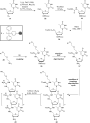


The first Pd-catalyzed Buchwald–Hartwig aminations at C-2 or C-4 in the estrone series
Beilstein J. Org. Chem. 2018, 14, 998–1003, doi:10.3762/bjoc.14.85
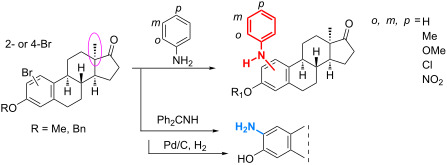
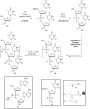
- -aminated estrone derivatives are described as inhibitors of estrogen biosynthesis. They are often synthesized via a three-step method including nitration, reduction, and functionalization of the amino group [1][2]. This three-step protocol may be simplified to involve only one or two steps by the


On the design principles of peptide–drug conjugates for targeted drug delivery to the malignant tumor site
Beilstein J. Org. Chem. 2018, 14, 930–954, doi:10.3762/bjoc.14.80
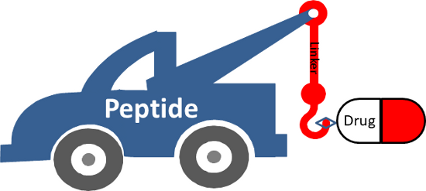
- sugar moiety. The difference between Dau and Dox is a hydroxy group substituted at the C-14 carbon atom on Dox providing an extra conjugation site for ester linkage (Figure 6). The mechanism of action of anthracyclines is based on their intercalation to DNA inhibiting the macromolecular biosynthesis


Volatiles from three genome sequenced fungi from the genus Aspergillus
Beilstein J. Org. Chem. 2018, 14, 900–910, doi:10.3762/bjoc.14.77
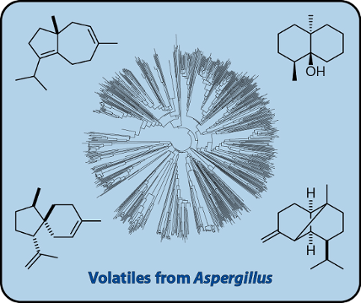
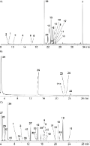
- terpenes, including traces of the widespread monoterpenes limonene (3) and linalool (4). The C12 compounds (8S*,9R*,10S*)-8,10-dimethyl-1-octalin (5) and (8S*,10R*)-8,10-dimethyl-1(9)-octalin (6) are intermediates of the biosynthesis of the earthy odorant geosmin that is itself a degraded sesquiterpene [29
- ][30], but geosmin could not be observed as a volatile of A. fischeri. The bacterial geosmin synthase is a class I terpene synthase (TS) with two domains [31] that occurs in many actinomycetes, cyanobacteria and myxobacteria, but fungal geosmin biosynthesis must require a different enzyme, because no
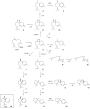
- homolog of the geosmin synthase is encoded in the genome of A. fischeri or of any other fungus. Furthermore, the diterpene pimara-8(14),15-diene (7) was one of the main compounds in the bouquet of A. fischeri. The biosynthesis of this compound is a two-step process that requires cyclisation of




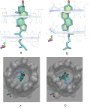
Crystal structure of the inclusion complex of cholesterol in β-cyclodextrin and molecular dynamics studies
Beilstein J. Org. Chem. 2018, 14, 838–848, doi:10.3762/bjoc.14.69
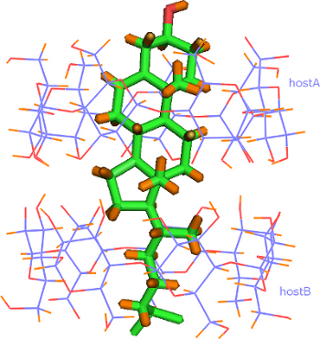
- significant role in biology as an essential structural component of the cell walls and as precursor for the biosynthesis of several substances such as vitamin D, bile acids and steroid hormones. However, the consumption of food rich in cholesterol like meat, eggs and dairy products has been associated with


Volatiles from the xylarialean fungus Hypoxylon invadens
Beilstein J. Org. Chem. 2018, 14, 734–746, doi:10.3762/bjoc.14.62
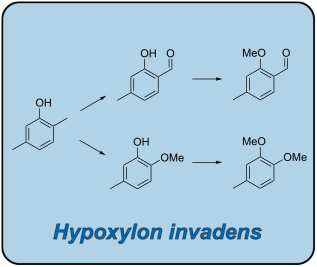
- index and best matching mass spectrum (Table 5). Notably, a common biosynthesis for all the identified aromatic compounds can be assumed that further strengthens their structure elucidations (Scheme 1). Starting from 11, an oxidation step at the 2-methyl group (red) could lead via the benzyl alcohol
- reported from the fungi Nodulisporium sp. [18][28], Sporothrix sp. [31], and Leptographium wageneri [32]. The compound comprises the bis-methylation product of 1,8-dihydroxynaphthalene, an important precursor of melanin-type pigments in fungi [33], while 20 has been reported to inhibit melanin biosynthesis





