Search results
Search for "receptors" in Full Text gives 316 result(s) in Beilstein Journal of Organic Chemistry. Showing first 200.
High-speed vibration-milling-promoted synthesis of symmetrical frameworks containing two or three pyrrole units
Beilstein J. Org. Chem. 2017, 13, 1957–1962, doi:10.3762/bjoc.13.190
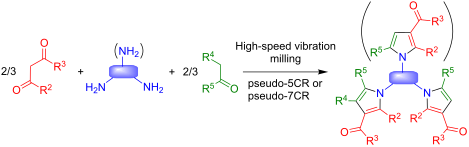
- vibration milling (HSVM) [14][15]. The importance of pyrrole frameworks stems from the status of this heterocycle as a privileged structure in drug discovery due to its presence as a structural core in molecules that are able to bind various receptors [16]. Results and Discussion Our route to the target




p-tert-Butylthiacalix[4]arenes functionalized by N-(4’-nitrophenyl)acetamide and N,N-diethylacetamide fragments: synthesis and binding of anionic guests
Beilstein J. Org. Chem. 2017, 13, 1940–1949, doi:10.3762/bjoc.13.188
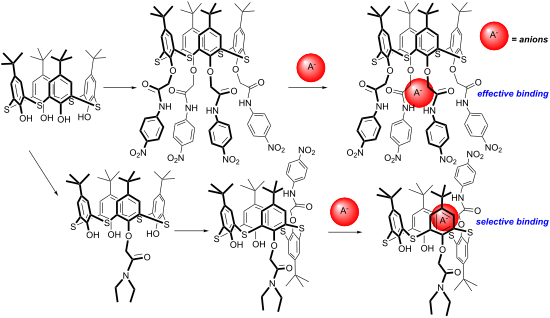
- receptors for F−, CH3CO2− and H2PO4− ions, which based on the synthesized thiacalix[4]arenes, have been obtained. It was shown that p-tert-butylthiacalix[4]arene tetrasubstituted at the lower rim by N-(4’-nitrophenyl)acetamide moieties bonded to the anions studied with association constants within the range
- in the regulation of anions is a cause of many diseases [7][8][9][10][11][12]. Thus, selective synthetic receptors can be used in medicine as medicinal and diagnostic agents. However, the design and synthesis of the systems for recognizing anions remains one of the important scientific challenges in
- organic chemistry [13][14][15][16][17][18][19][20][21][22][23]. Anion-receptor biomimetics aimed at developing synthetic analogs of the natural compounds that offer a deeper understanding of a number of biological processes. The design of anion receptors is quite a challenge for several reasons. The


Accessing simply-substituted 4-hydroxytetrahydroisoquinolines via Pomeranz–Fritsch–Bobbitt reaction with non-activated and moderately-activated systems
Beilstein J. Org. Chem. 2017, 13, 1871–1878, doi:10.3762/bjoc.13.182
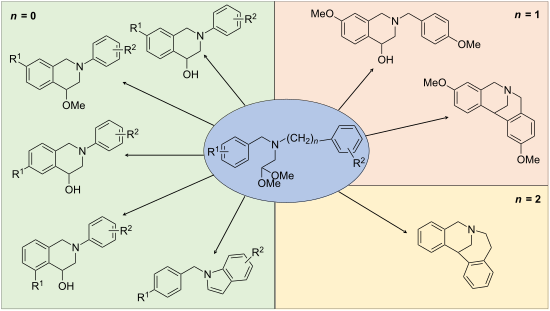
- to access libraries of regioisomeric N-aryl-1,2,3,4-tetrahydroisoquinoline derivatives that might facilitate the design of new structural templates for steroid-binding receptors. We thus evaluated the robustness and flexibility of this approach to the THIQ system and considered, in particular, the


Mechanochemical synthesis of thioureas, ureas and guanidines
Beilstein J. Org. Chem. 2017, 13, 1828–1849, doi:10.3762/bjoc.13.178
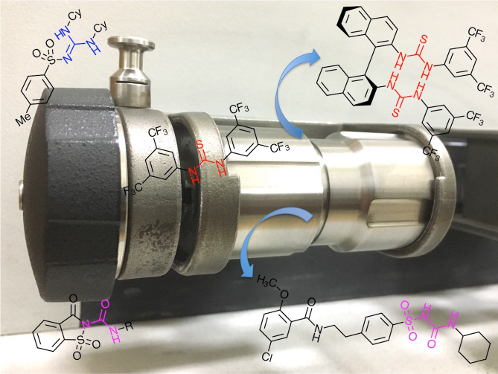
- purity of the sample was satisfactory enough to be further used as-synthesized, an analytically pure sample could easily be obtained by simple washing with CH2Cl2. The mechanochemically prepared urea 33 was next used in the synthesis of tri- and tetrapodal anion receptors, again by exploiting the solid




Oxidative dehydrogenation of C–C and C–N bonds: A convenient approach to access diverse (dihydro)heteroaromatic compounds
Beilstein J. Org. Chem. 2017, 13, 1670–1692, doi:10.3762/bjoc.13.162
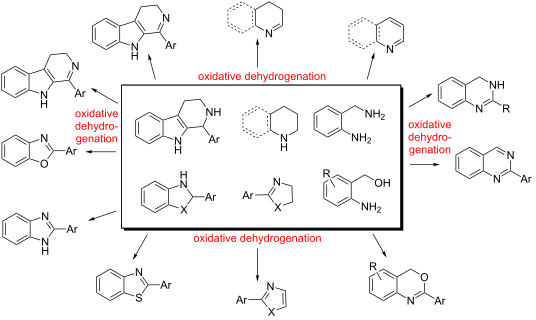
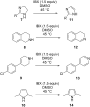
- alkaloids such as luotonin A, tryptanthrin and many more (Figure 1) [11][12]. Quinazoline derivatives work as potential inhibitors of epidermal growth factor (EGF) and tyrosine kinase receptors and also display antibacterial, antitubercular and antiviral properties [13][14][15][16]. Last but not the least








Synthesis and metal binding properties of N-alkylcarboxyspiropyrans
Beilstein J. Org. Chem. 2017, 13, 1542–1550, doi:10.3762/bjoc.13.154
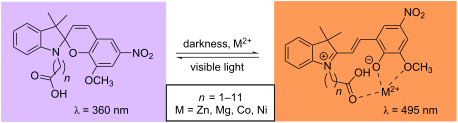
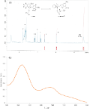
- Alexis Perry Christina J. Kousseff Biosciences, University of Exeter, Stocker Road, Exeter EX4 4QD, UK 10.3762/bjoc.13.154 Abstract Spiropyrans bearing an N-alkylcarboxylate tether are a common structure in dynamic, photoactive materials and serve as colourimetric/fluorimetric cation receptors
- been extensively exploited [2]. Spiropyrans bearing an N-alkylcarboxylate tether are photo-reversible colourimetric/fluorimetric receptors for metal cations [3][4][5] and amino acids [6], and serve as convenient building blocks in the synthesis of dynamic materials [7] (Figure 1). In this latter role
- /fluorimetric receptors for metal cations via complexation of the merocyanine isomer. Consequently, we have assessed the metal binding behaviour of spiropyrans bearing N-acetic acid through to N-dodecanoic acid tethers by 1H NMR and UV–vis spectroscopy. All compounds tested displayed a strong preference for




Syntheses of 3,4- and 1,4-dihydroquinazolines from 2-aminobenzylamine
Beilstein J. Org. Chem. 2017, 13, 1470–1477, doi:10.3762/bjoc.13.145
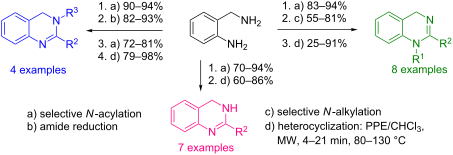
- heterocylic amidines (1,4,5,6-tetrahydropyrimidines) display biological activity as anthelmintics used in medical practice (pyrantel, morantel and oxantel) [5][6], nicotinic agonists [7], antidepressants [8] and selective inhibitors of M1 acetylcholine receptors [9][10], among others. Their benzannulated


Aqueous semisynthesis of C-glycoside glycamines from agarose
Beilstein J. Org. Chem. 2017, 13, 1222–1229, doi:10.3762/bjoc.13.121
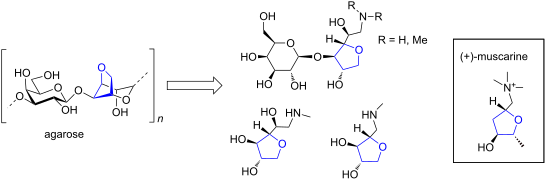
- recently envisaged that its substituted C-threofuranose ring could serve as an excellent scaffold to build muscarine analogues [11]. Cholinergic agents targeting muscarinic acetylcholine receptors (mAChRs) have historically served for diverse applications in medicine [12][13] and recently regained interest


From chemical metabolism to life: the origin of the genetic coding process
Beilstein J. Org. Chem. 2017, 13, 1119–1135, doi:10.3762/bjoc.13.111
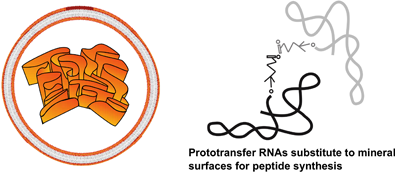
- their environment. For example, there are receptors for taste with exquisite recognition of specific molecules, sugars for example. The sweet taste is triggered by a lock-and-key process in which sugars fit within a specific cavity of the receptor. This interaction can be mimicked by compounds that have



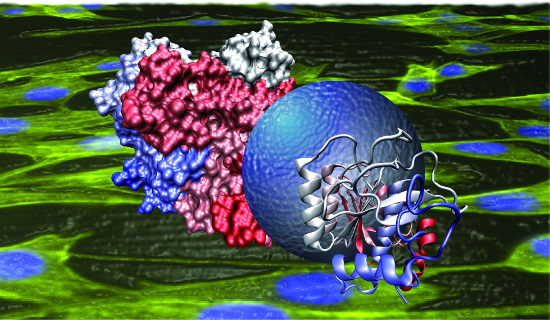
G-Protein coupled receptors: answers from simulations
Beilstein J. Org. Chem. 2017, 13, 1071–1078, doi:10.3762/bjoc.13.106
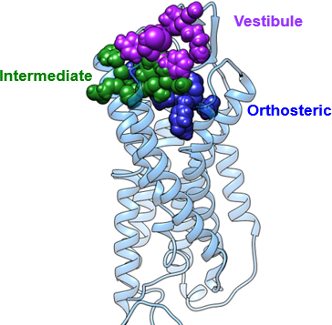
- the modes of action of G-protein coupled receptors (GPCRs). In this field, MD simulations are unusually important as, because of the difficult experimental situation, they often offer the only opportunity to determine structural and mechanistic features in atomistic detail. Modern combinations of soft
- with what is already available, it reuses successful designs again and again in slightly modified forms. This is the case for the most common means of communicating across cell walls in eukaryotes, G-protein coupled receptors (GPCRs). GPCRs span the cell membrane and generally complex switching ligands
- G-Protein Coupled Receptor” [2]. Their functions are myriad, from olfactory and visual receptors to pure signaling systems that govern cell function. Malfunction of GPCRs is prevalent in human diseases, so that approximately half (estimates vary between 30 and 60%) of marketed drugs target GPCRs


Glyco-gold nanoparticles: synthesis and applications
Beilstein J. Org. Chem. 2017, 13, 1008–1021, doi:10.3762/bjoc.13.100
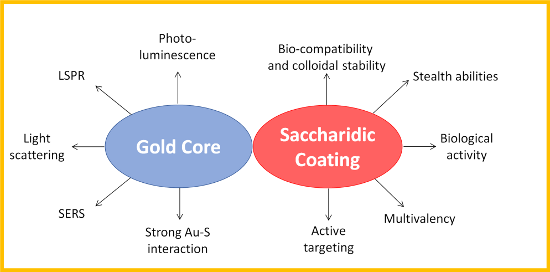
- containing mannose-binding receptors) [46] and thyroglobulin in serum [47] and to study the internalization pathway in dendritic cells, employing confocal laser microscopy (CLSM) and flow cytometry [48]. Moreover, even techniques based on light scattering, like dark field microscopy (DFM), resulted
- glucose and galactose moieties multi-displayed on gold surface acted as target for asialoglycoprotein receptors, over-expressed on liver cancer cells, delivering selectively the anticancer drug Au(I). In search of novel antimicrobial antigens, chitosan-streptomycin GAuNPs (CA NPs), i.e., carbohydrate
- mice, the authors demonstrated that GAuNPs selectively targeted overexpressed glucose receptors (GLUT1) and accumulated in the damaged lung, while PEGylated AuNPs did not show any relevant accumulation in the inflammation site. Moreover, another study on the synthesis of glucose-functionalized AuNPs


A strategic approach to [6,6]-bicyclic lactones: application towards the CD fragment of DHβE
Beilstein J. Org. Chem. 2017, 13, 988–994, doi:10.3762/bjoc.13.98
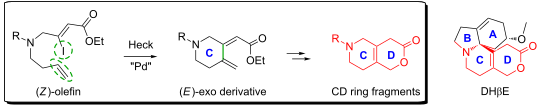
- pharmacological evaluations support the notion that the key pharmacophores of DHβE are located in the A and B rings. Keywords: DhβE; Mizoroki–Heck cross-coupling reaction; 6π-electrocyclization; [6,6]-bicyclic lactone; vinyl halide; Introduction The neuronal nicotinic acetylcholine receptors (nAChRs) have been


Pd- and Cu-catalyzed approaches in the syntheses of new cholane aminoanthraquinone pincer-like ligands
Beilstein J. Org. Chem. 2017, 13, 564–570, doi:10.3762/bjoc.13.55
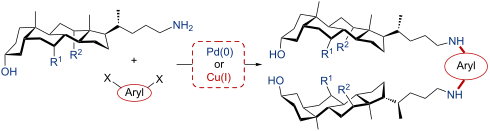
- multiple steps and is tedious, and the macrocyclization step generally provides low to moderate yields. Moreover, subsequent modification of these molecules for tuning their solubility or binding ability is often difficult. Consequently, the idea of molecular pockets or jellyfish resembling receptors with
- transport of anions through lipid membranes [19][20][21][22]. Some of similar pincer compounds can be used as receptors for organic molecules; e.g., polyamino derivatives based on cholane skeleton can form complexes with amino acids [23] and pincer-like conjugates of deoxycholic acid and aminopyrene can
- jellyfish resembling receptors (b) [11][16]. UV–vis spectra of 5c (50 μM solution in MeCN) before and after the addition of 5 equiv of metal perchlorates. Example of Pd-catalyzed amination for modification of bile acid derivatives. Synthesis of 24-aminocholanols. Synthesis of 24-arylaminocholanols by Cu


Secondary metabolome and its defensive role in the aeolidoidean Phyllodesmium longicirrum, (Gastropoda, Heterobranchia, Nudibranchia)
Beilstein J. Org. Chem. 2017, 13, 502–519, doi:10.3762/bjoc.13.50
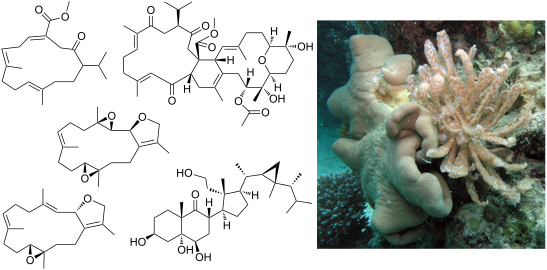
- activity [12]. Remarkable, however, is the inactivity of the (2R)-isosarcophytoxide (11) up to 2% of dry pellet mass, a mere stereoisomer of the active metabolite 10. Such a dependence on stereochemistry may result from a specific interaction with taste receptors in C. solandri lips, oral cavity and
- pharyngeal part. The importance of stereochemistry for taste response was shown in studies using alanine as a ligand for taste receptors from fish [61][62]. Investigations on the effects of cembranoid diterpenes on receptors are published, e.g., nicotinic receptors by Ferchmin et al. [63]. An important



Synthesis of 1-indanones with a broad range of biological activity
Beilstein J. Org. Chem. 2017, 13, 451–494, doi:10.3762/bjoc.13.48
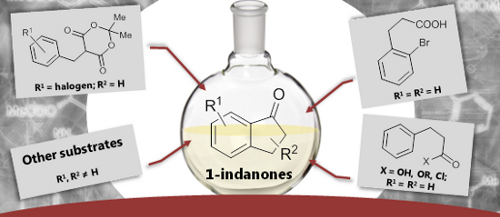
- ]. Next, the latter was converted to 4,6-dibromo-5-hydroxy-1-indanone in the presence of a Lewis acid and then transformed to 5-hydroxy-1-indanone as a result of debromination. Adrenergic receptors are metabotropic receptors located on cell membranes and stimulated by catecholamines, especially adrenaline


Spectral and DFT studies of anion bound organic receptors: Time dependent studies and logic gate applications
Beilstein J. Org. Chem. 2017, 13, 222–238, doi:10.3762/bjoc.13.25
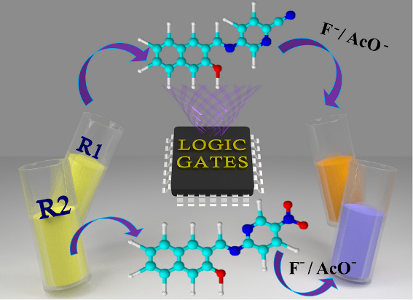
- Krishnakumarsinhji Bhavnagar University, Bhavnagar 364001, India Department of Physics, Faculty of Science, The M.S. University of Baroda, Vadodara 390002, India School of Technology, Pandit Deendayal Petroleum University, Gandhinagar 382007, Gujarat, India 10.3762/bjoc.13.25 Abstract New colorimetric receptors R1
- and R2 with varied positional substitution of a cyano and nitro signaling unit having a hydroxy functionality as the hydrogen bond donor site have been designed, synthesized and characterized by FTIR, 1H NMR spectroscopy and mass spectrometry. The receptors R1 and R2 exhibit prominent visual response
- . Keywords: colorimetric sensor; DFT; molecular logic gates; rate constant; substituent effect; Introduction The development of new organic receptors for the detection of anions is of key interest to supramolecular chemists owing to the biological and environmental importance of anions [1][2][3][4][5][6][7


Synthesis of acylhydrazino-peptomers, a new class of peptidomimetics, by consecutive Ugi and hydrazino-Ugi reactions
Beilstein J. Org. Chem. 2016, 12, 2865–2872, doi:10.3762/bjoc.12.285
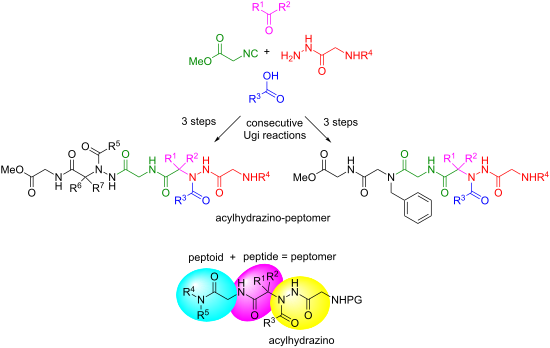
- cancer therapeutics for being an antagonist of the vascular endothelial growth factor receptor 2 [13]; peptoid 2 is a ligand of the protooncogene Crk [14]; and peptoids 3 and 4 showed a high affinity for the α1-adrenergic and μ-specific opiate receptors [15], respectively (Figure 2). Unlike peptides, in
- effect on the physical properties of a peptide as well as on its structural characteristics. The semicarbazide constraints tend to facilitate interactions with protein receptors due to turn geometry within the azapeptide. As a result, their stability over enzymes and chemical degradation may be enhanced


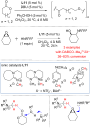
New approaches to organocatalysis based on C–H and C–X bonding for electrophilic substrate activation
Beilstein J. Org. Chem. 2016, 12, 2834–2848, doi:10.3762/bjoc.12.283
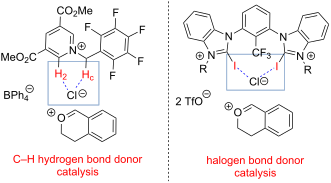
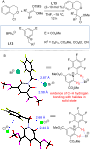
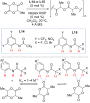
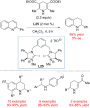
- acceptors and also act as electron-withdrawing substituents when attached to other aromatic rings thus enhancing benzene’s ring C–H hydrogen bonding [29][30][31]. Recent studies by the Flood group and the Craig group suggested that receptors containing arylated 1,2,3-triazoles could form stable
- supramolecular complexes with anions [32][33][34]. The stability of such complexes correlated with the number of C–H bonds that could be formed by the receptor, and strong binding comparable to the more traditional X–H bonding based hydrogen bond donors was observed for the receptors forming 5–9 hydrogen bonds








O-Alkylated heavy atom carbohydrate probes for protein X-ray crystallography: Studies towards the synthesis of methyl 2-O-methyl-L-selenofucopyranoside
Beilstein J. Org. Chem. 2016, 12, 2828–2833, doi:10.3762/bjoc.12.282

- are used as reactive glycosyl donors in the syntheses of oligosaccharides. In addition, such heavy atom analogs of natural glycosides are useful tools for structure determination of their lectin receptors using X-ray crystallography. Some lectins, e.g., members of the tectonin family, only bind to
- isolated after Zemplén deprotection in 99% yield and a ratio of α/β = 5:1. Conclusion Unsubstituted seleno glycosides are used for structure determination of complexes with protein receptors. The synthesis of O-methylated analogs has been not reported to date, despite their importance for many lectins. The


Symmetry-based approach to oligostilbenoids: Rapid entry to viniferifuran, shoreaphenol, malibatol A, and diptoindonesin G
Beilstein J. Org. Chem. 2016, 12, 2689–2693, doi:10.3762/bjoc.12.266
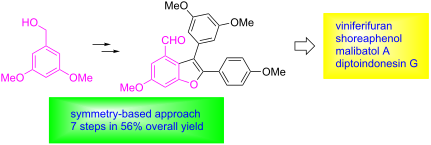
- estrogen receptors (ER) has been discovered, thereby suggesting it as a promising drug lead for the treatment of breast cancer [18]. Our continuing interest in this area led us to design an alternative approach to oligostilbenoids. As shown in Scheme 1, our idea stemmed from recognition of the symmetry


Interactions between cyclodextrins and cellular components: Towards greener medical applications?
Beilstein J. Org. Chem. 2016, 12, 2644–2662, doi:10.3762/bjoc.12.261
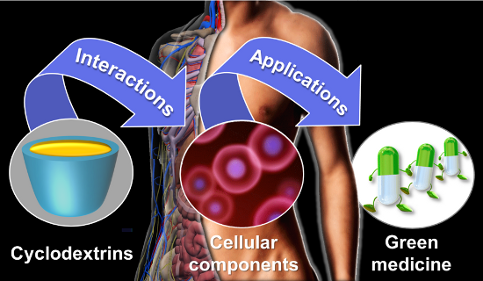
- of pentapeptides to α- and β-CD [88]. The two peptides used in this study were: Tyr-Ile-Gly-Ser-Arg (YIGSR) and Tyr-Gly-Gly-Phe-Leu (YGGFL). The former interacts specifically with the integrin receptors on specific neuronal cells whereas the latter is known to bind to brain receptor sites. From
- times sweeter than sucrose. Thaumatin has been shown to bind to G-protein-coupled receptors (GPCRs) which are transmembrane proteins, responsible for signal transduction. Therefore, the interaction of CDs with thaumatin could be used to modify the interaction of thaumatin with GPCRs and to modify its
- ) through interactions with several receptors and ABCA1 for HDL and ApoA-I, respectively. However, the process, which leads to an aberrant accumulation of cholesterol in artery walls forming atherosclerotic plaques, is complex. Thus the alteration of RCT as well as the expression and the functionality of


From supramolecular chemistry to the nucleosome: studies in biomolecular recognition
Beilstein J. Org. Chem. 2016, 12, 1863–1869, doi:10.3762/bjoc.12.175
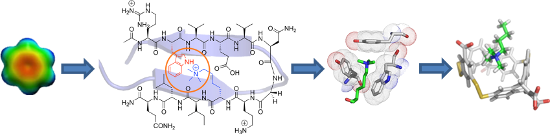
- -translational modifications such as trimethyllysine are antibodies, but antibodies have significant limitations in this context, as they are too sequence specific. Thus, we aimed to develop synthetic receptors that would mimic the binding pockets of proteins to recognize trimethyllysine, but not the surrounding
- sequence. This turned out to be an ideal problem to address using DCC, and we have now developed a number of synthetic receptors for methylated lysine and arginine that have applications as sensors for these modifications (Figure 6). Lessons learned As a child, my parents said that I “marched to my own
- interests. (a) Cyclophane receptors from Dennis Dougherty’s group in the late ‘80’s and early ‘90’s that demonstrated cation–π interactions [2]. (b) Cyclophane receptors from the Diederich group in the late ‘80’s and early ‘90’s that demonstrated the “nonclassical hydrophobic effect” [3]. (c) The Hunter


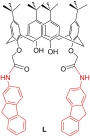
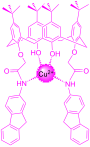
Amidofluorene-appended lower rim 1,3-diconjugate of calix[4]arene: synthesis, characterization and highly selective sensor for Cu2+
Beilstein J. Org. Chem. 2016, 12, 1749–1757, doi:10.3762/bjoc.12.163
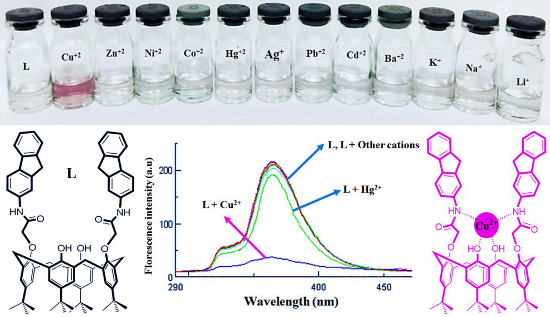
- environmental pollutant or an essential trace element in human body – is a great challenge and the development of synthetic receptors based on organic ligands for the detection of Cu2+ seems to be necessary [13]. Accordingly, during the last decades, synthesis and modification of chemosensors based on




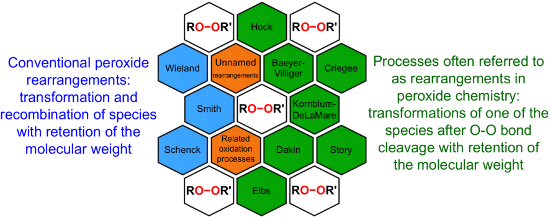
Rearrangements of organic peroxides and related processes
Beilstein J. Org. Chem. 2016, 12, 1647–1748, doi:10.3762/bjoc.12.162
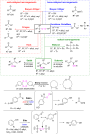
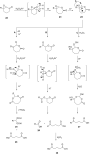
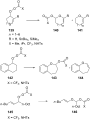
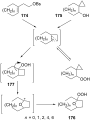
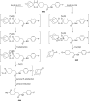
- multistep synthesis of cannabinergic lactones from dimethylheptylresorcinol. Two regioisomeric cannabinergic lactones were obtained, one of which possessed pronounced affinity towards the CB1 receptor and lower affinities for mCB2 and hCB2 receptors [228]. Oxidation with H2O2–acid systems: With in situ











Organic chemistry meets polymers, nanoscience, therapeutics and diagnostics
Beilstein J. Org. Chem. 2016, 12, 1638–1646, doi:10.3762/bjoc.12.161
- external regulation [4]. I also took on a brutal project, focused on the synthesis of water-soluble analogs of Kemp's triacid. This project was a massive effort, with a huge number of reactions required to optimize the initial steps. We did, however, obtain the desired receptors and observe some