


Search results
Search for "antifungal" in Full Text gives 282 result(s) in Beilstein Journal of Organic Chemistry. Showing first 200.
Biosynthesis of oxygen and nitrogen-containing heterocycles in polyketides
Beilstein J. Org. Chem. 2016, 12, 1512–1550, doi:10.3762/bjoc.12.148
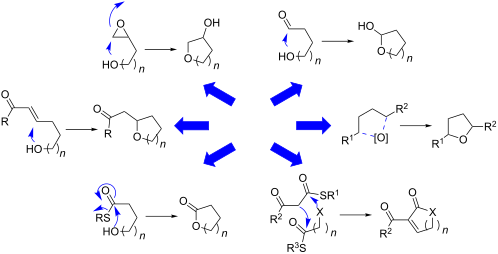
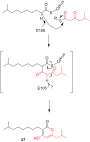
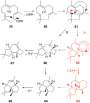
- polyketide with potent antitumor, antifungal, antiparasitic, pesticidal and antitrypanosomal activities (Scheme 13). In its biosynthesis, the furan-ring formation occurs on a late stage, catalysed in an unprecedented fashion by the cytochrome P450 oxidase AurH [13][62][63][64][65][66][67]. This enzyme




Mutagenic activity of quaternary ammonium salt derivatives of carbohydrates
Beilstein J. Org. Chem. 2016, 12, 1434–1439, doi:10.3762/bjoc.12.138
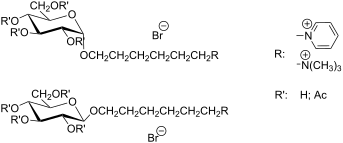
- their usage reaches hundreds of thousands of tons every year – in 2004 that number reached 0.5 million tons [6]. Antibacterial and antifungal action is the significant property of QAS. Therefore, they are being used as disinfectants, starting from hospital services to wood protection and house
- [22][23][24]. To overcome many problems associated with QASs, they were combined with sugars. We intended to obtain biologically active compounds – especially antibacterial and antifungal – with high biocompatibility and good biodegradation properties. Some examples of fused molecules containing QASs


Modular synthesis of the pyrimidine core of the manzacidins by divergent Tsuji–Trost coupling
Beilstein J. Org. Chem. 2016, 12, 1111–1121, doi:10.3762/bjoc.12.107
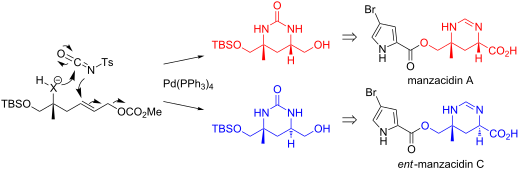
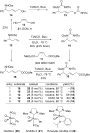
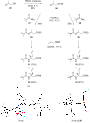
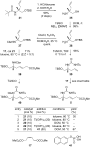
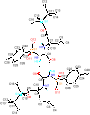
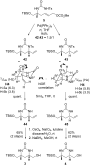
- last century [2]. The compounds have demonstrated potent antifungal activity [3], and acted as α-adrenoceptor blockers, antagonists of the serotonergic receptor and/or actomyosin ATPase activators [23][24][25]. As shown in Figure 1 for the most prominent representatives, manzacidins A (1) and C (2



Antibacterial structure–activity relationship studies of several tricyclic sulfur-containing flavonoids
Beilstein J. Org. Chem. 2016, 12, 1065–1071, doi:10.3762/bjoc.12.100
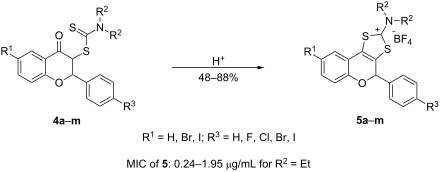
- display antibacterial, antiviral, antifungal, anti-inflammatory and anticancer properties [4][5][6][7][8][9][10]. Their polyphenolic structure also gives them excellent anti-oxidant and cardioprotective properties [11][12]. Our research group has recently reported the antibacterial properties of a new


Marine-derived myxobacteria of the suborder Nannocystineae: An underexplored source of structurally intriguing and biologically active metabolites
Beilstein J. Org. Chem. 2016, 12, 969–984, doi:10.3762/bjoc.12.96
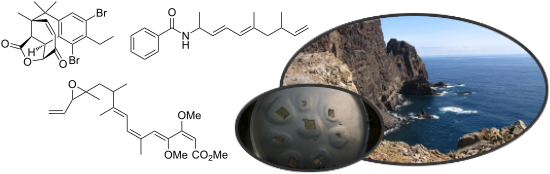
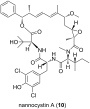
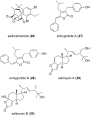
- strain Na a174, is supposed to be a result of degradation processes due to long-time cultivation. Additionally, the known compound 1,6-dihydroxyphenazin (19) and its arabinofuranoside 20 were obtained. To date, 14 has shown marginal antifungal activity towards Mucor hiemalis (DSM 2656, MIC: 33.3 μg/mL
- flava (DSM 14601) as their closest relative (16S rDNA sequence identity lower than 95%). The GC content of H. ochraceum and H. tepidum is 67 and 69 mol %, respectively. H. ochraceum was found by Fudou et al. [51] to be a producer of secondary metabolites with antibacterial and antifungal activities
- niger (AJ117374, MIC: 12.5 μg mL−1) and Fusarium sp. (AJ177167, MIC: 6.3 μg mL−1). These MIC values were in a similar range as those of known antifungal compounds such as amphotericin B or nystatin against the same fungi (MIC: 3.1 μg mL−1 for both compounds). Recently, the 9.4 Mb genome of H. ochraceum






A cross-metathesis approach to novel pantothenamide derivatives
Beilstein J. Org. Chem. 2016, 12, 963–968, doi:10.3762/bjoc.12.95
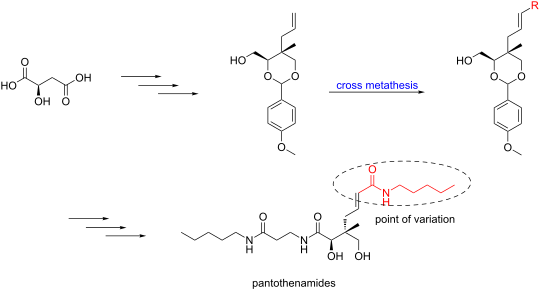
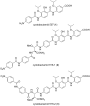
- ]. One successful research direction has been to revisit “older” unexploited structural classes of antimicrobials [2][3][4][5]. As first demonstrated in the 1970s [6], many pantothenamides show antimicrobial activity [7][8][9][10][11][12], including antibacterial, antifungal and/or antiplasmodial


Antibiotics from predatory bacteria
Beilstein J. Org. Chem. 2016, 12, 594–607, doi:10.3762/bjoc.12.58
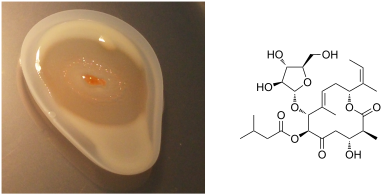
- , respectively. In contrast, the tripeptidic cystobactamid 507 seems to be either a biosynthetic byproduct or a degradation fragment of its larger congeners. All cystobactamids lack antifungal and cytotoxic properties, but they exhibit significant antibacterial activities. Especially derivative 919-2 (19




Biosynthesis of α-pyrones
Beilstein J. Org. Chem. 2016, 12, 571–588, doi:10.3762/bjoc.12.56
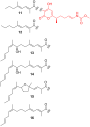
- (29) showed antifungal activity against Rhizoctonia cerealis, Gaeumannomyces graminis and Botrytis cinerea (Figure 6) [34]. The structural related trichopyrone (30) instead showed no antimicrobial activity [35]. For compound 29 it was further revealed that it represents the prominent headspace
- kill their prey [45][46]. Fusapyrone (32) and the derivative deoxyfusapyrone (33) had been isolated from Fusarium semitectum [39]. These compounds show considerable antifungal activity, e.g., a minimum inhibitory concentration against Botrytis cinerea, Aspergillus parasiticus, and Penicillium brevi
- been used against skin diseases due to its mutagenic effect [71]. Bacterial monobenzo-α-pyrones were isolated from the myxobacterium Stigmatella aurantiaca MYX-030. Myxocoumarins A (65) and B (66) were identified, and 65 was tested for antifungal activity [72]. It showed a promising activity against






Regiodefined synthesis of brominated hydroxyanthraquinones related to proisocrinins
Beilstein J. Org. Chem. 2016, 12, 531–536, doi:10.3762/bjoc.12.52
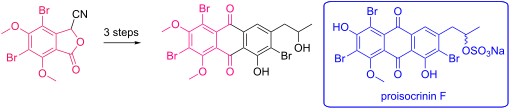
- condensation; Hauser annulation; proisocrinins; Introduction Anthraquinones constitute the largest group of naturally occurring quinones [1][2][3][4][5]. Isolated mainly from fungal sources, they display a wide range of biological activities which include anti-inflammatory, antifungal, antiparasidal, and


Copper-mediated arylation with arylboronic acids: Facile and modular synthesis of triarylmethanes
Beilstein J. Org. Chem. 2016, 12, 496–504, doi:10.3762/bjoc.12.49
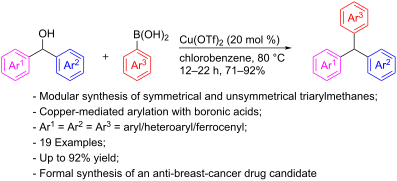
- binding affinity [21], inhibition of hepatic cholesterol [22], inhibition of aldose reductase [23], antiproliferative [24], antiviral, cytotoxic [25], antifungal [26], anti-HIV [27][28][29] and antibacterial activity [30]. Although rare, there are a few natural products, for example, melanervin (5), a


Natural products from microbes associated with insects
Beilstein J. Org. Chem. 2016, 12, 314–327, doi:10.3762/bjoc.12.34
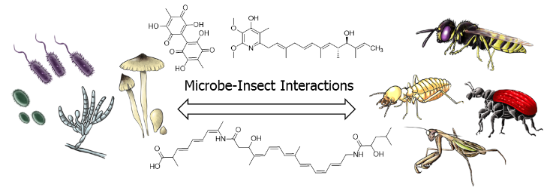
- derivatives have been shown to possess a variety of biological activities, such as antibiotic, antifungal and antiproliferative activity [47]. The combination of the antibiotic properties of piericidins and streptochlorin is most likely the reason for the effective inhibition of various entomopathogenic
- an additional chlorine and/or hydroxy substituent. In contrast to dentigerumycin, gerumycins do not exhibit significant antifungal activity in vitro against dentigerumycin-sensitive Escovopsis strains. A detailed biosynthetic analysis of gerumycins revealed that the biosynthetic gene clusters are
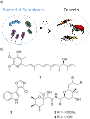
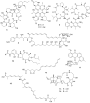
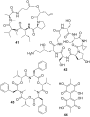
- microtermolides A (16) and B (17) (Figure 6), products by an unusual hybrid non-ribosomal–polyketide pathway [95]. In a follow-up study, a Streptomyces isolate with exceptional high antifungal activity was investigated, and an unusual geldanamycin-derived natalamycin A (18), 19-S-methylgeldanamycin (19), and a





Synthesis of cyclic N1-pentylinosine phosphate, a new structurally reduced cADPR analogue with calcium-mobilizing activity on PC12 cells
Beilstein J. Org. Chem. 2015, 11, 2689–2695, doi:10.3762/bjoc.11.289
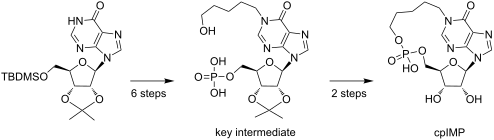
- synthetic building blocks towards the synthesis of biologically relevant compounds such as antiviral and antineoplastic drugs [3][4][5][6][7][8], antibiotics and antifungal agents [9][10][11]. Furthermore, several NNs act as potent second messengers involved in the regulation of key metabolic pathways [12


Versatile synthesis and biological evaluation of novel 3’-fluorinated purine nucleosides
Beilstein J. Org. Chem. 2015, 11, 2509–2520, doi:10.3762/bjoc.11.272
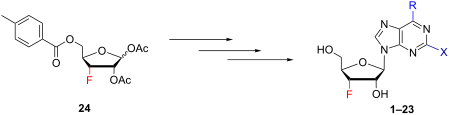
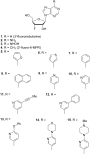
- -D-riboside (6-β-D-MPR) is an isolated antibiotic agent that possesses potent antifungal, antiviral, and antitumor activities [44]. In order to explore the effect of fluorine on the biological activity of this pharmacophore, we synthesized 6-methylpurine-3’-deoxy-3’-fluoro-β-D-riboside (4) (Scheme 2



Recent highlights in biosynthesis research using stable isotopes
Beilstein J. Org. Chem. 2015, 11, 2493–2508, doi:10.3762/bjoc.11.271
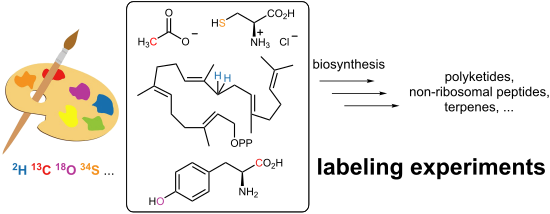
- reductase [16], aflatoxin B1 (2) [17] and the potent antifungal agent amphotericin B (3) [18], which affects membrane integrity. The products of polyketide synthases (PKS) belong to the first secondary metabolites that were investigated using isotopically labeled compounds [19]. Feeding experiments using











Diversity-oriented synthesis of analogues of the novel macrocyclic peptide FR-225497 through late stage functionalization
Beilstein J. Org. Chem. 2015, 11, 2487–2492, doi:10.3762/bjoc.11.270
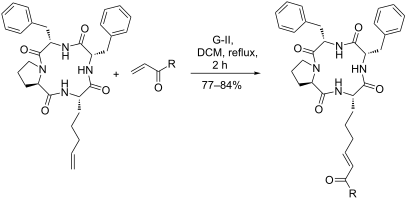
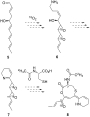
- peptides of the general structure 1 (Figure 1) displays important histone deacetylase inhibition property relevant to drug design against a number of diseases ranging from antifungal, antimicrobial to arrest of proliferation of several cell types of epithelial and hematological origin [13]. The compounds


Bromotyrosine-derived alkaloids from the Caribbean sponge Aplysina lacunosa
Beilstein J. Org. Chem. 2015, 11, 2334–2342, doi:10.3762/bjoc.11.254
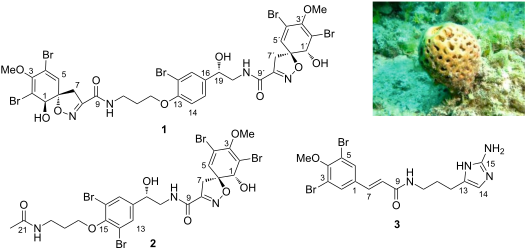
- activities, including antiviral [2], antibiotic [3][4][5], Na+/K+ ATPase inhibition [6][7][8], anti-HIV [9][10], antifungal [11], histidine-H3 antagonist [12], cytotoxic [13][14], and antimalarial activities [15][16][17]. During our investigation of the chemical constituents of Aplysina lacunosa (Aplysinidae
- luteus; Gram-negative: Peumonia aruginosa and Klebsiella pneumonia] and antifungal Candida albicans using microdilution technique. The MIC was defined as lowest concentration that shows 50% growth inhibition after 24 hour incubation. Cytotoxicity assay The cytotoxicity was determined using WST-1 cell


Syntheses of 2-substituted 1-amino-4-bromoanthraquinones (bromaminic acid analogues) – precursors for dyes and drugs
Beilstein J. Org. Chem. 2015, 11, 2326–2333, doi:10.3762/bjoc.11.253
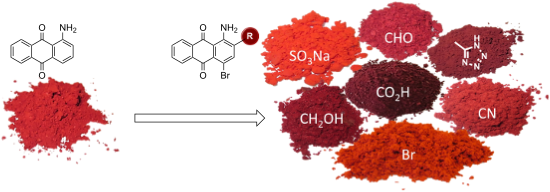
- ][18][19]. AQ derivatives can also exert a variety of pharmacological activities including laxative, anti-inflammatory [20][21], antitumor [22][23], antifungal [24], antiviral [25], and blood platelet inhibitory effects [26][27][28]. Reactive Blue 2 (RB-2), a chlorotriazinyl-containing AQ dye, defined


Synthesis of D-fructose-derived spirocyclic 2-substituted-2-oxazoline ribosides
Beilstein J. Org. Chem. 2015, 11, 2289–2296, doi:10.3762/bjoc.11.249
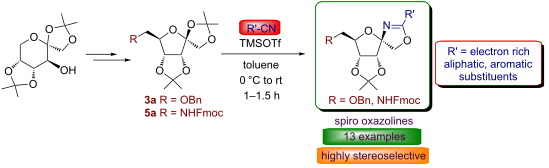
- compounds with a wide range of applications spanning different chemistry disciplines. 2-Oxazoline derivatives are extensively studied due to their presence in numerous bioactive natural products [1][2][3] and synthetic drugs with anticancer, antibiotic, antidiabetic, and antifungal properties (Figure 1, 1–4


2-Hetaryl-1,3-tropolones based on five-membered nitrogen heterocycles: synthesis, structure and properties
Beilstein J. Org. Chem. 2015, 11, 2179–2188, doi:10.3762/bjoc.11.236
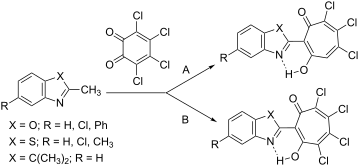
- -1,2-tropolone) isolated from Chamacyparis taiwanensis possesses antimicrobial and antifungal activity [4][5][6], pronounced insecticidal properties [7][8], and the capability of inhibiting the growth of plants [9]. It also exerts a cytotoxic effect on tumor cells [10] and serves as a potent inhibitor


![[Graphic 3]](/bjoc/content/inline/1860-5397-11-236-i8.png?max-width=637&scale=1.18182) N···H–O equilibrium in solutions of 2-hetaryl-5,6,7-trichloro- and 4,...
N···H–O equilibrium in solutions of 2-hetaryl-5,6,7-trichloro- and 4,...


Synthesis, antimicrobial and cytotoxicity evaluation of new cholesterol congeners
Beilstein J. Org. Chem. 2015, 11, 1922–1932, doi:10.3762/bjoc.11.208
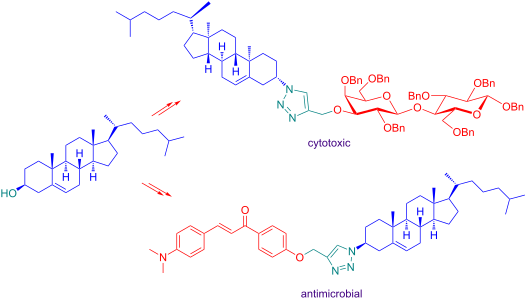
- antifungal activities against the filamentous fungal strain Aspergillus flavus (Link) and the yeast forming fungal strain Candida albicans (ATCC 7102) were moderate compared with amphotericin B in vitro. In the cytotoxicity study, this derivative was the most cytotoxic one against the prostate cancer PC3
- that were as active as ampicillin. However, conjugate VI from the previous investigation was still more active than these conjugates [24]. The antifungal activity of selected newly synthesized chalcone conjugates was evaluated in vitro against A. flavus (Link) and Candida albicans (ATCC 7102) similarly
- according to the Kirby–Bauer disc diffusion method (Figure 2). Although, the series was inactive against A. flavus, they showed some promising antifungal results against C. albicans. As shown in Figure 2, only chalcone 6c was as active as the control (amphotericin B). Cholesterols 6a,b, 7a,b, 11b, 13 and 20




Pyridinoacridine alkaloids of marine origin: NMR and MS spectral data, synthesis, biosynthesis and biological activity
Beilstein J. Org. Chem. 2015, 11, 1667–1699, doi:10.3762/bjoc.11.183
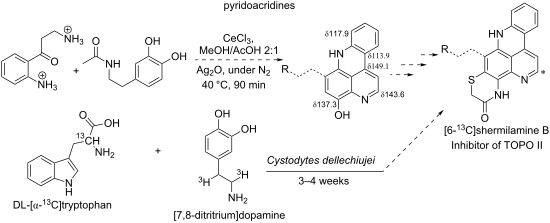
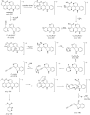
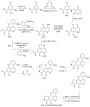
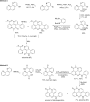
- synthetic compounds, has been widely investigated. Many of them displayed cytotoxic activity in addition to other bioactivities such as antiviral, antifungal, antibacterial, antitumor and antiparasitic potential [41]. Several reviews on pyridoacridine alkaloids have been published between 1983–2015 [35][43
- alkaloids such as meridine (56) that are found to exert its antifungal activity via the inhibition of nucleic acid biosynthesis [87]. Petrosamine B (99), isolated from the sponge Oceanapia sp., inhibited the Helicobacter pylori enzyme aspartyl semialdehyde dehydrogenase explaining it as an antibacterial








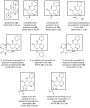


Structure and conformational analysis of spiroketals from 6-O-methyl-9(E)-hydroxyiminoerythronolide A
Beilstein J. Org. Chem. 2015, 11, 1447–1457, doi:10.3762/bjoc.11.157
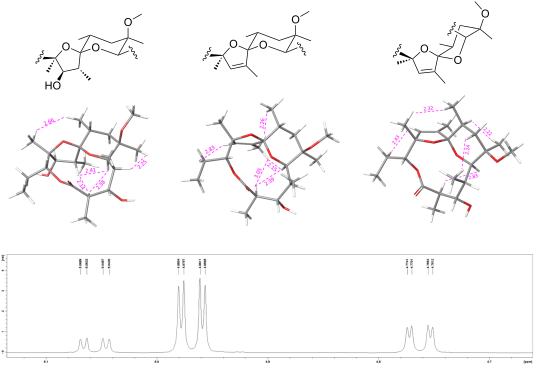
- example, in cases of calyculin and okadaic acid it has been proposed [18][19] that the spiroketal unit acts as a β-turn mimic. Naturally occurring spiroketals exhibit a wide spectrum of biological activity: anticancer [20][21][22], antibiotic [23][24], antifungal [25], anthelmintic [26] and anti-HIV [27




New depsidones and isoindolinones from the mangrove endophytic fungus Meyerozyma guilliermondii (HZ-Y2) isolated from the South China Sea
Beilstein J. Org. Chem. 2015, 11, 1187–1193, doi:10.3762/bjoc.11.133
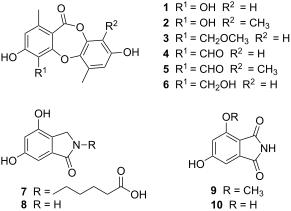
- of bioactivities including antibacterial [10], antifungal [6], antiviral [12], antioxidant [5], and cytotoxic [9]. In the last decade, our research group has been focused on isolating novel compounds from endophytic fungi growing on mangroves in the South China Sea and investigating their bioactivity


Thiazole formation through a modified Gewald reaction
Beilstein J. Org. Chem. 2015, 11, 875–883, doi:10.3762/bjoc.11.98
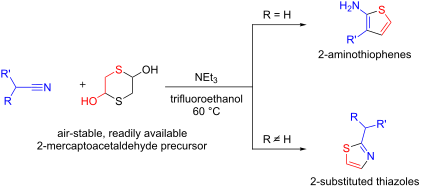
- number of therapeutic areas including anticancer, antifungal, antibacterial, anti-inflammatory and as antidepressants (Figure 1) [1]. Several protocols have already been described for the synthesis of substituted thiazoles and benzothiazoles [2][3][4][5][6][7][8][9][10][11]. The current first choice


N-Alkyl derivatives of diosgenyl 2-amino-2-deoxy-β-D-glucopyranoside; synthesis and antimicrobial activity
Beilstein J. Org. Chem. 2015, 11, 869–874, doi:10.3762/bjoc.11.97
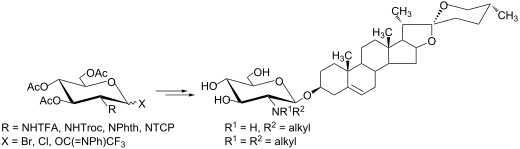
- glucopyranoside is presented. Evaluation of antibacterial and antifungal activities of these derivatives indicates that they have no inhibitory activity against Gram-negative bacteria, whereas many of the tested N-alkyl saponins were found to inhibit the growth of Gram-positive bacteria and human pathogenic fungi
- used as detergents, surfactants and emulsifiers. Moreover, they display a wide range of pharmacological activities, including antifungal, antiparasitic, antiinflammatory, antibacterial, and antitumor activities [2][3][4][5]. No wonder, saponins have been evaluated as vaccine adjuvants [6]. Despite the
- their cardiovascular, antifungal, anticancer [33][34][35][36] and antithrombotic activities [37] have been investigated. Gelation ability of the pentose derivatized diosgenyl saponins have also been reported [38]. In the family of diosgenyl β-glycosides D-glucopyranose is the first sugar attached to the





