Search results
Search for "mechanical" in Full Text gives 262 result(s) in Beilstein Journal of Organic Chemistry. Showing first 200.
Thermal properties of ruthenium alkylidene-polymerized dicyclopentadiene
Beilstein J. Org. Chem. 2015, 11, 1469–1474, doi:10.3762/bjoc.11.159
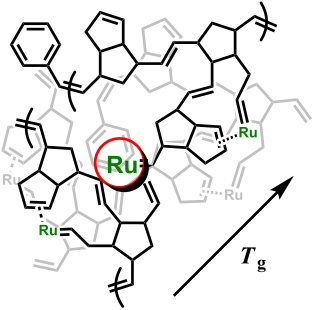
- initiators where only cross-linked polymers are obtained. This polyolefinic cross-linked thermoset material exhibits outstanding thermal stability [22], mechanical strength [23], fracture toughness [24] and dielectric characteristics [25]. Thanks to these properties PDCPD has become a very attractive polymer


Multivalency as a chemical organization and action principle
Beilstein J. Org. Chem. 2015, 11, 848–849, doi:10.3762/bjoc.11.94
- supramolecular designer systems [4][5]. The influence of spacer length and flexibility on the binding affinity of ligands [6] will be examined as well as the mechanical stability of complexes [7]. Furthermore, the Thematic Series covers the synthesis of various new glycoarchitectures for multivalent interactions

Mechanical stability of bivalent transition metal complexes analyzed by single-molecule force spectroscopy
Beilstein J. Org. Chem. 2015, 11, 817–827, doi:10.3762/bjoc.11.91
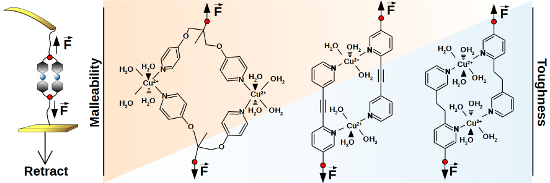
- 10.3762/bjoc.11.91 Abstract Multivalent biomolecular interactions allow for a balanced interplay of mechanical stability and malleability, and nature makes widely use of it. For instance, systems of similar thermal stability may have very different rupture forces. Thus it is of paramount interest to study
- and understand the mechanical properties of multivalent systems through well-characterized model systems. We analyzed the rupture behavior of three different bivalent pyridine coordination complexes with Cu2+ in aqueous environment by single-molecule force spectroscopy. Those complexes share the same
- be used to study selected parameters [4][5]. The mechanical stability of a molecular system is characterized by its rupture forces under a given loading rate. Malleability describes the ability of a protein complex or bond to deform without being disrupted and is characterized by the rupture length




Regulation of integrin and growth factor signaling in biomaterials for osteodifferentiation
Beilstein J. Org. Chem. 2015, 11, 773–783, doi:10.3762/bjoc.11.87
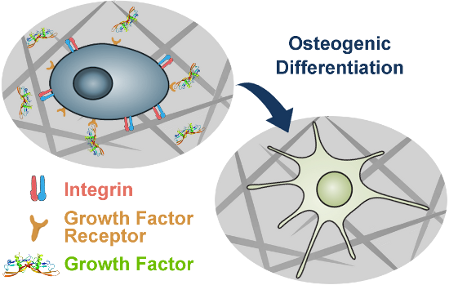
- virtually all cells in the body are exposed to and stem cells reside in, is an essential component in the stem cell niche [3]. The ECM is not an inert scaffold; instead, it is a dynamic network of molecules secreted by cells. Moreover, its biochemical, biophysical, and mechanical properties have emerged as
- -bound cells and their cytoskeleton. Second, the signals resulting from these interactions enable cells to sense the chemical and mechanical properties of the microenvironment (niche) and to respond by activating signaling systems for regulating the cell fate [19]. Conversely, the contraction of the
- mechanical unit rather than biochemical unit in the theory of mechanotransduction. In this theory, integrin–ligand interactions cause cytoskeleton reorganization, which further affects the nuclear morphology, since the nucleus connects to the other side of the cytoskeleton. The change of the nuclear




Probing multivalency in ligand–receptor-mediated adhesion of soft, biomimetic interfaces
Beilstein J. Org. Chem. 2015, 11, 720–729, doi:10.3762/bjoc.11.82
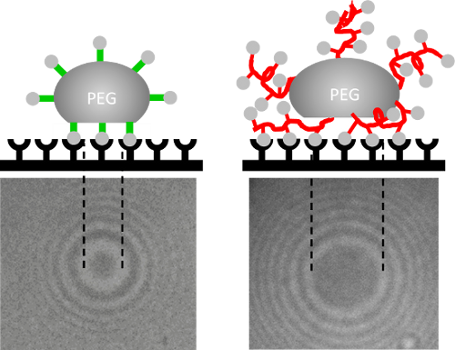
- of surface anchored carbohydrate ligands with a receptor surface, we developed a new method using carbohydrate coated hydrogel particles, also called soft colloidal probes (SCPs) that undergo mechanical deformation when coming into contact a with receptor surface [8][9][10][11]. The mechanical
- . Importantly, the SCP and the receptor surface represent a reduced cell-matrix model system that roughly mimics the biological context and thus allows studying the effect of various parameters affecting the interaction between surface anchored binding partners, e.g., the mechanical flexibility of the
- -functionalized SCPs. Carboxy groups on the SCP were introduced by a radical grafting process where incubation of the PEG microgels with benzophenone and acrylic acid lead to poly(acrylic acid) grafts on the PEG backbone. Using this model system, we could already show that the mechanical flexibility of the


First principle investigation of the linker length effects on the thermodynamics of divalent pseudorotaxanes
Beilstein J. Org. Chem. 2015, 11, 687–692, doi:10.3762/bjoc.11.78
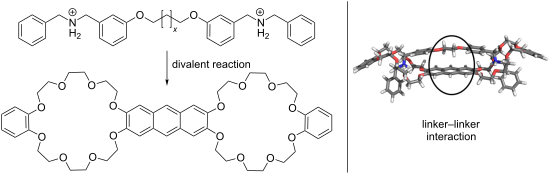
- . An explicit treatment of at least some solvent molecules would be desirable but is computationally not feasible at the required quantum mechanical level. A combined molecular mechanics/quantum mechanics treatment could be a solution to this problem in the future. Nevertheless, concerning the


Articulated rods – a novel class of molecular rods based on oligospiroketals (OSK)
Beilstein J. Org. Chem. 2015, 11, 74–84, doi:10.3762/bjoc.11.11

- mechanical parts: rods, joints, sleeves, plates etc., but with nanoscopic scale. Amongst these building blocks, molecular rods attracted particular attention in the last past decades [1][2][3][4][5][6]. Molecular rods, i.e., conformational rigid molecules in which the length considerably exceeds width and




The unexpected influence of aryl substituents in N-aryl-3-oxobutanamides on the behavior of their multicomponent reactions with 5-amino-3-methylisoxazole and salicylaldehyde
Beilstein J. Org. Chem. 2014, 10, 3019–3030, doi:10.3762/bjoc.10.320
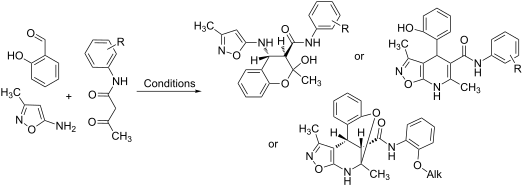
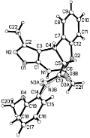
- ]. Results and Discussion The three-component heterocyclization of 5-amino-3-methylisoxazole (1), salicylaldehyde (2) and N-(2-methoxyphenyl)-3-oxobutanamide (3a) was chosen as a model reaction which was studied by variation of the reaction conditions. First, at room temperature under mechanical stirring for
- . In all cases of three-component reactions involving aminoazoles and carbonyl compounds, which were previously studied in our group [13][18][21][22][23][24], the substitution of mechanical stirring by ultrasonication did not change the structure of the final products but only affected the purity and
- that cannot be received by standard mechanical stirring. However, it cannot be excluded that the Lewis acid catalyzed process proceeds through a primary attack of the exocyclic NH2 group of aminoisoxazole to the activated β-carbonyl group of acetoacetamide and further reaction with the aldehyde, as it


Modification of physical properties of poly(L-lactic acid) by addition of methyl-β-cyclodextrin
Beilstein J. Org. Chem. 2014, 10, 2997–3006, doi:10.3762/bjoc.10.318
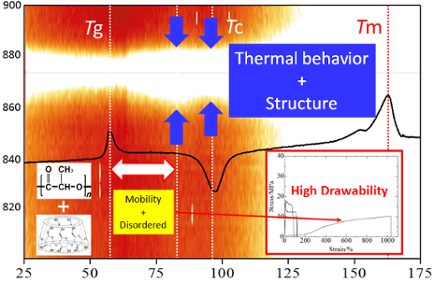
- this thermal property using Sc [6][7][8][9][10][11][12][13][14][15][16]. PLLA is a brittle polymer, but the polymer should have a high toughness so that it can be used for mechanical purposes. Tensile drawing is one method of improving mechanical properties, since it effectively induces molecular
- because of IC formation [37]. In the solid ICs of CDs and PLLA, the CD–CD interactions are dominant over the PLLA–PLLA interactions. Therefore, by forming an IC, CD increases the Tg of PLLA, which is not desirable for the improvement of mechanical properties. Since this results from strong CD–CD
- interactions, a modified CD may improve the mechanical properties of PLLA. Methyl-β-cyclodextrin (MeCD) is soluble in chloroform, as is PLLA, and the affinity of MeCD for PLLA may be sufficient to improve the mechanical properties of PLLA. In order to analyze the interchain interactions of polymers, it is


A comparative study of the interactions of cationic hetarenes with quadruplex-DNA forming oligonucleotide sequences of the insulin-linked polymorphic region (ILPR)
Beilstein J. Org. Chem. 2014, 10, 2963–2974, doi:10.3762/bjoc.10.314
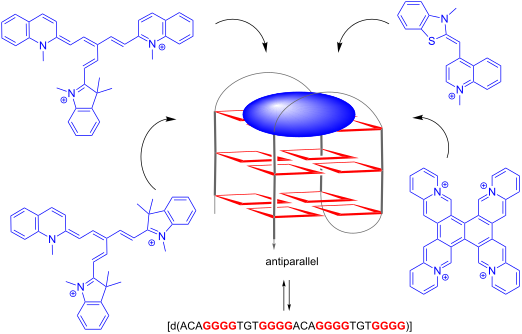
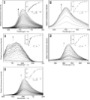
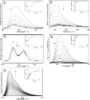
- ]. Furthermore, quadruplex structures may interfere with the replication process because of their thermal and mechanical stability. Namely, the force required to unfold the quadruplex is larger than the one to block helicases [9][13], such that quadruplex structures reduce the activity of these enzymes to




Binding mode and free energy prediction of fisetin/β-cyclodextrin inclusion complexes
Beilstein J. Org. Chem. 2014, 10, 2789–2799, doi:10.3762/bjoc.10.296
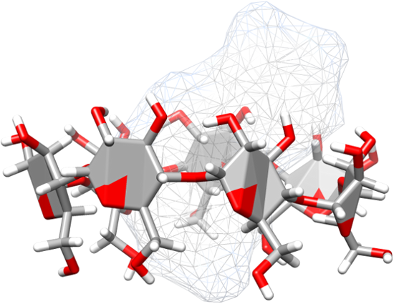
- calculation for estimating the binding free energies or calculating the free energies of molecules in solution. This method combines the molecular mechanical energies with the calculations of solvation. In order to calculate the electrostatic distribution to the free energy of solvation with a numerical


Mono- and multilayers of molecular spoked carbazole wheels on graphite
Beilstein J. Org. Chem. 2014, 10, 2783–2788, doi:10.3762/bjoc.10.295
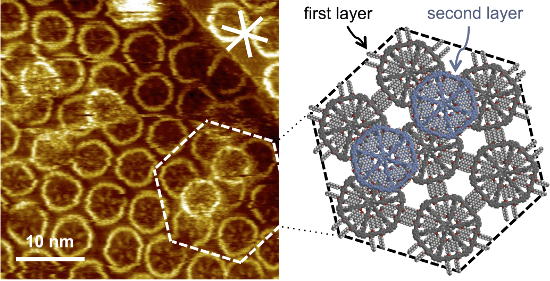
- be ascribed to a mechanical interlocking together with a high van der Waals interaction due to the large molecule size. It is worth to note that these investigations may also give insight into the spoked wheel organization in the bulk material. Conclusion Precursor 1 and MSW 2 self-assemble at the OA


Detonation nanodiamonds biofunctionalization and immobilization to titanium alloy surfaces as first steps towards medical application
Beilstein J. Org. Chem. 2014, 10, 2765–2773, doi:10.3762/bjoc.10.293
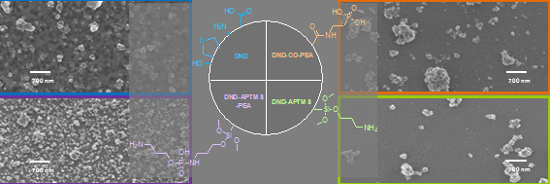
- of their excellent corrosion properties, good mechanical strength and osteointegration, due to naturally occurring oxide layer at their surface [16]. Based on the surface oxide properties, various methods of surface modification of titanium and its alloys have been realized in the past decades to



Removal of volatile organic compounds using amphiphilic cyclodextrin-coated polypropylene
Beilstein J. Org. Chem. 2014, 10, 2743–2750, doi:10.3762/bjoc.10.290
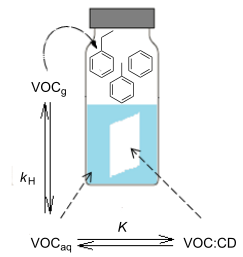
- future focus. The challenge with most of these problematic compounds lies in the fact that they cannot be removed using traditional methods, for example, mechanical filtration, due to their extremely small dimensions and extremely low concentration in the wastewater. However, even low concentrations are


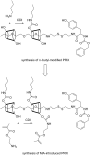
Synthesis of a resin monomer-soluble polyrotaxane crosslinker containing cleavable end groups
Beilstein J. Org. Chem. 2014, 10, 2623–2629, doi:10.3762/bjoc.10.274
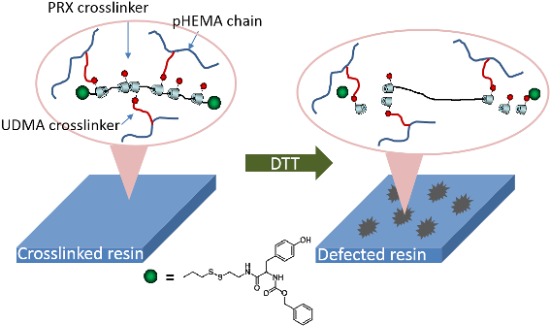
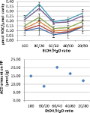
- mechanical strength in various applied polymer materials used in industrial or biomedical fields [16][17]. For example, composite resins containing 2-hydroxyethyl methacrylate (HEMA) or methyl methacrylate (MMA) have been widely used to increase the mechanical strength of restorative or adhesive materials in
- significant extent due to the cleaved disulfide end groups of PRX. This is thought to be the reason of the drastic decrease in the hardness of the photosetting plastic. Photosetting plastic is widely used in the field of dental treatment as a form of a composite resin. The mechanical strength of the




Encapsulation of biocides by cyclodextrins: toward synergistic effects against pathogens
Beilstein J. Org. Chem. 2014, 10, 2603–2622, doi:10.3762/bjoc.10.273
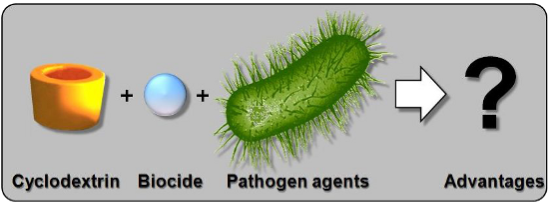
- the modified ones reached the same level after 240 min because of the formation of inclusion complexes. However, the presence of β-CD and biocide increased the disorder of cellulose microstructure and modified its mechanical properties. The bacterial activity against E. coli and S. aureus exhibited


Oligomerization of optically active N-(4-hydroxyphenyl)mandelamide in the presence of β-cyclodextrin and the minor role of chirality
Beilstein J. Org. Chem. 2014, 10, 2361–2366, doi:10.3762/bjoc.10.246
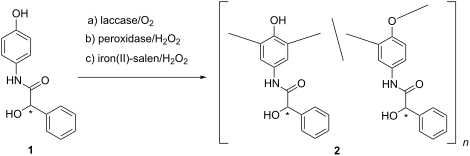
- ; enzyme; oxidative coupling; phenol oligomer; Introduction Lignin consists of mechanical stabilizing polyphenols and thus plays an important role in many plants [1][2]. For the in vitro synthesis of polyphenols via oxidative coupling reactions, laccases and peroxidases are suitable enzymes to catalyze


Visible light photoredox-catalyzed deoxygenation of alcohols
Beilstein J. Org. Chem. 2014, 10, 2157–2165, doi:10.3762/bjoc.10.223
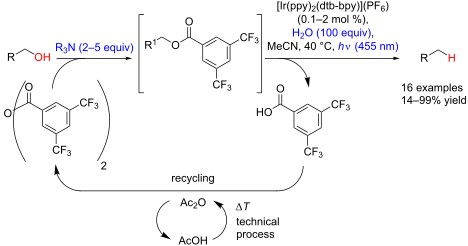
- reductively quenched photocatalyst followed by mesolysis and subsequent hydrogen abstraction (Scheme 4). Quantum mechanical calculations (B3LYP/6-31G*) for benzhydryl 3,5-bis(trifluoromethyl)benzoate (3) revealed that the electron density of the presumed transient radical anion is mainly located at the phenyl


Investigations of thiol-modified phenol derivatives for the use in thiol–ene photopolymerizations
Beilstein J. Org. Chem. 2014, 10, 1733–1740, doi:10.3762/bjoc.10.180
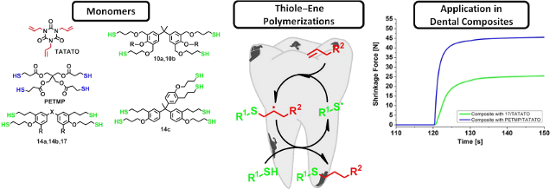
- ], adaptable thiol–ene networks [29], thiol–yne photopolymerizations [30][31][32], and thiol–norbornene materials [33] only to mention a few of them. However, the design of new monomers – both ene and thiol monomers – for thiol–ene polymerization is a sustained necessity in order to improve the mechanical
- properties of the resulting networks [34]. So far most studies focused on the optimization of the ene monomer while PETMP (pentaerythritol tetra(3-mercaptopropionate)) was constantly utilized as the thiol component. The influence of water sorption of cured dental composites on the mechanical properties have
- ][36][37][38]. For studies focusing on thiol–ene photopolymerizations for dental restoratives, the mechanical properties of the cured composites are always determined under ambient conditions. However, the mainly investigated PETMP monomer has a partial hydrophilic character due to its four ester


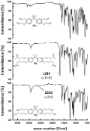
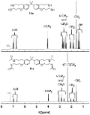


Synthesis of new, highly luminescent bis(2,2’-bithiophen-5-yl) substituted 1,3,4-oxadiazole, 1,3,4-thiadiazole and 1,2,4-triazole
Beilstein J. Org. Chem. 2014, 10, 1596–1602, doi:10.3762/bjoc.10.165
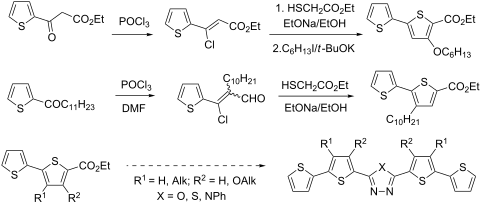
- , yielding strictly controlled supramolecular organisation, provided that appropriate deposition techniques are applied, such as zone casting [6][7][8], mechanical rubbing or directional epitaxial crystallisation [9]. For many applications, however, the HOMO and LUMO levels of oligo- and polythiophenes and


An economical and safe procedure to synthesize 2-hydroxy-4-pentynoic acid: A precursor towards ‘clickable’ biodegradable polylactide
Beilstein J. Org. Chem. 2014, 10, 1365–1371, doi:10.3762/bjoc.10.139
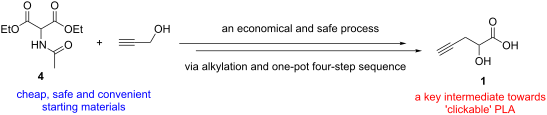
- Aliphatic polyesters, in particular polylactide (PLA), are now widely used for biomedical applications, such as surgery sutures [1], implants for bone fixation [2], drug delivery vehicles [3][4] and tissue engineering scaffolds [5] because of their excellent biocompatibility, biodegradability and mechanical
- mechanical stirrer, which resulted in a messy mixture of product observed from the 1H NMR spectrum of the crude reaction mixture. The C-alkylation of 4 in a more common solvent, THF, was found to be not suitable due to the low conversion with even a much longer reaction time (entry 3, Table 1) [31]. Under
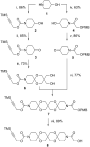
- a mechanical stirrer was charged with 58 mL (1.0 mol) of propargyl alcohol, 250 g (1.30 mol) of tosyl chloride and 1000 mL of diethyl ether under nitrogen. The resulting reaction mixture was cooled in an ice bath, and NaOH pellets (200 g, 5.00 mol) were added to the solution in 6 portions at 0 °C


Substitution effect and effect of axle’s flexibility at (pseudo-)rotaxanes
Beilstein J. Org. Chem. 2014, 10, 1299–1307, doi:10.3762/bjoc.10.131
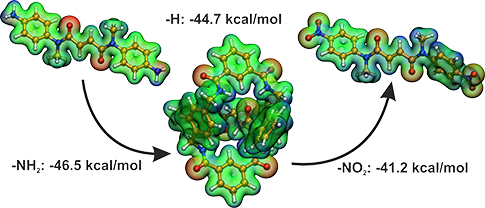
- (2.5 Å) than other long N–H···O bonds. This also shows the importance of such stopper groups for the interactions within the rotaxanes, as they have notable electronic influence. Thus, their role is not necessarily restricted to the mere mechanical prevention of a dethreading of the axle, which was


Stereocontrolled synthesis of 5-azaspiro[2.3]hexane derivatives as conformationally “frozen” analogues of L-glutamic acid
Beilstein J. Org. Chem. 2014, 10, 1114–1120, doi:10.3762/bjoc.10.110
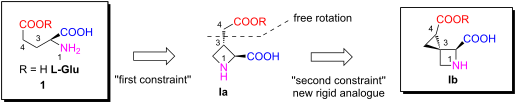
- Å, while an energy cutoff of 5 kcal/mol was applied to discard unreasonable conformations. Default values were used for all the remaining parameters. The lowest energy conformation of the four diastereoisomers 20a–d (Figure 3) was saved to perform the following quantum-mechanical calculations, which


cis–trans Isomerization of silybins A and B
Beilstein J. Org. Chem. 2014, 10, 1047–1063, doi:10.3762/bjoc.10.105
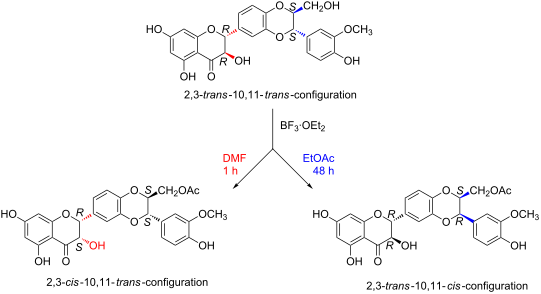
- optically pure compounds was determined by using NMR and comparing their electronic circular dichroism data with model compounds of known absolute configurations. Mechanisms for cis–trans-isomerization of silybin are proposed and supported by quantum mechanical calculations. Keywords: 2,3-cis-silybin
- study the impact of the solvent polarity on the HSAB principle. The hardness of BF3 and silybin A is not significantly modified when the solvent polarity is increased (Table 2). New methods to rationalize chemical reactivity have been developed in the field of quantum mechanical methods over the past


The Ugi four-component reaction as a concise modular synthetic tool for photo-induced electron transfer donor-anthraquinone dyads
Beilstein J. Org. Chem. 2014, 10, 1006–1016, doi:10.3762/bjoc.10.100
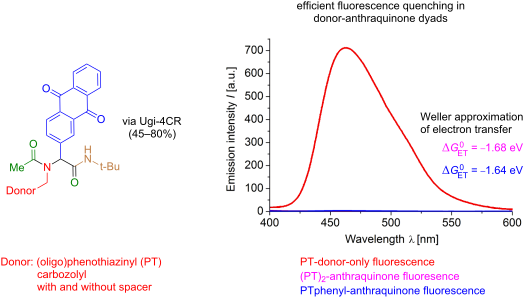
- pairs resulting in four stacked (hetero)aromatic units (Figure 2), so that the anthraquinone moieties of two molecules display an average distance of ~3.8 Å. Based upon the X-ray data quantum mechanical computations on this conformer were envisioned (vide infra). Electronic properties and electronic