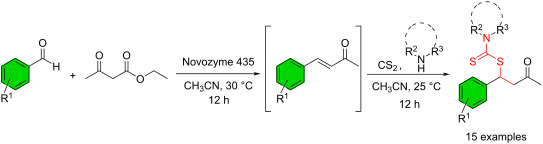
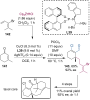
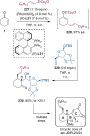
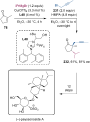
Search for "Michael acceptor" in Full Text gives 82 result(s) in Beilstein Journal of Organic Chemistry.
Beilstein J. Org. Chem. 2026, 22, 925–947, doi:10.3762/bjoc.22.73
Graphical Abstract
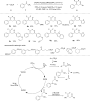
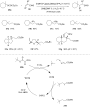
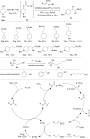
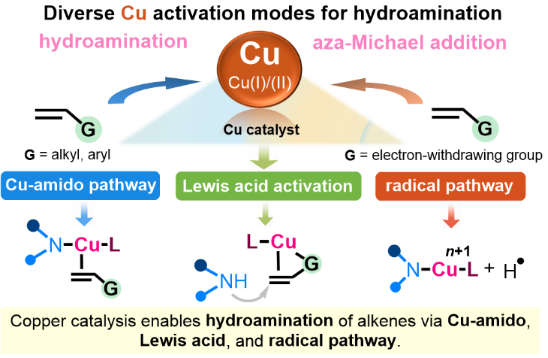
Scheme 1: Mechanistic pathways in copper-catalyzed hydroamination.
Scheme 2: Synthesis of copper–amido complexes.
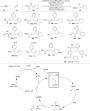
Scheme 3: Cu–amido catalysts studied for the aza-Michael addition of aniline to electron-deficient olefins.
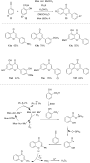
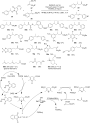
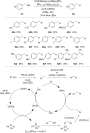
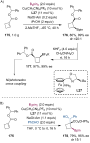
Scheme 4: Copper-catalyzed aza-Michael addition of (hetero)aromatic amines to α,β-unsaturated alkenes.
Scheme 5: Copper-catalyzed 1,6-conjugate addition of aza-heterocycles to sulfonyl dienes.
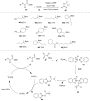
Scheme 6: Cu-catalyzed aza-Michael addition of arylamines to allylic sulfones.
Scheme 7: Cyclic(alkyl)(amino)carbene-copper-catalyzed aza-Michael addition.
Scheme 8: Aza-Michael addition enabled by Lewis acidic copper catalyst. a20 mol % bpy, 50 mol % Na2CO3.
Scheme 9: One-pot cyclization via aza-Michael addition enabled by Lewis acidic copper catalyst.
Scheme 10: Lewis acidic Cu-catalyzed tandem reaction via aza-Michael addition.
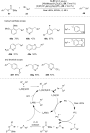
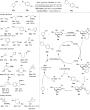
Scheme 11: Copper nanomaterials-catalyzed aza-Michael addition via Lewis acid activation and radical pathways.
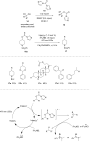
Scheme 12: Copper–amido-mediated hydroamination of aniline with vinylarenes.
Scheme 13: Copper-catalyzed anti-Markovnikov hydroamination of (hetero)aromatic N–H with vinylarenes.
Scheme 14: Hydroamination of oxa- and azabenzonorbornadienes with pyrazoles.
Scheme 15: Copper-catalyzed enantioselective hydroamination of cyclopropenes with pyrazoles.
Scheme 16: Copper/Brønsted acid system for hydroamination of strained alkenes.
Scheme 17: Hydroamination of allenes enabled by Lewis acidic copper catalyst.
Scheme 18: Enantioselective intramolecular hydroamination through aminocupration followed by radical processes....
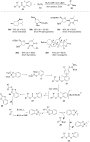
Scheme 19: Visible-light-induced copper-catalyzed hydroamination of styrenes.
Scheme 20: Lewis acid-catalyzed radical hydroamination of styrenes with isatins.
Beilstein J. Org. Chem. 2026, 22, 289–343, doi:10.3762/bjoc.22.21
Graphical Abstract
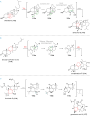
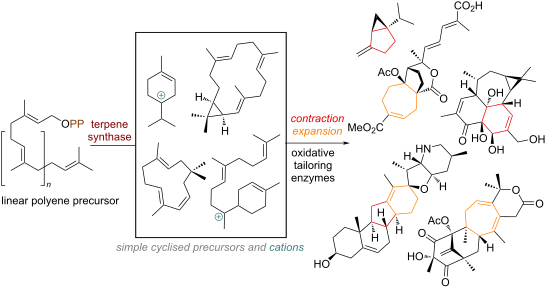
Scheme 1: Mechanistic overview of enzymes involved in ring-size-altering reactions: A: Difference in ionisati...
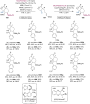
Scheme 2: A: Ring contraction through involvement of carbocationic intermediates in thujane monoterpene biosy...
Scheme 3: Examples of concerted ring expansions of carbocation intermediates in PxaTPS8-catalysed cyclisation...
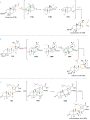
Scheme 4: Sequential ring expansions during astellifadiene (17) synthesis reported by Abe and co-workers.
Scheme 5: Cyclobutane ring expansion and sequential ring contractions catalysed by the synthase AITS in the b...
Scheme 6: Ring expansion and transannular ring contraction of a cyclopentane to cyclobutane in the biosynthes...
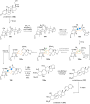
Scheme 7: Computationally elucidated concerted cyclisations/alkyl/hydride shifts during the biosynthesis of t...
Scheme 8: Cyclisation events and 6→5-ring contraction during the construction of epi-isozizaene (26) catalyse...
Scheme 9: Transannular cyclisations and 4→5-membered ring expansion through dyotropic 1,2-rearrangement of al...
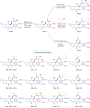
Scheme 10: Ring expansion in presilphiperfolan-8b-ol (31) biosynthesis and ring contraction of the presilphipe...
Scheme 11: Ring contraction via transannular cyclopropanation and opening of cyclopropane in the biosynthesis ...
Scheme 12: The crucial CYP450-catalysed oxidative rearrangement defining the skeleton in gibberellin biosynthe...
Scheme 13: CYP450-mediated oxidation of cyclopentane methylene expanding the 8-membered ring in the biosynthes...
Scheme 14: CYP450-mediated oxidation of an exocyclic methyl group to effect transannular cyclisation across th...
Scheme 15: Non-enzymatic transannular aldol reaction enables the formation of the 5/13/3-tricyclic ring system...
Scheme 16: A: Oxidative ring expansion of a cyclopentane by incorporation of a methyl group in the biosynthesi...
Scheme 17: Rearrangement and ring expansion in the construction of the complex bridged carbon framework of and...
Scheme 18: Ketoglutarate-mediated oxidations of preaustinoid A1 (53) en route to complex meroterpenoids, B-rin...
Scheme 19: Proposed putative biosynthetic formation of the tigliane skeleton from an E,E,Z-triene.
Scheme 20: Photocatalytic tandem ring expansion/contraction of santonin to give photosantonin products and gua...
Scheme 21: A: Proposed biosynthesis of stelleroid B (66) from stelleranoid I (65) by ketol rearrangement; B: o...
Scheme 22: Singular examples of A,B-ring contractions and expansions in the biosynthesis of sesquiterpenoids e...
Scheme 23: A: plausible proposed biosynthetic pathway for the tigliane/ingenane skeletal rearrangement and 1,2...
Scheme 24: A: Multiple ring-size alterations during xenovulene A (90) biosynthesis; B: Ring contraction and re...
Scheme 25: Proposed biosyntheses of the complex, polycyclic terpenoid illisimonin A (97) and the bridged antro...
Scheme 26: Proposed biogenetic origin for the meroterpenoid liphagal (104) via epoxide-mediated ring expansion....
Scheme 27: Proposed biogenetic origin for the ring-contracted members of the taiwaniaquinol family.
Scheme 28: A: Schenck ene/Hock/Aldol cascade effecting B-ring contraction in atheronal B (113); B: Selective C...
Scheme 29: A: D-ring expansion of buxenone (118) via cyclopropanation towards buxaustroine A (119); B: Propose...
Scheme 30: Biosynthetic origin of alstoscholarinoids A (124) and B (125) via cascade oxidative rearrangement c...
Scheme 31: Biogenetic origin of the hedgehog signalling inhibitor cyclopamine (129) by tandem ring contraction...
Scheme 32: Proposed biogenetic origin of the B-ring contracted spirocyclic triterpenoid spirochensilide A (131...
Scheme 33: A: Proposed B-ring contraction during the biosynthesis of holophyllane A (133); B: B-ring contracti...
Scheme 34: Radical and ionic/polar mechanisms for the C-ring-contracted triterpenoids phomopsterone B (139) an...
Scheme 35: A: Plausible mechanism for the formation of schiglautone A (144) from anwuweizic acid (145); B: Pro...
Scheme 36: Reported biosynthetic proposal for the formation of B-ring expanded triterpenoids rhodoterpenoids A...
Scheme 37: A: Final reaction step in the synthesis of euphorikanin A (154), benzilic acid-type ring contractio...
Scheme 38: Tricyclic ring expansion in the Gui synthesis of gibbosterol A (158) and sarocladione (160) via Ru-...
Scheme 39: A: A-ring expansion during the Gui synthesis of rubriflordilactone B (161); B: Mechanism for the bi...
Scheme 40: Photosantonin rearrangement effects A/B ring contraction/expansion in Li’s synthesis of the complex...
Scheme 41: Tandem A/B ring expansion/contraction of an ergosterol derivative via pinacol rearrangement in the ...
Scheme 42: Synthetic studies towards cyclocitrinol (179) by A) the semisynthetic approach by Gui et al. using ...
Scheme 43: A: Bioinspired synthesis of spirochensilide A (131) by the Heretsch group via selective 8,9-epoxida...
Scheme 44: Baran’s synthesis of cortistatin A (191), expanding the B-ring through a cyclopropane fragmentation....
Scheme 45: Ding’s total synthesis of retigeranic acid (198) showcasing sequential 6→5 ring contractions.
Scheme 46: A: Oxa-di-π-methane (ODPM) rearrangement of a bicyclic ketone en route to silphiperfolenone (203); ...
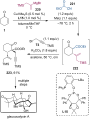
Scheme 47: Biomimetic synthesis of liphagal (104) from sclareolide (221) by George and co-workers.
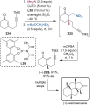
Scheme 48: Wu’s bioinspired synthesis of cucurbalsaminones B (224) and C (225) by photocatalytic oxa-di-π-meth...
Scheme 49: Baran’s total synthesis of maoecrystal V (230) featuring a pinacol rearrangement for ring expansion...
Scheme 50: A: Ketol rearrangement leading to ring contraction in the total synthesis of preaustinoid B; B: Ben...
Scheme 51: A: Scheidt’s synthesis of isovelleral (251) by pinacol rearrangement triggered by Mitsunobu conditi...
Scheme 52: Biomimetic transformations of simplified test substrates related to Euphorbia diterpenoids.
Scheme 53: A: First generation synthesis of taiwaniaquinones by benzilic acid-type rearrangement of the B-ring...
Scheme 54: A: Norrish type 1 radical recombination leading to ring contraction en route to cuparenone (272): 1...
Scheme 55: Ring contraction of a bridged D-ring system in the total synthesis of andrastatin D (280), terrenoi...
Scheme 56: Biomimetic synthesis of hyperjapone A (284) and hyperjaponol C (285) by George et al.
Scheme 57: Heretsch’ synthesis of dankastarones A (288) and B (289), swinhoeisterol A (290), and periconiaston...
Scheme 58: A: Zhang’s ring contraction during the synthesis of stemar-13-ene (295) by pinacol rearrangement; B...
Scheme 59: Trauner’s biomimetic synthesis of preuisolactone A (307) featuring a ring contraction via benzilic ...
Scheme 60: Bioinspired approaches for ring contraction/expansion reactions in the synthesis of alstoscholarino...
Scheme 61: A: Sarpong and Li, Wang and co-workers’ ring expansion of cephanolide A (313) to reach harringtonol...
Beilstein J. Org. Chem. 2026, 22, 244–256, doi:10.3762/bjoc.22.18
Graphical Abstract
Figure 1: Examples of biologically active quinolin-2(1H)-ones.
Figure 2: Structures obtained via rational design aimed at enhancing antibacterial activity.
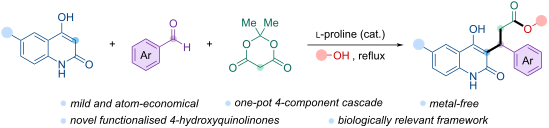
Scheme 1: Previously reported and newly developed 3-(4-hydroxy-2-oxo-1,2-dihydroquinolin-3-yl)-3-arylpropanoi...
Scheme 2: Retrosynthetic analysis: two alternative approaches to target compounds.
Scheme 3: Two-stage synthesis A) and one-stage one-pot synthesis B) of 6-halogen-4-hydroxyquinoline-2(1H)-one...
Scheme 4: Previous synthetic attempts toward the target chemotype using various approaches.
Scheme 5: Four-component synthesis of 3-(6-halo-4-hydroxy-2-oxo-1,2-dihydroquinolin-3-yl)-3-(3,4-dimethoxyphe...
Scheme 6: The proposed mechanism of the four-component reaction.
Scheme 7: Synthesis of isopropyl (12a–c) and cyclohexyl (13а–с) esters of 3-(4-hydroxy-2-oxo-1,2-dihydroquino...
Figure 3: In vitro antibacterial activity studies. А) In vitro antibacterial activity using the E. coli ΔtolC...
Beilstein J. Org. Chem. 2025, 21, 2260–2282, doi:10.3762/bjoc.21.173
Graphical Abstract
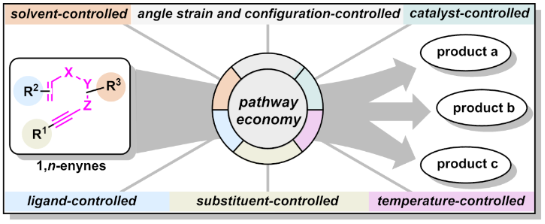
Scheme 1: Economical synthesis and pathway economy.
Scheme 2: Au(I)-catalyzed cascade cyclization paths of 1,5-enynes.
Scheme 3: Au(I)-catalyzed cyclization paths of 1,7-enynes.
Scheme 4: I2/TBHP-mediated radical cycloisomerization paths of 1,n-enyne.
Scheme 5: Au(I)-catalyzed cycloisomerization paths of 3-allyloxy-1,6-diynes.
Scheme 6: Pd(II)-catalyzed cycloisomerization paths of 2-alkynylbenzoate-cyclohexadienone.
Scheme 7: Stereoselective cyclization of 1,5-enynes.
Scheme 8: Substituent-controlled cycloisomerization of propargyl vinyl ethers.
Scheme 9: Au(I)-catalyzed pathway-controlled domino cyclization of 1,2-diphenylethynes.
Scheme 10: Au(I)-catalyzed tandem cyclo-isomerization of tryptamine-N-ethynylpropiolamide.
Scheme 11: Au(I)-catalyzed tunable cyclization of 1,6-cyclohexenylalkyne.
Scheme 12: Substituent-controlled 7-exo- and 8-endo-dig-selective cyclization of 2-propargylaminobiphenyl deri...
Scheme 13: BiCl3-catalyzed cycloisomerization of tryptamine-ynamide derivatives.
Scheme 14: Au(I)-mediated substituent-controlled cycloisomerization of 1,6-enynes.
Scheme 15: Ligand-controlled regioselective cyclization of 1,6-enynes.
Scheme 16: Ligand-dependent cycloisomerization of 1,7-enyne esters.
Scheme 17: Ligand-controlled cycloisomerization of 1,5-enynes.
Scheme 18: Ligand-controlled cyclization strategy of alkynylamide tethered alkylidenecyclopropanes.
Scheme 19: Ag(I)-mediated pathway-controlled cycloisomerization of tryptamine-ynamides.
Scheme 20: Gold-catalyzed cycloisomerization of indoles with alkynes.
Scheme 21: Catalyst-dependent cycloisomerization of dienol silyl ethers.
Scheme 22: Cycloisomerization of aromatic enynes governed by catalyst.
Scheme 23: Catalyst-dependent 1,2-migration in cyclization of 1-(indol-2-yl)-3-alkyn-1-ols.
Scheme 24: Gold-catalyzed cycloisomerization of N-propargyl-N-vinyl sulfonamides.
Scheme 25: Gold(I)-mediated enantioselective cycloisomerizations of ortho-(alkynyl)styrenes.
Scheme 26: Catalyst-controlled intramolecular cyclization of 1,7-enynes.
Scheme 27: Brønsted acid-catalyzed cycloisomerizations of tryptamine ynamides.
Scheme 28: Catalyst-controlled cyclization of indolyl homopropargyl amides.
Scheme 29: Angle strain-dominated 6-endo-trig cyclization of propargyl vinyl ethers.
Scheme 30: Angle strain-controlled cycloisomerization of alkyn-tethered indoles.
Scheme 31: Geometrical isomeration-dependent cycloisomerization of 1,3-dien-5-ynes.
Scheme 32: Temperature-controlled cyclization of 1,7-enynes.
Scheme 33: Cycloisomerizations of n-(o-ethynylaryl)acrylamides through temperature modulation.
Scheme 34: Temperature-controlled boracyclization of biphenyl-embedded 1,3,5-trien-7-ynes.
Beilstein J. Org. Chem. 2025, 21, 1388–1396, doi:10.3762/bjoc.21.103
Graphical Abstract
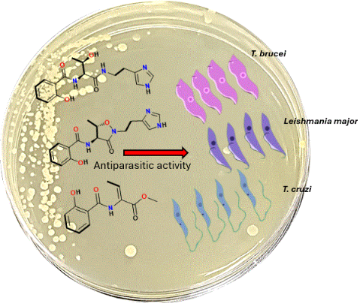
Figure 1: Structures of the pseudomonins D–G (1–4), pseudomonine (5), pseudomonin B (6) and salicylic acid (7...
Figure 2: Key HMBC, 1H-1H COSY and NOE correlations.
Figure 3: Extracted ion chromatogram and corresponding mass spectrum of compound 4 in the crude extract.
Figure 4: Proposed biosynthetic scheme for the formation of compounds (1–4).
Beilstein J. Org. Chem. 2025, 21, 564–595, doi:10.3762/bjoc.21.45
Graphical Abstract
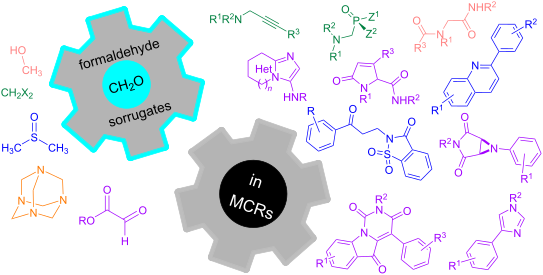
Scheme 1: Features of the ideal reaction (redrawn from P. A. Wender et al. [1]).
Scheme 2: Some of the most popular MCRs with formaldehyde as the carbonyl component.
Scheme 3: Ugi reaction under a catalyzed electro-oxidation process using TEMPO (2,2,6,6-tetramethyl-1-piperid...
Scheme 4: Examples of different products obtained by MCRs in which DMSO serves as -SCH3 source.
Scheme 5: Mechanism of the decomposition of DMSO under acidic or thermal conditions. a) In situ generation of...
Scheme 6: Povarov multicomponent reaction to quinolines.
Scheme 7: Example of the Povarov reaction with formaldehyde with a julolidine derivative as main product.
Scheme 8: Povarov multicomponent reaction to quinoline derivatives I and II using DMSO as formaldehyde surrog...
Scheme 9: Example of a Povarov three-component reaction with change of catalyst, yielding regioisomer III. In...
Scheme 10: The Povarov three-component reactions carried out under acidic catalysis to afford quinoline regios...
Scheme 11: Different MCR routes involving DMSO to synthesize complex heterocycles such as diarylpyridines and ...
Scheme 12: Pyrazole synthesis by a three-component reaction using DMSO as a source of a C-1 unit.
Scheme 13: Three-component reactions for the synthesis of aliphatic heterocycles 13 and 14 using DMSO as a for...
Scheme 14: Proposed mechanism for the 3CR between homoallylic amines, disulfides, and DMSO.
Scheme 15: Mannich-type reaction using DMSO as formaldehyde surrogate.
Scheme 16: Mechanism for the 3CR-Mannich-type reaction between aryl ketone 18, saccharine (19), and DMSO. The ...
Scheme 17: Mannich-type reaction using DMSO as formaldehyde surrogate and under oxidative activation.
Scheme 18: Three-component reaction between an indazole, a carboxylic acid, and DMSO.
Scheme 19: Amine–aldehyde–alkyne (AAA) coupling reaction and plausible mechanism.
Scheme 20: AHA coupling for the synthesis of propargylamines using dihalomethanes as C1 building blocks.
Scheme 21: AHA coupling using CH2Cl2 as both solvent and methylene source.
Scheme 22: Examples of propargylamines synthesized under catalytic AHA protocols.
Scheme 23: Proposed mechanism for the synthesis of propargylamines using dichloromethane as a C1 source.
Scheme 24: Mechanism proposed for the generation of the aminal intermediate E by Buckley et al. [68].
Scheme 25: Pudovic and Kabachnik–Fields reactions for the synthesis of α-aminophosphonates.
Scheme 26: a) Abramov side reaction that generates α-hydroxy phosphonate as a byproduct during the Kabachnik-F...
Scheme 27: Catalyst-free three component reaction to afford α-amino phosphorus product 35 using 1,1-dihaloalka...
Scheme 28: a) Proposed mechanism for the three-component reaction of dichloromethane, amine and phosphorus com...
Scheme 29: Ugi-ammonia strategy using HMTA as a formaldehyde surrogate.
Scheme 30: Glyoxylate and its derivatives as C1 building blocks.
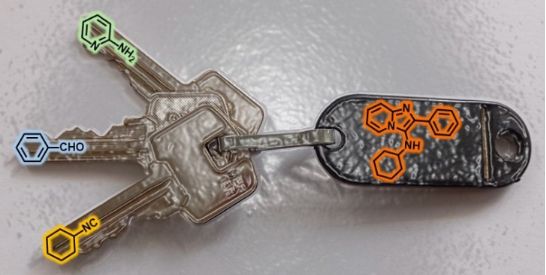
Scheme 31: The Groebke–Blackburn–Bienaymé multicomponent reaction (GBB) and its mechanism.
Scheme 32: a) Byproducts in the GBB multicomponent reaction (GBB) when formaldehyde is used as the carbonyl co...
Scheme 33: Possible regioisomers in the GBB multicomponent reaction when formaldehyde is used as the carbonyl ...
Scheme 34: The multicomponent GBB reaction yields 2-unsubstituted 3-aminoimidazo heterocycles 42a using MP-gly...
Scheme 35: GBB multicomponent reaction to 2-unsubstituted 3-amino imidazo heterocycles 42a using glyoxylic aci...
Scheme 36: GBB reaction using glyoxylic acid immobilized on silica as formaldehyde surrogate.
Scheme 37: Bioactive products synthesized by the GBB reaction using glyoxylic acid.
Scheme 38: van Leusen three-component reaction to imidazoles.
Scheme 39: Side reaction during the synthesis of imidazoles with formaldehyde as the carbonyl compound.
Scheme 40: Optimization of the van Leusen three component reaction to 1,4-disubstituted imidazoles 43 using gl...
Scheme 41: Application of the Sisko strategy [96] for the synthesis of CB1 receptor antagonist compounds [97].
Scheme 42: Side reaction, when NH4OH is used as amine component.
Scheme 43: Ugi-type adducts with the ester moiety and the acidic CH to be used for post-cyclization sequences.
Scheme 44: Ugi/cycloisomerization process to pyrrolones 51, butenolides 52, and pyrroline 53.
Scheme 45: Radical cyclization reactions from Ugi adducts promoted by TEMPO.
Scheme 46: Hydrolysis and decarboxylation reactions to products with incorporation of a C1 unit of ethyl glyox...
Scheme 47: One-step synthetic route to pyrrolones 60 using phenylglyoxal.
Scheme 48: Ugi-pseudo-Knoevenagel-pseudo-Dieckmann cascade sequence for the synthesis of fused heterocycles.
Scheme 49: Ugi-pseudo-Knoevenagel reaction from ethyl glyoxylate.
Beilstein J. Org. Chem. 2024, 20, 3274–3280, doi:10.3762/bjoc.20.271
Graphical Abstract
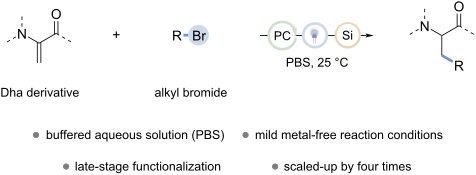
Figure 1: Giese reaction: Radical addition on olefins with an electron-withdrawing group (EWG) followed by a ...
Figure 2: Alkyl bromide and Dha derivative scope. Reaction conditions: Dha derivative (0.5 mmol), alkyl bromi...
Figure 3: Scaled-up reaction. Reaction conditions: Dha derivative (2.2 mmol), alkyl bromide (5.4 mmol), tris(...
Beilstein J. Org. Chem. 2024, 20, 2421–2433, doi:10.3762/bjoc.20.206
Graphical Abstract
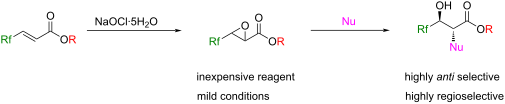
Scheme 1: Expectation of the regio- as well as stereoselective reactions of 2.
Scheme 2: Attempts of the present epoxidation to other α,β-unsaturated esters, 1h–j.
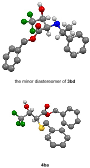
Figure 1: Crystallographic structure of the epoxy ring-opening products by PhCH(NH2)Me (3bd) and PhCH2SH (4ba...
Scheme 3: Introduction of additional halogen atoms at the 2-position of the compound 2b.
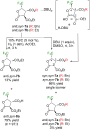
Scheme 4: Clarification of the stereochemistry of anti,syn-8a and -7b.
Figure 2: Crystallographic structure of anti,syn-8a.
Scheme 5: Reaction of 2b with other stabilized nucleophiles.
Scheme 6: Production of 4,4,4-trifluoro-2,3-dihydroxybutanoate anti-10a.
Scheme 7: Reactions of n-C10H21MgBr-based cuprate with 13f as well as 2b with/without D2O quenching.
Figure 3: A part of 13C NMR spectra for the compounds 11a and 11a-D.
Beilstein J. Org. Chem. 2024, 20, 2313–2322, doi:10.3762/bjoc.20.198
Graphical Abstract
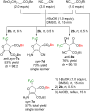
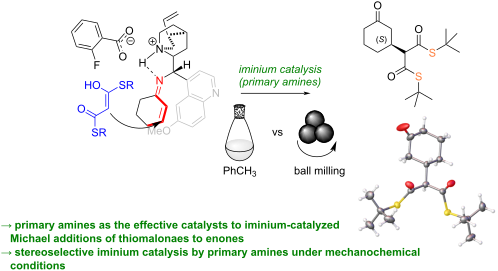
Scheme 1: Two examples of base-catalyzed addition of thiomalonates to enones and the scope of the work.
Scheme 2: Tested reactions of cyclohexanone with dibenzyl thiomalonate 1.
Scheme 3: Impact of the bisthiomalonate on the yield and the stereoselectivity of the products.
Scheme 4: Plausible stereochemical model of the addition to cyclohexenone.
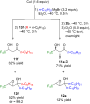
Scheme 5: Addition of bisthiomalonates 1–3 to cyclopentenone.
Scheme 6: Acyclic enone in reactions with thiomalonates 1–4.
Scheme 7: Reaction of β-ketothioesters with acceptor E1.
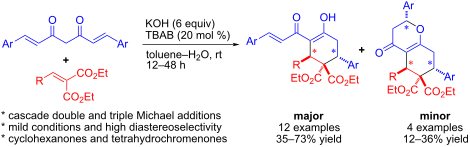
Beilstein J. Org. Chem. 2024, 20, 2016–2023, doi:10.3762/bjoc.20.177
Graphical Abstract
Figure 1: Biologically active derivatives of cyclohexanones.
Scheme 1: The Michael donor–acceptor reactivity of curcumin: previous vs present work.
Scheme 2: A plausible reaction mechanism.
Figure 2: X-ray structure of 4a (CCDC 2351387).
Figure 3: Origin of stereoselectivity in the double Michael addition.
Scheme 3: Scale-up reaction.
Beilstein J. Org. Chem. 2024, 20, 1839–1879, doi:10.3762/bjoc.20.162
Graphical Abstract
Scheme 1: Mechanism of the GBB reaction.
Scheme 2: Comparison of the performance of Sc(OTf)3 with some RE(OTf)3 in a model GBB reaction. Conditions: a...
Scheme 3: Comparison of the performance of various Brønsted acid catalysts in the synthesis of GBB adduct 6. ...
Scheme 4: Synthesis of Brønsted acidic ionic liquid catalyst 7. Conditions: a) neat, 60 °C, 24 h; b) TfOH, DC...
Scheme 5: Aryliodonium derivatives as organic catalysts in the GBB reaction. In the box the proposed binding ...
Scheme 6: DNA-encoded GBB reaction in micelles made of amphiphilic polymer 13. Conditions: a) 13 (50 equiv), ...
Scheme 7: GBB reaction catalyzed by cyclodextrin derivative 14. Conditions: a) 14 (1 mol %), water, 100 °C, 4...
Scheme 8: Proposed mode of activation of CALB. a) activation of the substrates; b) activation of the imine; c...
Scheme 9: One-pot GBB reaction–Suzuki coupling with a bifunctional hybrid biocatalyst. Conditions: a) Pd(0)-C...
Scheme 10: GBB reaction employing 5-HMF (23) as carbonyl component. Conditions: a) TFA (20 mol %), EtOH, 60 °C...
Scheme 11: GBB reaction with β-C-glucopyranosyl aldehyde 26. Conditions: a) InCl3 (20 mol %), MeOH, 70 °C, 2–3...
Scheme 12: GBB reaction with diacetylated 5-formyldeoxyuridine 29, followed by deacetylation of GBB adduct 30....
Scheme 13: GBB reaction with glycal aldehydes 32. Conditions: a) HFIP, 25 °C, 2–4 h.
Scheme 14: Vilsmeier–Haack formylation of 6-β-acetoxyvouacapane (34) and subsequent GBB reaction. Conditions: ...
Scheme 15: GBB reaction of 4-formlyl-PCP 37. Conditions: a) HOAc or HClO4, MeOH/DCM (2:3), rt, 3 d.
Scheme 16: GBB reaction with HexT-aldehyde 39. Conditions: a) 39 (20 nmol) and amidine (20 μmol), MeOH, rt, 6 ...
Scheme 17: GBB reaction of 2,4-diaminopirimidine 41. Conditions: a) Sc(OTf)3 (20 mol %), MeCN, 120 °C (MW), 1 ...
Scheme 18: Synthesis of N-edited guanine derivatives from 3,6-diamine-1,2,4-triazin-5-one 44. Conditions: a) S...
Scheme 19: Synthesis of 2-aminoimidazoles 49 by a Mannich-3CR followed by a one-pot intramolecular oxidative a...
Scheme 20: On DNA Suzuki–Miyaura reaction followed by GBB reaction. Conditions: a) CsOH, sSPhos-Pd-G2; b) AcOH...
Scheme 21: One-pot cascade synthesis of 5-iminoimidazoles. Conditions: a) Na2SO4, DMF, 220 °C (MW).
Scheme 22: GBB reaction of 5-amino-1H-imidazole-4-carbonile 57. Conditions: a) HClO4 (5 mol %), MeOH, rt, 24 h....
Scheme 23: One-pot cascade synthesis of indole-imidazo[1,2,a]pyridine hybrids. In blue the structural motif in...
Scheme 24: One-pot cascade synthesis of fused polycyclic indoles 67 or 69 from indole-3-carbaldehyde. Conditio...
Scheme 25: One-pot cascade synthesis of linked- and bridged polycyclic indoles from indole-2-carbaldehyde (70)...
Scheme 26: One-pot cascade synthesis of pentacyclic dihydroisoquinolines (X = N or CH). In blue the structural...
Scheme 27: One-pot stepwise synthesis of imidazopyridine-fused benzodiazepines 85. Conditions: a) p-TsOH (20 m...
Scheme 28: One-pot stepwise synthesis of benzoxazepinium-fused imidazothiazoles 89. Conditions: a) Yb(OTf)3 (2...
Scheme 29: One-pot stepwise synthesis of fused imidazo[4,5,b]pyridines 95. Conditions: a) HClO4, MeOH, rt, ove...
Scheme 30: Synthesis of heterocyclic polymers via the GBB reaction. Conditions: a) p-TsOH, EtOH, 70 °C, 24 h.
Scheme 31: One-pot multicomponent reaction towards the synthesis of covalent organic frameworks via the GBB re...
Scheme 32: One-pot multicomponent reaction towards the synthesis of covalent organic frameworks via the GBB re...
Scheme 33: GBB-like multicomponent reaction towards the synthesis of benzothiazolpyrroles (X = S) and benzoxaz...
Scheme 34: GBB-like multicomponent reaction towards the formation of imidazo[1,2,a]pyridines. Conditions: a) I2...
Scheme 35: Post-functionalization of GBB products via Ugi reaction. Conditions a) HClO4, DMF, rt, 24 h; b) MeO...
Scheme 36: Post-functionalization of GBB products via Click reaction. Conditions: a) solvent-free, 150 °C, 24 ...
Scheme 37: Post-functionalization of GBB products via cascade alkyne–allene isomerization–intramolecular nucle...
Scheme 38: Post-functionalization of GBB products via metal-catalyzed intramolecular N-arylation. In red and b...
Scheme 39: Post-functionalization of GBB products via isocyanide insertion (X = N or CH). Conditions: a) HClO4...
Scheme 40: Post-functionalization of GBB products via intramolecular nucleophilic addition to nitriles. Condit...
Scheme 41: Post-functionalization of GBB products via Pictet–Spengler cyclization. Conditions: a) 4 N HCl/diox...
Scheme 42: Post-functionalization of GBB products via O-alkylation. Conditions: a) TFA (20 mol %), EtOH, 120 °...
Scheme 43: Post-functionalization of GBB products via macrocyclization (X = -CH2CH2O-, -CH2-, -(CH2)4-). Condi...
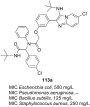
Figure 1: Antibacterial activity of GBB-Ugi adducts 113 on both Gram-negative and Gram-positive strains.
Scheme 44: GBB multicomponent reaction using trimethoprim as the precursor. Conditions: a) Yb(OTf)3 or Y(OTf)3...
Figure 2: Antibacterial activity of GBB adducts 152 against MRSA and VRE; NA = not available.
Figure 3: Antibacterial activity of GBB adduct 153 against Leishmania amazonensis promastigotes and amastigot...
Figure 4: Antiviral and anticancer evaluation of the GBB adducts 154a and 154b. In vitro antiproliferative ac...
Figure 5: Anticancer activity of the GBB-furoxan hybrids 145b, 145c and 145d determined through antiprolifera...
Scheme 45: Synthesis and anticancer activity of the GBB-gossypol conjugates. Conditions: a) Sc(OTf)3 (10 mol %...
Figure 6: Anticancer activity of polyheterocycles 133a and 136a against human neuroblastoma. Clonogenic assay...
Figure 7: Development of GBB-adducts 158a and 158b as PD-L1 antagonists. HTRF assays were carried out against...
Figure 8: Development of imidazo[1,2-a]pyridines and imidazo[1,2-a]pyrazines as TDP1 inhibitors. The SMM meth...
Figure 9: GBB adducts 164a–c as anticancer through in vitro HDACs inhibition assays. Additional cytotoxic ass...
Figure 10: GBB adducts 165, 166a and 166b as anti-inflammatory agents through HDAC6 inhibition; NA = not avail...
Scheme 46: GBB reaction of triphenylamine 167. Conditions: a) NH4Cl (10 mol %), MeOH, 80 °C (MW), 1 h.
Scheme 47: 1) Modified GBB-3CR. Conditions: a) TMSCN (1.0 equiv), Sc(OTf)3 (0.2 equiv), MeOH, 140 °C (MW), 20 ...
Scheme 48: GBB reaction to assemble imidazo-fused heterocycle dimers 172. Conditions: a) Sc(OTf)3 (20 mol %), ...
Figure 11: Model compounds 173 and 174, used to study the acid/base-triggered reversible fluorescence response...
Beilstein J. Org. Chem. 2024, 20, 1348–1375, doi:10.3762/bjoc.20.119
Graphical Abstract
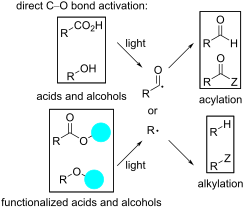
Figure 1: Generation of alkyl and acyl radicals via C–O bond breaking.
Figure 2: General photocatalytic mechanism.
Scheme 1: Photoredox-catalyzed hydroacylation of olefins with aliphatic carboxylic acids.
Scheme 2: Acylation–aromatization of p-quinone methides using carboxylic acids.
Scheme 3: Visible-light-induced deoxygenation–defluorination for the synthesis of γ,γ-difluoroallylic ketones....
Scheme 4: Photochemical hydroacylation of azobenzenes with carboxylic acids.
Scheme 5: Photoredox-catalyzed synthesis of flavonoids.
Scheme 6: Synthesis of O-thiocarbamates and photocatalytic reduction of O-thiocarbamates.
Scheme 7: Deoxygenative borylation of alcohols.
Scheme 8: Trifluoromethylation of O-alkyl thiocarbonyl substrates.
Scheme 9: Redox-neutral radical coupling reactions of alkyl oxalates and Michael acceptors.
Scheme 10: Visible-light-catalyzed and Ni-mediated syn-alkylarylation of alkynes.
Scheme 11: 1,2-Alkylarylation of alkenes with aryl halides and alkyl oxalates.
Scheme 12: Deoxygenative borylation of oxalates.
Scheme 13: Coupling of N-phthalimidoyl oxalates with various acceptors.
Scheme 14: Cross-coupling of O-alkyl xanthates with aryl halides via dual photoredox and nickel catalysis.
Scheme 15: Deoxygenative borylation of secondary alcohol.
Scheme 16: Deoxygenative alkyl radical generation from alcohols under visible-light photoredox conditions.
Scheme 17: Deoxygenative alkylation via alkoxy radicals against hydrogenation or β-fragmentation.
Scheme 18: Direct C–O bond activation of benzyl alcohols.
Scheme 19: Deoxygenative arylation of alcohols using NHC to activate alcohols.
Scheme 20: Deoxygenative conjugate addition of alcohol using NHC as alcohol activator.
Scheme 21: Synthesis of polysubstituted aldehydes.
Beilstein J. Org. Chem. 2024, 20, 504–539, doi:10.3762/bjoc.20.45
Graphical Abstract
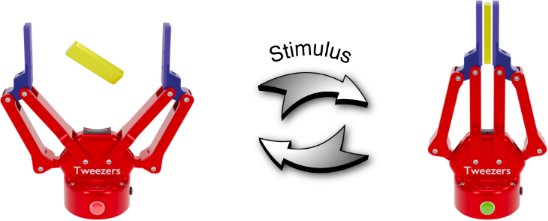
Figure 1: Principle of switchable molecular tweezers.
Figure 2: Principle of pH-switchable molecular tweezers 1 [19].
Figure 3: a) pH-Switchable tweezers 2 substituted with alkyl chains as switchable lipids. b) Schematic depict...
Figure 4: Modification of spectral properties of 3 by controlled induction of Pt–Pt interactions.
Figure 5: Conformational switching of di(hydroxyphenyl)pyrimidine-based tweezer 4 upon alkylation or fluoride...
Figure 6: Hydrazone-based pH-responsive tweezers 5 for mesogenic modulation.
Figure 7: pH-Switchable molecular tweezers 6 bearing acridinium moieties.
Figure 8: a) Terpyridine and pyridine-hydrazone-pyridine analogs molecular tweezers and b) extended pyridine ...
Figure 9: Terpyridine-based molecular tweezers with M–salphen arms and their field of application. Figure 9 was adapt...
Figure 10: a) Terpyridine-based molecular tweezers for diphosphate recognition [48]; b) bishelicene chiroptical te...
Figure 11: Terpyridine-based molecular tweezers with allosteric cooperative binding.
Figure 12: Terpyridine-based molecular tweezers presenting closed by default conformation.
Figure 13: Pyridine-pyrimidine-pyridine-based molecular tweezers.
Figure 14: Coordination-responsive molecular tweezers based on nitrogen-containing ligands.
Figure 15: Molecular tweezers exploiting the remote bipyridine or pyridine binding to trigger the conformation...
Figure 16: Bipyridine-based molecular tweezers exploiting the direct s-trans to s-cis-switching for a) anion b...
Figure 17: a) Podand-based molecular tweezers [66,67]. b) Application of tweezers 32 for the catalytic allosteric reg...
Figure 18: Anion-triggered molecular tweezers based on calix[4]pyrrole.
Figure 19: Anion-triggered molecular tweezers.
Figure 20: a) Principle of the weak link approach (WLA) developed by Mirkin and its application to b) symmetri...
Figure 21: Molecular tweezers as allosteric catalyst in asymmetric epoxide opening [80].
Figure 22: Allosteric regulation of catalytic activity in ring-opening polymerization with double tweezers 41.
Figure 23: a) Conformational switching of 42 by intramolecular –S–S– bridge formation. b) Shift of conformatio...
Figure 24: a) Redox-active glycoluril-TTF tweezers 44. b) Mechanism of stepwise oxidation of said tweezers wit...
Figure 25: Mechanism of formation of the mixed-valence dimers of tweezers 45.
Figure 26: Mechanism of carbohydrate liberation upon redox-mediated conformation switching of 46.
Figure 27: a) The encapsulation properties of 47 as well as the DCTNF release process from its host–guest comp...
Figure 28: Redox-active bipyridinium-based tweezers. a) With a ferrocenyl hinge 49, b) with a propyl hinge 50 ...
Figure 29: Redox-active calix[4]arene porphyrin molecular tweezers.
Figure 30: a) Mechanism of the three orthogonal stimuli. b) Cubic scheme showing the eight different states of ...
Figure 31: Redox-controlled molecular gripper based on a diquinone resorcin[4]arene.
Figure 32: a) Shinkai's butterfly tweezers and their different host–guest properties depending on the isomer. ...
Figure 33: Cyclam-tethered tweezers and their different host–guest complexes depending on their configuration.
Figure 34: Azobenzene-based catalytic tweezers.
Figure 35: Photoswitchable PIEZO channel mimic.
Figure 36: Stilbene-based porphyrin tweezers for fullerene recognition.
Figure 37: Stiff-stilbene-based tweezers with urea or thiourea functional units for a) anion binding, b) anion...
Figure 38: Feringa’s photoswitchable organocatalyst (a) and different catalyzed reactions with that system (b)....
Figure 39: a) Irie and Takeshita’s thioindigo-based molecular tweezers. b) Family of hemithioindigo-based mole...
Figure 40: Dithienylethylene crown ether-bearing molecular tweezers reported by Irie and co-workers.
Beilstein J. Org. Chem. 2024, 20, 41–51, doi:10.3762/bjoc.20.6
Graphical Abstract
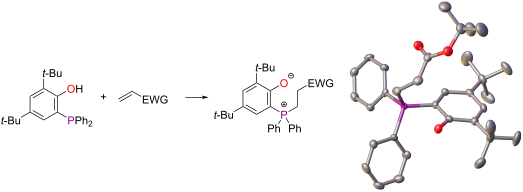
Scheme 1: Reaction of 1 with various Michael acceptors (EWG = electron-withdrawing group) forming the zwitter...
Figure 1: 1H NMR spectrum of 2a recorded on a 300 MHz spectrometer in CDCl3 at 23 °C; the inset shows a 3D-mo...
Figure 2: a) Molecular structure of 2a, hydrogen atoms omitted for clarity, thermal ellipsoids drawn at 30% p...
Figure 3: Left: UV–vis spectra of 2a, 2b and 2d in chloroform (straight lines) and in methanol (dotted lines)...
Figure 4: Conversion of 1 (initial c = 0.25 mM) toward 2a, 2b, or 2d in the presence of the respective Michae...
Scheme 2: Proposed mechanism for intramolecular proton transfer in zwitterion formation with Michael acceptor...
Beilstein J. Org. Chem. 2023, 19, 1251–1258, doi:10.3762/bjoc.19.93
Graphical Abstract
Figure 1: Medicines containing an imidazole nucleus.
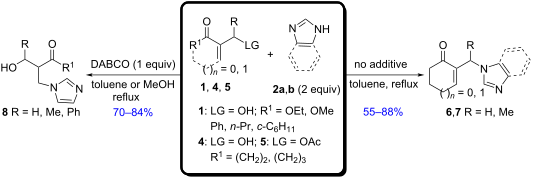
Scheme 1: Synthesis of N-substituted imidazole derivatives from MBH adducts.
Scheme 2: Proposed mechanism for the allylation of imidazole with alcohol 4a.
Beilstein J. Org. Chem. 2023, 19, 593–634, doi:10.3762/bjoc.19.44
Graphical Abstract
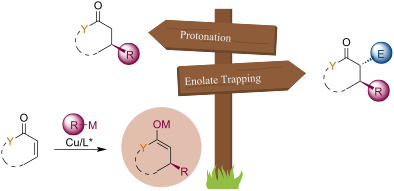
Scheme 1: General scheme depicting tandem reactions based on an asymmetric conjugate addition followed by an ...
Scheme 2: Cu-catalyzed tandem conjugate addition of R2Zn/aldol reaction with chiral acetals.
Scheme 3: Cu-catalyzed asymmetric desymmetrization of cyclopentene-1,3-diones using a tandem conjugate additi...
Scheme 4: Stereocontrolled assembly of dialkylzincs, cyclic enones, and sulfinylimines utilizing a Cu-catalyz...
Scheme 5: Cu-catalyzed tandem conjugate addition/Mannich reaction (A). Access to chiral isoindolinones and tr...
Scheme 6: Cu-catalyzed tandem conjugate addition/nitro-Mannich reaction (A) with syn–anti or syn–syn selectiv...
Figure 1: Various chiral ligands utilized for the tandem conjugate addition/Michael reaction sequences.
Scheme 7: Cu-catalyzed tandem conjugate addition/Michael reaction: side-product formation with chalcone (A) a...
Scheme 8: Zn enolate trapping using allyl iodides (A), Stork–Jung vinylsilane reagents (B), and allyl bromide...
Scheme 9: Cu-catalyzed tandem conjugate addition/acylation through Li R2Zn enolate (A). A four-component coup...
Scheme 10: Selected examples for the Cu-catalyzed tandem conjugate addition/trifluoromethylthiolation sequence....
Scheme 11: Zn enolates trapped by vinyloxiranes: synthesis of allylic alcohols.
Scheme 12: Stereoselective cyclopropanation of Mg enolates formed by ACA of Grignard reagents to chlorocrotona...
Scheme 13: Domino aldol reactions of Mg enolates formed from coumarin and chromone.
Scheme 14: Oxidative coupling of ACA-produced Mg enolates.
Scheme 15: Tandem ACA of Grignard reagents to enones and Mannich reaction.
Scheme 16: Diastereodivergent Mannich reaction of Mg enolates with differently N-protected imines.
Scheme 17: Tandem Grignard–ACA–Mannich using Taddol-based phosphine-phosphite ligands.
Scheme 18: Tandem reaction of Mg enolates with aminomethylating reagents.
Scheme 19: Tandem reaction composed of Grignard ACA to alkynyl enones.
Scheme 20: Rh/Cu-catalyzed tandem reaction of diazo enoates leading to cyclobutanes.
Scheme 21: Tandem Grignard-ACA of cyclopentenones and alkylation of enolates.
Scheme 22: Tandem ACA of Grignard reagents followed by enolate trapping reaction with onium compounds.
Scheme 23: Mg enolates generated from unsaturated lactones in reaction with activated alkenes.
Scheme 24: Lewis acid mediated ACA to amides and SN2 cyclization of a Br-appended enolate.
Scheme 25: Trapping reactions of aza-enolates with Michael acceptors.
Scheme 26: Si enolates generated by TMSOTf-mediated ACA of Grignard reagents and enolate trapping reaction wit...
Scheme 27: Trapping reactions of enolates generated from alkenyl heterocycles (A) and carboxylic acids (B) wit...
Scheme 28: Reactions of heterocyclic Mg enolates with onium compounds.
Scheme 29: Synthetic transformations of cycloheptatrienyl and benzodithiolyl substituents.
Scheme 30: Aminomethylation of Al enolates generated by ACA of trialkylaluminum reagents.
Scheme 31: Trapping reactions of enolates with activated alkenes.
Scheme 32: Alkynylation of racemic aluminum or magnesium enolates.
Scheme 33: Trapping reactions of Zr enolates generated by Cu-ACA of organozirconium reagents.
Scheme 34: Chloromethylation of Zr enolates using the Vilsmeier–Haack reagent.
Scheme 35: Tandem conjugate borylation with subsequent protonation or enolate trapping by an electrophile.
Scheme 36: Tandem conjugate borylation/aldol reaction of cyclohexenones.
Scheme 37: Selected examples for the tandem asymmetric borylation/intramolecular aldol reaction; synthesis of ...
Scheme 38: Cu-catalyzed tandem methylborylation of α,β-unsaturated phosphine oxide in the presence of (R,Sp)-J...
Scheme 39: Cu-catalyzed tandem transannular conjugated borylation/aldol cyclization of macrocycles containing ...
Scheme 40: Stereoselective tandem conjugate borylation/Mannich cyclization: selected examples (A) and a multi-...
Scheme 41: Some examples of Cu-catalyzed asymmetric tandem borylation/aldol cyclization (A). Application to di...
Scheme 42: Atropisomeric P,N-ligands used in tandem conjugate borylation/aldol cyclization sequence.
Scheme 43: Selected examples for the enantioselective Cu-catalyzed borylation/intramolecular Michael addition ...
Scheme 44: Selected examples for the preparation of enantioenriched spiroindanes using a Cu-catalyzed tandem c...
Scheme 45: Enantioselective conjugate borylation of cyclobutene-1-carboxylic acid diphenylmethyl ester 175 wit...
Scheme 46: Cu-catalyzed enantioselective tandem conjugate silylation of α,β-unsaturated ketones with subsequen...
Scheme 47: Cu-catalyzed enantioselective tandem conjugate silylation of α,β-unsaturated ketones with subsequen...
Scheme 48: Cu-catalyzed tandem conjugate silylation/aldol condensation. The diastereoselectivity is controlled...
Scheme 49: Chiral Ru-catalyzed three-component coupling reaction.
Scheme 50: Rh-Phebox complex-catalyzed reductive cyclization and subsequent reaction with Michael acceptors th...
Scheme 51: Rh-catalyzed tandem asymmetric conjugate alkynylation/aldol reaction (A) and subsequent spiro-cycli...
Scheme 52: Rh-bod complex-catalyzed tandem asymmetric conjugate arylation/intramolecular aldol addition (A). S...
Scheme 53: Co-catalyzed C–H-bond activation/asymmetric conjugate addition/aldol reaction.
Scheme 54: (Diisopinocampheyl)borane-promoted 1,4-hydroboration of α,β-unsaturated morpholine carboxamides and...
Figure 2: Some examples of total syntheses that have been recently reviewed.
Scheme 55: Stereoselective synthesis of antimalarial prodrug (+)-artemisinin utilizing a tandem conjugate addi...
Scheme 56: Amphilectane and serrulatane diterpenoids: preparation of chiral starting material via asymmetric t...
Scheme 57: Various asymmetric syntheses of pleuromutilin and related compounds based on a tandem conjugate add...
Scheme 58: Total synthesis of glaucocalyxin A utilizing a tandem conjugate addition/acylation reaction sequenc...
Scheme 59: Installation of the exocyclic double bond using a tandem conjugate addition/aminomethylation sequen...
Scheme 60: Synthesis of the taxol core using a tandem conjugate addition/enolate trapping sequence with Vilsme...
Scheme 61: Synthesis of the tricyclic core of 12-epi-JBIR-23/24 utilizing a Rh-catalyzed asymmetric conjugate ...
Scheme 62: Total synthesis of (−)-peyssonoside A utilizing a Cu-catalyzed enantioselective tandem conjugate ad...
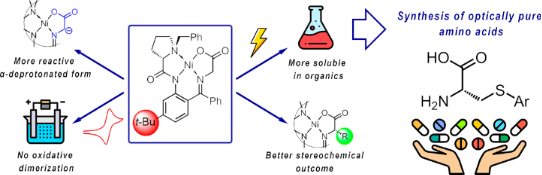
Beilstein J. Org. Chem. 2023, 19, 566–574, doi:10.3762/bjoc.19.41
Graphical Abstract
Scheme 1: Selected examples of the chiral ligands used for synthesis of the Ni(II)–Schiff base complexes.
Scheme 2: Synthesis of the chiral ligand L7 and its Ni(II) complexes with glycine, serine, dehydroalanine, an...
Figure 1: Fragment of the NOESY spectrum of the ʟ-(oBrCysNi)L7 complex indicating the correlation between the...
Figure 2: Low-gradient isosurfaces with low densities (blue color of the isosurface corresponds to the hydrog...
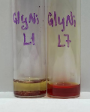
Figure 3: Saturated solutions of (GlyNi)L1 (left) and (GlyNi)L7 (right) in diethyl ether.
Figure 4: The CV curves observed for (GlyNi)L7 and (ΔAlaNi)L7 in the anodic and cathodic regions (Pt, CH3CN, ...
Beilstein J. Org. Chem. 2023, 19, 204–211, doi:10.3762/bjoc.19.19
Graphical Abstract
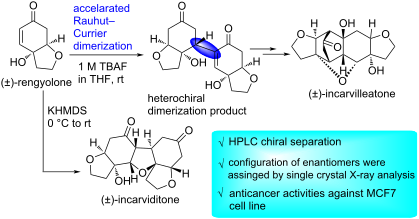
Figure 1: Structures of (±)-incarvilleatone (1), (±)-incarviditone (2), and (±)-rengyolone (3).
Scheme 1: Possible modes of accelerated intermolecular RC reaction, drawn according to [6].
Scheme 2: Retrosynthetic plan for the synthesis of (±)-incarvilleatone (1) and (±)-incarviditone (2).
Scheme 3: Synthesis of RC dimerized product (±)-4.
Scheme 4: Proposed reaction mechanism for the formation of compound (±)-4 under TBAF-mediated Rauhut–Currier ...
Scheme 5: Synthesis of (±)-incarvilleatone (1) from RC dimerized product (±)-4.
Scheme 6: Separation of rac-incarvilleatone (1) and determination of absolute configurations of both the enan...
Scheme 7: Synthesis of (±)-incarviditone (2).
Figure 2: Growth suppression activity of the synthesized compounds in the breast cancer cell line MCF-7.
Beilstein J. Org. Chem. 2022, 18, 1159–1165, doi:10.3762/bjoc.18.120
Graphical Abstract
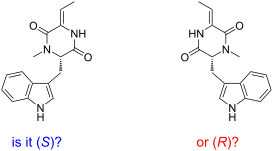
Scheme 1: Structures of hangtaimycin (1) and its co-metabolites.
Scheme 2: First synthetic route towards TDD (4).
Figure 1: HPLC analyses of (Z)-4 on a chiral stationary phase. A) Nearly racemic 4 from the first synthetic r...
Scheme 3: Second synthetic route towards TDD ((Z)-4).
Figure 2: X-ray structure of (rac)-4.
Figure 3: Bioactivity testing with hangtaimycin (1). A) Growth retardation of model species B. subtilis 168 a...
Beilstein J. Org. Chem. 2022, 18, 1116–1122, doi:10.3762/bjoc.18.114
Graphical Abstract
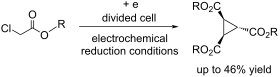
Scheme 1: Formations of 1,2,3-trialkyl cyclopropanetricarboxylates. Previous reports (reactions 1–3) and this...
Scheme 2: Plausible reaction mechanism. EGB = electrogenerated base.
Beilstein J. Org. Chem. 2022, 18, 469–478, doi:10.3762/bjoc.18.49
Graphical Abstract
Figure 1: Representative bioactive dispirooxindoles.
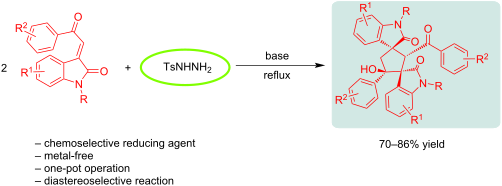
Scheme 1: Reductive cyclization for the synthesis of dispirocyclopentanebisoxindole derivatives.
Scheme 2: Substrate scope of product 3 (part 1). Reaction conditions: substrates: 1 (1 mmol) and 2 (0.5 mmol)...
Scheme 3: Substrate scope of product 3 (part 2). Reaction conditions: substrates: 1 (1 mmol) and 2 (0.5 mmol)...
Figure 2: ORTEP diagram of product 3g (CCDC NO. 2072521).
Figure 3: NOESY Spectra of compound 3e.
Scheme 4: Plausible mechanism of the reaction.
Figure 4: HRMS spectrum of the crude reaction mixture after 1 hour of the reaction.
Scheme 5: Control experiment.
Beilstein J. Org. Chem. 2022, 18, 381–419, doi:10.3762/bjoc.18.43
Graphical Abstract
Figure 1: Natural bioactive naphthoquinones.
Figure 2: Chemical structures of vitamins K.
Figure 3: Redox cycle of menadione.
Scheme 1: Selected approaches for menadione synthesis using silver(I) as a catalyst.
Scheme 2: Methylation approaches for the preparation of menadione from 1,4-naphthoquinone using tert-butyl hy...
Scheme 3: Methylation approach of 1,4-naphthoquinone using i) rhodium complexes/methylboronic acid and ii) bi...
Scheme 4: Synthesis of menadione (10) from itaconic acid.
Scheme 5: Menadione synthesis via Diels–Alder reaction.
Scheme 6: Synthesis of menadione (10) using p-cresol as a synthetic precursor.
Scheme 7: Synthesis of menadione (10) via demethoxycarbonylating annulation of methyl methacrylate.
Scheme 8: Furan 34 used as a diene in a Diels–Alder reaction for the synthesis of menadione (10).
Scheme 9: o-Toluidine as a dienophile in a Diels–Alder reaction for the synthesis of menadione (10).
Scheme 10: Representation of electrochemical synthesis of menadione.
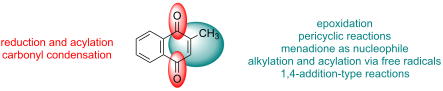
Figure 4: Reaction sites and reaction types of menadione as substrate.
Scheme 11: DBU-catalyzed epoxidation of menadione (10).
Scheme 12: Phase-transfer catalysis for the epoxidation of menadione.
Scheme 13: Menadione epoxidation using a hydroperoxide derived from (+)-norcamphor.
Scheme 14: Enantioselective Diels–Alder reaction for the synthesis of asymmetric quinone 50 catalyzed by a chi...
Scheme 15: Optimized reaction conditions for the synthesis of anthra[9,1-bc]pyranone.
Scheme 16: Synthesis of anthra[9,1-bc]furanone, anthra[9,1-bc]pyridine, and anthra[9,1-bc]pyrrole derivatives.
Scheme 17: Synthesis of derivatives employing protected trienes.
Scheme 18: Synthesis of cyclobutene derivatives of menadione.
Scheme 19: Menadione reduction reactions using sodium hydrosulfite.
Scheme 20: Green methodology for menadiol synthesis and pegylation.
Scheme 21: Menadione reduction by 5,6-O-isopropylidene-ʟ-ascorbic acid under UV light irradiation.
Scheme 22: Selected approaches of menadione hydroacetylation to diacetylated menadiol.
Scheme 23: Thiele–Winter reaction catalyzed by Bi(OTf)3.
Scheme 24: Carbonyl condensation of menadione using resorcinol and a hydrazone derivative.
Scheme 25: Condensation reaction of menadione with thiosemicarbazide.
Scheme 26: Condensation reaction of menadione with acylhydrazides.
Scheme 27: Menadione derivatives functionalized with organochalcogens.
Scheme 28: Synthesis of selenium-menadione conjugates derived from chloromethylated menadione 84.
Scheme 29: Menadione alkylation by the Kochi–Anderson method.
Scheme 30: Menadione alkylation by diacids.
Scheme 31: Menadione alkylation by heterocycles-substituted carboxylic acids.
Scheme 32: Menadione alkylation by bromoalkyl-substituted carboxylic acids.
Scheme 33: Menadione alkylation by complex carboxylic acids.
Scheme 34: Kochi–Anderson method variations for the menadione alkylation via oxidative decarboxylation of carb...
Scheme 35: Copper-catalyzed menadione alkylation via free radicals.
Scheme 36: Nickel-catalyzed menadione cyanoalkylation.
Scheme 37: Iron-catalyzed alkylation of menadione.
Scheme 38: Selected approaches to menadione alkylation.
Scheme 39: Menadione acylation by photo-Friedel–Crafts acylation reported by Waske and co-workers.
Scheme 40: Menadione acylation by Westwood procedure.
Scheme 41: Synthesis of 3-benzoylmenadione via metal-free TBAI/TBHP system.
Scheme 42: Michael-type addition of amines to menadione reported by Kallmayer.
Scheme 43: Synthesis of amino-menadione derivatives using polyalkylamines.
Scheme 44: Selected examples for the synthesis of different amino-substituted menadione derivatives.
Scheme 45: Selected examples of Michael-type addition of complex amines to menadione (10).
Scheme 46: Addition of different natural α-amino acids to menadione.
Scheme 47: Michael-type addition of amines to menadione using silica-supported perchloric acid.
Scheme 48: Indolylnaphthoquinone or indolylnaphthalene-1,4-diol synthesis reported by Yadav et al.
Scheme 49: Indolylnaphthoquinone synthesis reported by Tanoue and co-workers.
Scheme 50: Indolylnaphthoquinone synthesis from menadione by Escobeto-González and co-workers.
Scheme 51: Synthesis of menadione analogues functionalized with thiols.
Scheme 52: Synthesis of menadione-derived symmetrical derivatives through reaction with dithiols.
Scheme 53: Mercaptoalkyl acids as nucleophiles in Michael-type addition reaction to menadione.
Scheme 54: Reactions of menadione (10) with cysteine derivatives for the synthesis of quinoproteins.
Scheme 55: Synthesis of menadione-glutathione conjugate 152 by Michael-type addition.
Beilstein J. Org. Chem. 2022, 18, 167–173, doi:10.3762/bjoc.18.18
Graphical Abstract
Figure 1: Model of the catalyst action.
Figure 2: Catalysts screened.
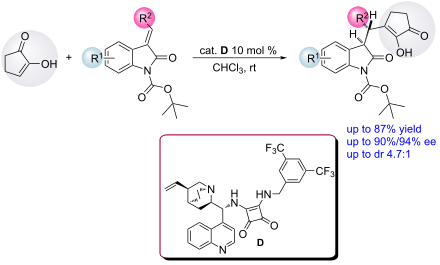
Scheme 1: Screening of different N-protecting groups. Reaction conditions: 0.2 M solution of 1 (1 equiv), 2 (...
Scheme 2: Scope of the reaction (the relative configuration of the major diastereoisomer is depicted). Reacti...
Scheme 3: Comparison reactions of E- and Z-isomers (the relative configurations of the major diastereoisomers...
Beilstein J. Org. Chem. 2021, 17, 2462–2476, doi:10.3762/bjoc.17.163
Graphical Abstract
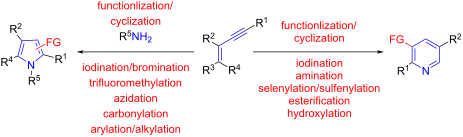
Scheme 1: Ag/I2-mediated electrophilic annulation of 2-en-4-ynyl azides 1.
Scheme 2: The proposed mechanism of Ag-catalyzed aza-annulation.
Scheme 3: The proposed mechanism of I2-mediated aza-annulation.
Scheme 4: Copper-catalyzed amination of (E)-2-en-4-ynyl azides 1.
Scheme 5: The proposed mechanism of copper-catalyzed amination.
Scheme 6: The derivatization of sulfonated aminonicotinates.
Scheme 7: Copper-catalyzed chalcogenoamination of (E)-2-en-4-ynyl azides 1.
Scheme 8: The possible mechanism of chalcogenoamination.
Scheme 9: The derivatization of 5‑selenyl- and 5-sulfenyl-substituted nicotinates.
Scheme 10: The tandem reaction of nitriles, Reformatsky reagents, and 1,3-enynes.
Scheme 11: Nickel-catalyzed [4 + 2]-cycloaddition of 3-azetidinones with 1,3-enynes.
Scheme 12: Electrophilic iodocyclization of 2-nitro-1,3-enynes to pyrroles.
Scheme 13: Electrophilic halogenation of 2-trifluoromethyl-1,3-enynes to pyrroles.
Scheme 14: Copper-catalyzed cascade cyclization of 2-nitro-1,3-enynes with amines.
Scheme 15: Tandem cyclization of 2-nitro-1,3-enynes, Togni reagent II, and amines.
Scheme 16: Tandem cyclization of 2-nitro-1,3-enynes, TMSN3, and amines.
Scheme 17: Cascade cyclization of 6-hydroxyhex-2-en-4-ynals to pyrroles.
Scheme 18: Au/Ag-catalyzed oxidative aza-annulation of 1,3-enynyl azides.
Scheme 19: The plausible mechanism of Au/Ag-catalyzed oxidative aza-annulation.
Scheme 20: Synthesis of 2-tetrazolyl-substituted 3-acylpyrroles from enynals.
Scheme 21: CuH-catalyzed coupling reaction of 1,3-enynes and nitriles to pyrroles.
Scheme 22: The mechanism of CuH-catalyzed coupling of 1,3-enynes and nitriles to pyrroles.
Beilstein J. Org. Chem. 2021, 17, 1733–1751, doi:10.3762/bjoc.17.122
Graphical Abstract
Scheme 1: Mn-catalyzed late-stage fluorination of sclareolide (1) and complex steroid 3.
Figure 1: Proposed reaction mechanism of C–H fluorination by a manganese porphyrin catalyst.
Scheme 2: Late-stage radiofluorination of biologically active complex molecules.
Figure 2: Proposed mechanism of C–H radiofluorination.
Scheme 3: Late-stage C–H azidation of bioactive molecules. a1.5 mol % of Mn(TMP)Cl (5) was used. bMethyl acet...
Figure 3: Proposed reaction mechanism of manganese-catalyzed C–H azidation.
Scheme 4: Mn-catalyzed late-stage C–H azidation of bioactive molecules via electrophotocatalysis. a2.5 mol % ...
Figure 4: Proposed reaction mechanism of electrophotocatalytic azidation.
Scheme 5: Manganaelectro-catalyzed late-stage azidation of bioactive molecules.
Figure 5: Proposed reaction pathway of manganaelectro-catalyzed late-stage C–H azidation.
Scheme 6: Mn-catalyzed late-stage amination of bioactive molecules. a3 Å MS were used. Protonation with HBF4⋅...
Figure 6: Proposed mechanism of manganese-catalyzed C–H amination.
Scheme 7: Mn-catalyzed C–H methylation of heterocyclic scaffolds commonly found in small-molecule drugs. aDAS...
Scheme 8: Examples of late-stage C–H methylation of bioactive molecules. aDAST activation. bFor insoluble sub...
Scheme 9: A) Mn-catalyzed late-stage C–H alkynylation of peptides. B) Intramolecular late-stage alkynylative ...
Figure 7: Proposed reaction mechanism of Mn(I)-catalyzed C–H alkynylation.
Scheme 10: Late-stage Mn-catalyzed C–H allylation of peptides and bioactive motifs.
Scheme 11: Intramolecular C–H allylative cyclic peptide formation.
Scheme 12: Late-stage C–H glycosylation of tryptophan analogues.
Scheme 13: Late-stage C–H glycosylation of tryptophan-containing peptides.
Scheme 14: Late-stage C–H alkenylation of tryptophan-containing peptides.
Scheme 15: A) Late-stage C–H macrocyclization of tryptophan-containing peptides and B) traceless removal of py...