


Search results
Search for "Pd(OAc)2" in Full Text gives 206 result(s) in Beilstein Journal of Organic Chemistry. Showing first 200.
Palladium-catalyzed benzocyclization reactions of quinoline-2-carboxamides via sequential C–H/N–H functionalization
- Shoichi Sugita,
- Kentaro Okano and
- Atsunori Mori
Beilstein J. Org. Chem. 2026, 22, 905–914, doi:10.3762/bjoc.22.71
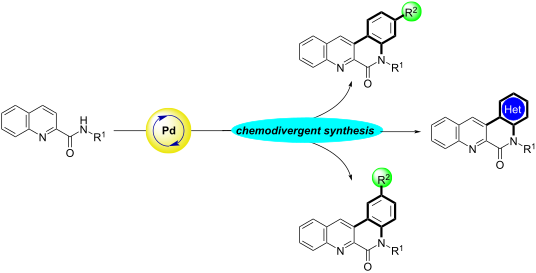
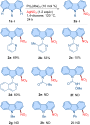
- proceeds at the C–H bond on the quinoline adjacent to the amide group and at the amide N–H bond in the presence of 10 mol % Pd(OAc)2 in o-xylene as a solvent to afford the cyclized product in 34% yield. The yield increases to 81% when the reaction is carried out with 80 mol % P(4-MeOC6H4)3 as a ligand and
- reaction between quinoline-2-carboxamide 1a and 1-bromo-2-iodobenzene (2a) was tested. When 1a was treated with 1.0 equiv of 2a, 10 mol % Pd(OAc)2, 40 mol % PPh3, and 3.0 equiv of Cs2CO3 in dimethylformamide (DMF) at 140 °C, the desired lactam 3aa was obtained in 19% yield (Table 1, entry 1). This result
- indicated that the anticipated C–H and N–H intermolecular–intramolecular coupling reactions occurred. When PdCl2(PPh3)2 was used instead of Pd(OAc)2 as a catalyst in the absence of PPh3, 3aa was afforded in 10% yield (Table 1, entry 2). When Pd(OCOCF3)2 was used as the catalyst, the desired product was

Graphical Abstract

Scheme 1: Various transition-metal-catalyzed coupling reactions involving aryl halides.
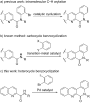
Scheme 2: Synthetic strategy for preparing fused lactams.

Figure 1: Nuclear Overhauser effect (NOE) correlations in products (a) 3ab, (b) 3ac, (c) 3ad, (d) 3aj, and (e...

Scheme 3: Detection of the intermediate Int-1ad in the annulation reaction of 1a with 1-bromo-5-tert-butyl-2-...

Scheme 4: Stepwise formation of C–C and C–N bonds during the annulation reaction.

Scheme 5: Plausible reaction mechanism for the sequential C–H/N–H functionalization reaction.
Palladium-catalyzed regioselective C1-selective nitration of carbazoles
- Vikash Kumar,
- Jyothis Dharaniyedath,
- Aiswarya T P,
- Sk Ariyan,
- Chitrothu Venkatesh and
- Parthasarathy Gandeepan
Beilstein J. Org. Chem. 2025, 21, 2479–2488, doi:10.3762/bjoc.21.190
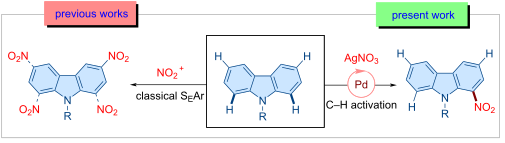
- carbazoles. Scope of the method. Reaction conditions: 1 (0.2 mmol, 1.0 equiv), Pd2(dba)3 (0.02 mmol, 10 mol %), AgNO3 (0.24 mmol, 1.2 equiv), and 1,4-dioxane (2.0 mL) at 120 °C for 24 h. a10 mol % of Pd(OAc)2 was used instead of Pd2(dba)3. Gram-scale synthesis, directing group removal, and synthetic utility

Graphical Abstract
Scheme 1: (a) Representative examples of bioactive nitrocarbazoles. (b) Traditional electrophilic aromatic su...

Figure 1: ORTEP diagram of compound 2a (CCDC 2478298).
Scheme 2: Effect of directing groups on the nitration of the carbazoles.
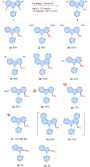
Scheme 3: Scope of the method. Reaction conditions: 1 (0.2 mmol, 1.0 equiv), Pd2(dba)3 (0.02 mmol, 10 mol %),...
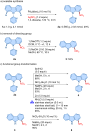
Scheme 4: Gram-scale synthesis, directing group removal, and synthetic utility of our method.
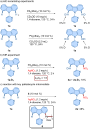
Scheme 5: Key mechanistic studies.
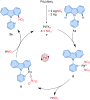
Figure 2: Plausible catalytic cycle.
Comparative analysis of complanadine A total syntheses
- Reem Al-Ahmad and
- Mingji Dai
Beilstein J. Org. Chem. 2025, 21, 2334–2344, doi:10.3762/bjoc.21.178
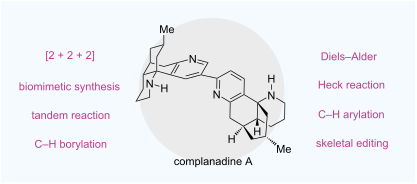
- synthesis [Pd(OAc)2, t-Bu2MePHBF4, Cs2CO3, and CsOPiv in toluene at 130 °C] was utilized to afford the C–H arylation in 78% yield with a 1:4 ratio of 68/69 [36]. Subsequent reduction of the pyridine N-oxide with Pd(OH)2/C and H2 followed by acidic Boc removal completed their total synthesis of complanadine

Graphical Abstract
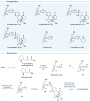
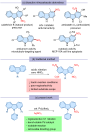
Scheme 1: Complanadine natural products and their plausible biosynthesis.

Scheme 2: The Siegel total synthesis of complanadine A enabled by [2 + 2 + 2] cycloadditions.
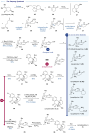
Scheme 3: The Sarpong total synthesis of complanadine A enabled by a biomimetic strategy and C–H activation.
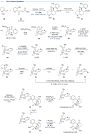
Scheme 4: The Tsukano total synthesis of complanadine A enabled by Diels–Alder cycloaddition, Heck cyclizatio...
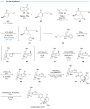
Scheme 5: The Dai total synthesis of complanadine A using single-atom skeletal editing.

Scheme 6: Comparative summary of the four complanadine A total syntheses.
C2 to C6 biobased carbonyl platforms for fine chemistry
- Jingjing Jiang,
- Muhammad Noman Haider Tariq,
- Florence Popowycz,
- Yanlong Gu and
- Yves Queneau
Beilstein J. Org. Chem. 2025, 21, 2103–2172, doi:10.3762/bjoc.21.165
- is a kind of tetrose with biological and industrial relevance (Scheme 29). Waymouth et al. [109] reported the regio- and chemoselective oxidation of vicinal polyols using [2,9-dimethyl-1,10-phenanthroline = neocuproine)Pd(OAc)]2(OTf)2] (1) as catalyst. The formation of α-hydroxyketones occurs very

Graphical Abstract

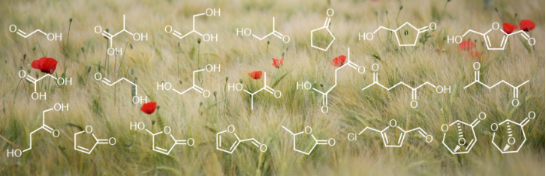
Figure 1: C2–C6 biobased carbonyl building blocks.

Scheme 1: Proposed (2 + 2) route to glycolaldehyde and glycolic acid from erythritol by Cu/AC catalyst (AC = ...

Scheme 2: Reductive amination of GCA.

Scheme 3: N-Formylation of secondary amines by reaction with GCA.

Scheme 4: Synthesis and conversion of hydroxy acetals to cyclic acetals.

Scheme 5: Synthesis of 3-(indol-3-yl)-2,3-dihydrofurans via three-component reaction of glycolaldehyde, indol...

Scheme 6: BiCl3-catalyzed synthesis of benzo[a]carbazoles from 2-arylindoles and α-bromoacetaldehyde ethylene...

Scheme 7: Cu/NCNSs-based conversion of glycerol to glycolic acid and other short biobased acids.

Scheme 8: E. coli-based biotransformation of C1 source molecules (CH4, CO2 and CO) towards C2 glycolic acid.

Scheme 9: N-Formylation of amines with C2 (a) or C3 (b) biomass-based feedstocks.

Scheme 10: Methods for the formation of propanoic acid (PA) from lactic acid (LA).

Scheme 11: Co-polymerization of biobased lactic acid and glycolic acid via a bicatalytic process.

Scheme 12: Oxidation of α-hydroxy acids by tetrachloroaurate(III) in acetic acid–sodium acetate buffer medium.

Figure 2: Selective catalytic pathways for the conversion of lactic acid (LA).

Scheme 13: Synthesis of 1,3-PDO via cross-aldol reaction between formaldehyde and acetaldehyde to 3-hydroxypro...

Scheme 14: Hydrothermal conversion of 1,3-dihydroxy-2-propane and 2,3-dihydroxypropanal to methylglyoxal.

Scheme 15: FLS-catalyzed formose reaction to synthesize GA and DHA.

Scheme 16: GCA and DHA oxidation products of glycerol and isomerization of GCA to DHA under flow conditions us...

Scheme 17: Acid-catalyzed reactions of DHA with alcohols.

Scheme 18: Synthesis of dihydroxyacetone phosphate from dihydroxyacetone.

Scheme 19: Bifunctional acid–base catalyst DHA conversion into lactic acid via pyruvaldehyde or fructose forma...

Scheme 20: Catalytic one-pot synthesis of GA and co-synthesis of formamides and formates from DHA.

Scheme 21: (a) Synthesis of furan derivatives and (b) synthesis of thiophene derivative by cascade [3 + 2] ann...

Scheme 22: Brønsted acidic ionic liquid catalyzed synthesis of benzo[a]carbazole from renewable acetol and 2-p...

Scheme 23: Asymmetric hydrogenation of α-hydroxy ketones to 1,2-diols.

Scheme 24: Synthesis of novel 6-(substituted benzylidene)-2-methylthiazolo [2,3-b]oxazol-5(6H)-one from 1-hydr...

Scheme 25: ʟ-Proline-catalyzed synthesis of anti-diols from hydroxyacetone and aldehydes.

Scheme 26: C–C-bond-formation reactions of a biomass-based feedstock aromatic aldehyde (C5) and hydroxyacetone...

Scheme 27: Ethanol upgrading to C4 bulk chemicals via the thiamine (VB1)-catalyzed acetoin condensation.

Scheme 28: One-pot sequential chemoenzymatic synthesis of 2-aminobutane-1,4-diol and 1,2,4-butanetriol via 1,4...

Scheme 29: Synthesis of 1,4-dihydroxybutan-2-one by microbial transformation.

Scheme 30: Conversion of polyols by [neocuproine)Pd(OAc)]2(OTf)2] to α-hydroxy ketones.

Scheme 31: Chemoselective oxidation of alcohols with chiral palladium-based catalyst 2.

Scheme 32: Electrochemical transformation of furfural to 5-hydroxy-2(5H)-furanone (HFO).

Scheme 33: Selective hydrodeoxygenation of HFO and oxidation to γ-butyrolactone (GBL).

Scheme 34: Photosensitized oxygenation of furan towards HFO via ozonide intermediates.

Scheme 35: Conversion of furfural to HFO and MAN by using mesoporous carbon nitride (SGCN) as photocatalyst.

Scheme 36: Synthesis of HFO from furan derivatives.

Scheme 37: Photooxidation of furfural to 5-hydroxy-2(5H)-furanone (HFO).

Scheme 38: Synthesis of Friedel–Crafts indole adduct from HFO.

Scheme 39: Conversion of HFO to α,γ-substituted chiral γ-lactones.

Scheme 40: Tautomeric transformation of HFO to formylacrylic acid.

Scheme 41: Hydrolysis of HFO to succinic acid in aqueous solution.

Scheme 42: Substitution and condensation reactions of 5-hydroxy-2(5H)-furanone (HFO).

Scheme 43: (a) Conversion of HFO towards valuable C4 chemicals and (b) anodic oxidation of 5-hydroxy-2(5H)-fur...

Figure 3: Conversion of HFO towards other natural and synthetic substances.

Scheme 44: Conversion of furfural to maleic anhydride (reaction a: VOx/Al2O3; reaction b: VPO).

Scheme 45: Conversion of furfural into succinic acid.

Scheme 46: Electro‑, photo‑, and biocatalysis for one-pot selective conversions of furfural into C4 chemicals.

Scheme 47: Production route of furfural from hemicellulose.

Scheme 48: Mechanism for xylose dehydration to furfural through a choline xyloside intermediate.

Scheme 49: Conversion of furfural to furfuryl alcohol and its derivatives.

Scheme 50: Conversion of furfural to furfuryl alcohol and 3-(2-furyl)acrolein.

Scheme 51: The aerobic oxidative condensation of biomass-derived furfural and linear alcohols.

Scheme 52: The single-step synthesis of 2-pentanone from furfural.

Scheme 53: Electrocatalytic coupling reaction of furfural and levulinic acid.

Scheme 54: Conversion of furfural to m-xylylenediamine.

Scheme 55: Conversion of furfural to tetrahydrofuran-derived amines.

Scheme 56: Formation of trans-4,5-diamino-cyclopent-2-enones from furfural.

Scheme 57: Production of pyrrole and proline from furfural.

Scheme 58: Synthesis of 1‑(trifluoromethyl)-8-oxabicyclo[3.2.1]oct-3-en-2-ones from furfural.

Scheme 59: Conversion of furfural to furfural-derived diacids.

Scheme 60: A telescope protocol derived from furfural and glycerol.

Scheme 61: A tandem cyclization of furfural and 5,5-dimethyl-1,3-cyclohexanedione.

Scheme 62: A Ugi four-component reaction to construct furfural-based polyamides.

Scheme 63: One-pot synthesis of γ-acyloxy-Cy7 from furfural.

Scheme 64: Dimerization–Piancatelli sequence toward humins precursors from furfural.

Scheme 65: Conversion of furfural to CPN.

Scheme 66: Synthesis of jet fuels range cycloalkanes from CPN and lignin-derived vanillin.

Scheme 67: Solar-energy-driven synthesis of high-density biofuels from CPN.

Scheme 68: Reductive amination of CPN to cyclopentylamine.

Scheme 69: Asymmetric hydrogenation of C=O bonds of exocyclic α,β-unsaturated cyclopentanones.

Scheme 70: Preparation of levulinic acid via the C5 route (route a) or C6 route (routes b1 and b2).

Scheme 71: Mechanism of the rehydration of HMF to levulinic acid and formic acid.

Scheme 72: Important levulinic acid-derived chemicals.

Scheme 73: Direct conversion of levulinic acid to pentanoic acid.

Scheme 74: Catalytic aerobic oxidation of levulinic acid to citramalic acid.

Scheme 75: Conversion of levulinic acid to 1,4-pentanediol (a) see ref. [236]; b) see ref. [237]; c) see ref. [238]; d) see r...

Scheme 76: Selective production of 2-butanol through hydrogenolysis of levulinic acid.

Scheme 77: General reaction pathways proposed for the formation of 5MPs from levulinic acid.

Scheme 78: Selective reductive amination of levulinic acid to N-substituted pyrroles.

Scheme 79: Reductive amination of levulinic acid to chiral pyrrolidinone.

Scheme 80: Reductive amination of levulinic acid to non-natural chiral γ-amino acid.

Scheme 81: Nitrogen-containing chemicals derived from levulinic acid.

Scheme 82: Preparation of GVL from levulinic acid by dehydration and hydrogenation.

Scheme 83: Ruthenium-catalyzed levulinic acid to chiral γ-valerolactone.

Scheme 84: Catalytic asymmetric hydrogenation of levulinic acid to chiral GVL.

Scheme 85: Three steps synthesis of ε-caprolactam from GVL.

Scheme 86: Multistep synthesis of nylon 6,6 from GVL.

Scheme 87: Preparation of MeGVL by α-alkylation of GVL.

Scheme 88: Ring-opening polymerization of five-membered lactones.

Scheme 89: Synthesis of GVL-based ionic liquids.

Scheme 90: Preparation of butene isomers from GVL under Lewis acid conditions.

Scheme 91: Construction of C5–C12 fuels from GVL over nano-HZSM-5 catalysts.

Scheme 92: Preparation of alkyl valerate from GVL via ring opening/reduction/esterification sequence.

Scheme 93: Construction of 4-acyloxypentanoic acids from GVL.

Scheme 94: Synthesis of 1,4-pentanediol (PDO) from GVL.

Scheme 95: Construction of novel cyclic hemiketal platforms via self-Claisen condensation of GVL.

Scheme 96: Copper-catalyzed lactamization of GVL.

Figure 4: Main scaffolds obtained from HMF.

Scheme 97: Biginelli reactions towards HMF-containing dihydropyrimidinones.

Scheme 98: Hantzsch dihydropyridine synthesis involving HMF.

Scheme 99: The Kabachnik–Fields reaction involving HMF.

Scheme 100: Construction of oxazolidinone from HMF.

Scheme 101: Construction of rhodamine-furan hybrids from HMF.

Scheme 102: A Groebke–Blackburn–Bienaymé reaction involving HMF.

Scheme 103: HMF-containing benzodiazepines by [4 + 2 + 1] cycloadditions.

Scheme 104: Synthesis of fluorinated analogues of α-aryl ketones.

Scheme 105: Synthesis of HMF derived disubstituted γ-butyrolactone.

Scheme 106: Functionalized aromatics from furfural and HMF.

Scheme 107: Diels–Alder adducts from HMF or furfural with N-methylmaleimide.

Scheme 108: Pathway of the one-pot conversion of HMF into phthalic anhydride.

Scheme 109: Photocatalyzed preparation of humins (L-H) from HMF mixed with spoiled HMF residues (LMW-H) and fur...

Scheme 110: Asymmetric dipolar cycloadditions on HMF.

Scheme 111: Dipolar cycloadditions of HMF based nitrones to 3,4- and 3,5-substituted isoxazolidines.

Scheme 112: Production of δ-lactone-fused cyclopenten-2-ones from HMF.

Scheme 113: Aza-Piancatelli access to aza-spirocycles from HMF-derived intermediates.

Scheme 114: Cross-condensation of furfural, acetone and HMF into C13, C14 and C15 products.

Scheme 115: Base-catalyzed aldol condensation/dehydration sequences from HMF.

Scheme 116: Condensation of HMF and active methylene nitrile.

Scheme 117: MBH reactions involving HMF.

Scheme 118: Synthesis of HMF-derived ionic liquids.

Scheme 119: Reductive amination/enzymatic acylation sequence towards HMF-based surfactants.

Scheme 120: The formation of 5-chloromethylfurfural (CMF).

Scheme 121: Conversion of CMF to HMF, levulinic acid, and alkyl levulinates.

Scheme 122: Conversion of CMF to CMFCC and FDCC.

Scheme 123: Conversion of CMF to BHMF.

Scheme 124: Conversion of CMF to DMF.

Scheme 125: CMF chlorine atom substitutions toward HMF ethers and esters.

Scheme 126: Introduction of carbon nucleophiles in CMF.

Scheme 127: NHC-catalyzed remote enantioselective Mannich-type reactions of CMF.

Scheme 128: Conversion of CMF to promising biomass-derived dyes.

Scheme 129: Radical transformation of CMF with styrenes.

Scheme 130: Synthesis of natural herbicide δ-aminolevulinic acid from CMF.

Scheme 131: Four step synthesis of the drug ranitidine from CMF.

Scheme 132: Pd/CO2 cooperative catalysis for the production of HHD and HXD.

Scheme 133: Different ruthenium (Ru) catalysts for the ring-opening of 5-HMF to HHD.

Scheme 134: Proposed pathways for preparing HXD from HMF.

Scheme 135: MCP formation and uses.

Scheme 136: Cu(I)-catalyzed highly selective oxidation of HHD to 2,5-dioxohexanal.

Scheme 137: Synthesis of N‑substituted 3‑hydroxypyridinium salts from 2,5-dioxohexanal.

Scheme 138: Ru catalyzed hydrogenations of HHD to 1,2,5-hexanetriol (a) see ref. [396]; b) see ref. [397]).

Scheme 139: Aviation fuel range quadricyclanes produced by HXD.

Scheme 140: Synthesis of HDGK from HXD and glycerol as a chain extender.

Scheme 141: Synthesis of serinol pyrrole from HXD and serinol.

Scheme 142: Synthesis of pyrroles from HXD and nitroarenes.

Scheme 143: Two-step production of PX from cellulose via HXD.

Scheme 144: Preparation of HCPN from HMF via hydrogenation and ring rearrangement.

Scheme 145: Suggested pathways from HMF to HCPN.

Scheme 146: α-Alkylation of HCPN with ethylene gas.

Scheme 147: Synthesis of 3-(hydroxymethyl)cyclopentylamine from HMF via reductive amination of HCPN.

Scheme 148: Production of LGO and Cyrene® from biomass.

Scheme 149: Synthesis of HBO from LGO and other applications.

Scheme 150: Construction of m-Cyrene® homopolymer.

Scheme 151: Conversion of Cyrene® to THFDM and 1,6-hexanediol.

Scheme 152: RAFT co-polymerization of LGO and butadienes.

Scheme 153: Polycondensation of HO-LGOL and diols with dimethyl adipate.

Scheme 154: Self-condensation of Cyrene® and Claisen–Schmidt reactions.

Scheme 155: Synthesis of 5-amino-2-(hydroxymethyl)tetrahydropyran from Cyrene®.
Enantioselective desymmetrization strategy of prochiral 1,3-diols in natural product synthesis
- Lihua Wei,
- Rui Yang,
- Zhifeng Shi and
- Zhiqiang Ma
Beilstein J. Org. Chem. 2025, 21, 1932–1963, doi:10.3762/bjoc.21.151
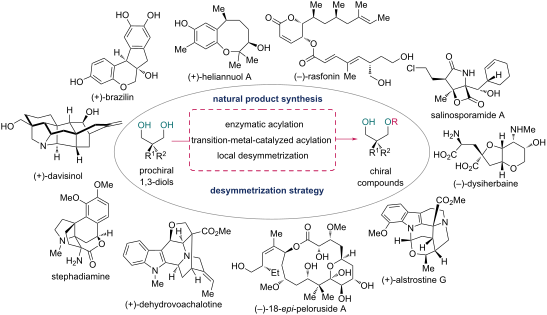
- into (−)-xanthorrhizol (4) in seven steps. Later in 2003, they further accomplished the synthesis of (+)-heliannuol D, a sesquiterpenoid isolated from sunflower (Helianthus annuus L. SH-222), starting from 4 [28]. A three-step sequence transformed 4 into diol 5. Treatment of 5 with Pd(OAc)2 and
- removal of the benzyl group, chemoselective N-alkylation with fragment 196, and removal of the benzoyl group allowed the conversion of 195 into iodide 197. Sequential oxidation of the alcohol, HWE reaction, and reduction of the resulting ester then provided compound 198. In the presence of Pd(OAc)2, PPh3

Graphical Abstract

Scheme 1: General mechanism of a lipase-catalyzed esterification.

Scheme 2: Shishido’s synthesis of (−)-xanthorrhizol (4) and (+)-heliannuol D (8).

Scheme 3: Shishido’s synthesis of a) (−)-heliannuol A (15) and b) heliannuol G (20) and heliannuol H (21).

Scheme 4: Deska’s synthesis of hyperione A (30) and ent-hyperione B (31).

Scheme 5: Huang’s synthesis of (+)-brazilin (37).

Scheme 6: Shishido’s synthesis of (−)-heliannuol D (42) and (+)-heliannuol A (43).

Scheme 7: Chênevert’s synthesis of (S)-α-tocotrienol (49).

Scheme 8: Kita’s synthesis of monoester 53.

Scheme 9: Kita’s synthesis of fredericamycin A (60).

Scheme 10: Takabe’s synthesis of (E)-3,7-dimethyl-2-octene-1,8-diol (64).

Scheme 11: Takabe’s synthesis of (18S)-variabilin (70).

Scheme 12: Kawasaki’s synthesis of (S)-Rosaphen (74) and (R)-Rosaphen (75).

Scheme 13: Tokuyama’s synthesis of a) (−)-petrosin (84) and b) (+)-petrosin (86).

Scheme 14: Fukuyama’s synthesis of leustroducsin B (96).
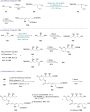
Scheme 15: Nanda’s synthesis of a) fragment 100, b) fragment 106 and c) (−)-rasfonin (109).

Scheme 16: Davies’ synthesis of (+)-pilocarpine (115) and (+)-isopilocarpine (116).

Scheme 17: Ōmura’s synthesis of salinosporamide A (125).

Scheme 18: Kang’s synthesis of ʟ-cladinose (124) and its derivative.

Scheme 19: Kang’s preparation of fragment 139.
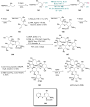
Scheme 20: Kang’s synthesis of azithromycin (149).

Scheme 21: Kang’s synthesis of (−)-dysiherbaine (156).

Scheme 22: Kang’s synthesis of (−)-kaitocephalin (166).

Scheme 23: Kang’s synthesis of laidlomycin (180).

Scheme 24: Snyder’s synthesis of arboridinine (190).
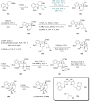
Scheme 25: Ma’s synthesis of (+)-alstrostine G (203).
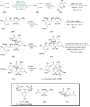
Scheme 26: Trost’s synthesis of (−)-18-epi-peloruside A (215).

Scheme 27: Lindel’s synthesis of (–)-dihydroraputindole (223).

Scheme 28: Iwata’s synthesis of a) (−)-talaromycin B (232) and b) (+)-talaromycin A (235).

Scheme 29: Cook’s synthesis of a) (−)-vincamajinine (240) and b) (−)-11-methoxy-17-epivincamajine (245).

Scheme 30: Cook’s synthesis of (+)-dehydrovoachalotine (249) and voachalotine (250).
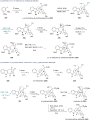
Scheme 31: Cook’s synthesis of a) (−)-12-methoxy-Nb-methylvoachalotine (257) and b) (+)-polyneuridine, macusin...

Scheme 32: Trauner’s synthesis of stephadiamine (273).

Scheme 33: Garg’s synthesis of (–)-ψ-akuammigine (285).

Scheme 34: Ding’s synthesis of (+)-18-benzoyldavisinol (293) and (+)-davisinol (294).
Synthesis of N-doped chiral macrocycles by regioselective palladium-catalyzed arylation
- Shuhai Qiu and
- Junzhi Liu
Beilstein J. Org. Chem. 2025, 21, 1917–1923, doi:10.3762/bjoc.21.149
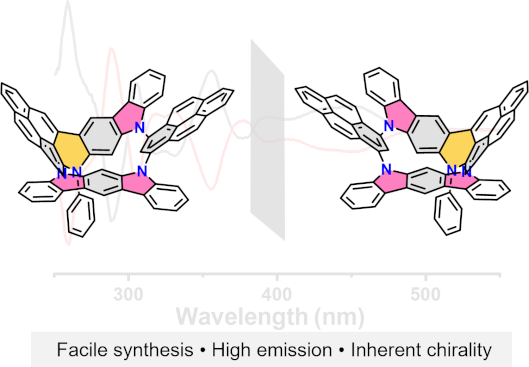
- could be viewed as the aza[14]metacyclophane derivatives, in which two benzene rings are replaced by two pyrenes. The Pd-catalyzed arylation of 3a with Pd(OAc)2, PMe(t-Bu)2·HBF4 and DBU under microwave conditions gave two isomeric macrocycles MC1 and MC2 with four newly formed C–C bonds in yields of 5
- . Synthesis of N-doped macrocycles MC1, MC2, and MC3. Reaction conditions: a) Pd2(dba)3, Pt-Bu3·HBF4, NaOt-Bu, toluene, 110 °C, 24 h. 3a: 16%; 3b: 10%. b) Pd(OAc)2, PMe(t-Bu)2·HBF4, 1,8-diazabicyclo[5.4.0]undec-7-ene (DBU), DMAc, microwave, 170 °C, 5 h. MC1: 5%; MC2: 90%; MC3: 85%. Supporting Information

Graphical Abstract

Figure 1: (a) Representatives of inherent chiral calix[4]arenes. (b) Molecular skeletons of inherent chiral N...

Scheme 1: Synthesis of N-doped macrocycles MC1, MC2, and MC3. Reaction conditions: a) Pd2(dba)3, Pt-Bu3·HBF4,...

Figure 2: Crystal structures of compounds (a) 3a, (b) MC2, and (c) MC3. (d) Molecular arrangements of MC3. Hy...
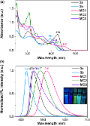
Figure 3: (a) Absorptions and (b) emissions of compounds 3a, 3b, MC1, MC2, and MC3 measured in dichloromethan...

Figure 4: Calculated frontier molecular orbitals and relative energy levels of MC1 (left), MC2 (middle), and ...

Figure 5: (a) CD spectra, (b) |gabs|, and (c) glum values of enantiomers of MC1 measured in dichloromethane a...
Catalytic asymmetric reactions of isocyanides for constructing non-central chirality
- Jia-Yu Liao
Beilstein J. Org. Chem. 2025, 21, 1648–1660, doi:10.3762/bjoc.21.129
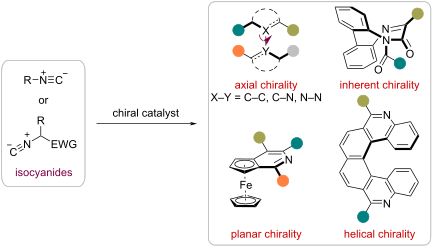
- ). However, the diastereoselectivity is modest (1.7:1), likely resulting from insufficient chiral induction during the indolinone-forming step. Moving forward, this strategy was applied in the construction of axial chirality by the same group. In 2021, they reported a Pd(OAc)2/L2-catalyzed imidoylative

Graphical Abstract

Figure 1: a) Common types of chirality. b) Representative functional molecules bearing non-central chirality.

Scheme 1: Construction of planar chirality.

Scheme 2: Construction of axial chirality.

Scheme 3: Construction of inherent chirality.

Scheme 4: Construction of helical chirality.
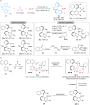
Scheme 5: CPA-catalyzed enantioselective Groebke–Blackburn–Bienaymé reaction.

Scheme 6: Construction of axially chiral 3-arylpyrroles via de novo pyrrole formation.

Scheme 7: Synthesis of atropoisomeric 3-arylpyrroles via central-to-axial chirality transfer.
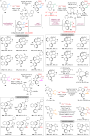
Scheme 8: Dynamic kinetic resolution of bridged biaryls with α-acidic isocyanides.
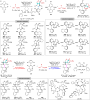
Scheme 9: Desymmetrization of prochiral compounds with α-acidic isocyanides.
Enhancing chemical synthesis planning: automated quantum mechanics-based regioselectivity prediction for C–H activation with directing groups
- Julius Seumer,
- Nicolai Ree and
- Jan H. Jensen
Beilstein J. Org. Chem. 2025, 21, 1171–1182, doi:10.3762/bjoc.21.94
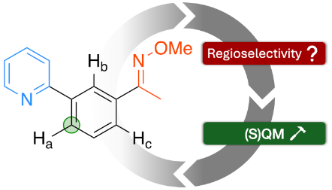
- metallation deprotonation mechanisms mediated by common catalysts like Pd(OAc)2. Our methodology not only identifies potential activation sites but also addresses the limitations of existing models by including a broader range of directing groups and reaction conditions while maintaining moderate
- , thereby dictating the site of C–H activation. Common DGs include unsaturated heteroatoms and alkenyl groups, which have proven effective in guiding the regioselectivity of these reactions [4]. Mechanistic studies with palladium(II) acetate (Pd(OAc)2) as catalyst support the following mechanism of C–H
- module [18]. Similarly to previous works [9][14], we focus on the CMD step, the first and commonly the rate-determining step in C–H activation, and consider the prototypical Pd(OAc)2 catalyst. Using a selective approach, we calculate the relative energies of all relevant palladacycle intermediates using

Graphical Abstract

Figure 1: Overview of the predictive workflow: For the shown substrate on the left, three unique activation s...

Figure 2: Example of the output from running the SMARTS pattern approach introduced by Tomberg et al. [9] with t...

Figure 3: An example where our algorithm found a more specific SMARTS pattern match than highlighted in Tombe...

Figure 4: An example highlighting the difficulties in prioritizing the SMARTS patterns. All three patterns ma...

Figure 5: Example of a combination of C–H bond and DG that is discarded because of the angle constraint on th...

Figure 6: Example of combinations of C–H bonds and DGs that are considered identical because of symmetry of t...

Figure 7: Example of combinations of C–H bonds and DGs that are considered identical because of symmetry of t...

Figure 8: Example of combinations of C–H bonds and DGs that are considered identical because of resonance str...

Figure 9: A: Distribution of correct (green) and wrong (red) predictions for molecules with two to five poten...

Figure 10: Molecules with five potential reaction sites that are predicted wrong by the QM workflow. The exper...

Figure 11: Predictions of reaction sites within a 1 kcal·mol−1 threshold for ten molecules are marked with a b...

Figure 12: Substrate with six potential unique reaction sites for C–H functionalization. The experimentally de...
A versatile route towards 6-arylpipecolic acids
- Erich Gebel,
- Cornelia Göcke,
- Carolin Gruner and
- Norbert Sewald
Beilstein J. Org. Chem. 2025, 21, 1104–1115, doi:10.3762/bjoc.21.88
- under the same conditions. The advantage of XPhos Pd G2 is the use of an aqueous solution without inert conditions, but even under these conditions, the conversion was lower than in DMF. Pd(OAc)2 showed the lowest conversion by far, with no conversion observed when Et3N was used as the base. Overall

Graphical Abstract

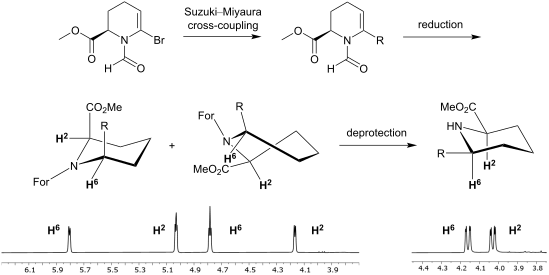
Scheme 1: ᴅ-2-Aminoadipic acid (1) can be used to generate C6 aryl and alkynyl-modified pipecolic acid deriva...

Scheme 2: Methyl ester formation, followed by cyclization, N-formylation, as well as bromination under Vilsme...

Scheme 3: Suzuki–Miyaura cross-coupling reaction between bromide 2 and a variety of boronic acids 8.

Scheme 4: Reaction of 3a to (2R,6S)-9a and (2R,6R)-9a. The chromatograms prove the simple diastereoselection.

Figure 1: The minor diastereomer of the catalytic hydrogenation was assigned as (2R,6R)-9, based on the analy...
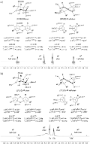
Figure 2: 1H NMR spectra with both signal sets for the chair and half-chair configuration as well as Newman p...

Figure 3: 1H NMR spectra with signal set for the chair configuration as well as Newman projection for both pr...

Scheme 5: a) Sonogashira–Hagihara cross-coupling reaction followed by b) NaBH3CN reduction of the N-acylimini...
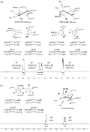
Figure 4: 1H NMR with Newman projection for both protons H2 and H6 with corresponding dihedral angles ϕ for a...

Scheme 6: Overview of reduction and deprotection to the final pipecolic acid derivatives (2R,6S)-5.
Synthesis of pyrrolo[3,2-d]pyrimidine-2,4(3H)-diones by domino C–N coupling/hydroamination reactions
- Ruben Manuel Figueira de Abreu,
- Robin Tiedemann,
- Peter Ehlers and
- Peter Langer
Beilstein J. Org. Chem. 2025, 21, 1010–1017, doi:10.3762/bjoc.21.82
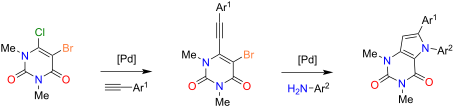
- optimized for the reaction of 3a with p-toluidine to give pyrrolo[3,2-d]pyrimidine-2,4(3H)-dione 4a (Table 1). For the first experiment, we chose Pd(OAc)2 (5 mol %) as the catalyst, XPhos (5 mol %) as the ligand and K3PO4 (3 equiv) as the base in DMA (100 °C, 15 hours), which previously proved to be
- /hydroamination reaction. Synthesis of 4a–m. Conditions: Pd(OAc)2 (5 mol %), DPEphos (5 mol %), K3PO4 (3 equiv), DMA, 100 °C, 15 h. Yields of isolated products. Optimization of the synthesis of 4a. Photophysical data of 4a, 4j, 4k, 4l, and 4m in dichloromethane (c = 1·10−5 M) at 20 °C. Supporting Information

Graphical Abstract

Figure 1: Development of drugs based on pyrrolopyrimidines: A: Cadeguomycin. B: Tubercidin. C: Toyocamycin. D...

Scheme 1: Synthesis of 3a–h. Conditions: i) Br2 (1.0 equiv), Ac2O (1.5 equiv), AcOH, 25 °C, 1 h [25]; ii) aryl ac...

Scheme 2: C–N cross-coupling/hydroamination reaction.
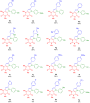
Scheme 3: Synthesis of 4a–m. Conditions: Pd(OAc)2 (5 mol %), DPEphos (5 mol %), K3PO4 (3 equiv), DMA, 100 °C,...

Figure 2: UV–vis absorption (left) and emission (right, λex = 300 nm) spectra of compounds 4a, 4j, 4k, 4l, an...
Synthesis and photoinduced switching properties of C7-heteroatom containing push–pull norbornadiene derivatives
- Daniel Krappmann and
- Andreas Hirsch
Beilstein J. Org. Chem. 2025, 21, 807–816, doi:10.3762/bjoc.21.64
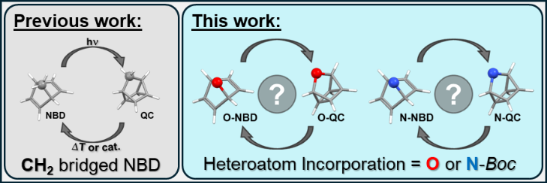
- a subsequent Suzuki cross-coupling reaction with (4-(diphenylamino)phenyl)boronic acid was performed. The reaction conditions were adapted from prior experiments with C-NBD1 [40] and further refined for the heterocyclic analogues. Optimal results were achieved using K2CO3, Pd(OAc)2 and RuPhos with
- %; furan, 45 °C, 24 h, 84%; N-Boc-pyrrol, 90 °C, 68 h, 53%; ii) (4-(diphenylamino)phenyl)boronic acid (1.2 equiv), K2CO3, Pd(OAc)2, RuPhos, 4:1 toluene/H2O, 80 °C , 18 h. Overview of the new NBD derivatives and the isomerization products (QCs) expected upon isomerization. Formation of N-QC1 and N-QC2 could

Graphical Abstract

Figure 1: Basic principle of the NBD to QC conversion and vice versa. The bridge-atom at position 7 was varie...

Scheme 1: Synthetic procedure towards new X-NBD derivatives C-NBD1, O-NBD1 and N-NBD1. 1-((Bromoethynyl)sulfo...

Figure 2: Conversion of O-NBD1 to O-QC1 using a 275 nm LED. The UV–vis spectrum was recorded in MeCN; b) the ...
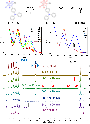
Figure 3: Rearrangement of O-NBD2 to O-QC2 using a 385 nm LED. The UV–vis measurement in the middle were cond...
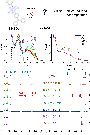
Figure 4: Rearrangement of N-NBD2 using a 385 nm LED. The UV–vis measurement in the middle were conducted in ...
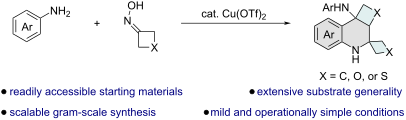
Copper-catalyzed domino cyclization of anilines and cyclobutanone oxime: a scalable and versatile route to spirotetrahydroquinoline derivatives
- Qingqing Jiang,
- Xinyi Lei,
- Pan Gao and
- Yu Yuan
Beilstein J. Org. Chem. 2025, 21, 749–754, doi:10.3762/bjoc.21.58
- 1, entry 3). When iron(II) sulfate (FeSO4) and iron trifluoromethanesulfonate (Fe(OTf)2) were used as the catalyst instead of copper(II) trifluoroacetate (Cu(TFA)2), the yields of the product were decreased (Table 1, entries 4 and 5). Using palladium(II) acetate (Pd(OAc)2) as the catalyst provided a

Graphical Abstract

Scheme 1: Synthetic strategies for the construction of spirotetrahydroquinoline (STHQ) scaffolds.

Scheme 2: Substrate scope. General reaction conditions: aniline 1 (0.2 mmol), 2 (0.4 mmol), and Cu(TFA)2 (0.0...

Scheme 3: Scale-up reaction.a

Scheme 4: Proposed mechanism.
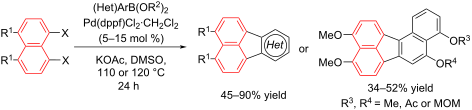
Synthesis of acenaphthylene-fused heteroarenes and polyoxygenated benzo[j]fluoranthenes via a Pd-catalyzed Suzuki–Miyaura/C–H arylation cascade
- Merve Yence,
- Dilgam Ahmadli,
- Damla Surmeli,
- Umut Mert Karacaoğlu,
- Sujit Pal and
- Yunus Emre Türkmen
Beilstein J. Org. Chem. 2024, 20, 3290–3298, doi:10.3762/bjoc.20.273
- that benzofuran adduct 15c was previously reported by Dyker to be obtained in only 10% yield when 12 was reacted with 10 equivalents of unsubstituted benzofuran, in the presence of 5 mol % of Pd(OAc)2 at 100 °C for 3 days [52]. The compatibility of five-membered nitrogen heterocycles with our

Graphical Abstract

Figure 1: Examples of important azafluoranthene and benzo[j]fluoranthene natural products, and acenaphthylene...

Scheme 1: Selected synthetic strategies towards heterocyclic fluoranthene analogues, and our approach.

Scheme 2: Synthesis of benzo[j]fluoranthene 18.

Scheme 3: Synthesis of benzo[j]fluoranthene 23.

Scheme 4: Synthesis of benzo[j]fluoranthene 28.
Intramolecular C–H arylation of pyridine derivatives with a palladium catalyst for the synthesis of multiply fused heteroaromatic compounds
- Yuki Nakanishi,
- Shoichi Sugita,
- Kentaro Okano and
- Atsunori Mori
Beilstein J. Org. Chem. 2024, 20, 3256–3262, doi:10.3762/bjoc.20.269
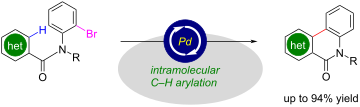
- Abstract The C–H arylation of 2-quinolinecarboxyamide bearing a C–Br bond at the N-aryl moiety is carried out with a palladium catalyst. The reaction proceeds at the C–H bond on the pyridine ring adjacent to the amide group in the presence of 10 mol % Pd(OAc)2 at 110 °C to afford the cyclized product in 42
- ), tetrabutylammonium bromide (31.7 mg, 0.098 mmol), Pd(OAc)2 (2.2 mg, 10 mol %), and triphenylphosphine (2.8 mg, 10 mol %). The mixture was dissolved in 3.1 mL of DMA and stirring was continued at 110 °C for 24 h. Then, water (3 mL) was added after cooling to room temperature. The product was extracted with

Graphical Abstract

Figure 1: Structures of multiply fused heterocyclic compounds composed of pyridine rings.

Scheme 1: Synthesis of C–H arylation precursors 1a–c.

Scheme 2: Palladium-catalyzed intramolecular direct arylation for synthesizing 8a and 8b and the X-ray crysta...
Hypervalent iodine-mediated intramolecular alkene halocyclisation
- Charu Bansal,
- Oliver Ruggles,
- Albert C. Rowett and
- Alastair J. J. Lennox
Beilstein J. Org. Chem. 2024, 20, 3113–3133, doi:10.3762/bjoc.20.258
- C‒F bond to give predominantly the trans product, but this pathway competes with a less favourable SN2 nucleophilic attack by fluorine to form the cis product. However, a mechanism entirely mediated by the I(III) HVI reagent, with the Pd(OAc)2 only acting as a Lewis acid to activate the HVI reagent

Graphical Abstract

Figure 1: Example bioactive compounds containing cyclic scaffolds potentially accessible by HVI chemistry.

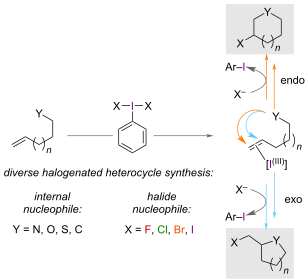
Figure 2: A general mechanism for HVI-mediated endo- or exo-halocyclisation.

Scheme 1: Metal-free synthesis of β-fluorinated piperidines 6. Ts = tosyl.

Scheme 2: Intramolecular aminofluorination of unactivated alkenes with a palladium catalyst.

Scheme 3: Aminofluorination of alkenes in the synthesis of enantiomerically pure β-fluorinated piperidines. P...

Scheme 4: Synthesis of β-fluorinated piperidines.

Scheme 5: Intramolecular fluoroaminations of unsaturated amines published by Li.

Scheme 6: Intramolecular aminofluorination of unsaturated amines using 1-fluoro-3,3-dimethylbenziodoxole (12)...
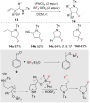
Scheme 7: 3-fluoropyrrolidine synthesis. aDiastereomeric ratio (cis/trans) determined by 19F NMR analysis.

Scheme 8: Kitamura’s synthesis of 3-fluoropyrrolidines. Values in parentheses represent the cis:trans ratio.
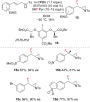
Scheme 9: Jacobsen’s enantio- and diastereoselective protocol for the synthesis of syn-β-fluoroaziridines 15.
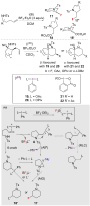
Scheme 10: Different HVI reagents lead to different diastereoselectivity in aminofluorination competing with c...
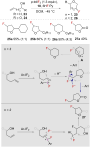
Scheme 11: Fluorocyclisation of unsaturated alcohols and carboxylic acids to make tetrahydrofurans, fluorometh...

Scheme 12: Oxyfluorination of unsaturated alcohols.
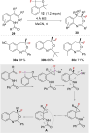
Scheme 13: Synthesis and mechanism of fluoro-benzoxazepines.
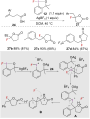
Scheme 14: Intramolecular fluorocyclisation of unsaturated carboxylic acids. Yield of isolated product within ...

Scheme 15: Synthesis of fluorinated tetrahydrofurans and butyrolactone.

Scheme 16: Synthesis of fluorinated oxazolines 32. aReaction time increased to 40 hours. Yields refer to isola...
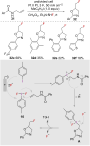
Scheme 17: Electrochemical synthesis of fluorinated oxazolines.

Scheme 18: Electrochemical synthesis of chromanes.

Scheme 19: Synthesis of fluorinated oxazepanes.
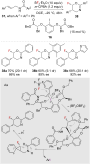
Scheme 20: Enantioselective oxy-fluorination with a chiral aryliodide catayst.
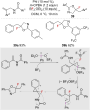
Scheme 21: Catalytic synthesis of 5‑fluoro-2-aryloxazolines using BF3·Et2O as a source of fluoride and an acti...

Scheme 22: Intramolecular carbofluorination of alkenes.

Scheme 23: Intramolecular chlorocyclisation of unsaturated amines.
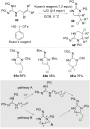
Scheme 24: Synthesis of chlorinated cyclic guanidines 44.
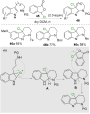
Scheme 25: Synthesis of chlorinated pyrido[2,3-b]indoles 46.

Scheme 26: Chlorolactonization and chloroetherification reactions.
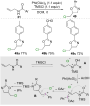
Scheme 27: Proposed mechanism for the synthesis of chloromethyl oxazolines 49.

Scheme 28: Oxychlorination to form oxazine and oxazoline heterocycles promoted by BCl3.

Scheme 29: Aminobromocyclisation of homoallylic sulfonamides 53. The cis:trans ratios based on the 1H NMR of t...
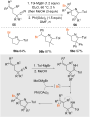
Scheme 30: Synthesis of cyclic imines 45.

Scheme 31: Synthesis of brominated pyrrolo[2,3-b]indoles 59.

Scheme 32: Bromoamidation of alkenes.

Scheme 33: Synthesis of brominated cyclic guanidines 61 and 61’.
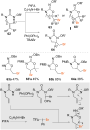
Scheme 34: Intramolecular bromocyclisation of N-oxyureas.
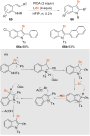
Scheme 35: The formation of 3-bromoindoles.

Scheme 36: Bromolactonisation of unsaturated acids 68.

Scheme 37: Synthesis of 5-bromomethyl-2-oxazolines.
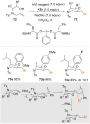
Scheme 38: Synthesis of brominated chiral morpholines.
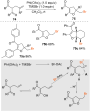
Scheme 39: Bromoenolcyclisation of unsaturated dicarbonyl groups.

Scheme 40: Brominated oxazines and oxazolines with BBr3.

Scheme 41: Synthesis of 5-bromomethtyl-2-phenylthiazoline.

Scheme 42: Intramolecular iodoamination of unsaturated amines.

Scheme 43: Formation of 3-iodoindoles.

Scheme 44: Iodoetherification of 2,2-diphenyl-4-penten-1-carboxylic acid (47’) and 2,2-diphenyl-4-penten-1-ol (...

Scheme 45: Synthesis of 5-iodomethyl-2-oxazolines.

Scheme 46: Synthesis of chiral iodinated morpholines. aFrom the ʟ-form of the amino acid starting material. Th...

Scheme 47: Iodoenolcyclisation of unsaturated dicarbonyl compounds 74.

Scheme 48: Synthesis of 5-iodomethtyl-2-phenylthiazoline (87).
Advances in radical peroxidation with hydroperoxides
- Oleg V. Bityukov,
- Pavel Yu. Serdyuchenko,
- Andrey S. Kirillov,
- Gennady I. Nikishin,
- Vera A. Vil’ and
- Alexander O. Terent’ev
Beilstein J. Org. Chem. 2024, 20, 2959–3006, doi:10.3762/bjoc.20.249
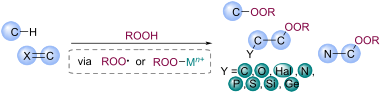
- )] [40]. Introduction of the tert-butylperoxy fragment into the allylic position of substituted cyclohexenes 6 was carried out using Pd(OAc)2 in ambient conditions (Scheme 5) [41]. The corresponding allylic peroxy ethers 7 were synthesized in 62–75% yields, the key intermediate was proposed to be L2Pd(OO

Graphical Abstract

Scheme 1: Organic peroxide initiators in polymer chemistry.

Scheme 2: Synthesis of organic peroxides.

Scheme 3: Richness of radical cascades with species formed from hydroperoxides in redox conditions.
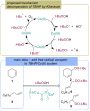
Scheme 4: Co-catalyzed allylic peroxidation of alkenes 1 and 3 by TBHP.

Scheme 5: Allylic peroxidation of alkenes 6 by Pd(II)TBHP.
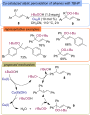
Scheme 6: Cu(I)-catalyzed allylic peroxidation.

Scheme 7: Enantioselective peroxidation of alkenes 10 with TBHP in the presence of copper(I) compounds.

Scheme 8: Oxidation of α-pinene (12) by the Cu(I)/TBHP system.

Scheme 9: Introduction of the tert-butylperoxy fragment into the α-position of cyclic ketones 15 and 17.
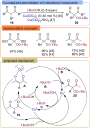
Scheme 10: α-Peroxidation of β-dicarbonyl compounds 19 using the Cu(II)/TBHP system.
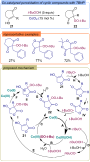
Scheme 11: Co-catalyzed peroxidation of cyclic compounds 21 with TBHP.

Scheme 12: Co-, Mn- and Fe-catalyzed peroxidation of 2-oxoindoles 23, barbituric acids 25, and 4-hydroxycoumar...

Scheme 13: Cu-catalyzed and metal-free peroxidation of barbituric acid derivatives 31 and 3,4-dihydro-1,4-benz...

Scheme 14: Electrochemical peroxidation of 1,3-dicarbonyl compounds 35.

Scheme 15: Peroxidation of β-dicarbonyl compounds, cyanoacetic esters and malonic esters 37 by the TBAI/TBHP s...
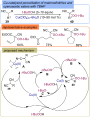
Scheme 16: Cu-catalyzed peroxidation of malonodinitriles and cyanoacetic esters 39 with TBHP.

Scheme 17: Mn-catalyzed remote peroxidation via trifluromethylation of double bond.

Scheme 18: Cu-catalyzed remote peroxidation via trifluromethylthiolation of double bond.

Scheme 19: Fe-, Mn-, and Ru-catalyzed peroxidation of alkylaromatics 45, 47, 49, and 51 with TBHP.

Scheme 20: Cu-catalyzed peroxidation of diphenylacetonitrile (53) with TBHP.
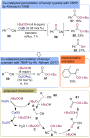
Scheme 21: Cu-catalyzed peroxidation of benzyl cyanides 60 with TBHP.
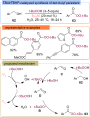
Scheme 22: Synthesis of tert-butylperoxy esters 63 from benzyl alcohols 62 using the TBAI/TBHP system.

Scheme 23: Enantioselective peroxidation of 2-phenylbutane (64) with TBHP and chiral Cu(I) complex.
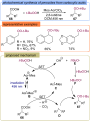
Scheme 24: Photochemical synthesis of peroxides 67 from carboxylic acids 66.
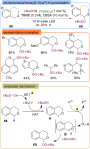
Scheme 25: Photochemical peroxidation of benzylic C(sp3)–H.

Scheme 26: Cu- and Ru-catalyzed peroxidation of alkylamines with TBHP.

Scheme 27: Peroxidation of amides 76 with the TBAI/TBHP system.
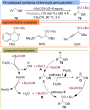
Scheme 28: Fe-catalyzed functionalization of ethers 78 with TBHP.

Scheme 29: Synthesis of 4-(tert-butylperoxy)-5-phenyloxazol-2(3H)-ones 82 from benzyl alcohols 80 and isocyana...

Scheme 30: Fe- and Co-catalyzed peroxidation of alkanes with TBHP.
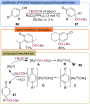
Scheme 31: Rh-catalyzed tert-butylperoxy dienone synthesis with TBHP.

Scheme 32: Rh- and Cu-catalyzed phenolic oxidation with TBHP.

Scheme 33: Metal-free peroxidation of phenols 94.

Scheme 34: Cu-catalyzed alkylation–peroxidation of acrylonitrile.

Scheme 35: Cu-catalyzed cycloalkylation–peroxidation of coumarins 99.

Scheme 36: Metal-free cycloalkylation–peroxidation of coumarins 102.

Scheme 37: Difunctionalization of indene 104 with tert-butylperoxy and alkyl groups.

Scheme 38: Acid-catalyzed radical addition of ketones (108, 111) and TBHP to alkenes 107 and acrylates 110.

Scheme 39: Cu-catalyzed alkylation–peroxidation of alkenes 113 with TBHP and diazo compounds 114.

Scheme 40: Cobalt(II)-catalyzed addition of TBHP and 1,3-dicarbonyl compound 116 to alkenes 117.

Scheme 41: Cu(0)- or Co(II)-catalyzed addition of TBHP and alcohols 120 to alkenes 119.

Scheme 42: Fe-catalyzed functionalization of allenes 122 with TBHP.

Scheme 43: Fe-catalyzed alkylation–peroxidation of alkenes 125 and 127.

Scheme 44: Fe- and Co-catalyzed alkylation–peroxidation of alkenes 130, 133 and 134 with TBHP and aldehydes as...
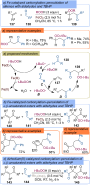
Scheme 45: Carbonylation–peroxidation of alkenes 137, 140, 143 with hydroperoxides and aldehydes.

Scheme 46: Carbamoylation–peroxidation of alkenes 146 with formamides and TBHP.

Scheme 47: TBAB-catalyzed carbonylation–peroxidation of alkenes.

Scheme 48: VOCl2-catalyzed carbonylation–peroxidation of alkenes 152.
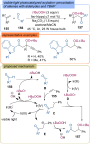
Scheme 49: Acylation–peroxidation of alkenes 155 with aldehydes 156 and TBHP using photocatalysis.
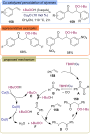
Scheme 50: Cu-catalyzed peroxidation of styrenes 158.

Scheme 51: Fe-catalyzed acylation-peroxidation of alkenes 161 with carbazates 160 and TBHP.

Scheme 52: Difunctionalization of alkenes 163, 166 with TBHP and (per)fluoroalkyl halides.

Scheme 53: Difunctionalization of alkenes 169 and 172 with hydroperoxides and sodium (per)fluoromethyl sulfina...
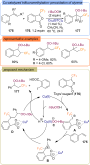
Scheme 54: Trifluoromethylation–peroxidation of styrenes 175 using MOF Cu3(BTC)2 as a catalyst.
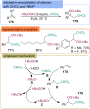
Scheme 55: Difunctionalization of alkenes 178 with tert-butylperoxy and dihalomethyl fragments.

Scheme 56: Difunctionalization of alkenes 180 with the tert-butylperoxy and dihalomethyl moieties.
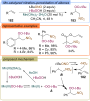
Scheme 57: The nitration–peroxidation of alkenes 182 with t-BuONO and TBHP.
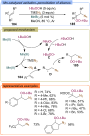
Scheme 58: Azidation–peroxidation of alkenes 184 with TMSN3 and TBHP.

Scheme 59: Co-catalyzed bisperoxidation of butadiene 186.

Scheme 60: Bisperoxidation of styrene (189) and acrylonitrile (192) with TBHP by Minisci.

Scheme 61: Mn-catalyzed synthesis of bis(tert-butyl)peroxides 195 from styrenes 194.

Scheme 62: Bisperoxidation of arylidene-9H-fluorenes 196 and 3-arylidene-2-oxoindoles 198 with TBHP under Mn-c...

Scheme 63: Synthesis of bisperoxides from styrenes 200 and 203 using the Ru and Rh catalysis.
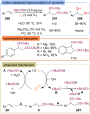
Scheme 64: Iodine-catalyzed bisperoxidation of styrenes 206.
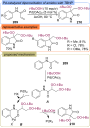
Scheme 65: Synthesis of di-tert-butylperoxyoxoindoles 210 from acrylic acid anilides 209 using a Pd(II)/TBHP o...

Scheme 66: Pinolation/peroxidation of styrenes 211 catalyzed by Cu(I).
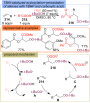
Scheme 67: TBAI-catalyzed acyloxylation–peroxidation of alkenes 214 with carboxylic acids and TBHP.

Scheme 68: Difunctionalization of alkenes 217 with TBHP and water or alcohols.

Scheme 69: TBAI-catalyzed hydroxyperoxidation of 1,3-dienes 220.

Scheme 70: Hydroxyperoxidation of 1,3-dienes 220.

Scheme 71: Iodination/peroxidation of alkenes 223 with I2 and hydroperoxides.

Scheme 72: The reactions of cyclic enol ethers 226 and 228 with I2/ROOH system.

Scheme 73: Synthesis of 1-(tert-butylperoxy)-2-iodoethanes 231.

Scheme 74: Synthesis of 1-iodo-2-(tert-butylperoxy)ethanes 233.
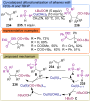
Scheme 75: Cu-catalyzed phosphorylation–peroxidation of alkenes 234.
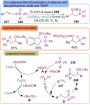
Scheme 76: Co-catalyzed phosphorylation–peroxidation of alkenes 237.
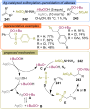
Scheme 77: Ag-catalyzed sulfonylation–peroxidation of alkenes 241.

Scheme 78: Co-catalyzed sulfonylation–peroxidation of alkenes 244.

Scheme 79: Synthesis of α/β-peroxysulfides 248 and 249 from styrenes 247.

Scheme 80: Cu-catalyzed trifluoromethylthiolation–peroxidation of alkenes 250 and allenes 252.

Scheme 81: Photocatalytic sulfonyl peroxidation of alkenes 254 via deamination of N-sulfonyl ketimines 255.

Scheme 82: Photoredox-catalyzed 1,4-peroxidation–sulfonylation of enynones 257.

Scheme 83: Cu-catalyzed silylperoxidation of α,β-unsaturated compounds 260 and enynes 261.

Scheme 84: Fe-catalyzed silyl peroxidation of alkenes.

Scheme 85: Cu-catalyzed germyl peroxidation of alkenes 267.
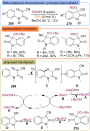
Scheme 86: TBAI-catalyzed intramolecular cyclization of diazo compounds 269 with further peroxidation.

Scheme 87: Co-catalyzed three-component coupling of benzamides 271, diazo compounds 272 and TBHP.

Scheme 88: Co-catalyzed esterification-peroxidation of diazo compounds 274 with TBHP and carboxylic acids 275.

Scheme 89: Cu-catalyzed alkylation–peroxidation of α-carbonylimines 277 or ketones 280.

Scheme 90: Mn-catalyzed ring-opening peroxidation of cyclobutanols 282 with TBHP.

Scheme 91: Peroxycyclization of tryptamines 284 with TBHP.

Scheme 92: Radical cyclization–peroxidation of homotryptamines 287.
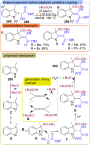
Scheme 93: Iodine-catalyzed oxidative coupling of indoles 288, cyanoacetic esters and TBHP.

Scheme 94: Summary of metal-catalyzed peroxidation processes.
A review of recent advances in electrochemical and photoelectrochemical late-stage functionalization classified by anodic oxidation, cathodic reduction, and paired electrolysis
- Nian Li,
- Ruzal Sitdikov,
- Ajit Prabhakar Kale,
- Joost Steverlynck,
- Bo Li and
- Magnus Rueping
Beilstein J. Org. Chem. 2024, 20, 2500–2566, doi:10.3762/bjoc.20.214
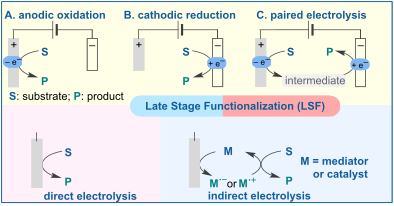
- molecules. 1.3.6 Pd-assisted anodic oxidation. In 2023, Ackermann and coworkers reported a Pd-catalyzed anodic oxidation for the alkenylation of arenes without the need for directing groups [57]. Using Pd(OAc)2 as the catalyst, 2-methyl-2-(phenylthio)propanoic acid as the ligand, and 1,4-benzoquinone (BQ

Graphical Abstract

Figure 1: Classification of LSF reactions in this review.

Scheme 1: C(sp2)–H trifluoromethylation of heteroarenes.
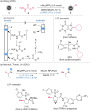
Scheme 2: C(sp2)–H and C(sp3)–H alkylation of complex molecules.

Scheme 3: Electrochemical oxidation-induced intermolecular aromatic C–H sulfonamidation.

Scheme 4: Bioconjugation of tyrosine with (a) phenothiazine and (b) urazole derivatives.

Scheme 5: Electrochemical iodoamination of indoles using unactivated amines.

Scheme 6: Allylic C(sp3)–H aminations with sulfonamides.

Scheme 7: Electrochemical benzylic oxidation of C–H bonds.
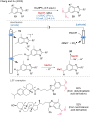
Scheme 8: Site-selective electrooxidation of methylarenes to aromatic acetals.

Scheme 9: Electrochemical activation of C–H by electron-deficient W2C nanocrystals.

Scheme 10: α-Acyloxy sulfide preparation via C–H/OH cross-dehydrogenative coupling.

Scheme 11: Aromatic C–H-bond thiolation.

Scheme 12: C(sp2)–H functionalization for the installation of sulfonamide groups.

Scheme 13: Preparation of (hetero)aryl chlorides and vinyl chloride with 1,2-dichloroethane. aCu(OAc)2 (0.05 e...

Scheme 14: Electrochemical dual-oxidation enables access to α-chlorosulfoxides.

Scheme 15: Regio- and chemoselective formyloxylation–bromination/chlorination/trifluoromethylation of alkenes.

Scheme 16: Aziridine formation by coupling amines and alkenes.

Scheme 17: Formation of iminosulfide ethers via difunctionalization of an isocyanide.

Scheme 18: Synthesis of 1,3-difunctionalized molecules via C–C-bond cleavage of arylcyclopropane.

Scheme 19: Electrooxidative amino- and oxyselenation of alkenes. VBImBr = 1-butyl-3-vinylimidazolium bromide.

Scheme 20: Electrooxidative dehydrogenative [4 + 2] annulation of indole derivatives.

Scheme 21: Electrochemical cyclization combined with alkoxylation of triticonazole.

Scheme 22: Electrochemically tuned oxidative [4 + 2] annulation of olefins with hydroxamic acids.

Scheme 23: Electrosynthesis of indole derivatives via cyclization of 2-ethynylanilines.

Scheme 24: Allylic C–H oxidation of mono-, di-, and sesquiterpenes.

Scheme 25: Oxidation of unactivated C–H bonds.

Scheme 26: Fluorination of C(sp3)–H bonds. rAP = rapid alternating polarity.

Scheme 27: C(sp3)–H α-cyanation of secondary piperidines.
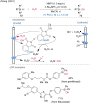
Scheme 28: Selective electrochemical hydrolysis of hydrosilanes to silanols.

Scheme 29: Organocatalytic electrochemical amination of benzylic C–H bonds.

Scheme 30: Iodide ion-initiated anodic oxidation reactions.

Scheme 31: Mn(III/IV) electro-catalyzed C(sp3)–H azidation.
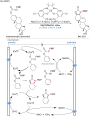
Scheme 32: Tailored cobalt–salen complexes enable electrocatalytic intramolecular allylic C–H functionalizatio...

Scheme 33: Cobalt–salen complexes-induced electrochemical (cyclo)additions.

Scheme 34: Electrochemical 1,2-diarylation of alkenes enabled by direct dual C–H functionalization of electron...

Scheme 35: Cobalt-electrocatalyzed atroposelective C–H annulation.

Scheme 36: Nickel-electrocatalyzed C(sp2)–H alkoxylation with secondary alcohols.

Scheme 37: Nickel-catalyzed electrochemical enantioselective amination.
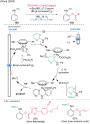
Scheme 38: Ruthenium-electrocatalyzed C(sp2)–H mono- and diacetoxylation.
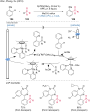
Scheme 39: Rhodium(III)-catalyzed aryl-C–H phosphorylation enabled by anodic oxidation-induced reductive elimi...

Scheme 40: Asymmetric Lewis-acid catalysis for the synthesis of non-racemic 1,4-dicarbonyl compounds.

Scheme 41: Electrochemical enantioselective C(sp3)–H alkenylation.

Scheme 42: Palladium-catalyzed electrochemical dehydrogenative cross-coupling.
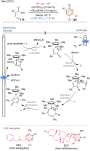
Scheme 43: Ir-electrocatalyzed vinylic C(sp2)–H activation for the annulation between acrylic acids and alkyne...

Scheme 44: Electrochemical gold-catalyzed C(sp3)–C(sp) coupling of alkynes and arylhydrazines.

Scheme 45: Photoelectrochemical alkylation of C–H heteroarenes using organotrifluoroborates.

Scheme 46: Mn-catalyzed photoelectro C(sp3)–H azidation.

Scheme 47: Photoelectrochemical undirected C–H trifluoromethylations of (Het)arenes.

Scheme 48: Photoelectrochemical dehydrogenative cross-coupling of heteroarenes with aliphatic C–H bonds.
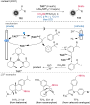
Scheme 49: C–H amination via photoelectrochemical Ritter-type reaction.

Scheme 50: Photoelectrochemical multiple oxygenation of C–H bonds.

Scheme 51: Accelerated C(sp3)–H heteroarylations by the f-EPC system.

Scheme 52: Photoelectrochemical cross-coupling of amines.

Scheme 53: Birch electroreduction of arenes. GSW = galvanized steel wire.

Scheme 54: Electroreductive deuterations.

Scheme 55: Chemoselective electrosynthesis using rapid alternating polarity.

Scheme 56: Electroreductive olefin–ketone coupling.

Scheme 57: Electroreductive approach to radical silylation.

Scheme 58: Electrochemical borylation of alkyl halides. CC = carbon close.

Scheme 59: Radical fluoroalkylation of alkenes.
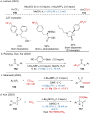
Scheme 60: Electrochemical defluorinative hydrogenation/carboxylation.

Scheme 61: Electrochemical decarboxylative olefination.

Scheme 62: Electrochemical decarboxylative Nozaki–Hiyama–Kishi coupling.
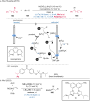
Scheme 63: Nickel-catalyzed electrochemical reductive relay cross-coupling.

Scheme 64: Electrochemical chemo- and regioselective difunctionalization of 1,3-enynes.

Scheme 65: Electrocatalytic doubly decarboxylative crosscoupling.

Scheme 66: Electrocatalytic decarboxylative crosscoupling with aryl halides.

Scheme 67: Nickel-catalyzed electrochemical reductive coupling of halides.

Scheme 68: Nickel-electrocatalyzed enantioselective carboxylation with CO2.

Scheme 69: Reductive electrophotocatalysis for borylation.
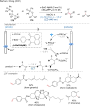
Scheme 70: Electromediated photoredox catalysis for selective C(sp3)–O cleavages of phosphinated alcohols to c...

Scheme 71: Stereoselective electro-2-deoxyglycosylation from glycals. MFE = methyl nonafluorobutyl ether.

Scheme 72: Electrochemical peptide modifications.

Scheme 73: Electrochemical α-deuteration of amides.

Scheme 74: Electrochemical synthesis of gem-diselenides.

Scheme 75: Site-selective electrochemical aromatic C–H amination.

Scheme 76: Electrochemical coupling of heteroarenes with heteroaryl phosphonium salts.
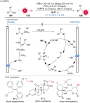
Scheme 77: Redox-neutral strategy for the dehydroxyarylation reaction.
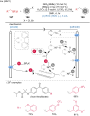
Scheme 78: Nickel-catalyzed electrochemical C(sp3)–C(sp2) cross-coupling of benzyl trifluoroborate and halides....
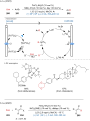
Scheme 79: Paired electrocatalysis for C(sp3)–C(sp2) coupling.

Scheme 80: Redox-neutral strategy for amination of aryl bromides.

Scheme 81: Redox-neutral cross-coupling of aryl halides with weak N-nucleophiles. aProtocol with (+) RVC | RVC...

Scheme 82: Nickel-catalyzed N-arylation of NH-sulfoximines with aryl halides.

Scheme 83: Esterification of carboxylic acids with aryl halides.

Scheme 84: Electrochemically promoted nickel-catalyzed carbon–sulfur-bond formation. GFE = graphite felt elect...

Scheme 85: Electrochemical deoxygenative thiolation by Ni-catalysis. GFE = graphite felt electrode; NFE = nick...
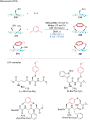
Scheme 86: Electrochemical coupling of peptides with aryl halides.

Scheme 87: Paired electrolysis for the phosphorylation of aryl halides. GFE = graphite felt electrode, FNE = f...

Scheme 88: Redox-neutral alkoxyhalogenation of alkenes.
Multicomponent syntheses of pyrazoles via (3 + 2)-cyclocondensation and (3 + 2)-cycloaddition key steps
- Ignaz Betcke,
- Alissa C. Götzinger,
- Maryna M. Kornet and
- Thomas J. J. Müller
Beilstein J. Org. Chem. 2024, 20, 2024–2077, doi:10.3762/bjoc.20.178

- as [MCM-41-2N-Pd(OAc)2] [130] and Pd-SH-silica bound catalysts [131] have also been successfully employed in this three-component pyrazole synthesis. Interestingly, the latter catalyst system does not require a copper cocatalyst. Tang's research group further extended polymer synthesis by using the

Graphical Abstract

Scheme 1: Consecutive three-component synthesis of pyrazoles 1 via in situ-formed 1,3-diketones 2 [44].

Scheme 2: Consecutive three-component synthesis of 4-ethoxycarbonylpyrazoles 5 via SmCl3-catalyzed acylation ...

Scheme 3: Consecutive four-component synthesis of 1-(thiazol-2-yl)pyrazole-3-carboxylates 8 [51].

Scheme 4: Three-component synthesis of thiazolylpyrazoles 17 via in situ formation of acetoacetylcoumarins 18 ...

Scheme 5: Consecutive pseudo-four-component and four-component synthesis of pyrazoles 21 from sodium acetylac...

Scheme 6: Consecutive three-component synthesis of 1-substituted pyrazoles 24 from boronic acids, di(Boc)diim...

Scheme 7: Consecutive three-component synthesis of N-arylpyrazoles 25 via in situ formation of aryl-di(Boc)hy...

Scheme 8: Consecutive three-component synthesis of 1,3,4-substituted pyrazoles 27 and 28 from methylhydrazine...

Scheme 9: Consecutive three-component synthesis of 4-allylpyrazoles 32 via oxidative allylation of 1,3-dicarb...

Scheme 10: Pseudo-five-component synthesis of tris(pyrazolyl)methanes 35 [61].

Scheme 11: Pseudo-three-component synthesis of 5-(indol-3-yl)pyrazoles 39 from 1,3,5-triketones 38 [64].

Scheme 12: Three-component synthesis of thiazolylpyrazoles 43 [65].

Scheme 13: Three-component synthesis of triazolo[3,4-b]-1,3,4-thiadiazin-3-yl substituted 5-aminopyrazoles 47 [67]....

Scheme 14: Consecutive three-component synthesis of 5-aminopyrazoles 49 via formation of β-oxothioamides 50 [68].
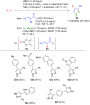
Scheme 15: Synthesis of 3,4-biarylpyrazoles 52 from aryl halides, α-bromocinnamaldehyde, and tosylhydrazine vi...

Scheme 16: Consecutive three-component synthesis of 3,4-substituted pyrazoles 57 from iodochromones 55 by Suzu...

Scheme 17: Pseudo-four-component synthesis of pyrazolyl-2-pyrazolines 59 by ring opening/ring closing cyclocon...

Scheme 18: Consecutive three-component synthesis of pyrazoles 61 [77].

Scheme 19: Three-component synthesis of pyrazoles 62 from malononitrile, aldehydes, and hydrazines [78-90].

Scheme 20: Four-component synthesis of pyrano[2,3-c]pyrazoles 63 [91].

Scheme 21: Three-component synthesis of persubstituted pyrazoles 65 from aldehydes, β-ketoesters, and hydrazin...

Scheme 22: Three-component synthesis of pyrazol-4-carbodithioates 67 [100].

Scheme 23: Regioselective three-component synthesis of persubstituted pyrazoles 68 catalyzed by ionic liquid [...

Scheme 24: Consecutive three-component synthesis of 4-halopyrazoles 69 and anellated pyrazoles 70 [102].

Scheme 25: Three-component synthesis of 2,2,2-trifluoroethyl pyrazole-5-carboxylates 72 [103].

Scheme 26: Synthesis of pyrazoles 75 in a one-pot process via carbonylative Heck coupling and subsequent cycli...

Scheme 27: Copper-catalyzed three-component synthesis of 1,3-substituted pyrazoles 76 [105].

Scheme 28: Pseudo-three-component synthesis of bis(pyrazolyl)methanes 78 by ring opening-ring closing cyclocon...

Scheme 29: Three-component synthesis of 1,4,5-substituted pyrazoles 80 [107].

Scheme 30: Consecutive three-component synthesis of 3,5-bis(fluoroalkyl)pyrazoles 83 [111].

Scheme 31: Consecutive three-component synthesis of difluoromethanesulfonyl-functionalized pyrazole 88 [114].

Scheme 32: Consecutive three-component synthesis of perfluoroalkyl-substituted fluoropyrazoles 91 [115].

Scheme 33: Regioselective consecutive three-component synthesis of 1,3,5-substituted pyrazoles 93 [116].

Scheme 34: Three-component synthesis of pyrazoles 96 mediated by trimethyl phosphite [117].

Scheme 35: One-pot synthesis of pyrazoles 99 via Liebeskind–Srogl cross-coupling/cyclocondensation [118].

Scheme 36: Synthesis of 1,3,5-substituted pyrazoles 101 via domino condensation/Suzuki–Miyaura cross-coupling ...

Scheme 37: Consecutive three-component synthesis of 1,3,5-trisubstituted pyrazoles 102 and 103 by Sonogashira ...

Scheme 38: Polymer analogous consecutive three-component synthesis of pyrazole-based polymers 107 [132].

Scheme 39: Synthesis of 1,3,5-substituted pyrazoles 108 by sequentially Pd-catalyzed Kumada–Sonogashira cycloc...

Scheme 40: Consecutive four-step one-pot synthesis of 1,3,4,5-substituted pyrazoles 110 [137].

Scheme 41: Four-component synthesis of pyrazoles 113, 115, and 117 via Sonogashira coupling and subsequent Suz...

Scheme 42: Consecutive four- or five-component synthesis for the preparation of 4-pyrazoly-1,2,3-triazoles 119...

Scheme 43: Four-component synthesis of pyrazoles 121 via alkynone formation by carbonylative Pd-catalyzed coup...

Scheme 44: Preparation of 3-azulenyl pyrazoles 124 by glyoxylation, decarbonylative Sonogashira coupling, and ...

Scheme 45: Four-component synthesis of a 3-indoloylpyrazole 128 [147].

Scheme 46: Two-step synthesis of 5-acylpyrazoles 132 via glyoxylation-Stephen–Castro sequence and subsequent c...

Scheme 47: Copper on iron mediated consecutive three-component synthesis of 3,5-substituted pyrazoles 136 [150].

Scheme 48: Consecutive three-component synthesis of 3-substituted pyrazoles 141 by Sonogashira coupling and su...

Scheme 49: Consecutive three-component synthesis of pyrazoles 143 initiated by Cu(I)-catalyzed carboxylation o...

Scheme 50: Consecutive three-component synthesis of benzamide-substituted pyrazoles 146 starting from N-phthal...

Scheme 51: Consecutive three-component synthesis of 1,3,5-substituted pyrazoles 148 [156].

Scheme 52: Three-component synthesis of 4-ninhydrin-substituted pyrazoles 151 [158].

Scheme 53: Consecutive four-component synthesis of 4-(oxoindol)-1-phenylpyrazole-3-carboxylates 155 [159].

Scheme 54: Three-component synthesis of pyrazoles 160 [160].

Scheme 55: Consecutive three-component synthesis of pyrazoles 165 [162].

Scheme 56: Consecutive three-component synthesis of 3,5-disubstituted and 3-substituted pyrazoles 168 and 169 ...

Scheme 57: Three-component synthesis of 3,4,5-substituted pyrazoles 171 via 1,3-dipolar cycloaddition of vinyl...

Scheme 58: Three-component synthesis of pyrazoles 173 and 174 from aldehydes, tosylhydrazine, and vinylidene c...

Scheme 59: Three-component synthesis of pyrazoles 175 from glyoxyl hydrates, tosylhydrazine, and electron-defi...

Scheme 60: Pseudo-four-component synthesis of pyrazoles 177 from glyoxyl hydrates, tosylhydrazine, and aldehyd...

Scheme 61: Consecutive three-component synthesis of pyrazoles 179 via Knoevenagel-cycloaddition sequence [179].

Scheme 62: Three-component synthesis of 5-dimethylphosphonate substituted pyrazoles 182 from aldehydes, the Be...

Scheme 63: Consecutive three-component synthesis of 5-(dimethyl phosphonate)-substituted pyrazoles 185 from al...

Scheme 64: Three-component synthesis of 5-(dimethyl phosphonate)-substituted pyrazoles 187 from aldehydes, the...

Scheme 65: Three-component synthesis of 5-diethylphosphonate/5-phenylsulfonyl substituted pyrazoles 189 from a...

Scheme 66: Pseudo-three-component synthesis of 3-(dimethyl phosphonate)-substituted pyrazoles 190 [185].

Scheme 67: Three-component synthesis of 3-trifluoromethylpyrazoles 193 [186].

Scheme 68: Consecutive three-component synthesis of 5-stannyl-substituted 4-fluoropyrazole 197 [191,192].

Scheme 69: Pseudo-three-component synthesis of 3,5-diacyl-4-arylpyrazoles 199 [195].

Scheme 70: Three-component synthesis of pyrazoles 204 via nitrilimines [196].

Scheme 71: Three-component synthesis of 1,3,5-substituted pyrazoles 206 via formation of nitrilimines and sali...

Scheme 72: Pseudo four-component synthesis of pyrazoles 209 from acetylene dicarboxylates 147, hydrazonyl chlo...

Scheme 73: Consecutive three-component synthesis of pyrazoles 213 via syndnones 214 [200].

Scheme 74: Consecutive three-component synthesis of pyrazoles 216 via in situ-formed diazomethinimines 217 [201].

Scheme 75: Consecutive three-component synthesis of 3-methylthiopyrazoles 219 from aldehydes, hydrazine, and 1...

Scheme 76: Three-component synthesis of 1,3,5-substituted pyrazoles 220 from aldehydes, hydrazines, and termin...

Scheme 77: Three-component synthesis of 1,3,4,5-substituted pyrazoles 222 from aldehydes, hydrazines, and DMAD ...

Scheme 78: Pseudo three-component synthesis of pyrazoles 224 from sulfonyl hydrazone and benzyl acrylate under...

Scheme 79: Titanium-catalyzed consecutive four-component synthesis of pyrazoles 225 via enamino imines 226 [211]. a...

Scheme 80: Titanium-catalyzed three-component synthesis of pyrazoles 227 via enhydrazino imine complex interme...

Scheme 81: Pseudo-three-component synthesis of pyrazoles 229 via Glaser coupling of terminal alkynes and photo...

Scheme 82: Copper(II)acetate-mediated three-component synthesis of pyrazoles 232 [216].

Scheme 83: Copper-catalyzed three-component synthesis of 1,3,4-substituted pyrazole 234 from oxime acetates, a...

Scheme 84: Three-component synthesis of 3-trifluoroethylpyrazoles 239 [218].

Scheme 85: Pseudo-three-component synthesis of 1,4-bisulfonyl-substituted pyrazoles 242 [219].

Scheme 86: Three-component synthesis of 4-hydroxypyrazole 246 [221].
1,2-Difluoroethylene (HFO-1132): synthesis and chemistry
- Liubov V. Sokolenko,
- Taras M. Sokolenko and
- Yurii L. Yagupolskii
Beilstein J. Org. Chem. 2024, 20, 1955–1966, doi:10.3762/bjoc.20.171

- ) [101][102]. Our group attempted to use (E/Z)-1,2-difluoroethylene in a Heck reaction [78]. The experiments were performed using 4-iodotoluene or methyl 4-iodobenzoate in DMF, Pd(OAc)2 as a catalyst, and Et3N as a base (Scheme 25). The reactions were carried out in a stainless steel autoclave at 120 °C

Graphical Abstract

Scheme 1: 1,2-Difluoroethylene synthesis from HFO-1123.

Scheme 2: 1,2-Difluoroethylene synthesis from CFC-112 and HCFC-132.

Scheme 3: 1,2-Difluoroethylene synthesis from HFC-143.

Scheme 4: 1,2-Difluoroethylene synthesis from HCFC-142 via HCFC-142a.

Scheme 5: 1,2-Difluoroethylene synthesis from CFO-1112.

Scheme 6: 1,2-Difluoroethylene synthesis from 1,2-dichloroethylene.

Scheme 7: 1,2-Difluoroethylene synthesis from perfluoropropyl vinyl ether.

Scheme 8: Deuteration reaction of 1,2-difluoroethylene.

Scheme 9: Halogen addition to 1,2-difluoroethylene.

Scheme 10: Hypohalite addition to 1,2-difluoroethylene.

Scheme 11: N-Bromobis(trifluoromethyl)amine addition to 1,2-difluoroethylene.

Scheme 12: N-Chloroimidobis(sulfonyl fluoride) addition to 1,2-difluoroethylene.

Scheme 13: Trichlorosilane addition to 1,2-difluoroethylene.

Scheme 14: SF5Br addition to 1,2-difluoroethylene.

Scheme 15: PCl3/O2 addition to 1,2-difluoroethylene.

Scheme 16: Reaction of tetramethyldiarsine with 1,2-difluoroethylene.

Scheme 17: Reaction of trichlorofluoromethane with 1,2-difluoroethylene.

Scheme 18: Addition of perfluoroalkyl iodides to 1,2-difluoroethylene.

Scheme 19: Cyclopropanation of 1,2-difluoroethylene.

Scheme 20: Diels–Alder reaction of 1,2-difluoroethylene and hexachlorocyclopentadiene.

Scheme 21: Cycloaddition reaction of 1,2-difluoroethylene and fluorinated ketones.

Scheme 22: Cycloaddition reaction of 1,2-difluoroethylene and perfluorinated aldehydes.

Scheme 23: Photochemical cycloaddition of 1,2-difluoroethylene and hexafluorodiacetyl.

Scheme 24: Reaction of 1,2-difluoroethylene with difluorosilylene.

Scheme 25: Reaction of 1,2-difluoroethylene with aryl iodides.
The Groebke–Blackburn–Bienaymé reaction in its maturity: innovation and improvements since its 21st birthday (2019–2023)
- Cristina Martini,
- Muhammad Idham Darussalam Mardjan and
- Andrea Basso
Beilstein J. Org. Chem. 2024, 20, 1839–1879, doi:10.3762/bjoc.20.162
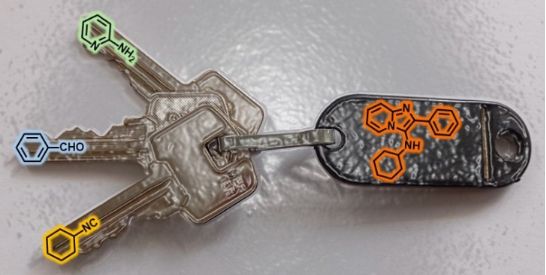

Graphical Abstract

Scheme 1: Mechanism of the GBB reaction.

Scheme 2: Comparison of the performance of Sc(OTf)3 with some RE(OTf)3 in a model GBB reaction. Conditions: a...

Scheme 3: Comparison of the performance of various Brønsted acid catalysts in the synthesis of GBB adduct 6. ...

Scheme 4: Synthesis of Brønsted acidic ionic liquid catalyst 7. Conditions: a) neat, 60 °C, 24 h; b) TfOH, DC...

Scheme 5: Aryliodonium derivatives as organic catalysts in the GBB reaction. In the box the proposed binding ...

Scheme 6: DNA-encoded GBB reaction in micelles made of amphiphilic polymer 13. Conditions: a) 13 (50 equiv), ...

Scheme 7: GBB reaction catalyzed by cyclodextrin derivative 14. Conditions: a) 14 (1 mol %), water, 100 °C, 4...

Scheme 8: Proposed mode of activation of CALB. a) activation of the substrates; b) activation of the imine; c...

Scheme 9: One-pot GBB reaction–Suzuki coupling with a bifunctional hybrid biocatalyst. Conditions: a) Pd(0)-C...

Scheme 10: GBB reaction employing 5-HMF (23) as carbonyl component. Conditions: a) TFA (20 mol %), EtOH, 60 °C...

Scheme 11: GBB reaction with β-C-glucopyranosyl aldehyde 26. Conditions: a) InCl3 (20 mol %), MeOH, 70 °C, 2–3...

Scheme 12: GBB reaction with diacetylated 5-formyldeoxyuridine 29, followed by deacetylation of GBB adduct 30....

Scheme 13: GBB reaction with glycal aldehydes 32. Conditions: a) HFIP, 25 °C, 2–4 h.

Scheme 14: Vilsmeier–Haack formylation of 6-β-acetoxyvouacapane (34) and subsequent GBB reaction. Conditions: ...

Scheme 15: GBB reaction of 4-formlyl-PCP 37. Conditions: a) HOAc or HClO4, MeOH/DCM (2:3), rt, 3 d.

Scheme 16: GBB reaction with HexT-aldehyde 39. Conditions: a) 39 (20 nmol) and amidine (20 μmol), MeOH, rt, 6 ...

Scheme 17: GBB reaction of 2,4-diaminopirimidine 41. Conditions: a) Sc(OTf)3 (20 mol %), MeCN, 120 °C (MW), 1 ...

Scheme 18: Synthesis of N-edited guanine derivatives from 3,6-diamine-1,2,4-triazin-5-one 44. Conditions: a) S...

Scheme 19: Synthesis of 2-aminoimidazoles 49 by a Mannich-3CR followed by a one-pot intramolecular oxidative a...

Scheme 20: On DNA Suzuki–Miyaura reaction followed by GBB reaction. Conditions: a) CsOH, sSPhos-Pd-G2; b) AcOH...

Scheme 21: One-pot cascade synthesis of 5-iminoimidazoles. Conditions: a) Na2SO4, DMF, 220 °C (MW).

Scheme 22: GBB reaction of 5-amino-1H-imidazole-4-carbonile 57. Conditions: a) HClO4 (5 mol %), MeOH, rt, 24 h....

Scheme 23: One-pot cascade synthesis of indole-imidazo[1,2,a]pyridine hybrids. In blue the structural motif in...

Scheme 24: One-pot cascade synthesis of fused polycyclic indoles 67 or 69 from indole-3-carbaldehyde. Conditio...

Scheme 25: One-pot cascade synthesis of linked- and bridged polycyclic indoles from indole-2-carbaldehyde (70)...

Scheme 26: One-pot cascade synthesis of pentacyclic dihydroisoquinolines (X = N or CH). In blue the structural...

Scheme 27: One-pot stepwise synthesis of imidazopyridine-fused benzodiazepines 85. Conditions: a) p-TsOH (20 m...

Scheme 28: One-pot stepwise synthesis of benzoxazepinium-fused imidazothiazoles 89. Conditions: a) Yb(OTf)3 (2...

Scheme 29: One-pot stepwise synthesis of fused imidazo[4,5,b]pyridines 95. Conditions: a) HClO4, MeOH, rt, ove...

Scheme 30: Synthesis of heterocyclic polymers via the GBB reaction. Conditions: a) p-TsOH, EtOH, 70 °C, 24 h.
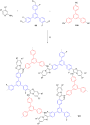
Scheme 31: One-pot multicomponent reaction towards the synthesis of covalent organic frameworks via the GBB re...
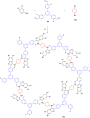
Scheme 32: One-pot multicomponent reaction towards the synthesis of covalent organic frameworks via the GBB re...

Scheme 33: GBB-like multicomponent reaction towards the synthesis of benzothiazolpyrroles (X = S) and benzoxaz...

Scheme 34: GBB-like multicomponent reaction towards the formation of imidazo[1,2,a]pyridines. Conditions: a) I2...

Scheme 35: Post-functionalization of GBB products via Ugi reaction. Conditions a) HClO4, DMF, rt, 24 h; b) MeO...

Scheme 36: Post-functionalization of GBB products via Click reaction. Conditions: a) solvent-free, 150 °C, 24 ...

Scheme 37: Post-functionalization of GBB products via cascade alkyne–allene isomerization–intramolecular nucle...

Scheme 38: Post-functionalization of GBB products via metal-catalyzed intramolecular N-arylation. In red and b...

Scheme 39: Post-functionalization of GBB products via isocyanide insertion (X = N or CH). Conditions: a) HClO4...

Scheme 40: Post-functionalization of GBB products via intramolecular nucleophilic addition to nitriles. Condit...

Scheme 41: Post-functionalization of GBB products via Pictet–Spengler cyclization. Conditions: a) 4 N HCl/diox...

Scheme 42: Post-functionalization of GBB products via O-alkylation. Conditions: a) TFA (20 mol %), EtOH, 120 °...

Scheme 43: Post-functionalization of GBB products via macrocyclization (X = -CH2CH2O-, -CH2-, -(CH2)4-). Condi...
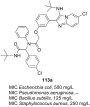
Figure 1: Antibacterial activity of GBB-Ugi adducts 113 on both Gram-negative and Gram-positive strains.

Scheme 44: GBB multicomponent reaction using trimethoprim as the precursor. Conditions: a) Yb(OTf)3 or Y(OTf)3...

Figure 2: Antibacterial activity of GBB adducts 152 against MRSA and VRE; NA = not available.

Figure 3: Antibacterial activity of GBB adduct 153 against Leishmania amazonensis promastigotes and amastigot...

Figure 4: Antiviral and anticancer evaluation of the GBB adducts 154a and 154b. In vitro antiproliferative ac...

Figure 5: Anticancer activity of the GBB-furoxan hybrids 145b, 145c and 145d determined through antiprolifera...

Scheme 45: Synthesis and anticancer activity of the GBB-gossypol conjugates. Conditions: a) Sc(OTf)3 (10 mol %...

Figure 6: Anticancer activity of polyheterocycles 133a and 136a against human neuroblastoma. Clonogenic assay...

Figure 7: Development of GBB-adducts 158a and 158b as PD-L1 antagonists. HTRF assays were carried out against...

Figure 8: Development of imidazo[1,2-a]pyridines and imidazo[1,2-a]pyrazines as TDP1 inhibitors. The SMM meth...

Figure 9: GBB adducts 164a–c as anticancer through in vitro HDACs inhibition assays. Additional cytotoxic ass...

Figure 10: GBB adducts 165, 166a and 166b as anti-inflammatory agents through HDAC6 inhibition; NA = not avail...

Scheme 46: GBB reaction of triphenylamine 167. Conditions: a) NH4Cl (10 mol %), MeOH, 80 °C (MW), 1 h.

Scheme 47: 1) Modified GBB-3CR. Conditions: a) TMSCN (1.0 equiv), Sc(OTf)3 (0.2 equiv), MeOH, 140 °C (MW), 20 ...

Scheme 48: GBB reaction to assemble imidazo-fused heterocycle dimers 172. Conditions: a) Sc(OTf)3 (20 mol %), ...

Figure 11: Model compounds 173 and 174, used to study the acid/base-triggered reversible fluorescence response...
Synthesis and optical properties of bis- and tris-alkynyl-2-trifluoromethylquinolines
- Stefan Jopp,
- Franziska Spruner von Mertz,
- Peter Ehlers,
- Alexander Villinger and
- Peter Langer
Beilstein J. Org. Chem. 2024, 20, 1246–1255, doi:10.3762/bjoc.20.107
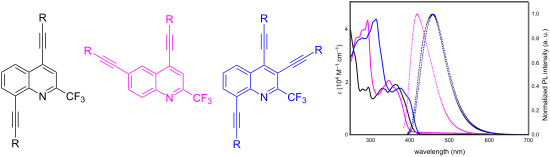
- bromide gave 4. With quinoline 4 in hand, we studied palladium-catalysed Sonogashira reactions with phenylacetylene (5a). Gratifyingly, our initial test reaction, using Pd(OAc)2 as catalyst with XPhos as ligand, gave bis-alkynylated product 6a in quantitative yield. Reducing the catalyst loading from 5 to

Graphical Abstract

Figure 1: Natural and synthetic compounds containing a quinoline or quinolone core-structure.

Scheme 1: Synthesis of 4. Reaction conditions: i: polyphosphoric acid, 150 °C, 2 h; ii: POBr3 (1.1 equiv), 15...

Scheme 2: Synthesis of compounds 6a–h. Reaction conditions: Pd(PPh3)4 (2.5 mol %), CuI (5 mol %), acetylene (...

Figure 2: ORTEP of 6b (CCDC 2322985).

Scheme 3: Synthesis of 8. Reaction conditions: i: polyphosphoric acid, 150 °C, 2 h [33]; ii: POBr3 (1.1 equiv), 1...
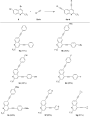
Scheme 4: Synthesis of compounds 9a–g: Reaction conditions: Pd(PPh3)4 (2.5 mol %), CuI (5 mol %), acetylene (...

Figure 3: ORTEP of 9f (CCDC 2322983).

Scheme 5: Synthesis of starting material 11. Reaction conditions: i: AcOH, Br2 (1.1 equiv), reflux, 24 h; ii:...

Scheme 6: Synthesis of compounds 12a–g. Reaction conditions: Pd(PPh3)4 (2.5 mol %), CuI (5 mol %), acetylene ...

Figure 4: ORTEP of 12d (CCDC 2322984).

Figure 5: UV–vis and emission spectra of 6a, 9a and 12a (left) and 12a, 12c, and 12e (right, λex = 380 nm) in...
Novel analogues of a nonnucleoside SARS-CoV-2 RdRp inhibitor as potential antivirotics
- Luca Julianna Tóth,
- Kateřina Krejčová,
- Milan Dejmek,
- Eva Žilecká,
- Blanka Klepetářová,
- Lenka Poštová Slavětínská,
- Evžen Bouřa and
- Radim Nencka
Beilstein J. Org. Chem. 2024, 20, 1029–1036, doi:10.3762/bjoc.20.91
- , PPh3, DIAD, 1,4-dioxane, 50 °C, overnight, i) (R = Et) NaOH, H2O, EtOH, 75 °C, 3 h, j) (R = allyl) Et3SiH, PPh3, Pd(OAc)2, ACN, rt, k) H–ʟ-Tyr–OMe, HOBt, EDCI, TEA, DCM, DMF, rt, 12 h, l) LiOH⋅H2O, H2O, 1,4-dioxane, rt, 45 min. Cy = cyclohexyl. Synthetic pathway to pyridone derivatives 3a–c of HeE1

Graphical Abstract

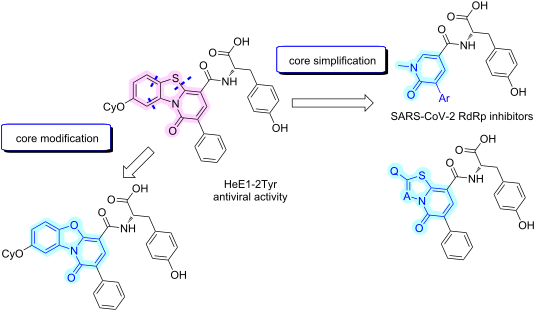
Figure 1: Structure of HeE1-2Tyr (1) and of the derivatives synthesized in this work.

Scheme 1: Synthetic pathway to benzoxazole analogue 2 of HeE1-2Tyr (1). Reagents and conditions: a) TMSN3, Tf...

Scheme 2: Synthetic pathway to pyridone derivatives 3a–c of HeE1-2Tyr (1). Reagents and conditions: a) MeI, K2...

Scheme 3: Synthetic pathway to thiazolopyridone derivatives 4a,b of HeE1-2Tyr (1). Reagents and conditions: a...

Figure 2: Analysis of inhibitory activity against SARS-CoV-2 RdRp using primer extension assay. A) Gel-based ...
Carbonylative synthesis and functionalization of indoles
- Alex De Salvo,
- Raffaella Mancuso and
- Xiao-Feng Wu
Beilstein J. Org. Chem. 2024, 20, 973–1000, doi:10.3762/bjoc.20.87
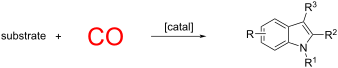
- the presence of K2CO3 (3 equiv) as base, an isonitrile (1.2 equiv), and Pd(OAc)2 (10 mol %) which in situ undergoes a reduction to Pd(0) (Scheme 2). Another example was published by Wu's group, who carried out the synthesis of 1-(1H-indol-1-yl)-2-arylethan-1-one derivatives by promoting the formation
- of amides from 2-alkynylanilines by using TFBen (benzene-1,3,5-triyl triformate) as a CO source, Pd(OAc)2, DPEPhos (bis[(2-diphenylphosphino)phenyl] ether), and DIPEA (N,N-diisopropylethylamine) in MeCN. After 24 h, Pd(OAc)2 and AlCl3 were added to promote a selective cyclization reaction [14]. The
- selective cyclization to the indole derivative in the presence of Pd(OAc)2 and AlCl3. A variety of indole derivatives were synthetized in good isolated yields (Scheme 3). Synthesis of indoles by Pd(II)-catalyzed carbonylation reaction Oxidative carbonylation reactions, as well as all other types of

Graphical Abstract

Scheme 1: Pd(0)-catalyzed domino C,N-coupling/carbonylation/Suzuki coupling reaction for the synthesis of 2-a...

Scheme 2: Pd(0)-catalyzed single isonitrile insertion: synthesis of 1-(3-amino)-1H-indol-2-yl)-1-ketones.
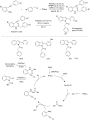
Scheme 3: Pd(0)-catalyzed gas-free carbonylation of 2-alkynylanilines to 1-(1H-indol-1-yl)-2-arylethan-1-ones....

Scheme 4: Pd(II)-catalyzed heterocyclization/alkoxycarbonylation of 2-alkynylaniline imines.

Scheme 5: Pd(II)-catalyzed heterocyclization/alkoxycarbonylation of 2-alkynylanilines to N-substituted indole...

Scheme 6: Synthesis of indol-2-acetic esters by Pd(II)-catalyzed carbonylation of 1-(2-aminoaryl)-2-yn-1-ols.
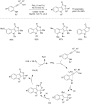
Scheme 7: Pd(II)-catalyzed carbonylative double cyclization of suitably functionalized 2-alkynylanilines to 3...

Scheme 8: Indole synthesis by deoxygenation reactions of nitro compounds reported by Cenini et al. [21].

Scheme 9: Indole synthesis by reduction of nitro compounds: approach reported by Watanabe et al. [22].

Scheme 10: Indole synthesis from o-nitrostyrene compounds as reported by Söderberg and co-workers [23].
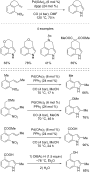
Scheme 11: Synthesis of fused indoles (top) and natural indoles present in two species of European Basidiomyce...

Scheme 12: Synthesis of 1,2-dihydro-4(3H)-carbazolones through N-heteroannulation of functionalized 2-nitrosty...

Scheme 13: Synthesis of indoles from o-nitrostyrenes by using Pd(OAc)2 and Pd(tfa)2 in conjunction with bident...
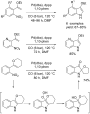
Scheme 14: Synthesis of substituted 3-alkoxyindoles via palladium-catalyzed reductive N-heteroannulation.

Scheme 15: Synthesis of 3-arylindoles by palladium-catalyzed C–H bond amination via reduction of nitroalkenes.

Scheme 16: Synthesis of 2,2′-bi-1H-indoles, 2,3′-bi-1H-indoles, 3,3′-bi-1H-indoles, indolo[3,2-b]indoles, indo...

Scheme 17: Pd-catalyzed reductive cyclization of 1,2-bis(2-nitrophenyl)ethene and 1,1-bis(2-nitrophenyl)ethene...

Scheme 18: Flow synthesis of 2-substituted indoles by reductive carbonylation.

Scheme 19: Pd-catalyzed synthesis of variously substituted 3H-indoles from nitrostyrenes by using Mo(CO)6 as C...

Scheme 20: Synthesis of indoles from substituted 2-nitrostyrenes (top) and ω-nitrostyrenes (bottom) via reduct...

Scheme 21: Synthesis of indoles from substituted 2-nitrostyrenes with formic acid as CO source.

Scheme 22: Ni-catalyzed carbonylative cyclization of 2-nitroalkynes and aryl iodides (top) and the Ni-catalyze...

Scheme 23: Mechanism of the Ni-catalyzed carbonylative cyclization of 2-nitroalkynes and aryl iodides (top) an...

Scheme 24: Route to indole derivatives through Rh-catalyzed benzannulation of heteroaryl propargylic esters fa...

Scheme 25: Pd-catalyzed cyclization of 2-(2-haloaryl)indoles reported by Yoo and co-workers [54], Guo and co-worke...

Scheme 26: Approach for the synthesis of 6H-isoindolo[2,1-a]indol-6-ones reported by Huang and co-workers [57].

Scheme 27: Zhou group’s method for the synthesis of 6H-isoindolo[2,1-a]indol-6-ones.

Scheme 28: Synthesis of 6H-isoindolo[2,1-a]indol-6-ones from o-1,2-dibromobenzene and indole derivatives by us...

Scheme 29: Pd(OAc)2-catalyzed Heck cyclization of 2-(2-bromophenyl)-1-alkyl-1H-indoles reported by Guo et al. [55]....

Scheme 30: Synthesis of indolo[1,2-a]quinoxalinone derivatives through Pd/Cu co-catalyzed carbonylative cycliz...

Scheme 31: Pd-catalyzed carbonylative cyclization of o-indolylarylamines and N-monosubstituted o-indolylarylam...

Scheme 32: Pd-catalyzed diasteroselective carbonylative cyclodearomatization of N-(2-bromobenzoyl)indoles with...
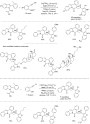
Scheme 33: Pd(0)-catalyzed synthesis of CO-linked heterocyclic scaffolds from alkene-indole derivatives and 2-...

Scheme 34: Proposed mechanism for the Pd(0)-catalyzed synthesis of CO-linked heterocyclic scaffolds.

Scheme 35: Pd-catalyzed C–H and N–H alkoxycarbonylation of indole derivatives to indole-3-carboxylates and ind...

Scheme 36: Rh-catalyzed C–H alcoxycarbonylation of indole derivatives to indole-3-carboxylates reported by Li ...

Scheme 37: Pd-catalyzed C–H alkoxycarbonylation of indole derivatives with alcohols and phenols to indole-3-ca...

Scheme 38: Synthesis of N-methylindole-3-carboxylates from N-methylindoles and phenols through metal-catalyst-...

Scheme 39: Synthesis of indol-3-α-ketoamides (top) and indol-3-amides (bottom) via direct double- and monoamin...

Scheme 40: The direct Sonogashira carbonylation coupling reaction of indoles and alkynes via Pd/CuI catalysis ...

Scheme 41: Synthesis of indole-3-yl aryl ketones reported by Zhao and co-workers [73] (path a) and Zhang and co-wo...

Scheme 42: Pd-catalyzed carbonylative synthesis of BIMs from aryl iodides and N-substituted and NH-free indole...

Scheme 43: Cu-catalyzed direct double-carbonylation and monocarbonylation of indoles and alcohols with hexaket...

Scheme 44: Rh-catalyzed direct C–H alkoxycarbonylation of indoles to indole-2-carboxylates [79] (top) and Co-catal...
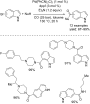
Scheme 45: Pd-catalyzed carbonylation of NH free-haloindoles.
Enantioselective synthesis of β-aryl-γ-lactam derivatives via Heck–Matsuda desymmetrization of N-protected 2,5-dihydro-1H-pyrroles
- Arnaldo G. de Oliveira Jr.,
- Martí F. Wang,
- Rafaela C. Carmona,
- Danilo M. Lustosa,
- Sergei A. Gorbatov and
- Carlos R. D. Correia
Beilstein J. Org. Chem. 2024, 20, 940–949, doi:10.3762/bjoc.20.84
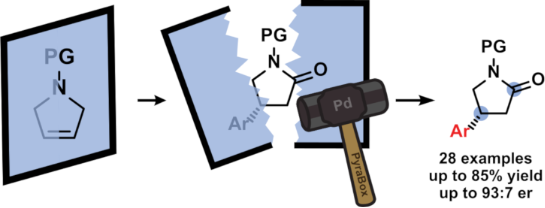
- 1). However, neither one of these new ligands performed better than L1 (see Table 1 below). In an attempt to enhance the protocol performance, we also evaluated the palladium source as indicated in Table 1. Switching Pd(TFA)2 by Pd(OAc)2 led to a minor increase in the yield, but without any changes

Graphical Abstract

Scheme 1: Examples of drugs containing a γ-lactam and derivative.

Scheme 2: Desymmetrization strategies employing Heck-Matsuda reactions.

Scheme 3: Heck–Matsuda reaction (1) and Jones oxidation (2) of the N-Boc-protected 2,5-dihydro-1H-pyrrole 1a....

Figure 1: N,N-Ligands evaluated in this work.
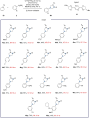
Scheme 4: Heck–Matsuda reaction of N-tosyl-2,5-dihydro-1H-pyrrole (1b). Reaction conditions: 1) pyrroline 1b ...

Scheme 5: Heck–Matsuda reaction of the protected 2,5-dihydro-1H-pyrrole with Ns and 2-Ns groups (pyrrolines 1c...

Scheme 6: Synthesis of (R)-baclofen hydrochloride (6) from 4dd and (R)-rolipram (5b) from 4de. Reaction condi...

Scheme 7: A rationale for the catalytic cycle for the Heck–Matsuda reaction of the protected 2,5-dihydro-1H-p...

Figure 2: Rationalization of the enantioselectivity obtained in the Heck–Matsuda reaction of protected 2,5-di...
One-pot Ugi-azide and Heck reactions for the synthesis of heterocyclic systems containing tetrazole and 1,2,3,4-tetrahydroisoquinoline
- Jiawei Niu,
- Yuhui Wang,
- Shenghu Yan,
- Yue Zhang,
- Xiaoming Ma,
- Qiang Zhang and
- Wei Zhang
Beilstein J. Org. Chem. 2024, 20, 912–920, doi:10.3762/bjoc.20.81
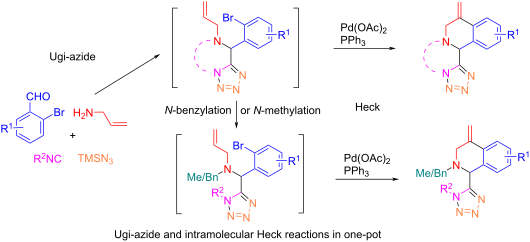
- first examined by using 10 mol % Pd(OAc)2, 20 mol % PPh3, 2 equiv of Et3N in CH3CN or DMF at 105 °C for 24 h under N2 atmosphere. However, the reactions failed under these conditions (Table 1, entries 1 and 2). When K2CO3 was used as a base to replace Et3N, the reactions in either CH3CN or DMF for 3 h
- ., PCy3 and P(o-tol)3 reduced the yield of the desired product 6a (Table 1, entries 7 and 8). Lowering the amount of Pd(OAc)2 or changing the reaction temperatures resulted low yields of 6a (Table 1, entries 9–11). Similar results were observed from the reactions using other bases, such as K3PO4, NaOAc
- to use 1 mmol of 5a with 10 mol % Pd(OAc)2 and 20 mol % PPh3, 2 equiv of K2CO3 in 3 mL CH3CN at 105 °C for 3 h under N2 atmosphere which afforded product 6a in 70% yield (Table 1, entry 3). The combination of an initial multicomponent reaction with post-condensation reactions in one-pot is a good

Graphical Abstract

Figure 1: Representative bioactive tetrazole- and tetrahydroisoquinoline-containing compounds.

Scheme 1: The Ugi and Ugi-azide reactions.

Scheme 2: Ugi-azide and post-condensation reactions for the synthesis of various heterocyclic scaffolds.

Scheme 3: One-pot synthesis of tetrazolyl-1,2,3,4-tetrahydroisoquinoline.

Scheme 4: One-pot synthesis of tetrazolo-pyrazino[2,1-a]isoquinolin-6(5H)-ones 6.

Scheme 5: One-pot synthesis for tetrazolyl-1,2,3,4-tetrahydroisoquinolines 8.

Scheme 6: Gram-scale two-step one-pot synthesis of 6c.

Figure 2: ORTEP diagrams of compound 6d (left) [CCDC: 2164364] and 8c (right) [CCDC: 2321622].



