


Search results
Search for "angiogenesis" in Full Text gives 27 result(s) in Beilstein Journal of Organic Chemistry.
Research towards selective inhibition of the CLK3 kinase
Beilstein J. Org. Chem. 2025, 21, 2250–2259, doi:10.3762/bjoc.21.172
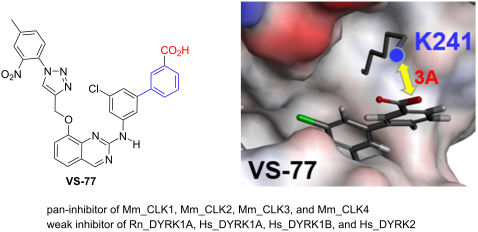
- phosphotransferases (called the human kinome) involved in specific signaling pathways which regulate cell functions (e.g., metabolism, cell cycle progression, cell adhesion, vascular function, and angiogenesis). Therefore, the dysregulation of protein kinase enzymatic activity, induced by genetic alterations as well


Chemical synthesis of glycan motifs from the antitumor agent PI-88 through an orthogonal one-pot glycosylation strategy
Beilstein J. Org. Chem. 2025, 21, 1587–1594, doi:10.3762/bjoc.21.122

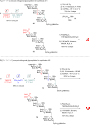
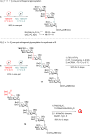
- antitumor agent PI-88 (muparfostat), which retards tumor growth via inhibiting angiogenesis in two ways: 1) interaction with pro-angiogenic growth factors such as vascular endothelial growth factor (VEGF) and fibroblast growth factor (FGF) and 2) by prevention of the release of angiogenic growth factors



Recent advances in synthetic approaches for bioactive cinnamic acid derivatives
Beilstein J. Org. Chem. 2025, 21, 1031–1086, doi:10.3762/bjoc.21.85
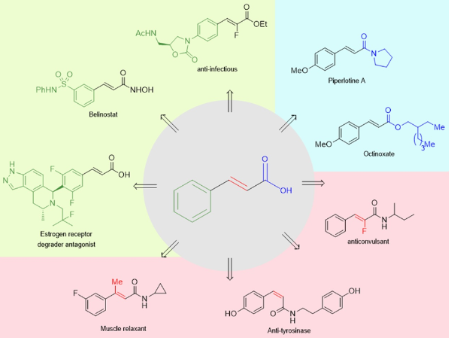
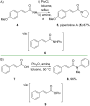
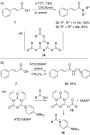
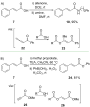
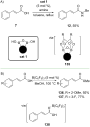
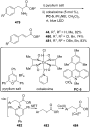
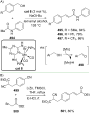
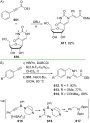
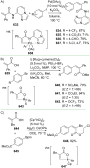
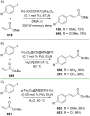
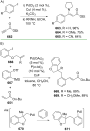
- flavor, fragrance, and therapeutic activities (Figure 1). Several reported activities of cinnamic acid include antibacterial and antifungal properties [1][2][3][4], antidengue [5], antimetastatic [6], neuroprotective synergy and angiogenesis effects [7], antileishmaniasis [8], anticancer [9], thromboxane








































Carbonylative synthesis and functionalization of indoles
Beilstein J. Org. Chem. 2024, 20, 973–1000, doi:10.3762/bjoc.20.87
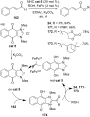
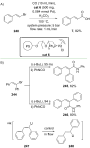
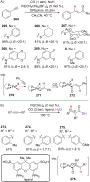
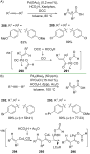
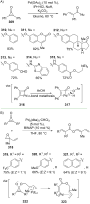
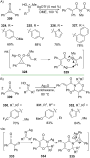
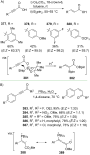
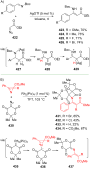
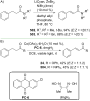
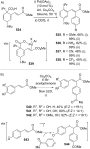
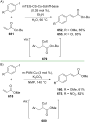
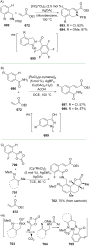
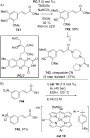
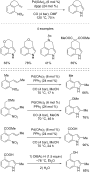
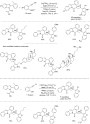
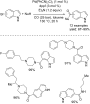
- tm-phen (0.7–2 mol %) for others, 14 indole derivatives were isolated with yields of up to 100%. Among the 14 examples is a more soluble derivative of a KDR kinase inhibitor identified by researchers from Merck for blocking tumor-induced angiogenesis [31] (Scheme 13). An interesting synthesis of 3












Microwave-assisted efficient one-pot synthesis of N2-(tetrazol-5-yl)-6-aryl/heteroaryl-5,6-dihydro-1,3,5-triazine-2,4-diamines
Beilstein J. Org. Chem. 2020, 16, 1706–1712, doi:10.3762/bjoc.16.142
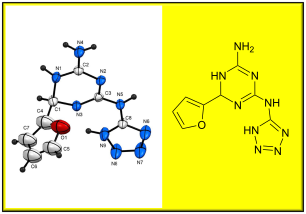
- [2], antitumor [3], anti-HIV [4], inhibitor of Trypanosoma brucei [5], angiogenesis inhibitor [6], antiplasmodial antifolates [7], and antimicrobial [8]. Moreover, and in particular N2,6-disubstituted-1,3,5-triazine-2,4-diamines possess a wide range of chemotherapeutic activities [8][9][10][11


Synthesis, antiinflammatory activity, and molecular docking studies of bisphosphonic esters as potential MMP-8 and MMP-9 inhibitors
Beilstein J. Org. Chem. 2020, 16, 1277–1287, doi:10.3762/bjoc.16.108
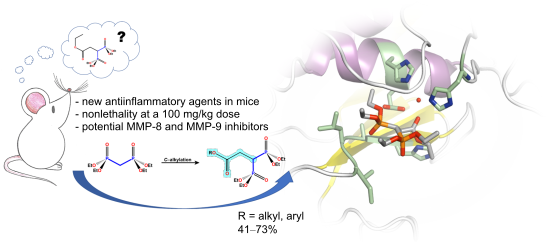
- , angiogenesis, and metastasis in cancer [12][13][14][15], pointing at bisphosphonates as potential treatments for cancer and other inflammation-related diseases. In this respect, MMP inhibition by phosphonates or bisphosphonates has been previously studied through computational or X-ray diffraction analyses to


Synthesis and photophysical studies of a multivalent photoreactive RuII-calix[4]arene complex bearing RGD-containing cyclopentapeptides
Beilstein J. Org. Chem. 2018, 14, 1758–1768, doi:10.3762/bjoc.14.150
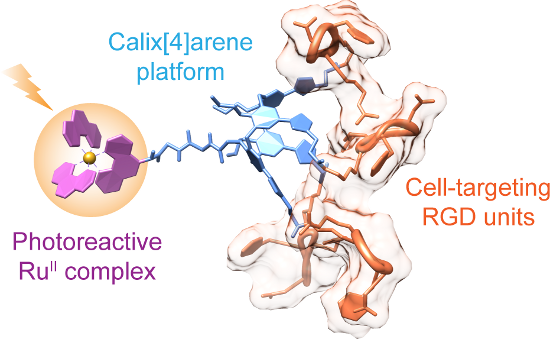
- involved in the angiogenesis process [60]. Furthermore, the use of calixarenes for biological applications is the subject of intensive researches. They are indeed exploited in various areas such as surface recognition, structural mimes or membrane receptor inhibition [61][62][63], and it was also shown
- that calixarenes themselves display antibacterial, antiviral, and anticancer properties [64]. Herein, we describe the synthesis of a multivalent phototherapeutic agent designed in order to specifically target membrane receptors involved in the angiogenesis process. The multivalent system is composed of





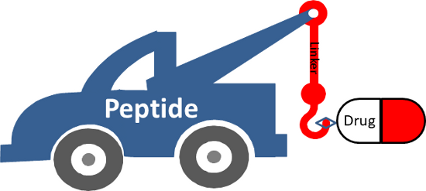
On the design principles of peptide–drug conjugates for targeted drug delivery to the malignant tumor site
Beilstein J. Org. Chem. 2018, 14, 930–954, doi:10.3762/bjoc.14.80
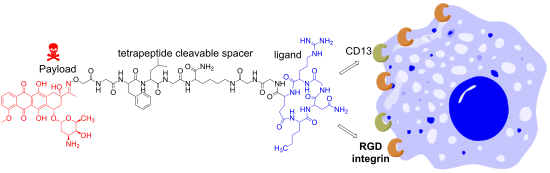
- carcinogenesis is highly dependent on migration, invasion and angiogenesis renders integrins important anticancer targets. Integrin αvβ3 is an important factor in tumor angiogenesis and metastasis [45], two common characteristics of cancer that discriminates it from other diseases. Notably, integrin αvβ3 (also
- known as the vitronectin receptor) appears to be the most important among all integrins regarding cell proliferation, invasion and angiogenesis [47]. This integrin is overexpressed on activated endothelial cells, new-born vessels and other tumor cells [48][49], but it is found to be expressed at


Development of novel cyclic NGR peptide–daunomycin conjugates with dual targeting property
Beilstein J. Org. Chem. 2018, 14, 911–918, doi:10.3762/bjoc.14.78
- zinc-dependent metalloprotease that functions in cell proliferation, cell migration and angiogenesis [1][3][4]. However, it is known that the Asn-Gly moiety is subject to Asn deamidation through succinimide formation leading to isoaspartic acid (isoAsp, isoD) and aspartic acid derivatives usually in a
- ratio of 3:1 after hydrolysis [5][6][7][8][9][10][11]. IsoDGR peptides are bound to RGD-integrin receptors with high affinity [12][13][14]. Due to their function in tumor proliferation, metastasis and angiogenesis, integrin receptors are also promising targets for cancer therapy. Thus, NGR-peptide


A Brønsted base-promoted diastereoselective dimerization of azlactones
Beilstein J. Org. Chem. 2017, 13, 2663–2670, doi:10.3762/bjoc.13.264
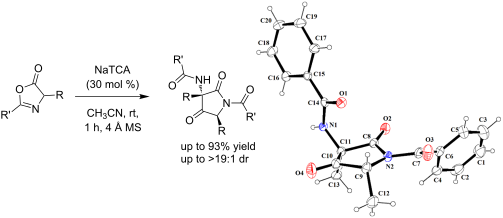
- significant anti-angiogenesis activity [31]. It is worth mentioning that this product has three consecutive stereocenters and different sites of variation from the original natural product. The hydride comes from the less hindered side of the ketone moiety, leading to the formation of a hydroxy group in cis





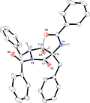
![[Graphic 5]](/bjoc/content/inline/1860-5397-13-264-i10.svg?max-width=637&scale=1.18182) vs time for the dimerization of azlactone 1a.
vs time for the dimerization of azlactone 1a.

Solvent-free copper-catalyzed click chemistry for the synthesis of N-heterocyclic hybrids based on quinoline and 1,2,3-triazole
Beilstein J. Org. Chem. 2017, 13, 2352–2363, doi:10.3762/bjoc.13.232
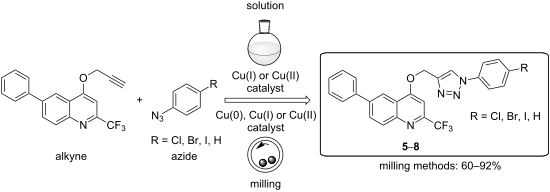
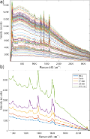
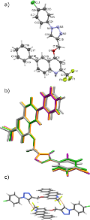
- constituent of compounds with diverse applications, some of which display potent cytostatic activity through different mechanisms of action such as DNA intercalation, apoptosis, abrogation of cell migration, inhibition of angiogenesis and disregulation of nuclear receptor signaling [34][35]. Moreover, it was



Membrane properties of hydroxycholesterols related to the brain cholesterol metabolism
Beilstein J. Org. Chem. 2017, 13, 720–727, doi:10.3762/bjoc.13.71
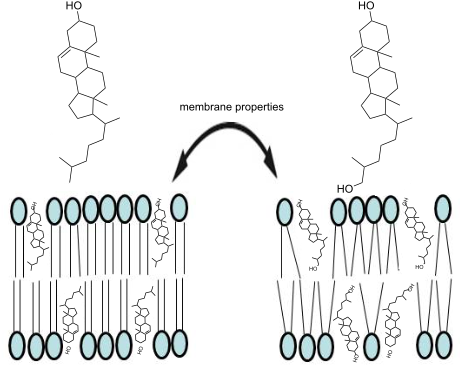
- suitable plastic dishes (ibiTreat µ-Slides Angiogenesis, ibidi, Martinsried, Germany). Vesicles were allowed to settle down some minutes before acquisition of z-stacks with 1 µm step size. Top: Chemical structures of cholesterol and hydroxycholesterols with selected numbering for the carbon atoms. The


Synthesis of spiro[isoindole-1,5’-isoxazolidin]-3(2H)-ones as potential inhibitors of the MDM2-p53 interaction
Beilstein J. Org. Chem. 2016, 12, 2793–2807, doi:10.3762/bjoc.12.278
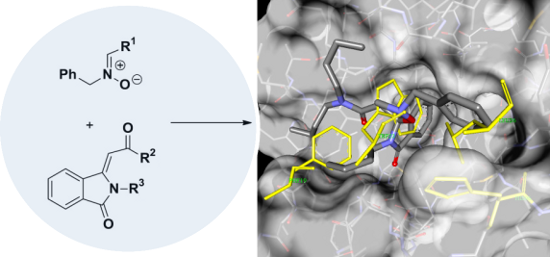
- that plays a key role in the regulation of several cellular processes, including apoptosis, DNA repair, and angiogenesis [1][2][3][4]. The murine double minute 2 (MDM2) protein is the primary cellular inhibitor of p53, functioning through direct interaction with p53 [5]: tumoral cells show an


Synthesis and in vitro cytotoxicity of acetylated 3-fluoro, 4-fluoro and 3,4-difluoro analogs of D-glucosamine and D-galactosamine
Beilstein J. Org. Chem. 2016, 12, 750–759, doi:10.3762/bjoc.12.75
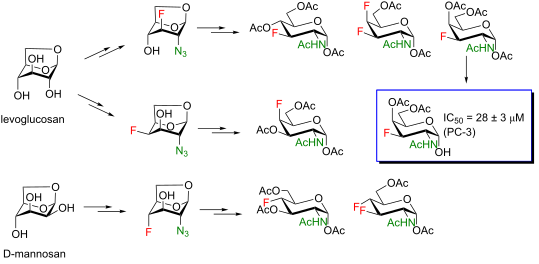
- ]. The resulting disruption of protein–(glycosamino)glycan interactions had important biomedical consequences such as reduced selectin-mediated tumor cell adhesion [12][13], suppressed selectin-mediated leukocyte migration [11][14][15], reduced angiogenesis [3], or inhibition of tumor growth by decreased



Biosynthesis of α-pyrones
Beilstein J. Org. Chem. 2016, 12, 571–588, doi:10.3762/bjoc.12.56
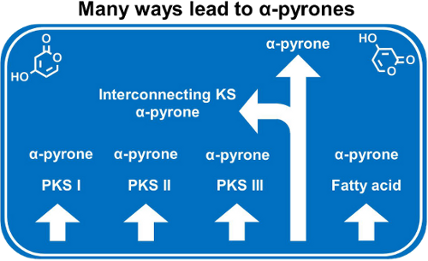
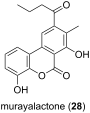
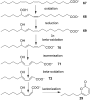
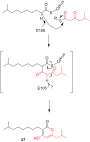
- the coumarin derivatives umbelliferone (4, Figure 1), esculetin (5, Figure 1), and scopoletin (6, Figure 1) are subject of anticancer research [67]. Marmesin (62) was first isolated from the fruits of Ammi majus [67], and is currently under investigation as an agent for the treatment of angiogenesis






Synthesis of icariin from kaempferol through regioselective methylation and para-Claisen–Cope rearrangement
Beilstein J. Org. Chem. 2015, 11, 1220–1225, doi:10.3762/bjoc.11.135
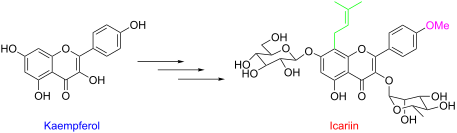
- relative drug preparations [5]. Icariin, icariside I (2), and their aglycone, icaritin (3) (Figure 1), possess multiple biological activities, such as anti-oxidative [6], anti-inflammatory [7], anti-osteoporotic [8], anticancer [9], neuroprotective [10], angiogenesis stimulating [11], testosterone mimetic


Regulation of integrin and growth factor signaling in biomaterials for osteodifferentiation
Beilstein J. Org. Chem. 2015, 11, 773–783, doi:10.3762/bjoc.11.87
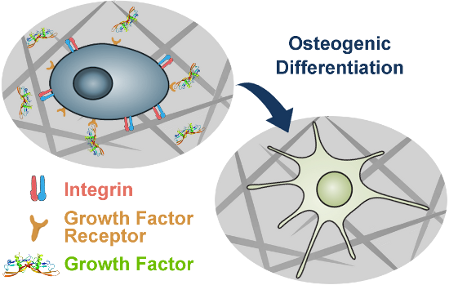
- these parameters [76][79]. A delivery system should therefore ideally fulfill certain requirements. It should be biological and immunological inert; promote specific cell adhesion, proliferation, and angiogenesis; provide growth factors; be rigid to withstand deforming forces (depending on application




Natural phenolic metabolites with anti-angiogenic properties – a review from the chemical point of view
Beilstein J. Org. Chem. 2015, 11, 249–264, doi:10.3762/bjoc.11.28
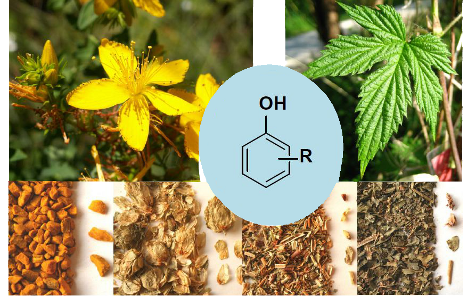
- described. Keywords: angiogenesis; natural phenolic compounds; structure–activity relationship; synthesis; Introduction The term angiogenesis is commonly used to describe the biological process of blood vessel growth. Nevertheless, it should be more precisely defined as the formation of new blood vessels
- from preexisting ones. Under physiological conditions, angiogenesis is vital for foetal development, tissue regeneration and wound healing. From a pathophysiologic perspective, massive vascular growth or abnormal shape formation promotes many ailments including cancer, inflammation, and eye illnesses
- metastases. Nevertheless, the morphology and pathophysiology of these blood vessels differs significantly from physiological ones as they are less effective and show a lower state of organization and control [3]. Since the discovery of the mechanism of angiogenesis and its crucial role in tumor development


2-(1-Hydroxypropyn-2-yl)-1-vinylpyrroles: the first successful Favorsky ethynylation of pyrrolecarbaldehydes
Beilstein J. Org. Chem. 2015, 11, 228–232, doi:10.3762/bjoc.11.25
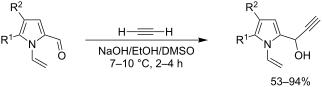
- ] and novel cyclin-dependent kinase inhibitors [2]. Such functionalized pyrroles are intermediates for endothelial differentiation gene (EDG-1) receptor antagonists. The latter are effective in preventing and/or treating inflammations, diseases associated with abnormal angiogenesis, cerebral vascular


Application of cyclic phosphonamide reagents in the total synthesis of natural products and biologically active molecules
Beilstein J. Org. Chem. 2014, 10, 1848–1877, doi:10.3762/bjoc.10.195
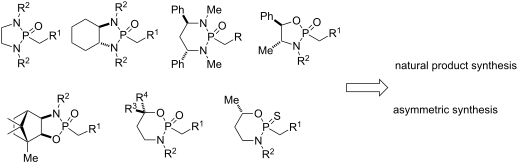
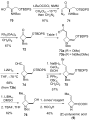
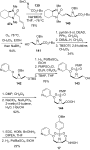
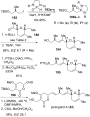
- with various physiological and pathological processes such as morphogenesis, angiogenesis, tissue repair, cirrhosis, arthritis, and metastasis, thus raising the possibility that inhibitors of these enzymes may possess therapeutic potential [112][113]. As part of studies on conformationally constrained








Multivalent scaffolds induce galectin-3 aggregation into nanoparticles
Beilstein J. Org. Chem. 2014, 10, 1570–1577, doi:10.3762/bjoc.10.162
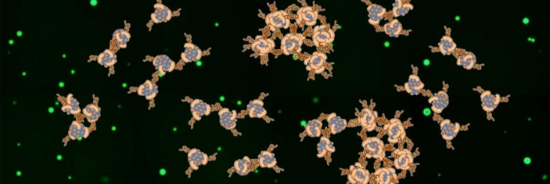
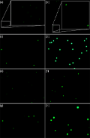
- , apoptosis, angiogenesis, and B cell activation [8][9][10]. Galectin-3 has been reported to be involved in mechanisms that cluster cell surface glycoproteins [10][11], cross-link receptors [12], and form lattices and larger aggregates [13]. Structurally, galectin-3 is composed of one carbohydrate recognition


Synthesis of complex intermediates for the study of a dehydratase from borrelidin biosynthesis
Beilstein J. Org. Chem. 2014, 10, 634–640, doi:10.3762/bjoc.10.55
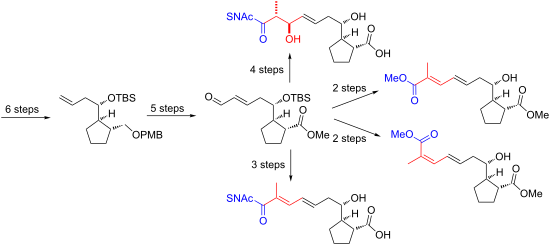
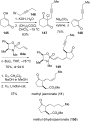
- , anticancer and anti-angiogenesis activities, which are probably caused by the inhibition of threonyl-tRNA synthetase and apoptosis induction by caspase activation [1][2][3][4]. It bears several unusual structural elements like a cyclopentane ring and a carbonitrile (Figure 1a), which are built-up by


Isocyanide-based multicomponent reactions towards cyclic constrained peptidomimetics
Beilstein J. Org. Chem. 2014, 10, 544–598, doi:10.3762/bjoc.10.50



Synthesis and characterization of novel bioactive 1,2,4-oxadiazole natural product analogs bearing the N-phenylmaleimide and N-phenylsuccinimide moieties
Beilstein J. Org. Chem. 2013, 9, 2202–2215, doi:10.3762/bjoc.9.259
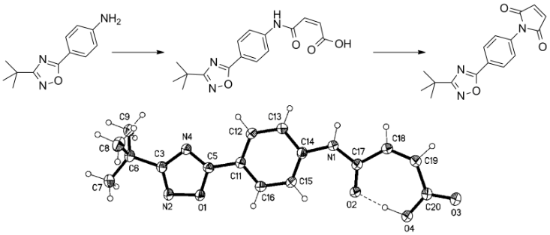
- glycogen synthase kinase 3 (GSK-3), a key regulator of both differentiation and cellular proliferation [9]. An alternative antitumor strategy involves the inhibition of processes involved in tumor growth, e.g., angiogenesis. Integrin αvβ3 is a receptor that has been found on the surface of many tumor cells
- and recognizes the arginine–glycine–aspartic acid (RGD) sequence. Antagonists of this receptor are able to inhibit angiogenesis. 1,2,4-Oxadiazolebutanoic acids such as C were tested as non-peptidic analogs of αvβ3 antagonists [10]. Furthermore, substituted 1,2,4-oxadiazoles have been described as



Synthesis of 5-(ethylsulfonyl)-2-methoxyaniline: An important pharmacological fragment of VEGFR2 and other inhibitors
Beilstein J. Org. Chem. 2013, 9, 173–179, doi:10.3762/bjoc.9.20
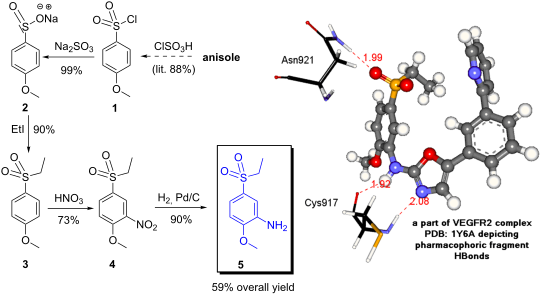
- -(ethylsulfonyl)-2-methoxy-1,3-dinitrobenzene (4a) have been precisely physicochemically characterised. Keywords: angiogenesis; pharmacophoric ligand; synthesis of 5-(ethylsulfonyl)-2-methoxyaniline; VEGFR2 tyrosine kinase inhibitors; Introduction 5-(Ethylsulfonyl)-2-methoxyaniline (5) is a starting material
- kinase 1, alpha and beta adrenoreceptors, glycogen phosphorylase, IMP dehydrogenase, MMPs 2, 3, 9 and 13, etc. [1]. Vascular endothelial growth factor (VEGF-A) is a homodimeric glycoprotein and thought to be the key signalling molecule of angiogenesis, i.e., the formation of new blood vessels from pre
- -existing ones. Angiogenesis is essential for cancers to develop from a small size. VEGF-A binds to two VEGF receptors that are expressed on the surface of vascular endothelial cells (VEGF receptor-1 and VEGF receptor-2). New vasculature is formed in and around the tumour, allowing it to grow exponentially





