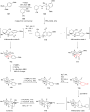
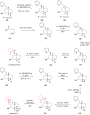
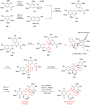
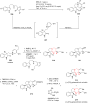
Search for "inverse electron demand" in Full Text gives 36 result(s) in Beilstein Journal of Organic Chemistry.
Beilstein J. Org. Chem. 2026, 22, 88–122, doi:10.3762/bjoc.22.4
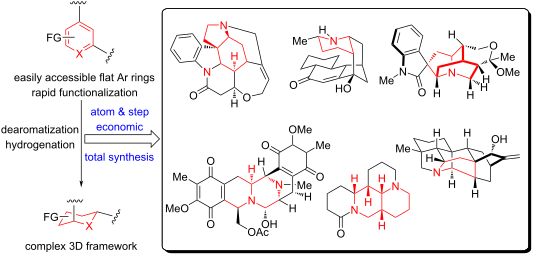
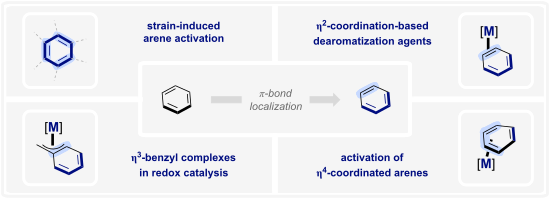
Graphical Abstract
Scheme 1: The association between dearomatization and natural product synthesis.
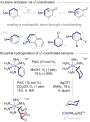
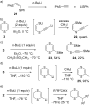
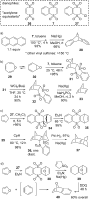
Scheme 2: Key challenges in hydrogenation of aromatic rings.
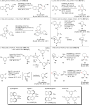
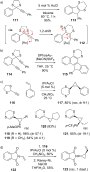
Scheme 3: Hydrogenation of heterocyclic aromatic rings.
Scheme 4: Hydrogenation of the carbocyclic aromatic rings.
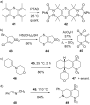
Scheme 5: Hydrogenation of the heterocycle part in bicyclic aromatic rings.
Scheme 6: Hydrogenation of the heterocycle part in bicyclic aromatic rings.
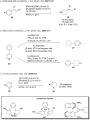
Scheme 7: Hydrogenation of benzofuran, indole, and their analogues.
Scheme 8: Hydrogenation of benzofuran, indole, and their analogues.
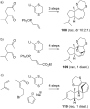
Scheme 9: Total synthesis of (±)-keramaphidin B by Baldwin and co-workers.
Scheme 10: Total synthesis of (±)-LSD by Vollhardt and co-workers.
Scheme 11: Total synthesis of (±)-dihydrolysergic acid by Boger and co-workers.
Scheme 12: Total synthesis of (±)-lysergic acid by Smith and co-workers.
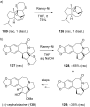
Scheme 13: Hydrogenation of (−)-tabersonine to (−)-decahydrotabersonine by Catherine Dacquet and co-workers.
Scheme 14: Total synthesis of (±)-nominine by Natsume and co-workers.
Scheme 15: Total synthesis of (+)-nominine by Gin and co-workers.
Scheme 16: Total synthesis of (±)-lemonomycinone and (±)-renieramycin by Magnus.
Scheme 17: Total synthesis of GB13 by Sarpong and co-workers.
Scheme 18: Total synthesis of GB13 by Shenvi and co-workers.
Scheme 19: Total synthesis of (±)-corynoxine and (±)-corynoxine B by Xia and co-workers.
Scheme 20: Total synthesis of (+)-serratezomine E and the putative structure of huperzine N by Bonjoch and co-...
Scheme 21: Total synthesis of (±)-serralongamine A and the revised structure of huperzine N and N-epi-huperzin...
Scheme 22: Early attempts to indenopiperidine core.
Scheme 23: Homogeneous hydrogenation and completion of the synthesis.
Scheme 24: Total synthesis of jorunnamycin A and jorumycin by Stoltz and co-workers.
Scheme 25: Early attempt towards (−)-finerenone by Aggarwal and co-workers.
Scheme 26: Enantioselective synthesis towards (−)-finerenone.
Scheme 27: Total synthesis of (+)-N-methylaspidospermidine by Smith, Grigolo and co-workers.
Scheme 28: Dearomatization approach towards matrine-type alkaloids.
Scheme 29: Asymmetric total synthesis to (−)-senepodine F via an asymmetric hydrogenation of pyridine.
Scheme 30: Selective hydrogenation of indole derivatives and application.
Scheme 31: Synthetic approaches to the oxindole alkaloids by Qi and co-workers.
Scheme 32: Total synthesis of annotinolide B by Smith and co-workers.
Beilstein J. Org. Chem. 2025, 21, 2637–2644, doi:10.3762/bjoc.21.204
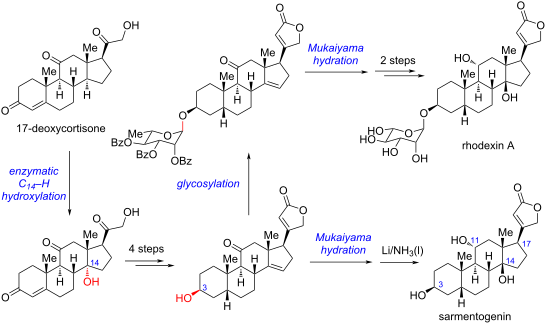
Graphical Abstract
Figure 1: Representative CGs with promising biological activities.
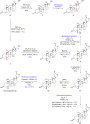
Scheme 1: Retrosynthetic analysis of rhodexin A and sarmentogenin.
Scheme 2: Chemoenzymatic synthesis of sarmentogenin (2).
Scheme 3: Synthesis of rhodexin A.
Beilstein J. Org. Chem. 2025, 21, 727–735, doi:10.3762/bjoc.21.56
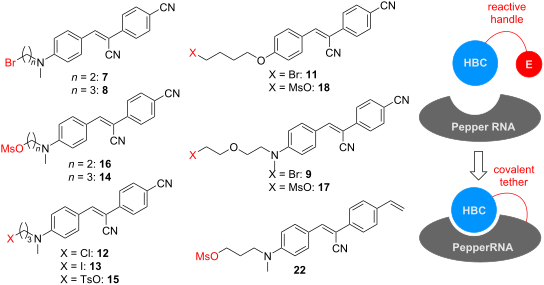
Graphical Abstract
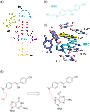
Figure 1: Structure-guided approach for engineering the (non-covalent) fluorescent light-up aptamer Pepper in...
Scheme 1: Chemical structures of the HBC dye family [7]. Variations to HBC530 highlighted in red color. All dyes...
Scheme 2: Synthesis of bromoalkyl HBC derivatives 7, 8, and 9.
Scheme 3: Synthesis of the HBC ether derivative 11.
Figure 2: Pepper aptamer reacts with different HBC derivatives. Chemical structures of the HBC derivatives us...
Scheme 4: Derivatization of the HBC fluorophore 5 to generate handles with distinct electrophilic groups.
Scheme 5: Synthesis of mesylated HBC fluorophores 16, 17, and 18.
Scheme 6: Synthesis of the bifunctional HBC fluorophore 22. For an application of 22 (pulldown of circular Pe...
Beilstein J. Org. Chem. 2024, 20, 3221–3255, doi:10.3762/bjoc.20.268
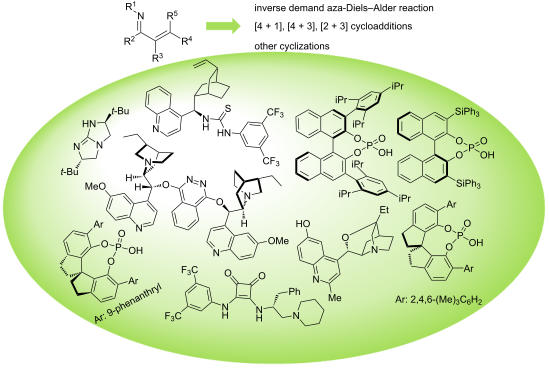
Graphical Abstract
Figure 1: Reactivity of α,β-unsaturated imines and variety of structures.
Figure 2: The hetero-Diels–Alder and inverse electron demand hetero-Diels–Alder reactions.
Figure 3: Different strategies to promote the activation of dienes and dienophiles in IEDADA reactions.
Figure 4: Examples of non-covalent interactions in organocatalysis.
Scheme 1: Enantioselective bifunctional thiourea-catalyzed inverse electron demand Diels–Alder reaction of N-...
Scheme 2: Cinchona-derived thiourea-catalyzed stereoselective (3 + 2) reaction of α,β-unsaturated imines and ...
Scheme 3: Cinchona-derived thiourea-catalyzed stereoselective (3 + 2)/(4 + 2) cascade reaction of α,β-unsatur...
Scheme 4: Enantioselective bifunctional squaramide-catalyzed formal [4 + 2] cycloaddition of malononitrile wi...
Scheme 5: Bifunctional squaramide-catalyzed IEDADA reaction of saccharin-derived 1-azadienes and azlactones.
Scheme 6: Chiral guanidine-catalyzed enantioselective (4+1) cyclization of benzofuran-derived azadienes with ...
Scheme 7: Bifunctional squaramide-catalyzed [4 + 2] cyclization of benzofuran-derived azadienes and azlactone...
Scheme 8: Chiral bifunctional squaramide-catalyzed domino Mannich/formal [4 + 2] cyclization of 2-benzothiazo...
Scheme 9: Chiral bifunctional thiourea-catalyzed formal IEDADA reaction of β,γ-unsaturated ketones and benzof...
Scheme 10: Dihydroquinine-derived squaramide-catalyzed (3 + 2) cycloaddition reaction of isocyanoacetates and ...
Scheme 11: Enantioselective squaramide-catalyzed asymmetric IEDADA reaction of benzofuran-derived azadienes an...
Scheme 12: Scale up and derivatizations of benzofuran-fused 2-piperidinol derivatives.
Scheme 13: Dihydroquinine-derived squaramide-catalyzed Mannich-type reaction of isocyanoacetates with N-(2-ben...
Figure 5: Structure of a cinchona alkaloid and (DHQD)2PHAL.
Scheme 14: Enantioselective modified cinchona alkaloid-catalyzed [4 + 2] annulation of γ-butenolides and sacch...
Scheme 15: Chiral tertiary amine-catalyzed [2 + 4] annulation of cyclic 1-azadiene with γ-nitro ketones.
Scheme 16: Inverse electron demand aza-Diels–Alder reaction (IEDADA) of 1-azadienes with enecarbamates catalyz...
Scheme 17: Phosphoric acid-catalyzed enantioselective [4 + 2] cycloaddition of benzothiazolimines and enecarba...
Scheme 18: Phosphoric acid-catalyzed enantioselective inverse electron demand aza-Diels–Alder reaction of in s...
Scheme 19: Proposed reaction mechanism for the phosphoric acid-catalyzed enantioselective inverse electron dem...
Scheme 20: Enantioselective dearomatization of indoles by a (3 + 2) cyclization with azoalkenes catalyzed by a...
Scheme 21: Synthetic applicability of the pyrroloindoline derivatives.
Scheme 22: Chiral phosphoric acid-catalyzed (2 + 3) dearomative cycloaddition of 3-alkyl-2-vinylindoles with a...
Scheme 23: Chiral phosphoric acid-catalyzed asymmetric [4 + 2] cycloaddition of aurone-derived 1-azadienes and...
Scheme 24: Phosphoric acid-catalyzed enantioselective formal [4 + 2] cycloaddition of dienecarbamates and 2-be...
Scheme 25: Chiral phosphoric acid-catalyzed asymmetric inverse electron demand aza-Diels–Alder reaction of 1,3...
Scheme 26: Chiral phosphoric acid-catalyzed asymmetric Attanasi reaction between 1,3-dicarbonyl compounds and ...
Scheme 27: Synthetic applicability of the NPNOL derivatives.
Scheme 28: Chiral phosphoric acid-catalyzed asymmetric intermolecular formal (3 + 2) cycloaddition of azoalken...
Scheme 29: Enantioselective [4 + 2] cyclization of α,β-unsaturated imines and azlactones.
Scheme 30: Catalytic cycle for the chiral phosphoric acid-catalyzed enantioselective [4 + 2] cyclization of α,...
Beilstein J. Org. Chem. 2024, 20, 2323–2341, doi:10.3762/bjoc.20.199
Graphical Abstract
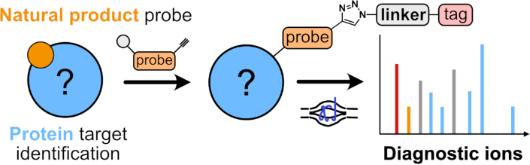
Figure 1: Overall chemical proteomics strategy to identify protein targets of natural products (NPs) and simi...
Figure 2: A) Design of mostly used photo-crosslinking groups. B) Mass spectrometry properties of proteins PTM...
Figure 3: Direct and indirect approach to identify protein targets and representative chemical proteomics wor...
Figure 4: Products of the CuAAC side reactions.
Figure 5: Search possibilities on peptide-level characterization. A) Comparison of DDA and DIA techniques. B)...
Figure 6: In-gel analysis using a tag with fluorophore (A) or via shift-assay (B).
Figure 7: Reporter linkers. A) DMP-tag. B) AzidoTMT tag. C) SOX-tag. D) Imidazolium tag. *A star indicates th...
Figure 8: Biotin and desthiobition-based sample linkers and their associated diagnostic peaks. A) Structure o...
Figure 9: A) isoDTB linker and probe-specific diagnostic ions (B). *A star indicates the possible introductio...
Figure 10: TEV-cleavable linker structure with its characteristic diagnostic ions (A) and probe-specific diagn...
Figure 11: A) Structure of the full length DADPS linker and remaining part after cleavage. B) Diagnostic ions....
Figure 12: Diagnostic peaks included in the search identify higher numbers of modified PSMs and peptides using...
Figure 13: An alternative DADPS linker.
Figure 14: Chemical structure of the trifunctional trypsin cleavable AzKTB linker.
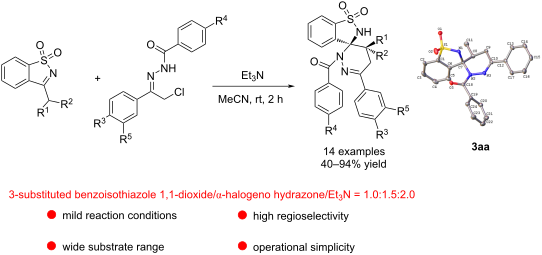
Beilstein J. Org. Chem. 2024, 20, 280–286, doi:10.3762/bjoc.20.29
Graphical Abstract
Scheme 1: Comparision of previous work with this work.
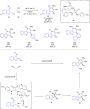
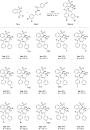
Scheme 2: The effects of substituent groups on the [4 + 2] annulation reaction. Reaction conditions: 1 (1.0 m...
Scheme 3: Gram-scale synthesis of 3aa.
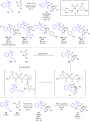
Scheme 4: The transformation of 3aa.
Scheme 5: The reaction mechanism of the reaction from 3aa to 4aa.
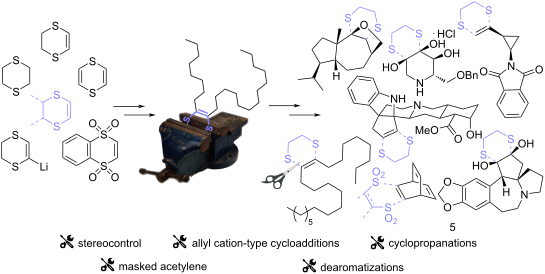
Beilstein J. Org. Chem. 2023, 19, 115–132, doi:10.3762/bjoc.19.12
Graphical Abstract
Scheme 1: 1,3-Dithianes as useful synthetic building blocks: a) general synthetic utility (in Corey–Seebach-t...
Scheme 2: Metalation of other saturated heterocycles is often problematic due to β-elimination [16,17].
Scheme 3: Thianes as synthetic building blocks in the construction of complex molecules [18].
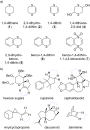
Figure 1: a) 1,4-Dithiane-type building blocks that can serve as C2-synthons and b) examples of complex targe...
Scheme 4: Synthetic availability of 1,4-dithiane-type building blocks.
Scheme 5: Dithiins and dihydrodithiins as pseudoaryl groups [36-39].
Scheme 6: Metalation of other saturated heterocycles is often problematic due to β-elimination [40-42].
Figure 2: Reactive conformations leading to β-fragmentation for lithiated 1,4-dithianes and 1,4-dithiin.
Scheme 7: Mild metalation of 1,4-dithiins affords stable heteroaryl-magnesium and heteroaryl-zinc-like reagen...
Scheme 8: Dithiin-based dienophiles and their use in synthesis [33,49-54].
Scheme 9: Dithiin-based dienes and their use in synthesis [55-57].
Scheme 10: Stereoselective 5,6-dihydro-1,4-dithiin-based synthesis of cis-olefins [42,58].
Scheme 11: Addition to aldehydes and applications in stereoselective synthesis.
Figure 3: Applications in the total synthesis of complex target products with original attachment place of 1,...
Scheme 12: Direct C–H functionalization methods for 1,4-dithianes [82,83].
Scheme 13: Known cycloaddition reactivity modes of allyl cations [84-100].
Scheme 14: Cycloadditions of 1,4-dithiane-fused allyl cations derived from dihydrodithiin-methanol 90 [101-107].
Scheme 15: Dearomative [3 + 2] cycloadditions of unprotected indoles with 1,4-dithiane-fused allyl alcohol 90 [30]....
Scheme 16: Comparison of reactivity of dithiin-fused allyl alcohols and similar non-cyclic sulfur-substituted ...
Scheme 17: Applications of dihydrodithiins in the rapid assembly of polycyclic terpenoid scaffolds [108,109].
Scheme 18: Dihydrodithiin-mediated allyl cation and vinyl carbene cycloadditions via a gold(I)-catalyzed 1,2-s...
Scheme 19: Activation mode of ethynyldithiolanes towards gold-coordinated 1,4-dithiane-fused allyl cation and ...
Scheme 20: Desulfurization problems.
Scheme 21: oxidative decoration strategies for 1,4-dithiane scaffolds.
Beilstein J. Org. Chem. 2022, 18, 769–780, doi:10.3762/bjoc.18.77
Graphical Abstract
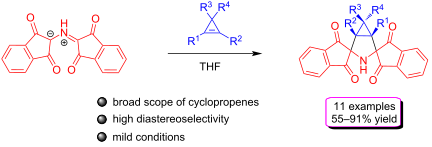
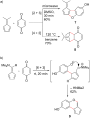
Scheme 1: Early studies concerning cyclopropene cycloadditions to azomethine ylides and cycloaddition reactio...
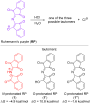
Scheme 2: The pilot experiment aimed at studying the cycloaddition reaction between the protonated form of Ru...
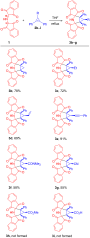
Scheme 3: Synthesis of meso-3'-azadispiro[indene-2,2'-bicyclo[3.1.0]hexane-4',2''-indene] derivatives 3b–g vi...
Figure 1: ORTEP representation of the molecular structure of 3e.
Scheme 4: The reaction of protonated Ruhemann's purple (1) with 3-methyl-3-phenylcyclopropene (2j).
Scheme 5: Attempts to carry out the cycloaddition reactions between 3,3-disubstituted cyclopropenes 2k,l and ...
Scheme 6: The reactions of protonated Ruhemann's purple (1) with unstable cyclopropenes 2m–p.
Scheme 7: The acid–base reaction of Ruhemann's purple with hydrochloric acid and relative Gibbs free energy c...
Scheme 8: Plausible mechanism of the 1,3-DC reaction of protonated Ruhemann's purple (1) with 3-methyl-3-phen...
Scheme 9: Plausible mechanism of the 1,3-DC reaction of protonated Ruhemann's purple (1) with 1-chloro-2-phen...
Beilstein J. Org. Chem. 2022, 18, 243–250, doi:10.3762/bjoc.18.29
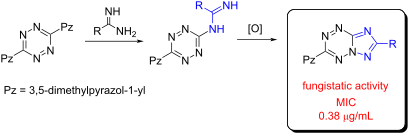
Graphical Abstract
Scheme 1: Chemical structures of [1,2,4]triazolo[4,3-b][1,2,4,5]tetrazine (a), [1,2,4]triazolo[1,5-b][1,2,4,5...
Scheme 2: Synthesis of [1,2,4]triazolo[1,5-b][1,2,4,5]tetrazines 3a–k.
Figure 1: X-ray structure of N-(6-(4-bromo-3,5-dimethylpyrazol-1-yl)-1,2,4,5-tetrazin-3-yl)benzamide.
Scheme 3: Reactions of triazolo[1,5-b][1,2,4,5]tetrazines 3a,j with N- and O-nucleophiles.
Scheme 4: Reactions of triazolo[1,5-b][1,2,4,5]tetrazines 3a,j with C-nucleophiles.
Scheme 5: Reactions of 6-(3,5-dimethyl-1H-pyrazol-1-yl)-3-methyl-[1,2,4]triazolo[4,3-b][1,2,4,5]tetrazine (10a...
Beilstein J. Org. Chem. 2021, 17, 1447–1452, doi:10.3762/bjoc.17.100
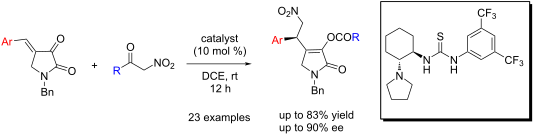
Graphical Abstract
Scheme 1: Reactions of α-nitroketones with unsaturated pyrazolone and with 4-benzylidenepyrrolidine-2,3-dione....
Scheme 2: Reaction of 4-benzylidenedihydrofuran-2,3-dione (4) with α-nitroketones 2b,c. Reaction conditions: ...
Beilstein J. Org. Chem. 2021, 17, 1181–1312, doi:10.3762/bjoc.17.90
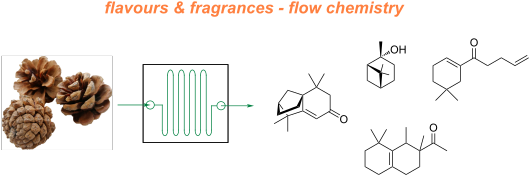
Graphical Abstract
Figure 1: Representative shares of the global F&F market (2018) segmented on their applications [1].
Figure 2: General structure of an international fragrance company [2].
Figure 3: The Michael Edwards fragrance wheel.
Figure 4: Examples of oriental (1–3), woody (4–7), fresh (8–10), and floral (11 and 12) notes.
Figure 5: A basic depiction of batch vs flow.
Scheme 1: Examples of reactions for which flow processing outperforms batch.
Scheme 2: Some industrially important aldol-based transformations.
Scheme 3: Biphasic continuous aldol reactions of acetone and various aldehydes.
Scheme 4: Aldol synthesis of 43 in flow using LiHMDS as the base.
Scheme 5: A semi-continuous synthesis of doravirine (49) involving a key aldol reaction.
Scheme 6: Enantioselective aldol reaction using 5-(pyrrolidin-2-yl)tetrazole (51) as catalyst in a microreact...
Scheme 7: Gröger's example of asymmetric aldol reaction in aqueous media.
Figure 6: Immobilised reagent column reactor types.
Scheme 8: Photoinduced thiol–ene coupling preparation of silica-supported 5-(pyrrolidin-2-yl)tetrazole 63 and...
Scheme 9: Continuous-flow approach for enantioselective aldol reactions using the supported catalyst 67.
Scheme 10: Ötvös’ employment of a solid-supported peptide aldol catalyst in flow.
Scheme 11: The use of proline tetrazole packed in a column for aldol reaction between cyclohexanone (65) and 2...
Scheme 12: Schematic diagram of an aminosilane-grafted Si-Zr-Ti/PAI-HF reactor for continuous-flow aldol and n...
Scheme 13: Continuous-flow condensation for the synthesis of the intermediate 76 to nabumetone (77) and Microi...
Scheme 14: Synthesis of ψ-Ionone (80) in continuous-flow via aldol condensation between citral (79) and aceton...
Scheme 15: Synthesis of β-methyl-ionones (83) from citral (79) in flow. The steps are separately described, an...
Scheme 16: Continuous-flow synthesis of 85 from 84 described by Gavriilidis et al.
Scheme 17: Continuous-flow scCO2 apparatus for the synthesis of 2-methylpentanal (87) and the self-condensed u...
Scheme 18: Chen’s two-step flow synthesis of coumarin (90).
Scheme 19: Pechmann condensation for the synthesis of 7-hydroxyxcoumarin (93) in flow. The setup extended to c...
Scheme 20: Synthesis of the dihydrojasmonate 35 exploiting nitro derivative proposed by Ballini et al.
Scheme 21: Silica-supported amines as heterogeneous catalyst for nitroaldol condensation in flow.
Scheme 22: Flow apparatus for the nitroaldol condensation of p-hydroxybenzaldehyde (102) to nitrostyrene 103 a...
Scheme 23: Nitroaldol reaction of 64 to 105 employing a quaternary ammonium functionalised PANF.
Scheme 24: Enantioselective nitroaldol condensation for the synthesis of 108 under flow conditions.
Scheme 25: Enatioselective synthesis of 1,2-aminoalcohol 110 via a copper-catalysed nitroaldol condensation.
Scheme 26: Examples of Knoevenagel condensations applied for fragrance components.
Scheme 27: Flow apparatus for Knoevenagel condensation described in 1989 by Venturello et al.
Scheme 28: Knoevenagel reaction using a coated multichannel membrane microreactor.
Scheme 29: Continuous-flow apparatus for Knoevenagel condensation employing sugar cane bagasse as support deve...
Scheme 30: Knoevenagel reaction for the synthesis of 131–135 in flow using an amine-functionalised silica gel. ...
Scheme 31: Continuous-flow synthesis of compound 137, a key intermediate for the synthesis of pregabalin (138)...
Scheme 32: Continuous solvent-free apparatus applied for the synthesis of compounds 140–143 using a TSE. Throu...
Scheme 33: Lewis et al. developed a spinning disc reactor for Darzens condensation of 144 and a ketone to furn...
Scheme 34: Some key industrial applications of conjugate additions in the F&F industry.
Scheme 35: Continuous-flow synthesis of 4-(2-hydroxyethyl)thiomorpholine 1,1-dioxide (156) via double conjugat...
Scheme 36: Continuous-flow system for Michael addition using CsF on alumina as the catalyst.
Scheme 37: Calcium chloride-catalysed asymmetric Michael addition using an immobilised chiral ligand.
Scheme 38: Continuous multistep synthesis for the preparation of (R)-rolipram (173). Si-NH2: primary amine-fun...
Scheme 39: Continuous-flow Michael addition using ion exchange resin Amberlyst® A26.
Scheme 40: Preparation of the heterogeneous catalyst 181 developed by Paixão et al. exploiting Ugi multicompon...
Scheme 41: Continuous-flow system developed by the Paixão’s group for the preparation of Michael asymmetric ad...
Scheme 42: Continuous-flow synthesis of nitroaldols catalysed by supported catalyst 184 developed by Wennemers...
Scheme 43: Heterogenous polystyrene-supported catalysts developed by Pericàs and co-workers.
Scheme 44: PANF-supported pyrrolidine catalyst for the conjugate addition of cyclohexanone (65) and trans-β-ni...
Scheme 45: Synthesis of (−)-paroxetine precursor 195 developed by Ötvös, Pericàs, and Kappe.
Scheme 46: Continuous-flow approach for the 5-step synthesis of (−)-oseltamivir (201) as devised by Hayashi an...
Scheme 47: Continuous-flow enzyme-catalysed Michael addition.
Scheme 48: Continuous-flow copper-catalysed 1,4 conjugate addition of Grignard reagents to enones. Reprinted w...
Scheme 49: A collection of commonly encountered hydrogenation reactions.
Figure 7: The ThalesNano H-Cube® continuous-flow hydrogenator.
Scheme 50: Chemoselective reduction of an α,β-unsaturated ketone using the H-Cube® reactor.
Scheme 51: Incorporation of Lindlar’s catalyst into the H-Cube® reactor for the reduction of an alkyne.
Scheme 52: Continuous-flow semi-hydrogenation of alkyne 208 to 209 using SACs with H-Cube® system.
Figure 8: The standard setups for tube-in-tube gas–liquid reactor units.
Scheme 53: Homogeneous hydrogenation of olefins using a tube-in-tube reactor setup.
Scheme 54: Recyclable heterogeneous flow hydrogenation system.
Scheme 55: Leadbeater’s reverse tube-in-tube hydrogenation system for olefin reductions.
Scheme 56: a) Hydrogenation using a Pd-immobilised microchannel reactor (MCR) and b) a representation of the i...
Scheme 57: Hydrogenation of alkyne 238 exploiting segmented flow in a Pd-immobilised capillary reactor.
Scheme 58: Continuous hydrogenation system for the preparation of cyrene (241) from (−)-levoglucosenone (240).
Scheme 59: Continuous hydrogenation system based on CSMs developed by Hornung et al.
Scheme 60: Chemoselective reduction of carbonyls (ketones over aldehydes) in flow.
Scheme 61: Continuous system for the semi-hydrogenation of 256 and 258, developed by Galarneau et al.
Scheme 62: Continuous synthesis of biodiesel fuel 261 from lignin-derived furfural acetone (260).
Scheme 63: Continuous synthesis of γ-valerolacetone (263) via CTH developed by Pineda et al.
Scheme 64: Continuous hydrogenation of lignin-derived biomass (products 265, 266, and 267) using a sustainable...
Scheme 65: Ru/C or Rh/C-catalysed hydrogenation of arene in flow as developed by Sajiki et al.
Scheme 66: Polysilane-immobilized Rh–Pt-catalysed hydrogenation of arenes in flow by Kobayashi et al.
Scheme 67: High-pressure in-line mixing of H2 for the asymmetric reduction of 278 at pilot scale with a 73 L p...
Figure 9: Picture of the PFR employed at Eli Lilly & Co. for the continuous hydrogenation of 278 [287]. Reprinted ...
Scheme 68: Continuous-flow asymmetric hydrogenation using Oppolzer's sultam 280 as chiral auxiliary.
Scheme 69: Some examples of industrially important oxidation reactions in the F&F industry. CFL: compact fluor...
Scheme 70: Gold-catalysed heterogeneous oxidation of alcohols in flow.
Scheme 71: Uozumi’s ARP-Pt flow oxidation protocol.
Scheme 72: High-throughput screening of aldehyde oxidation in flow using an in-line GC.
Scheme 73: Permanganate-mediated Nef oxidation of nitroalkanes in flow with the use of in-line sonication to p...
Scheme 74: Continuous-flow aerobic anti-Markovnikov Wacker oxidation.
Scheme 75: Continuous-flow oxidation of 2-benzylpyridine (312) using air as the oxidant.
Scheme 76: Continuous-flow photo-oxygenation of monoterpenes.
Scheme 77: A tubular reactor design for flow photo-oxygenation.
Scheme 78: Glucose oxidase (GOx)-mediated continuous oxidation of glucose using compressed air and the FFMR re...
Scheme 79: Schematic continuous-flow sodium hypochlorite/TEMPO oxidation of alcohols.
Scheme 80: Oxidation using immobilised TEMPO (344) was developed by McQuade et al.
Scheme 81: General protocol for the bleach/catalytic TBAB oxidation of aldehydes and alcohols.
Scheme 82: Continuous-flow PTC-assisted oxidation using hydrogen peroxide. The process was easily scaled up by...
Scheme 83: Continuous-flow epoxidation of cyclohexene (348) and in situ preparation of m-CPBA.
Scheme 84: Continuous-flow epoxidation using DMDO as oxidant.
Scheme 85: Mukayama aerobic epoxidation optimised in flow mode by the Favre-Réguillon group.
Scheme 86: Continuous-flow asymmetric epoxidation of derivatives of 359 exploiting a biomimetic iron catalyst.
Scheme 87: Continuous-flow enzymatic epoxidation of alkenes developed by Watts et al.
Scheme 88: Engineered multichannel microreactor for continuous-flow ozonolysis of 366.
Scheme 89: Continuous-flow synthesis of the vitamin D precursor 368 using multichannel microreactors. MFC: mas...
Scheme 90: Continuous ozonolysis setup used by Kappe et al. for the synthesis of various substrates employing ...
Scheme 91: Continuous-flow apparatus for ozonolysis as developed by Ley et al.
Scheme 92: Continuous-flow ozonolysis for synthesis of vanillin (2) using a film-shear flow reactor.
Scheme 93: Examples of preparative methods for ajoene (386) and allicin (388).
Scheme 94: Continuous-flow oxidation of thioanisole (389) using styrene-based polymer-supported peroxytungstat...
Scheme 95: Continuous oxidation of thiosulfinates using Oxone®-packed reactor.
Scheme 96: Continuous-flow electrochemical oxidation of thioethers.
Scheme 97: Continuous-flow oxidation of 400 to cinnamophenone (235).
Scheme 98: Continuous-flow synthesis of dehydrated material 401 via oxidation of methyl dihydrojasmonate (33).
Scheme 99: Some industrially important transformations involving Grignard reagents.
Scheme 100: Grachev et al. apparatus for continuous preparation of Grignard reagents.
Scheme 101: Example of fluidized Mg bed reactor with NMR spectrometer as on-line monitoring system.
Scheme 102: Continuous-flow synthesis of Grignard reagents and subsequent quenching reaction.
Figure 10: Membrane-based, liquid–liquid separator with integrated pressure control [52]. Adapted with permission ...
Scheme 103: Continuous-flow synthesis of 458, an intermediate to fluconazole (459).
Scheme 104: Continuous-flow synthesis of ketones starting from benzoyl chlorides.
Scheme 105: A Grignard alkylation combining CSTR and PFR technologies with in-line infrared reaction monitoring....
Scheme 106: Continuous-flow preparation of 469 from Grignard addition of methylmagnesium bromide.
Scheme 107: Continuous-flow synthesis of Grignard reagents 471.
Scheme 108: Preparation of the Grignard reagent 471 using CSTR and the continuous process for synthesis of the ...
Scheme 109: Continuous process for carboxylation of Grignard reagents in flow using tube-in-tube technology.
Scheme 110: Continuous synthesis of propargylic alcohols via ethynyl-Grignard reagent.
Scheme 111: Silica-supported catalysed enantioselective arylation of aldehydes using Grignard reagents in flow ...
Scheme 112: Acid-catalysed rearrangement of citral and dehydrolinalool derivatives.
Scheme 113: Continuous stilbene isomerisation with continuous recycling of photoredox catalyst.
Scheme 114: Continuous-flow synthesis of compound 494 as developed by Ley et al.
Scheme 115: Selected industrial applications of DA reaction.
Scheme 116: Multistep flow synthesis of the spirocyclic structure 505 via employing DA cycloaddition.
Scheme 117: Continuous-flow DA reaction developed in a plater flow reactor for the preparation of the adduct 508...
Scheme 118: Continuous-flow DA reaction using a silica-supported imidazolidinone organocatalyst.
Scheme 119: Batch vs flow for the DA reaction of (cyclohexa-1,5-dien-1-yloxy)trimethylsilane (513) with acrylon...
Scheme 120: Continuous-flow DA reaction between 510 and 515 using a shell-core droplet system.
Scheme 121: Continuous-flow synthesis of bicyclic systems from benzyne precursors.
Scheme 122: Continuous-flow synthesis of bicyclic scaffolds 527 and 528 for further development of potential ph...
Scheme 123: Continuous-flow inverse-electron hetero-DA reaction to pyridine derivatives such as 531.
Scheme 124: Comparison between batch and flow for the synthesis of pyrimidinones 532–536 via retro-DA reaction ...
Scheme 125: Continuous-flow coupled with ultrasonic system for preparation of ʟ-ascorbic acid derivatives 539 d...
Scheme 126: Two-step continuous-flow synthesis of triazole 543.
Scheme 127: Continuous-flow preparation of triazoles via CuAAC employing 546-based heterogeneous catalyst.
Scheme 128: Continuous-flow synthesis of compounds 558 through A3-coupling and 560 via AgAAC both employing the...
Scheme 129: Continuous-flow photoinduced [2 + 2] cycloaddition for the preparation of bicyclic derivatives of 5...
Scheme 130: Continuous-flow [2 + 2] and [5 + 2] cycloaddition on large scale employing a flow reactor developed...
Scheme 131: Continuous-flow preparation of the tricyclic structures 573 and 574 starting from pyrrole 570 via [...
Scheme 132: Continuous-flow [2 + 2] photocyclization of cinnamates.
Scheme 133: Continuous-flow preparation of cyclobutane 580 on a 5-plates photoreactor.
Scheme 134: Continuous-flow [2 + 2] photocycloaddition under white LED lamp using heterogeneous PCN as photocat...
Figure 11: Picture of the parallel tube flow reactor (PTFR) "The Firefly" developed by Booker-Milburn et al. a...
Scheme 135: Continuous-flow acid-catalysed [2 + 2] cycloaddition between silyl enol ethers and acrylic esters.
Scheme 136: Continuous synthesis of lactam 602 using glass column reactors.
Scheme 137: In situ generation of ketenes for the Staudinger lactam synthesis developed by Ley and Hafner.
Scheme 138: Application of [2 + 2 + 2] cycloadditions in flow employed by Ley et al.
Scheme 139: Examples of FC reactions applied in F&F industry.
Scheme 140: Continuous-flow synthesis of ibuprofen developed by McQuade et al.
Scheme 141: The FC acylation step of Jamison’s three-step ibuprofen synthesis.
Scheme 142: Synthesis of naphthalene derivative 629 via FC acylation in microreactors.
Scheme 143: Flow system for rapid screening of catalysts and reaction conditions developed by Weber et al.
Scheme 144: Continuous-flow system developed by Buorne, Muller et al. for DSD optimisation of the FC acylation ...
Scheme 145: Continuous-flow FC acylation of alkynes to yield β-chlorovinyl ketones such as 638.
Scheme 146: Continuous-flow synthesis of tonalide (619) developed by Wang et al.
Scheme 147: Continuous-flow preparation of acylated arene such as 290 employing Zr4+-β-zeolite developed by Kob...
Scheme 148: Flow system applied on an Aza-FC reaction catalysed by the thiourea catalyst 648.
Scheme 149: Continuous hydroformylation in scCO2.
Scheme 150: Two-step flow synthesis of aldehyde 655 through a sequential Heck reaction and subsequent hydroform...
Scheme 151: Single-droplet (above) and continuous (below) flow reactors developed by Abolhasani et al. for the ...
Scheme 152: Continuous hydroformylation of 1-dodecene (655) using a PFR-CSTR system developed by Sundmacher et ...
Scheme 153: Continuous-flow synthesis of the aldehyde 660 developed by Eli Lilly & Co. [32]. Adapted with permissio...
Scheme 154: Continuous asymmetric hydroformylation employing heterogenous catalst supported on carbon-based sup...
Scheme 155: Examples of acetylation in F&F industry: synthesis of bornyl (S,R,S-664) and isobornyl (S,S,S-664) ...
Scheme 156: Continuous-flow preparation of bornyl acetate (S,R,S-664) employing the oscillating flow reactor.
Scheme 157: Continuous-flow synthesis of geranyl acetate (666) from acetylation of geraniol (343) developed by ...
Scheme 158: 12-Ttungstosilicic acid-supported silica monolith-catalysed acetylation in flow.
Scheme 159: Continuous-flow preparation of cyclopentenone 676.
Scheme 160: Two-stage synthesis of coumarin (90) via acetylation of salicylaldehyde (88).
Scheme 161: Intensification process for acetylation of 5-methoxytryptamine (677) to melatonin (678) developed b...
Scheme 162: Examples of macrocyclic musky odorants both natural (679–681) and synthetic (682 and 683).
Scheme 163: Flow setup combined with microwave for the synthesis of macrocycle 686 via RCM.
Scheme 164: Continuous synthesis of 2,5-dihydro-1H-pyrroles via ring-closing metathesis.
Scheme 165: Continuous-flow metathesis of 485 developed by Leadbeater et al.
Figure 12: Comparison between RCM performed using different routes for the preparation of 696. On the left the...
Scheme 166: Continuous-flow RCM of 697 employed the solid-supported catalyst 698 developed by Grela, Kirschning...
Scheme 167: Continuous-flow RORCM of cyclooctene employing the silica-absorbed catalyst 700.
Scheme 168: Continuous-flow self-metathesis of methyl oleate (703) employing SILP catalyst 704.
Scheme 169: Flow apparatus for the RCM of 697 using a nanofiltration membrane for the recovery and reuse of the...
Scheme 170: Comparison of loadings between RCMs performed with different routes for the synthesis of 709.
Beilstein J. Org. Chem. 2021, 17, 719–729, doi:10.3762/bjoc.17.61
Graphical Abstract
Figure 1: Structures of dibenzosuberenone 1 and pyridazine and pyrrole derivatives.
Figure 2: Structures of s-tetrazines 2a–l.
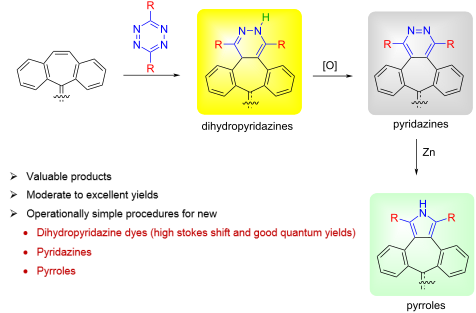
Scheme 1: Inverse electron-demand Diels–Alder reactions of dibenzosuberenone (1) with tetrazines 2a–l.
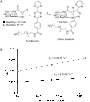
Scheme 2: Inverse electron-demand Diels–Alder reactions between dibenzosuberenone 1 and tetrazines 2ka and 2lb...
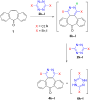
Scheme 3: Proposed reaction mechanism for the formation of dibenzosuberenone derivatives 3 and 4.
Scheme 4: Proposed mechanism for the formation of 5l.
Scheme 5: Oxidation of dihydropyridazines 3a–f. All reactions were carried in CH2Cl2 at room temperature (4e:...
Scheme 6: Synthesis of pyrrole 10a. a1.34 mmol 4a, Zinc (for 10aa: 6.68 mmol, for 10ab: 13.36 mmol), 10 mL gl...
Scheme 7: Synthesis of pyrrole 10b. a1.21 mmol 4b, 12.10 mmol Zinc, 118 °C, 2 h. b1.13 mmol 10ba, 1.69 mmol K...
Scheme 8: Synthesis of p-quinone methides 13–16. a1.77 mmol 11, 1.77 mmol 2, 5 mL toluene, 80 °C (13a: overni...
Scheme 9: Proposed mechanism for the formation of 13.
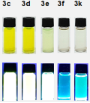
Figure 3: UV–vis spectra of 3c–f and 3k in CH3CN at rt (c = 5 μM).
Figure 4: Fluorescence spectra of 3c–f and 3k in CH3CN at rt (c = 5 μM).
Figure 5: Ambient (top) and fluorescence (bottom, under 365 nm UV light) images of 3c–f and 3k in CH3CN.
Beilstein J. Org. Chem. 2020, 16, 2854–2861, doi:10.3762/bjoc.16.234
Graphical Abstract
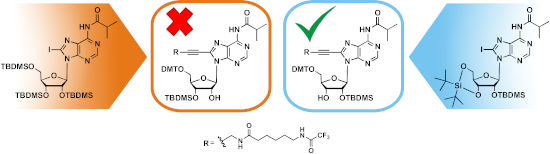
Scheme 1: Synthesis of a C8-linker-modified adenosine derivative. (a) 4 equiv TBDMS-Cl, 5 equiv imidazole, DM...
Figure 1: Characterization and assignment of the TBDMS isomers via HSQC (red) and HMBC (blue) NMR measurement...
Scheme 2: New synthetic route to the C8-linker modified adenosine building block. (a) i) 1.2 equiv di-tert-bu...
Beilstein J. Org. Chem. 2019, 15, 2113–2132, doi:10.3762/bjoc.15.209
Graphical Abstract
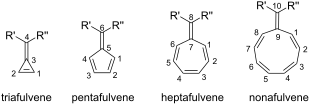
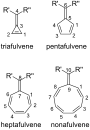
Figure 1: General structure of fulvenes, named according to the number of carbon atoms in their ring. Whilst ...
Figure 2: Generic structures of commonly referenced heteropentafulvenes, named according to the heteroatom su...
Scheme 1: Resonance structures of (a) pentafulvene and (b) heptafulvene showing neutral (1 and 2), dipolar (1a...
Scheme 2: Resonance structures of (a) pentafulvenes and (b) heptafulvenes showing the influence of EDG and EW...
Scheme 3: Reaction of 6,6-dimethylpentafulvene with singlet state oxygen to form an enol lactone via the mult...
Scheme 4: Photosensitized oxygenation of 8-cyanoheptafulvene with singlet state oxygen to afford 1,4-epidioxi...
Figure 3: A representation of HOMO–LUMO orbitals of pentafulvene and the influence of EWG and EDG substituent...
Scheme 5: Reactions of (a) 6,6-dimethylpentafulvene participating as 2π and 4π components in cycloadditions w...
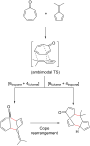
Scheme 6: Proposed mechanism for the [6 + 4] cycloaddition of tropone with dimethylfulvene via an ambimodal [...
Scheme 7: Triafulvene dimerization through the proposed 'head-to-tail' mechanism. The dipolar transition stat...
Scheme 8: Dimerization of pentafulvenes via a Diels–Alder cycloaddition pathway whereby one fulvene acts as a...
Scheme 9: Dimerization of pentafulvenes via frustrated Lewis pair chemistry as reported by Mömming et al. [116].
Scheme 10: Simplified reaction scheme for the formation of kempane from an extended-chain pentafulvene [127].
Scheme 11: The enantioselective (>99% ee), asymmetric, catalytic, intramolecular [6 + 2] cycloaddition of fulv...
Scheme 12: Intramolecular [8 + 6] cycloaddition of the heptafulvene-pentafulvene derivative [22,27].
Scheme 13: Reaction scheme for (a) [2 + 2] cycloaddition of 1,2-diphenylmethylenecyclopropene and 1-diethylami...
Scheme 14: Diels–Alder cycloaddition of pentafulvenes derivatives participating as dienes with (i) maleimide d...
Scheme 15: Generic schemes showing pentafulvenes participating as dienophiles in Diels–Alder cycloadditions wi...
Scheme 16: Reaction of 8,8-dicyanoheptafulvene and styrene derivatives to afford [8 + 2] and [4 + 2] cycloaddu...
Scheme 17: Reaction of 6-aminofulvene and maleic anhydride, showing observed [6 + 2] cycloaddition; the [4 + 2...
Scheme 18: Schemes for Diels–Alder cycloadditions in dynamic combinatorial chemistry reported by Boul et al. R...
Scheme 19: Polymerisation and dynamer formation via Diels–Alder cycloaddition between fulvene groups in polyet...
Scheme 20: Preparation of hydrogels via Diels–Alder cycloaddition with fulvene-conjugated dextran and dichloro...
Scheme 21: Ring-opening metathesis polymerisation of norbornene derivatives derived from fulvenes and maleimid...
Beilstein J. Org. Chem. 2019, 15, 584–601, doi:10.3762/bjoc.15.54
Graphical Abstract
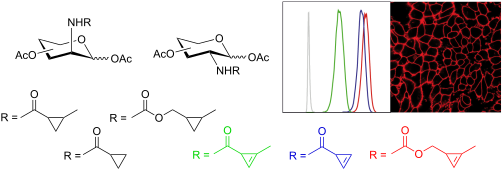
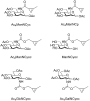
Figure 1: Cyclopropene-modified mannosamine, glucosamine and galactosamine derivatives employed for MGE.
Figure 2: A) Reaction of ManNCyc and ManNCp, respectively, with Tz-PEG-OH to determine second-order rate cons...
Scheme 1: MGE with cyclopropene-modified mannosamines. Cells were grown with sugar for 48 hours and then incu...
Figure 3: HEK 293T cells were grown with 100 μM Ac4ManNCyc, Ac4ManNCp, Ac4ManNCyoc or DMSO only (negative con...
Scheme 2: Synthesis of Ac4ManNCp(H2) and Ac4ManNCyc(H2) and the corresponding DMB-labeled sialic acids. C/A =...
Scheme 3: Synthesis of Ac4ManNCyoc(H2) and the corresponding DMB-labeled sialic acid.
Scheme 4: Synthesis of Ac4GlcNCp and Ac4GalNCp.
Figure 4: HEK 293T cells were grown with 100 μM Ac4ManNCp, Ac4GlcNCp, Ac4GalNCp or DMSO only (negative contro...
Figure 5: HEK 293T cells were grown with 100 μM Ac4GlcNCp, Ac4GalNCp or DMSO only (negative control) for 48 h...
Figure 6: HEK 293T cells were grown with 50 μM (A) or 100 μM (B) Ac4GlcNCp, Ac4GlcNCyoc or DMSO only (negativ...
Figure 7: Western blot analysis of soluble glycoproteins. HEK 293T cells were grown for 48 h with 100 μM Ac4M...
Scheme 5: Synthesis of Ac4GlcNCp(H2) and Ac4GlcNCyoc(H2).
Beilstein J. Org. Chem. 2019, 15, 30–43, doi:10.3762/bjoc.15.3
Graphical Abstract
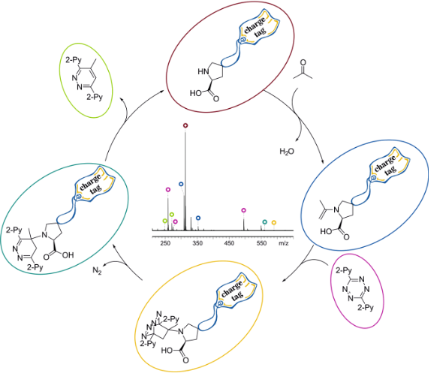
Figure 1: Charge-tagged L-proline-derived catalyst 1∙Cl [18].
Scheme 1: Putative catalytic cycle [51] for the L-proline-catalyzed Diels–Alder reaction with inverse electron de...
Scheme 2: Synthesis of the charge-tagged tetrazine 4∙Br as a reactant for the proline-catalyzed Diels–Alder r...
Scheme 3: Reaction R1: L-proline-catalyzed reaction between 2 and acetone.
Figure 2: NMR monitoring of reaction R1 in deuterated DMSO (concentration of tetrazine 0.005 mmol/mL).
Scheme 4: Equilibrium of oxazolidinone and enamine formation.
Figure 3: a) ESI mass spectrum of reaction R1 after 26 min. b) ESIMS monitoring of reaction R1. To better vis...
Figure 4: ESI mass spectrum of reaction R1 with preformed I1 8 minutes after adding substrate 2.
Scheme 5: Reaction R2: L-proline-catalyzed reaction between charge-tagged substrate 4∙Br and acetone. The reg...
Figure 5: ESI mass spectrum of reaction R2 using a continuous-flow setup with a calculated reaction time of 8...
Figure 6: a) Reaction R2 after two hours (syringe setup). b) ESIMS monitoring of reaction R2. Signal intensit...
Scheme 6: Reaction R3: substrate 2, acetone and charge-tagged catalyst 1∙Cl.
Figure 7: ESI mass spectrum of reaction R3 at 60 °C after 1.5 h.
Scheme 7: General catalytic cycle for reactions R1–R3.
Figure 8: ESIMS monitoring of reaction R3. The plotted intensity values for each molecule are a sum of all co...
Figure 9: Isomeric forms in equilibrium: enamine [I3a]+, oxazolidinone [I3b]+ and iminium [I3c]+.
Figure 10: ESI(+) CID spectrum of mass-selected [I3]+ (m/z 353); collision energy voltage 1 V.
Figure 11: ESI(+) CID spectrum of mass selected [II3]+ (m/z 589); collision energy voltage 5 V.
Figure 12: ESI(+) CID spectrum of mass selected [III3]+ (m/z 561); collision energy voltage 10 V.
Beilstein J. Org. Chem. 2018, 14, 1946–1955, doi:10.3762/bjoc.14.169
Graphical Abstract
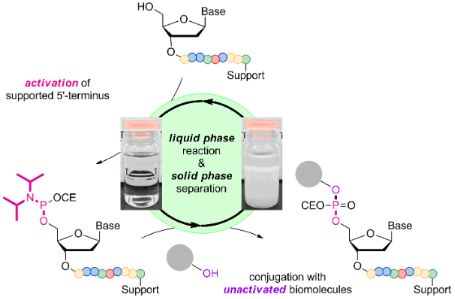
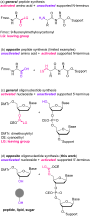
Figure 1: Schematic illustration of possible support-assisted methods.
Figure 2: Expected reactivity of 5’- and 3’-terminus for the activation.
Scheme 1: Competition experiment between alcohol and carboxylic acid. Reagents and conditions: (i) 4-phenylbu...
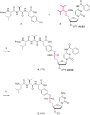
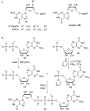
Scheme 2: Conjugation between the 5’-activated supported trinucleotide 2 and the tripeptide 3. Reagents and c...
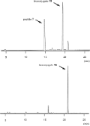
Figure 3: HPLC spectra of the crude protected bioconjugate 4 and the crude deprotected bioconjugate 5.
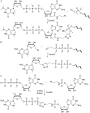
Scheme 3: 5’-Phosphitylation of supported decanucleotide 13. Reagents and conditions: 2-cyanoethyl-N,N,N',N'-...
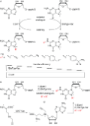
Scheme 4: Conjugation between 5’-activated supported decanucleotide 14 and supported pentapeptide 7. Reagents...
Figure 4: HPLC spectra of the crude protected bioconjugate 15 and the deprotected bioconjugate 16.
Beilstein J. Org. Chem. 2018, 14, 618–625, doi:10.3762/bjoc.14.48
Graphical Abstract
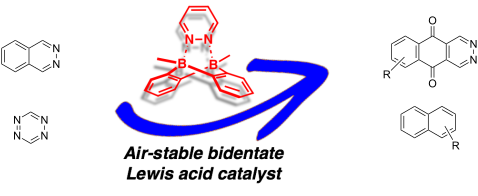
Scheme 1: Bidentate bisborane Lewis acids.
Scheme 2: Complexation reaction of 5,10-dimethyl-5,10-dihydroboranthrene (A) with Lewis bases analyzed by NMR...
Figure 1: Time-dependent 1H NMR spectra of the air-exposed complex B.
Scheme 3: Synthetic procedures of bisboranes A and B.
Figure 2: ORTEP drawing (50% probability) of complex B.
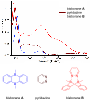
Figure 3: UV–vis spectrum of complex B was measured in CHCl3 and compared with pyridazine and bisborane A (co...
Beilstein J. Org. Chem. 2018, 14, 560–575, doi:10.3762/bjoc.14.43
Graphical Abstract
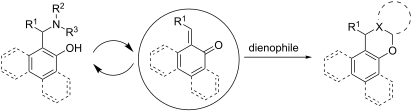
Scheme 1: Formation of amidoalkylnaphthols 4 via o-QM intermediate 3.
Scheme 2: Asymmetric syntheses of triarylmethanes starting from diarylmethylamines.
Scheme 3: Proposed mechanism for the formation of 2,2-dialkyl-3-dialkylamino-2,3-dihydro-1H-naphtho[2,1-b]pyr...
Scheme 4: Cycloadditions of isoflavonoid-derived o-QMs and various dienophiles.
Scheme 5: [4 + 2] Cycloaddition reactions between aminonaphthols and cyclic amines.
Scheme 6: Brønsted acid-catalysed reaction between aza-o-QMs and 2- or 3-substituted indoles.
Scheme 7: Formation of 3-(α,α-diarylmethyl)indoles 52 in different synthetic pathways.
Scheme 8: Alkylation of o-QMs with N-, O- or S-nucleophiles.
Scheme 9: Formation of DNA linkers and o-QM mediated polymers.
Beilstein J. Org. Chem. 2018, 14, 436–469, doi:10.3762/bjoc.14.32
Graphical Abstract
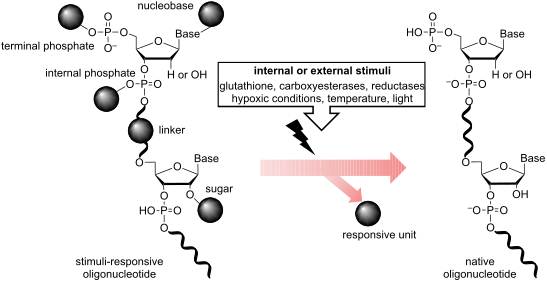
Scheme 1: Demasking under reducing agents of ON prodrugs modified as phosphotriesters with A) benzyl groups [13] ...
Scheme 2: A) Synthesis via phosphoramidite chemistry and B) demasking under the reducing environment of 2’-O-...
Scheme 3: Synthesis via phosphoramidite chemistry of various 2’-O-alkyldithiomethyl (RSSM)-modified RNAs bear...
Scheme 4: A) siRNA conjugates to cholesterol [19] and B) PNA conjugates to a triphenylphosphonium [20] through a disu...
Scheme 5: Synthesis via phosphoramidite chemistry and deprotection mediated by nitroreductase/NADH of hypoxia...
Scheme 6: Synthesis via phosphoramidite chemistry and conversion mediated by nitroreductase/NADH of hypoxia-a...
Scheme 7: Incorporation of O6-(4-nitrobenzyl)-2’-deoxyguanosine into an ON prone to form a G-quadruplex struc...
Scheme 8: Synthesis and mechanism for the demasking of ON prodrugs from A) S-acylthioethyl phosphotriester [29] a...
Figure 1: Oligothymidylates bearing A) 2,2-bis(ethoxycarbonyl)-3-(pivaloyloxy)propyl- and B) 2-cyano-2(2-phen...
Figure 2: Oligothymidylates containing esterase and thermo-labile (4-acetylthio-2,2-dimethyl-3-oxobutyl) phos...
Scheme 9: Phosphoramidites and the corresponding RNA prodrugs protected as A) t-Bu-SATE, B) OH-SATE and C) A-...
Scheme 10: Mechanism of the hydrolysis of 2’-O-acyloxymethyl ONs mediated by carboxyesterases [46]. The hydrolysis...
Scheme 11: Synthesis of partially 2’-O-PivOM-modified RNAs [49] and 2’-O-PiBuOM-modified RNAs [53] using their corresp...
Figure 3: A) 2’-O-amino and guanidino-containing acetal ester phosphoramidites and B) 2’-O-(amino acid) aceta...
Scheme 12: Prodrugs of tricyclo-ONs functionalized with A) ethyl (tcee-T) and B) hexadecyl (tchd-T) ester func...
Scheme 13: Demasking mechanism of fma thiophosphate triesters in CpG ODN upon heat action [58].
Scheme 14: Thermolytic cleavage of the hydroxy-alkylated thiophosphate and phosphato-/thiophosphato-alkylated ...
Scheme 15: Synthesis via phosphoramidite chemistry and thermolytic cleavage of alkylated (diisopropyl, diethyl...
Scheme 16: Synthesis of thermosensitive prodrugs of ODNs containing fma thiophosphate triesters combined to po...
Scheme 17: Caging of deoxycytidine in methylphosphonate ONs by using the thermolabile phenylsulfonylcarbamoyl ...
Figure 4: Biotinylated 1-(5-(aminomethyl)-2-nitrophenyl)ethyl phosphoramidite used to cage the 5’-end of a si...
Scheme 18: Introduction and cleavage of 1-(4,5-dimethoxy-2-nitrophenyl)ethyl (DMNPE) [74] and cyclododecyl-DMNPE (...
Scheme 19: Post-synthetic introduction of a thioether-enol phosphodiester (TEEP) linkage into a DNAzyme by the...
Scheme 20: A) NPP dT and dG phosphoramidites [91,92] and B) NPOM U and G phosphoramidites [83] used to introduce photocag...
Scheme 21: Introduction of the photocaged 3-NPOM nucleobase into phosphorothioate antisense and morpholino ant...
Scheme 22: Control of the activity of an antisense ODN using a photocaged hairpin [82]. Formation of the hairpin s...
Scheme 23: Control of alternative splicing using phosphorothioate (PS) 2’-OMe-photocaged ONs resulting from th...
Scheme 24: A) Light activation of a photocaged DNAzyme incorporating 3-NPOM thymidine in its catalytic site [87]; ...
Scheme 25: Incorporation of 3-(6-nitropiperonyloxymethyl) (NPOM) thymidine and 4-nitropiperonylethyl (NPE) deo...
Scheme 26: Synthesis of a photocaged DNA decoy from a 3-NPOM thymidine phosphoramidite and release of the NPOM...
Scheme 27: Synthesis of a caged DNA decoy hairpin containing a 7-nitroindole nucleotide and release of the mod...
Figure 5: Caged-2’-adenosines used by MacMillan et al [93,94] (X = O) and Piccirilli et al [95] (X = S) to study RNA mec...
Scheme 28: Synthesis of circular ODNs containing a photolabile linker as described by Tang et al. [101,104].
Scheme 29: Control of RNA digestion with RNase H using light activation of a photocaged hairpin [97].
Scheme 30: Photocontrol of RNA degradation using caged circular antisense ODNs containing a photoresponsive li...
Scheme 31: Control of RNA translation using an “RNA bandage” consisting of two short 2’-OMe ONs linked togethe...
Scheme 32: Control of alternative splicing using photocaged ONs resulting from the incorporation of an o-nitro...
Scheme 33: A) Light deactivation of a photocaged DNAzyme incorporating one photocleavable spacer in its cataly...
Scheme 34: Solid-phase synthesis of a caged vit E-siRNA conjugate and its release upon UV irradiation [106].
Scheme 35: Synthesis of a siRNA conjugated to a nanoparticle (NP) via a cyclooctene heterolinker from a siRNA-...
Beilstein J. Org. Chem. 2017, 13, 2819–2832, doi:10.3762/bjoc.13.274
Graphical Abstract
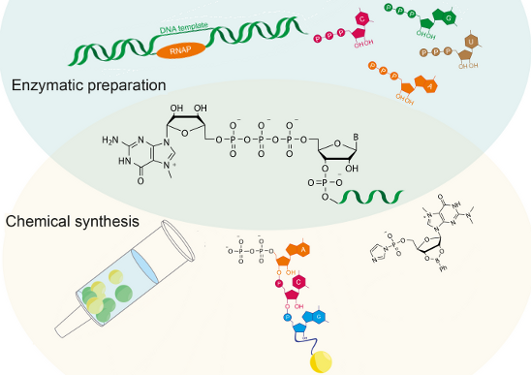
Figure 1: Schematic representation of enzymatic 5′-cap formation in eukaryotic mRNA. The 5′-triphosphate-end ...
Figure 2: Nucleotide analogues 1–11 were converted by Paramecium bursaria Chlorella virus-1 capping enzyme in...
Figure 3: Schematic representation of co-transcriptional capping with different cap analogues. A DNA-dependen...
Figure 4: (A) Structures of commercially available mRNA cap analogues. (B) Synthetic route to cap analogues a...
Figure 5: Enzymatic modification of cap analogues at their N2- or N7-position or a combination of both. (A) F...
Figure 6: Synthesis of cap-containing RNA by solid-phase synthesis. (A) A TMG-capped mRNA was synthesized sta...
Figure 7: Click chemistry for the preparation of capped RNA and cap analogues. (A) Preparation of capped RNA ...
Beilstein J. Org. Chem. 2016, 12, 2390–2401, doi:10.3762/bjoc.12.233
Graphical Abstract
Figure 1: Biologically active isoxazoles conjugated to other azole rings.
Scheme 1: Reactions of azolyl enamines with nitrile oxides.
Figure 2: Structures of starting enamines 1 and hydroxamoyl chlorides 2.
Scheme 2: Synthesis of 4-azolylisoxazoles 4a–p from enamines 1a–e and hydroxamoyl chlorides 2a–h. Reaction co...
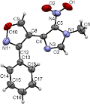
Figure 3: Imidazolylisoxazole 4a according to XRD data in the thermal ellipsoids of the 50% probability level....
Figure 4: Isoxazolylisoxazole 4p according to XRD data with thermal ellipsoids of 50% probability level.
Scheme 3: Plausible mechanisms for reaction of hydroxamoyl chlorides 2 with imidazolyl enamines 1a,b.
Figure 5: Geometries of enamine 1a appropriate to the calculated minima on the PES, and their relative free e...
Scheme 4: Calculated pathways for the formation of experimentally observed 3a, regioisomer 7 and isoxazoline 8...
Figure 6: Structures of the localized transition states. Lengths of the forming bonds are given in Å.
Figure 7: Summary of the calculated pathways of the cycloaddition reaction between enamine 1a and benzonitril...
Figure 8: Isosurface plots of the HOMO of enamine 1a_1 (bottom) and the LUMO of nitrile oxide 6 (top) in the ...
Beilstein J. Org. Chem. 2016, 12, 2093–2098, doi:10.3762/bjoc.12.198
Graphical Abstract
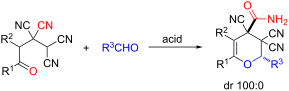
Scheme 1: An exclusive approach to 3,4-dihydro-2H-pyran-4-carboxamides from non-pyran sources.
Scheme 2: Known approach to pyran derivatives based on ketonitriles 1.
Figure 1: The molecular structure of 2a with atom-numbering scheme. Displacement ellipsoids are drawn at the ...
Scheme 3: Plausible reaction pathways for 3,4-dihydro-2H-pyran-4-carbxamides 2 formation.
Beilstein J. Org. Chem. 2016, 12, 825–834, doi:10.3762/bjoc.12.81
Graphical Abstract
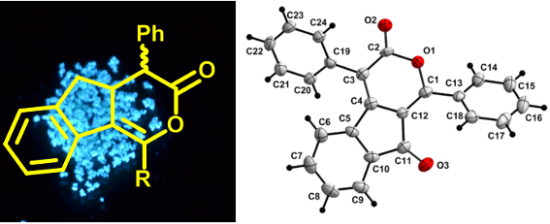
Scheme 1: Synthesis of dihydroindeno[1,2-c]pyran-3-ones 2 and 3.
Figure 1: Possible isomers of dihydroindeno[1,2-c]pyran-3-ones 2 and 3.
Figure 2: 1H NMR spectra (600 MHz, CDCl3) of isomers 2'b (top), 2''b (middle) and 3''b (bottom).
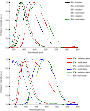
Figure 3: Normalized absorption spectra of dihydroindenopyrones 2'a–d, 2''b–d and 3''b, recorded in acetonitr...
Figure 4: Normalized UV–vis (left) spectra at excitation wavelengths and fluorescence (right) spectra of dihy...
Figure 5: Normalized solid-state and solution (acetonitrile) fluorescence spectra of diastereoisomers 2a–d.
Scheme 2: Synthesis of α-pyrones 4–6.
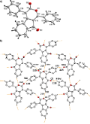
Figure 6: a) View of the asymmetric unit in the crystal of 6a, shown with 40% probability ellipsoids. b) View...
Beilstein J. Org. Chem. 2016, 12, 462–495, doi:10.3762/bjoc.12.48
Graphical Abstract
Scheme 1: Activation of carbonyl compounds via enamine and iminium intermediates [2].
Scheme 2: Electronic and steric interactions present in enamine activation mode [2].
Scheme 3: Electrophilic activation of carbonyl compounds by a thiourea moiety.
Scheme 4: Asymmetric synthesis of dihydro-2H-pyran-6-carboxylate 3 using organocatalyst 4 [16].
Scheme 5: Possible hydrogen-bonding for the reaction of (E)-methyl 2-oxo-4-phenylbut-3-enoate [16].
Scheme 6: Asymmetric desymmetrization of 4,4-cyclohexadienones using the Michael addition reaction with malon...
Scheme 7: The enantioselective synthesis of α,α-disubstituted cycloalkanones using catalyst 11 [18].
Scheme 8: The enantioselective synthesis of indolo- and benzoquinolidine compounds through aza-Diels–Alder re...
Scheme 9: Enantioselective [5 + 2] cycloaddition [20].
Scheme 10: Asymmetric synthesis of oxazine derivatives 26 [21].
Scheme 11: Asymmetric synthesis of bicyclo[3.3.1]nonadienone, core 30 present in (−)-huperzine [22].
Scheme 12: Asymmetric inverse electron-demand Diels-Alder reaction catalyzed by amine-thiourea 34 [23].
Scheme 13: Asymmetric entry to morphan skeletons, catalyzed by amine-thiourea 37 [24].
Scheme 14: Asymmetric transformation of (E)-2-nitroallyl acetate [25].
Scheme 15: Proposed way of activation.
Scheme 16: Asymmetric synthesis of nitrobicyclo[3.2.1]octan-2-one derivatives [26].
Scheme 17: Asymmetric tandem Michael–Henry reaction catalyzed by 50 [27].
Scheme 18: Asymmetric Diels–Alder reactions of 3-vinylindoles 51 [29].
Scheme 19: Proposed transition state and activation mode of the asymmetric Diels–Alder reactions of 3-vinylind...
Scheme 20: Desymmetrization of meso-anhydrides by Chin, Song and co-workers [30].
Scheme 21: Desymmetrization of meso-anhydrides by Connon and co-workers [31].
Scheme 22: Asymmetric intramolecular Michael reaction [32].
Scheme 23: Asymmetric addition of malonate to 3-nitro-2H-chromenes 67 [33].
Scheme 24: Intramolecular desymmetrization through an intramolecular aza-Michael reaction [34].
Scheme 25: Enantioselective synthesis of (−)-mesembrine [34].
Scheme 26: A novel asymmetric Michael–Michael reaction [35].
Scheme 27: Asymmetric three-component reaction catalyzed by Takemoto’s catalyst 77 [46].
Scheme 28: Asymmetric domino Michael–Henry reaction [47].
Scheme 29: Asymmetric domino Michael–Henry reaction [48].
Scheme 30: Enantioselective synthesis of derivatives of 3,4-dihydro-2H-pyran 89 [49].
Scheme 31: Asymmetric addition of α,α-dicyano olefins 90 to 3-nitro-2H-chromenes 91 [50].
Scheme 32: Asymmetric three-component reaction producing 2,6-diazabicyclo[2.2.2]octanones 95 [51].
Scheme 33: Asymmetric double Michael reaction producing substituted chromans 99 [52].
Scheme 34: Enantioselective synthesis of multi-functionalized spiro oxindole dienes 106 [53].
Scheme 35: Organocatalyzed Michael aldol cyclization [54].
Scheme 36: Asymmetric synthesis of dihydrocoumarins [55].
Scheme 37: Asymmetric double Michael reaction en route to tetrasubstituted cyclohexenols [56].
Scheme 38: Asymmetric synthesis of α-trifluoromethyl-dihydropyrans 121 [58].
Scheme 39: Tyrosine-derived tertiary amino-thiourea 123 catalyzed Michael hemiaketalization reaction [59].
Scheme 40: Enantioselective entry to bicyclo[3.2.1]octane unit [60].
Scheme 41: Asymmetric synthesis of spiro[4-cyclohexanone-1,3’-oxindoline] 126 [61].
Scheme 42: Kinetic resolution of 3-nitro-2H-chromene 130 [62].
Scheme 43: Asymmetric synthesis of chromanes 136 [63].
Scheme 44: Wang’s utilization of β-unsaturated α-ketoesters 87 [64,65].
Scheme 45: Asymmetric entry to trifluoromethyl-substituted dihydropyrans 144 [66].
Scheme 46: Phenylalanine-derived thiourea-catalyzed domino Michael hemiaketalization reaction [67].
Scheme 47: Asymmetric synthesis of α-trichloromethyldihydropyrans 149 [68].
Scheme 48: Takemoto’s thiourea-catalyzed domino Michael hemiaketalization reaction [69].
Scheme 49: Asymmetric synthesis of densely substituted cyclohexanes [70].
Scheme 50: Enantioselective synthesis of polysubstituted chromeno [4,3-b]pyrrolidine derivatines 157 [71].
Scheme 51: Enantioselective synthesis of spiro-fused cyclohexanone/5-oxazolone scaffolds 162 [72].
Scheme 52: Utilizing 2-mercaptobenzaldehydes 163 in cascade processes [73,74].
Scheme 53: Proposed transition state of the initial sulfa-Michael step [74].
Scheme 54: Asymmetric thiochroman synthesis via dynamic kinetic resolution [75].
Scheme 55: Enantioselective synthesis of thiochromans [76].
Scheme 56: Enantioselective synthesis of chromans and thiochromans synthesis [77].
Scheme 57: Enantioselective sulfa-Michael aldol reaction en route to spiro compounds [78].
Scheme 58: Enantioselective synthesis of 4-aminobenzo(thio)pyrans 179 [79].
Scheme 59: Asymmetric synthesis of tetrahydroquinolines [80].
Scheme 60: Novel asymmetric Mannich–Michael sequence producing tetrahydroquinolines 186 [81].
Scheme 61: Enantioselective synthesis of biologically interesting chromanes 190 and 191 [82].
Scheme 62: Asymmetric tandem Henry–Michael reaction [83].
Scheme 63: An asymmetric synthesis of substituted cyclohexanes via a dynamic kinetic resolution [84].
Scheme 64: Three component-organocascade initiated by Knoevenagel reaction [85].
Scheme 65: Asymmetric Michael reaction catalyzed by catalysts 57 and 211 [86].
Scheme 66: Proposed mechanism for the asymmetric Michael reaction catalyzed by catalysts 57 and 211 [86].
Scheme 67: Asymmetric facile synthesis of hexasubstituted cyclohexanes [87].
Scheme 68: Dual activation catalytic mechanism [87].
Scheme 69: Asymmetric Michael–Michael/aldol reaction catalyzed by catalysts 57, 219 and 214 [88].
Scheme 70: Asymmetric synthesis of substituted cyclohexane derivatives, using catalysts 57 and 223 [89].
Scheme 71: Asymmetric synthesis of substituted piperidine derivatives, using catalysts 223 and 228 [90].
Scheme 72: Asymmetric synthesis of endo-exo spiro-dihydropyran-oxindole derivatives catalyzed by catalyst 232 [91]....
Scheme 73: Asymmetric synthesis of carbazole spiroxindole derivatives, using catalyst 236 [92].
Scheme 74: Enantioselective formal [2 + 2] cycloaddition of enal 209 with nitroalkene 210, using catalysts 23 ...
Scheme 75: Asymmetric synthesis of polycyclized hydroxylactams derivatives, using catalyst 242 [94].
Scheme 76: Asymmetric synthesis of product 243, using catalyst 246 [95].
Scheme 77: Formation of the α-stereoselective acetals 248 from the corresponding enol ether 247, using catalys...
Scheme 78: Selective glycosidation, catalyzed by Shreiner’s catalyst 23 [97].