


Search results
Search for "platforms" in Full Text gives 112 result(s) in Beilstein Journal of Organic Chemistry.
Electrochemical reduction of unsaturated carbon–carbon bonds via 3d transition-metal catalysis
Beilstein J. Org. Chem. 2026, 22, 955–981, doi:10.3762/bjoc.22.75
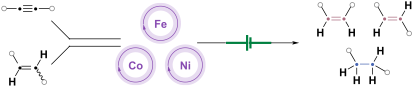
- configurations [75][76][77][78] have recently emerged as promising platforms for scalable electrochemical hydrogenation reactions. These advanced architectures offer enhanced mass transport, significantly reduced ohmic resistance, and the capability to operate at industrially relevant current densities, thereby
- remain unexplored [118][135][136]. Furthermore, extending these electrochemical platforms beyond hydrogenation toward more diverse reductive chemical transformations will significantly broaden their synthetic utility, enabling access to a wider range of bond constructions under mild and sustainable








Recent advances in copper-catalyzed direct hydroamination of alkenes with (hetero)aromatic amines
Beilstein J. Org. Chem. 2026, 22, 925–947, doi:10.3762/bjoc.22.73
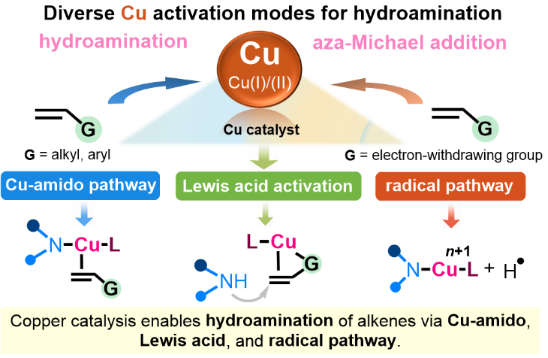
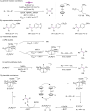
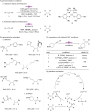
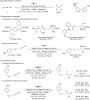
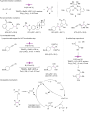
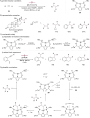
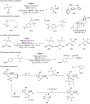
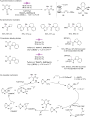
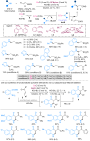
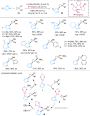
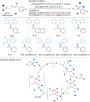
- alkene amination, providing a mechanistic foundation for the subsequent development of copper-catalyzed aza-Michael and hydroamination reactions involving (hetero)aromatic amines. Aza-Michael addition via copper–amido intermediate Following the establishment of copper–amido platforms for aza-Michael
- -carbon electrophilicity via copper-centered activation and radical generation, followed by the C–N bond formation and proton transfer, yielding the aza-Michael adduct. Overall, these studies demonstrate that copper-based nanomaterials provide versatile heterogeneous platforms for aza-Michael reactions







Diastereodivergent electrophilic trapping of α-boryl lithium derivatives
Beilstein J. Org. Chem. 2026, 22, 882–887, doi:10.3762/bjoc.22.68
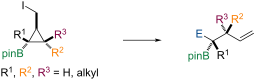
- , this work establishes α-boryl lithium intermediates as valuable stereogenic platforms for conducting highly diastereoselective nucleophilic transformations. The combination of the anion-stabilizing capability of boron with strain-release-driven ring fragmentation provides exceptional chemo- and




Site-specific labelling of native peptides and proteins: chemical and enzymatic strategies
Beilstein J. Org. Chem. 2026, 22, 857–881, doi:10.3762/bjoc.22.67
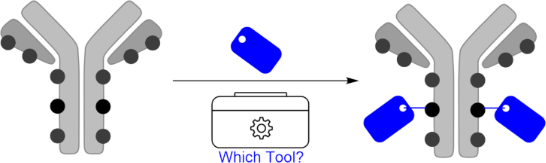
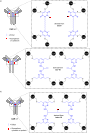
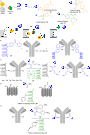
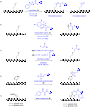
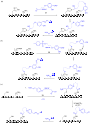
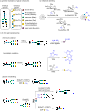
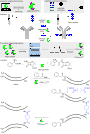
- conditions, restricting the scope of viable options. Nevertheless, continued innovations at the interface of synthetic chemistry and biology are expected to address these barriers, enabling the development of broadly adaptable platforms for the efficient production of modified proteins. a) Sanger’s reagent








Using generative AI to transform peptide hits into small molecule leads
Beilstein J. Org. Chem. 2026, 22, 672–679, doi:10.3762/bjoc.22.51
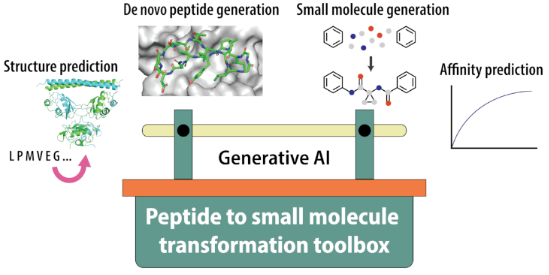
- barrier to rapid development and uptake of AI in drug discovery is the restricted accessibility of some models and datasets. While the development of proprietary AI-based platforms in private organisations such as large pharmaceutical companies and small start-up enterprises is driving local innovation
- within their respective organisations, such platforms are rarely shared for public use and may only be accessible through licensing at substantial cost. At the same time, one could argue that these platforms may have never been developed without the corporate structure that private enterprise offers


Synthesis and uranyl(VI) extraction performance of a calix[4]pyrrole–tetrahydroxamic acid receptor
Beilstein J. Org. Chem. 2026, 22, 486–494, doi:10.3762/bjoc.22.36
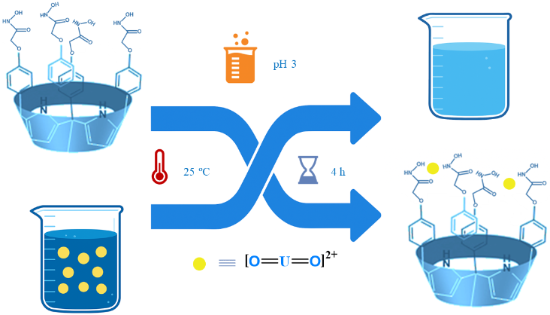
- for supramolecular platforms like calixarenes for actinides and lanthanides extraction [36][37]. In light of this background, we report here the incorporation of hydroxamic acid into phenoxycalix[4]pyrrole and examine its effectiveness in extracting uranyl from aqueous solution using gamma


Cone p-aminocalix[4]arenes enriched with ‘clickable’ alkyne or azide functionalities
Beilstein J. Org. Chem. 2026, 22, 399–415, doi:10.3762/bjoc.22.28
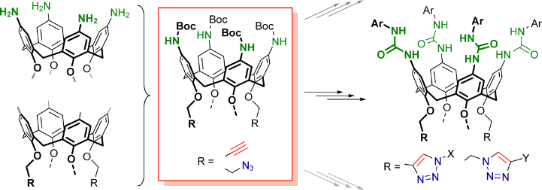
- -aminocalix[4]arenes enriched with alkyne or azide functionalities can be readily used as multifunctional platforms to obtain even higher functionalized macrocycles. As an example, they can be used for the preparation of sophisticated supramolecular assemblies with homo- or heterodimeric calixarene cores and
- these cyclic tetramers may be regarded as virtually universal molecular platforms for the construction of unique multifunctional structures capable of diverse supramolecular interactions [1][2][3][4]. Amino groups attached directly to all four positions of the wide rim of the cores are among the most
- biocompatible compounds capable of interacting with proteins, nucleic acids, and polysaccharides [27][28][29][30][31], and may also mimic phosphodiesterase functions [32][33][34][35]. Beyond biorelevant structures, p-aminocalix[4]arenes serve as preorganizing platforms that may graft together four functional






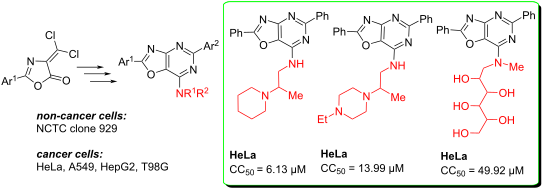
Design, synthesis and biological evaluation of 2,5-diaryloxazolo[4,5-d]pyrimidin-7-ylamines as selective cytotoxic agents against HeLa cells
Beilstein J. Org. Chem. 2026, 22, 390–398, doi:10.3762/bjoc.22.27
- . It should be noted, however, that different ADMET platforms may yield conflicting results, especially regarding the metabolism and cytotoxic molecular targets of the analyzed compounds, due to different approaches used to virtually evaluate these parameters. Therefore, indeed, the equivalence of
- results for a particular parameter obtained from different platforms increases the reliability of the prediction [20]. In addition, during the development of chemotherapeutics, oral bioavailability is desirable but not critical, given the preference for the parenteral route of administration. Due to the
- platforms. Pharmacokinetic properties ADMET analysis enables the prediction of a compound's pharmacokinetic profile, which is crucial for assessing its pharmacodynamic activity. The predicted pharmacokinetic properties of compounds 1, 7 and 9 are given in Table 2. For human intestinal absorption, the


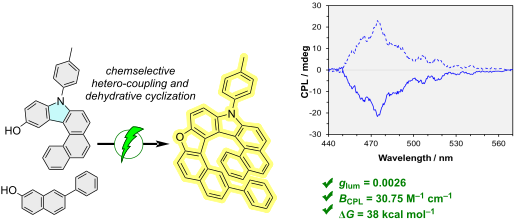
Electrosynthetic access to unsymmetrical oxaza[8]helicenes with high chiral stability and strong circularly polarized luminescence (CPL)
Beilstein J. Org. Chem. 2026, 22, 372–382, doi:10.3762/bjoc.22.25
- frontier orbitals, intermolecular interactions, and excited-state dynamics, frequently enhancing fluorescence efficiency and circularly polarized luminescence (CPL) [16][17][18][19][20][21][22]. Consequently, heterohelicenes have emerged as attractive platforms for optoelectronic devices, 3D displays




Recent advances in the cleavage of non-activated amides
Beilstein J. Org. Chem. 2026, 22, 352–369, doi:10.3762/bjoc.22.23
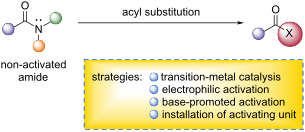
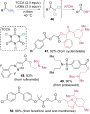
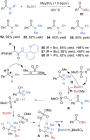
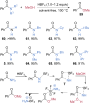
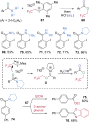
- , continue to provide powerful platforms for amide functionalization. Electrophilic activation, particularly via in-situ generation of keteniminium or related highly reactive intermediates, has enabled transamidation, esterification, and halogenation under metal-free conditions. Strong bases, especially when


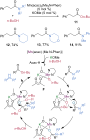
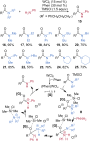
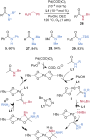


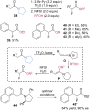




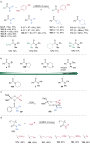


Arene activation via π-bond localization: concepts and opportunities
Beilstein J. Org. Chem. 2026, 22, 257–273, doi:10.3762/bjoc.22.19
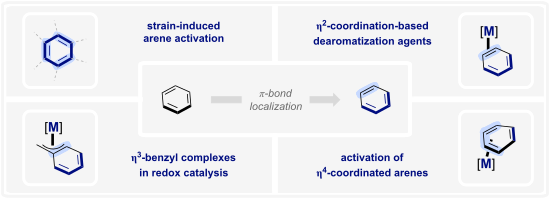
- principal platforms. Distinct from their η3-allyl counterparts, which readily isomerize between σ (η1) and π (η3) coordination, the η3-benzyl motif demands partial disruption of aromatic stabilization – an energetic penalty that must be compensated by the metal–ligand interaction (Scheme 5A). This challenge
- complexity generation. Coordination of transition metals to defined arene π-fragments provides a particularly elegant means of selective activation, yet the widespread adoption of this paradigm has been limited by the scarcity of predictable, catalytic variants. Among the established platforms discussed in




Circumventing Mukaiyama oxidation: selective S–O bond formation via sulfenamide–alcohol coupling
Beilstein J. Org. Chem. 2026, 22, 158–166, doi:10.3762/bjoc.22.9
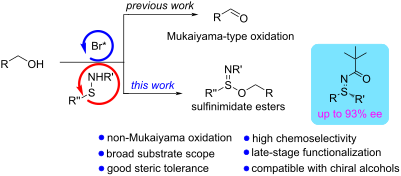
- sulfenamide precursors [35]. These studies collectively underscore the synthetic potential of sulfenamides as central electrophilic platforms [36] and the advances regarding the synthesis and reactivity have been comprehensively reviewed very recently [37]. Nevertheless, existing protocols, including our own


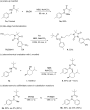
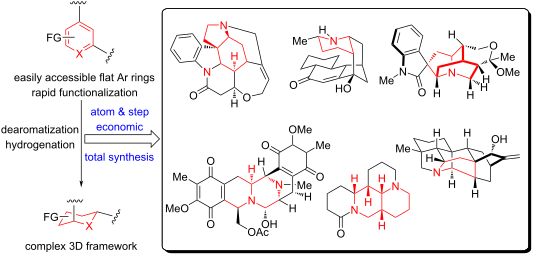
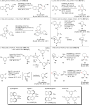
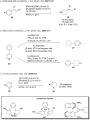
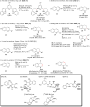
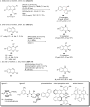
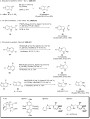
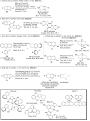
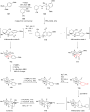
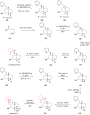
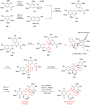
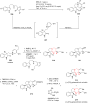
Total synthesis of natural products based on hydrogenation of aromatic rings
Beilstein J. Org. Chem. 2026, 22, 88–122, doi:10.3762/bjoc.22.4











The high potential of methyl laurate as a recyclable competitor to conventional toxic solvents in [3 + 2] cycloaddition reactions
Beilstein J. Org. Chem. 2025, 21, 2389–2415, doi:10.3762/bjoc.21.184
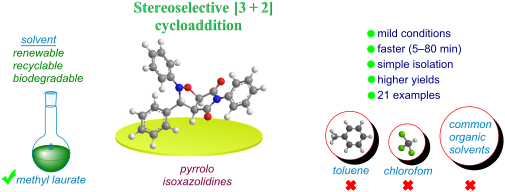
- solvent medium for the reaction, and the related compounds were obtained through straightforward isolation techniques in a relatively short time frame (5–80 minutes). A comprehensive investigation was conducted utilizing various web platforms, encompassing ecological and environmental risk assessments
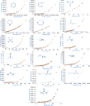
- cylinder chart in Figure 7. Indeed, a significant proportion of the experimentally measured Green Chemistry parameters for methyl laurate are consistent with the predictions of various software or web platforms, and in some cases, even demonstrate that certain toxicity parameters of methyl laurate are more






Adaptive experimentation and optimization in organic chemistry
Beilstein J. Org. Chem. 2025, 21, 2367–2368, doi:10.3762/bjoc.21.180
- have enabled this transformation. High-throughput experimentation platforms can now rapidly test large numbers of reaction conditions [3]. Machine learning algorithms can process complex chemical data to identify promising directions [4]. Closed-loop systems can autonomously design, execute, and
- approaches across multiple areas. Quijano Velasco et al. review recent advances in high-throughput automated chemical reaction platforms and machine learning algorithms for reaction optimization, showing how these approaches reduce experimentation time and human intervention [8]. They also discuss current
Halogenated butyrolactones from the biomass-derived synthon levoglucosenone
Beilstein J. Org. Chem. 2025, 21, 2297–2301, doi:10.3762/bjoc.21.175
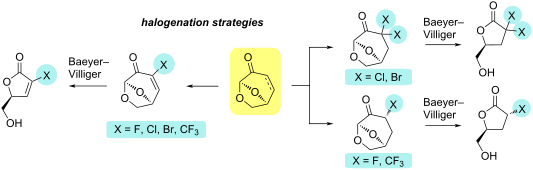
- [14][15]. In recent years, the chiral biomass derivatives levoglucosenone (LGO, 5) and its reduced form Cyrene® (6) have gained increased attention as platforms for drug discovery [16][17][18][19]. The bicyclic ketone 5 is the major product from the pyrolysis of acid-treated cellulose [20], while its



C2 to C6 biobased carbonyl platforms for fine chemistry
Beilstein J. Org. Chem. 2025, 21, 2103–2172, doi:10.3762/bjoc.21.165
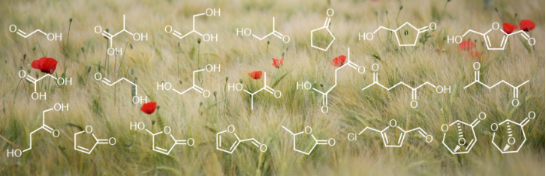
- : aldehydes; biobased chemistry; biomass; carbonyl; fine chemicals; ketones; multicomponent; platforms; sustainability; Introduction Shifting towards sustainable practices in the chemical industry relies on continued advancement of green chemistry sciences which aim to minimize the global environmental
- , and illustrating their high-value conversion methods towards fine chemicals. Review C2 biobased carbonyl platforms Glycolaldehyde Developing accesses from biomass to structures such as glycolic acid (GA) and glycolaldehyde (GCA) with high atomic economy is challenging. Hu et al. reported a new route
- single ion catalyst, Brückner and Shi synthesized value added formamides by treating amines with different C2 and C3 platform molecules like GA, glyceraldehyde (GLAD), and 1,3- dihydroxyacetone (DHA) (Scheme 9) [37]. C3 biobased carbonyl platforms Lactic acid (LA) Propanoic (or propionic) acid (PA), a


Chiral phosphoric acid-catalyzed asymmetric synthesis of helically chiral, planarly chiral and inherently chiral molecules
Beilstein J. Org. Chem. 2025, 21, 1864–1889, doi:10.3762/bjoc.21.145
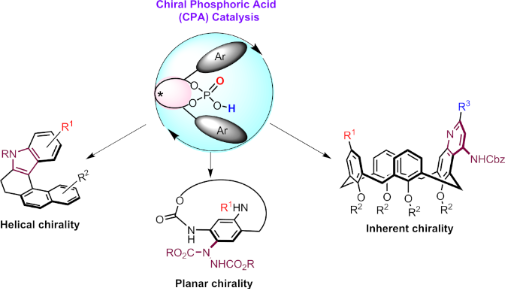
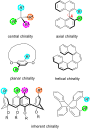
- asymmetric Mannich reactions, the past two decades have witnessed the remarkable evolution of CPA catalysis into one of the most versatile platforms for achieving diverse enantioselective transformations [3][4][5][6][7][8]. CPA catalysts are generally recognized as bifunctional catalysts with two distinct
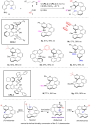
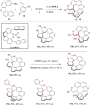
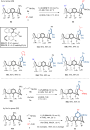
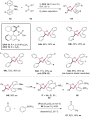
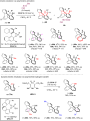
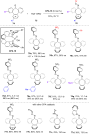
- molecular platforms in various applications, such as circularly polarized luminescence (CPL) materials, chiral liquid crystals and asymmetric catalysis. Currently, the asymmetric catalytic synthesis of helicenes predominantly revolves around transition metal-catalyzed asymmetric annulation reactions










Research progress on calixarene/pillararene-based controlled drug release systems
Beilstein J. Org. Chem. 2025, 21, 1757–1785, doi:10.3762/bjoc.21.139
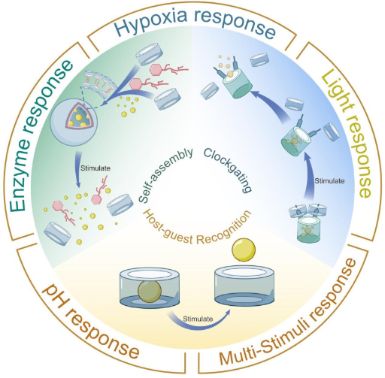
- 30 minutes at a pH of 5.5, which simulates the lysosomal environment at 37 °C. Both CAs and PAs are effective supramolecular platforms for the controlled release of DOX, demonstrating significant potential for various applications. In 2013, Wang and others reported [93] that WP6 and hydrophobic






Photocatalysis and photochemistry in organic synthesis
Beilstein J. Org. Chem. 2025, 21, 1645–1647, doi:10.3762/bjoc.21.128
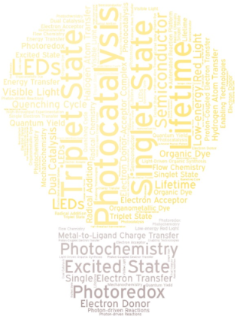
- early as the 1970s [10]. However, these remained largely isolated cases – more mechanistic curiosities than general synthetic platforms. The narrative shifted significantly in the late 2000s, when interest in early pioneering work on photocatalysis was revisited, and systematic investigations began to
- Review article discussing photocatalysts capable of harnessing low-energy red light to trigger chemical reactions [19]. In addition to photoredox catalysis, several mechanistic platforms that leverage light – such as the use of electron donor–acceptor complexes [20], proton-coupled electron transfer [21
- thematic issue that visible light increases the reaction rate of palladium-catalyzed Negishi cross-couplings [34]. The integration of enabling technologies has also contributed to the success of photocatalytic organic synthesis [35]. Automated reaction platforms, high-throughput experimentation techniques

Advances in nitrogen-containing helicenes: synthesis, chiroptical properties, and optoelectronic applications
Beilstein J. Org. Chem. 2025, 21, 1422–1453, doi:10.3762/bjoc.21.106
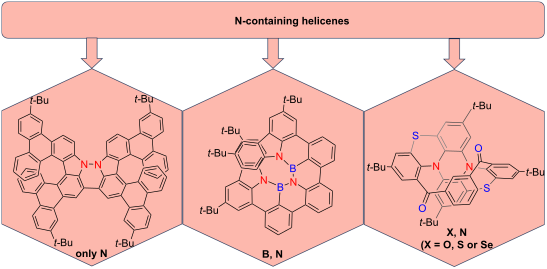
- large Stokes shift (85 nm) with emission at 530 nm in DMSO [23] (Table 2). Collectively, these studies underscore the structural versatility and functional tunability of heterohelicenes, establishing them as robust platforms for advanced chiral optoelectronic materials. Their diverse response to
- , thereby advancing their application in multifunctional chiral photonic and sensing platforms. In 2025, Gryko’s group synthesized a series of heterohelicenes 34a–c, featuring a 1,4-dihydropyrrolo[3,2-b]pyrrole (DHPP) core [48] (Table 10). The compounds exhibit similar absorption and emission profiles

Photochemically assisted synthesis of phenacenes fluorinated at the terminal benzene rings and their electronic spectra
Beilstein J. Org. Chem. 2025, 21, 670–679, doi:10.3762/bjoc.21.53

- phenacene molecules are quite robust against an oxidative environment even under photoillumination, they are considered to be promising platforms for constructing practical organic functional molecules. Recently, fluorinated PAHs attracted considerable attention because the introduction of fluorine atoms





Emerging trends in the optimization of organic synthesis through high-throughput tools and machine learning
Beilstein J. Org. Chem. 2025, 21, 10–38, doi:10.3762/bjoc.21.3
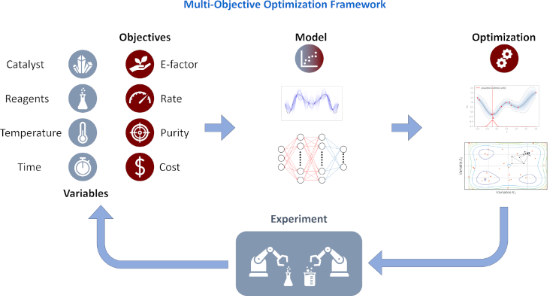
- intervention. Herein, we review the currently used state-of-the-art high-throughput automated chemical reaction platforms and machine learning algorithms that drive the optimization of chemical reactions, highlighting the limitations and future opportunities of this new field of research. Keywords: autonomous
- consonant and/or conflicting targets. In addition, the incorporation of lab robotics into chemical synthesis has enabled the development of closed-loop optimization platforms capable of executing optimization campaigns rapidly with minimal human intervention, relieving experimenters from labor-intensive
- review follows the steps presented in Figure 1. In the following section, we review the high-throughput platforms currently used to perform chemical reaction optimization. Thereafter, we discuss the development and use of analytical tools and data processing algorithms. After that, we discuss the latest


Visible-light-mediated flow protocol for Achmatowicz rearrangement
Beilstein J. Org. Chem. 2024, 20, 2493–2499, doi:10.3762/bjoc.20.213
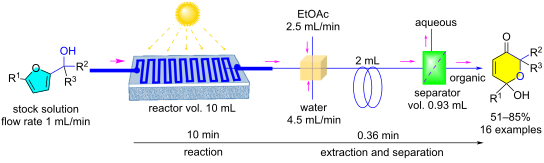
- platforms, we herein present a photo-flow platform for Achmatowicz reactions. A novel photo-flow solar panel reactor was fabricated to test and validate the Achmatowicz rearrangement reaction (Figure S1, Supporting Information File 1), and the reaction conditions were optimized with a ruthenium catalyst. As



Machine learning-guided strategies for reaction conditions design and optimization
Beilstein J. Org. Chem. 2024, 20, 2476–2492, doi:10.3762/bjoc.20.212

- , pressure, and solvent choice, thus it polishes and trims the suggested routes. As a result, CASP tools have attracted commercial interest and stimulated the development of integrated robotic platforms for automated flow synthesis [9][10][11]. However, as Coley et al. [12] pointed out, there are still
- ], and reaction conditions optimization [13]. These techniques have also been integrated with robotic platforms to speed up the discovery and synthesis of new materials and drug candidates, showcasing the potential and promising benefits of self-driving chemistry labs [19]. Raghavan et al. [20] compared
- requires sufficient and diverse reaction data for training, so that the models can have broader applicability and usefulness for CASP in autonomous robotic platforms [12][21]. On the other hand, the local models focus on a single reaction type. Generally, more fine-grained levels of experimental conditions





