Search results
Search for "mechanism" in Full Text gives 1270 result(s) in Beilstein Journal of Nanotechnology. Showing first 200.
Sustainable fabrication of 2D-based devices through reuse of substrates with microfabricated electrodes
Beilstein J. Nanotechnol. 2026, 17, 818–827, doi:10.3762/bjnano.17.58
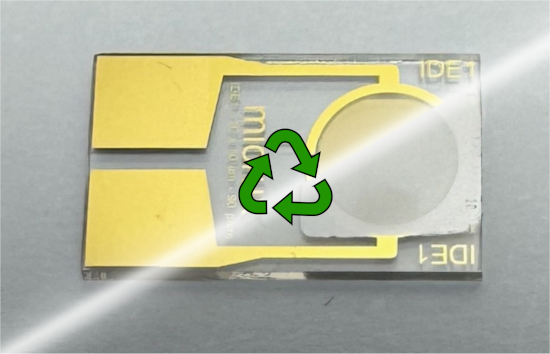
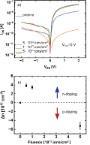
- process effectively removed the MoS2 from the channel region and detached most multilayer residues. However, small remnants of the monolayer in direct contact with the gold electrodes remained (see inset in Figure 5b), likely due to the strong chemical affinity between MoS2 and gold (a mechanism exploited


Tuning the electronic properties of defect-rich MoS2
Beilstein J. Nanotechnol. 2026, 17, 796–805, doi:10.3762/bjnano.17.56
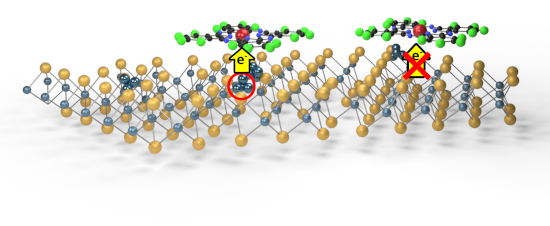
- sections. Interaction mechanism at the interface between the sputtered MoS2 substrate and CoPcF16 In the case of TMPCs, two distinct interaction channels are possible involving the macrocycle and/or the central metal atom [11]. First, the interaction via the Co atom of CoPcF16 will be examined utilizing


Substrate-dependent pore formation in molybdenum disulfide monolayers under ion irradiation
Beilstein J. Nanotechnol. 2026, 17, 769–780, doi:10.3762/bjnano.17.54
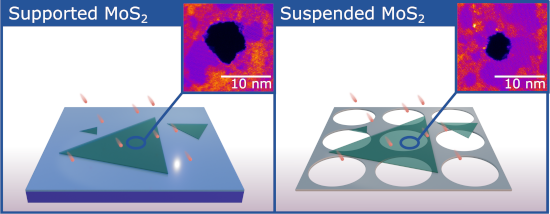
- coupled metallic substrate (Au) markedly reduces the pore formation efficiency for SHI irradiation. Together, these trends indicate that, for ions that primarily interact with the electronic system of the target, pore evolution is governed less by the energy deposition mechanism than by how efficiently


Tailoring Ag–Pt nanoalloys through solid-state dewetting: structural and optical insights
Beilstein J. Nanotechnol. 2026, 17, 748–759, doi:10.3762/bjnano.17.52

- film. The disintegration mechanism is driven by atomic diffusion, and the tendency of the system is to reduce the surface energy through the formation of isolated islands [17][18][19][20]. This process is governed by the pursuit of balance between the energy needed to create a new surface (surface
- postulated a mechanism based on the dewetting phenomenon. According to their model, the disintegration of the film initiates at pre-existing discontinuities or voids, which can be associated with nanoscale irregularities at intergranular boundaries. A key factor governing the disintegration process of thin




Environmental applications of silver nanoparticles: state-of-the-art review and emerging trends
Beilstein J. Nanotechnol. 2026, 17, 697–736, doi:10.3762/bjnano.17.49
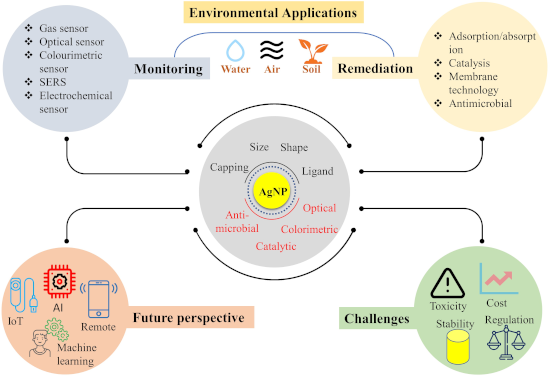
- enhancement or quenching mechanisms. A study reported that carbon dot/AgNP-based nanosystems selectively detected Hg2+ ions with a detection limit of 2.22 × 10⁻⁸ M via a turn-on mechanism [57]. In addition, the environmental application of AgNPs can be affected by various factors, such as surface composition
- safety evaluation. Nanosilver coated with tannic acid significantly inhibits adenovirus type 3 (Ad3) in HeLa cells, serving as a model system [78]. The inhibition mechanism involves structural and DNA damage to Ad3 [78]. Another study assessed the dose- and size-dependent antiviral effects of AgNPs
- mechanism underlying removal was surface complexation via electrostatic interactions in both dyes, with hydrogen bonding occurring only in CR [98]. MB removal was achieved using AgNPs mediated by Salvinia molesta. The maximum adsorption of 121.04 mg/g was obtained at pH 4 and 35 °C. Additionally, the


Molecular engineering of individual dye-based nanoparticle photostability for ultrabright two-photon fluorescence
Beilstein J. Nanotechnol. 2026, 17, 688–696, doi:10.3762/bjnano.17.48
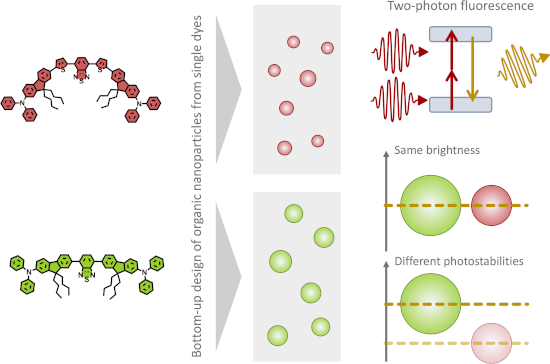
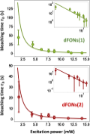
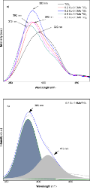
- dominant mechanism responsible for the accelerated photobleaching of dFONs(2) [36]. Conclusion The comprehensive optical characterization of individual dFONs(1) and dFONs(2) confirms that both systems exhibit the expected comparable brightness under 2P excitation at λ = 1030 nm, despite differences in


Decontamination from water pollutants and pathogens by electrospun nanofibers doped with heavy-atom-free borafluorene-BODIPY photosensitizers
Beilstein J. Nanotechnol. 2026, 17, 668–682, doi:10.3762/bjnano.17.46
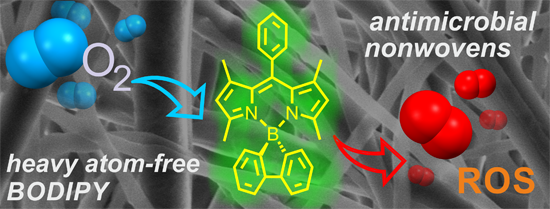
- ) and acceptor (dipyrromethene ligand) sites (Figure 1a) [32][33][34][35]. Importantly, the proposed systems produce triplet states via an alternative to the SOC-ISC mechanism, that is, through a spin–orbit charge transfer intersystem crossing (SOCT-ISC, Figure 1b) resulting from the electron hopping



afspm: A framework for manufacturer-agnostic automation in scanning probe microscopy
Beilstein J. Nanotechnol. 2026, 17, 653–667, doi:10.3762/bjnano.17.45
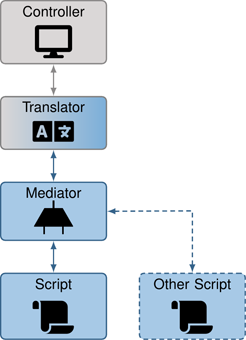
- algorithmic logic via the usage of configuration files: the algorithmic logic resides in scripts, while the predefined parameters reside in a configuration file. The configuration file also defines the various scripts to be instantiated for a given experiment and the mechanism by which they communicate with
- each other. For experiments where multiple scripts may need to communicate with the microscope, a mediation layer has been developed (Figure 3c), which provides a mechanism (declaring experiment problems) by which a secondary script can temporarily take control of the microscope. This permits
- have defined a subset of microscope commands and data structures, the framework can be adapted as needed. Furthermore, the mechanism by which scripts communicate allows individual scripts to be written in other languages. More information can be found in sections “Communication Protocol” and




Cellulose as a photocatalyst support material: extraction, structural features, and environmental applications
Beilstein J. Nanotechnol. 2026, 17, 635–652, doi:10.3762/bjnano.17.44
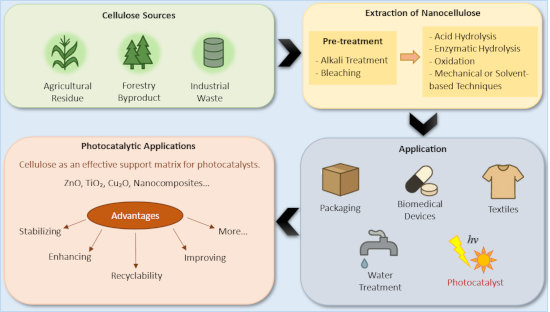
- materials that can absorb light energy and generate electron–hole pairs, which then participate in redox reactions to produce ROS that degrade organic pollutants. Titanium dioxide (TiO2) and zinc oxide (ZnO) are the common catalysts that have been used [18][19]. Figure 3 illustrates the general mechanism of
- individual cellulose chains to form solvation cages that drive the fibers apart through electrostatic repulsion [10][20]. This two-step mechanism allows for efficient cellulose extraction while maintaining structural integrity; however, the processing temperature plays a critical role. Higher temperatures


Recent progress in enhancing built-in electric fields of perovskite solar cells via junction engineering
Beilstein J. Nanotechnol. 2026, 17, 602–621, doi:10.3762/bjnano.17.42
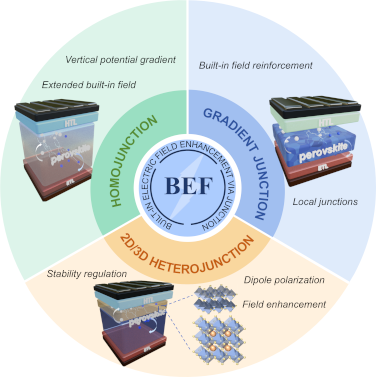
- . Additionally, it reduces trap-state capture, forming a dual-pathway mechanism that improves overall device performance. This results in better interfacial energy-level alignment and reduced interfacial recombination, increasing the PCE from 16.20% to 19.25%. Under aging conditions of 25 °C and 30% RH for 30
- iodine vacancy (PbI2) accumulation at grain boundary cracks, slowing efficiency degradation from 55% to 19%. Thus, BEF-induced directional charge transport is the critical mechanism behind the improved performance and stability. Although HTL-based strategies for enhancing the BEF can, to varying degrees
- additional vertical BEF that promoted carrier separation and directional transport. In HTL-free devices, this modification increased Voc to ≈1.05 V and PCE to nearly 19%. The mechanism involves enhanced directional transport via the p–n homojunction-induced BEF, while reducing trap-state capture by lowering



Probing tribological evolution in atomically thin MoS2 at different scales
Beilstein J. Nanotechnol. 2026, 17, 586–597, doi:10.3762/bjnano.17.40
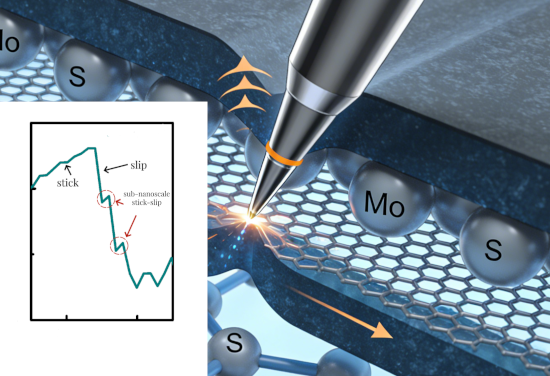
- atomic lattice site until the lateral force overcomes interfacial interactions, followed by an instantaneous “slip” to the next stable site [9]. This stick–slip motion is widely regarded as the elementary mechanism of energy dissipation in nanoscale friction, underpinning efforts to understand energy
- fundamental mechanistic understanding of sub-nanoscale stick–slip motion. The strengthening effect is a prevalent phenomenon observed in atomically thin 2D materials [18][19]. Its underlying mechanism is generally attributed to either the puckering effect or the evolution of interfacial contact quality, two
- suggested correlations with the in-plane motion of the AFM tip [11], as well as the interfacial contact area and contact geometry [12]. However, the intrinsic mechanism governing this sub-nanoscale friction behavior remains poorly understood, largely due to the lack of direct experimental observations and


Synthesis of Cu–Mo/TiO2 and Co–Mo/TiO2 photocatalysts for the efficient degradation of organic pollutants in water
Beilstein J. Nanotechnol. 2026, 17, 559–570, doi:10.3762/bjnano.17.37
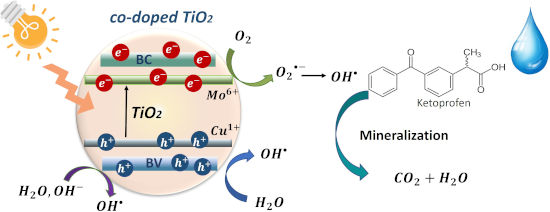
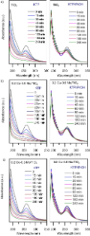
- intermediate organic products detected and the reaction route, it was determined that hydroxyl radicals, HO·, play the major role in the oxidation mechanism during the photodegradation reaction. To obtain more information about the photocatalytic oxidation mechanism of ketoprofen in this work, the importance
- 60 min of reaction, and 90% of the total carbon was mineralized. In addition, it was determined that hydroxyl radicals play an important role in the photocatalytic reaction mechanism. Experimental Material synthesis The synthesis of co-doped TiO2 was carried out through the sol–gel method. The



Electrochemical determination of ciprofloxacin using a MIL-101/reduced graphene oxide-modified electrode
Beilstein J. Nanotechnol. 2026, 17, 541–554, doi:10.3762/bjnano.17.35
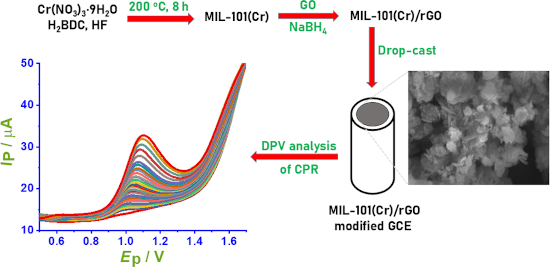
- electrons is similar to that of protons. This result suggests a proton-coupled electron-transfer mechanism for CPR oxidation. Effect of scan rate and kinetic analysis The effect of scan rate on the electrochemical response of CPR at MIL-101/rGO(3.3)/GCE was examined over the range of 0.05–0.40 V·s−1 (Figure
- different concentration ratios. The oxidation mechanism of CPR at MIL-101/rGO/CGE. The composition for MIL-101/rGO. Comparison of the analytical performance of the proposed MIL-101/rGO/GCE with previously reported electrochemical sensors for CPR determination. Determination and recovery of CPR in commercial


Fractional shot noise of an SU(N) Kondo system
Beilstein J. Nanotechnol. 2026, 17, 515–540, doi:10.3762/bjnano.17.34
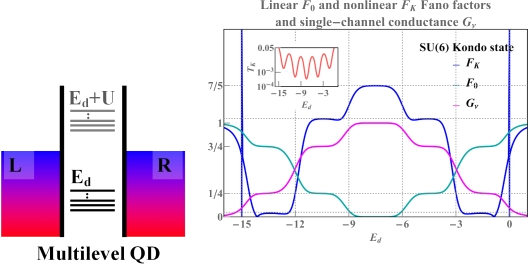
- understanding a large variety of intricate many-body problems. Potential applications are also relevant. Let us just mention a few: The Kondo effect can be used, for example, as conductance control mechanism [5][17], in probing magnetic interactions [18], or, when polarized electrodes are connected, also for


![[Graphic 127]](/bjnano/content/inline/2190-4286-17-34-i187.svg?max-width=637&scale=1.18182)

Probing internal continua and atomic ultrafast charge transfer within size-controlled nanoparticles by post-collision interaction in core-hole clock spectroscopy
Beilstein J. Nanotechnol. 2026, 17, 505–514, doi:10.3762/bjnano.17.33
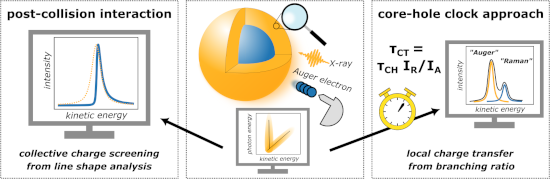
- layers. The pronounced thickness dependence raises the question of the underlying mechanism responsible for the differences in the charge transfer times: Is the observed trend caused by changes in the quantum confinement, or does it arise from the coexistence of competing charge transfer channels? Charge



Defects and defect-mediated engineering of two-dimensional materials: challenges and open questions
Beilstein J. Nanotechnol. 2026, 17, 454–488, doi:10.3762/bjnano.17.31
- purely adiabatic descriptions. The mechanism of this process is still poorly understood and requires more detailed studies, particularly on surfaces of semiconductors. Another factor that affects the mechanism and kinetics of oxidation is the exothermicity of the reaction. The O2 incorporation into S
- vacancy clusters is highly exothermic and should be accompanied by dissipation of about 8.6 eV on the WS2 surface [62]. Modelling the mechanism of this dissipation is a complex problem. In addition to creating heat and electron–hole pairs, it may involve desorption of atoms and molecules, such as SO2 [60
- layers was predicted to be very high [62], hampering the vacancy diffusion mechanism. Nevertheless, a relatively thick native oxide layer can still form on otherwise stable HfS2 after plasma oxidation. In this process, O ions are believed to permeate through grain boundaries between small crystals and





Nanocarrier-integrated multilayer films produced by 3D printing for improved skin adhesion and curcumin photostability
Beilstein J. Nanotechnol. 2026, 17, 440–453, doi:10.3762/bjnano.17.30
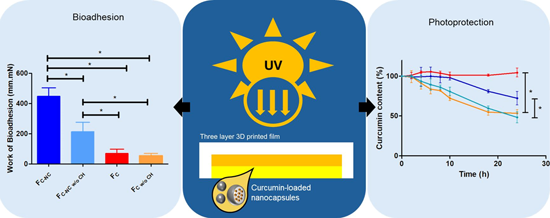
- , exploiting its cationic nature, which promotes electrostatic interactions with the negatively charged stratum corneum. This mechanism underlies its well-established bioadhesive behaviour, as well as its antimicrobial and wound-healing properties, which have been widely reported in the literature [32]. The


First-principles study on elastic properties of Cu, (Cu1−x,Nix)3Sn and interfacial mechanical properties of (Cu1−x,Nix)3Sn/Cu in the lead-free solder joint
Beilstein J. Nanotechnol. 2026, 17, 428–439, doi:10.3762/bjnano.17.29
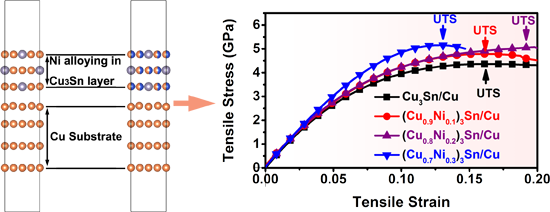
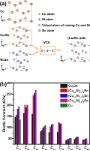
- mechanism can be attributed to the simultaneous improvements of oriented Young’s modulus and ductility of (CuxNi1−x)3Sn, achieved by Ni alloying. But higher Ni content beyond the thermodynamically stable domain of (CuxNi1−x)3Sn will deteriorate the interfacial mechanical properties by mechanical or
- /Cu interfaces reveal that the tensile moduli and UTS monotonically increase with the increase of Ni content. The work of adhesion and interfacial toughness increase with the increase of Ni content within the thermodynamically stable domain of (CuxNi1−x)3Sn; thus, the mechanism responsible for the


Nanoinformatics: spanning scales, systems and solutions
Beilstein J. Nanotechnol. 2026, 17, 423–427, doi:10.3762/bjnano.17.28

- carrier for other heavy metals such as Cd, Zn, Pb, Co or Ni into the cells – a so-called Trojan Horse mechanism. Using an ensemble learning approach that implements gradient boosting and bagging algorithms, four models were developed (i.e., a random forest, AdaBoost, Gradient Boost, and Extreme Gradient

Biomimetic nanoparticles in cancer photodynamic therapy: a review of targeted delivery systems and therapeutic outcomes
Beilstein J. Nanotechnol. 2026, 17, 396–422, doi:10.3762/bjnano.17.27
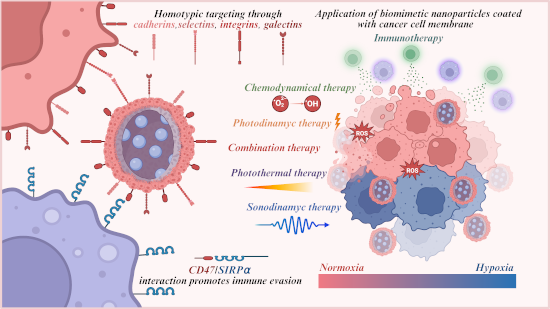
- reduced systemic toxicity [1]. Among emerging treatments, photodynamic therapy (PDT) has garnered considerable attention due to its minimally invasive nature, spatiotemporal control, and ability to selectively destroy tumor tissues while sparing healthy cells [2]. PDT operates through a unique mechanism
- one ROS type frequently triggers cascades leading to others, making the distinction primarily about the predominant mechanism rather than exclusivity. Efficacy and safety of PDT are largely determined by the PS’s properties [20]. An ideal PS must exhibit a high absorption coefficient in the near
- -fold higher tumor accumulation than their uncoated counterparts with identical cores, attributable solely to superior circulation half-life and EPR potentiation [82][83][84]. While EPR is a universal mechanism for nanocarriers, the significant enhancement provided by biomimetic coatings, particularly


Eco-efficient materials for agricultural crops based on a mineral rich in MOR- and HEU-type zeolites
Beilstein J. Nanotechnol. 2026, 17, 381–395, doi:10.3762/bjnano.17.26
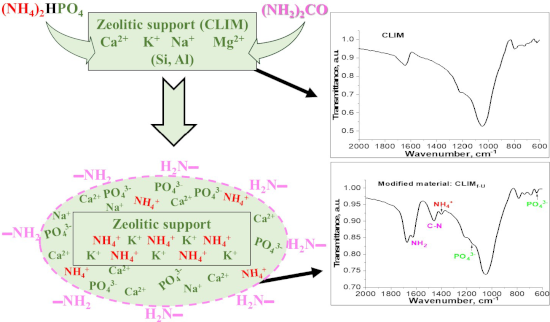
- observed; height and stem diameter of plants fertilized with CLIMf2-U5M and CLIMf3.5-U5M materials were larger than in those materials modified with DAP alone. This behaviour is consistent with the proposed surface coating mechanism of urea, where it acts as a physical barrier to limit the disproportionate




Polycatecholamine nanocoatings on stainless steel: the effect on attachment of human fibroblasts and platelets
Beilstein J. Nanotechnol. 2026, 17, 365–380, doi:10.3762/bjnano.17.25
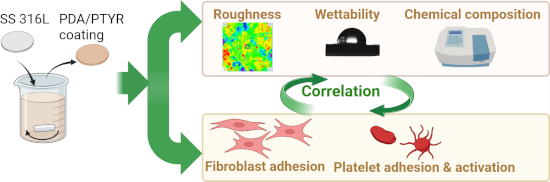
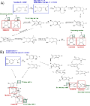
- correlation coefficient (r). Schematic presentation of polycatechol polymerization. (a) Anticipated mechanism of ʟ-tyrosine and ʟ-dopamine polymerization and (b) proposed non-covalent interactions between monomers in oxidative polymerization of ʟ-dopamine and hydroxylated ʟ-tyrosine. Figure 1 was redrawn from




Ferroelectric nanodot reservoir for neuromorphic computing
Beilstein J. Nanotechnol. 2026, 17, 352–364, doi:10.3762/bjnano.17.24
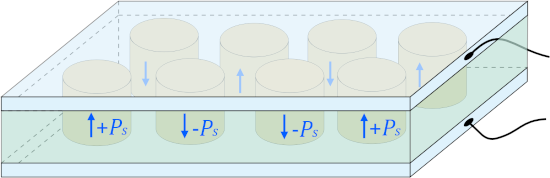
- . Core nanodot unit To describe the basic operational mechanism of the ferroelectric reservoir introduced in Figure 1, we now examine its elementary building block, the ferroelectric nanodot. Figure 2 illustrates the structure and the nonlinear switching behavior of a single nanodot under external


Beam shaping techniques for pulsed laser ablation in liquids: Unlocking tunable control of nanoparticle synthesis in liquids
Beilstein J. Nanotechnol. 2026, 17, 309–342, doi:10.3762/bjnano.17.22
- mechanism. While, in femtosecond pulses, due to their ultrashort nature, the energy is deposited instantaneously into the material. This enables non-thermal ablation, where ionisation and photomechanical effects dominate the material’s response [163][164]. The role of temporal beam shaping in PLAL In this
- ]. At high laser fluences, the phase explosion mechanism can occur. The comparison of the different pulse durations, typical parameters, and the associated PLAL mechanisms are summarised in Table 1. Regarding the values displayed in Table 1, the same optical system is assumed consisting of a processing







Calculation of the dynamic stiffness of a cantilever under torsional oscillation
Beilstein J. Nanotechnol. 2026, 17, 303–308, doi:10.3762/bjnano.17.21
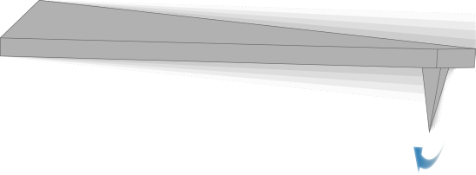
- : atomic force microscopy; dynamic stiffness; energy dissipation; friction; torsional oscillation mode; Introduction Friction serves as a fundamental mechanism of energy dissipation [1]. While friction typically arises from direct mechanical contact between surfaces, energy dissipation can also occur even
- underlying deformation mechanism. Here, we calculated the dynamic stiffness of cantilevers with tips in torsional oscillation using the equivalent spring-moment of inertia model. Then we found that the dynamic stiffness should be modified by 21–23% when the tip is considered. Dissipated energy is derived