Search results
Search for "step" in Full Text gives 1538 result(s) in Beilstein Journal of Nanotechnology. Showing first 200.
Sustainable fabrication of 2D-based devices through reuse of substrates with microfabricated electrodes
Beilstein J. Nanotechnol. 2026, 17, 818–827, doi:10.3762/bjnano.17.58
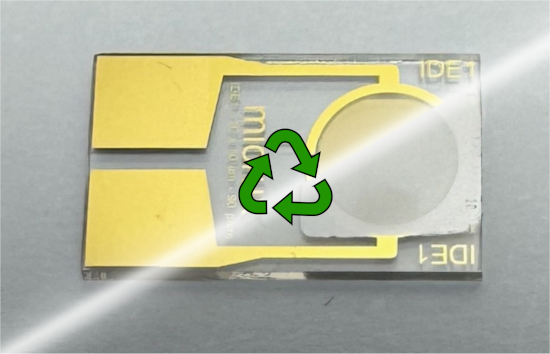
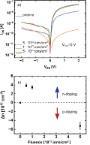
- degradation of the electrode performance. Overall, the same pre-patterned SiO2/Si chip can be reliably reused for at least six consecutive fabrication/cleaning cycles, while maintaining electrical isolation after each cleaning step and preserving the functionality of the electrodes for subsequent device
- rinsing in acetone and IPA and nitrogen drying. Electrical measurements show that the same pre-patterned SiO2/Si chip could be reused for at least six fabrication/cleaning cycles while preserving electrical isolation after each cleaning step and maintaining electrode functionality for subsequent device
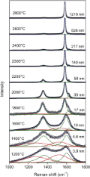
- characteristics of the same sample measured after each successive cleaning step. Raman analysis of the electrode surface in the pristine state, after roll-to-roll mechanically exfoliated MoS2 transfer, and after NMP cleaning. (a–c) Optical microscopy images of the electrode region in the pristine state, after


Glycerol photoelectrochemical oxidation reaction at carbon nitrides/BiVO4 materials
Beilstein J. Nanotechnol. 2026, 17, 806–817, doi:10.3762/bjnano.17.57
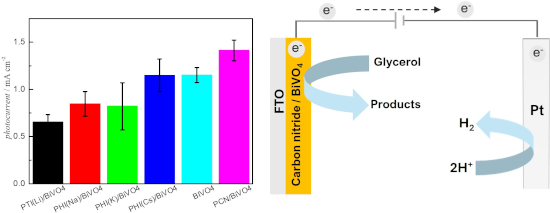
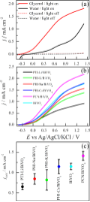
- nitride (PCN), crystalline poly(heptazine imides) (PHI-Cat, in which Cat = Na, K, or Cs), and poly(triazine imide) (PTI-Li). The CN materials were spin-coated onto fluorine-doped tin oxide (FTO) substrates, followed by the Bi electrodeposition step and conversion to BiVO4 in the presence of vanadyl
- °C·min−1 up to 500 °C and held for 2 h. After completing this step, the films were soaked into NaOH solution (1.0 mol·L−1) for 30 min to remove the excess of unreacted vanadium, washed with distilled water, and dried at ambient temperature. Characterization of materials Prior to deposition on FTO
- acquired from 10° to 80° at a rate of 2°·min−1 with a step size of 0.02°. Morphological features and elemental composition were determined by field-emission scanning electron microscopy (FEG-SEM; Zeiss Supra35) coupled with energy-dispersive X-ray spectroscopy (EDS), operating at 15 kV. Optical properties




Tuning the electronic properties of defect-rich MoS2
Beilstein J. Nanotechnol. 2026, 17, 796–805, doi:10.3762/bjnano.17.56
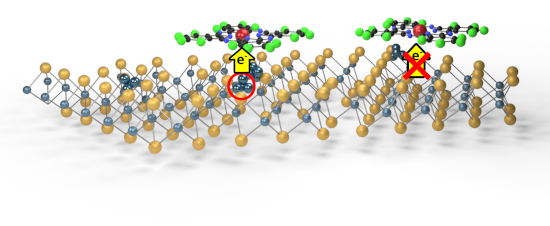
- observation of distinct defects in the microstructure already upon low ion dosing [21][32], as well as significant alterations of the Mo/S atomic ratio [19][20][21]. We ascribe the variations of the initial doping level in our samples to the presence of step edges and/or non-detectable traces of adsorbates


Restorative potential of laser-synthesized silver nanoparticles with Salvia officinalis for periodontal disease treatment: an in vitro study
Beilstein J. Nanotechnol. 2026, 17, 781–795, doi:10.3762/bjnano.17.55
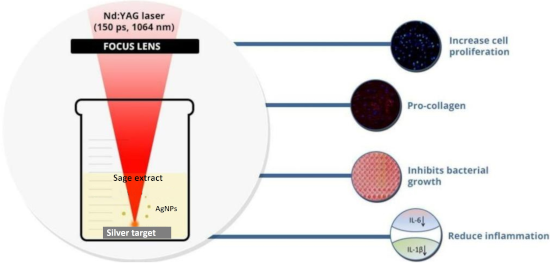
- spherical and pseudospherical in shape, with particle diameters ranging from 9.0 to 48.8 nm, with an average particle size of 24.59 ± 8.25 nm, with minor agglomeration that was more pronounced after one month (Figure 1d,e). Antibacterial testing The primary step in exploring the AgNPs’ potential in
- . Since microbial dysbiosis is the primary step in periodontal disease pathogenesis, we first examined the potential of the obtained nanoparticles to inhibit the growth of common periodontal pathogens. It was reported that the antibacterial activity of AgNPs is directly proportional to their concentration



Substrate-dependent pore formation in molybdenum disulfide monolayers under ion irradiation
Beilstein J. Nanotechnol. 2026, 17, 769–780, doi:10.3762/bjnano.17.54
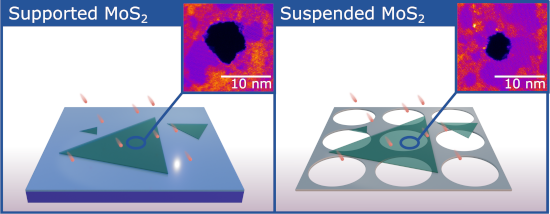
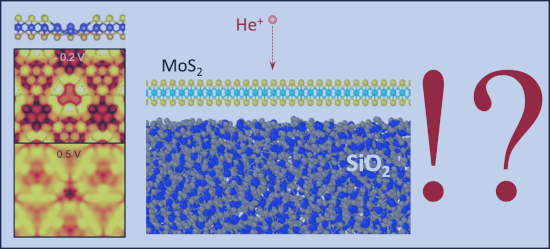
- benchmarks for future modeling. A particularly promising next step would be a targeted description of electronic energy dissipation across the interface between the 2D material and the substrate. Experimental Sample preparation A custom chemical vapor deposition (CVD) process is used to grow monolayer MoS2
- layer has dissolved, allowing the PS film with the attached monolayers to be retrieved and cleaned in ultrapure water. The film is then transferred onto a TEM grid and heated for 30 min at 80 °C, followed by 1 h at 130 °C. During this step, slow heating and cooling are essential to avoid damaging the
- TEM grid. Finally, the PS film is dissolved in toluene for 2 h, with the solvent renewed once during the process. After retrieval, the grid is immersed in analytical-grade isopropanol as a final cleaning step and then left to dry. Ion irradiation Irradiation with highly charged xenon ions was done at


Interface-engineered Caco-2 cell culture on a collagen-coated liquid–liquid interface in a microfluidic device
Beilstein J. Nanotechnol. 2026, 17, 760–768, doi:10.3762/bjnano.17.53
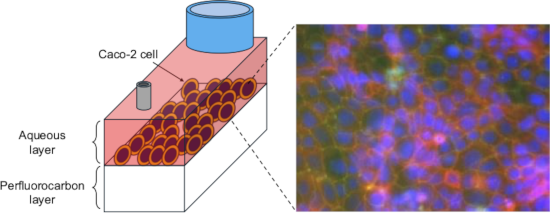
- (Figure S10vii). The samples were then incubated at room temperature for 3 h in a solution containing collagen antibody (5 μg/mL) (Figure S10ix). In the negative control experiment without collagen coating, the procedure was carried out in the same manner, except for the step shown in Figure S10ii. Image


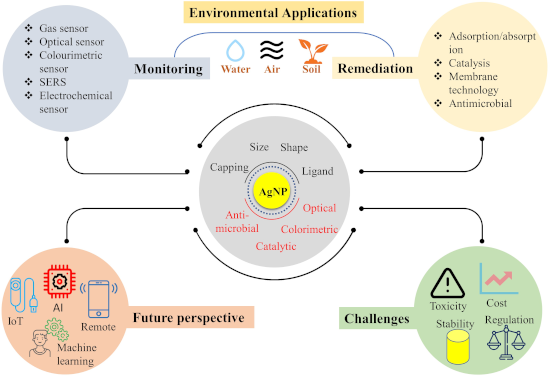
Environmental applications of silver nanoparticles: state-of-the-art review and emerging trends
Beilstein J. Nanotechnol. 2026, 17, 697–736, doi:10.3762/bjnano.17.49


Molecular engineering of individual dye-based nanoparticle photostability for ultrabright two-photon fluorescence
Beilstein J. Nanotechnol. 2026, 17, 688–696, doi:10.3762/bjnano.17.48
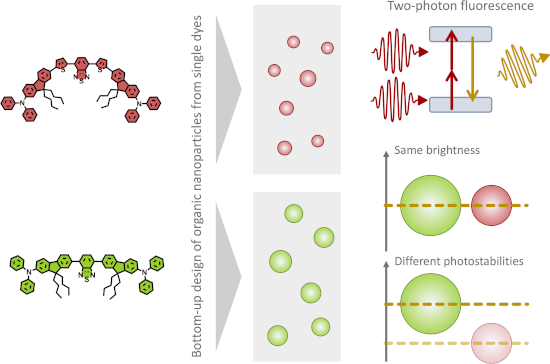
- photobleaching at the individual nanoparticle level – an essential step toward the rational design of photostable dFONs. Results and Discussion Nanoparticles structure Two families of dFONs, hereafter called dFONs(1) [20] and dFONs(2) [11], are obtained through precipitation [32] from quadrupolar dyes, hereafter


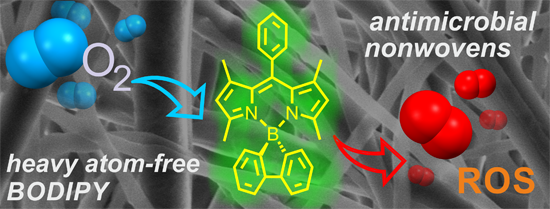
Decontamination from water pollutants and pathogens by electrospun nanofibers doped with heavy-atom-free borafluorene-BODIPY photosensitizers
Beilstein J. Nanotechnol. 2026, 17, 668–682, doi:10.3762/bjnano.17.46
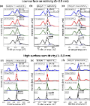
- ) analysis was done with an AXIS Supra+ (Kratos Analytical) instrument equipped with a monochromatic Al Kα X-ray source (hν = 1486.6 eV, operating at 10 mA, 15 kV). The system base pressure was pb = 3.9·10−9 Torr. The pass energy was set to 160 eV (scanning step 0.9 eV) for survey spectra acquisition and 20
- eV (scanning step 0.05 eV) for high-resolution spectra acquisition. To compensate charging effects, the Kratos charge neutralization system was used. The binding energy scale was calibrated with respect to the C–C component of C 1s spectra (284.8 eV). The acquired spectra were analyzed using CASA XPS
- step, we tested the photocatalytic activity of the prepared samples with cimetidine as a model water pollutant. Small pieces of materials were placed in 4 mL vials containing a 3.0 mM water solution of cimetidine. The mass of the material was ca. 0.011 g, which roughly corresponds to 0.02 equivalents



afspm: A framework for manufacturer-agnostic automation in scanning probe microscopy
Beilstein J. Nanotechnol. 2026, 17, 653–667, doi:10.3762/bjnano.17.45
- . We used the instrument’s internal “Flatten1” scan pre-processing step, which fits an average line to each scanline and removes it. We decoupled our drift correction experiments into two phases, that is, scanning with our correction disabled and with it enabled. By scanning with our correction
- , the Bluesky data model may serve as a useful approach for organizing experimental data and metadata for later search and retrieval. The development of automated tasks within a manufacturer-agnostic framework enables code sharing among the SPM community. This framework is a reasonable first step toward




Cellulose as a photocatalyst support material: extraction, structural features, and environmental applications
Beilstein J. Nanotechnol. 2026, 17, 635–652, doi:10.3762/bjnano.17.44
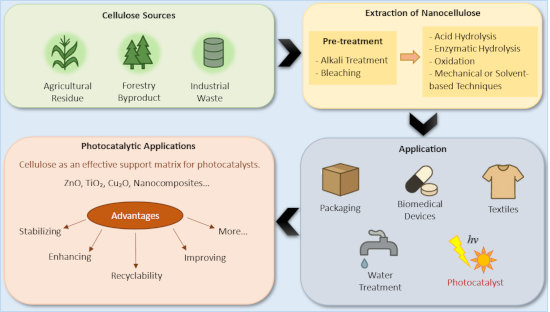
- individual cellulose chains to form solvation cages that drive the fibers apart through electrostatic repulsion [10][20]. This two-step mechanism allows for efficient cellulose extraction while maintaining structural integrity; however, the processing temperature plays a critical role. Higher temperatures


Two-step laser synthesis of Ag@TiO2 nanomaterials for the photocatalytic degradation of rhodamine B
Beilstein J. Nanotechnol. 2026, 17, 622–634, doi:10.3762/bjnano.17.43
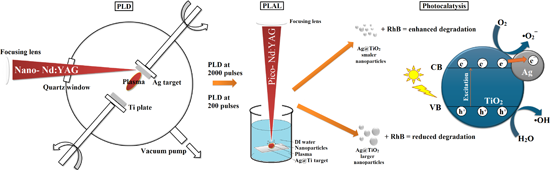
- different materials or did not include controlled metal deposition prior to nanoparticle formation, particularly when using picosecond laser ablation. In this work, we introduce a two-step strategy combining nanosecond PLD and picosecond PLAL. This approach enables controlled silver loading prior to


Towards targeted drugs and next generation of nanomedicines
Beilstein J. Nanotechnol. 2026, 17, 598–601, doi:10.3762/bjnano.17.41

- this be possible, the nanomedicines would reach the next step of maturity. Anna Salvati, Silvia Giordani, and Wolfgang J. Parak Groningen, Dublin, and Hamburg, March 2026
Laser–material interactions in liquids for the synthesis of nanomaterials: current status and perspectives
Beilstein J. Nanotechnol. 2026, 17, 571–575, doi:10.3762/bjnano.17.38
- beam scanning, and flow-cell designs have enabled scaling to g/h production rates [66][67]. Even a higher 10 g/h productivity has recently been demonstrated in microparticle LFL using high pulse energy (>20 mJ) nanosecond laser systems [68]. While these advances represent an important step toward
Synthesis of Cu–Mo/TiO2 and Co–Mo/TiO2 photocatalysts for the efficient degradation of organic pollutants in water
Beilstein J. Nanotechnol. 2026, 17, 559–570, doi:10.3762/bjnano.17.37
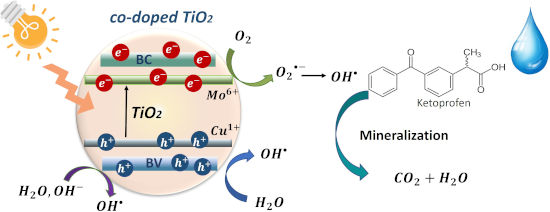
- : 64-19-7) TiO2 synthesis was carried out using a stoichiometric amount of the reactive CTAB dissolved in ethanol, then titanium butoxide was added dropwise. The solution was homogenized for 1 h. After that, in the hydrolysis step, a mixture of acetic acid, water, and ethanol was added dropwise, using
- 0.5 mL of acetic acid were added to a mixture of deionized water and ethanol dropwise, using a 1:10 molar ratio of Ti alkoxide/H2O to obtain the sol. After the hydrolysis step, the sol was kept under agitation for 2 h at 65 °C. The resulting gel was aged at room temperature for 24 h and dried at 60 °C



Electrochemical determination of ciprofloxacin using a MIL-101/reduced graphene oxide-modified electrode
Beilstein J. Nanotechnol. 2026, 17, 541–554, doi:10.3762/bjnano.17.35
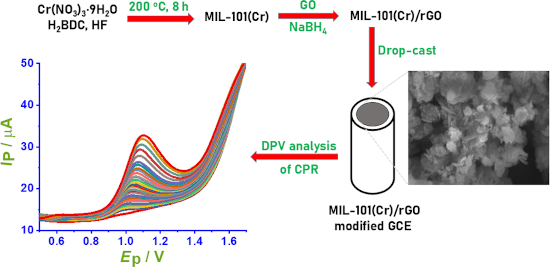
- buffer solution at room temperature under optimized pH conditions. DPV parameters, including accumulation potential (Eacc), accumulation time (tacc), pulse amplitude (ΔE), and voltage step (Ustep), were optimized before conducting the analytical measurements. Real sample preparation Pharmaceutical
- To achieve maximum sensitivity, the parameters for differential pulse voltammetry (DPV) were systematically optimized. The accumulation potential, accumulation time, pulse amplitude, and potential step were investigated individually (Supporting Information File 1, Figure S4–S7). The optimal
- conditions were determined to be an accumulation potential of 0 V, an accumulation time of 4 s, a pulse amplitude of 0.11 V, and a voltage step of 0.010 V. Under these conditions, the oxidation peak current of CPR reached its maximum while maintaining a good peak shape and stable signal. Analytical


Fractional shot noise of an SU(N) Kondo system
Beilstein J. Nanotechnol. 2026, 17, 515–540, doi:10.3762/bjnano.17.34
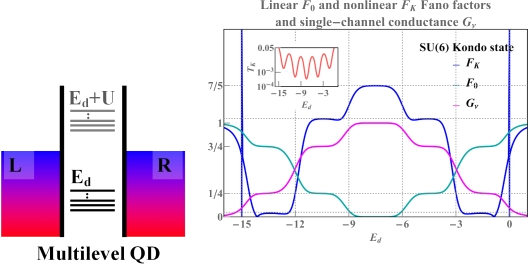
- briefly explain the microscopic basis of the FL theory with quasiparticles defined in the framework of SBMFA. This allows us in the next step to present and justify the formulas for the nonlinear conductance and noise. The next chapter is devoted to the numerical results and their analysis. We first
- quasiparticles induced by polarization of the spin singlet determine the higher-order corrections to physical quantities. In the first step, let us write formulas for thermodynamic and transport quantities in the non-interacting quasiparticle picture. The zero-temperature current I and the shot noise can be


![[Graphic 127]](/bjnano/content/inline/2190-4286-17-34-i187.svg?max-width=637&scale=1.18182)

Upcycling agroindustrial waste into graphene oxide supports for gold nanoparticles: toward sustainable nanomaterials
Beilstein J. Nanotechnol. 2026, 17, 489–504, doi:10.3762/bjnano.17.32
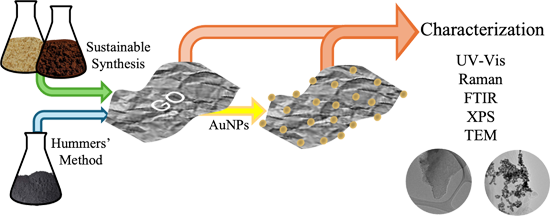
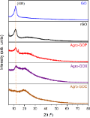
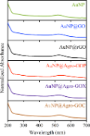
- the biomass with Mn(NO3)2 and pyrolyzing it at 900–950 °C to achieve catalytic graphitization. Although this route avoids a separate chemical oxidation step, it still demands prolonged high-temperature treatment [16]. To overcome the limitations of these high-temperature routes, more energy-efficient
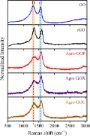
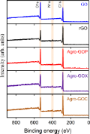
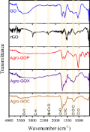
- permanganate-based oxidation [19][52][53][54]. In contrast, the Agro-GO materials presented here are synthesized under substantially milder thermal conditions without a Hummers step. Despite the lower processing temperature, they retain characteristic GO-like features via ferrocene-assisted aromatization
- minimally oxidized graphene-like sheets. Recent ferrocene-assisted low-temperature routes (≈300 °C) further demonstrate the direct conversion of agroindustrial waste into GO-like frameworks without a separate oxidation step [20][23][24]. While these studies establish the feasibility of catalytic low



Defects and defect-mediated engineering of two-dimensional materials: challenges and open questions
Beilstein J. Nanotechnol. 2026, 17, 454–488, doi:10.3762/bjnano.17.31
- material-dependent. A counterintuitive approach to decrease the concentration of surface defects in layered TMDs was also suggested [76], namely, a two-step process including low-energy (500 eV) Ar ion bombardment followed by annealing. It was demonstrated that the concentration of Te vacancies on the as
- spectral resolution [152], providing access to magnetic anisotropies, hyperfine couplings [153], and decoherence pathways at the atomic scale [151]. Extending this methodology to defects in 2D semiconductors is a natural next step: With appropriate heterostructure engineering, substrate decoupling, and





Nanocarrier-integrated multilayer films produced by 3D printing for improved skin adhesion and curcumin photostability
Beilstein J. Nanotechnol. 2026, 17, 440–453, doi:10.3762/bjnano.17.30
- for the present study. Some hydrogels were prepared solely for comparative purposes and were used during the characterisation step. Chitosan was the polymer used to produce the hydrogel for the bottom layer of the film. This natural polymer was initially mixed with glycerine in a porcelain mortar, and
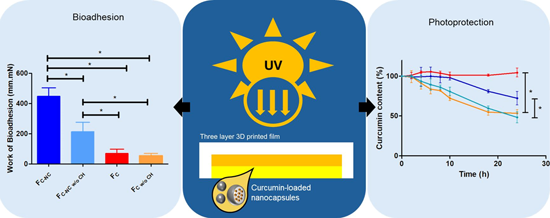
- biological activity and therapeutic efficacy [52]. Therefore, protection of curcumin from the effects of UV light exposure is an important step toward the development of successful therapies. Although UVC light is not encountered in natural sunlight, its use in this study was intentional as a stringent


Biomimetic nanoparticles in cancer photodynamic therapy: a review of targeted delivery systems and therapeutic outcomes
Beilstein J. Nanotechnol. 2026, 17, 396–422, doi:10.3762/bjnano.17.27
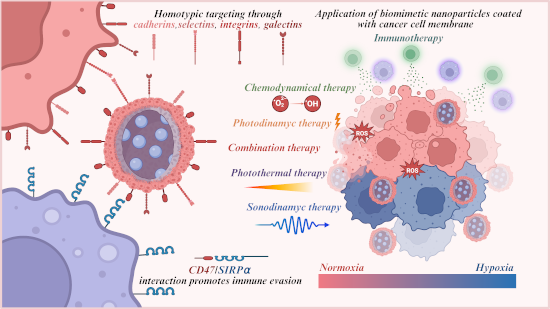
- pivotal step that directly influences the overall therapeutic outcome of PDT. The success of PDT hinges not only on the intrinsic photochemical properties of the PS but also on its effective delivery to the tumor site, stability during circulation, bioavailability within the TME, and ability to be


Eco-efficient materials for agricultural crops based on a mineral rich in MOR- and HEU-type zeolites
Beilstein J. Nanotechnol. 2026, 17, 381–395, doi:10.3762/bjnano.17.26
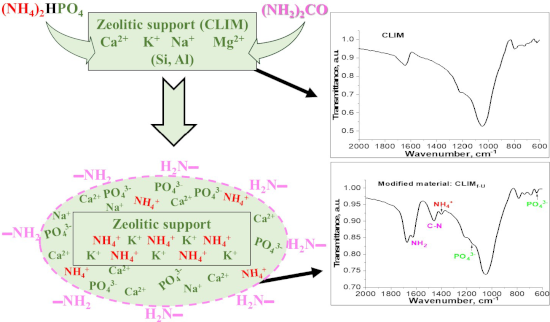
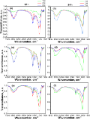
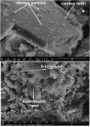
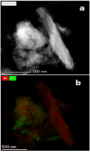
- spectrophotometer. The KBr tablet formation method was used with a KBr/sample ratio of 100:1. Powder XRD patterns were obtained on a Philips Xpert MPD diffractometer in the range from 2° to 60° using copper radiation (λ = 1.5406 Å), a speed of 2°/min, and a step of 0.05 s. For SEM studies, an FEI Nova Nano SEM 450




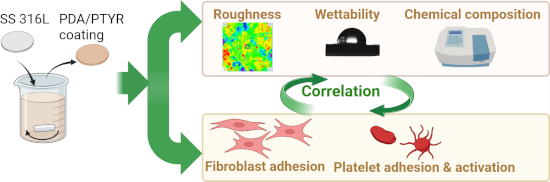
Polycatecholamine nanocoatings on stainless steel: the effect on attachment of human fibroblasts and platelets
Beilstein J. Nanotechnol. 2026, 17, 365–380, doi:10.3762/bjnano.17.25
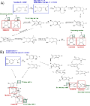
- aggregates stabilized by charge transfer, hydrogen bonding and π–π stacking interactions [12][27][28]. Mechanistic studies indicate that the first step of ʟ-tyrosine polymerization involves hydroxylation of the aromatic ring at the C3 position [12][28][29], after which the pathway resembles dopamine




Ferroelectric nanodot reservoir for neuromorphic computing
Beilstein J. Nanotechnol. 2026, 17, 352–364, doi:10.3762/bjnano.17.24
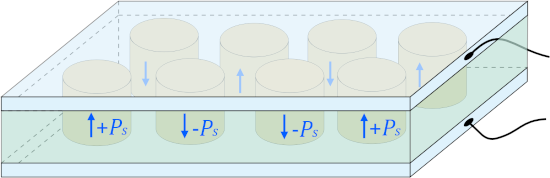
- ] = 132 are applied through common top and bottom electrodes, initializing the array into an initial reproducible state. Then, during signal processing, the field E is allowed to evolve in discrete steps, randomly increasing or decreasing by one unit, within a bounded range (−n to +n). At each step, the


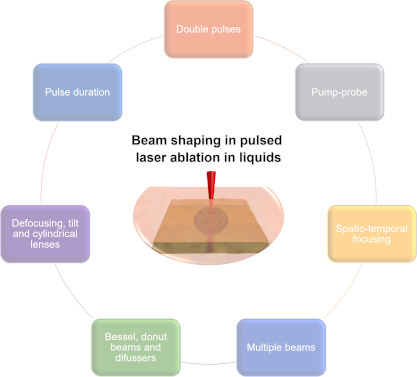
Beam shaping techniques for pulsed laser ablation in liquids: Unlocking tunable control of nanoparticle synthesis in liquids
Beilstein J. Nanotechnol. 2026, 17, 309–342, doi:10.3762/bjnano.17.22