


Search results
Search for "ambient conditions" in Full Text gives 320 result(s) in Beilstein Journal of Nanotechnology. Showing first 200.
Gold(I) N-heterocyclic carbene precursors for focused electron beam-induced deposition
Beilstein J. Nanotechnol. 2021, 12, 257–269, doi:10.3762/bjnano.12.21
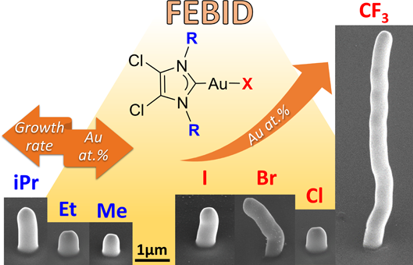
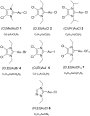
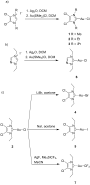
- compounds as (Y,R)AuX, where Y is the backbone substitution of the NHC ligand, R is the N-substituent, and X is the negatively charged ancillary ligand. The precursors (Cl,Me)AuCl (1), (Cl,Et)AuCl (2) and (Cl,iPr)AuCl (3) were prepared according to [37]. All reactions were performed under ambient conditions
- was obtained by reaction of 2 with a mixture of AgF and Me3SiCF3 [51]. This reaction created in situ a AgCF3 species that, through a transmetalation reaction, yielded compound 7 (Scheme 1c). All these compounds are, under ambient conditions, inert colourless crystals or white powders that are stable





A review on the green and sustainable synthesis of silver nanoparticles and one-dimensional silver nanostructures
Beilstein J. Nanotechnol. 2021, 12, 102–136, doi:10.3762/bjnano.12.9
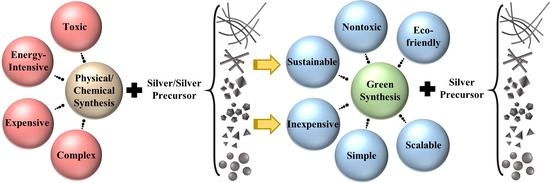
- ablation depends on the thermal and optical properties of the utilized metal and the surrounding ambient conditions [228][229]. Despite its significant advantages, laser ablation presents some disadvantages that limit their use. In general, this method does not have high productivity and the utilization of


Bulk chemical composition contrast from attractive forces in AFM force spectroscopy
Beilstein J. Nanotechnol. 2021, 12, 58–71, doi:10.3762/bjnano.12.5
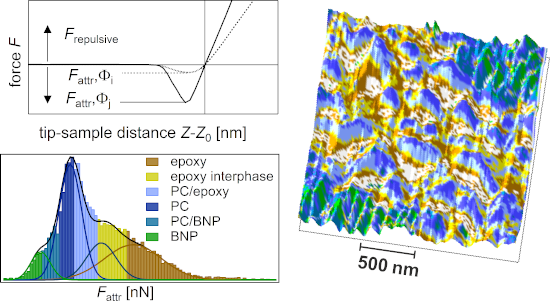
- requirements cannot be met by most samples or most AFM setups. However, the principle idea that local attractive forces Fattr are specific for the local chemical composition and structure (as shown before by ncAFM [15][29] and NF-DAFM [30]) can also be utilized for force spectroscopy under ambient conditions
- the tip and the sample, when the distance is in the range of molecular bonds and the orbitals can overlap, the chemical force comes into play. However, we consider the contribution of the chemical force negligible for experiments under ambient conditions as presented here. Also, we do not experience
- FvdW, in general, distinguishable from short-ranged chemical forces and long-ranged electrostatic forces and also dominant in an AFM setup under ambient conditions. But how is this property specific for different materials? In simplified terms, oscillating dipoles emit electromagnetic waves which in


Atomic layer deposited films of Al2O3 on fluorine-doped tin oxide electrodes: stability and barrier properties
Beilstein J. Nanotechnol. 2021, 12, 24–34, doi:10.3762/bjnano.12.2
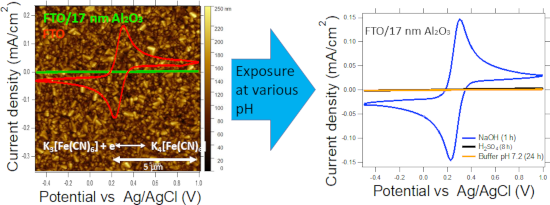
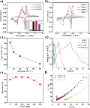
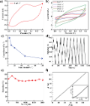
- 7.2). Chronoamperometric measurements were performed in buffered solution (pH 7.2) at −1.2 V (vs Ag/AgCl). The morphology of the films was characterized ex situ, under ambient conditions, by atomic force microscopy (AFM, Dimension Icon, Bruker, USA) in a semicontact (tapping) mode. A silicon


Mapping of integrated PIN diodes with a 3D architecture by scanning microwave impedance microscopy and dynamic spectroscopy
Beilstein J. Nanotechnol. 2020, 11, 1764–1775, doi:10.3762/bjnano.11.159
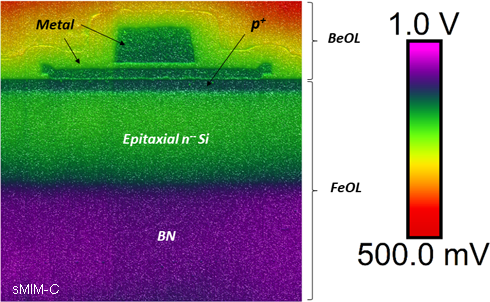
- , a body-centred tetragonal configuration (β-Sn, also called Si-II) must be formed from the initial cubic diamond silicon (Si-I) in the highly stressed region just below the tip [12]. Furthermore, in air and under ambient conditions, due to the interaction between the tip and the surface, the probe


High-responsivity hybrid α-Ag2S/Si photodetector prepared by pulsed laser ablation in liquid
Beilstein J. Nanotechnol. 2020, 11, 1596–1607, doi:10.3762/bjnano.11.142
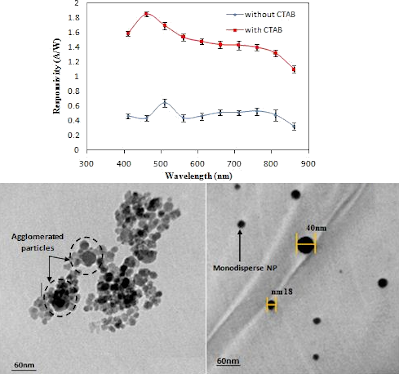
- 0.64 to 1.85 A/W at 510 nm after adding CTAB. The energy band diagram of the α-Ag2S/p-Si photodetector under illumination was constructed. The fabricated photodetectors exhibited reasonable stability after three weeks of storage under ambient conditions with a responsivity of 70% of the initial value
- compared to other photodetectors based silicon heterojunctions. The main figures of merit of the photodetectors at peak response were investigated after three weeks of storage under ambient conditions (Table 2). There is no significant variation (about 4%) in the values of figures of merit. This indicates
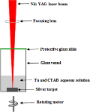
- initial responsivity after storage under ambient conditions for three weeks without any encapsulation. On the basis of these results, the proposed technique is promising and encouraging for the fabrication of inexpensive high-responsivity photodetectors. Schematic diagram of PLAL system used for




Antimicrobial metal-based nanoparticles: a review on their synthesis, types and antimicrobial action
Beilstein J. Nanotechnol. 2020, 11, 1450–1469, doi:10.3762/bjnano.11.129
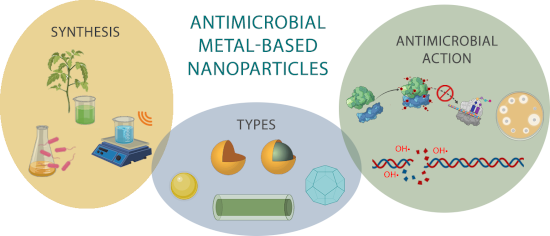
- cavitation that can be used for the production or modification of a wide range of nanostructured materials. Some examples are spherical Ag [63] and CuO NPs [65], and square-shaped CeO2 NPs [64]. The main advantage of this technique is the simplicity in maintaining the operating conditions (ambient conditions


Role of redox-active axial ligands of metal porphyrins adsorbed at solid–liquid interfaces in a liquid-STM setup
Beilstein J. Nanotechnol. 2020, 11, 1264–1271, doi:10.3762/bjnano.11.110
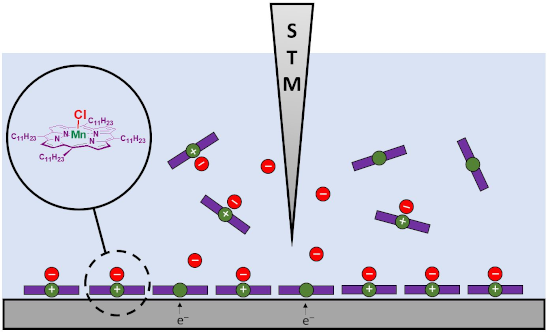
- single-molecule level, employing scanning tunneling microscopy (STM) [7][8][9]. Since our aim was to stay as close as possible to the laboratory conditions at which catalysis takes place (typically in an organic solvent under ambient conditions), we carried out our STM studies at a solid–liquid interface


Magnetic-field-assisted synthesis of anisotropic iron oxide particles: Effect of pH
Beilstein J. Nanotechnol. 2020, 11, 1230–1241, doi:10.3762/bjnano.11.107
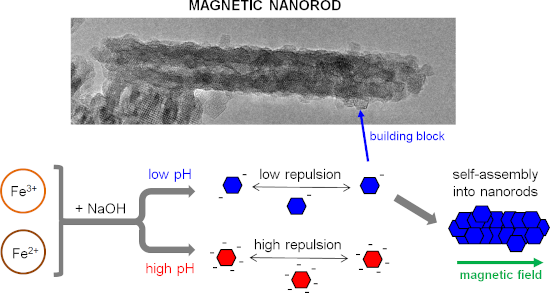
- (TEM) To prepare the TEM specimens, a drop (10 μL) of a freshly sonicated nanoparticle aqueous solution was deposited onto a 140 mesh Formvar-coated copper grid and and air-dried under ambient conditions. TEM micrographs and electron diffraction patterns were obtained on a LEO 912 AB OMEGA microscope
- [57]. High-resolution transmission electron microscopy (HRTEM) To prepare the specimens for HRTEM measurements, the samples were manually applied onto the lacey carbon-coated side of the 300 mesh copper grid and air-dried under ambient conditions. The particle morphology was characterized by TEM and
- HR800, Villeneuve-d'Ascq, France) equipped with 100× magnification lens. The copper substrates were dip-coated in the sample solutions and dried under ambient conditions. The measurements of the produced films were conducted at room temperature and atmospheric air. A He–Ne laser (λ = 632.8 nm) was used





High permittivity, breakdown strength, and energy storage density of polythiophene-encapsulated BaTiO3 nanoparticles
Beilstein J. Nanotechnol. 2020, 11, 1190–1197, doi:10.3762/bjnano.11.103
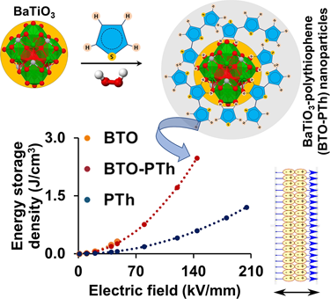
- microscopy (JEOL JSM 6490LA SEM) and atomic force microscopy (JSPM-5200 scanning probe microscope). Electrical properties of the bulk materials are measured under ambient conditions with a Wayne Kerr 6505B precision impedance analyzer and a Hipotronics HD103 3kV DC Hipot Tester. Results and Discussion




Wet-spinning of magneto-responsive helical chitosan microfibers
Beilstein J. Nanotechnol. 2020, 11, 991–999, doi:10.3762/bjnano.11.83
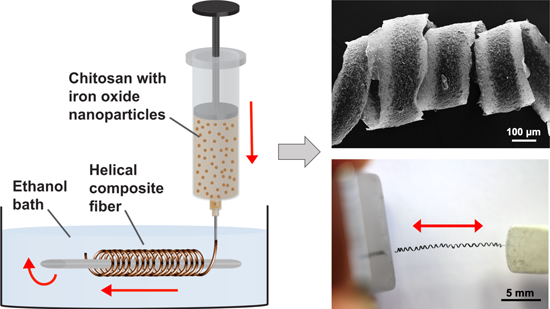
- . After 30 min, the fibers were collected from the coagulation bath and dried overnight under ambient conditions. To facilitate further analysis, the composite fibers were transferred to glass coverslips (VWR, Darmstadt, Germany). For the manual production of helical microfibers, wet-spun extrudates were
- ). Vibrating sample magnetometer analysis An EZ9 vibrating sample magnetometer (Microsense, Rottweil, Germany) was used to analyze the magnetization of chitosan fibers with varying IOP concentration. Prior to magnetometer analysis, the fibers were dried under ambient conditions for 24 h. Hysteresis curves were


Measurement of electrostatic tip–sample interactions by time-domain Kelvin probe force microscopy
Beilstein J. Nanotechnol. 2020, 11, 911–921, doi:10.3762/bjnano.11.76
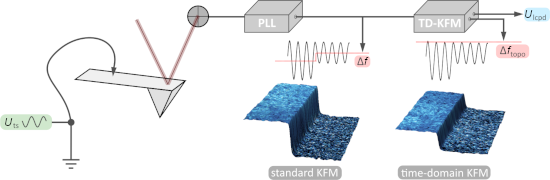
- the electrostatic potential above the graphene flake and the SiO2 substrate. The patterns observable on the graphene flake are most likely caused by water droplets, which have formed due to the ambient conditions [34][35]. Small changes in the patterns were observed between two different scans


Hexagonal boron nitride: a review of the emerging material platform for single-photon sources and the spin–photon interface
Beilstein J. Nanotechnol. 2020, 11, 740–769, doi:10.3762/bjnano.11.61
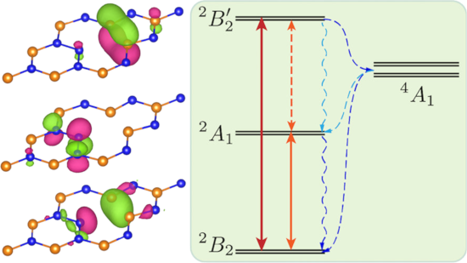
- miscellaneous transition rates for the optical and non-radiative transitions of the emitters. The SPEs show a very good photo-stability under ambient conditions and in monolayers. A correlation between the defect orientation and the h-BN hexagonal structure is observed by studying the excitation polarization
- to integrate hBN SPSs with large-scale, on-chip quantum photonic devices that work under ambient conditions or elevated temperatures. Resonant excitation of SPEs in h-BN is also used to control their quantum properties such as spectral broadening and Rabi oscillation. Using resonance excitation with
- instability taking the form of large ZPL spectral diffusion and discrete jumps of up to 100 nm (red-shifted) under ambient conditions. However, they are most stable under illumination at 532 nm [130]. A photochemical reaction with activation energy between 2.3 and 3.0 eV potentially contributes to the ZPL


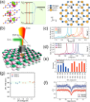


Electromigration-induced directional steps towards the formation of single atomic Ag contacts
Beilstein J. Nanotechnol. 2020, 11, 680–687, doi:10.3762/bjnano.11.55
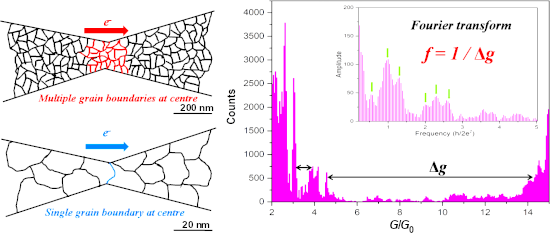
- Ag structures as they are quite susceptible to sulfur contamination under ambient conditions. UHV also provided an ultra-clean environment for point contact measurements. Two out of the four available tips were used for the EM measurements. The tips were pre-cooled by making electrical (and


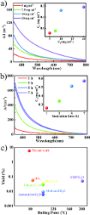
Exfoliation in a low boiling point solvent and electrochemical applications of MoO3
Beilstein J. Nanotechnol. 2020, 11, 662–670, doi:10.3762/bjnano.11.52
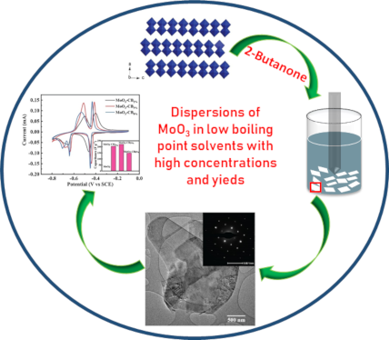
- concentration was dripped onto the cleaned GCE using a micropipette and dried under ambient conditions. Nafion® was used as the binder. To study the effect of the conducting additive, different ratios of conductive carbon black (CB) were added and sonicated for 15 min to obtain homogeneous dispersions, which

Luminescent gold nanoclusters for bioimaging applications
Beilstein J. Nanotechnol. 2020, 11, 533–546, doi:10.3762/bjnano.11.42
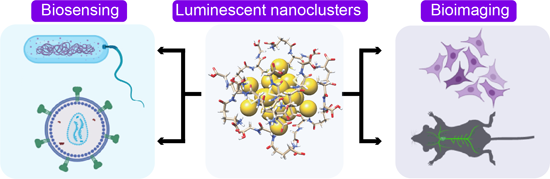
- single atom. Additionally, due to covalently bound ligands, the NCs show extraordinary stability under ambient conditions. While plasmonic AuNPs display size-dependent surface plasmon resonance (SPR), NCs display characteristic molecule-like electronic spectra. This is attributed to the small size and
- importantly, the Au-BSA NCs are stable under ambient conditions and retain their PL even after drying (Figure 1G,H) allowing for long-term storage [64]. Several other proteins including lysozyme, human serum albumin (HSA) and insulin have been used to prepare inherently luminescent AuNCs [65][66][67][68][69


Implementation of data-cube pump–probe KPFM on organic solar cells
Beilstein J. Nanotechnol. 2020, 11, 323–337, doi:10.3762/bjnano.11.24
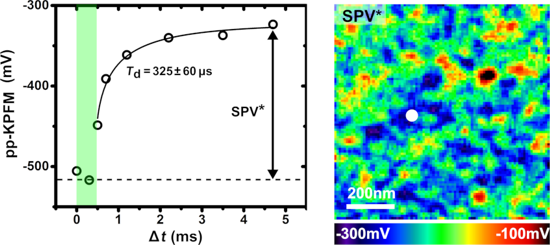
- rpm for 1 s (≈30 nm) and annealed at 120 °C for 10 min under ambient conditions. The substrate was then transferred into an argon-filled glovebox for spin-coating of an active layer of the PTB7:PC71BM solution (1:1.5 weight ratio, 25 mg∙mL−1 total concentration) in anhydrous chlorobenzene. The blend




The effect of heat treatment on the morphology and mobility of Au nanoparticles
Beilstein J. Nanotechnol. 2020, 11, 61–67, doi:10.3762/bjnano.11.6
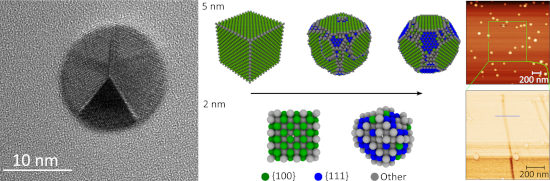
- ]. The solution was stirred for 5 min and then stored at 4 °C until needed [10]. Annealing The silicon wafers (100, n/phosphorus-doped, 3–6 ohm·cm, Mat-Technology) were cleaned with ethanol and the NPs were deposited by drop-casting. The drops were dried at ambient conditions. Five samples of Au NPs on


Recent progress in perovskite solar cells: the perovskite layer
Beilstein J. Nanotechnol. 2020, 11, 51–60, doi:10.3762/bjnano.11.5

- dimension of 16 cm2 are produced by combining the advantages of SAS and the use of a metal grid. The mentioned studies pave the way towards highly efficient large-area PSCs. However, spray coating is not frequently used since it is usually performed under ambient conditions, which may perturb the sensitive
- ambient conditions. 2D Ruddlesden–Popper (2DRP) perovskite is the first widely used 2D perovskite material. Kanatzidis et al. [58] first incorporated butylammonium (BA) into the perovskite to promote its vertical crystal growth on the substrate. They obtained a stable device with a PCE of 4.02% by
- only 2.2% after 1,512 hours without encapsulation when exposed to ambient conditions with 55% relative humidity (RH). Very recently, Stoumpos et al. [60] reported a novel 2D perovskite that adopted the Dion–Jacobson (DJ) structure, which is considered to be more stable and more efficient than its RP


Evaluation of click chemistry microarrays for immunosensing of alpha-fetoprotein (AFP)
Beilstein J. Nanotechnol. 2019, 10, 2505–2515, doi:10.3762/bjnano.10.241
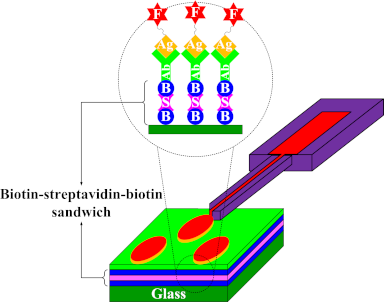
- cantilevers (MikroMasch, USA). All measurements were done in air and under ambient conditions. As a measure of the roughness, the root-mean-square average of the height deviations with regard to the mean image data plane (Rq in the software) was sampled from 5 × 5 μm2 images (three per sample) using the AFM
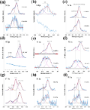


Mobility of charge carriers in self-assembled monolayers
Beilstein J. Nanotechnol. 2019, 10, 2449–2458, doi:10.3762/bjnano.10.235
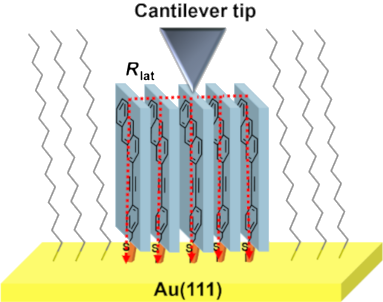
- methods and instrumentation All STM measurements were carried out under ambient conditions, using either a Joel JSPM 4210 microscope or an Agilent STM setup, which had been cross-calibrated by imaging HOPG with atomic resolution. The tips were prepared mechanically by cutting a 0.25 mm Pt0.8Ir0.2 wire


Polyvinylpyrrolidone as additive for perovskite solar cells with water and isopropanol as solvents
Beilstein J. Nanotechnol. 2019, 10, 2374–2382, doi:10.3762/bjnano.10.228
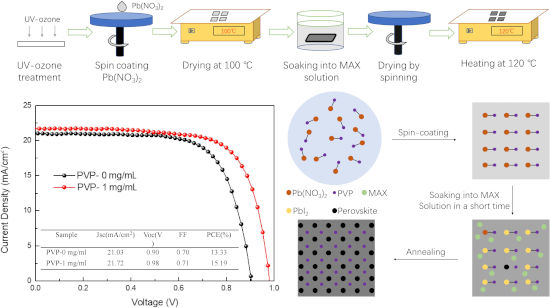
- vast majority of PSCs relies on the use of highly polar aprotic solvents during the preparation process, such as dimethylformamide (DMF), which is toxic and detrimental to both humans and the environment. Here, we describe the preparation of PSCs under ambient conditions from an aqueous solution of
- paper, we describe the preparation of perovskite solar cells from an aqueous solution of lead nitrate as precursor under ambient conditions. In order to improve the photoelectric performance of the PSCs, PVP was added to the precursor solution. A combination of SEM, EIS, PL, UV, and other
- whole process was carried out under ambient conditions. Thus, our preparation method involves less toxic substances and is more environmentally friendly. Compared with previous preparation methods using aqueous lead nitrate solution as a precursor, our method can improve the photovoltaic performance of




Microfluidics as tool to prepare size-tunable PLGA nanoparticles with high curcumin encapsulation for efficient mucus penetration
Beilstein J. Nanotechnol. 2019, 10, 2280–2293, doi:10.3762/bjnano.10.220
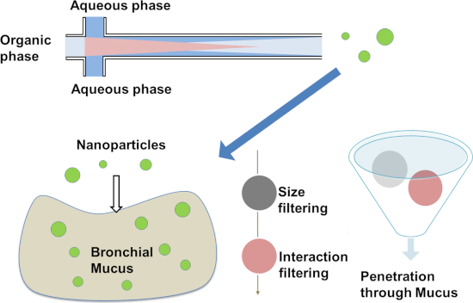
- different types of Pluronic (F68, F127, 9400, 6200, 3100,10500 and 6400) with different block lengths and thus different HLB values in a 1:1 volume ratio at ambient conditions for predefined time intervals. Afterwards, the nano-suspension was centrifuged at 5000g for 10 min to separate the NPs from mucin


Nontoxic pyrite iron sulfide nanocrystals as second electron acceptor in PTB7:PC71BM-based organic photovoltaic cells
Beilstein J. Nanotechnol. 2019, 10, 2238–2250, doi:10.3762/bjnano.10.216
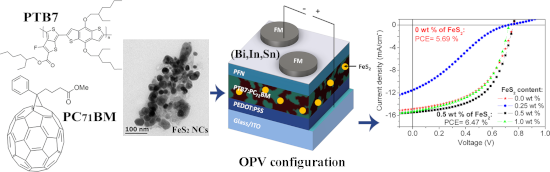
- acquired with a JEOL JSM 7800F. STM [32][33] measurements were carried out under ambient conditions with the Nanosurf Easyscan 2 STM device. For the latter measurements, FeS2 was dissolved in chlorobenzene at a concentration of 0.2 mg/mL and deposited on a highly ordered pyrolytic graphite (HOPG) surface
- reference cell. Current density versus voltage (J–V) curves were measured using a Keithley 2450 source meter under ambient conditions. External quantum efficiency (EQE or IPCE) was measured in a home-built EQE set up [32]. A potentiostat/galvanostat PARTAT 2273 system was used for the IS measurements. The


Nitrogen-vacancy centers in diamond for nanoscale magnetic resonance imaging applications
Beilstein J. Nanotechnol. 2019, 10, 2128–2151, doi:10.3762/bjnano.10.207
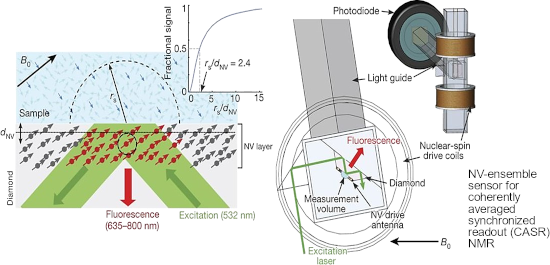
- has been realized with single-neuron sensitivity and intact organism applicability with an NV quantum diamond microscope under ambient conditions. The method was applied for excised single neurons from marine worm and squid and then to marine worms for extended periods. The key element to making the





