


Search results
Search for "metal oxides" in Full Text gives 228 result(s) in Beilstein Journal of Nanotechnology. Showing first 200.
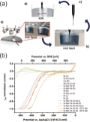
Sputtering onto liquids: a critical review
Beilstein J. Nanotechnol. 2022, 13, 10–53, doi:10.3762/bjnano.13.2

- properties to fit the targeted application in fields such as mechanics, optics, electronics, and biomaterials. Various types of coatings can be produced, from pure metals to metal oxides, nitrides, carbides, oxynitrides to metal alloys, or chemically more complex combinations such as high-entropy alloys [24
- by a plasma generated in a mixture of argon with a molecular gas, by using dedicated mass flow controllers (MFC). Oxygen, nitrogen, methane, or hydrogen sulfide can be added to deposit metal oxides, nitrides, carbides, or sulfides, respectively. One example of such tailoring of the film chemistry is
- alloy, see Figure 3b), and/or the implementation of reactive sputtering by adding a molecular gas (e.g., N2, O2 and CH4) allow for depositing a very large catalog of materials ranging from pure metals and alloys to metal oxides, nitrides, and other compounds. (ii) The product of pressure times target







Identifying diverse metal oxide nanomaterials with lethal effects on embryonic zebrafish using machine learning
Beilstein J. Nanotechnol. 2021, 12, 1297–1325, doi:10.3762/bjnano.12.97
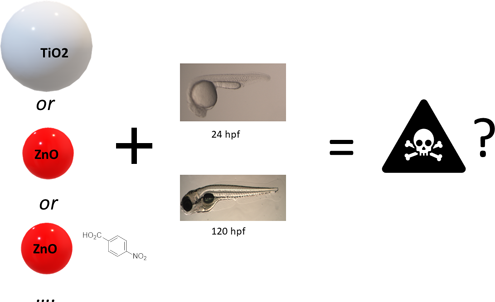
- correlate well with the electronegativity of the cation, such that a descriptor based upon the metal atom electronegativity may reflect catalytic activity due to ions release via dissolution, leading to toxicity via generation of reactive oxygen species (ROS) [60]. However, metal oxides may also result in
- be successfully identified. Interestingly, it was found that comparable results could be obtained using a model based upon a single, simple descriptor: the Pauling electronegativity of the metal atom. This descriptor has previously been used to model cytotoxicity of metal oxides [55][59], and other
- is purely related to this simple descriptor providing limited information about the composition of the metal oxide core. Numerous studies have shown that a variety of intrinsic and extrinsic characteristics may influence the level of hazard associated with ENMs in general [65] and for metal oxides


pH-driven enhancement of anti-tubercular drug loading on iron oxide nanoparticles for drug delivery in macrophages
Beilstein J. Nanotechnol. 2021, 12, 1127–1139, doi:10.3762/bjnano.12.84
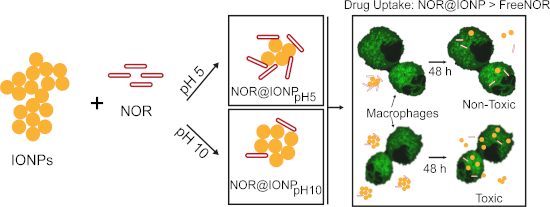
- profile from NOR@IONPpH10 resembled that of free NOR where the release was rapid over the first 4–6 h and saturated out there after (Figure 5b, inset). The release of NOR from metal oxides, NiO, is found to follow first order rate kinetics thus we too fitted out drug release plots to a first order model



Assessment of the optical and electrical properties of light-emitting diodes containing carbon-based nanostructures and plasmonic nanoparticles: a review
Beilstein J. Nanotechnol. 2021, 12, 1078–1092, doi:10.3762/bjnano.12.80
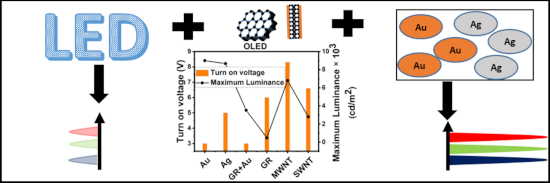
- graphene oxide is required based on the device configuration. Shi et al. obtained similar results with an excellent luminance of 53000 cd/m2, demonstrating its explicit applicability in flexible OLED [64]. Combinations of graphene oxide with polymers and metal oxides have also been evaluated. Lin et al
- a uniform thin film. Some of the commonly used polymers and metal oxides for ETL are PBD, PBD-PMMA, BND, ZnO, SnO2, and TiO2 [69][70][71]. Improvements in the device performance have been reported, when using polymer–MWNT nanocomposite-based ETL. For example, Fournet et al. have investigated the
- doping-free and cost-effective, it can be operated using a single bias, and it emanates a narrow EL spectrum of ≈30 meV. Similarly, white light LED can also consist of CQD at the EML along with metal oxides in the charge transport layers [94]. In addition, a maximum EQE of 0.083% has been obtained from


Molecular assemblies on surfaces: towards physical and electronic decoupling of organic molecules
Beilstein J. Nanotechnol. 2021, 12, 950–956, doi:10.3762/bjnano.12.71

- . Among others, ultrathin dielectric layers of either alkali halides (e.g., NaCl [17]) or metal oxides (e.g., MgO [18], Al2O3 [19], and CuO [20]), or nitrides (CuN [21]) have been shown to be beneficial for successfully reducing or even completely switching off the unwanted interaction between the metal
- . To a lesser extent, metal oxides have also been used, for which defects and charging often pose additional challenges [44][45][46]. On electronically insulating surfaces, non-contact atomic force microscopy (AFM) is the method of choice to study molecular assemblies and individual molecules in real
Nanoporous and nonporous conjugated donor–acceptor polymer semiconductors for photocatalytic hydrogen production
Beilstein J. Nanotechnol. 2021, 12, 607–623, doi:10.3762/bjnano.12.50
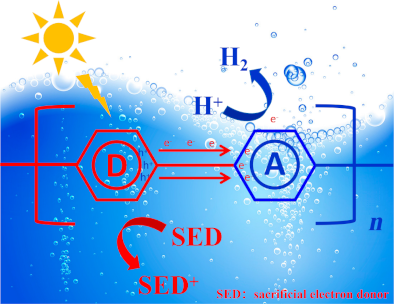
- are primarily inorganic materials, such as metal oxides and sulfides [5]. Inorganic photocatalysts, however, have some inherent drawbacks. Harsh synthetic conditions, such as high pressure and temperature, are required [5]. Moreover, many reported inorganic photocatalysts contain heavy metal elements




Influence of electrospray deposition on C60 molecular assemblies
Beilstein J. Nanotechnol. 2021, 12, 552–558, doi:10.3762/bjnano.12.45

- materials, ranging from metal surfaces [5][6][7][8][9][10][11][12][13], over metal oxides [14] and insulating substrates [15] to graphene monolayers on metals [16]. In HV-ESD-based devices, a solution containing the molecules reaches an emitter located in front of the entrance capillary, as shown in Figure


Solution combustion synthesis of a nanometer-scale Co3O4 anode material for Li-ion batteries
Beilstein J. Nanotechnol. 2021, 12, 424–431, doi:10.3762/bjnano.12.34
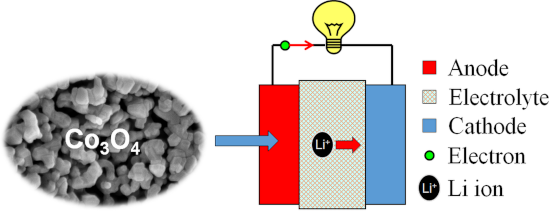
- potential next-generation anodes. Among them, transition metal oxides (TMOs) have attracted particular attention because their capacities are significantly greater than those of carbonaceous electrode materials. Also, most of the TMOs are relatively inexpensive and easily accessible due to their high
- the formation of composite materials consisting of Co3O4 and different materials, including carbon-based materials, such as graphene [7][8], carbon nanotubes [9], carbon coatings [10], dictyophora indusiata-derived carbon [11], or other transition metal oxides [12]. This approach usually leads to a


Nickel nanoparticle-decorated reduced graphene oxide/WO3 nanocomposite – a promising candidate for gas sensing
Beilstein J. Nanotechnol. 2021, 12, 343–353, doi:10.3762/bjnano.12.28
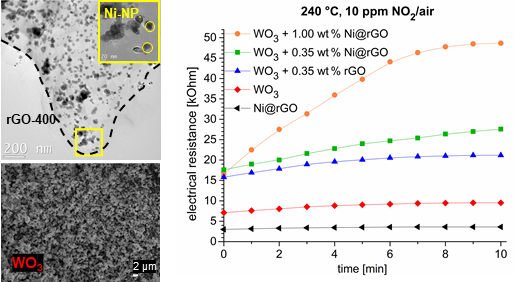
- gas sensitivity of semiconductor oxide compositions with graphene. The reasons for the increase in the response and decrease in the operating temperature of metal oxides combined with non-oxidized graphene are synergetic effects between graphene and metal oxides as a result of chemical bonds between


ZnO and MXenes as electrode materials for supercapacitor devices
Beilstein J. Nanotechnol. 2021, 12, 49–57, doi:10.3762/bjnano.12.4
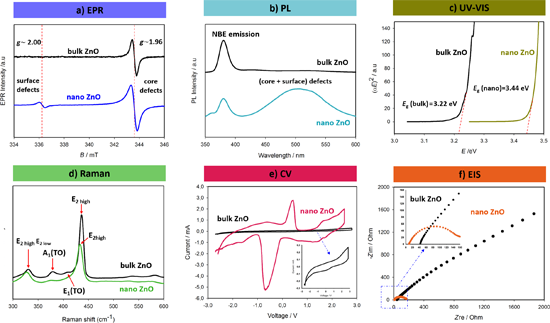
- , recently developed metal oxides, specifically nanostructured ZnO, and MXenes with their defect structures, size effects, as well as optical and electronic properties have been presented as electrode material in supercapacitor devices. The discussion of MXenes along with ZnO, although different in chemistry
- capacity and high energy density so that in the near future supercapacitors might work together with batteries as an integrated energy storage system. Metal oxides, MXenes, and perovskites are the most promising electrode materials for this end. However, the specific capacitance values of those electrodes
- reader to see our recent mini-review about the current progress and future trends in materials development for supercapacitors [8]. It is important to point out that in terms of energy-related applications, the use of metal oxides is rather limited. An enhancement of the devices can only be achieved by

Unravelling the interfacial interaction in mesoporous SiO2@nickel phyllosilicate/TiO2 core–shell nanostructures for photocatalytic activity
Beilstein J. Nanotechnol. 2020, 11, 1834–1846, doi:10.3762/bjnano.11.165
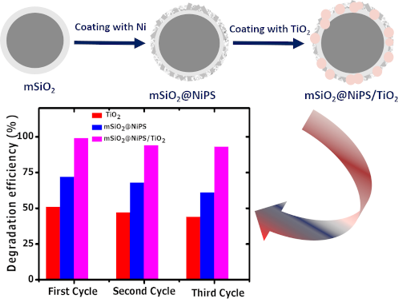
- metal oxides, such as ZrO2 [16] and SiO2 [17], influence the morphology and surface features of the resulting binary metal oxide semiconductors. Moreover, these binary metal oxide semiconductors act as charge-transfer catalysts and significantly reduce the electron–hole recombination [18][19]. Another


Self-standing heterostructured NiCx-NiFe-NC/biochar as a highly efficient cathode for lithium–oxygen batteries
Beilstein J. Nanotechnol. 2020, 11, 1809–1821, doi:10.3762/bjnano.11.163
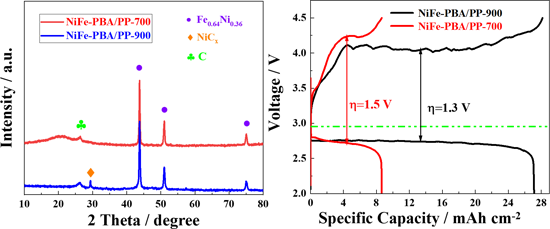
- fairly high ORR and OER activities. Significant progress has been made in the development of alternative ORR and OER catalysts, such as transition metal oxides [16][17][18], heteroatom-doped carbons [19][20], and transition metal nitrides and carbides [21][22][23]. Due to their surface physicochemical






Cu2O nanoparticles for the degradation of methyl parathion
Beilstein J. Nanotechnol. 2020, 11, 1546–1555, doi:10.3762/bjnano.11.137
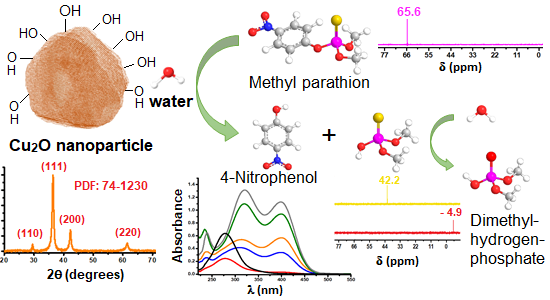
- with size of 16 nm have a stronger basicity because they generate a higher concentration of 4-NPh−. In other words, the chemical basicity of Cu2O increases with decreasing NPs size. This last result is best explained with Pearson’s concept of basicity [45][46], low oxidation number metal oxides are
- alkaline in aqueous medium. Thus, Cu2O is a basic metal oxide. Similarly, as the NP size decreases the surface-to-volume ratio increases. A higher surface area implies a higher amount of hydroxy groups [47][48] and, hence, a higher basicity. MP degradation can be further extended to different metal oxides


Adsorption and self-assembly of porphyrins on ultrathin CoO films on Ir(100)
Beilstein J. Nanotechnol. 2020, 11, 1516–1524, doi:10.3762/bjnano.11.134
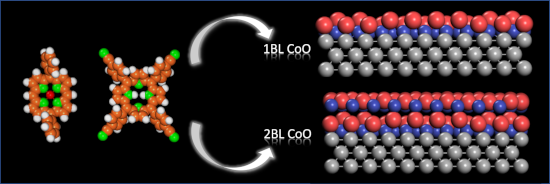
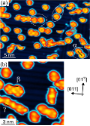
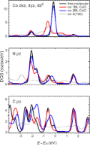
- islands on the 2BL film. The findings demonstrate the guiding effect of the cobalt oxide films of different thickness and the effect of functional surface anchoring. Keywords: adsorption energy; molecular rotors; porphyrins; self-assembly; transition metal oxides; Introduction Due to their variability





Structure and electrochemical performance of electrospun-ordered porous carbon/graphene composite nanofibers
Beilstein J. Nanotechnol. 2020, 11, 1280–1290, doi:10.3762/bjnano.11.112
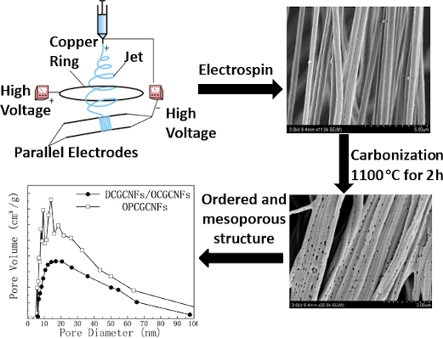
- nanofibers) or metal oxides (manganese oxide, nickel oxide, RuO2, Co3O4, etc.). Carbon is the primary material used to manufacture EDLC electrodes since it has a high specific surface area, which can easily form a double layer to store more electrical energy [6][7][8][9][10]. Since there is still room for


Adsorption behavior of tin phthalocyanine onto the (110) face of rutile TiO2
Beilstein J. Nanotechnol. 2020, 11, 821–828, doi:10.3762/bjnano.11.67
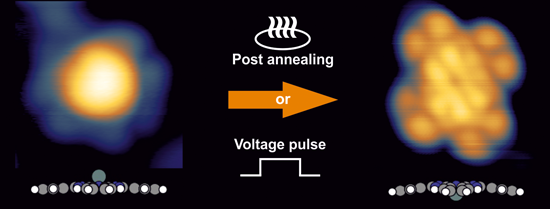
- stability. Since metal oxides are commonly used as support for the growth of molecular layers in many technological solutions, it is not surprising that Pcs on titanium dioxide faces have been widely studied. Most studies of phthalocyanine adsorption on rutile (110) and (011) faces consider flat Pcs (CoPc


Effect of Ag loading position on the photocatalytic performance of TiO2 nanocolumn arrays
Beilstein J. Nanotechnol. 2020, 11, 717–728, doi:10.3762/bjnano.11.59
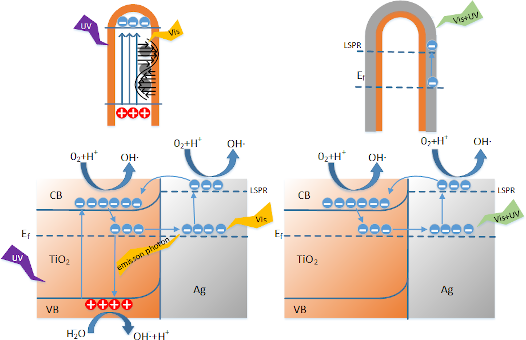
- ], and combination with metal elements or other metal oxides [10]. Compared with the bulk material, one-dimensional (1D) nanostructured TiO2 presents enhanced photocatalytic activity that depends on a variety of factors such as surface area, particle shape, crystalline structure, crystal size, and


Exfoliation in a low boiling point solvent and electrochemical applications of MoO3
Beilstein J. Nanotechnol. 2020, 11, 662–670, doi:10.3762/bjnano.11.52
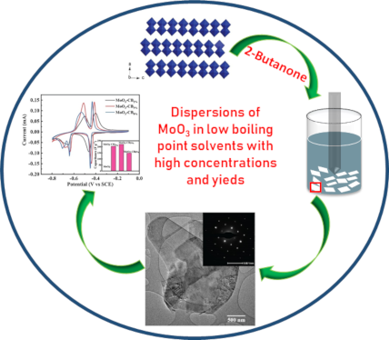
- researchers to look into other layered materials, such as metal dichalcogenides (MoS2, WS2, WSe2), hexagonal boron nitride (h-BN), layered double hydroxides, metal hydroxides (Ni(OH)2, Co(OH)2), metal oxides (MoO3, WO3) and phyllosilicates, for various applications in different fields [2][3][4][5]. Among the



Electrochemically derived functionalized graphene for bulk production of hydrogen peroxide
Beilstein J. Nanotechnol. 2020, 11, 432–442, doi:10.3762/bjnano.11.34
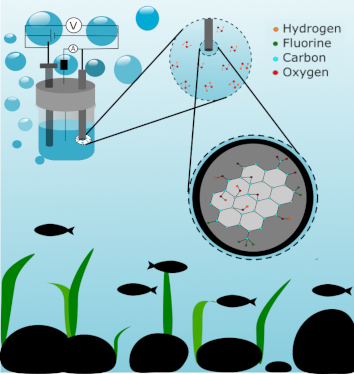
- H2 gas [9]. The major roadblock in this method is the development of a sustainable electrocatalyst for the selective reduction of oxygen to H2O2 [19][20][21][22][23]. Today, most electrochemical H2O2 production methods rely on precious-metal-based materials or transition metal and/or metal oxides


Synthesis and enhanced photocatalytic performance of 0D/2D CuO/tourmaline composite photocatalysts
Beilstein J. Nanotechnol. 2020, 11, 407–416, doi:10.3762/bjnano.11.31
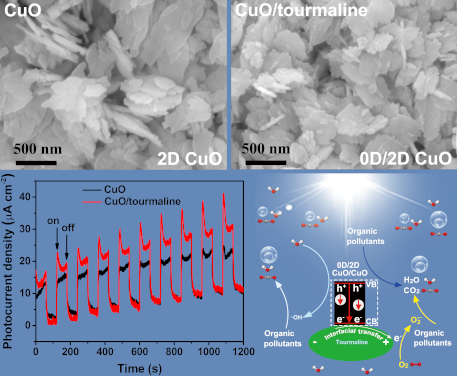
- the treatment of organic contaminants in wastewater is in urgent need owing to the deterioration of the ecological environment [1]. Metal oxides, such as ZnO [2], TiO2 [3], Fe2O3 [4], and CuO [5], have been demonstrated to be promising photocatalysts. In particular, the band gap energy (Eg) of the p


High-performance asymmetric supercapacitor made of NiMoO4 nanorods@Co3O4 on a cellulose-based carbon aerogel
Beilstein J. Nanotechnol. 2020, 11, 240–251, doi:10.3762/bjnano.11.18
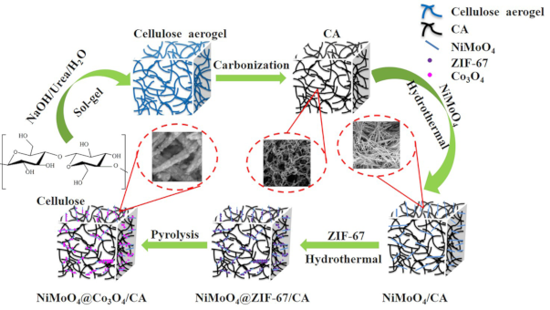
- construction of an integrated hierarchical porous nanoarchitecture by combining two metal oxides is a brilliant way to greatly enhance the overall electrochemical performance owing to synergistic effects [20]. For example, Li et al. synthesized 3D hybrid Co3O4/NiMoO4 nanowire/nanosheet arrays on a carbon cloth
- a capacitance retention of 84.1% after 2000 cycles [23]. Metal-organic frameworks (MOFs) with high porosity and tunable functionality are ideal sacrificial templates to synthesize metal oxides [24][25][26]. As a MOF derivative, Co3O4 derived from the zeolitic imidazolate framework-67 (ZIF-67) is
- electroactive materials, efficiently reducing the internal resistance and enhancing the rate capability. Therefore, novel hybrid nanorods and nanoparticles of the electroactive metal oxides incorporated into a porous, conductive 3D network of CA could be promising electrode materials for supercapacitors. Based







Fabrication of Ag-modified hollow titania spheres via controlled silver diffusion in Ag–TiO2 core–shell nanostructures
Beilstein J. Nanotechnol. 2020, 11, 141–146, doi:10.3762/bjnano.11.12
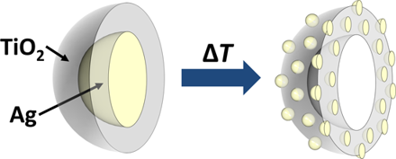
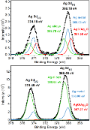
- different forms, i.e., Ag metal, oxides (AgO/Ag2O) and probably in the form of alloys (Figure 3). This observation suggests that silver is present in fabricated nanostructures not only in the form of AgNPs on the surface of the hollow TiO2 spheres, but is also embedded in the other forms within the TiO2 HSs



Synthesis and acetone sensing properties of ZnFe2O4/rGO gas sensors
Beilstein J. Nanotechnol. 2019, 10, 2516–2526, doi:10.3762/bjnano.10.242
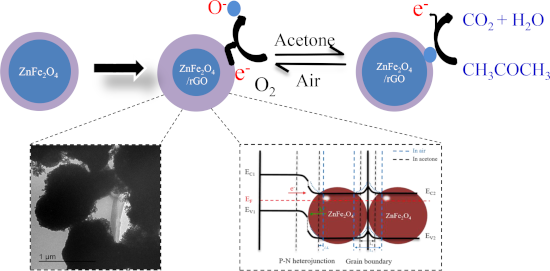
- by deposition processes [22][23]. Furthermore, the combination of metal oxides with graphene or its derivatives can enhance the gas sensing capability by improving the adsorption/desorption ability of the incorporated molecules, the transfer of carriers and the formation of local heterojunctions [24
- (10 ppb) [29]. ZnO1−x/rGO composites with 2 wt % rGO had enhanced gas sensing properties compared with pure ZnO, as indicated by an enhanced sensitivity and an improved response/recovery speed [30]. It has been proved that coupling or compounding metal oxides with graphene enhances the electronic




Multiwalled carbon nanotube based aromatic volatile organic compound sensor: sensitivity enhancement through 1-hexadecanethiol functionalisation
Beilstein J. Nanotechnol. 2019, 10, 2364–2373, doi:10.3762/bjnano.10.227
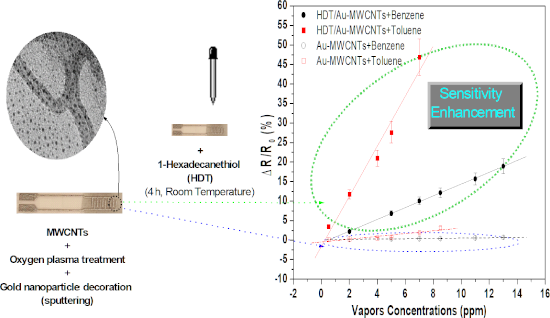
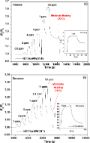
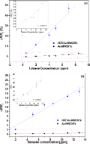
- correlated to the active sensing film/material used. Various nanomaterial-based gas sensors have been investigated to monitor the presence of aromatic VOCs. The ones mainly studied are based on metal oxides, carbon nanotubes, graphene and hybrid materials [5][6]. Carbon nanotube based gas sensors (e.g





A novel all-fiber-based LiFePO4/Li4Ti5O12 battery with self-standing nanofiber membrane electrodes
Beilstein J. Nanotechnol. 2019, 10, 2229–2237, doi:10.3762/bjnano.10.215
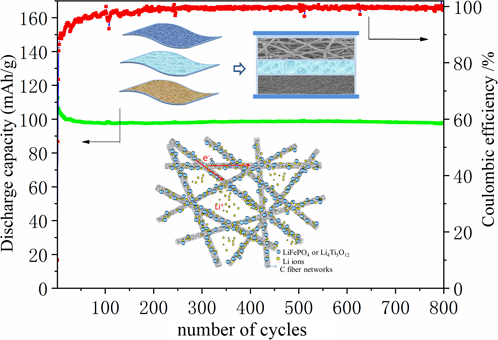
- environmental friendliness [11][12][13][14]. The electrode materials of conventional lithium-ion batteries (LIBs) are generally based on transition metal oxides containing lithium mixed evenly with conductive agents and adhesives. The electrode materials are then coated on metal current collectors [15][16][17





