


Search results
Search for "in situ" in Full Text gives 552 result(s) in Beilstein Journal of Nanotechnology. Showing first 200.
Ion beam processing of DNA origami nanostructures
Beilstein J. Nanotechnol. 2024, 15, 207–214, doi:10.3762/bjnano.15.20
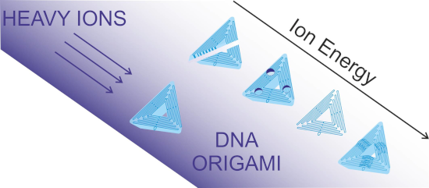
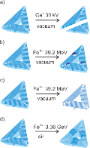
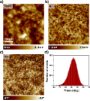
- seen, for ion beam irradiation in air. The height profiles may also be sensitive to environmental conditions especially the nature and availability of counterions [52]; hence, there is a need for in situ chemical analysis to fundamentally explore these effects, which are, at the moment, complicated to


Graphene removal by water-assisted focused electron-beam-induced etching – unveiling the dose and dwell time impact on the etch profile and topographical changes in SiO2 substrates
Beilstein J. Nanotechnol. 2024, 15, 190–198, doi:10.3762/bjnano.15.18
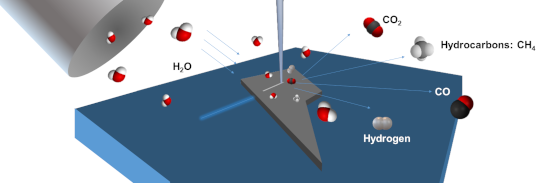
- exposed lines for all used dose values and dwell times (Figure 1C.i–iii), whose origin we discuss further in the subsequent section of the manuscript. The SEM and in situ AFM signals (Figure 1B, Figure 1C) are integrated into CPEM data, which yields additional insight into the substrate morphology. Apart
- presence of water on the SiO2 substrate, we performed in situ experiments with an AFM microscope (LitesScopeTM) installed inside the SEM chamber, which allows measuring the profiles directly after electron beam exposure without contact with ambient air. The lines were directly patterned on the SiO2
- AFM profiles measured in situ, we cannot exclude that it appears after taking out the sample and exposing it to air and ambient pressure. This effect, to the best of our knowledge, is firstly reported in this work and has not been mentioned in prior research on water-assisted FEBIE etching of graphene


Modification of graphene oxide and its effect on properties of natural rubber/graphene oxide nanocomposites
Beilstein J. Nanotechnol. 2024, 15, 168–179, doi:10.3762/bjnano.15.16
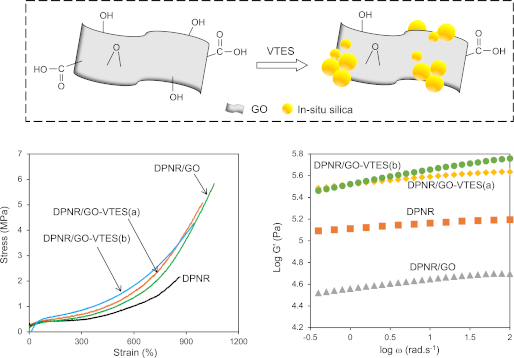
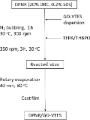
- rolling resistance and enhance the wet grip of rubber materials. Recently, the usage of silane coupling agents as monomers to generate in situ nanosilica into NR has been found to enhance the mechanical properties of NR. Kawahara et al. [17] used vinyltriethoxysilane (VTES) as a silane monomer for
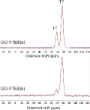
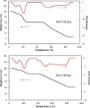
- grafting on NR to form an in situ nanosilica nanomatrix. The formation of nanosilica particles improved the thermal and mechanical properties of the graft copolymer. Furthermore, a well-controlled nanosilica nanomatrix structure in NR has been achieved in our previous work [18], where VTES was grafted onto






In situ optical sub-wavelength thickness control of porous anodic aluminum oxide
Beilstein J. Nanotechnol. 2024, 15, 126–133, doi:10.3762/bjnano.15.12
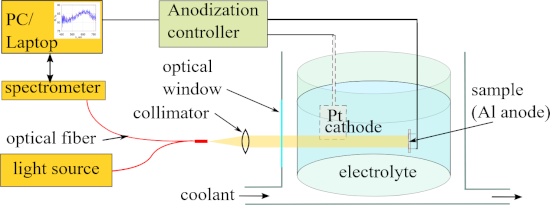
- the reflectance spectra to a multilayer model of a water–PAAO–aluminum system using the transfer-matrix method (TMM) [22]. Previously, TMM has been employed only for post-production thickness analysis of PAAO-based stratified systems [13][23]. In the present study, it allowed for continuous in situ
- anodization, however, the pores are filled with electrolyte and reaction products. Therefore the value neff = 1.65 used for in situ thickness control was higher than that of dry PAAO and lower than that of pure Al2O3. It resulted in satisfactory fits of the TMM model function to the recorded reflectance
- refined model with multiple phases and make real-time fitting difficult. However, for a thickness of approximately 250–300 nm and above, fitting to a single PAAO layer and an effective RI is sufficient for reliable in situ thickness monitoring. For improved accuracy, the system can be calibrated using


Nanotechnological approaches in the treatment of schistosomiasis: an overview
Beilstein J. Nanotechnol. 2024, 15, 13–25, doi:10.3762/bjnano.15.2

- organoleptic properties of PZQ [8][48]. da Fonseca et al. [8] used poly(methyl methacrylate) nanoparticles loaded with PZQ produced by in situ mini emulsion polymerizations to mask the drug taste and develop an oral formulation. Although the taste was masked, the authors reported a gritty tongue sensation


Determination of the radii of coated and uncoated silicon AFM sharp tips using a height calibration standard grating and a nonlinear regression function
Beilstein J. Nanotechnol. 2023, 14, 1200–1207, doi:10.3762/bjnano.14.99
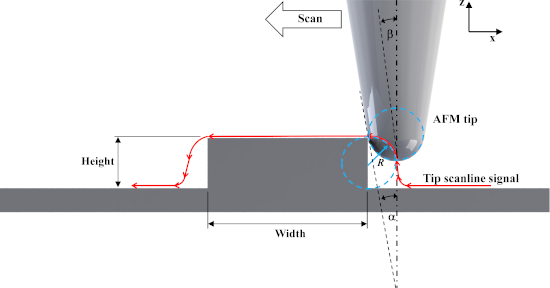
- do not know the exact values of the AFM tip radius. There are many techniques of in situ measurements for determining the actual AFM tip radius, but they are limited to uncoated tips. This paper presents an alternative and simple method to determine the radii of coated tips and an uncoated tip. Pt
- in situ determinations of the tip characterizer shape revealed that the radius of curvature of the Si corner edge of the standard grating is sharper (usually <2 nm [16]) than the tip end. Although we do not know the exact value of the edge radius of the height grate from its specification sheet for
- -coated tip radius) with standard deviations (STDs) of 0.33, 0.28, and 0.70 nm, respectively. Conclusion Three different AFM tips underwent actual tip radius measurements using an in situ probe characterizer (HS-20MG Height Calibration Grating Standard) under sub-nanonewton scanning load. The curvature


A combined gas-phase dissociative ionization, dissociative electron attachment and deposition study on the potential FEBID precursor [Au(CH3)2Cl]2
Beilstein J. Nanotechnol. 2023, 14, 1178–1199, doi:10.3762/bjnano.14.98



A multi-resistance wide-range calibration sample for conductive probe atomic force microscopy measurements
Beilstein J. Nanotechnol. 2023, 14, 1141–1148, doi:10.3762/bjnano.14.94
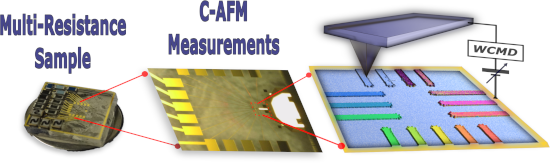
- work, we demonstrate the development of a multi-resistance reference sample for calibrating resistance measurements in conductive probe atomic force microscopy (C-AFM) covering the range from 100 Ω to 100 GΩ. We present a comprehensive protocol for in situ calibration of the whole measurement circuit


Properties of tin oxide films grown by atomic layer deposition from tin tetraiodide and ozone
Beilstein J. Nanotechnol. 2023, 14, 1085–1092, doi:10.3762/bjnano.14.89
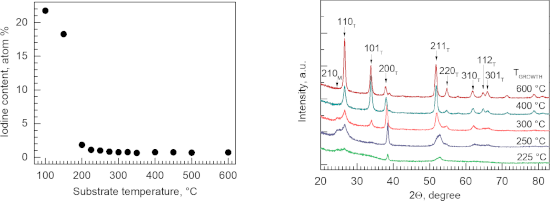
- pulse length for the iodide precursor, the SnI4–O3 process was, at first, examined in situ using a quartz crystal microbalance (QCM) [17]. The QCM data were acquired with a Q-pod quartz crystal monitor (Inficon) at a stabilized reactor temperature of 300 °C. For the film growth for ex situ measurements
- experiments. Concurrently with the determination of the film thickness via ex situ measurements, the film growth upon cycling precursor pulses and purge periods was monitored in real time. The in situ monitoring helped in the visualization of the stepwise growth process (Figure 2). One can see that the


Dual-heterodyne Kelvin probe force microscopy
Beilstein J. Nanotechnol. 2023, 14, 1068–1084, doi:10.3762/bjnano.14.88
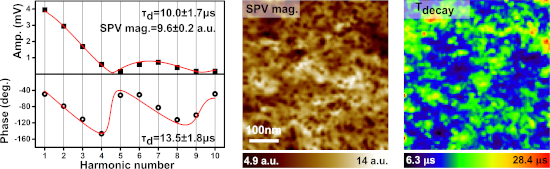
- cantilevers (PPP-EFM, Nanosensors, resonance frequency in the range 45–115 kHz), annealed in situ to remove atmospheric contaminants. The dual-heterodyne KPFM mode was implemented by combining the SPM unit with two digital lock-ins from Zurich Instruments (lock-in 1: MFLI, lock-in 2: HF2LI). Both are equipped
- substrate (HOPG). For these tests, the sample was electrically connected to the AWG (channel 1 in Figure 1) by mounting the HOPG substrate onto a sample holder designed with in situ electrical contacts [11]. The results of four measurements with different pump signals are shown in Figure 2. In all cases the




Metal-organic framework-based nanomaterials for CO2 storage: A review
Beilstein J. Nanotechnol. 2023, 14, 964–970, doi:10.3762/bjnano.14.79

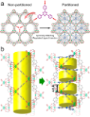
- ]. The authors used carboxylic acids to modify graphene nanolayers, and then performed in situ synthesis of different MOF-74 materials on the graphene matrix via a solvothermal method (Figure 5). Although the surface area of composites was only slightly increased compared to the initial materials, the




Ni, Co, Zn, and Cu metal-organic framework-based nanomaterials for electrochemical reduction of CO2: A review
Beilstein J. Nanotechnol. 2023, 14, 904–911, doi:10.3762/bjnano.14.74
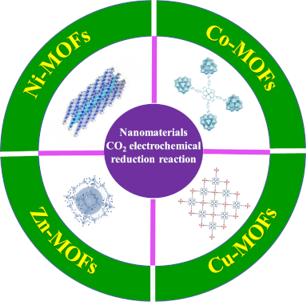
- accessibility to active sites and unstable MOFs/substrate interfaces. Therefore, further studies are required to develop binder-free electrodes by in situ synthesis of MOFs on conductive substrates, such as nickel foam, copper foil, and carbon cloth, to overcome the aforementioned limitations and advancing the


Two-dimensional molecular networks at the solid/liquid interface and the role of alkyl chains in their building blocks
Beilstein J. Nanotechnol. 2023, 14, 872–892, doi:10.3762/bjnano.14.72
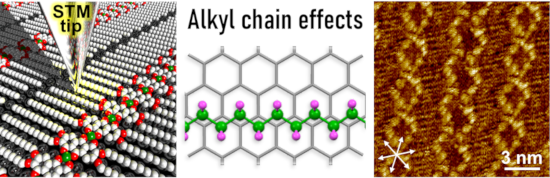
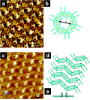
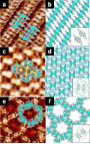
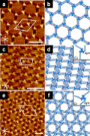
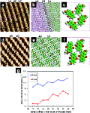
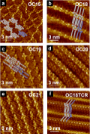
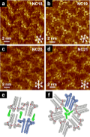
- resolution. (ii) Post-reaction is available by external stimuli such as the addition of metal ions for metal coordination, light irradiation for photoreaction, and post-blending of other molecules. (iii) The dynamic process of the 2D structural change (caused by the external stimuli) can be followed in situ
- ). One of the three alkyl chains was considered to deviate from the HOPG surface. Upon decreasing the concentration of the solution either in situ (adding more solvent to HOPG) or ex situ (simple dilution), all alkyl chains adsorbed on the HOPG surface formed striped (Figure 3b,e) or porous structures
- structures (OCn < CCn, n = even, Figure 13d). In situ addition of the blend partner enabled the alteration of the blend ratio, offering direct observation of the dynamic process of 2D structural changes in both ways, that is, from star to lozenge, from twist-like to linear structures, and vice versa. These









Silver nanoparticles loaded on lactose/alginate: in situ synthesis, catalytic degradation, and pH-dependent antibacterial activity
Beilstein J. Nanotechnol. 2023, 14, 781–792, doi:10.3762/bjnano.14.64
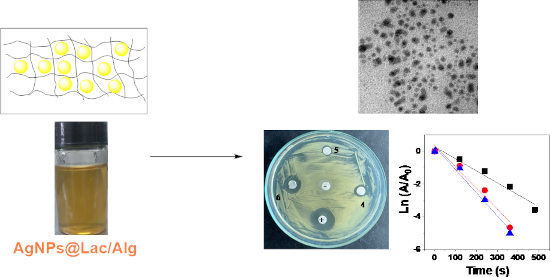
- Biotechnology and Food Technology, Industrial University of Ho Chi Minh City, Ho Chi Minh City, Vietnam Faculty of Chemical Engineering, Industrial University of Ho Chi Minh City, Ho Chi Minh City, Vietnam 10.3762/bjnano.14.64 Abstract We present the in situ synthesis of silver nanoparticles (AgNPs) through
- an in situ reduction process that requires no additional chemicals [16][17]. This technique using polysaccharides such as alginate [18] or chitosan [19] in conjunction with reducing agents enhanced cost efficiency and reduced the amounts of impurities or toxic compounds. AgNPs are widely used as
- loaded onto the nanocomposite [37][39], followed by reduction using plant extract [36][38]. In the present work, we have developed an in situ synthesis method for AgNPs using an alginate composite with lactose as reducing sugar. This method involves the use of lactose as a negatively charged compound


In situ magnesiothermic reduction synthesis of a Ge@C composite for high-performance lithium-ion batterie anodes
Beilstein J. Nanotechnol. 2023, 14, 751–761, doi:10.3762/bjnano.14.62
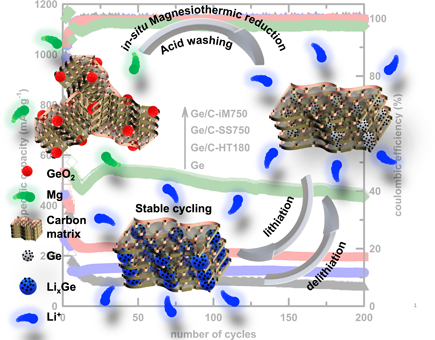
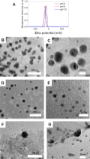
- report an in situ magnesiothermic reduction to synthesize a composite of Ge@C as an anode material for lithium-ion batteries. The obtained electrode delivered a specific capacity of 454.2 mAh·g−1 after 200 cycles at a specific current of 1000 mA·g−1. The stable electrochemical performance and good rate
- contact formation during in situ synthesis. Keywords: Ge anode; in situ synthesis; lithium-ion batteries; magnesiothermic reduction; Introduction The significantly increasing energy consumption leads to the exhaustion of fossil fuel sources such as coal, oil, and natural gas. Additionally, there are
- nanoparticles and a carbon matrix using a hydrothermal route has been reported, and the enhancement in the electrochemical performance of Ge@C electrodes was demonstrated [33]. In this work, a one-pot synthesis route has been followed to prepare a Ge@C composite using an in situ magnesiothermic reduction of


Cross-sectional Kelvin probe force microscopy on III–V epitaxial multilayer stacks: challenges and perspectives
Beilstein J. Nanotechnol. 2023, 14, 725–737, doi:10.3762/bjnano.14.59
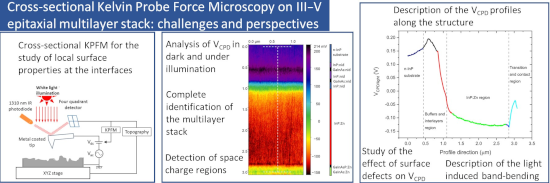
- cm−3 to 2.5 × 1019 cm−3. The first part of the structure was used to measure the growth rate of the non-intentionally doped InP layers (InP:nid) at surface temperatures of 600 and 640 °C. The reflectance signal, monitored with an in situ Laytec EpiCurve TT tool, did not show any difference between


The microstrain-accompanied structural phase transition from h-MoO3 to α-MoO3 investigated by in situ X-ray diffraction
Beilstein J. Nanotechnol. 2023, 14, 692–700, doi:10.3762/bjnano.14.55
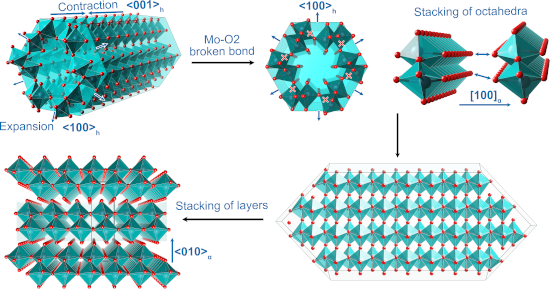
- Sciences, Beijing, 100190, China 10.3762/bjnano.14.55 Abstract In situ X-ray diffraction indicates that the structural phase transition from h-MoO3 to α-MoO3 is a first-order transition with a phase transition temperature range of 378.5–443.1 °C. The linear coefficients of thermal expansion of h-MoO3 are
- α-MoO3 is still unclear. Here, to reveal the features of the structural phase transition from h-MoO3 to α-MoO3, we performed in situ X-ray diffraction experiments at temperatures ranging from 30 to 450 °C. The Rietveld refinement results indicate water molecules at the (0 0 0.25) site inside the
- α-MoO3 To observe the crystal structure evolution of h-MoO3 induced by temperature, a thoroughly powdered sample was used to perform in situ X-ray diffraction measurements during heating from 30 to 450 °C, as shown in Figure 1a. At 30 °C, all diffraction peaks can be well indexed to the hexagonal


Metal-organic framework-based nanomaterials as opto-electrochemical sensors for the detection of antibiotics and hormones: A review
Beilstein J. Nanotechnol. 2023, 14, 631–673, doi:10.3762/bjnano.14.52
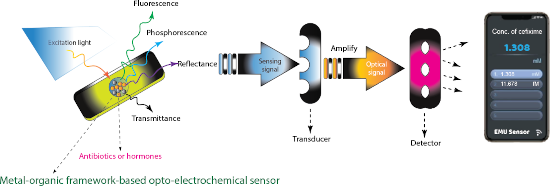
- , in situ analyte monitoring, and potential miniaturization. Portability, miniaturisation, and fast signal responses are just a few of the breakthroughs in sensor design made possible by nanomaterials. Nanomaterials are becoming a key component of the analytical procedures required for pharmaceutical
- based on nanostructured materials has great potential to enhance both the selectivity and sensitivity of electrochemical sensors [55][56]. Even though various sensor systems based on nanomaterials have been published in the literature, it is still difficult to incorporate them into common in situ


ZnO-decorated SiC@C hybrids with strong electromagnetic absorption
Beilstein J. Nanotechnol. 2023, 14, 565–573, doi:10.3762/bjnano.14.47
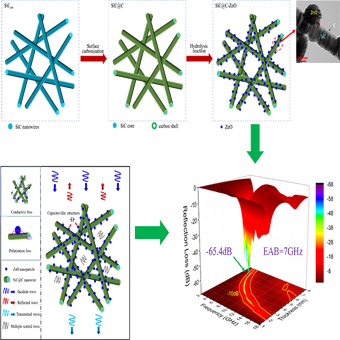
- amorphous state (Figure 2e). The carbon shell may have a positive effect on the nucleation of ZnO particles. This is because oxygen-containing functional groups (such as carboxyl and hydroxy groups) and structural defects are generated on the SiC@C surface during the in situ carbonization [24], which both


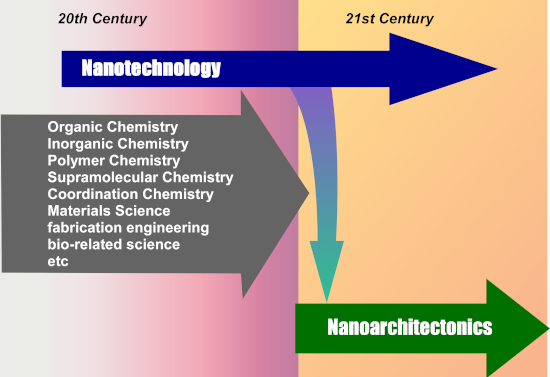
Molecular nanoarchitectonics: unification of nanotechnology and molecular/materials science
Beilstein J. Nanotechnol. 2023, 14, 434–453, doi:10.3762/bjnano.14.35
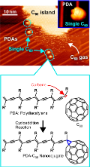
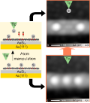
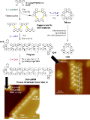
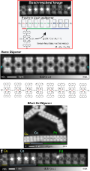
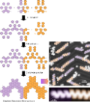
- intermediates, and the final product were identified in situ by differential conductance imaging using a CO-modified tip. The bias voltage was set above the lowest unoccupied molecular orbital energy and the probe was placed over the C–Br bond, which was then broken. After the reaction, a dip appeared on the
- extended π-carbon systems is an important process for spintronics applications. On-surface synthetic nanoarchitectonics Besides manipulating molecules and atoms with a tip, in situ observation of specific chemical reactions occurring on surfaces with a probe microscope is a very significant approach to






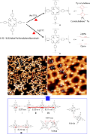
Bismuth-based nanostructured photocatalysts for the remediation of antibiotics and organic dyes
Beilstein J. Nanotechnol. 2023, 14, 291–321, doi:10.3762/bjnano.14.26
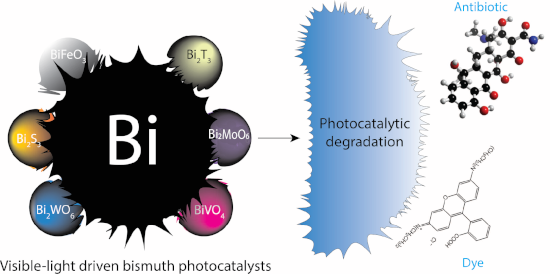
- by conventional methods [11][12][13][14]. For the oxidation of organic molecules, AOPs rely on the in situ generation of potent oxidants (reactive oxygen species, ROS) such as hydroxyl or sulfate radicals. AOPs have been broadly categorised in terms of how ROS are produced, including non
- . Different materials based on bismuth have been developed and used for a range of environmental remediation applications. For instance, Mu et al. [46] synthesised a Bi2S3/Bi4O7 heterostructure via an in situ sulfidation approach and utilised it for the degradation of rhodamine B dye under visible-light


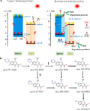
Antimicrobial and mechanical properties of functionalized textile by nanoarchitectured photoinduced Ag@polymer coating
Beilstein J. Nanotechnol. 2023, 14, 95–109, doi:10.3762/bjnano.14.11
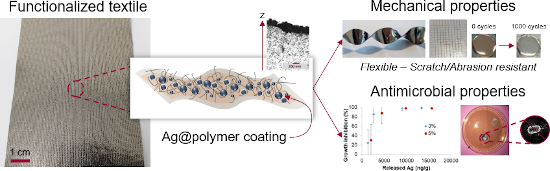
- nanocomposites are prepared via ex situ or in situ approaches, in which MNPs are either synthesized beforehand and subsequently added to a polymer matrix or directly generated inside the polymer film. Ex situ methods include grafting [34], electrostatic [35] or polyol processes [36], but remain relatively
- difficult to implement and tend to cause NP self-aggregation. In situ methods are therefore generally preferred and typically require the polymer film surface to be treated with a metal precursor solution (layer-by-layer [37][38], sol–gel [39]) before undergoing thermal [40] or chemical reduction reactions
- forces, which ultimately extends the lifetime of the functionalized textile. The antimicrobial properties of MNP-polymer composites have been extensively investigated [42][43][44] and research has gone into functionalizing textile fibers with the nanocomposites in situ [45][46]. Few studies seem to have



Two-step single-reactor synthesis of oleic acid- or undecylenic acid-stabilized magnetic nanoparticles by thermal decomposition
Beilstein J. Nanotechnol. 2023, 14, 11–22, doi:10.3762/bjnano.14.2
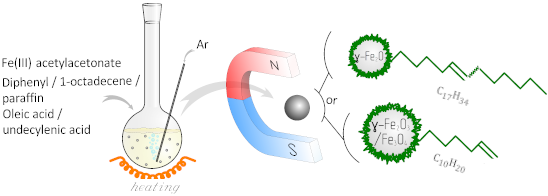
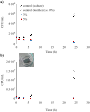
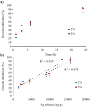
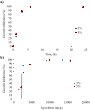
- single reactor using Fe(III) acetylacetonate as the initial precursor for the synthesis of Fe(III) oleate or Fe(III) undecylate followed by their thermolysis in situ. We proposed a new approach, according to which the essential magnetite precursor (a complex salt of higher acids – Fe(III) alkanoates) is


Recent trends in Bi-based nanomaterials: challenges, fabrication, enhancement techniques, and environmental applications
Beilstein J. Nanotechnol. 2022, 13, 1316–1336, doi:10.3762/bjnano.13.109
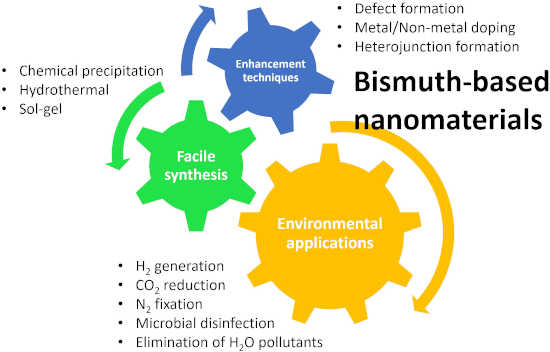
- applications [62]. A very good micro-/nanoscale hierarchical Bi7O9I3/NTC photocatalyst was created in a one-step, easy, and environmentally friendly way by Hou et al., who used an in situ ion exchange–recrystallization approach [63]. The used buffer provided a relatively stable environment for producing
- from solution during in two hours, suggesting a greater photocatalytic effectiveness than that of pure BiOI. To deposit metallic Bi on Bi2WO6 nanosheets, an in situ reduction approach using NaBH4 as the reducing agent was used [64]. Compared to pure Bi2WO6, Bi-coated Bi2WO6 absorbs more visible light
- approach for the in situ synthesis of a series of oxygen-vacancy (OV)-rich Bi0/Bi-based photocatalysts [80]. A new understanding of how Bi0 nanoparticles and OVs are created in situ in Bi-based photocatalysts has been reported. Compared to other Bi-based photocatalysts, Bi0/OV–(BiO)2CO3 showed high




Role of titanium and organic precursors in molecular layer deposition of “titanicone” hybrid materials
Beilstein J. Nanotechnol. 2022, 13, 1240–1255, doi:10.3762/bjnano.13.103
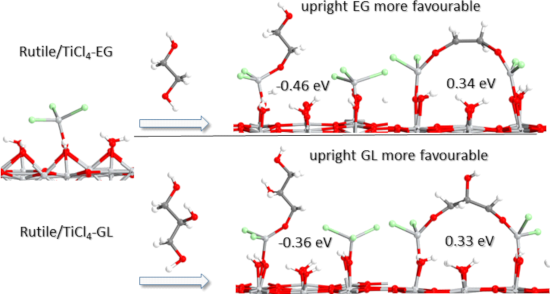
- substrate with 100 nm thermal oxide. In situ ellipsometry revealed for EG-based titanicones that the growth initiates but terminates after only 5 to 10 cycles, while for GL-based titanicones the growth proceeds and films have a GPC of 0.9 Å/cycle to 0.2 Å/cycle as the temperature increases. This is due to





