


Search results
Search for "plasma" in Full Text gives 637 result(s) in Beilstein Journal of Nanotechnology. Showing first 200.
Graphene removal by water-assisted focused electron-beam-induced etching – unveiling the dose and dwell time impact on the etch profile and topographical changes in SiO2 substrates
Beilstein J. Nanotechnol. 2024, 15, 190–198, doi:10.3762/bjnano.15.18
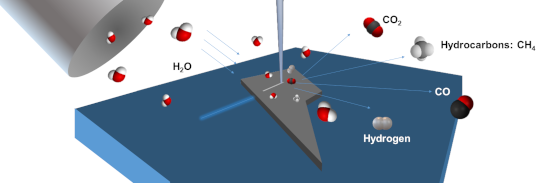
- induced in the SiO2 upper layer were cleaned for ten minutes in an ultrasonic bath with acetone, isopropanol, and O2 plasma before being placed in the microscope chamber. Graphene and SiO2/Si etching The samples were placed inside the SEM-Versa 3D (FEI), which also operates at LV mode. The chamber was


Nanocarrier systems loaded with IR780, iron oxide nanoparticles and chlorambucil for cancer theragnostics
Beilstein J. Nanotechnol. 2024, 15, 180–189, doi:10.3762/bjnano.15.17
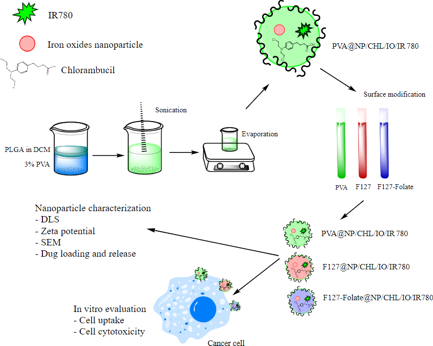
- -life. When NPs are administered, they come into contact with blood cells and plasma proteins, which may cause adsorption or opsonization by serum proteins [35]. However, these proteins will have a reduced probability of interacting with our negatively charged nanoparticles, as most proteins are


Curcumin-loaded nanostructured systems for treatment of leishmaniasis: a review
Beilstein J. Nanotechnol. 2024, 15, 37–50, doi:10.3762/bjnano.15.4
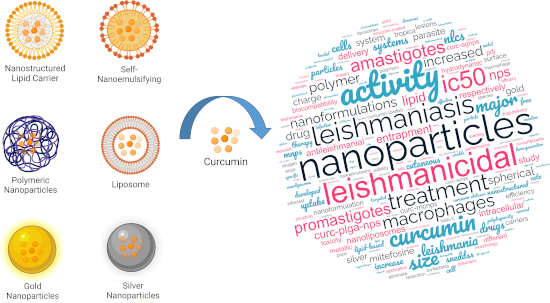
- leishmaniasis. Additionally, this molecule produces reactive oxygen species (ROS) and elevates cytosolic calcium. These occur in the exposure of phosphatidylserine to the outer plasma membrane leaflet and DNA fragmentation, causing the death of the leishmaniasis parasite [47][52]. Despite its promising


Nanotechnological approaches in the treatment of schistosomiasis: an overview
Beilstein J. Nanotechnol. 2024, 15, 13–25, doi:10.3762/bjnano.15.2

- encapsulating PZQ. They observed that the drug took more than one week in vitro to be released. A pharmacokinetic study in vivo also showed that the PZQ concentration in the plasma was sustained for longer times when the nanoformulation was studied in mice. Thus, the results show that solid lipid nanoparticles


TEM sample preparation of lithographically patterned permalloy nanostructures on silicon nitride membranes
Beilstein J. Nanotechnol. 2024, 15, 1–12, doi:10.3762/bjnano.15.1
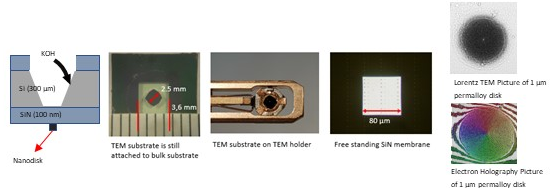
- or volatile particles, which can be pumped out. RIE of nickel–iron alloys has been carried out using inductively coupled plasma RIE with argon and chlorine [34] or with NH3 and CO [35]. Stencil lithography requires further optimization although possible applications are attractive because of the
- of different sizes. Ion beam etching process. Comparison between normal patterned resist (top) and reflowed resist (bottom). From left to right: patterned resist, nanodisk after IBE, and nanodisk after plasma cleaning. (a) SEM image of a Py disk (1 µm diameter, 80 nm thickness) at a tilt angle. (b


Hierarchically patterned polyurethane microgrooves featuring nanopillars or nanoholes for neurite elongation and alignment
Beilstein J. Nanotechnol. 2023, 14, 1157–1168, doi:10.3762/bjnano.14.96
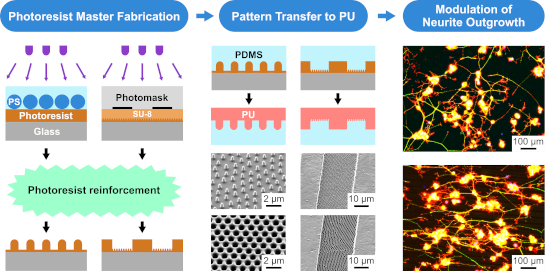
- hydrophilic, O2 plasma-treated substrates [21]. We measured the water contact angle (CA) on the PU samples (Figure 1I) and found that all of the as-fabricated samples were hydrophobic (CA > 90°), with the nanostructured substrates being more so. Since the CA for flat PU indicates a hydrophobic surface, the
- increase in CA on the nanopillar and nanohole substrates may be due to either a Wenzel- or a Cassie-type of wetting [22]. To improve wetting on the substrates, we treated our samples with mild O2 plasma before laminin incubation. After plasma treatment, all samples became hydrophilic (CA < 80°), with the
- nanopillar substrate having the smallest CAs (CA ≈ 30°). Based on confocal fluorescence microscopy of immunostained samples (Figure 1J–L), laminin successfully adsorbed onto the O2 plasma-treated PU samples. There was good laminin coverage on all of the samples, even on the nanostructures, as indicated by


Elasticity, an often-overseen parameter in the development of nanoscale drug delivery systems
Beilstein J. Nanotechnol. 2023, 14, 1149–1156, doi:10.3762/bjnano.14.95
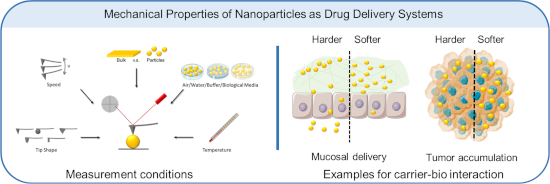
- measured. The results show that the plasma insulin levels where higher for harder NPs, and this correlated with blood glucose reduction. Furthermore, 3 h after application, they found a larger amount of hard NPs in the intestinal villi [40]. All studies support our hypothesis that mechanical properties of
- important parameter. Tissue distribution and blood circulation Independent of the application route, blood circulation and tissue distribution are important factors regarding the fate of nanoparticles in vivo. The plasma half-life time is not only important for a sustained release but also to enhance the


Curcumin-loaded albumin submicron particles with potential as a cancer therapy: an in vitro study
Beilstein J. Nanotechnol. 2023, 14, 1127–1140, doi:10.3762/bjnano.14.93
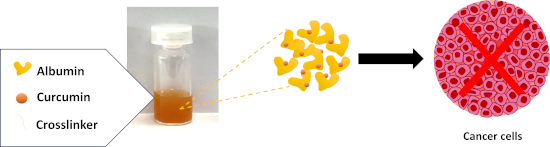
- and migration of C6 glioma cells in vitro [12]. Other nanoparticles that are being explored as CUR formulations for various applications include silk-based nanoparticles. These are an excellent candidate with longer plasma half-life and slower release rate, indicating high bioavailability [13]. The




Properties of tin oxide films grown by atomic layer deposition from tin tetraiodide and ozone
Beilstein J. Nanotechnol. 2023, 14, 1085–1092, doi:10.3762/bjnano.14.89
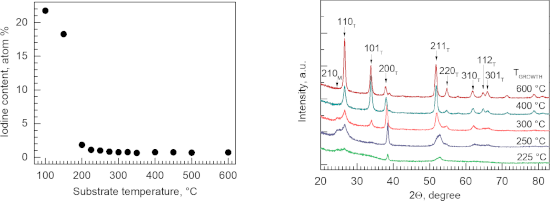
- -propoxide)Sn as the Sn precursor and either H2O plasma or O2 plasma as the oxygen source [23]. Refractive index values between 2.0 and 2.1, comparable to those measured in the present study, have been obtained in a paper reporting the results of thermal ALD of SnO2 from tetrakis(dimethylamino)tin as the Sn


Recognition mechanisms of hemoglobin particles by monocytes – CD163 may just be one
Beilstein J. Nanotechnol. 2023, 14, 1028–1040, doi:10.3762/bjnano.14.85
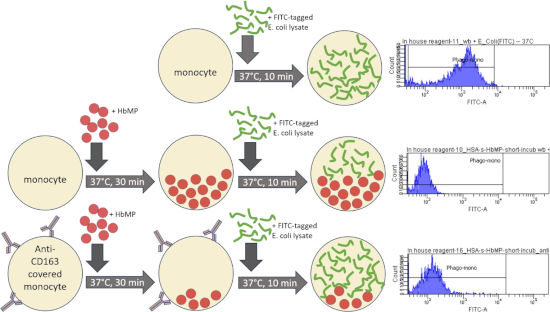
- emerging hydrogen bonds, altered surface structures, and possible interactions between proteins and particles, in particular polymers such as HbMPs [45][46]. The adsorption of various plasma proteins seems to not only enhance the chance of complement activation but also to promote phagocytosis directly, as
- sequestration as the HSA on the surface of our particles has shown to attenuate the adsorption of plasma proteins [19]. Kloypan et al. observed granulocytic uptake of albumin-based particles in an indirect phagocytosis assay [22]. An observation that was made repeatedly in the present study. Thus, it appears




Fragmentation of metal(II) bis(acetylacetonate) complexes induced by slow electrons
Beilstein J. Nanotechnol. 2023, 14, 980–987, doi:10.3762/bjnano.14.81
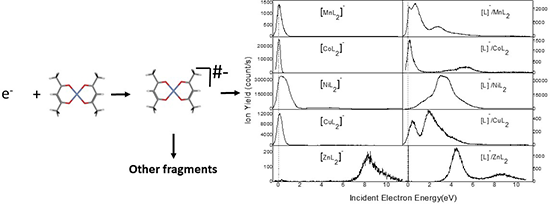
- beams), in plasma applications, or possibly in radiation therapy as radiosensitizers. Experimental We performed electron collision experiments with several metal acetylacetonate compounds, ML2, in a crossed-beam arrangement. According to the description given in [16][17][29], this arrangement consists


Isolation of cubic Si3P4 in the form of nanocrystals
Beilstein J. Nanotechnol. 2023, 14, 971–979, doi:10.3762/bjnano.14.80
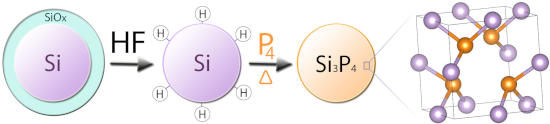
- Si3P4 phase. Also worth noting was that the synthesis of cubic Si3P4 NPs could be performed immediately after laser-induced or plasma-enhanced chemical vapor deposition of nanosilicon from the silane precursor (since the NPs obtained this way are readily hydrogenated). Additionally, there is preliminary


Low temperature atomic layer deposition of cobalt using dicobalt hexacarbonyl-1-heptyne as precursor
Beilstein J. Nanotechnol. 2023, 14, 951–963, doi:10.3762/bjnano.14.78
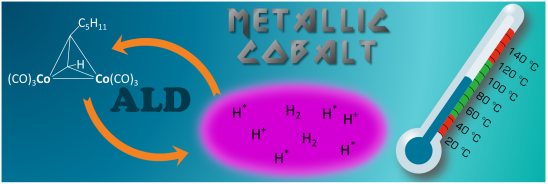
- operates at low temperatures using dicobalt hexacarbonyl-1-heptyne [Co2(CO)6HC≡CC5H11] and hydrogen plasma. For this precursor an ALD window in the temperature range between 50 and 110 °C was determined with a constant deposition rate of approximately 0.1 Å/cycle. The upper limit of the ALD window is
- -temperature ALD; PEALD; plasma-enhanced ALD; XPS; Introduction The atomic layer deposition (ALD) of cobalt films is an ongoing topic of interest [1]. Cobalt thin and ultrathin films play an important role in current generations of integrated circuits [2]. Compared to copper, the metal offers a greater
- for the deposition of metallic cobalt including twelve plasma-assisted processes. Generally, these plasma-assisted ALD processes are reported to be carried out at temperatures above 100 °C. These processes use precursors such as CoCp2, Co(EtCp)2, or CpCo(CO)2 [12][13][14]. The commonly used precursor


Upscaling the urea method synthesis of CoAl layered double hydroxides
Beilstein J. Nanotechnol. 2023, 14, 927–938, doi:10.3762/bjnano.14.76
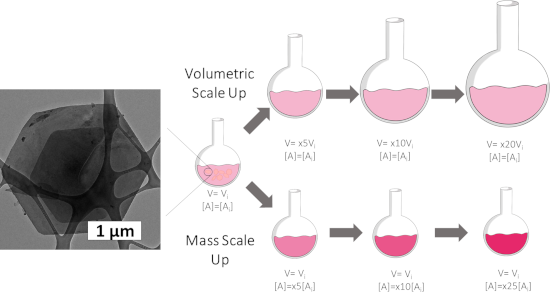
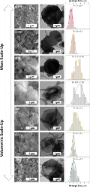
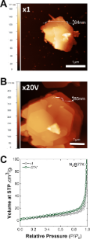
- Figure S11, Supporting Information File 1) [30][52][55]. TGA curves in inert atmosphere can be found in Supporting Information File 1, Figure S12. Inductively coupled plasma mass spectrometry (ICP-MS) was employed to assess quantitatively the precipitation of the cations. It confirmed a Co/Al ratio of


Antibody-conjugated nanoparticles for target-specific drug delivery of chemotherapeutics
Beilstein J. Nanotechnol. 2023, 14, 912–926, doi:10.3762/bjnano.14.75
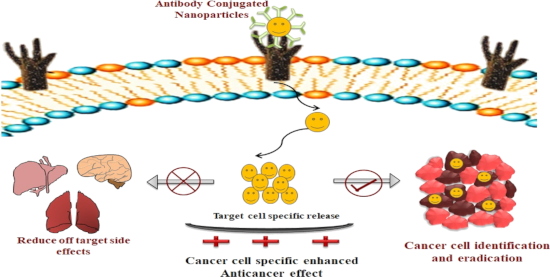
- prevent or minimize the corona formation. Precoating of NPs with specific proteins that increase the adsorption of plasma proteins with intrinsic targeting capacities also improve the targeting ability of the NPs. Moreover, researchers demonstrated that attachment of targeting moieties on the surface of



Green SPIONs as a novel highly selective treatment for leishmaniasis: an in vitro study against Leishmania amazonensis intracellular amastigotes
Beilstein J. Nanotechnol. 2023, 14, 893–903, doi:10.3762/bjnano.14.73
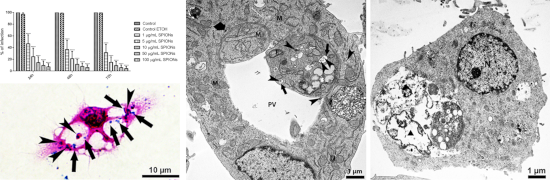
- , scanning electron microscopy and chemical element mapping analysis were carried out to confirm the uptake of the SPIONs by L. amazonensis intracellular amastigotes after removing the plasma membrane to expose the cytoplasmic environment (Figure 2). Secondary electron imaging revealed intracellular
- macrophage cytosol, the parasitophorous vacuoles, and the amastigote cytosol (arrowheads). Scanning electron microscopy of macrophages infected with L. amazonensis intracellular amastigotes after treatment with 100 µg/mL SPIONs for 24 h. The plasma membrane was gently removed to observe the presence of


Silver-based SERS substrates fabricated using a 3D printed microfluidic device
Beilstein J. Nanotechnol. 2023, 14, 793–803, doi:10.3762/bjnano.14.65
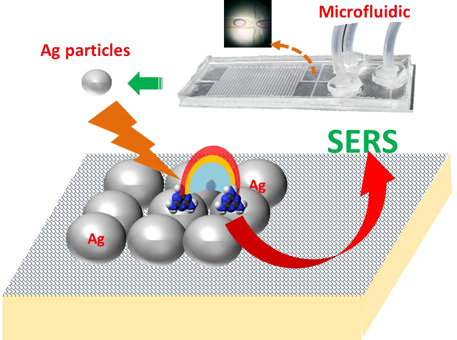
- from the mold. There are various surface treatment methods available, including oxygen plasma, UV/ozone, corona oxidizer, and plasma pen [46][47]. In this study, we employed a previously reported chemical treatment method that uses 1 M NaOH solution for 24 h [48]. Although this method takes longer, it

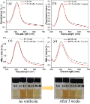


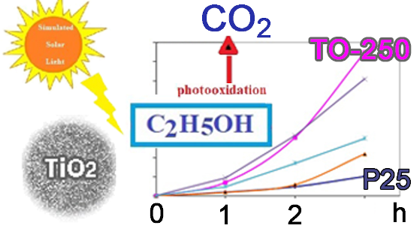
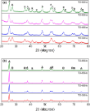
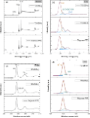
Titania nanoparticles for photocatalytic degradation of ethanol under simulated solar light
Beilstein J. Nanotechnol. 2023, 14, 616–630, doi:10.3762/bjnano.14.51
- Evghenii Goncearenco Iuliana P. Morjan Claudiu Teodor Fleaca Florian Dumitrache Elena Dutu Monica Scarisoreanu Valentin Serban Teodorescu Alexandra Sandulescu Crina Anastasescu Ioan Balint National Institute for Lasers, Plasma and Radiation Physics, Atomistilor Str., No. 409, 077125, Bucharest




SERS performance of GaN/Ag substrates fabricated by Ag coating of GaN platforms
Beilstein J. Nanotechnol. 2023, 14, 552–564, doi:10.3762/bjnano.14.46
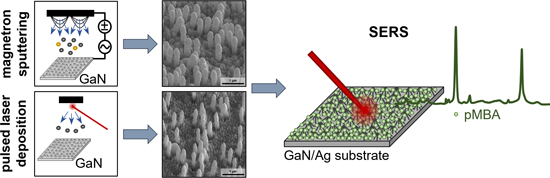
- relative to the axis of the pillars. The observed effect can be associated with the initial orientation of GaN pillars to the plasma plume (Figure 1); pillars are under some angle to the plasma plume. This effect is similar to the one observed during the growth of thin metal films in oblique angle
- of laser pulses, shadows the base of the pillars. It results in even faster growth of the Ag layer at the top due to the limited amount of Ag reaching the pillars’ base. The differences in Ag layer formation between MS and PLD can be explained by considering how the Ag plasma is formed. Plasma in MS
- PLD method, the target material is removed from a small area (in our case 2.03 ± 0.15 mm2) due to the impact of one laser pulse. A relatively narrow plasma stream is created, and most of the deposited material is directed perpendicularly to the coated substrate. The strongly directed stream of the


Observation of multiple bulk bound states in the continuum modes in a photonic crystal cavity
Beilstein J. Nanotechnol. 2023, 14, 544–551, doi:10.3762/bjnano.14.45
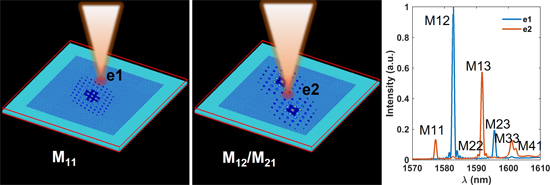
- To verify the multiple modes in the bandgap mirror-assisted BIC cavity, several samples with different sidelengths (w) were fabricated by electron beam lithography (EBL) and inductively coupled plasma (ICP) etching on 500 nm thick AlGaAs on a sapphire wafer. The parameter sweep of w around 400 nm was


Carbon nanotube-cellulose ink for rapid solvent identification
Beilstein J. Nanotechnol. 2023, 14, 535–543, doi:10.3762/bjnano.14.44
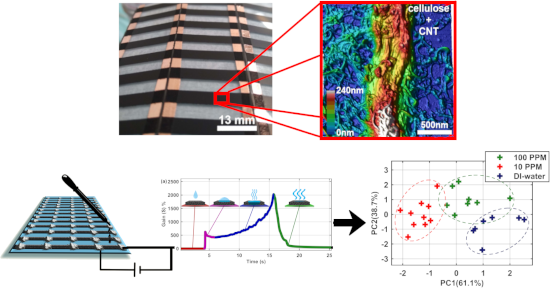
- fluorescence spectroscopy, and inductively coupled plasma mass spectrometry (ICP-MS). These techniques are complex, expensive, and require experts to carry them out. Also, they often require several pretreatment steps with high-cost materials [10][11]. Electronic tongues are a category of liquid sensors that


A mid-infrared focusing grating coupler with a single circular arc element based on germanium on silicon
Beilstein J. Nanotechnol. 2023, 14, 478–484, doi:10.3762/bjnano.14.38
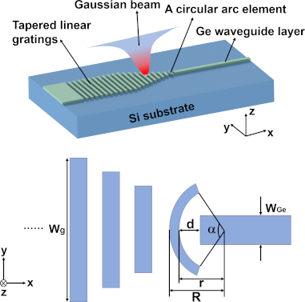
- plasma etching (ICP). EBL is used to produce lithographically the grating pattern into the resist, which can be further transferred onto the Ge layer by ICP. This is a simple manufacturing process that requires only one single etch step. Then, we can use a continuous-wave single-frequency tunable MIR


Mixed oxides with corundum-type structure obtained from recycling can seals as paint pigments: color stability
Beilstein J. Nanotechnol. 2023, 14, 467–477, doi:10.3762/bjnano.14.37
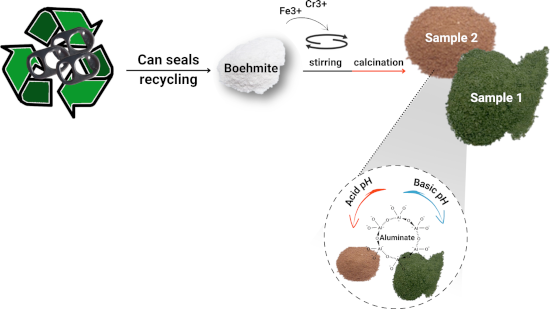
- Dienifer F. L. Horsth Julia de O. Primo Nayara Balaba Fauze J. Anaissi Carla Bittencourt Chimie des Interactions Plasma-Surface (ChIPS), Research Institute for Materials Science and Engineering, University of Mons, 7000 Mons, Belgium Chemistry Departament, Universidade Estadual do Centro-Oeste


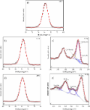


Plasmonic nanotechnology for photothermal applications – an evaluation
Beilstein J. Nanotechnol. 2023, 14, 380–419, doi:10.3762/bjnano.14.33
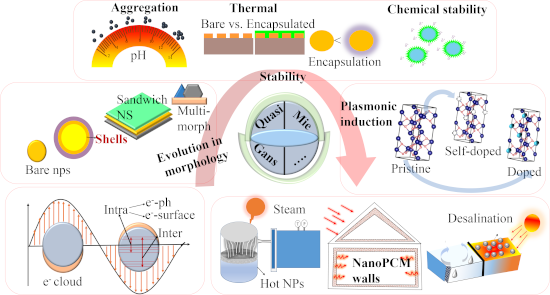
- and Cu [54]. The free electron density is tied to the effective mass and determines the resonant plasma frequency (ωp), given by where N is the free electron density, m is the effective mass, and e is the elementary charge. The LSPR effect is not present in most of the semiconductors because of their


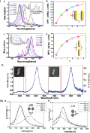


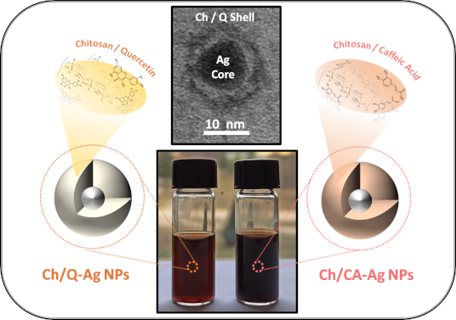
Quercetin- and caffeic acid-functionalized chitosan-capped colloidal silver nanoparticles: one-pot synthesis, characterization, and anticancer and antibacterial activities
Beilstein J. Nanotechnol. 2023, 14, 362–376, doi:10.3762/bjnano.14.31
- potential measurements were carried out using a Malvern Zetasizer Nano–Z instrument at 25 ± 0.1 °C. The data was taken as the average of three independent measurements of 10 runs. Inductively coupled plasma optical emission spectroscopy (ICP-OES) measurements were carried out using Perkin Elmer Avio 220 Max





