


Search results
Search for "platinum" in Full Text gives 342 result(s) in Beilstein Journal of Nanotechnology. Showing first 200.
One-step synthesis of carbon-supported electrocatalysts
Beilstein J. Nanotechnol. 2020, 11, 1419–1431, doi:10.3762/bjnano.11.126

- platinum loading, degree of oxidation, and the very narrow particle size distribution are precisely adjusted in the Pt/C hybrid material due to the simultaneous deposition of platinum and carbon during the process. The as-synthesized Pt/C hybrid materials are promising electrocatalysts for use in fuel cell
- commercial production of fuel cell catalysts, especially the scarcity of noble metals and the insufficient electrochemical long-term stability. Even though the surface-to-volume ratio can be drastically increased by the use of nanoparticles instead of thin films, the amount of noble metal (usually platinum
- process at a substrate temperature as low as 350 °C using platinum acetylacetonate as a single-source precursor was established for the deposition of a Pt/C electrocatalyst. Platinum in the form of NPs is homogeneously distributed in a carbon support structure due to the simultaneous deposition of both


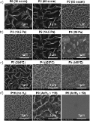


Structure and electrochemical performance of electrospun-ordered porous carbon/graphene composite nanofibers
Beilstein J. Nanotechnol. 2020, 11, 1280–1290, doi:10.3762/bjnano.11.112
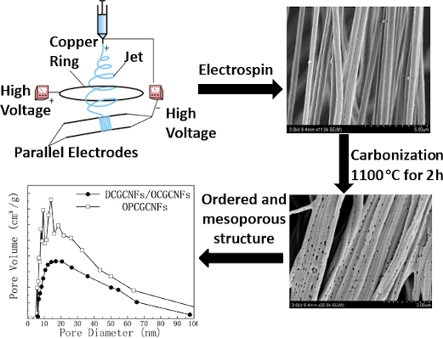
- 50 °C. Then the dried CGCNF membranes were weighed to an accuracy of 0.001 g and clamped to a platinum plate electrode holder. After clamping, the CGCNF membranes were directly used as cell electrodes and immersed into an electrolyte solution. The electrochemical measurements were performed in a


Revealing the local crystallinity of single silicon core–shell nanowires using tip-enhanced Raman spectroscopy
Beilstein J. Nanotechnol. 2020, 11, 1147–1156, doi:10.3762/bjnano.11.99
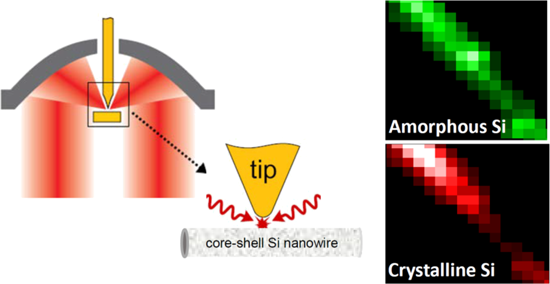
- , Germany 10.3762/bjnano.11.99 Abstract Tip-enhanced Raman spectroscopy is combined with polarization angle-resolved spectroscopy to investigate the nanometer-scale structural properties of core–shell silicon nanowires (crystalline Si core and amorphous Si shell), which were synthesized by platinum
- of the nanowire exhibits an amorphous morphology. Confocal optical microscopy of silicon nanowires As the first step, core–shell SiNWs grown with a platinum catalyst [29] are characterized using a custom-built confocal optical microscope. Figure 2a shows the representative geometry of these SiNWs


Straightforward synthesis of gold nanoparticles by adding water to an engineered small dendrimer
Beilstein J. Nanotechnol. 2020, 11, 1110–1118, doi:10.3762/bjnano.11.95
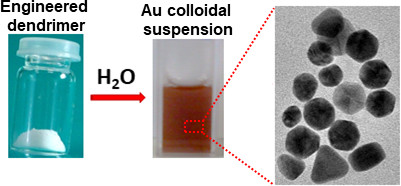
- ], platinum [31], ruthenium (in the presence of a reducer) [32], titanium oxo-clusters [33][34] and even from crystals of Au55 gold clusters [35][36]. In most cases, the oxidation state of the metal precursor was either zero (Pd0, Pt0, Au0) or four (TiIVO2 clusters) and no change in the oxidation state


Gas-sensing features of nanostructured tellurium thin films
Beilstein J. Nanotechnol. 2020, 11, 1010–1018, doi:10.3762/bjnano.11.85
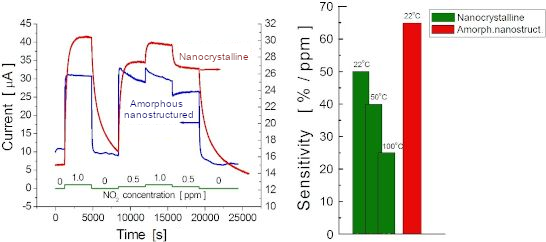
- performed using a DRONE–YM1 (Burevestnik, Russia) diffractometer with Fe Kα radiation. The rotational velocity of the scintillation counter was set to be either 2 or 4°/min. For the electrical and gas-sensing characterization, the samples were supplied with symmetrical gold or platinum electrodes
- both the heating and the annealing of the samples, the test cell was mounted inside a furnace. A platinum temperature detector (PT-100, Cliptec Kabeltechnik, Germany) was placed close to the film and was used to assist with the temperature control. The data was processed using a PC equipped with a data


Atomic layer deposition for efficient oxygen evolution reaction at Pt/Ir catalyst layers
Beilstein J. Nanotechnol. 2020, 11, 952–959, doi:10.3762/bjnano.11.79
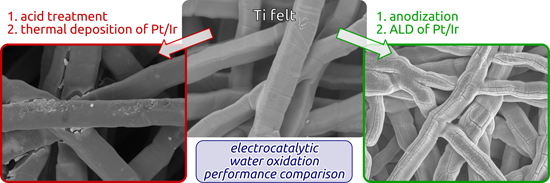
- the performance comparison. Results and Discussion Catalyst coating: thermal decomposition In the thermal decomposition method, platinum and iridium metal salts (the perchlorometallates) were dissolved in 1:1 ratio in butanol to form the catalyst precursor solution. The Ti felts (two distinct
- and combining individual ALD cycles of two or more materials. The deposition of platinum and iridium as a binary catalyst can be realized at very low loadings in the range of micrograms per square centimeter [26]. Specifically, the applicability of ALD regarding Ir and bimetallic Pt/Ir catalysts, the
- the coating of commercial titanium felts, the surface area of which is enhanced by either thermal acid etching or electrochemical “anodization”. Platinum and iridium catalysts are deposited either by dip-coating/thermal decomposition from a solution of noble metal salts or by atomic layer deposition


A set of empirical equations describing the observed colours of metal–anodic aluminium oxide–Al nanostructures
Beilstein J. Nanotechnol. 2020, 11, 798–806, doi:10.3762/bjnano.11.64
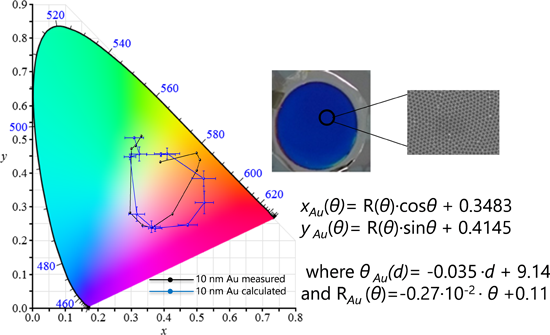
- focused ion beam (FIB) instrument (TESCAN Lyra, Brno, Czech Republic) with a gallium source at 30 kV and 180–400 pA. 2 µm of platinum was deposited to protect the surface prior to FIB cutting. FESEM images were taken in three different areas of the films and three different measurements were carried out


Current measurements in the intermittent-contact mode of atomic force microscopy using the Fourier method: a feasibility analysis
Beilstein J. Nanotechnol. 2020, 11, 453–465, doi:10.3762/bjnano.11.37
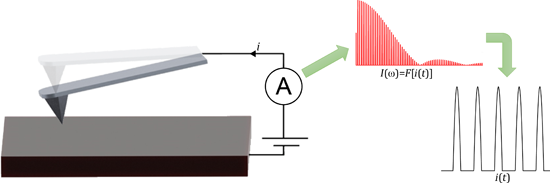
- existing commercial devices with this type of excitation cannot always provide reliable and sufficiently strong excitation suitable for all types of AFM probes. This has, in fact, been the case when we have attempted to drive solid platinum probes in our laboratory, for which our thermal excitation did not




Electrochemically derived functionalized graphene for bulk production of hydrogen peroxide
Beilstein J. Nanotechnol. 2020, 11, 432–442, doi:10.3762/bjnano.11.34
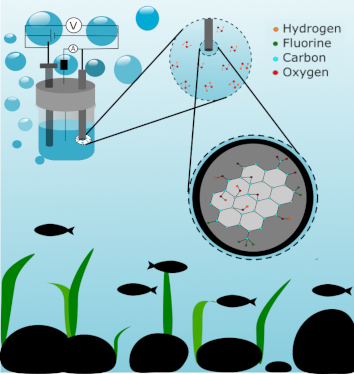
- graphitic structures is found to be an engineering pathway for altering the inert catalytic activity of planar honeycomb lattices of graphene and its derivatives [34][35]. It has been found that certain heteroatoms doped into graphene can even outperform the benchmark catalysts such as platinum (Pt/C) in
- platinum ring (potential kept at 1.5 V vs RHE) at 10 mV/s scan rate at 1600 rotation per minute (rpm) for the electrode. The experiments are also carried out at different rotation speeds, and the data is given in Supporting Information File 1, Figure S7. The electrochemical parameters derived from these
- path in EEG samples while the sharp Faradaic current enhancement followed by a plateau in Pt/C shows that it is a one-step reduction process. The quantity of H2O2 produced is analyzed using a platinum ring electrode at 1.5 V vs RHE. The ring current is higher (0.067 mA) for highly functionalized


High-performance asymmetric supercapacitor made of NiMoO4 nanorods@Co3O4 on a cellulose-based carbon aerogel
Beilstein J. Nanotechnol. 2020, 11, 240–251, doi:10.3762/bjnano.11.18
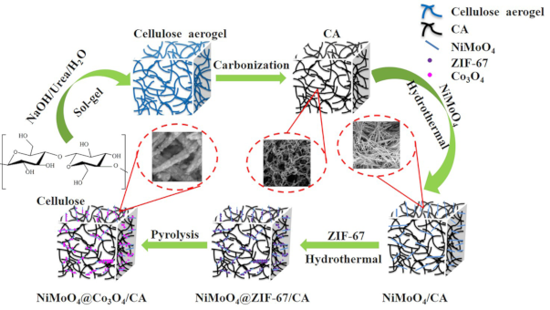
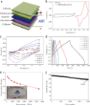
- counter electrode were a saturated calomel electrode (SCE) and a platinum electrode, respectively. Figure 6a shows the cyclic voltammetry (CV) curves of the NiMoO4@Co3O4/CA electrode at voltage scan rates of 2.5–50 mV/s. All the CV curves shown in Figure 6a consist of a pair of strong redox current peaks
- 12 h. The electrodes loaded with the hybrid were then pressed at 5.0 MPa. The SCE and platinum electrodes were used as the reference and counter electrodes, respectively. The specific capacities were calculated from the GCD curves using C = IΔt/m, where I is the charge–discharge current, Δt is the





Simple synthesis of nanosheets of rGO and nitrogenated rGO
Beilstein J. Nanotechnol. 2020, 11, 68–75, doi:10.3762/bjnano.11.7
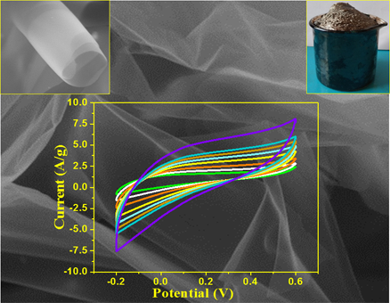
- glassy carbon working electrode (3 mM), a platinum wire counter electrode and a Hg/Hg2SO4 reference electrode with 1 M H2SO4 electrolyte. The specific capacitance (SC) of rGO and H-rGO was calculated from CV curves, according to Equation 1: where ∫IdV is the area under the CV curve, m is the mass of the


Multiwalled carbon nanotube based aromatic volatile organic compound sensor: sensitivity enhancement through 1-hexadecanethiol functionalisation
Beilstein J. Nanotechnol. 2019, 10, 2364–2373, doi:10.3762/bjnano.10.227
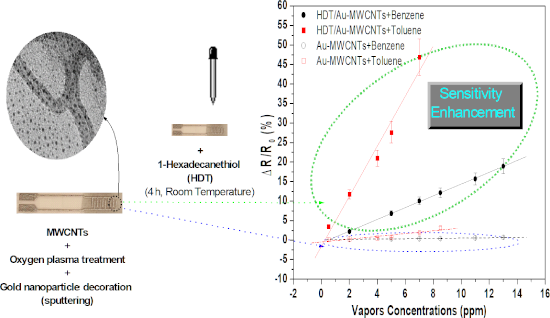
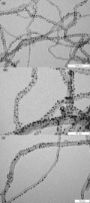
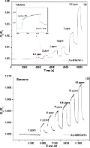
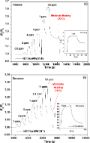
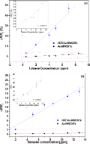
- presented in Supporting Information File 1 [16][17][18]. The MWCNTs were then dispersed in dimethylformamide (DMF) (0.1 mg MWCNTs in 1 mL of DMF) using an ultrasonic bath for 20 minutes at room temperature. Then, they were air-brush deposited over the platinum interdigitated electrode area of alumina
- 1011), operating at 100 kV. An Alpha FTIR spectrometer (Bruker, France) equipped with an ATR platinum crystal diamond module was used, in absorbance mode, to obtain the infrared spectra of the gold-decorated MWCNTs before and after the deposition of the SAM monolayer. This technique provides useful




Nontoxic pyrite iron sulfide nanocrystals as second electron acceptor in PTB7:PC71BM-based organic photovoltaic cells
Beilstein J. Nanotechnol. 2019, 10, 2238–2250, doi:10.3762/bjnano.10.216
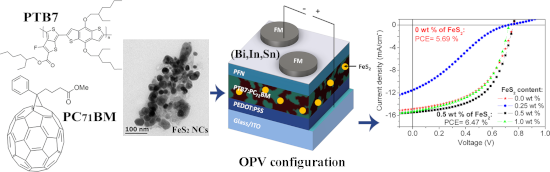
- a classical three-electrode electrolytic cell. The working electrode was an ITO electrode, the reference electrode was made of Ag+/Ag0 (0.01 M AgNO3/0.1 M tetrabutylammonium perchlorate in acetonitrile) and the counter electrode was made of platinum. All CV measurements were carried out in dry


Targeted therapeutic effect against the breast cancer cell line MCF-7 with a CuFe2O4/silica/cisplatin nanocomposite formulation
Beilstein J. Nanotechnol. 2019, 10, 2217–2228, doi:10.3762/bjnano.10.214
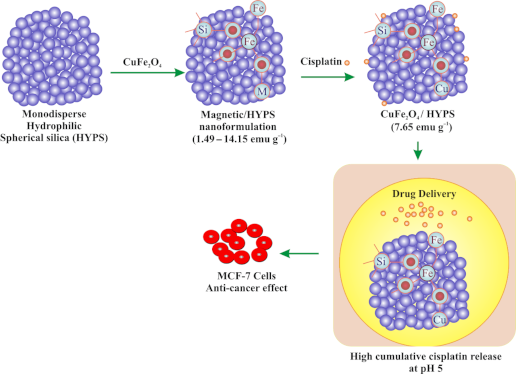
- structure (Figure 6a). Remarkably, after platinum adsorption, the CuFe2O4/HYPS sample showed an enhanced peak absorption up to 700 nm. A small absorption peak at about 224 nm showed the presence of tetrahedral coordinated Pt nanoclusters, while a significant enhancement of the absorption peak between 350


Ultrathin Ni1−xCoxS2 nanoflakes as high energy density electrode materials for asymmetric supercapacitors
Beilstein J. Nanotechnol. 2019, 10, 2207–2216, doi:10.3762/bjnano.10.213
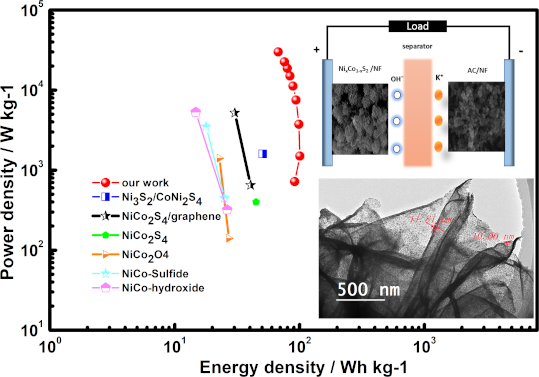
- , consisting of a working electrode, a counter electrode of platinum foil and a Hg/HgO reference electrode in 2 mol·L−1 potassium hydroxide aqueous electrolyte. The electrochemical characteristics of the synthesised material were measured using an electrochemical workstation (VSP, BioLogic Science Instruments
- residues, contributing to the continuous oxidation of Co2+ to Co3+ [37]. The electrochemical performance of the as-prepared oxide and sulfide materials was investigated by a three-electrode system at room temperature. A 1 × 1 cm2 sample of NiCoS@NF was used as the working electrode while a platinum foil



Gold-coated plant virus as computed tomography imaging contrast agent
Beilstein J. Nanotechnol. 2019, 10, 1983–1993, doi:10.3762/bjnano.10.195
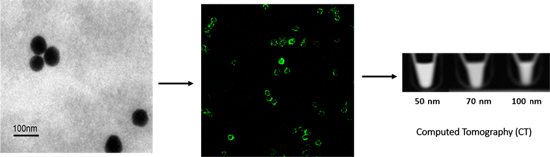
- contrast agents including gold nanoparticles (AuNPs) [13], bromine [14], platinum [15], ytterbium [16], gadolinium [4], and tungsten [15]. Many of the systems are made up of a core that is coated with a polymeric material such as liposomes [17], micelles [13], lipoproteins or polymeric nanoparticles [18


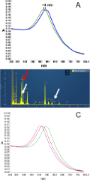


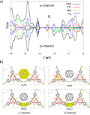
Charge-transfer interactions between fullerenes and a mesoporous tetrathiafulvalene-based metal–organic framework
Beilstein J. Nanotechnol. 2019, 10, 1883–1893, doi:10.3762/bjnano.10.183
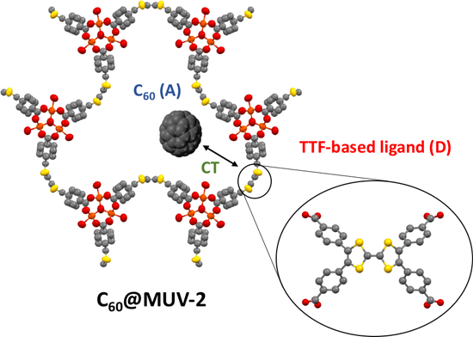
- ]. Electrical measurements: Pressed pellets (F ≈ 5 US tons) were cut in rectangular shapes and contacted with silver conductive paint (RS 123-9911) and platinum wires (Goodfellow, 99.99%, 25 μm of diameter) in a four-probe configuration (Figure S2 and Figure S3, Supporting Information File 1). The geometrical




Tuning the performance of vanadium redox flow batteries by modifying the structural defects of the carbon felt electrode
Beilstein J. Nanotechnol. 2019, 10, 1698–1706, doi:10.3762/bjnano.10.165
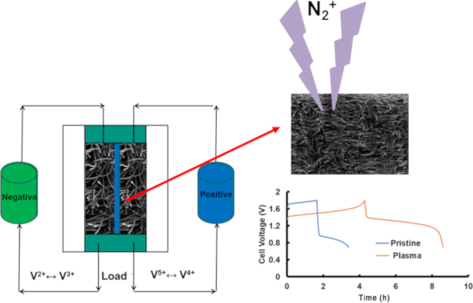
- Reference 3000 instrument from Gamry with a Ag/AgCl reference electrode and a platinum mesh as a counter electrode. A modified configuration developed by Fink et al. was used as the setup for the working electrode (WE) [31]. The configuration was modified so that punched-out disks (Ø = 6 mm) of the felts


Kelvin probe force microscopy work function characterization of transition metal oxide crystals under ongoing reduction and oxidation
Beilstein J. Nanotechnol. 2019, 10, 1596–1607, doi:10.3762/bjnano.10.155
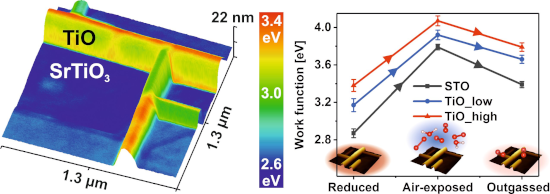
- results, we can set the limit of the smallest separation of oxide nanostructures at 15 nm to obtain any CPD difference. As for the CPD resolution, the estimated value would be below 5 meV, due to the high mechanical stability and good conductivity of both platinum silicide and PtIr-coated tips. Apart from
- -ContPt (PtIr-coated) and PtSi-FM (platinum silicide tips), both from Nanosensors. Such cantilevers are widely used as conducting tips in a contact mode AFM, allowing for a high lateral resolution in conductivity measurements. The remarkable mechanical stability of the selected cantilevers allowed for the


Materials nanoarchitectonics at two-dimensional liquid interfaces
Beilstein J. Nanotechnol. 2019, 10, 1559–1587, doi:10.3762/bjnano.10.153
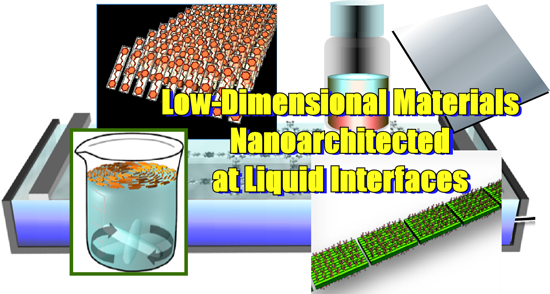
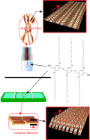
- their lateral surface pressure at the air–water interface. The fabricated array structures of nanodisks can be also transferred to metal surfaces such as platinum surfaces. The examples demonstrated that the combination of rather ambiguous molecular interactions and transfer processes can create precise
- with platinum interdigitated electrodes. An excellent sensor capability for H2 gas in humid air at room temperature was observed for a film of 10 layers of the aligned one-dimensional W18O49 nanowires. Various additional techniques to fabricate two-dimensional structures have been proposed. Advincula













Flexible freestanding MoS2-based composite paper for energy conversion and storage
Beilstein J. Nanotechnol. 2019, 10, 1488–1496, doi:10.3762/bjnano.10.147
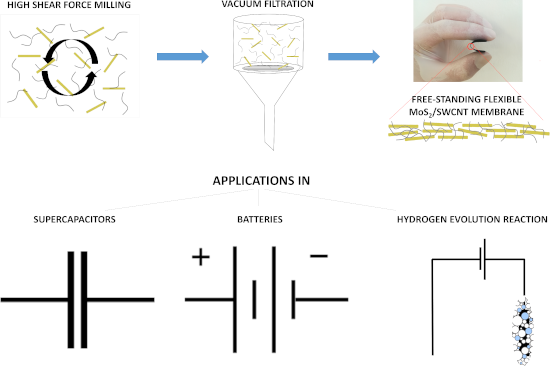
- materials [26]. Another popular related field in the context of energy storage and sustainable energy production is water splitting to produce hydrogen. The best catalysts for the hydrogen evolution reaction (HER) are unequivocally based on platinum and iridium, however the scarcity and the high cost of
- voltage range of 0.01–3.0 V vs Li/Li+. Supercapacitors A disk with diameter of 14 mm was cut from the vacuum-assembled MoS2-based composite paper material. Then it was placed into an electrochemical holder (InRedox, USA) which was placed in the middle of platinum basket (counter electrode). A saturated


Hierarchically structured 3D carbon nanotube electrodes for electrocatalytic applications
Beilstein J. Nanotechnol. 2019, 10, 1475–1487, doi:10.3762/bjnano.10.146
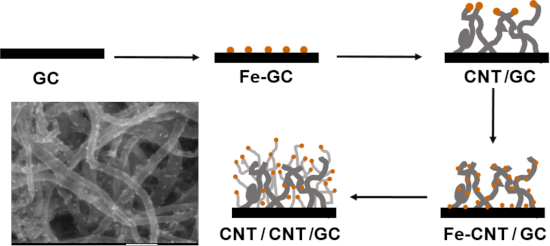
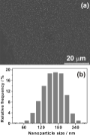
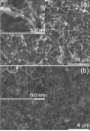
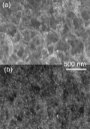
- structures demonstrate an exceptionally high poisoning tolerance. Keywords: chemical vapor deposition; CNTs; CO stripping; hierarchically structured electrodes; methanol oxidation; platinum; poisoning tolerance; Introduction Carbon nanotubes (CNTs) have attracted considerable attention since their





Warped graphitic layers generated by oxidation of fullerene extraction residue and its oxygen reduction catalytic activity
Beilstein J. Nanotechnol. 2019, 10, 1391–1400, doi:10.3762/bjnano.10.137
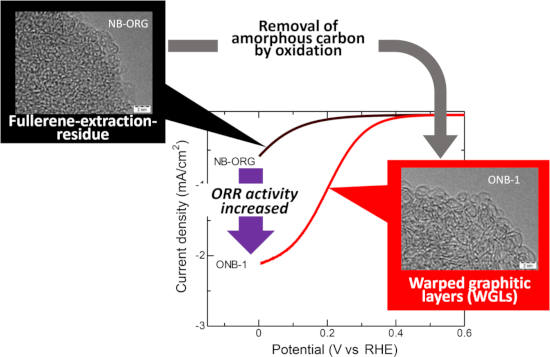
- activity of platinum catalysts is the most realistic approach; for example, by creating alloys [2] or core–shell structures [3] or by activating the Pt particles through metal support interactions [4]. Developing non-precious-metal catalysts is a fascinating, but ultimately speculative, technology for



Gas sensing properties of individual SnO2 nanowires and SnO2 sol–gel nanocomposites
Beilstein J. Nanotechnol. 2019, 10, 1380–1390, doi:10.3762/bjnano.10.136
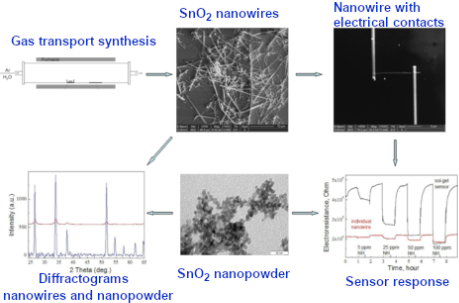
- contamination on the sample surfaces. Device manufacture Manufacture of the device based on a single nanowire Individual nanowires were electrically contacted by direct focused-ion beam (FIB) platinum deposition, using an FEI dual beam Strata 235 instrument combined with a metal–organic injector to deposit
- platinum, following a process described elsewhere (Figure 3) [29]. The electrical measurements were performed using a Keithley 2400 source meter unit (SMU). For gas sensing experiments, the devices were placed in a Linkam chamber with an integrated heater; the gas flow (≥99.999% purity) was regulated by
- mass flow controllers. Manufacture of the device based on sol–gel material Tin dioxide nanopowder was mixed with ethylene glycol to obtain a paste which was deposited on a thin alumina substrate with predeposited platinum electrodes using a dispenser. The thickness of the sensing layer was of 10–12 μm




Janus-micromotor-based on–off luminescence sensor for active TNT detection
Beilstein J. Nanotechnol. 2019, 10, 1324–1331, doi:10.3762/bjnano.10.131
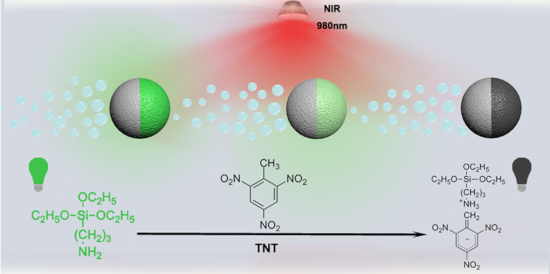
- capsule motors were fabricated by layer-by-layer assembly of UCNP-functionalized polyelectrolyte microcapsules, followed by sputtering of a platinum layer onto one half of the capsule. By catalytic decomposition of hydrogen peroxide to oxygen bubbles, the Janus UCNP capsule motors are rapidly propelled
- quenching based sensors for active TNT detection. The Janus capsule micromotors were fabricated by depositing a thin platinum (Pt) film onto one hemisphere of the UCNP-functionalized hollow polyelectrolyte microcapsules. These as-prepared Janus micromotors can autonomously move by catalytic decomposition of





