Search results
Search for "quantum dots" in Full Text gives 232 result(s) in Beilstein Journal of Nanotechnology. Showing first 200.
Computational exploration of two-dimensional silicon diarsenide and germanium arsenide for photovoltaic applications
Beilstein J. Nanotechnol. 2018, 9, 1247–1253, doi:10.3762/bjnano.9.116
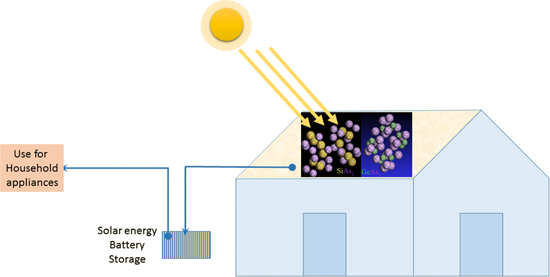
- . Additionally, the exciton binding energies are quite low and are comparable to quantum dot semiconductors. It might be possible that these semiconductors could be synthesized as quantum dots and studied in further detail. Band gap tuning appears also possible and could be used to tailor the compounds for


Thermoelectric current in topological insulator nanowires with impurities
Beilstein J. Nanotechnol. 2018, 9, 1156–1161, doi:10.3762/bjnano.9.107
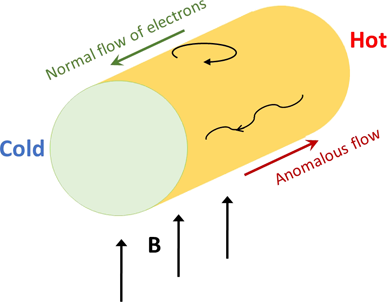
- showing non-monotonic transmission properties the particle current can change sign as a function of the temperature difference [11]. Sign changes of the thermoelectric current are well-known in quantum dots [12][13][14][15] when the chemical potential crosses a resonant state. A sign change of the
- experimental reach. Also, since the transport is over long systems, it is much simpler to maintain a large temperature difference of tens of kelvins, compared to the case of quantum dots. In this paper we extend our previous work on thermoelectric currents in TIN [11], by including the effects of impurities


Room-temperature single-photon emitters in titanium dioxide optical defects
Beilstein J. Nanotechnol. 2018, 9, 1085–1094, doi:10.3762/bjnano.9.100
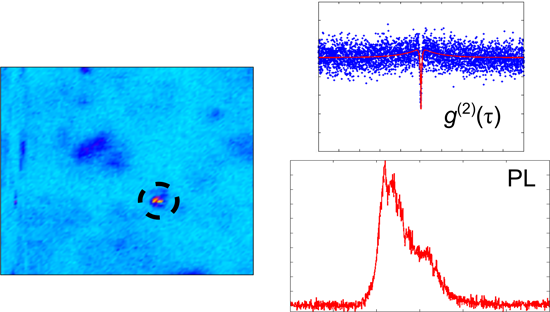
- types of single-photon emitters that include molecules [3], trapped atoms [4], quantum dots [5] and defects in diamond [6]. More recently point defects of wide-bandgap semiconductors, such as zinc oxide (ZnO) [7][8][9] and silicon carbide [10], were shown to exhibit room-temperature single-photon


Theoretical study of strain-dependent optical absorption in a doped self-assembled InAs/InGaAs/GaAs/AlGaAs quantum dot
Beilstein J. Nanotechnol. 2018, 9, 1075–1084, doi:10.3762/bjnano.9.99
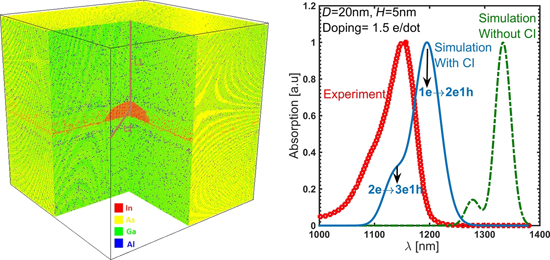
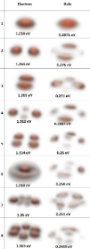
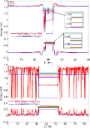
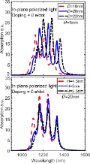
- . 10.3762/bjnano.9.99 Abstract A detailed theoretical study of the optical absorption in doped self-assembled quantum dots is presented. A rigorous atomistic strain model as well as a sophisticated 20-band tight-binding model are used to ensure accurate prediction of the single particle states in these
- devices. We also show that for doped quantum dots, many-particle configuration interaction is also critical to accurately capture the optical transitions of the system. The sophisticated models presented in this work reproduce the experimental results for both undoped and doped quantum dot systems. The
- absorption; quantum qot filling; self-assembled quantum dots; semi-empirical tight-binding; sp3d5s* with spin–orbit coupling (sp3d5s*_SO); Introduction Self-assembled quantum dots are employed as light absorbers in many optoelectronic devices, such as quantum-dot infrared photodetectors (QDIPs) [1][2], and




Review on nanoparticles and nanostructured materials: history, sources, toxicity and regulations
Beilstein J. Nanotechnol. 2018, 9, 1050–1074, doi:10.3762/bjnano.9.98

- external nanoscale dimension or having internal nanoscale surface structure” [4]. Nanofibers, nanoplates, nanowires, quantum dots and other related terms have been defined based on this ISO definition [5]. Likewise, the term nanomaterial is described as “a manufactured or natural material that possesses
- ], and metal sulfide quantum dots such as CdS [148][149] and ZnS [150], were synthesized using different strains of bacteria. Other than bacteria, actinomycetes such as Thermomonospora sp and Rhodococcus sp. [151] are also used to produce NPs. This bacteria-mediated NP formation was found to be highly
- synthezing NPs with various sizes and shapes. It is noted that Fusarium oxysporum and Verticillium sp. of fungi have been noted to aid in Au, Ag and Au–Ag alloy NP synthesis [141][172][173]. Enzymes in Fusarium oxysporum fungi also help in the synthesis of CdS quantum dots [174] and serve as a source of


Green synthesis of fluorescent carbon dots from spices for in vitro imaging and tumour cell growth inhibition
Beilstein J. Nanotechnol. 2018, 9, 530–544, doi:10.3762/bjnano.9.51
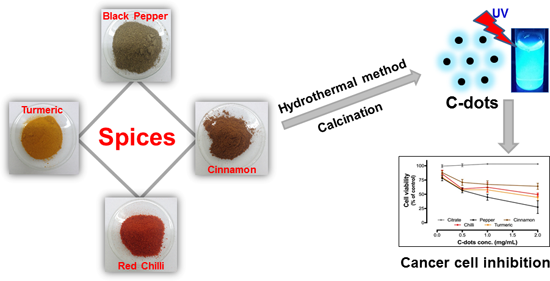
- surface of the C-dots might be responsible for the selective cytotoxicity, as suggested by the presence of piperine in the surface of black pepper C-dots analysed by ESI-QTOF-MS. Keywords: bioimaging; carbon quantum dots; fluorescence; spices; Introduction Recent developments in nanotechnology have led
- , multiplexing capabilities, cost-effectiveness and ease of use [1]. Although inorganic semiconductor quantum dots are the most widely studied fluorescent nanoparticles in bioimaging, biosensing and drug delivery applications, carbon-based ultra-small nanoparticles including carbon quantum dots (C-dots) and
- graphene quantum dots (GQDs) are emerging as new alternatives due to their excellent properties, including high photoluminescence, low photobleaching, high biocompatibility and low toxicity. C-dots avoid the use of heavy metals present in semiconductor quantum dots, which have raised important health and


Dynamic behavior of nematic liquid crystal mixtures with quantum dots in electric fields
Beilstein J. Nanotechnol. 2018, 9, 399–406, doi:10.3762/bjnano.9.39

- CdSe/ZnS quantum dots in electric fields was theoretically studied. The model was based on elastic continuum theory considering the interaction of the nematic molecules with the surrounding molecules, with the quantum dots and with the electric field. Experimental data obtained by dynamic measurements
- on a sample containing 0.89% (mass fraction) of CdSe/ZnS quantum dots revealed a decrease of the relaxation time compared to pure 5CB. Keywords: Fréedericksz transition; nematic liquid crystals; quantum dots; Introduction The expansion of liquid crystal (LC)-based devices in common life domains as
- nanoparticles [6], quantum dots (QDs) [7][8][9][10][11][12] or other nanomaterials [13][14][15][16][17] that can be effectively used in electro-optical devices. When added to liquid crystals, quantum dots may seriously influence their behavior under an electric field due to the anchoring forces acting on the


Sugarcane juice derived carbon dot–graphitic carbon nitride composites for bisphenol A degradation under sunlight irradiation
Beilstein J. Nanotechnol. 2018, 9, 353–363, doi:10.3762/bjnano.9.35
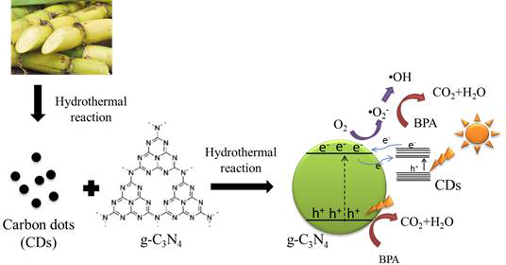
- consistent with previous reports [61]. A recent study by Wen and co-workers suggested that most of the CDs and graphene quantum dots (GQDs) do not have detectable upconversion fluorescence. The frequently cited UCPL properties could originate from the normal fluorescence excited by the leaking component from


Nanoparticle delivery to metastatic breast cancer cells by nanoengineered mesenchymal stem cells
Beilstein J. Nanotechnol. 2018, 9, 321–332, doi:10.3762/bjnano.9.32
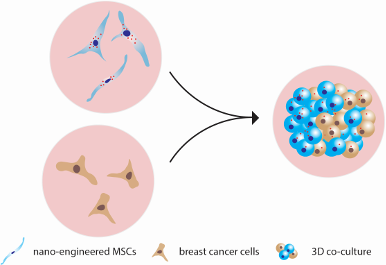
- metastatic breast cancer cell line MDA-MD-231 and primary breast cancer cell line MCF7 to explore the transfer of quantum dots (QDs) to cancer cells. First, the optimal conditions for high-content QD loading in MSCs were established. Then, QD uptake in breast cancer cells was assessed after 24 h in a 3D co
- ; mesenchymal stem cells; quantum dots; spheroids; 3D cell culture; Introduction The recent progress in the development of nanoscale agents opens up new perspectives for targeted drug delivery in cancer diagnostics, imaging and therapy. However, once administered into the body, nanoparticles (NPs) are rapidly
- temperature. Flow cytometry data were acquired on a Guava EasyCyte 8HT flow cytometer and analysed by ExpressPro software (Millipore, MA, USA). Quantum dots Qdot® 655 ITK™ non-targeted carboxyl-coated quantum dots were purchased from Thermo Fisher Scientific, USA. The QDs are composed of a CdSe core and ZnS



Co-reductive fabrication of carbon nanodots with high quantum yield for bioimaging of bacteria
Beilstein J. Nanotechnol. 2018, 9, 137–145, doi:10.3762/bjnano.9.16
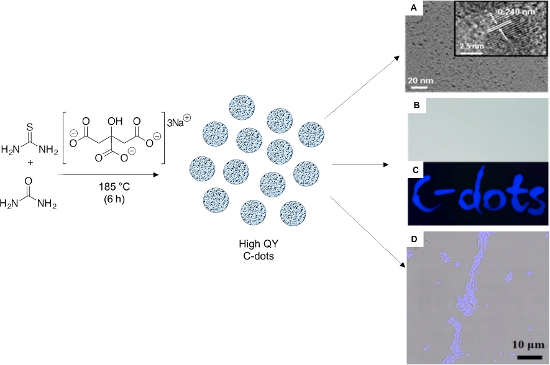
- . Currently, visual detection approaches are based on indirect methods related to bacterially secreted metabolites or imaging of bacterial colonies [4]. Furthermore, the staining techniques use either commercially available fluorescent dyes or semiconductor quantum dots [5]. Fluorescent dyes are expensive
- , instable and easily susceptible to photobleaching, while the semiconductor quantum dots are toxic and difficult to dissolve in water. Therefore, simple and inexpensive methods to visualize the morphological details of bacterial cells are highly needed. C-dots can thus be proposed as an innovative platform
- 2% to 24% following reduction with sodium borohydride (NaBH4). The same results were confirmed by Shen and Tian's group [15][16]. It was also reported that the fluorescence intensity of graphene quantum dots reduced by hydrazine hydrate (N2H4) can be enhanced to more than two times that of the


Review on optofluidic microreactors for artificial photosynthesis
Beilstein J. Nanotechnol. 2018, 9, 30–41, doi:10.3762/bjnano.9.5
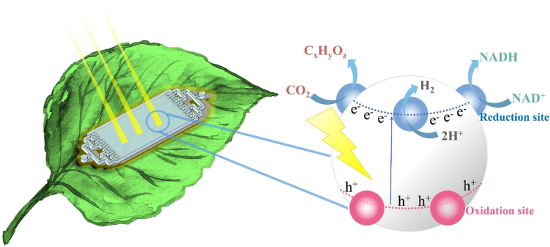
- splitting and CO2 reduction [80], but significant progress had already been made before it was combined with the optofluidics [81]. Park et al. developed CdS quantum-dot-sensitized TiO2 nanotube arrays for the photo-regeneration of nicotinamide cofactors [82]. They also used SiO2-supported CdS quantum dots
- . Park et al. presented an optofluidic device that incorporated quantum dots and redox enzymes for photo-enzymatic synthesis [88]. As shown in Figure 8, the microchannel was separated into two parts by a valve, the light-dependent reaction zone for NADH regeneration in the upstream of microchannel and
- light harvesting and the photosynthetic conversion of CO2 to acetic acid with the bacterial enzyme system. Adapted from [79], copyright 2016 American Association for the Advancement of Science. Microfluidic APS platform that incorporates quantum dots and redox enzymes for photoenzymatic synthesis. (A


Gas-sensing behaviour of ZnO/diamond nanostructures
Beilstein J. Nanotechnol. 2018, 9, 22–29, doi:10.3762/bjnano.9.4
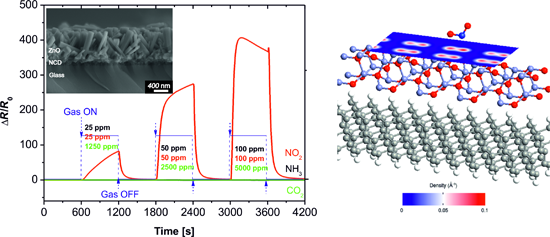
- cell electrodes, light emitting devices, quantum dots and gas sensors [5][6][7][8][9][10][11][12][13]. The improvement in response of metal-oxide sensors has been observed by several authors, due to the formation of isolated functional layers on the one-dimensional nanostructure surface using metal


Thermo- and electro-optical properties of photonic liquid crystal fibers doped with gold nanoparticles
Beilstein J. Nanotechnol. 2017, 8, 2790–2801, doi:10.3762/bjnano.8.278
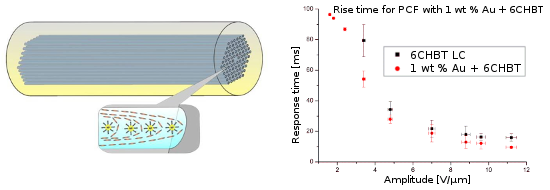
- still could be (and for some applications need to be) improved. To accomplish this, LCs are being either stabilized by polymers [3] or doped with special materials such as nanotubes [4] and quantum dots [5]. Over the last few years nanoparticles (NPs) have been used to improve the electro-optics


Impact of titanium dioxide nanoparticles on purification and contamination of nematic liquid crystals
Beilstein J. Nanotechnol. 2017, 8, 2766–2770, doi:10.3762/bjnano.8.275
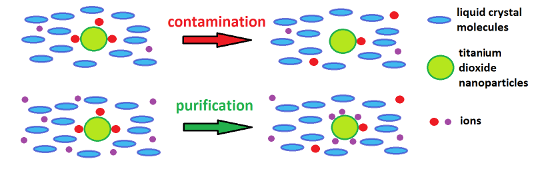
- ionic contamination was observed in LCs doped with carbon nanoparticles [21], semiconductor quantum dots [22], and metal NPs [23]. At the same time, the increase of ionic contamination due to doping with NPs was reported in other papers [24][25][26]. This contradiction was resolved by the theory
CdSe nanorod/TiO2 nanoparticle heterojunctions with enhanced solar- and visible-light photocatalytic activity
Beilstein J. Nanotechnol. 2017, 8, 2741–2752, doi:10.3762/bjnano.8.273
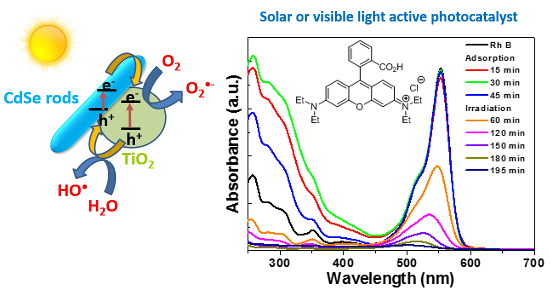
- eV) and its band energies are located at relatively low potential. Despite the large number of reports describing the sensitization of TiO2 (used in the form of spherical particles, films, wires, tubes, etc.) with CdSe nanocrystals (generally quantum dots or spherical nanoclusters) [9][10][11][12][13
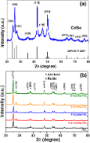
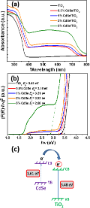
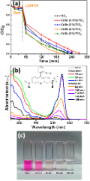
- to develop TiO2-based solar cells. Core/shell TiO2/CdSe NRs were also prepared by growing CdSe quantum dots onto TiO2 NRs at high temperature [42]. In this paper, we report an investigation on the synthesis of CdSe-NR-sensitized TiO2 nanoparticles and on the use of these materials for the degradation
- photodegradation. Finally, although the operating conditions and the structure of the pollutant were different from those used in this study, the CdSe NR/TiO2 nanoparticle photocatalyst favorably compares with catalysts engineered from CdSe quantum dots and TiO2 nanoparticles or nanotubes [9][11][12][22][26][31






Ferrocholesteric–ferronematic transitions induced by shear flow and magnetic field
Beilstein J. Nanotechnol. 2017, 8, 2552–2561, doi:10.3762/bjnano.8.255
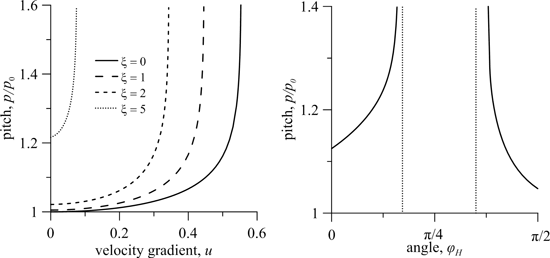
- ; helix unwinding; liquid crystals; magnetic field; shear flow; Introduction The dispersing of nanoparticles of different nature (e.g., carbon nanotubes, ferromagnetic or ferroelectric particles, quantum dots, silica particles) into liquid crystals (LCs) leads to a change in the properties of the


PTFE-based microreactor system for the continuous synthesis of full-visible-spectrum emitting cesium lead halide perovskite nanocrystals
Beilstein J. Nanotechnol. 2017, 8, 2521–2529, doi:10.3762/bjnano.8.252
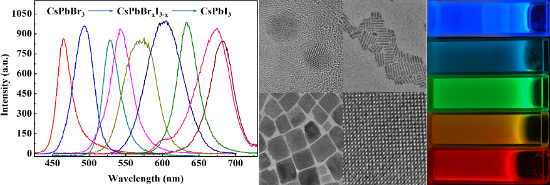
- quantum dots synthesized with a Br/I ratio of 1:3, a slight blue shift was observed for reaction temperatures greater than 100 °C. This PTFE-based microreactor system provides the unique capability of continuously synthesizing high-quality perovskite nanocrystals that emit over the full visible spectrum
- with applications ranging from displays and optoelectronic devices. Keywords: cesium lead halide; microreactor system; nanocrystals; perovskite; photoluminescence; Introduction Colloidal semiconductor nanocrystals, also known as quantum dots (QDs), have great potential in a variety of applications
- , including displays, solar cells, lasers, light-emitting diodes and white-light generation [1][2][3][4][5][6] due to their size-tunable optical and electrical properties and excellent ability to be processed in solution. Quantum dots have gained much attention due to their promising applications. There are


Dynamic behavior of a nematic liquid crystal mixed with CoFe2O4 ferromagnetic nanoparticles in a magnetic field
Beilstein J. Nanotechnol. 2017, 8, 2467–2473, doi:10.3762/bjnano.8.246
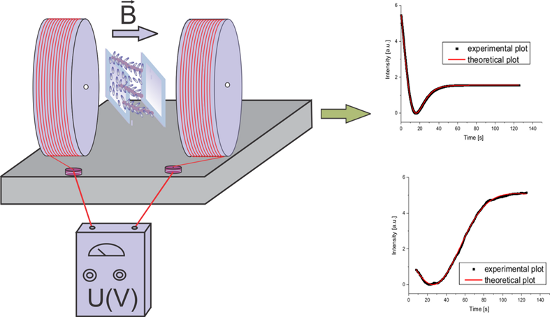
- , carbon nanotubes and quantum dots [14][15][16][17][18][19][20][21][22], yielding modified optical properties [23][24][25]. The main advantages of nanoparticles are given by their small dimensions and unique physical properties that strongly affect the local nematic order [26]. This leads to significant


Hydrothermal synthesis of ZnO quantum dot/KNb3O8 nanosheet photocatalysts for reducing carbon dioxide to methanol
Beilstein J. Nanotechnol. 2017, 8, 2264–2270, doi:10.3762/bjnano.8.226
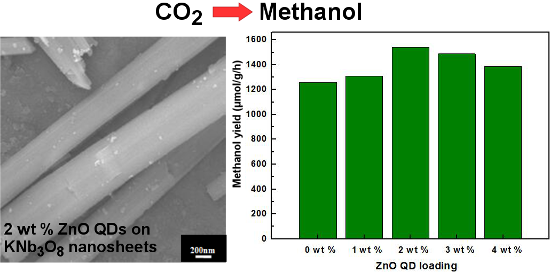
- , East China University of Science and Technology, Shanghai 200237, China 10.3762/bjnano.8.226 Abstract ZnO quantum dots and KNb3O8 nanosheets were synthesized by a two-step hydrothermal method for the photocatalytic reduction of CO2 to methanol where isopropanol is simultaneously oxidized to acetone
- materials was evaluated by formation rate of methanol under UV light irradiation at ambient temperature and pressure. The methanol formation rate of pure KNb3O8 nanosheets was found to be 1257.21 μmol/g/h, and after deposition of 2 wt % ZnO quantum dots on the surface of KNb3O8 nanosheets, the methanol
- production rate was found to increase to 1539.77 μmol/g/h. Thus, the ZnO quantum dots obviously prompted separation of charge carriers, which was explained by a proposed mechanism for this photocatalytic reaction. Keywords: CO2 reduction; KNb3O8 nanosheets; methanol production; photocatalysis; ZnO quantum




Ta2N3 nanocrystals grown in Al2O3 thin layers
Beilstein J. Nanotechnol. 2017, 8, 2162–2170, doi:10.3762/bjnano.8.215
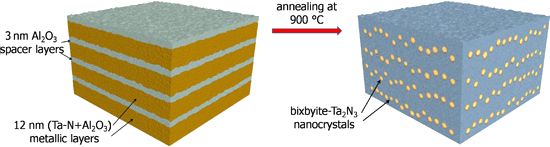
- -assembly of semiconductor quantum dots in amorphous alumina or silica multilayers [18][19]. The key point of this deposition design is the insertion of dielectric layers, so called spacer layers, between all arbitrarily thick active metallic layers. In that way, upon annealing, the growth and final size of


Magnetic properties of optimized cobalt nanospheres grown by focused electron beam induced deposition (FEBID) on cantilever tips
Beilstein J. Nanotechnol. 2017, 8, 2106–2115, doi:10.3762/bjnano.8.210
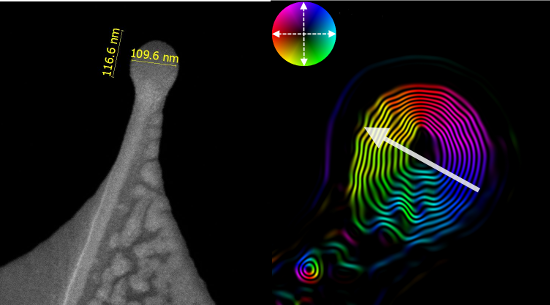
- -vortex-lattice pinning [17]; as well as (d) three-dimensional nanowires for magnetic domain-wall studies [18][19] and for remote magnetomechanical actuation [20], quantum dots for magnetic storage [21] and catalytic purposes [22], polygonal shapes for micromagnetic studies [23][24] and spin-ice


Optical techniques for cervical neoplasia detection
Beilstein J. Nanotechnol. 2017, 8, 1844–1862, doi:10.3762/bjnano.8.186

- discriminate between HSIL and LSIL/normal tissues at various imaging depths was confirmed [80][81]. Nanotheranostics The rapid progress of nanotechnology had an important impact on cancer management research. The variety of new nanoscale platforms (gold nanoparticles, quantum dots, nanocages, carbon nanotubes
- unique molecular tumor marker [88]. The contrast agents consisting of a targeting agent conjugated with optically active labels (metal nanoparticles, quantum dots) can be used for in vivo imaging of this biomarker. Sokolov et al [89] reported the use of gold nanoparticles for the molecular targeted
- optical contrast between isolated gold particles and agglomerated gold particles in tumor tissue in both confocal reflectance and confocal fluorescence images of cervical tissue specimens [89]. In recent years many research groups explored the potential of using quantum dots (QDs) as inorganic



Synthesis and functionalization of NaGdF4:Yb,Er@NaGdF4 core–shell nanoparticles for possible application as multimodal contrast agents
Beilstein J. Nanotechnol. 2017, 8, 1815–1824, doi:10.3762/bjnano.8.183
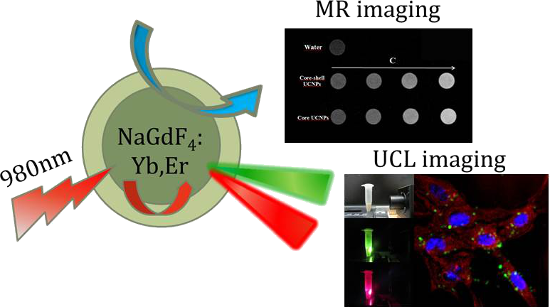
- visible light, have been extensively investigated due to the advantages associated with their unique optical properties [1]. Compared with traditional semiconductor quantum dots (QDs) or organic fluorophores, UCNPs show superior features such as sharp emission peaks, low toxicity, high photochemical
- . The similar localization of Tween 80-coated nanoparticles was observed in MCF-7 cells as well. The same results of endocytic NP accumulation in cells was demonstrated in different studies with UCNPs [31], quantum dots [32], magnetic nanomaterials [33] and noble metal nanoparticles [34]. Cell viability


Methionine-mediated synthesis of magnetic nanoparticles and functionalization with gold quantum dots for theranostic applications
Beilstein J. Nanotechnol. 2017, 8, 1734–1741, doi:10.3762/bjnano.8.174
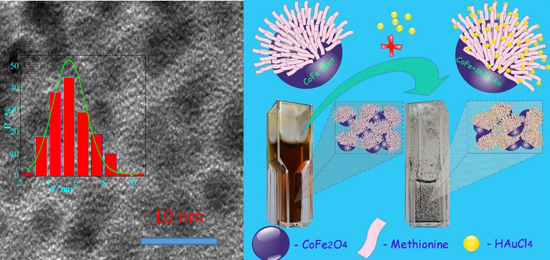
- magnetic NPs with gold quantum dots (QDs) containing more than 13.5% of Au+. Emphasis is put on the synthesis of magnetic NPs by co-precipitation using the amino acid methionine as NP growth-stabilizing agent capable to later reduce and attach gold species. The surface of these NPs can be further
- spectroscopy, inductively coupled plasma mass spectroscopy (ICP-MS), and X-ray photoelectron spectroscopy (XPS) of as-formed CoFe2O4 NPs before and after decoration with gold QDs were applied. Keywords: functionalization; gold; magnetic nanoparticles; quantum dots; theranostics; Introduction In current
- magnetic resonance and fluorescent imaging, allow for a more rapid and precise screening of the oncological disease sites. This is frequently achieved by covering magnetic NPs with shells containing luminescent quantum dots (QDs) [2][3][4][5][6]. The target molecules can be attached to the surface of


Two-dimensional carbon-based nanocomposites for photocatalytic energy generation and environmental remediation applications
Beilstein J. Nanotechnol. 2017, 8, 1571–1600, doi:10.3762/bjnano.8.159