Search results
Search for "washing" in Full Text gives 274 result(s) in Beilstein Journal of Nanotechnology. Showing first 200.
Nanoarchitectonics meets cell surface engineering: shape recognition of human cells by halloysite-doped silica cell imprints
Beilstein J. Nanotechnol. 2019, 10, 1818–1825, doi:10.3762/bjnano.10.176
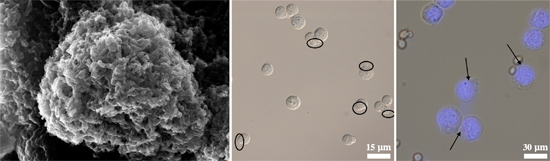
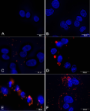
- formation of silica/halloysite cell-mimicking imprints. Then the shells were disintegrated using sonication, while the cell debris was dissolved by acid washing to produce polydisperse silica/halloysite cells imprints. Next, these imprints were utilised to selectively recognise HeLa cells in cell growth


Toxicity and safety study of silver and gold nanoparticles functionalized with cysteine and glutathione
Beilstein J. Nanotechnol. 2019, 10, 1802–1817, doi:10.3762/bjnano.10.175
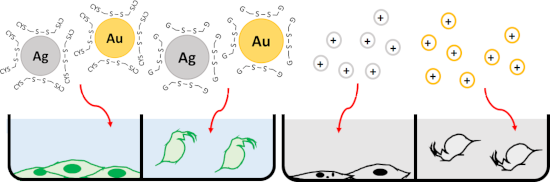
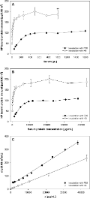
- washing steps of the cells after treatment and before the staining procedures as indicated in the cell protocols. In the case of flow cytometry experiments, the settings on the flow cytometer were carefully established taking into account testing of the correct NP concentration range, system noise, and
- NPs that could have been uptaken by live cells, we applied several washing steps to the NP-treated cells before the staining procedures. Acute toxicity test on Daphnia magna Acute ecotoxicity tests were performed on D. magna Straus, an aquatic model organism for ecotoxicity tests. D. magna Straus


Lipid nanostructures for antioxidant delivery: a comparative preformulation study
Beilstein J. Nanotechnol. 2019, 10, 1789–1801, doi:10.3762/bjnano.10.174
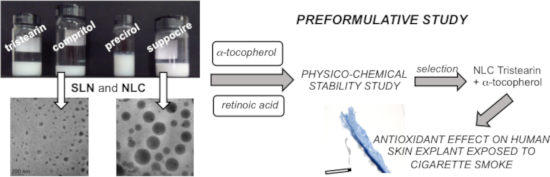
- dust by washing with detergent and rinsing twice with water for injections. The measurements were made in triplicate at 25 °C at an angle of 90°, and the data were interpreted using the “CONTIN” method [38]. Cryogenic transmission electron microscopy (cryo-TEM) analysis The samples were vitrified as

Synthesis of nickel/gallium nanoalloys using a dual-source approach in 1-alkyl-3-methylimidazole ionic liquids
Beilstein J. Nanotechnol. 2019, 10, 1754–1767, doi:10.3762/bjnano.10.171
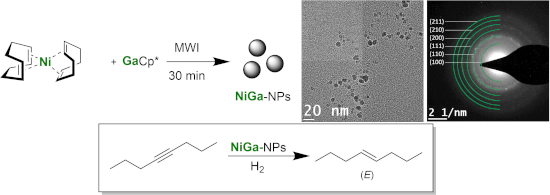
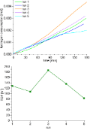
- removed as much as possible by washing with acetonitrile (see Supporting Information File 1, Figure S11). The precipitated NiGa nanoparticles exhibited over three runs very high conversion rates of 82–96% (Table 3). After 30 min the hydrogen consumption reaches a plateau at an H2 uptake value that




Nanoporous smartPearls for dermal application – Identification of optimal silica types and a scalable production process as prerequisites for marketed products
Beilstein J. Nanotechnol. 2019, 10, 1666–1678, doi:10.3762/bjnano.10.162
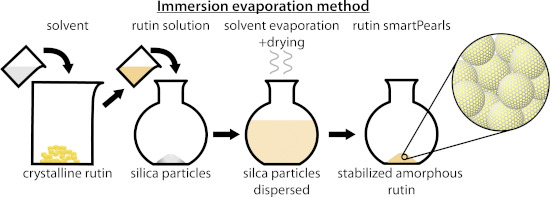
- in vivo situation. Dermal formulations are often applied for 10–12 h (e.g., morning application to the face, followed by face washing in the evening). To have a release as complete as possible, larger pores are thus favorable for dermal products. Apart from the consequence for dermal delivery, the




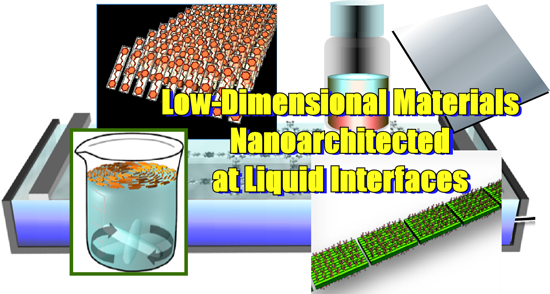
Materials nanoarchitectonics at two-dimensional liquid interfaces
Beilstein J. Nanotechnol. 2019, 10, 1559–1587, doi:10.3762/bjnano.10.153
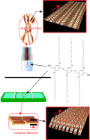
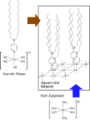
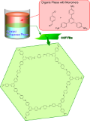
- diffraction (GIXD) revealed a face-centred square grid structure with an average domain size of 3600 Å2. Makiura et al. employed a similar method to form multilayers of an oriented porphyrin-based MOF film on top of substrates by repeating transfer and washing of interfacially grown MOF layers (Figure 10
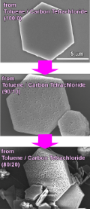
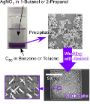
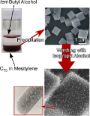
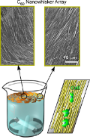
- ]. In this modified method, mild sonication was applied for a short period of time after appropriate incubation time. The resulting C70 cubic objects were further transformed into needle-on-cube (one-dimensional structure on the surface of three-dimensional object) structures simply by washing with
- isopropyl alcohol at room temperature (Figure 21). The growth directions and diameters of the nanorod-like C70 one-dimensional structures can be tuned through the washing conditions. Interestingly, the formed nanorod structures possess mesoporous features, which makes the entire structure fully hierarchic













Selective gas detection using Mn3O4/WO3 composites as a sensing layer
Beilstein J. Nanotechnol. 2019, 10, 1423–1433, doi:10.3762/bjnano.10.140
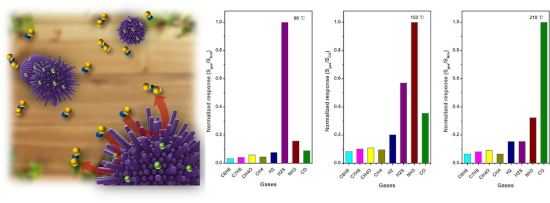
- solution was poured into an 80 mL Teflon-lined stainless steel autoclave and maintained at 200 °C inside an oven. The bluish precipitate was obtained through washing, centrifugation and drying at 80 °C. Finally, after annealing at 500 °C in air for 2 h, the as-prepared blue precursor was converted to faint


BiOCl/TiO2/diatomite composites with enhanced visible-light photocatalytic activity for the degradation of rhodamine B
Beilstein J. Nanotechnol. 2019, 10, 1412–1422, doi:10.3762/bjnano.10.139
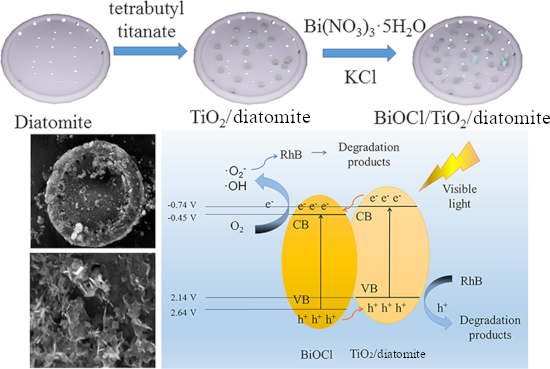
- obtained by dissolving 0.12 g of KCl in 5 mL distilled water was dripped into the above mixed mannitol solution under stirring, and the resulting mixed solution was filtered to obtain a solid. After washing, drying and calcining at 400 °C for 2 h, the BiOCl/TiO2/diatomite (BTD) composites were prepared
- of TiO2/diatomite and pure BiOCl were analyzed by the same method. In addition, cyclic experiments were carried out to prove the recyclability of photocatalysts. The photocatalyst was collected by centrifugation and the surface organic matter was removed by ethanol and water washing several times


Janus-micromotor-based on–off luminescence sensor for active TNT detection
Beilstein J. Nanotechnol. 2019, 10, 1324–1331, doi:10.3762/bjnano.10.131
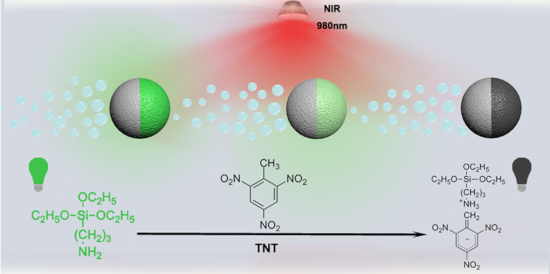
- silica cores were then dissolved by treating the particles with 0.5 M HF. The Janus UCNP capsule motors were obtained after three centrifugation/water washing steps. Analysis of the movement of the Janus UCNP capsule motors The movement studies were accomplished by dropping Janus UNCP capsule motors into


Multicomponent bionanocomposites based on clay nanoarchitectures for electrochemical devices
Beilstein J. Nanotechnol. 2019, 10, 1303–1315, doi:10.3762/bjnano.10.129
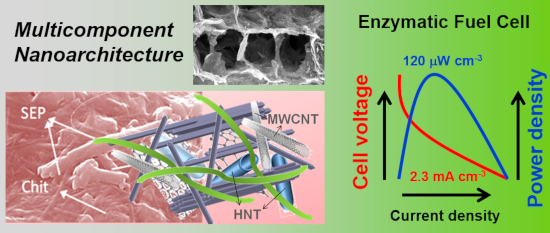
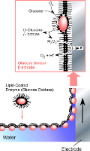
- , washing and finally dried overnight in a desiccator at 30 °C and stored at 4 °C until usage. HNT-GOx was added to the SEP/GNPs/MWCNTs/CHI mixtures (0.2% w/v and 8% w/v) described above, obtaining the compositions Film-1 and Foam-1 (Table 2). The resulting suspensions were processed by solvent-casting and



Alloyed Pt3M (M = Co, Ni) nanoparticles supported on S- and N-doped carbon nanotubes for the oxygen reduction reaction
Beilstein J. Nanotechnol. 2019, 10, 1251–1269, doi:10.3762/bjnano.10.125
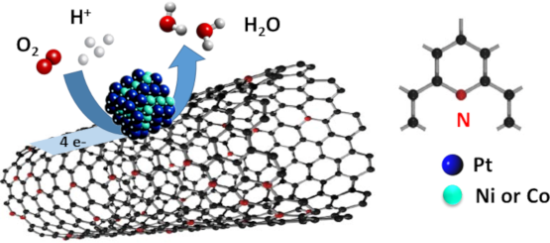
- and the presence of residual metal in the final product, as oxidized species cannot undergo the galvanic displacement. During the galvanic replacement, the M atoms in metallic form can react with the platinum salt. After washing the catalyst and removing of the IL, Pt3M NPs supported on N-CNTs are
- obtained with unreacted M atoms (and clusters) at the surface of the carbon support. Catalyst treatment: EDTA washing The previous characterization revealed a large amount of unalloyed cobalt or nickel species on the support surface, which can be easily dissolved in acidic media, which then poisons the
- order to minimize the impact of the treatment on both the catalyst and its support, we avoid the classically used acid leaching method [99], but preferred using and internally developed method, based on washing the material with a solution of ethylenediaminetetraacetic acid (EDTA). This consists of







Tailoring the magnetic properties of cobalt ferrite nanoparticles using the polyol process
Beilstein J. Nanotechnol. 2019, 10, 1166–1176, doi:10.3762/bjnano.10.116
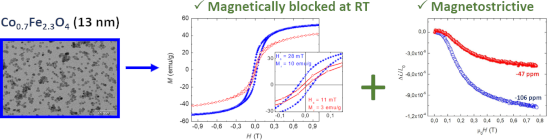
- . After being cooled to RT, the black nanoparticle powders were recovered by several centrifugation cycles and washing with acetone. At the end, they were dried overnight in air at 50 °C. Table 1 is collecting all the main features of these samples. Characterization of the nanoparticles Structure The XRD




A highly efficient porous rod-like Ce-doped ZnO photocatalyst for the degradation of dye contaminants in water
Beilstein J. Nanotechnol. 2019, 10, 1157–1165, doi:10.3762/bjnano.10.115
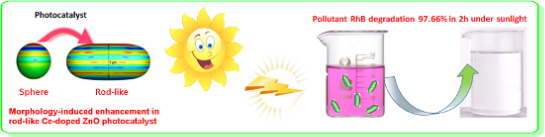
- repeatability of CZO-4, recycling experiments were carried out at optimized conditions (concentration of RhB = 10 mg/L, catalyst dosage = 0.7 g/L, pH 9 and temperature = 50 °C). The photocatalysts were recycled after washing, centrifugation and vacuum drying at 75 °C for 1 h. The results given in Figure 2


Enhanced inhibition of influenza virus infection by peptide–noble-metal nanoparticle conjugates
Beilstein J. Nanotechnol. 2019, 10, 1038–1047, doi:10.3762/bjnano.10.104
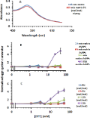
- . Chromatography on CM-Sepharose was carried out with gold nanoparticles functionalised with different molar fractions of FluPep ligand. Top: images of columns after loading and washing with PBS. Bottom: quantification by absorption at 450 nm [18] of unbound (flow-through and PBS wash fractions) and bound (eluted
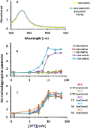
- cation-exchange chromatography. Silver nanoparticles functionalised with different molar fractions of FluPep ligand were subjected to chromatography on CM-Sepharose. Top: images of columns after loading and washing with PBS. Bottom: quantification of unbound (flow-through and PBS wash fractions) and




Serum type and concentration both affect the protein-corona composition of PLGA nanoparticles
Beilstein J. Nanotechnol. 2019, 10, 1002–1015, doi:10.3762/bjnano.10.101
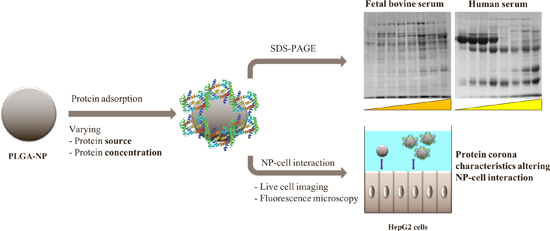
- study we referred to a protocol of Gossmann and co-workers [18]. In-solution digestion of corona proteins After washing and collecting the NPs with protein corona by centrifugation, the resulting pellet was resuspended in 100 µL TRIS buffer containing 6 M urea overnight at room temperature to desorb the
- equilibrated with 1 mL methanol and 1 mL 1% formic acid before the digestion solutions were applied onto the columns in aliquots of 1 mL. Thereafter, the samples were desalted by washing with 1 mL of purified water. Then, the stationary phase including the peptides was rinsed with 600 µL of Eluent I (MeOH/H2O
- with Lumogen® Red-loaded PLGA NPs, free Lumogen® Red or serum-free medium as previously described. After 6 h, the cells were washed twice with phosphate-buffered saline (PBS++, containing Ca2+ and Mg2+) and fixed for 15 min with 4% paraformaldehyde at room temperature. After an additional washing step



Concurrent nanoscale surface etching and SnO2 loading of carbon fibers for vanadium ion redox enhancement
Beilstein J. Nanotechnol. 2019, 10, 985–992, doi:10.3762/bjnano.10.99
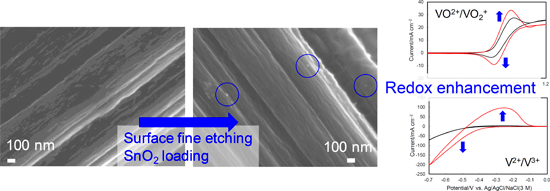
- redox flow batteries (VRFBs), which are in the most advanced stage of research and development: Nanoscale surface etching was attained by coating the surface with a carbonaceous thin film derived from cobalt(II) phthalocyanine (CoPc) and subsequent thermal oxidation followed by acid washing. The



Direct growth of few-layer graphene on AlN-based resonators for high-sensitivity gravimetric biosensors
Beilstein J. Nanotechnol. 2019, 10, 975–984, doi:10.3762/bjnano.10.98
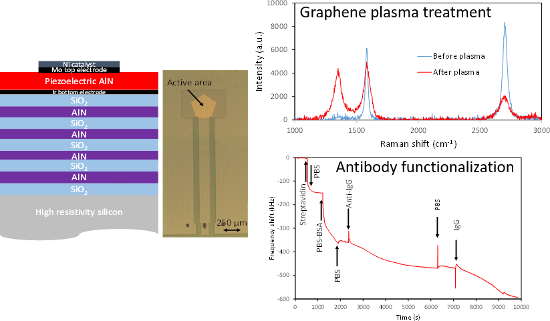
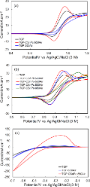
- mentioned process; the arrows indicate the times at which the different reagents are introduced. The samples were first incubated in the EDC/NHS solution for 1 h at room temperature. After a PBS washing, a 5 µg/mL concentrated streptavidin solution was circulated through the system, which produced a strong
- -streptavidin bound surface. After washing with PBS, the biotinylated anti-IgG antibody 330 nm was fed to the system. In this step the frequency shift of 110 kHz indicates the binding of anti-IgG to the surface. This frequency shift is slightly higher than for the covalent functionalization case although such
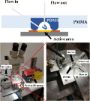
- with an O-ring to seal a 30 µL cavity around the active area of the device (see Figure 10). A peristaltic pump feeds the liquid into the cavity at a rate of 100 µL/min. The liquids can freely flow for washing purposes or be recirculated when the incubation times are long. The whole volume of the


Effects of gold and PCL- or PLLA-coated silica nanoparticles on brain endothelial cells and the blood–brain barrier
Beilstein J. Nanotechnol. 2019, 10, 941–954, doi:10.3762/bjnano.10.95
- ) [10][46]. Immunofluorescence staining and transmission electron microscopy After PCL- or PLLA-NP exposure, cells grown in 0.1% gelatin-coated 96-well plates or on coverslips were fixed with cold 4% paraformaldehyde for 20 min at room temperature. Following two washing steps with Dulbecco’s phosphate
- -buffered saline (DPBS) (Life Technologies, UK), cells were blocked with 10% horse serum in 0.4% Triton-PBS for 1–2 h at room temperature. Subsequently, cells were incubated with primary antibodies overnight at 4 °C (Table 1). After washing four times with PBS, except for Acti-stain 488 phalloidin, the



Polydopamine-coated Au nanorods for targeted fluorescent cell imaging and photothermal therapy
Beilstein J. Nanotechnol. 2019, 10, 794–803, doi:10.3762/bjnano.10.79
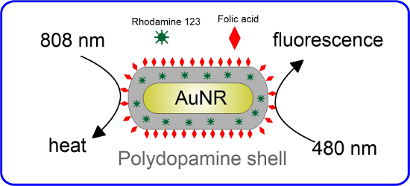
- two cuvettes retain their dark color. It is notable that contrary to the usual physical loading of molecular content into mesoporous silica, the nanocomposites with PDA shell obtained by chemisorption remain stable without dye release during several washing steps and long-term storage. For theranostic


An iridescent film of porous anodic aluminum oxide with alternatingly electrodeposited Cu and SiO2 nanoparticles
Beilstein J. Nanotechnol. 2019, 10, 735–745, doi:10.3762/bjnano.10.73
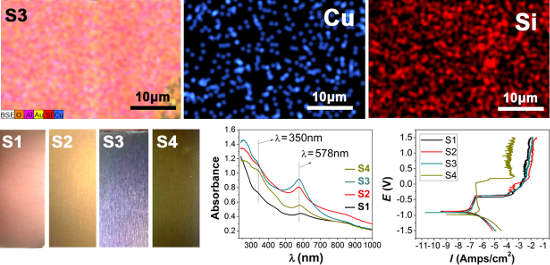
- -based structural coloring of the aluminum alloy Pretreatment For removing oily contaminants and dirt, the 6063 aluminum alloy sample was first washed in an alkaline solution for 3–4 min, and then washed with deionized (DI). Afterward, it was put into an acidic eluent for the acid-based washing for 2–3


Features and advantages of flexible silicon nanowires for SERS applications
Beilstein J. Nanotechnol. 2019, 10, 725–734, doi:10.3762/bjnano.10.72
- assignments are given in Table S1 of Supporting Information File 1. Figure 2 shows the SERS intensities of the 1073 and 1574 cm−1 bands before and after H2O washing for different VLS process temperatures. The optimal SERS signal is obtained for a temperature of 500 °C during the VLS process, and the SERS
- signal significantly increases after washing with water. The first observation can be clearly explained as follows: The temperature during annealing prior to VLS synthesis influences the size and distribution of the Au seeds on the Si wafer, while the VLS process temperature determines growth rate and
- and encourage for further improvements. SERS spectra of 10−4 M 4-MPBA (inset) after immersion in H2O for different VLS process temperatures. SERS intensities of the 1073 and 1574 cm−1 bands before (denoted EtOH) and after H2O washing for different VLS process temperatures. SEM images of horizontally


A porous 3D-RGO@MWCNT hybrid material as Li–S battery cathode
Beilstein J. Nanotechnol. 2019, 10, 514–521, doi:10.3762/bjnano.10.52
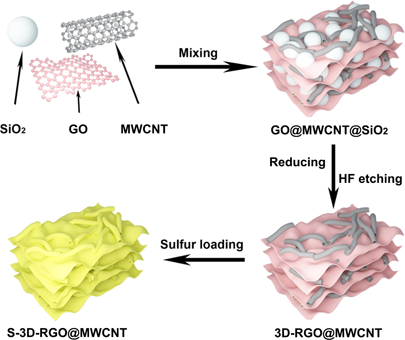
- reduction of GO, and v) SiO2 etching by HF. Firstly, monodispersed SiO2 spheres with diameters of 200–300 nm were prepared. After washing and drying, the SiO2 sphere particles was subsequently dispersed in DI water at a concentration of 50 mg·mL−1 (suspension A). Secondly, the GO from Hummer’s method was
- min, sodium erythorbate was added to suspension B and heated in an oil bath for 2 h. The sodium erythorbate was removed by washing with DI water, while SiO2 was etched away by subsequent soaking in 10% HF for a week. Lastly, HF was also rinsed out with DI water and ethanol. After drying the compound



Gold nanoparticles embedded in a polymer as a 3D-printable dichroic nanocomposite material
Beilstein J. Nanotechnol. 2019, 10, 442–447, doi:10.3762/bjnano.10.43
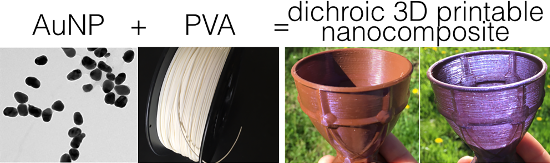
- printing AuNP–PVA. At the used percentage of gold in PVA, the dichroic effect in the printed objects can be detected when the wall thickness of the 3D-printed object is larger than 0.4 mm. The 3D-printed parts can also be smoothened by quickly washing the parts in water (Supporting Information File 1



One-step nonhydrolytic sol–gel synthesis of mesoporous TiO2 phosphonate hybrid materials
Beilstein J. Nanotechnol. 2019, 10, 356–362, doi:10.3762/bjnano.10.35
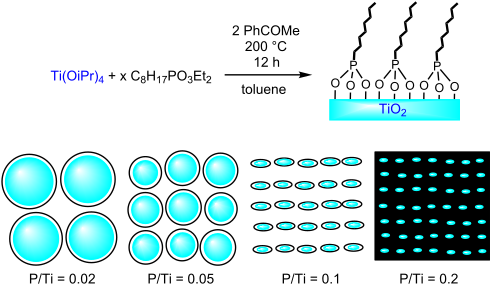
- assigned to a deformation mode of adsorbed water), and also of surface hydroxyl groups resulting from the hydrolysis of residual surface groups during washing or manipulation under air. The X-ray diffraction (XRD) patterns of TiO2 and of the hybrid samples are presented in Figure 3. The patterns of TiP0.02


Thermal control of the defunctionalization of supported Au25(glutathione)18 catalysts for benzyl alcohol oxidation
Beilstein J. Nanotechnol. 2019, 10, 228–237, doi:10.3762/bjnano.10.21
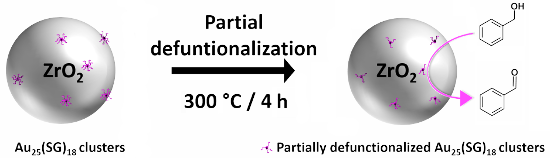
- nanoparticles or bulk gold. Impregnation of the clusters on ZrO2 nanoparticles was done by adding ZrO2 powder to an aqueous solution of Au25(SG)18, stirred for 15 min and then centrifuged to collect the powder without further washing. The composite material Au25(SG)18@ZrO2 comprised of 0.7% Au was calcined at